To know the Walk through Pelourinho
TO KNOW SALVADOR
Pelourinho Walking Tour — Full Cultural Itinerary
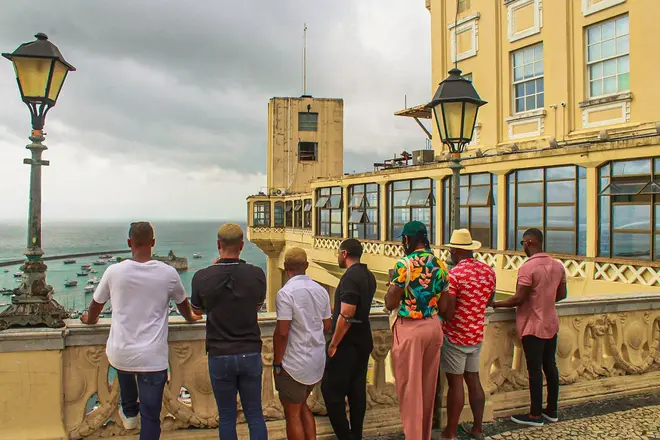
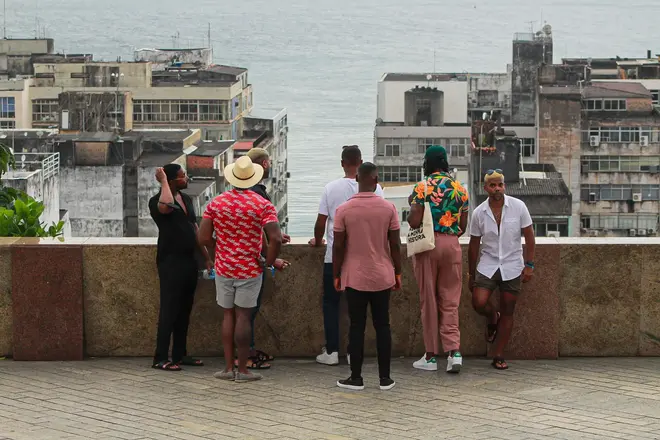
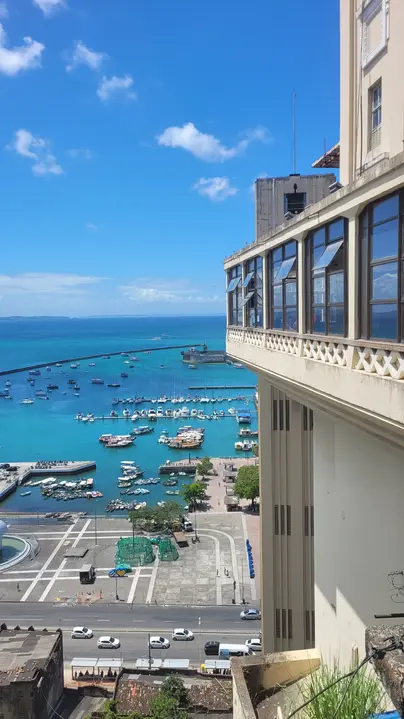
Our experience begins at Castro Alves Square, opening with one of the most impressive panoramic views in Salvador — overlooking the Bay of All Saints and its islands.
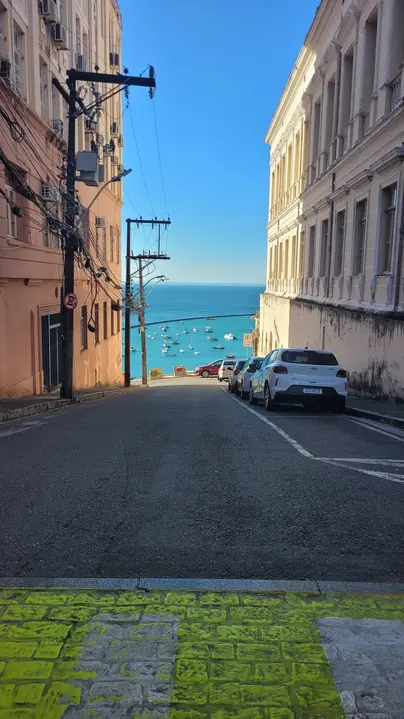
From there, we walk through Rua Chile, recognized as the first street in Brazil, before arriving at Rua Pau da Bandeira, one of the most elegant viewpoints in the Historic Center, offering iconic views over the bay.
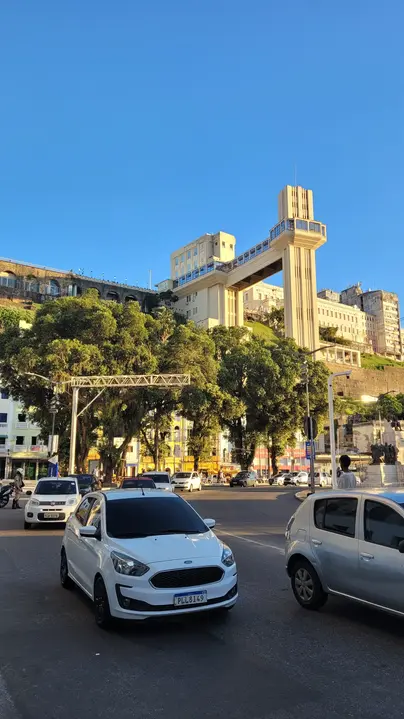
The journey continues to Praça Thomé de Souza, named after Brazil’s first Governor-General. Here, guests encounter the former Government Palace — historically associated with the first administrative structures of colonial Brazil — alongside the monumental Elevador Lacerda, connecting the Upper and Lower City for over a century.
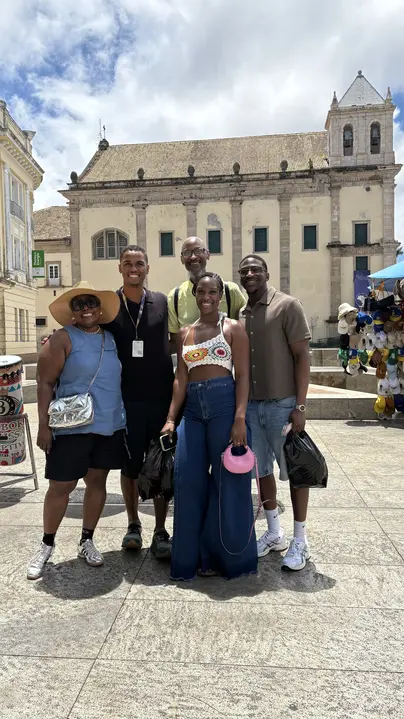
Walking further through the historic center, we pass by the Museu da Misericórdia, site of Brazil’s first hospital, before arriving at Praça da Sé.
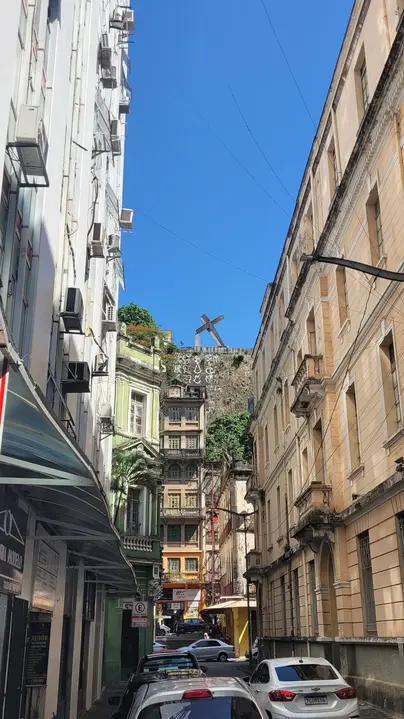
At the square, we pause before the Monument of the Fallen Cross — a symbolic protest monument created after the demolition of the old Sé Cathedral. Nearby, we reflect at two important historical landmarks: the statue of the first Bishop of Brazil and the monument honoring Zumbi dos Palmares, one of the strongest symbols of resistance, freedom, and Afro-Brazilian identity.
From there, we enter the vibrant atmosphere of Terreiro de Jesus, surrounded by colonial architecture, historic churches, and the site of Brazil’s first medical school.
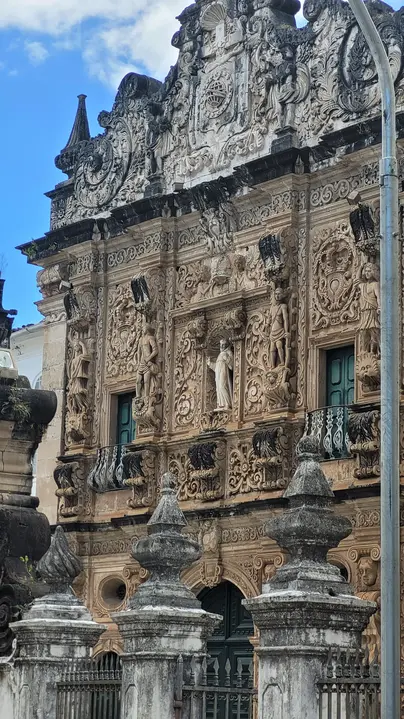
The route then leads us to Cruzeiro de São Francisco and the extraordinary Church and Convent of São Francisco — internationally recognized for its remarkable baroque interiors covered in gold leaf, often referred to as the “Golden Church” of Salvador.
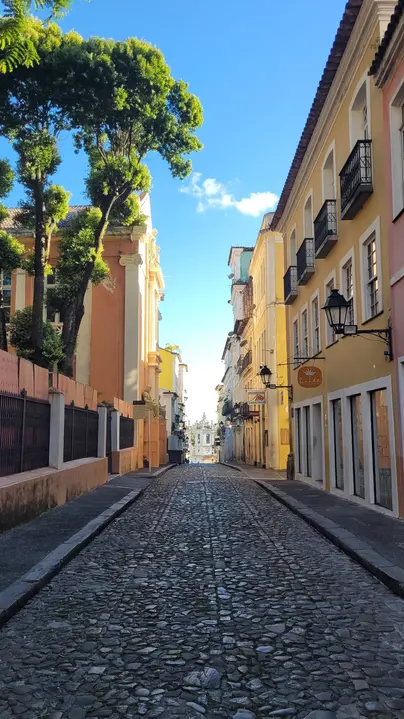
Afterwards, we explore the colorful streets of Pelourinho, passing by the Olodum Cultural House, an important symbol of Afro-Brazilian music, rhythm, and identity.
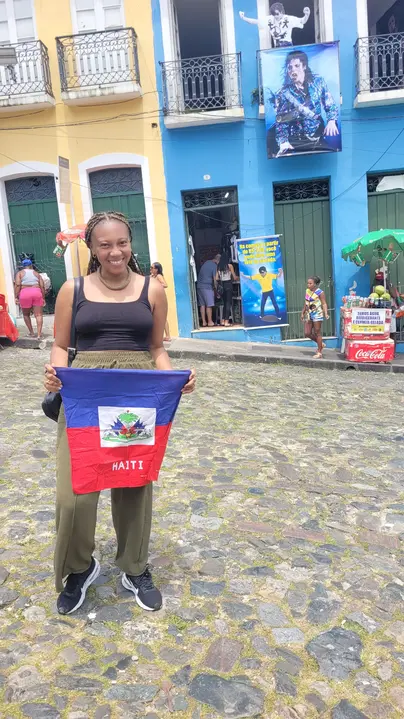
Our final stop takes place at the iconic Ladeira do Pelourinho, where Michael Jackson filmed scenes from the legendary music video They Don’t Care About Us.
At this final point, we also visit the Church of Our Lady of the Rosary of the Black People, built by one of the first Black brotherhoods in colonial Brazil — a powerful symbol of faith, resilience, and cultural continuity.
Here, surrounded by history, music, architecture, and memory, we conclude our experience through the historic heart of Salvador.

Other cities after visiting Salvador
How does a free tour work?
Choose and book
Select a tour, date and time. Booking is free.
Enjoy the tour
Go to the meeting point and live the experience with your guide.
Pay what you want
At the end, you decide how much to pay based on your satisfaction.
