Architecture Tours in London



Last update:
Continue planning your trip to London
- Free tour
Free Tours in London
Boat Tours
History Walking Tours
Changing of the Guard Tours
Buckingham Palace Tours
Westminster Abbey Tours
British Museum Tickets
Jack the Ripper Tours
Tower of London Tours
Afternoon Tea
Food Tours
London Eye Tickets
Hop-on Hop-off Bus Tours
Churchill War Rooms Tickets
Night Tours
The View from The Shard Tickets
Theatre Tickets
Other Experiences



London architecture tour: skyline icons, hidden lanes and lived-in streets
On a London architecture tour the city appears in layers: medieval alleys in the old City, Victorian brick, postwar concrete and glass towers along the Thames. Our offer of experiences brings together architecture tours in London that stay in the historic core, walks through Hampstead’s residential hills, modern landmarks like Battersea Power Station and even a Back to the 80s route. You can combine them into your own architecture walking tour of London, starting with the past in the morning and ending the day with big views and contemporary design.
📚 Choose your experience
Historic City walking tours
Old lanes, towers and hidden courts.
Battersea Power Station visit
Industrial icon and chimney lift view.
Hampstead historic homes walk
Leafy streets and hillside viewpoints.
Back to the 80s tour
Postmodern facades and pop culture.
Frequently asked questions
Practical doubts about routes.
Historic City of London architecture walking tours
In the old City, an architecture walking tour in London zigzags between tight alleys, stone churches and mirrored towers that lean over the streets. Guides thread together fire, war and finance to explain why one corner holds a medieval courtyard while the next opens onto sharp glass and steel.
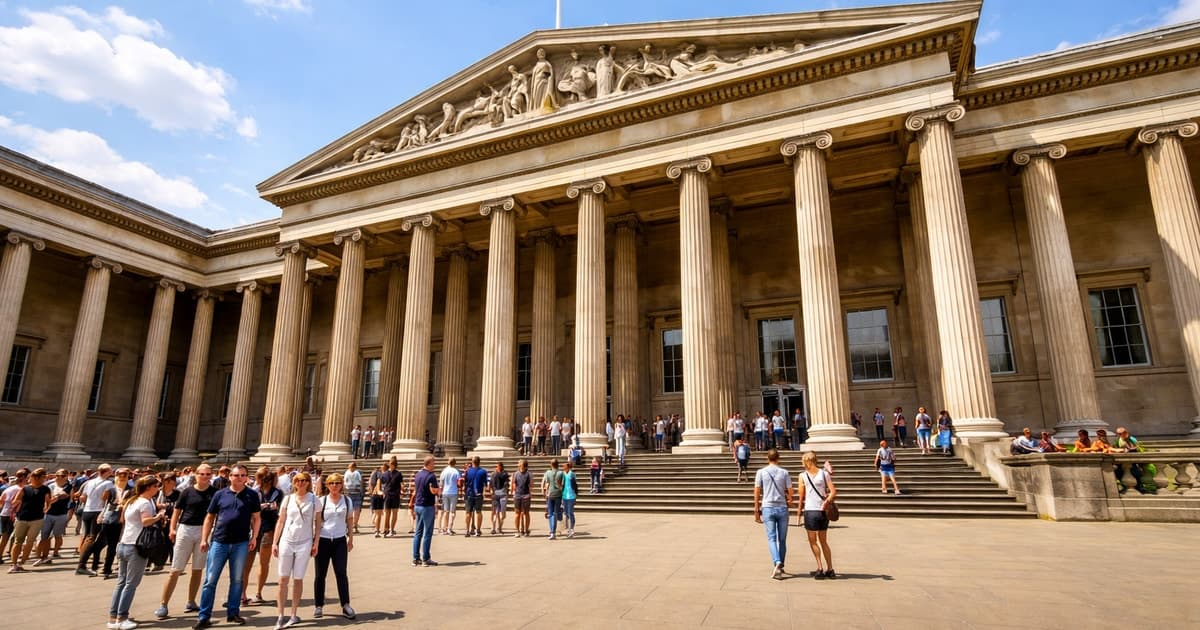

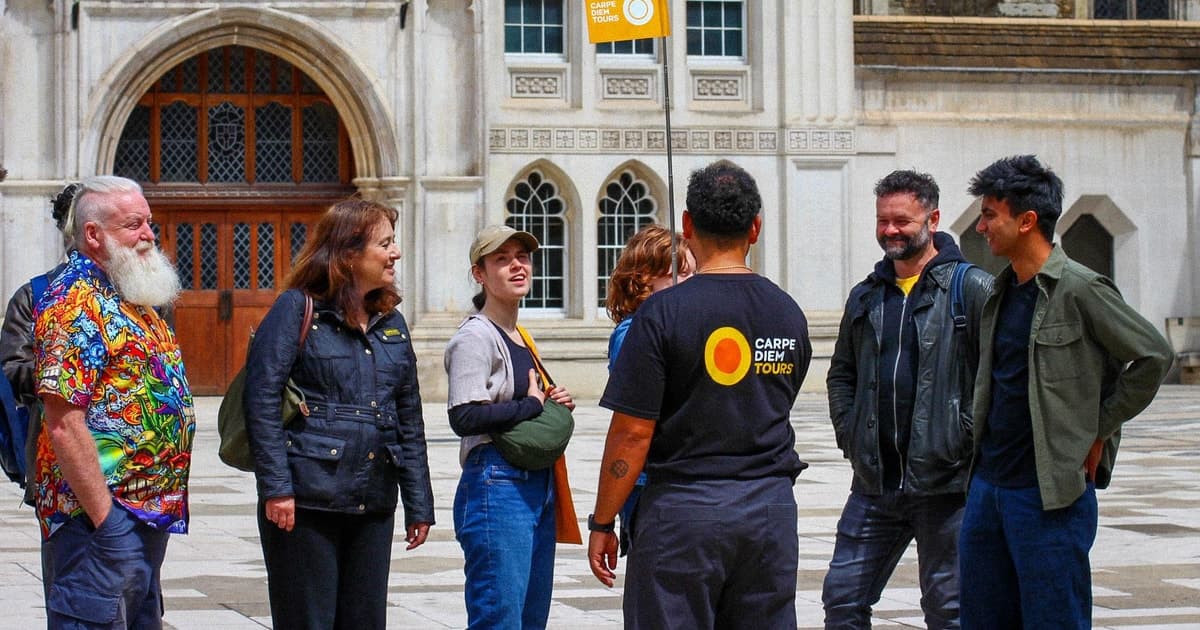
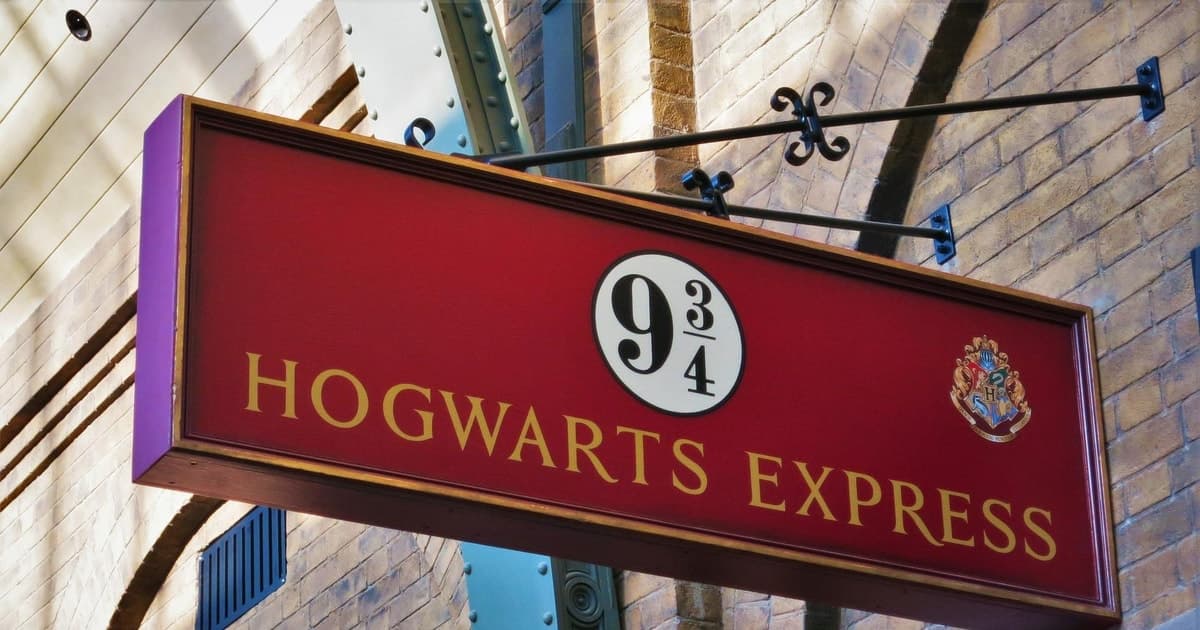
Some routes stay on hidden passages and guild courtyards, others highlight iconic silhouettes and skyline viewpoints, and a few mix both so you feel how the Square Mile has been rebuilt again and again. The pace is steady but stops are frequent, which makes these architecture tours of London suitable for curious first‑timers and repeat visitors.
If you want to add even more context, you can pair one of these walks with the dedicated London history walking tours guide to deepen the historical thread while keeping architecture in focus.
⚖️ How these Old City tours differ
- Secret routes emphasise alleyways, courtyards and stories.
- Iconic itineraries focus on landmarks and skyline views.
- Hidden gems walks balance quiet corners and main squares.
- Evening departures enhance contrasts of glass and stone.
🧭 Practical tips for the Square Mile
- Wear flat shoes; cobbles and kerbs accumulate.
- Carry a light layer; wind channels between towers.
- Ask about your guide’s background for deeper technical detail.
- Leave time after the tour to revisit favourite spots.
Battersea Power Station and the riverfront skyline
Visiting Battersea Power Station turns a modern architecture tour in London into a vertical experience: you trace the brick shell from the ground and end inside the chimney lift, looking down at the Thames, bridges and new glass towers. It is a short, concentrated way to see how heavy industry has become mixed‑use city life.
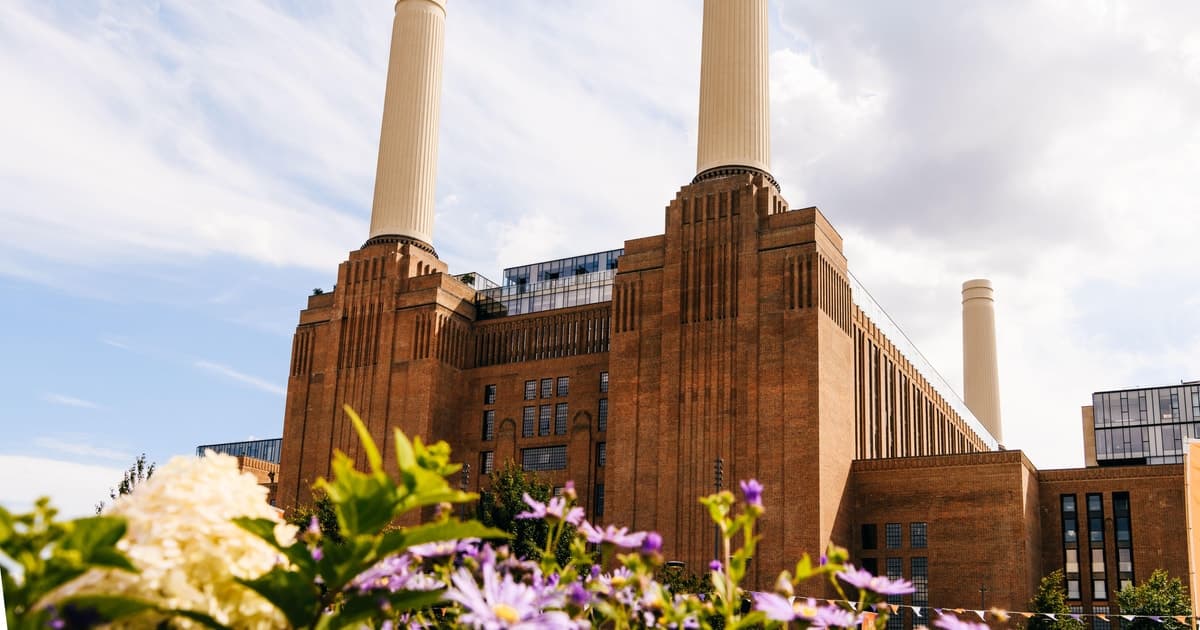
Around the building, riverside promenades, shops and apartments form a live case study of urban regeneration and branding. Our catalog of activities lets you frame this visit inside a longer riverfront day, combining the chimney lift with strolls along the embankment or another architecture tour of London later on.
For travellers who also want a broader city overview, this stop pairs well with a more general introduction from the broader catalog of guided tours in London, so you can connect individual projects to the city’s big picture.
📐 What makes Battersea different
- Monumental brick preserved with clean new insertions.
- Chimney lift offers one focused panoramic viewpoint.
- Ground level shows how retail and housing reuse industry.
- Good contrast with older power infrastructure across London.
🧭 Tips for the chimney lift visit
- Choose a clear day for crisp skyline photos.
- Arrive slightly early; security and lifts can queue.
- If you dislike heights, stand near the centre.
- Plan a slow walk by the river to digest the views.
Historic homes in Hampstead Village
A Hampstead Village architecture tour swaps skyscrapers for steep lanes, brick villas and generous gardens perched above the city. Facades that look calm from a distance reveal careful brickwork, bay windows and extensions that explain how London’s domestic architecture has evolved.
The rhythm is slower and more residential, ideal when you want a gentler day after intense time in the centre. Guides often connect individual houses to writers, artists and planning decisions, turning an apparently quiet neighbourhood into a living archive.
Many travellers use our offer of experiences to do Hampstead with a guide first, then return on their own following self guided walking tour options in London that let them linger on favourite corners and viewpoints.
🏡 Who will enjoy Hampstead most
- Travellers who like quiet, residential character.
- Architecture students interested in housing typologies.
- Visitors returning to London seeking less obvious walks.
- Photographers chasing green streets and skyline glimpses.
🧭 Practical notes for Hampstead’s hills
- Expect climbs and descents; supportive shoes help.
- Weather shifts quickly; layers and a compact umbrella.
- Consider a café stop to review photos and sketches.
- Check return routes so you are not rushed at the end.
Back to the 80s architecture walking tour in London
The Back to the 80s walking tour in London focuses on late twentieth‑century cityscapes: mirrored glass, bold colours, corporate plazas and the street furniture of a different economic boom. It is a way to see how postmodern designers played with signs, silhouettes and references while the city reinvented itself.
Compared with older quarters, the spaces on this route often feel more open, with strong sightlines to station entrances, office lobbies and pieces of public art. Guides unpack how planning, pop culture and branding shaped these corners, so they become more than just a nostalgic backdrop.
This kind of architecture tour of London works especially well when combined with a historic City walk on another day, letting you compare detail‑heavy stonework with expressive, sometimes playful facades from the 1980s.
🎞️ 80s cityscapes and design details
- Look for bold entrances and oversized columns.
- Notice how plazas frame banks, media and offices.
- Compare signage typography with today’s cleaner branding.
- Ask about film or music links for extra stories.
🧭 How this tour fits your day
- Pair a daytime walk with evening theatre or music.
- Use it to frame a visit to contemporary galleries.
- Ideal for travellers who already know central landmarks.
- Good choice if weather threatens heavier parks or hills.
Frequently asked questions about London architecture tours
What is an architecture tour?
An architecture tour is a guided walk or visit focused on how buildings are designed, built and used. Instead of just naming monuments, the guide explains materials, styles and urban context so you can read the city with more precision.
What is London architecture known for?
London’s architecture is known for its mix of eras and scales: Gothic churches, Georgian terraces, Victorian infrastructure, postwar housing and contemporary towers. A London architecture walking tour lets you see how these layers overlap on the same street rather than in separate museums.
Where is the best architecture in London?
Strong candidates are the historic City core, the riverfront around Battersea and the cultural spine along the South Bank, plus residential areas like Hampstead. The “best” area depends on whether you prefer domestic streets, monumental landmarks or experimental towers, so many travellers combine more than one architecture tour in London.
What should I wear on the architecture tour?
Wear comfortable, closed shoes for cobbles, kerbs and stairs, plus layers you can adjust for shade, wind and brief showers. A small bag with water, a compact umbrella and space for notes or photos is usually enough for most architecture tours in London.
What are the benefits of architecture tours?
A good architecture tour of London gives you orientation, local insight and a framework to understand other places you visit later on your own. You learn to recognise styles, planning decisions and social histories so the city feels less random and more legible.
Is there gothic architecture in London?
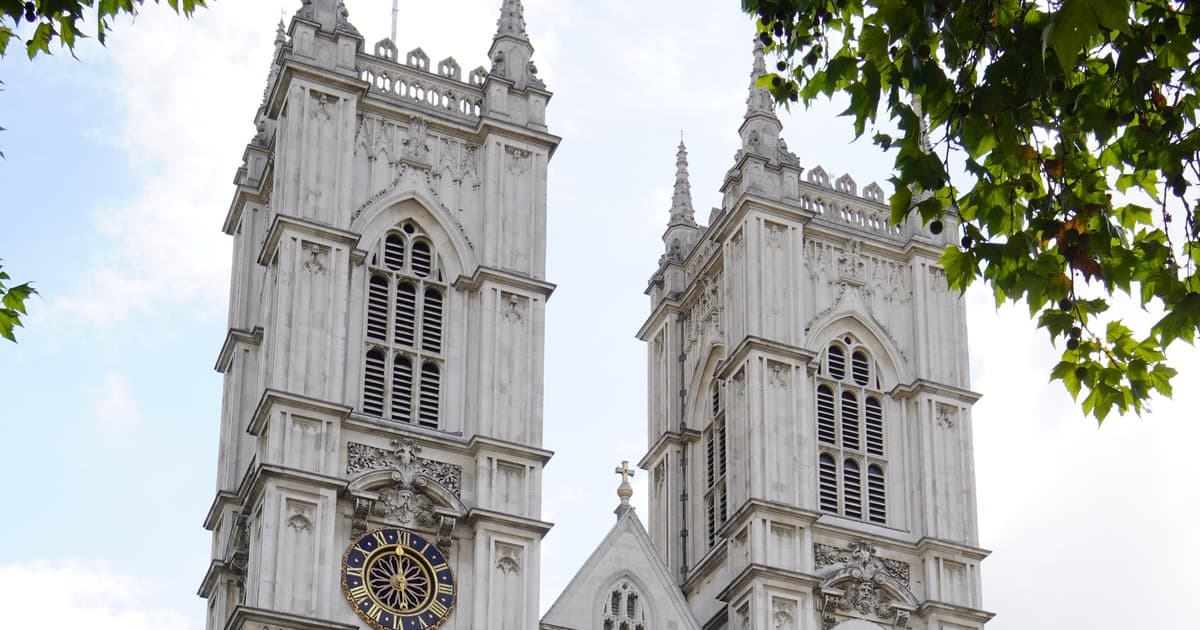
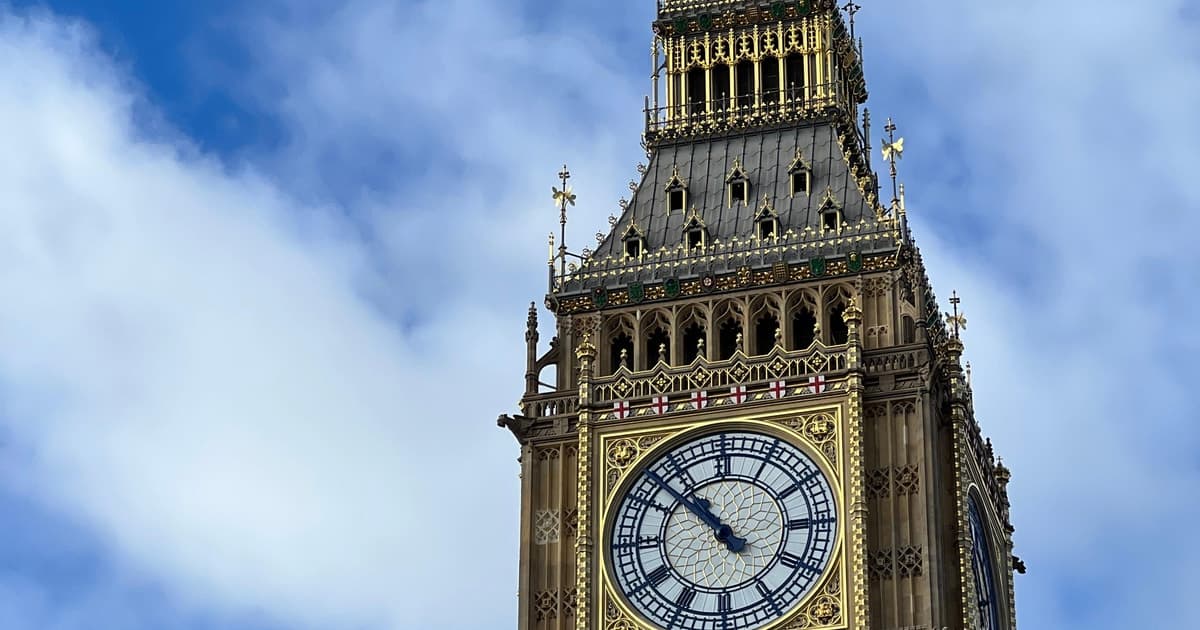
Yes, London has important examples of Gothic and Gothic Revival architecture, from major churches to university buildings and town halls. Many routes show Gothic silhouettes in contrast with Georgian streets and modern towers, which helps you see how each era expressed power and belief.
Why is there so much brutalist architecture in London?
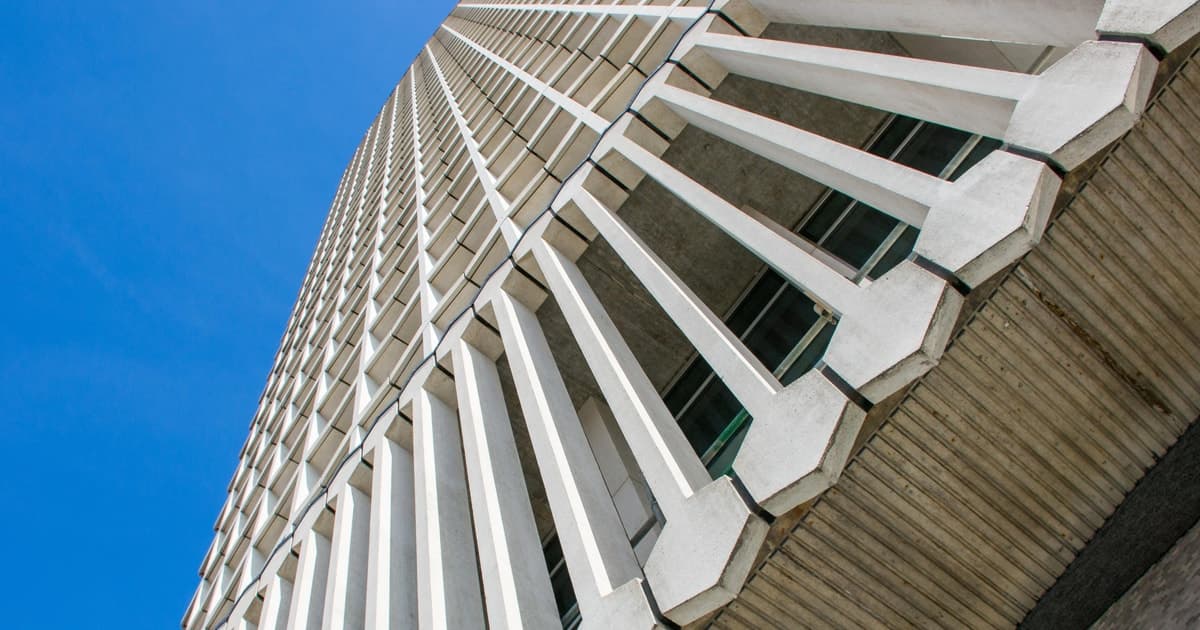
After the Second World War, London needed new housing, institutions and infrastructure quickly, and concrete was practical, expressive and relatively affordable. Brutalist projects captured a belief in public space, culture and mass housing, and later architecture tours now help visitors understand and sometimes reassess these strong forms.
What is architecture tourism?
Architecture tourism is travel that deliberately focuses on buildings, city plans and landscapes rather than only beaches or shopping. Joining an architecture tour London style means you use expert guides to structure that interest, so you leave with more than just photos of famous landmarks.
How much does a London architecture tour cost?
Most London architecture walking tours sit in the same brackets as other guided walks, with budget‑friendly options and more specialised experiences such as Hampstead homes or the Battersea chimney lift. Check GuruWalk's activity catalog to see the latest prices and choose the level of depth and duration that fits your trip.
Discover related activities in London


