Cooking Classes in Madrid
Last update:
Continue planning your trip to Madrid
- Free tour
Free Tours in Madrid
Museums
Day Trip to Toledo
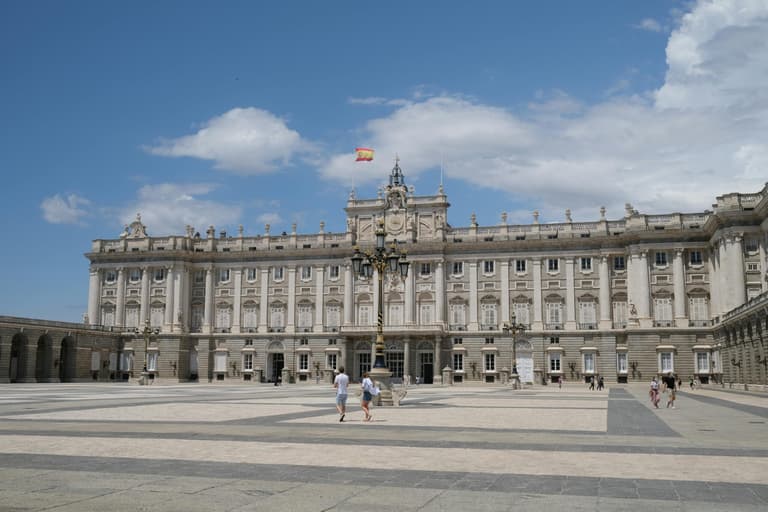
Royal Palace of Madrid Tickets
Flamenco Shows
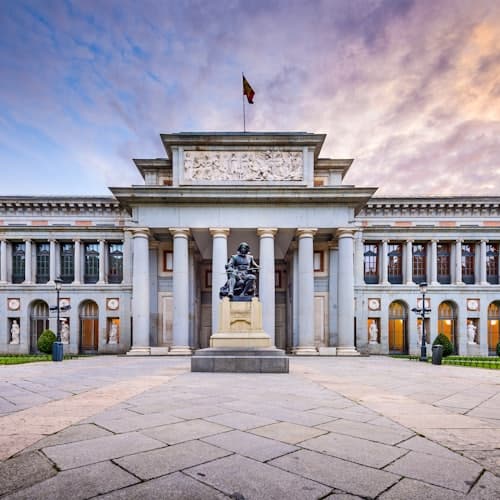
Prado Museum Tickets
Prado Museum Guided Tours
Other Experiences
Day Trip to Segovia
Day Trip to Toledo and Segovia
Day Trip to Segovia and Avila
Santiago Bernabéu Stadium Tours
Food Tours
Wine Tastings
Bernabéu Museum Tickets
Day Trip to Avila
Hop-On Hop-Off Bus Tours
Cooking Classes
Paella Cooking Classes
Wine and Cheese Tastings
Prado Museum Private Tours
Day Trips by Train
Almudena Cathedral Tickets
Retiro Park Segway Tours
Day Trip to Salamanca
Day Trip to El Escorial
Day Trip to Cuenca













Madrid cooking class: market noise, sizzling pans, and a meal you made
A madrid cooking class is the city in fast-forward: the scent of paprika at the stove, tapas passed across a shared table, and small techniques you can reuse for the rest of the trip. GuruWalk experiences range from market-first cooking to paella and tapas classics, plus wine-led sessions and a sweet churros finale, often in English so the details land.
📚 Choose your experience
Market visit classes
Shop smart, then cook what you bought.
Paella and tapas
Classic dishes with a shared rhythm.
Wine pairing sessions
Cook, taste, and learn why it works.
Ten tapas focus
Many small bites, fast skill gains.
Secret venue afternoon
Quieter energy and intimate hosting.
Chocolate and churros
A sweet ritual you can recreate.
Frequently asked questions
Practical answers before you book.
Cooking class madrid with a market visit: shop, then cook
This cooking class in Madrid starts where decisions matter: seasonal produce, olives, seafood counters, and quick vendor chatter. You learn what looks right, then turn the haul into a meal that tastes like your first walk through the city.
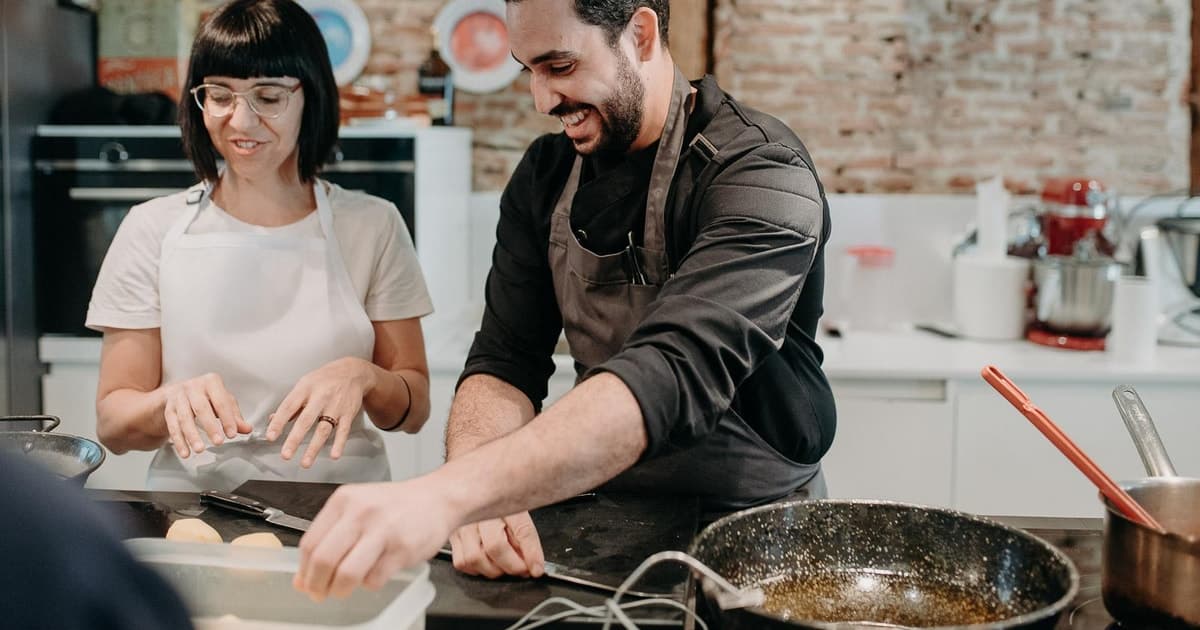
The big benefit is confidence: you recognize ingredients on menus instead of guessing. For a related product page that keeps the theme going after dinner, add wine tasting in Madrid.
Paella and tapas cooking class in Madrid: the classic duo
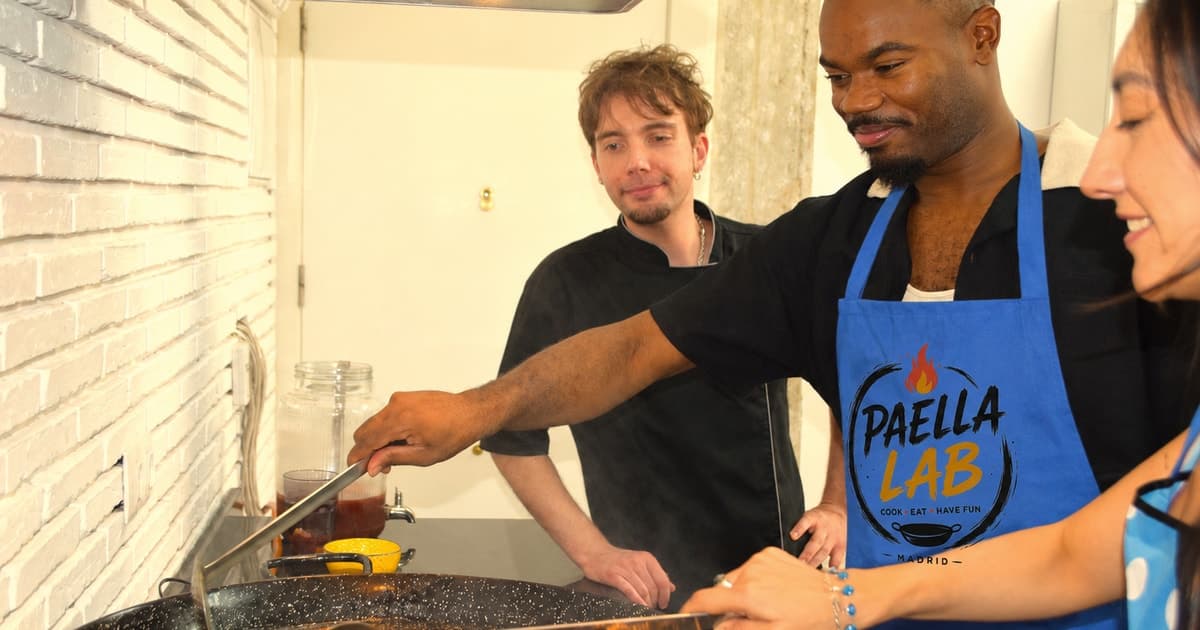
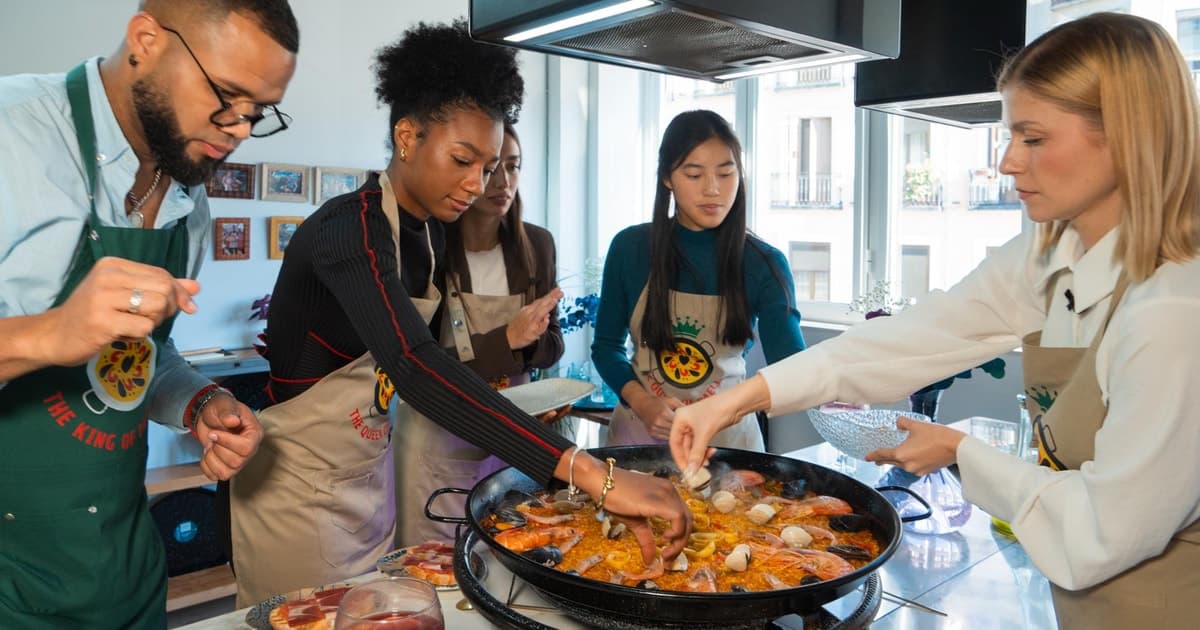
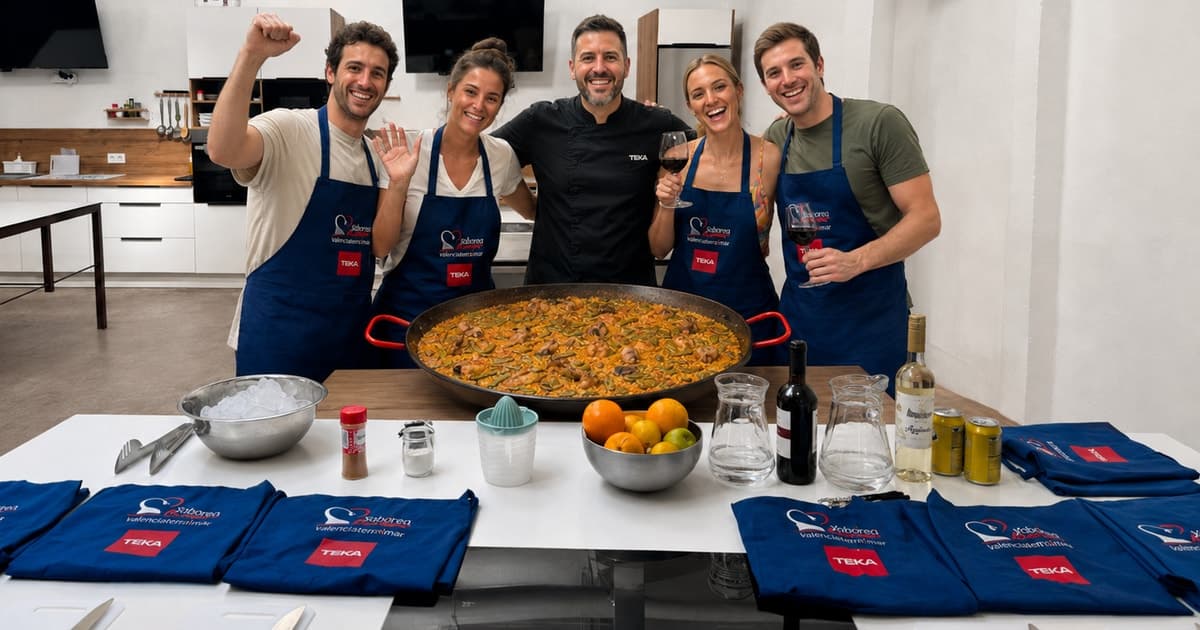
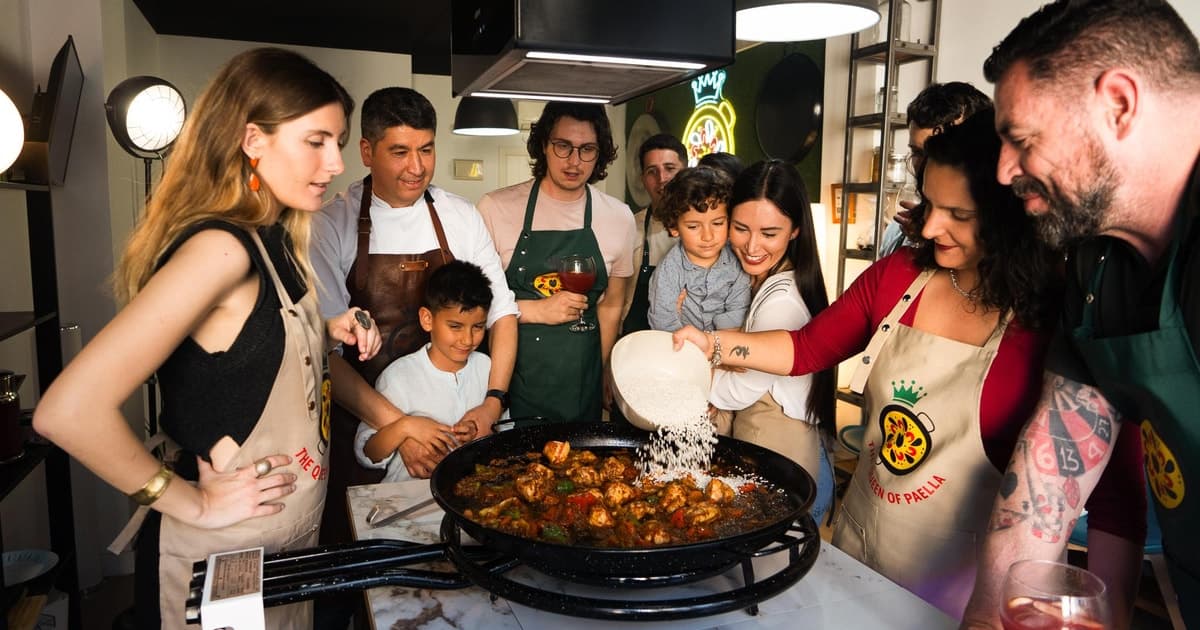
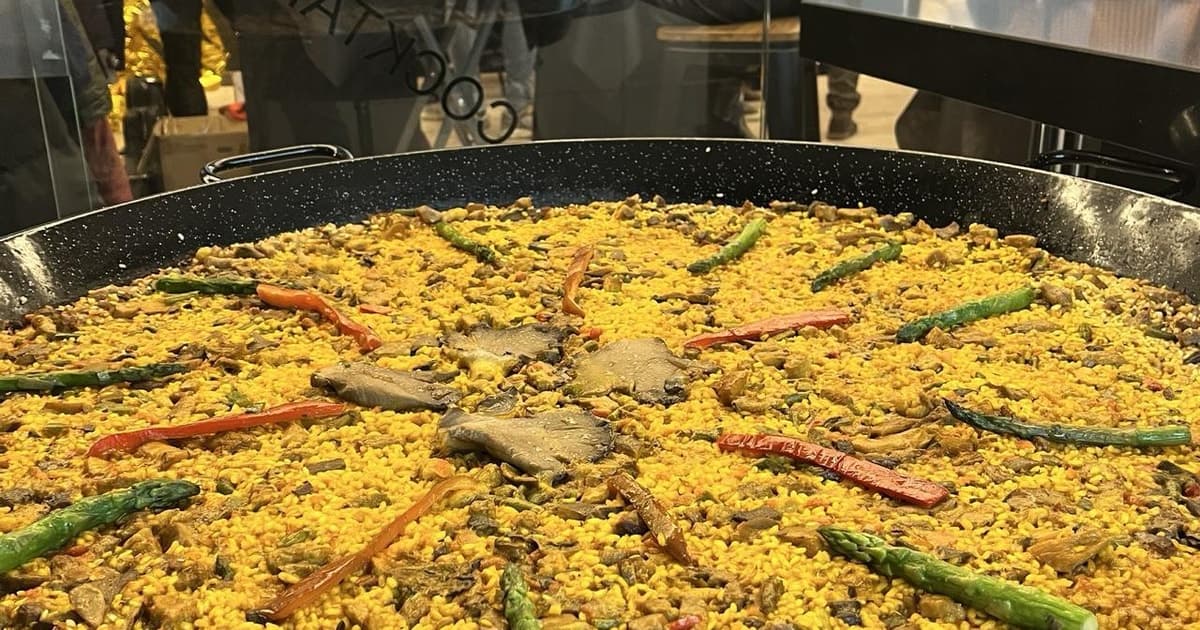
A paella cooking class Madrid travelers remember is the one with toasted rice, garlic in the pan, and everyone moving in sync. Tapas rounds out the session with quick wins, therefore you leave with both a headline dish and snack-level tricks.
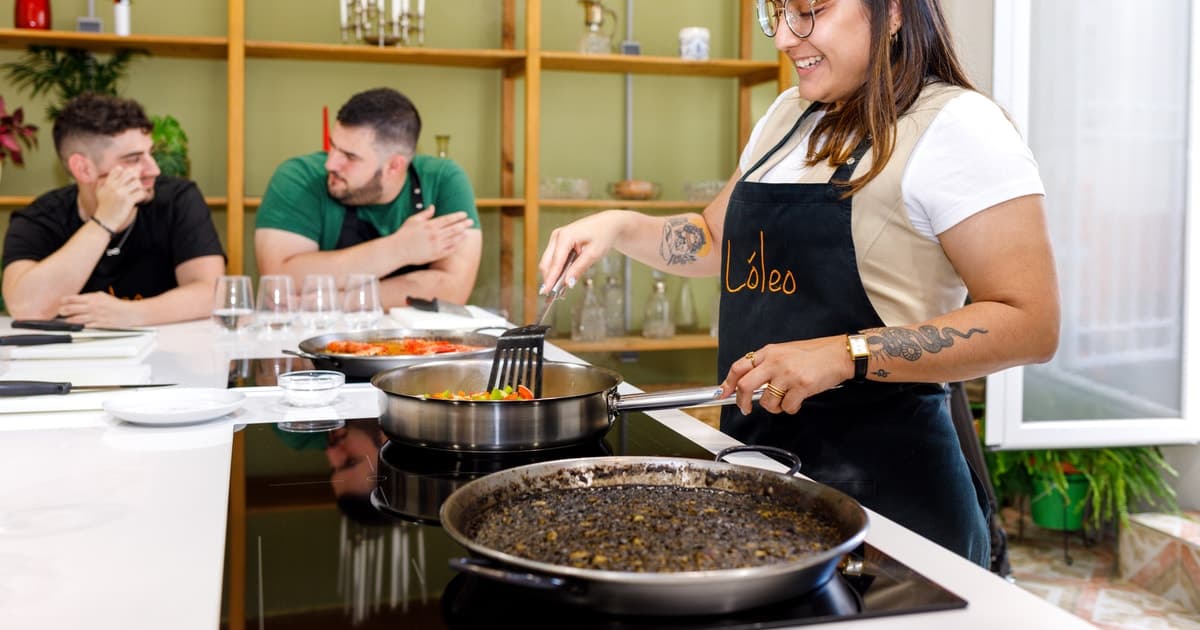
Some experiences focus on chef-led technique and timing, others on the table energy and sangria. On the other hand, if you want a cultural reset between chopping and eating, pair it with the related product page for Prado Museum tickets.
⚖️ Quick pick
- Pick market visit for ingredient confidence.
- Pick chef-led for sharper paella technique.
- Pick sangria vibe for social cooking.
Madrid cooking class English: wine pairing and easy conversation
A Madrid cooking class in English with wine turns the lesson into a tasting you can repeat at home. Expect pairing notes, relaxed pacing, and a mood that fits a long lunch or early evening without feeling rushed.
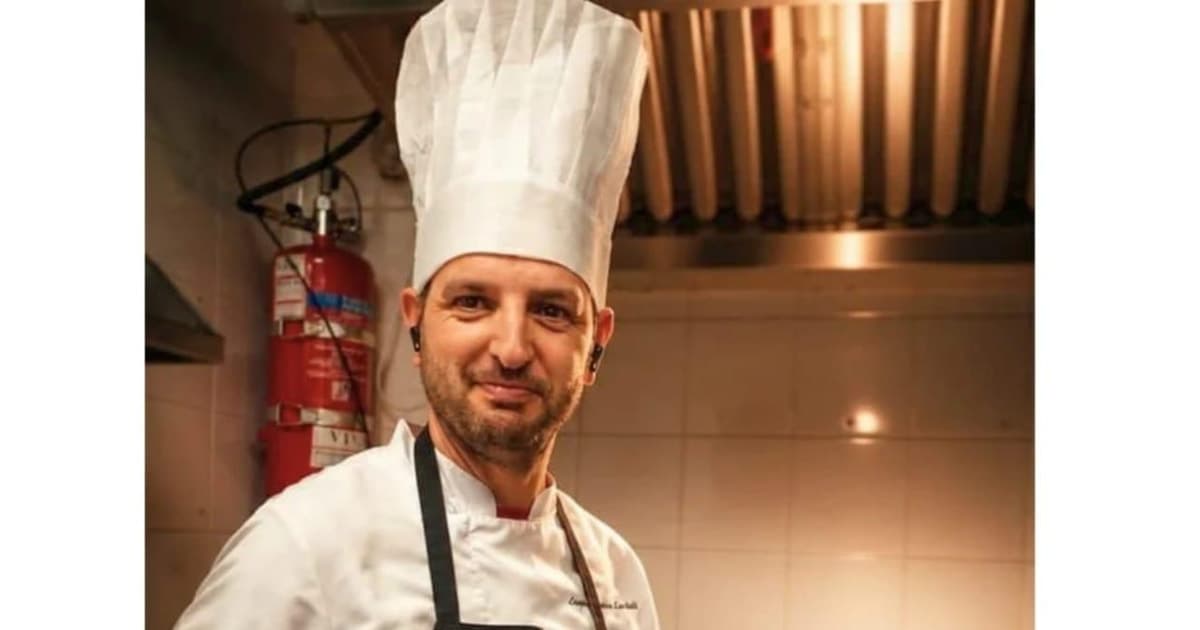
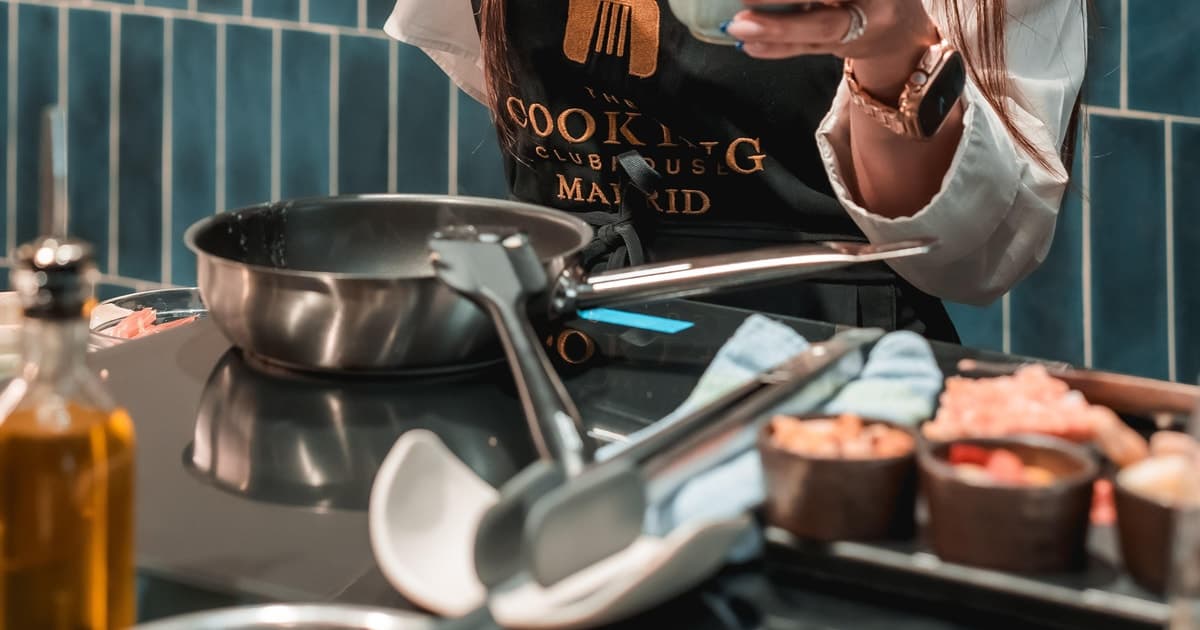
Choose this if you care about the reason behind the recipe as much as the final plate. Sip slowly and hydrate, therefore the technique sticks long after the last toast.
10 tapas cooking class: learn the bar classics
A 10 tapas cooking class is a sprint through the staples, with quick sautés, simple sauces, and small-plate presentation. The variety makes learning feel fast, and the skills translate directly to ordering smarter in Madrid.
It suits groups because everyone gets a task and a taste, however it stays comfortable for solo travelers. For the next day, the related product page for day trips from Madrid fits perfectly with a full stomach and curious feet.
Afternoon tapas cooking class in a secret venue in Madrid
This format trades crowds for quiet focus and a more intimate table, with tapas as the shared project. It works well when you want a slower rhythm and a host who can adjust as you cook.
Arrive with your phone charged and a few minutes spare so finding the entrance stays stress-free. Once inside, attention goes to taste and technique, not logistics.
Chocolate and churros cooking class in Madrid
A chocolate and churros cooking class in Madrid is pure comfort: thick chocolate, hot oil, and sugar-dusted crunch. It is hands-on and quick to learn, and it feels like a local breakfast ritual you can recreate anywhere.
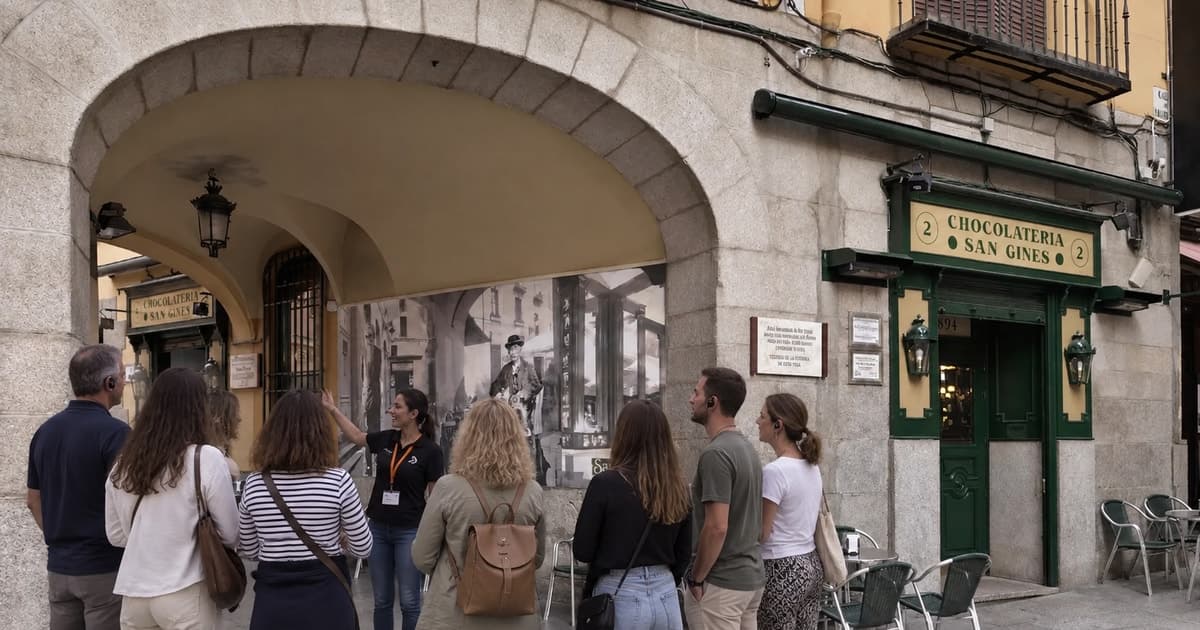
Pick it on a colder day or after a long walk when you want a warm, sweet reset. The payoff is immediate, and the recipe is easy to repeat for friends back home.
Frequently asked questions
Is Madrid a foodie city?
Yes, and a class is the fastest way to connect markets, bars, and home cooking in one session.
What food is Madrid famous for?
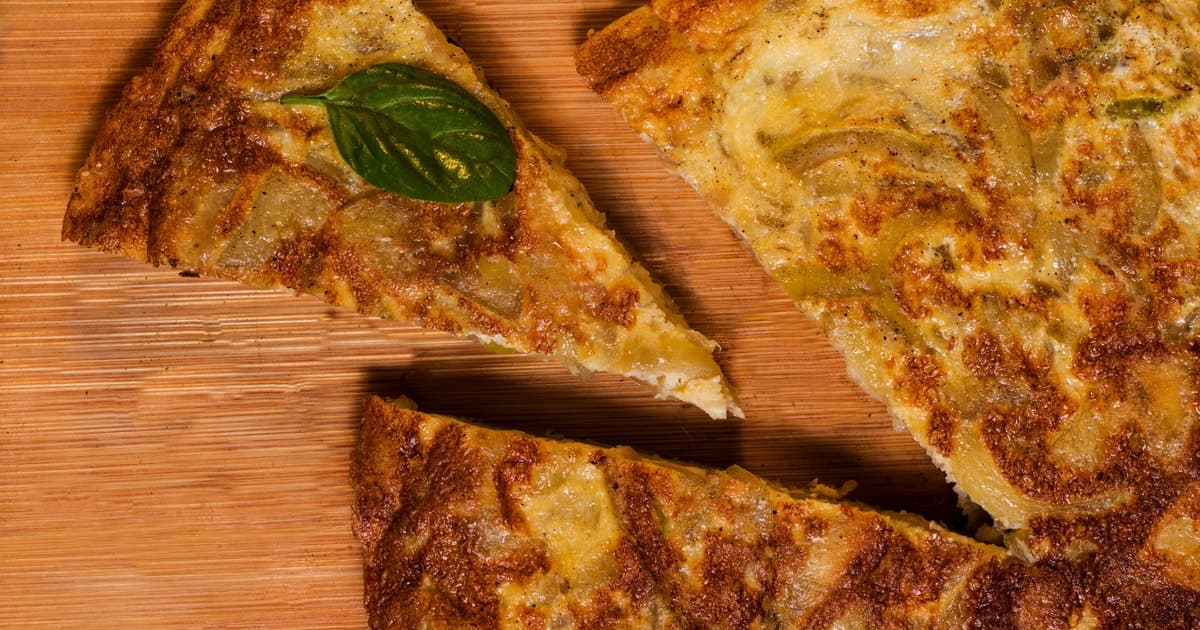
Think cocido madrileño, tortilla, bocadillo de calamares, and churros. Paella is more pan-Spanish, however it is still a classic to learn.
Is it okay to take a madrid cooking class in English?
Yes, many sessions are hosted in clear, traveler-friendly English, and some are bilingual.
Are cooking courses worth it on a short trip?
They are worth it when you want a meal that doubles as a story: you eat what you make, and menus feel more readable afterward.
Do cooking classes include market visits?
Some do, especially those titled with market and visit. If that is your priority, check the activity details on GuruWalk for the exact meeting point and inclusions.
How much does a cooking class cost in Madrid?
Prices vary by format: sweet classes can start around 60 €, while multi-course sessions with all the extras can reach around 160 €. Check GuruWalk's activity catalog to see the latest prices.
Discover related activities in Madrid