Paella Cooking Classes in Madrid
Last update:
Continue planning your trip to Madrid
- Free tour
Free Tours in Madrid
Museums
Day Trip to Toledo
Royal Palace of Madrid Tickets
Flamenco Shows
Prado Museum Tickets
Prado Museum Guided Tours
Other Experiences
Day Trip to Segovia
Day Trip to Toledo and Segovia
Day Trip to Segovia and Avila
Santiago Bernabéu Stadium Tours
Food Tours
Wine Tastings
Bernabéu Museum Tickets
Day Trip to Avila
Hop-On Hop-Off Bus Tours
Cooking Classes
Paella Cooking Classes
Wine and Cheese Tastings
Prado Museum Private Tours
Day Trips by Train
Almudena Cathedral Tickets
Retiro Park Segway Tours
Day Trip to Salamanca
Day Trip to El Escorial
Day Trip to Cuenca


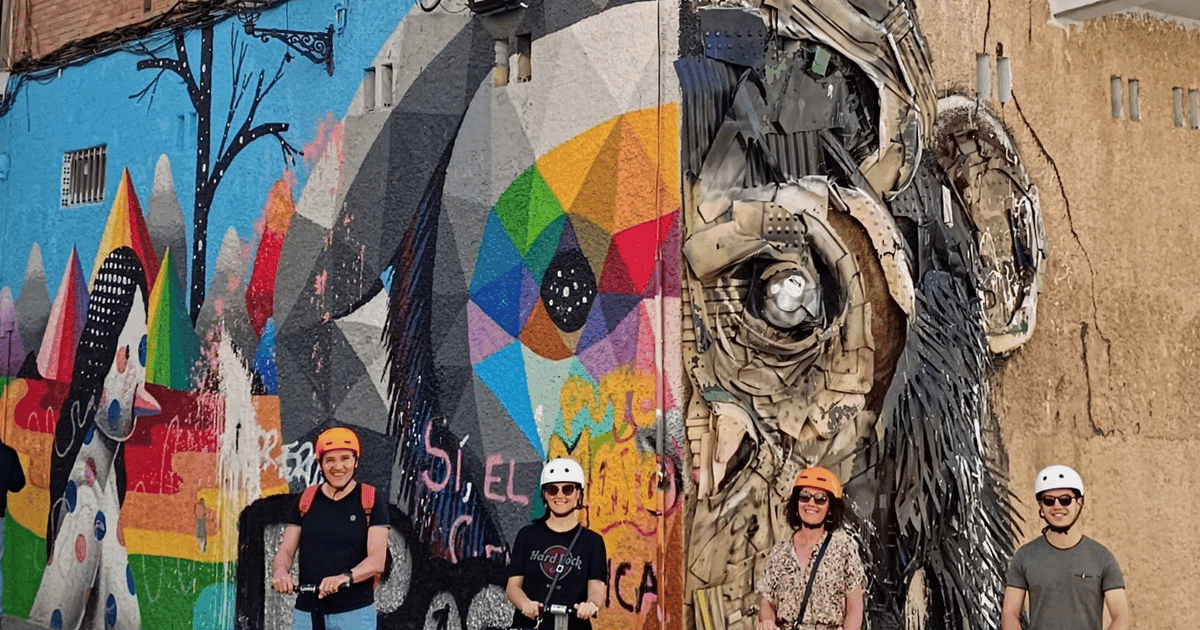








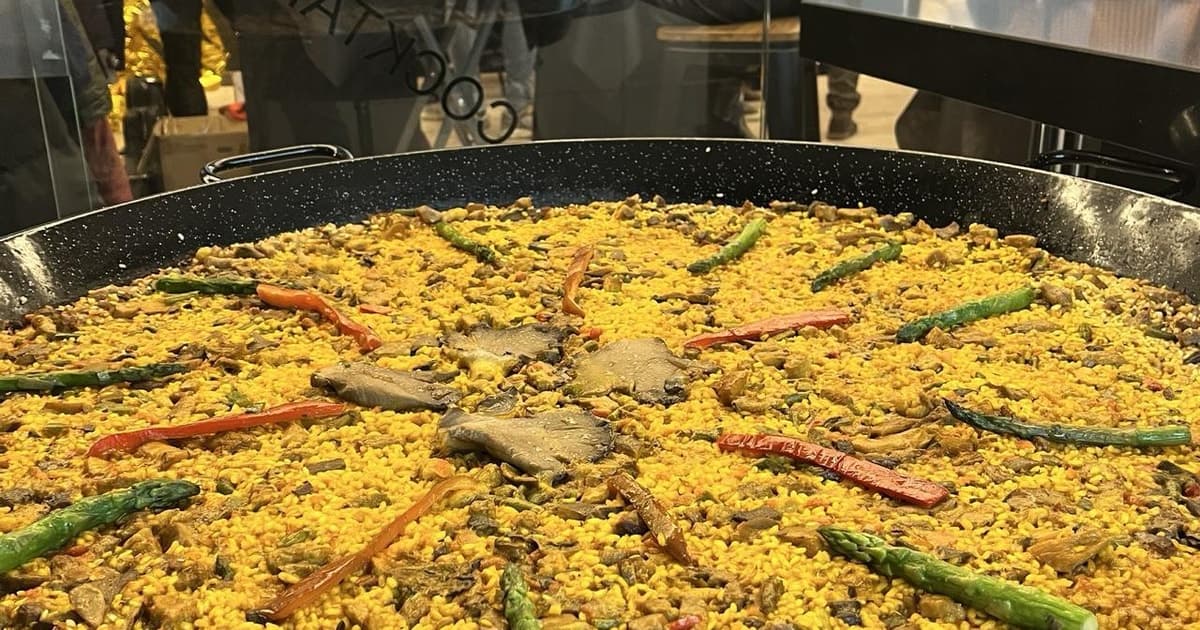





Paella cooking class in Madrid: market chatter, sizzling rice, and a shared table
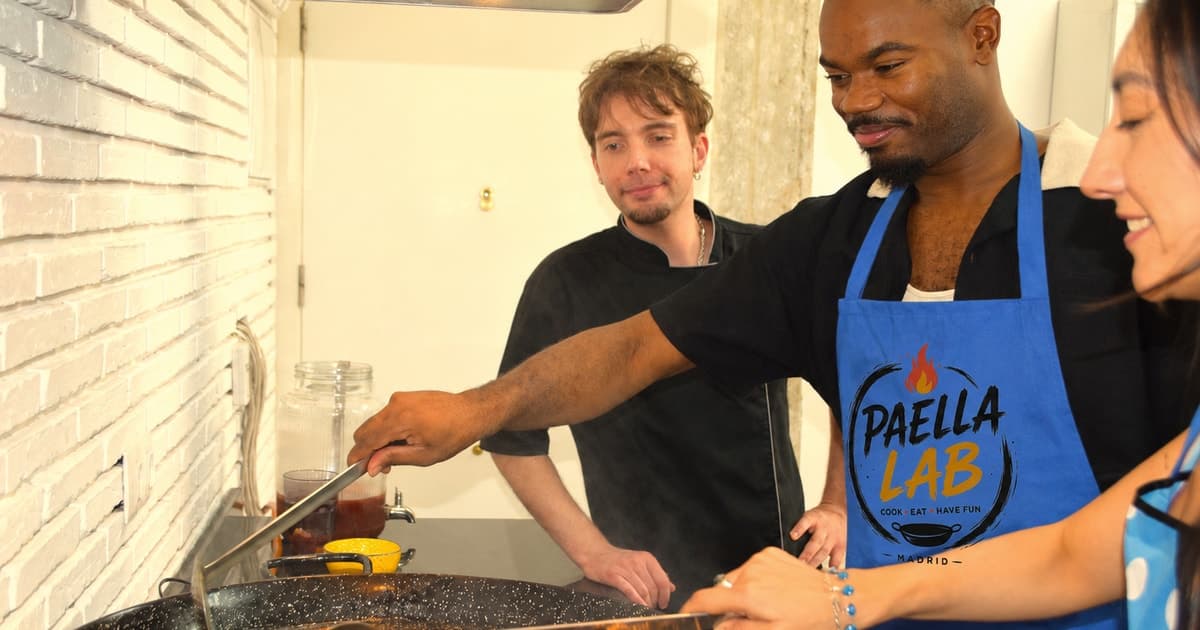
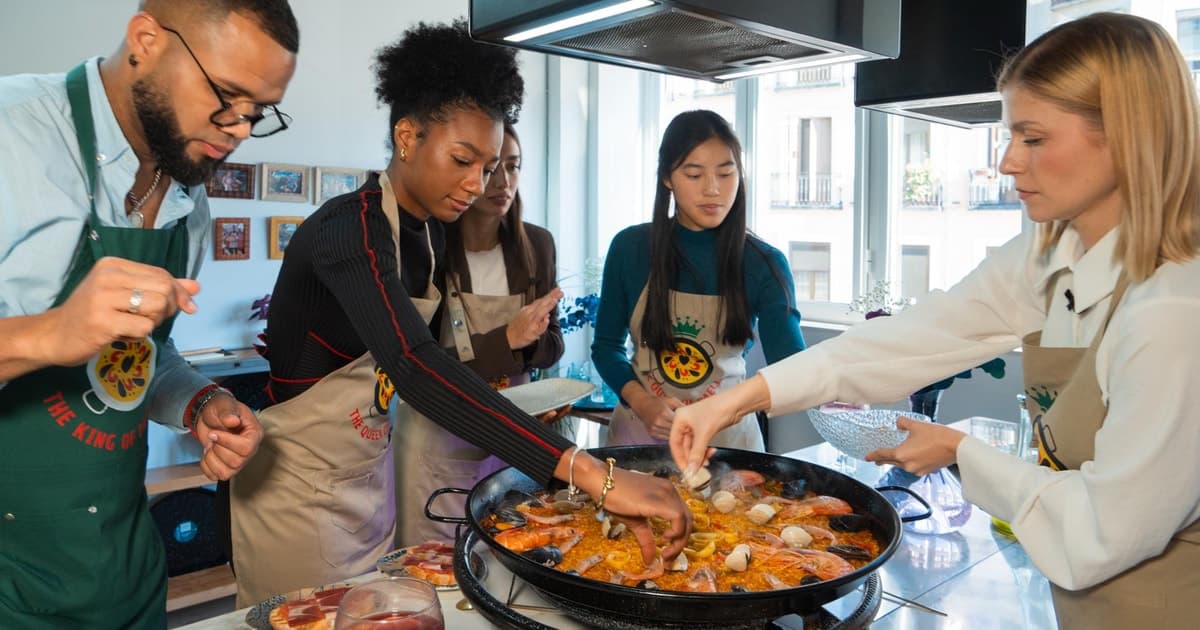
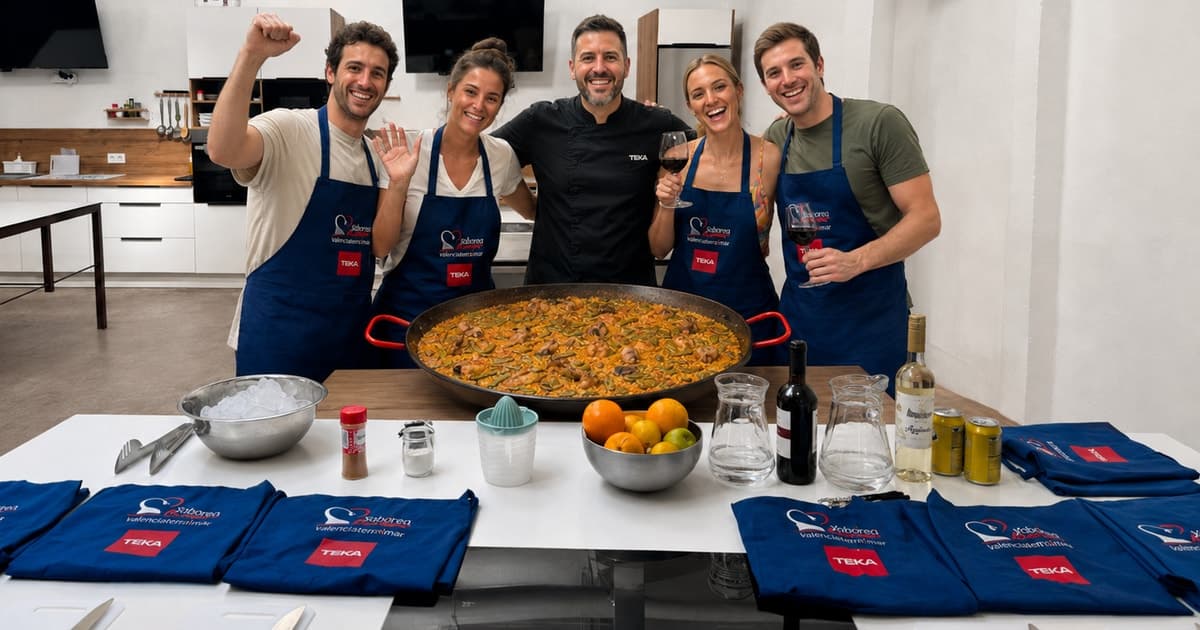
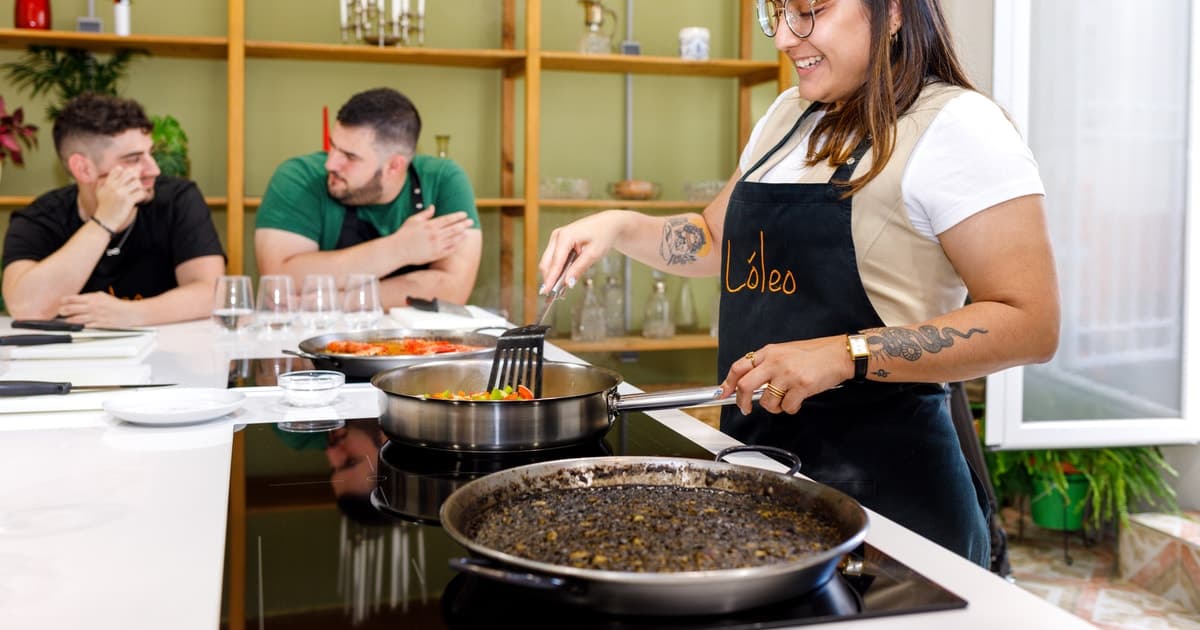
A paella cooking class in Madrid moves fast at first, then slows down: market chatter, a welcome drink, and the hiss when rice hits the pan. Choose a Market Visit with tapas, a sangria-led session with diet options, or a wine pairing that turns cooking into a shared table.
📚 Choose your experience
Market Visit and tapas: shop first, then cook paella
A Market Visit is the quickest way to read Madrid’s food culture: stalls of vegetables, seafood, and spice, then straight into tapas prep. Back in the kitchen, a chef turns your shopping instincts into a paella you can repeat at home.
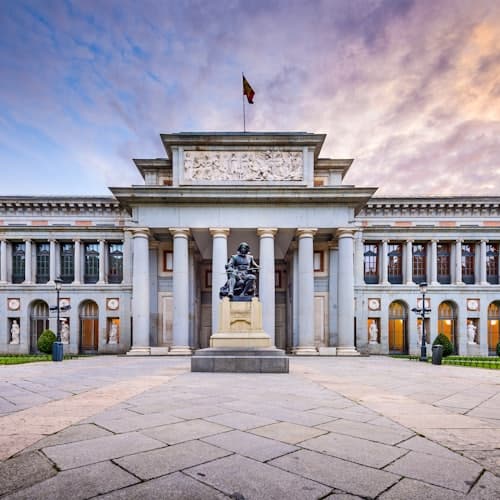
This format often lands around lunchtime, therefore it pairs neatly with an art afternoon; grab Prado Museum tickets and let your feet recover while the flavors settle.
Paella and Sangria classes: seafood, chicken, or vegan
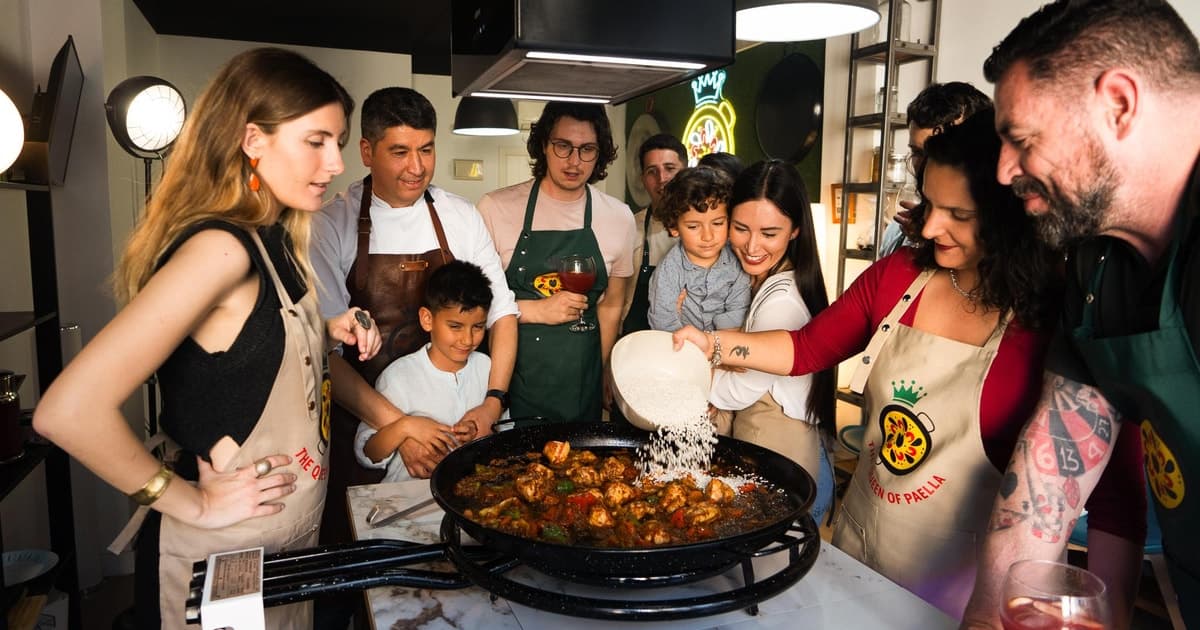
In a Paella and Sangria class, the welcome drink breaks the ice, then you pick your style, from seafood to chicken or a vegan version. It’s a good choice when your group has mixed tastes but still wants one shared meal.
Technique is the headline: deep sofrito, short-grain rice, and once stock is in, stop stirring so socarrat can form. If you want to keep learning, add wine tasting in Madrid and connect what you cooked to what you drink.
Bottomless Wine Pairing: the long, social table
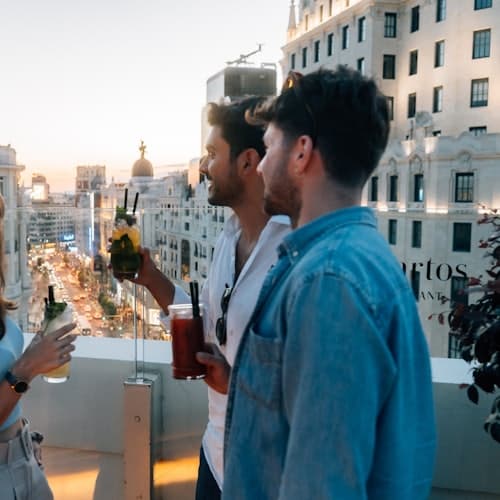
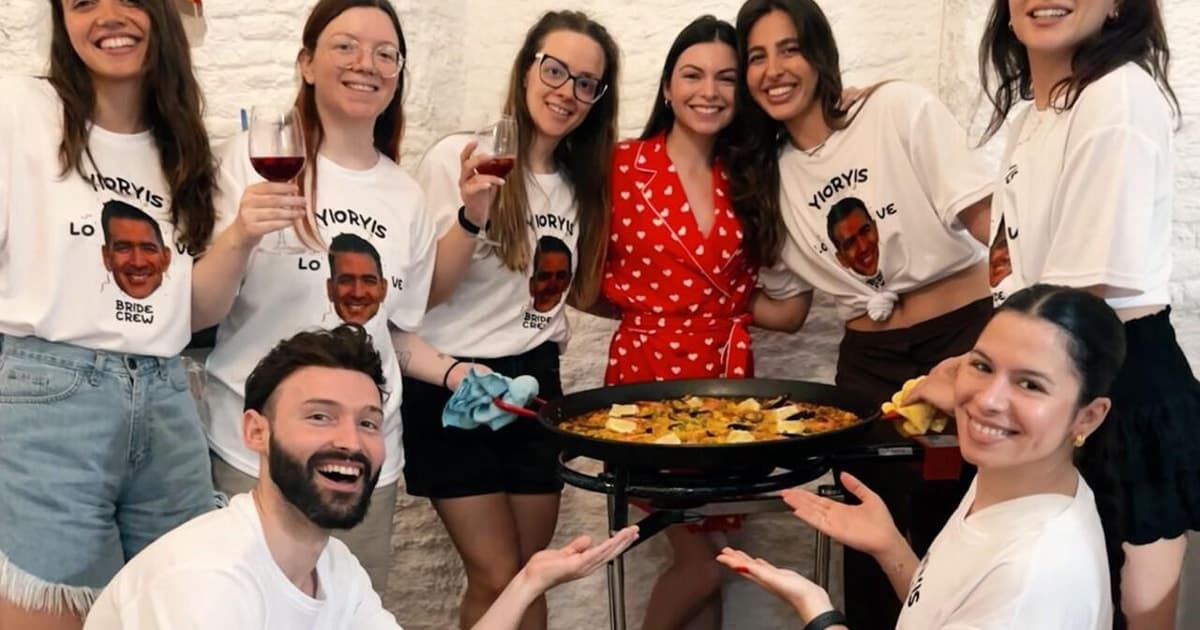
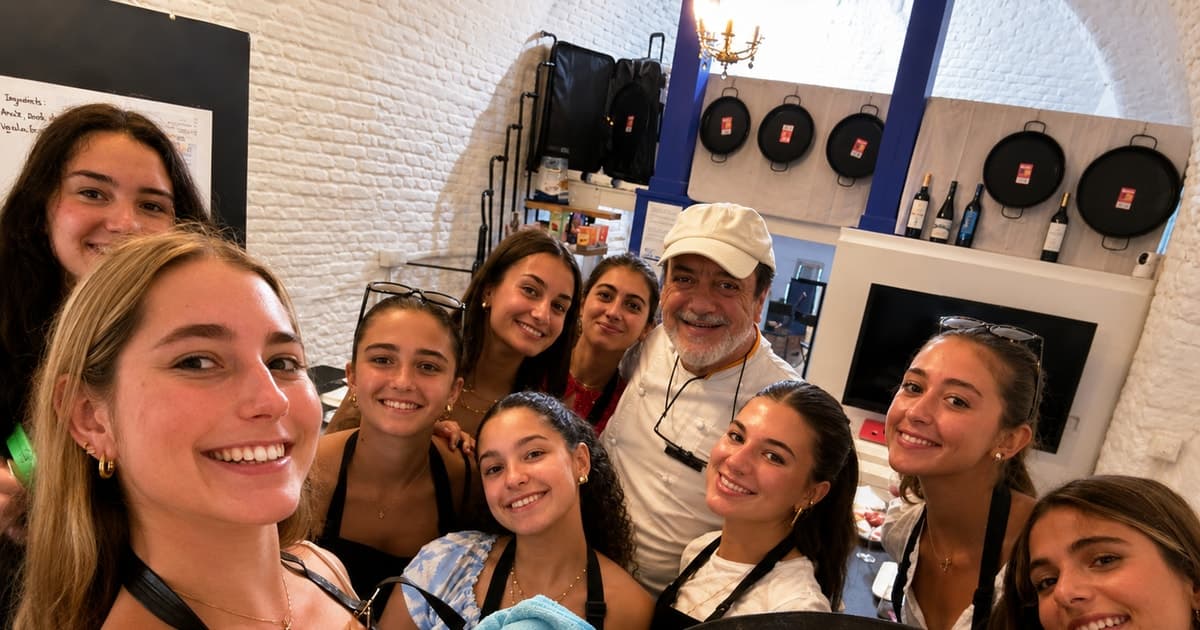
The Bottomless Wine Pairing class leans into indulgence: guided pours alongside prep, and paella cooked with pairing in mind rather than speed. It’s built for travelers who want the cooking to feel like a celebration.
Choose it for groups who want conversation built in. Pace yourself, keep water nearby, and let the chef call the timing so the meal stays crisp and memorable, not rushed.
Professional Chef class: tighter tapas, cleaner paella
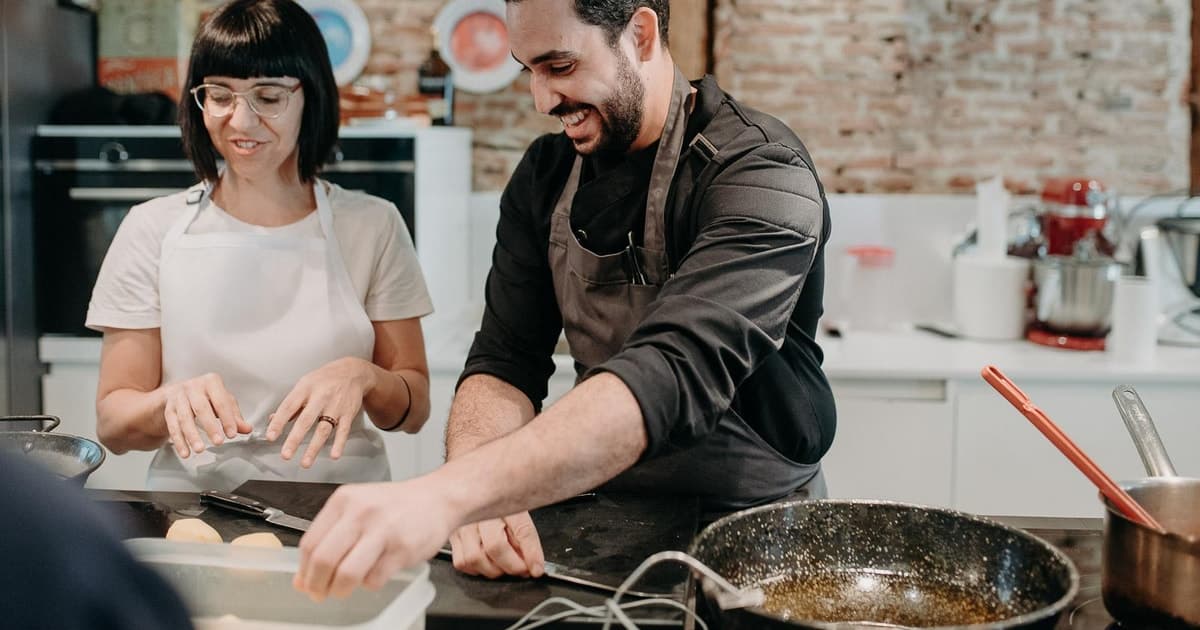
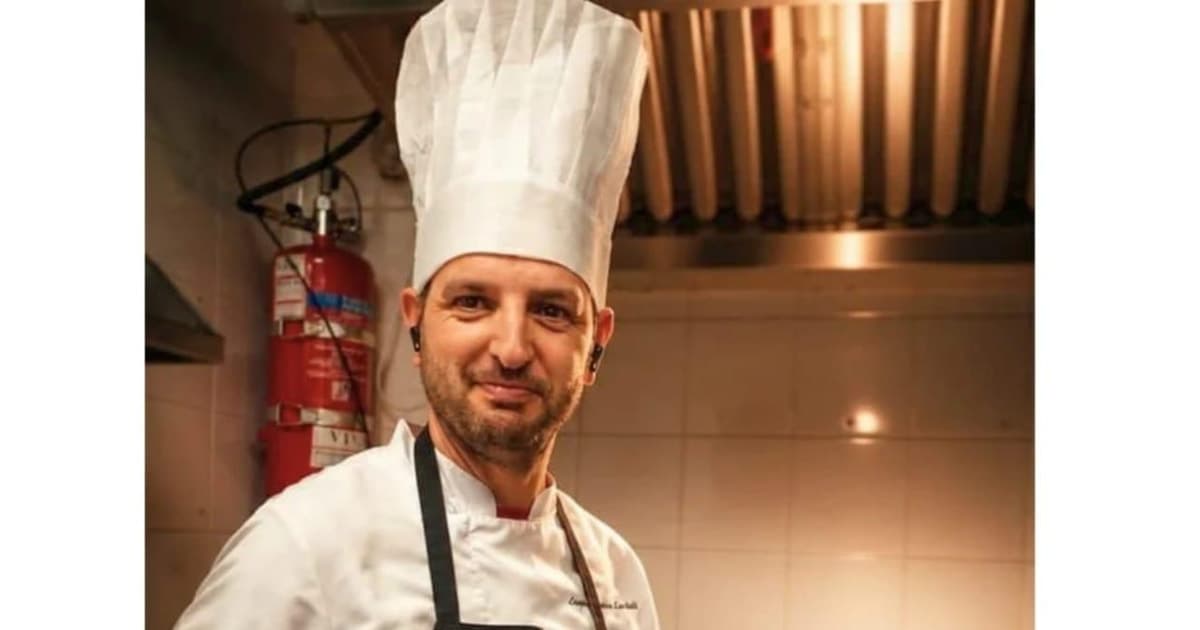
A Professional Chef session is more coaching than improvisation: tapas prep is tight, knife work gets corrected, and the pan is managed like a tool, not a souvenir. If you care about repeatable results, this is the most direct format.
Do it early in your stay, then escape on day trips from Madrid and come back hungry for a proper lunch. The contrast makes the city’s food story feel bigger.
Frequently asked questions
How long does a paella cooking class in Madrid take?
Most experiences run for around 3–4 hours, especially with a Market Visit. Kitchen-only sessions are often shorter and still end with a sit-down meal.
How much is a paella cooking class in Madrid?
Prices typically sit around 65–120 €, depending on extras like market time or wine pairing. Check GuruWalk's activity catalog to see the latest prices.
What is the most famous food market in Madrid?
For visitors, Mercado de San Miguel is the famous reference. For shopping, neighborhood markets feel calmer and more practical for a cooking-class list.
What are common paella mistakes?
Common mistakes are stirring after adding stock, using long-grain rice, rushing sofrito, and swinging heat so socarrat never forms.
Why do people say not to eat paella for dinner?
In Spain, paella is a midday dish. It is filling, meant for sharing, and tastes best right after the pan leaves the heat.
Can I request vegan or allergy-friendly options?
Many classes can adapt for vegetarian, vegan, or allergy needs. Flag it at booking and re-check the menu notes on the activity page.