SoHo Walking Tours in New York City





Last update:
Continue planning your trip to New York
- Free tour
Free Tours in New York
Guided Tours
Attraction Tickets & Passes
Other Experiences
Helicopter Tours
Central Park Tours
Statue of Liberty Tickets
Empire State Building Tickets
Top of the Rock Tickets
MoMA Tickets
One World Observatory Tickets
Harlem Walking Tours
Food Tours
9/11 Memorial & Museum Tickets
Broadway Tickets
Brooklyn Bridge & DUMBO Walking Tours
City Lights Tours
High Line Walking Tours
Hop-On Hop-Off Bus Tours
Metropolitan Museum of Art Tickets
Statue of Liberty Tours




Soho walking tour NYC: cast-iron streets, Little Italy corners and Chinatown energy
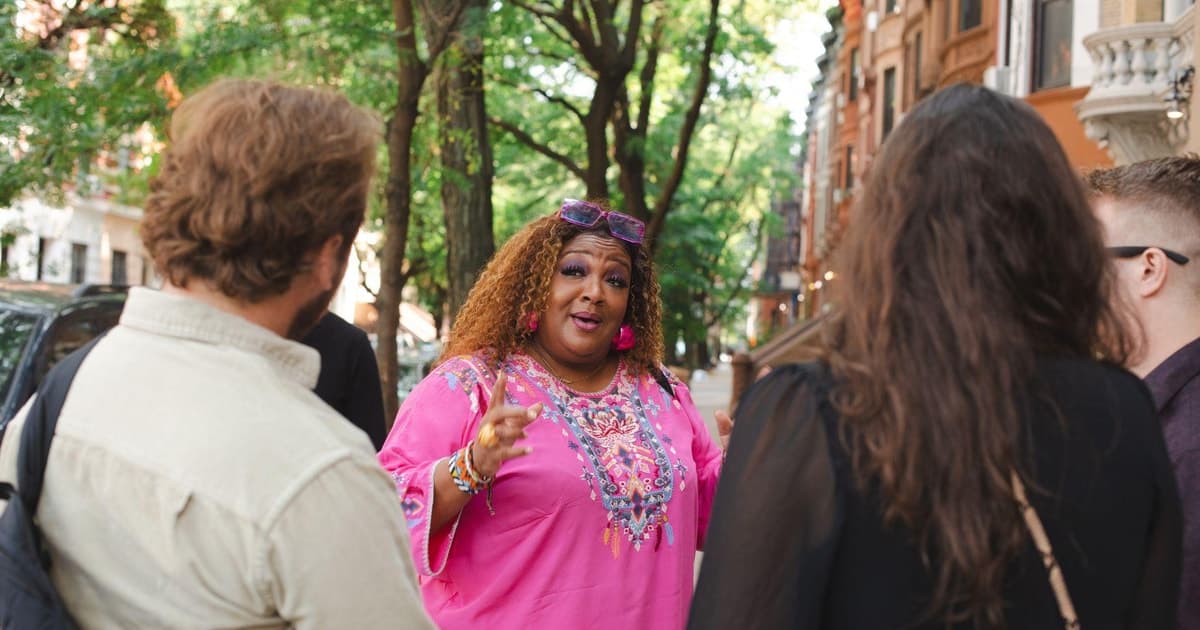
On a Soho walking tour NYC shrinks to human scale: you follow cast-iron facades past lofts and galleries, drift into Little Italy for family-run bakeries and end in Chinatown among produce stalls and steam from dumpling kitchens. Our catalog of experiences mixes guided neighborhood walks, a self-guided audio route and an architecture-focused SoHo and the Village tour, so you can match the pace, level of storytelling and independence to how much time you want to spend on foot.
📚 Choose your experience
Guided SoHo, Little Italy, Chinatown
Architecture, migration stories and food tips.
Self-guided audio walking tour
Map and audio at your own pace.
SoHo and Village architecture walk
Cast iron, brownstones and street life.
Plan and combine your walk
Best time of day, routes and combos.
Frequently asked questions
Safety, time on foot and value.
Guided SoHo, Little Italy and Chinatown walking tours
A classic walking tour of SoHo, Little Italy and Chinatown strings three neighborhoods into one story: cast-iron lofts and fire escapes, Italian churches and pastry shops, Chinese groceries and parks filled with locals playing cards. With a guide setting the rhythm, you cover a compact but dense slice of Manhattan in a couple of hours, without stopping every corner to check a map.


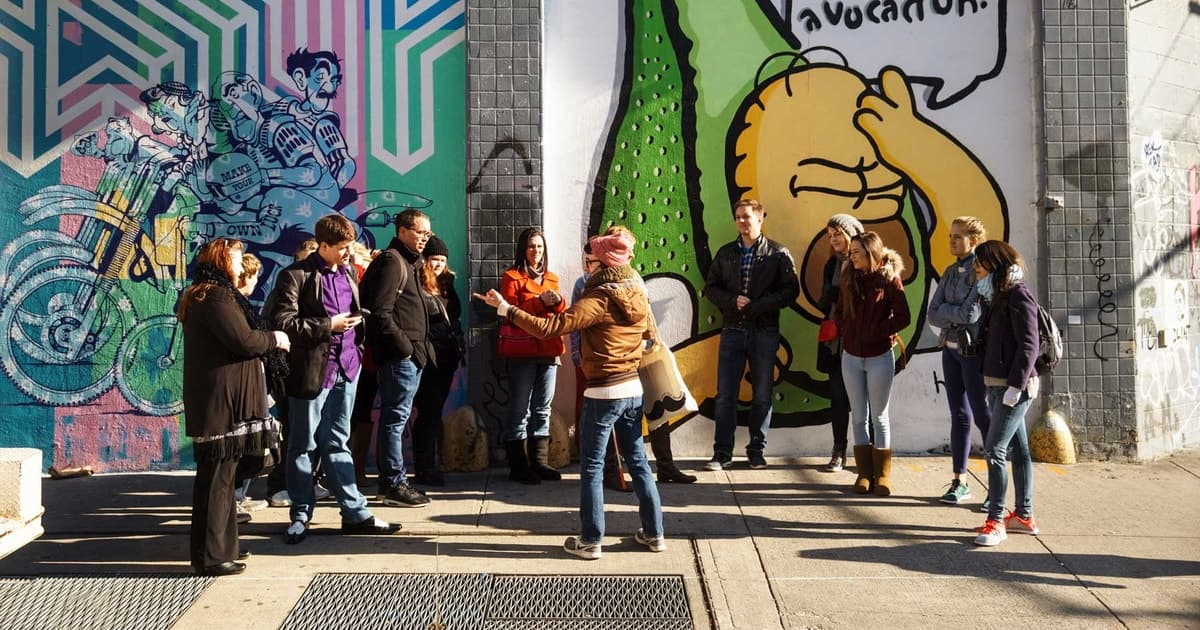
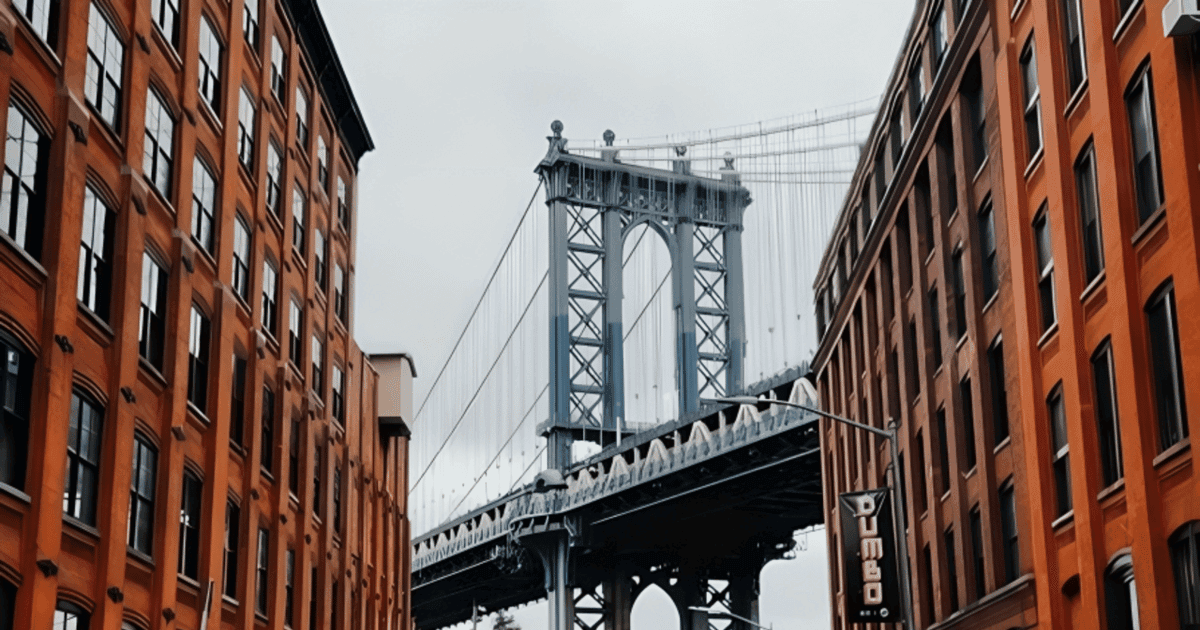
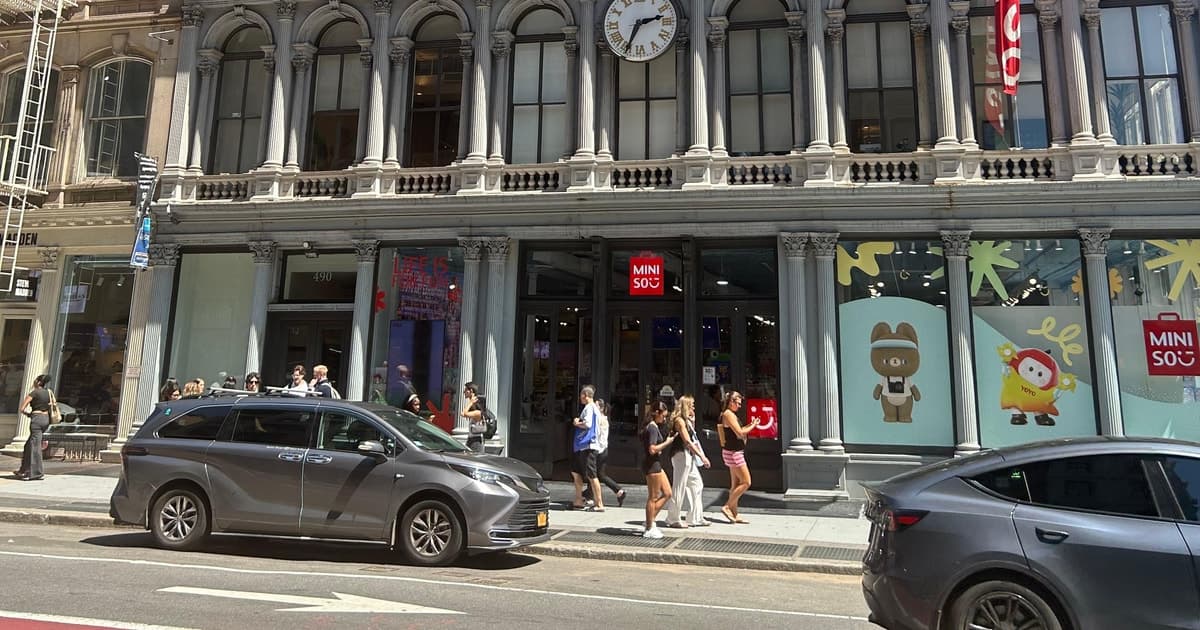
Expect your guide to blend architecture, migration and everyday life: how SoHo went from factories to artist lofts and boutiques, why Little Italy shrank to a few streets, and how Chinatown keeps growing around them. The pace is usually relaxed, with stops at corners where cast-iron facades line entire blocks and narrow side streets still feel residential.
Many travelers use these tours to orient themselves before exploring alone; after the walk you can retrace your steps to a bakery, a slice shop or a dumpling place the guide mentioned. If food is a priority, you can deepen the experience by pairing this route with options from the New York City food tours collection, where tasting stops become the main storyline rather than a side note.
⚖️ Guided neighborhood tours at a glance
- Standard group walks: social, energetic and easy to slot in a half day.
- Small-group formats: more questions, slower pace and extra photo stops.
- Story-heavy guides: ideal if you care more about context than shopping time.
🧭 Practical tips for SoHo, Little Italy and Chinatown
- Pick mid-morning or late afternoon for softer light on cast-iron facades.
- Wear broken-in shoes; cobblestones and uneven sidewalks are part of the route.
- Bring a small bag only; tight sidewalks and crowded shops punish big backpacks.
Self-guided SoHo, Little Italy and Chinatown audio tour
The self-guided audio walking tour of SoHo, Chinatown and Little Italy turns your phone into a low-key guide: you follow a suggested map, hit play at each stop and pause whenever a shop window or side street pulls you in. It is ideal if you prefer moving at your own rhythm, revisiting favorite blocks or splitting the walk across different moments of the day.

Before setting out, check that audio and map work offline or with limited signal, carry wired or wireless headphones and start with a full battery. The narration usually focuses on landmarks, hidden facades and small local details that are easy to miss when you just wander, such as reliefs on warehouse buildings or plaques about former markets.
This format suits travelers who already know Manhattan a little, solo visitors who like time to shoot photos or notes, and anyone working around a flexible schedule. You still cover the SoHo, Little Italy and Chinatown core, just with the freedom to turn every café or bookstore into a longer pause without worrying about a group moving on.
🎧 Who the self-guided walk is best for
- Repeat visitors who want more depth on specific corners.
- Slow travelers who enjoy cafés, galleries and people-watching.
- Independent explorers who dislike fixed meeting times.
SoHo and the Village NYC architecture walking tour
For design and history fans, the SoHo and the Village architecture walking tour trades food stops for close looks at cornices, fire escapes and townhouses. You move from cast-iron lofts in SoHo to brownstones and tree-lined blocks in Greenwich Village, tracing how industry, bohemian culture and real estate reshaped these streets.
Guides on this type of walk tend to slow down and spend more time on fewer blocks, pointing out structural details, zoning changes and how artists first moved into industrial spaces. It works especially well if you have already seen Midtown viewpoints and now want a quieter, lived-in side of Manhattan where people still know their neighbors.
You can fit this route into a longer city plan by mixing it with options from the selection of New York City tours, which usually cover icons like Times Square, Central Park or the Brooklyn Bridge. That way you balance classic skyline views with ground-level neighborhood texture in the same trip.
🏙️ Architecture tours versus general neighborhood walks
- Architecture walks: fewer stops, more detail per building and street.
- Mixed neighborhood tours: broader overview with more food and culture.
- Ideal combo: one general tour, one architecture-focused route.
Plan your SoHo walking day and combine experiences
A SoHo walking tour is easy to fit between other New York plans: most routes last a few hours, start near subway lines and end close to places where you can keep walking or sit down for a late lunch. Earlier departures mean quieter streets and softer light, while later ones add more buzz and shop life.

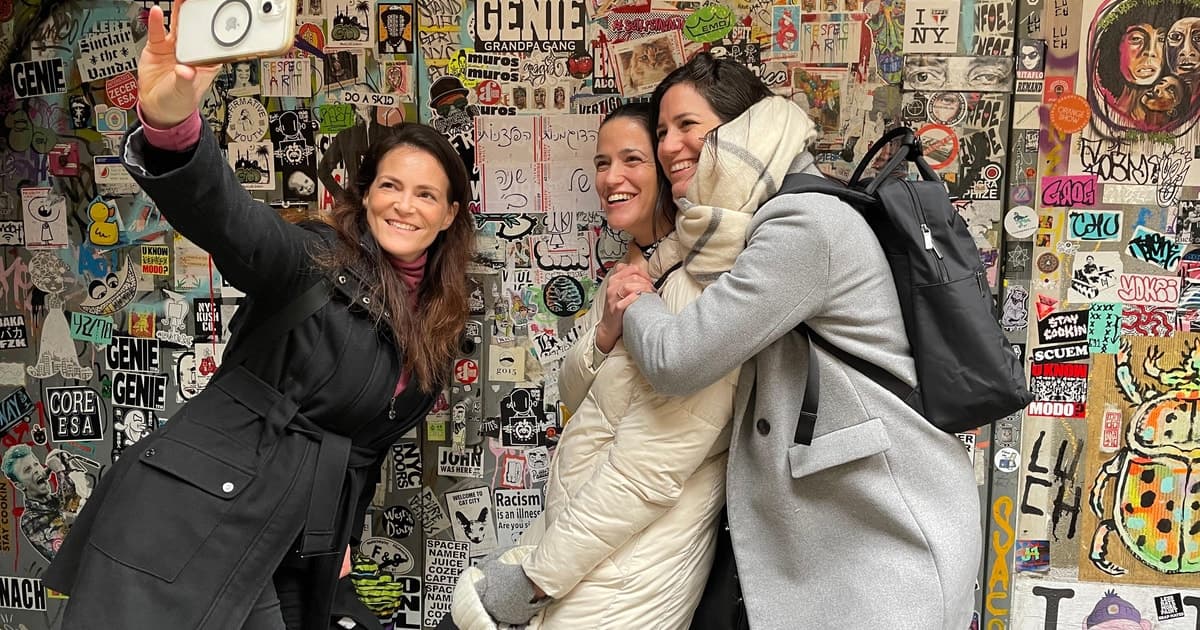
Many travelers build a layered day in Manhattan: a city overview in the morning, a SoHo neighborhood walk around midday and independent exploring or a show later on. That is especially simple if you pair your walk with flexible bus passes described on our New York City hop-on hop-off pages, using the buses to jump between Midtown, downtown and your meeting point.
SoHo itself is usually considered a safe and busy part of the city, with people around during the day and early evening. Sensible basics still apply: keep valuables close, cross streets at lights, follow the guide when crossing wide avenues and use main routes when walking back to the subway after dark.
To make the most of the route, pack layers for changing weather, water in a reusable bottle and a small umbrella in cooler months. Comfortable sneakers beat new shoes on cobblestones, and a compact camera or phone with enough storage will reward you when you reach corners where cast-iron facades curve around entire intersections.
🕒 Timing, comfort and stamina
- Plan for a few steady hours on your feet with short breaks.
- Choose earlier slots if heat or crowds tire you quickly.
- Leave buffer time after the tour for a café or meal stop.
Frequently asked questions
Is SoHo worth visiting in NYC?
SoHo is one of the neighborhoods where New York feels most cinematic: cast-iron buildings, cobblestone stretches, galleries, cafés and side streets that change mood from block to block. A structured walk through SoHo, Little Italy and Chinatown helps you see how architecture, immigration and local businesses connect, instead of just ticking off a shopping district.
What are the best walking tours in NYC for SoHo and nearby neighborhoods?
If you want a strong first impression, look for guided SoHo, Little Italy and Chinatown walks that include stories about industry, mafia legends and everyday immigrant life. Travelers interested in design often prefer the SoHo and the Village architecture tour, while independent visitors gravitate to the self-guided audio walk; check GuruWalk's activity catalog to see which format fits your style and budget best.
Is it safe to walk around SoHo?
By day, SoHo is generally considered a lively and safe area for visitors, with workers, residents and shoppers constantly on the streets. As in any big city, basic awareness matters: stay on well-used routes, keep phones and bags secure and follow your guide's instructions at crossings and intersections during organized tours.
Is it safe to walk in SoHo at night?
Evenings in SoHo usually bring restaurant and bar crowds rather than empty streets, especially on main avenues and around popular corners. Finish your walk near a subway station you know, stick to lit routes and, if a tour ends after dark, ask the guide for the simplest way back to your hotel or next stop.
Which streets are best to walk in SoHo?
Many routes focus on Greene, Wooster, Mercer, Spring and Prince Streets, where cast-iron facades, galleries and independent shops line both sides. Broadway brings larger flagships and more crowds, so a good walking tour usually mixes quieter side streets with one or two busier stretches to show both faces of the neighborhood.
Are NYC walking tours worth it?
For dense areas like SoHo, walking tours are often one of the most efficient ways to understand the city: you cover several neighborhoods without worrying about directions and get context you would not catch on your own. Our offer of experiences includes budget-friendly options, self-guided routes and more in-depth guided walks; check GuruWalk's activity catalog to compare itineraries and recent prices.
Can you walk NYC in a day?
New York is far too large to cover properly on foot in a single day, but you can absolutely focus on one cluster of neighborhoods and feel satisfied. A SoHo, Little Italy and Chinatown loop fits comfortably into half a day, leaving time for a citywide bus tour or another district before or after if you plan carefully.
What is SoHo famous for?
SoHo is best known for its cast-iron architecture, artist lofts and fashion-forward shops, alongside a long history of reinvention from factories to creative hub. A walking tour lets you see how industrial loading docks became gallery entrances and how the area still balances everyday life with high-end retail and art.
Is SoHo a good area to stay in New York?
Staying in or near SoHo gives you quick access to downtown, Midtown and Brooklyn via subway, plus plenty of cafés and restaurants within a short walk. It is generally considered a desirable, often premium area; if your budget is tighter, you can still base yourself elsewhere and reach SoHo easily for a tour and a few hours of exploring.
Discover related activities in New York


