Food and Wine Tour Porto
Discover Porto
Last update:
Continue planning your trip to Porto
Porto food and wine tour: markets, taverns and cellars in one walk
In Porto, a food and wine tour strings together market stalls, tiled cafés and riverside cellars so you taste the city in a single, unhurried route; our offer of experiences ranges from relaxed shared walks to private gourmet circuits and beer‑friendly detours, with schedules that fit late‑morning explorers, sunset walkers and night owls who still want energy for the Douro.
📚 Choose your experience
Essentials: classic tastings
First orientation between markets and taverns.
Hidden‑gem tastings in local spots
Backstreets and cafés with regular customers.
Private food and wine tours
Flexible routes for couples and groups.
Wine caves and beer routes
Port lodges and bars with creative pairings.
Frequently asked questions
Clear answers on timing, value and routes.
Essentials: Porto food and wine tour in the historic center
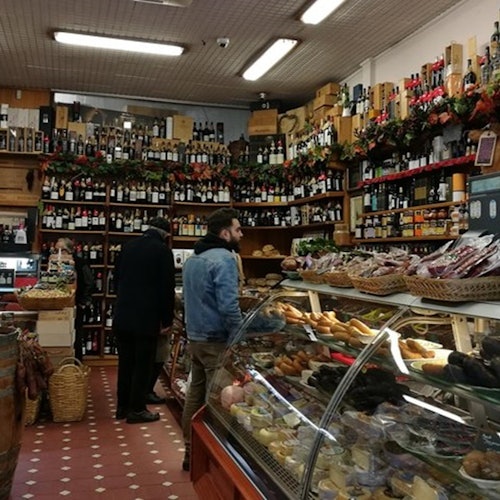
On the essential walks, guides link Bolhão market, traditional tascas and tiny wine bars so you can taste Porto’s staples without rushing, from pastries and cured meats to cheeses and petiscos with local wines. The idea is to give you a clear, friendly map of what to order later on your own, not a formal tasting exam.
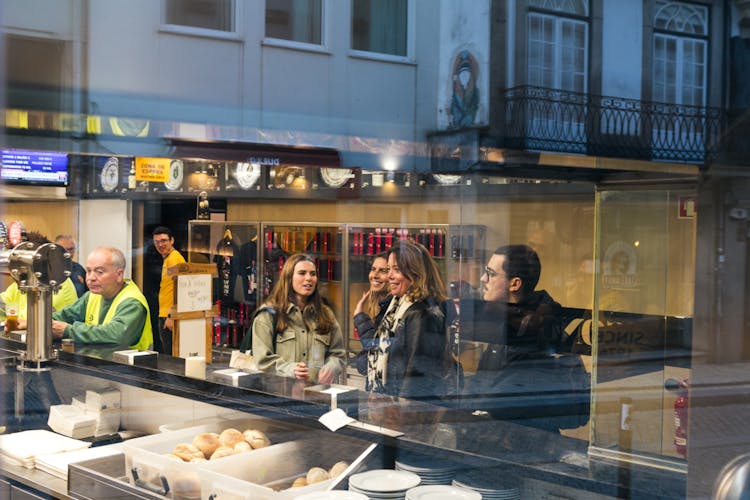
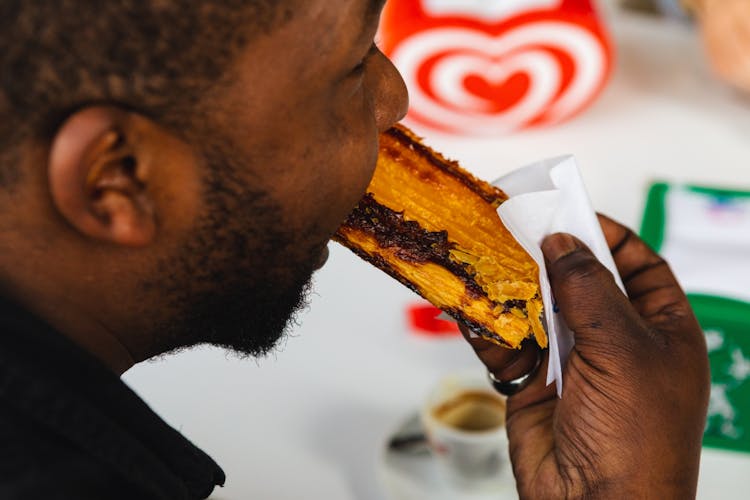
Most classic tours stay on mostly flat streets and alternate standing tastings with seated breaks, which keeps the rhythm comfortable for mixed‑age groups and first‑time visitors. Shared formats feel social and informal, while options that include a full lunch or dinner suit travelers who prefer to wrap their main meal into the experience.
Many visitors combine an introductory tasting walk with one of the day trips from Porto into the Douro, using the city tour to learn how to read a wine list and the valley outing to see the vineyards behind the labels. Together they create a balanced picture of how food, wine and landscape fit together.
🍽 Quick comparison
- Essential tastings: several short stops with varied bites.
- Tours with main meal: longer sit‑down course and dessert.
- Small‑group versions: fewer people, more questions and stories.
🧭 Practical tips
- Arrive a little hungry, but do not skip eating all day.
- Wear closed, comfortable shoes for cobbles and gentle slopes.
- Share allergies and strong dislikes with your guide at the start.


Groups here tend to be smaller, which leaves more time for conversation about recipes, rents and how Porto has changed. Expect a little more walking, short hills and the soundtrack of regulars eating their own dinner next to you, an atmosphere that many travelers find addictive once they move away from the main squares.
🎯 Who will enjoy this
- Curious eaters who already know the central landmarks.
- Travelers who prefer stories about residents over monuments.
- Repeat visitors looking for a fresh angle on familiar streets.
After a night in these backstreets, many guests book a Porto cooking class to turn what they tasted into recipes. The mix of street‑level tastings and hands‑on cooking leaves you with skills you can actually use once you are back home.
Private Porto food and wine tours for couples and groups
Private circuits keep the same city as backdrop but turn the pace, stops and pairings into a plan built entirely around your own group. You can linger longer at a cellar, swap meat dishes for vegetarian petiscos or ask for more technical talk about grape varieties, service temperatures and aging styles without watching the clock.


These formats shine for couples celebrating something special, families with children who need extra pauses and flexible timings, or business groups who want a cross between a walk and a hosted dinner. Having the guide just for you also makes it easier to adapt the route to mobility needs, preferred wine styles or specific neighborhoods you want to understand better.
🕰 When to choose a private tour
- When you travel with several generations and different speeds.
- When you care more about depth of explanation than number of stops.
- When you need a specific start time or language.
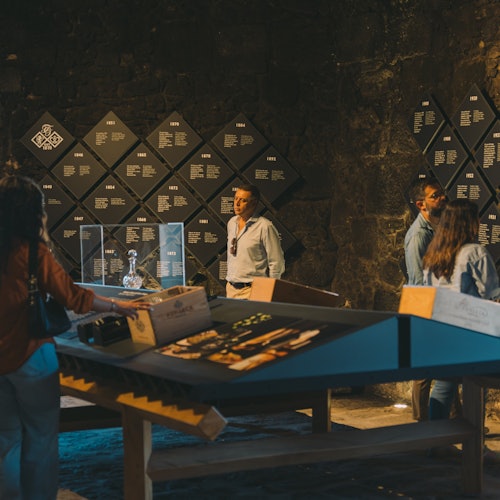
To deepen the wine side even further, many visitors pair a private walk with time in the riverfront museum district, including World of Wine Porto experiences in Vila Nova de Gaia. The walk helps you choose bottles and bars, while the museum area delivers big‑picture context on history, geology and cellar craft.
Wine caves, beer tastings and Porto’s creative side
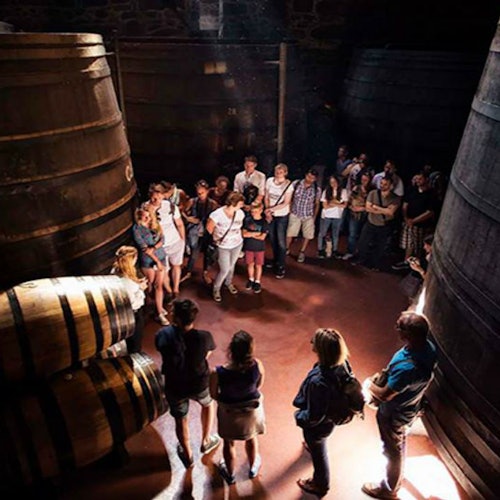
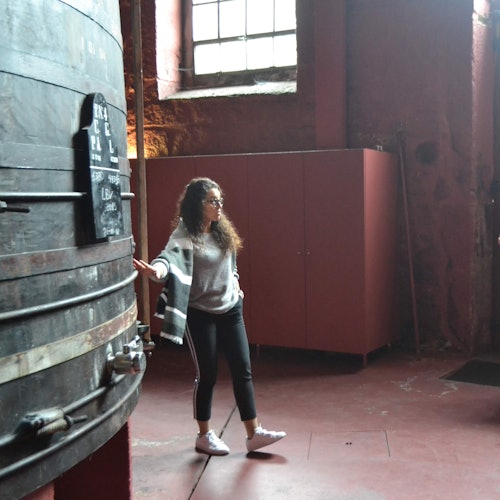
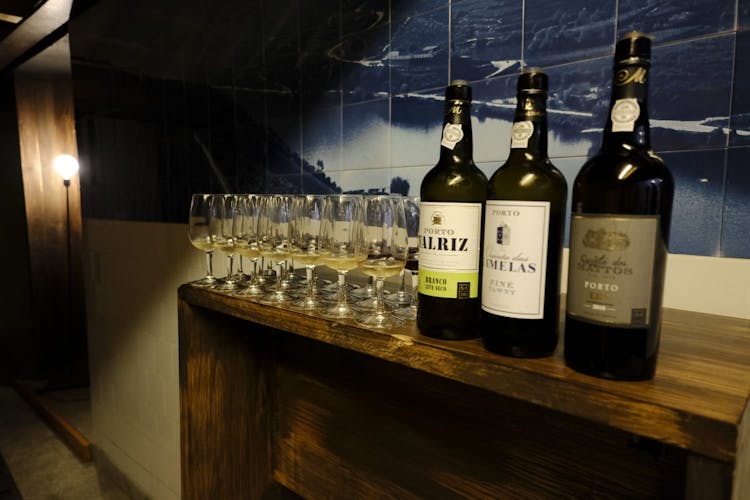
Some itineraries tilt towards port wine caves, craft beer bars and contemporary food spots, ideal if you already know the basics and want something more experimental. Guides may lead you across the bridge to Gaia for a cellar visit, then back to town for snacks that show how new kitchens are reworking old recipes.
Compared with the essential walks, these routes often include slightly longer tastings and fewer total stops, so you spend more time seated with one flight of drinks instead of hopping quickly between venues. They usually start later in the day, which makes them a good fit if you have already filled the morning with monuments, viewpoints or a river cruise.
🍺 Practical tips for wine caves and beer routes
- Have a light snack before starting to keep your palate steady.
- Bring a thin layer; cellars and riverfront terraces can feel cool.
- Plan your way back to the hotel, especially after late finishes.
Whatever you choose, the key is to match the intensity of tastings to the rest of your day; our catalog of activities lets you compare how many drinks, food stops and neighborhoods each route covers so you can align it with your energy level and travel style.
Frequently asked questions
Is it worth doing a wine tour in Porto?
A guided walk lets you understand the difference between the main port styles while tasting them with local dishes, instead of sipping in isolation at a single cellar. You also gain orientation in neighborhoods and practical tips on where to return later, which is hard to piece together alone. For current options and levels of depth, check GuruWalk's activity catalog to see the latest prices and formats.
Is a food and wine tour in Porto better in the day or evening?
Daytime tours offer lively markets, natural light and more contact with everyday routines, which is ideal if you enjoy people‑watching and photographs. Evening walks feel moodier, with illuminated façades and a slightly more social, bar‑like atmosphere. If you dislike crowds or heat, late afternoon and early evening often provide a comfortable middle ground.
Is it better to do a food tour in Porto or Lisbon?
Porto leans toward port wine, hearty northern dishes and riverside taverns, while Lisbon pairs its tours with Atlantic fish, broader regional wines and different neighborhoods. Many travelers start in Porto to grasp wine styles and then use Lisbon for a wider sweep of Portuguese cuisine. In practice the best choice is the city where you have more time and less jet lag.
Which Douro Valley wine tour pairs best with a Porto food tour?
For most visitors, the best match is a small‑group day trip that mixes a vineyard visit, a short river segment and a tasting in the valley. The Porto food tour teaches you how locals eat and drink, while the Douro outing shows where those bottles and grapes come from. Try to choose an itinerary that leaves some early evening time free, so you can finish the day with a relaxed glass back in the city.
What is the best month to visit Porto, Portugal for food and wine?
Late spring and early autumn usually bring mild temperatures, long daylight and more stable weather, which suits walking between tastings. Winter can be atmospheric, with fewer visitors and cozy interiors, though rain and wind are more common. Peak summer adds terraces and energy, but some travelers find the heat and crowding less comfortable for long food walks.
Should I go to Porto or the Douro Valley if I love wine?
Porto offers a dense concentration of bars, cellars and restaurants in a compact area, so you can taste widely without worrying about driving or long transfers. The Douro Valley brings vineyard landscapes, quiet villages and slower rhythm, but it demands more travel time. If you must choose, many wine lovers start with Porto and save a longer valley stay for a future trip focused only on wine country.
Is hop-on hop-off worth it in Porto for food and wine lovers?
Hop‑on hop‑off buses help with quick orientation and reaching distant viewpoints, but they rarely stop in the narrow streets where the best food and wine tastings happen. If eating and drinking well is your priority, a walking tour usually delivers more depth in less time. You can still use the bus on another day to link beaches, parks and hilltop panoramas.
Why do so many visitors choose Porto for wine?
Porto has centuries of history as the export hub for port wine, with cellars and warehouses lining the riverfront. The city is compact and walkable, so tastings feel close to daily life rather than isolated in resort areas. Many travelers also see Porto as offering strong value compared with other European wine capitals, especially when they mix organized tours with their own bar discoveries.
About the author

Author: Belén Rivas, GuruWalk
Publication date: 2025-12-11
Data updated as of December 2025