Flea Markets in Rome
Discover Rome

Continue planning your trip to Rome
Flea market Rome: Sundays of vintage, artisans and local color
Typing “flea market Rome” into a search bar does not show the smell of espresso, the calls of vendors or the river light on stacks of vinyl and leather bags; flea markets in Rome swing between chaotic Sundays at Porta Portese, curated vintage near Piazza del Popolo and weekday clothes hunts by the ancient walls, and in our catalog of activities a private walk with a local guide links those markets with artisans’ studios so you experience them as a story, not just a place to bargain.
📚 Choose your experience
Private artisans and flea markets tour
One route linking workshops and stalls.
Sunday flea markets in Rome
Mix of big Sunday sprawl and calmer antiques.
How to shop smart at markets
Packing light, timing your visit, bargaining kindly.
Rome flea market questions answered
Logistics, neighborhoods and what to buy.
Private tour: Rome's artisans and flea markets
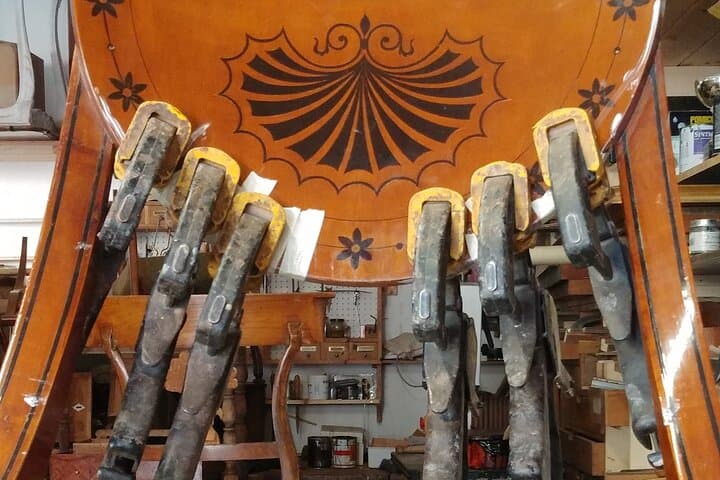
On this private experience, a local guide leads you through Rome’s artisans and flea markets, mixing quiet workshop visits with time to rummage among vintage clothes, prints and quirky objects so you can linger where it interests you most instead of racing from stall to stall.
Because it is a private tour, the route can flex around what you like most: some travellers focus on fashion and design, others on antique books, posters or photography, and the guide adapts stops and timing, explaining in clear English or Italian how each craft fits into the city’s history.
Expect mostly flat walking through central districts and riverside streets, with pauses for coffee or a quick snack rather than long transfers, which makes this a very efficient way to combine several Rome flea markets without needing to decode bus lines or taxi ranks on your own.
🧭 How the route usually flows
The day often begins in smaller backstreets where leatherworkers, goldsmiths or print sellers still keep open workshops, then opens out towards a busier Rome flea market such as Porta Portese or Via Sannio, where your guide helps you read quality, avoid obvious fakes and negotiate politely when you find something worth carrying home.
🧵 What you can find on this tour
Depending on the day and neighbourhood, the mix can range from vintage jackets and handbags to film posters, vinyl, antique prints and quirky mid‑century furniture; the guide points out pieces that pack easily, explains how to check seams, hardware and paper quality and suggests souvenirs that feel Roman rather than generic.
If you like the idea of treating Rome as a series of lived‑in neighbourhoods rather than a checklist of monuments, this kind of flea market and artisan tour also pairs well with quieter excursions outside the centre, for example the options in our day trips from Rome catalog, where the same slow, local pace continues in nearby towns and countryside.
Rome Sunday flea markets: atmosphere and main areas
Most visitors first meet Rome flea markets on a Sunday morning, when Porta Portese spreads through the streets near Trastevere and smaller markets appear along the river or near grand piazzas, blending locals hunting for bargains with travellers just soaking up the noise and colour.
🧺 Choosing the right Rome flea market
For vintage furniture, jewellery and elegant home pieces, smaller antiques markets by the river or near Piazza del Popolo feel more curated, while clothes hunters often prefer long rows of stalls near the old city walls, and Porta Portese remains the best choice if you want a single huge Rome flea market with everything from records to retro sportswear.
- Porta Portese: biggest and most chaotic flea market.
- Borghetto Flaminio: small, curated and stylish finds.
- Via Sannio: weekday clothes and streetwear focus.
Sunday markets fill quickly, so arriving early or closer to closing time keeps the crush manageable, while during the week areas like Via Sannio give you a more everyday feel; many travellers spend a Sunday among stalls and then devote another day to ancient sites or coastal scenery with options such as our Pompeii tours from Rome, balancing flea market chaos and structured sightseeing in the same trip.
How to shop at flea markets in Rome
Whether you join a guided visit or explore alone, a little planning makes shopping at flea markets in Rome smoother: bring some cash for small purchases, wear comfortable shoes for uneven cobblestones and keep a light bag or tote free so your hands stay open for browsing.
🧠 Practical tips before you go
Italians expect a bit of bargaining, but starting with a friendly greeting, a smile and a modest counter‑offer tends to work better than aggressive haggling; keep valuables close, check items carefully for small defects and remember that in these informal markets sales are usually final, so you need to be happy with the object you carry away.
- Arrive early for quieter aisles and fresh stock.
- Snack like a local with quick coffee breaks.
- Ask before photos when people are recognisable.
- Carry a tape measure for clothes and frames.
🎁 What is worth buying in Rome
Flea markets are ideal for light, packable souvenirs: silk scarves, belts, costume jewellery, vintage ties, postcards, prints and small ceramics that fit between clothes in your suitcase, while heavier pieces like furniture or large lamps are best admired unless you are prepared to arrange shipping.
For a wider Italian shopping arc, some travellers pair a market morning in Rome with a coastal escape on one of our Amalfi Coast day trips from Rome, returning with limoncello, ceramics and sea‑coloured photos as a counterpart to their vintage finds, all booked through our offer of experiences so transport and timings are already solved.
Frequently asked questions
What are the best flea markets in Rome?
Porta Portese on a Sunday is usually considered the largest flea market in Rome, stretching across several streets with clothes, records, books and household items, while more curated options like Borghetto Flaminio or antiques fairs by the river suit travellers who prefer smaller crowds and better‑edited stalls. If you would rather join a guided visit than navigate the stalls alone, check our catalog of activities to see the latest tours and prices.
What is the famous shopping street in Rome?
In the central area the most famous shopping street in Rome is Via del Corso, running between Piazza Venezia and Piazza del Popolo with a dense line of fashion, shoe and accessory stores, although many people duck into nearby side streets or markets for independent designers and vintage pieces.
Where can I go shopping cheaply in Rome?
For budget‑friendly shopping, locals mix flea markets and outlet‑style areas, browsing stalls at Porta Portese or Via Sannio for clothes and accessories, then checking chain stores around Via del Corso or near Termini for basics, where seasonal sales and promotions often keep prices accessible.
Is Rome good for clothes shopping?
If you enjoy fashion, Rome is excellent for clothes shopping thanks to a mix of Italian brands, small designers and second‑hand finds; flea markets add one‑off pieces, while neighbourhood boutiques in areas such as Monti or Trastevere are ideal for garments you will not see in every other European capital.
What is worth buying in Rome, Italy?
Many people feel the best things to buy in Rome are items you will actually use, such as leather bags and belts, scarves, simple jewellery, handmade notebooks and prints that can be framed at home, all of which appear regularly at flea markets and in artisan workshops visited on guided tours.
What is the most popular item at flea markets?
In most Rome flea markets, the busiest tables are often those with clothes and accessories, especially denim, leather jackets, bags and sunglasses, followed closely by vinyl records and home decor like mirrors, lamps and smaller pieces that instantly give a room a Roman or mid‑century touch.
What are the main rules for Rome flea markets?
As basic rules for Rome flea markets, greet vendors before asking prices, keep bags closed and money out of sight, avoid blocking narrow aisles, ask permission before taking photos of people and never leave valuables on top of tables while you try on a jacket or inspect a box of books.
What is the best thing to bring back from Italy?
When people ask about the best thing to bring back from Italy, guides often suggest something that keeps working once you are home, such as a well‑made leather accessory, a print of a favourite view, a piece of kitchenware or a small ceramic bowl that turns every breakfast into a souvenir.
Is Trajan's Market worth it?
Trajan’s Market is first and foremost an archaeological complex rather than a flea market, showcasing multi‑level ancient shopfronts and a museum space above the forums, so it is worth visiting if you enjoy Roman history and architecture but it does not replace the experience of bargaining in modern street markets.
About the author

Author: Belén Rivas, GuruWalk
Publication date: 2025-12-11
Data updated as of December 2025