Campo de' Fiori Market in Rome





Last update:
Continue planning your trip to Rome
- Free tour
Free Tours in Rome
Guided Tours
Vatican City Tours
Vatican Skip-the-Line Tours
Tickets & Passes
Ancient Rome Tours
Colosseum & Roman Forum Tickets
Colosseum Arena Tours
Vatican City Tickets
Pantheon Skip-the-Line Tickets
Galleria Borghese Tours
Rome Night Tours
Street Food Tours
Pantheon Tours
Catacombs Tours
Other Experiences
Day Trip to Pompeii and Amalfi Coast
Hop-On Hop-Off Bus Tours
Trastevere Walking Tours
Day Trip to Pompeii
Pizza Making Classes
Day Trip to Pisa
Day Trip to Florence and Pisa
Day Trip to Orvieto
Day Trip to Sorrento
Wine Tour from Rome


Campo de' Fiori Rome market: food, history and neighborhood walks
At first light the stalls of the Campo de' Fiori Rome market fill a cobbled square with fruit, flowers and coffee, while by night the same piazza becomes a busy meeting point for aperitivo under the statue of Giordano Bruno. In our catalog of activities around Campo de' Fiori market Rome you can join food walks through the Jewish Ghetto and Trastevere or a slower route to Villa Farnesina, turning what maps label as “campo de fiori market Rome” or “campo di fiori market Rome” into a structured experience instead of a quick photo stop.
📚 Choose your experience
Campo de' Fiori food tours in Trastevere and the Jewish Ghetto
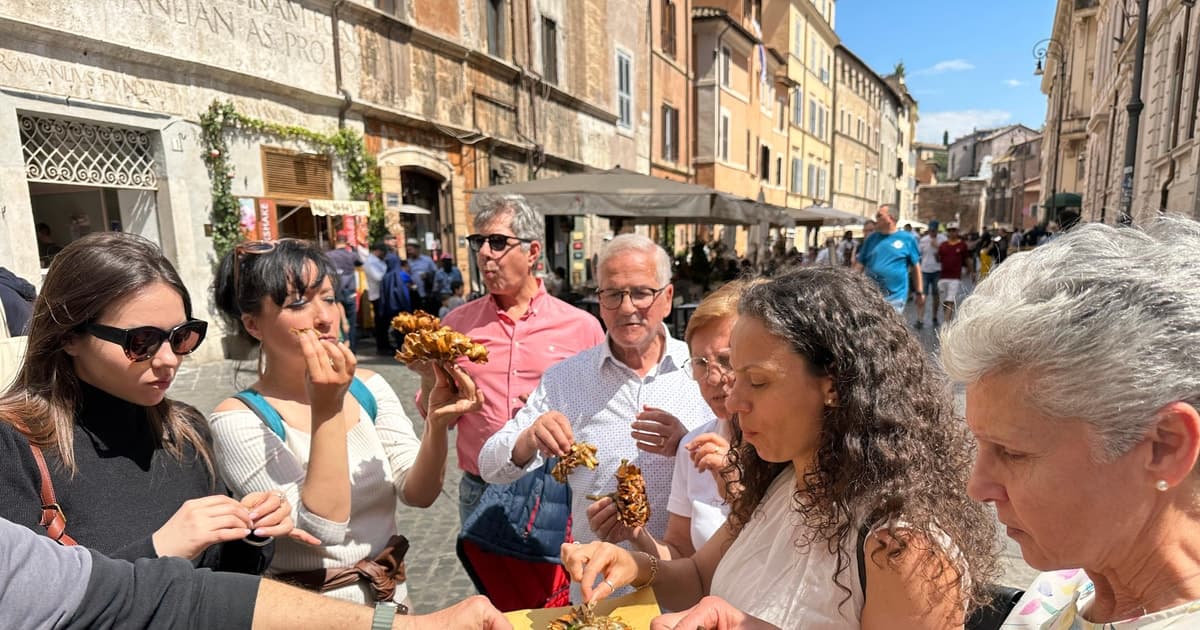
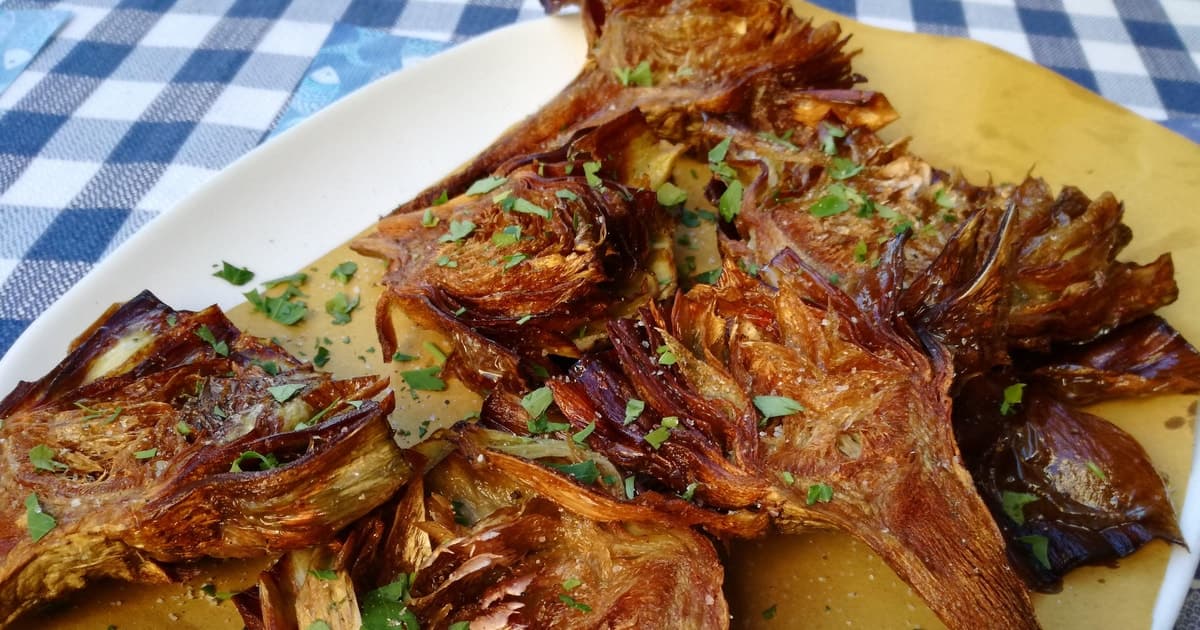
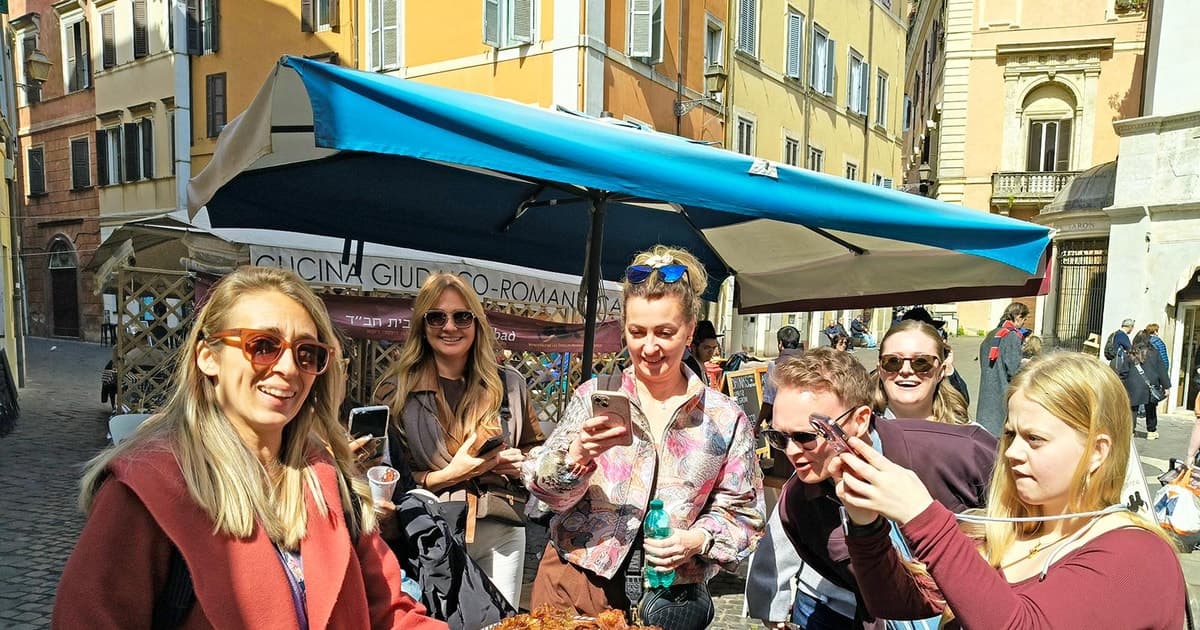
Food walking tours that weave through Campo de' Fiori market Rome, the Jewish Ghetto and Trastevere turn a simple stroll into a progression of tastings and stories: you pause beside stalls stacked with artichokes and spices, sample street food in side alleys and cross the Tiber as the light changes over the rooftops. With a local host keeping the pace and ordering for the group, the often crowded campo de' fiori Rome market feels more like a neighbourhood pantry than a tourist checklist.

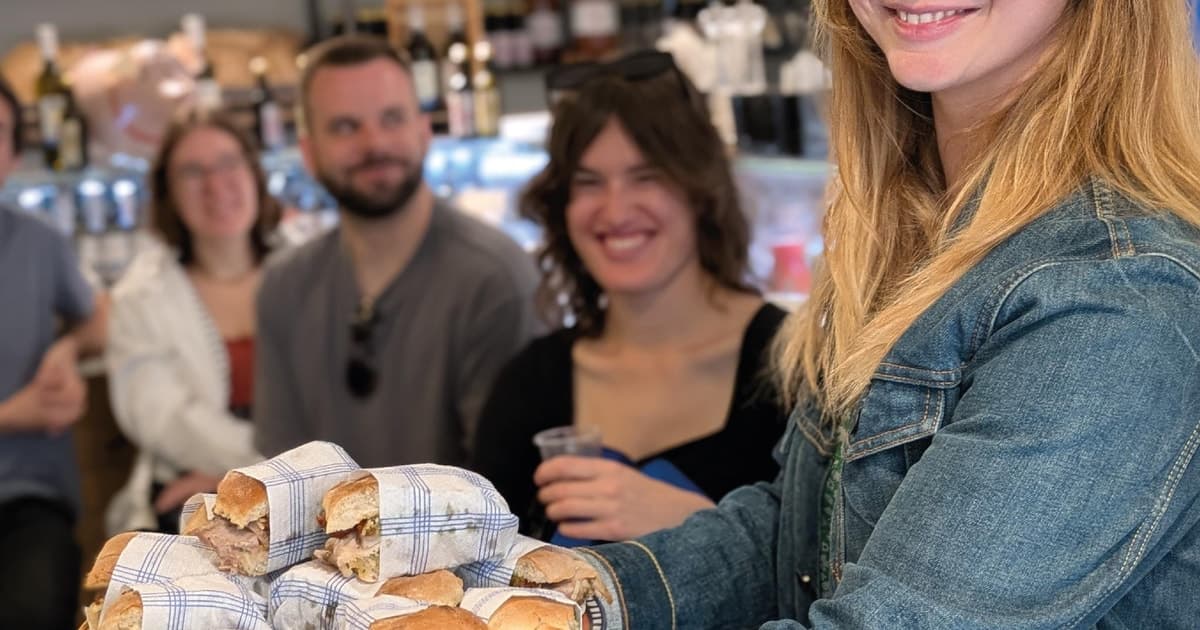
In our offer of experiences, some Campo de' Fiori food tours start very early to catch the market when Romans are shopping for the day, while others focus on the late afternoon when bar counters fill with wine glasses and fried bites. Routes vary in how much time they spend in the Jewish Ghetto or in Trastevere, so you can choose between a compact tasting circuit and a longer walk that lingers in several bakeries and wine bars.
🍝 Food tour styles at Campo de' Fiori
- Market focused walks with tastings at key stalls.
- Evening itineraries with wine, street food and stories.
- Extended routes linking Trastevere, Jewish Ghetto and riverside.
If you want this area as your main Rome food memory, a guided food tour through Campo de' Fiori and Trastevere is usually more efficient than wandering from menu to menu, because you sample several specialties in one outing and hear how they fit into local life. Once you understand how Romans shop and eat here, it becomes easier to choose dishes during other meals or on longer day trips from Rome, and you can always check GuruWalk's activity catalog to compare durations and meeting points.
Campo de' Fiori, Villa Farnesina and Trastevere walking tour
The non food version of Campo de' Fiori is best seen on a walking tour that links the square with Villa Farnesina and Trastevere, following the same routes Romans use between market errands and the river. You begin among crates of produce and flower buckets in the piazza, slip through narrow streets such as Via dei Giubbonari, cross the Tiber on Ponte Sisto and end among Renaissance frescoes and quieter lanes where washing still hangs between windows.
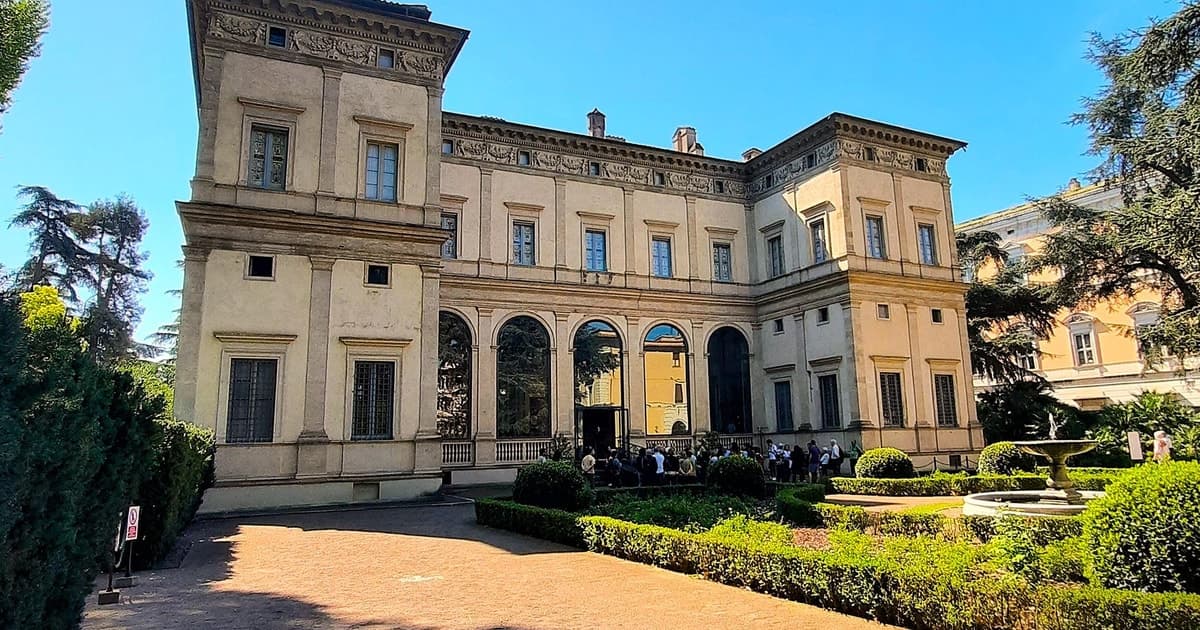
This kind of Campo de' Fiori, Villa Farnesina and Trastevere walking tour suits travellers who enjoy context as much as scenery, because your guide can point out how the area grew from a field of flowers into a trading hub and why the piazza is the only historic one in Rome without a church. The slower pace leaves more time for photos of river views and painted facades, and you still pass bakeries and wine bars if you want to stop later on your own.
🏛 Who enjoys the Villa Farnesina route
- Visitors returning to Rome who want new angles.
- First timers who like art mixed with daily life.
- Travellers avoiding crowds who prefer quieter backstreets.
If you already plan a dedicated food tour, doing this Campo de' Fiori and Villa Farnesina walk on a different morning or at golden hour keeps the experiences distinct and lets you see how the same streets feel under softer light. Check GuruWalk's activity catalog for the departures that end in Trastevere around sunset, then stay on for dinner in the neighbourhood once the tour has finished.
When to visit Campo de' Fiori market and what to expect
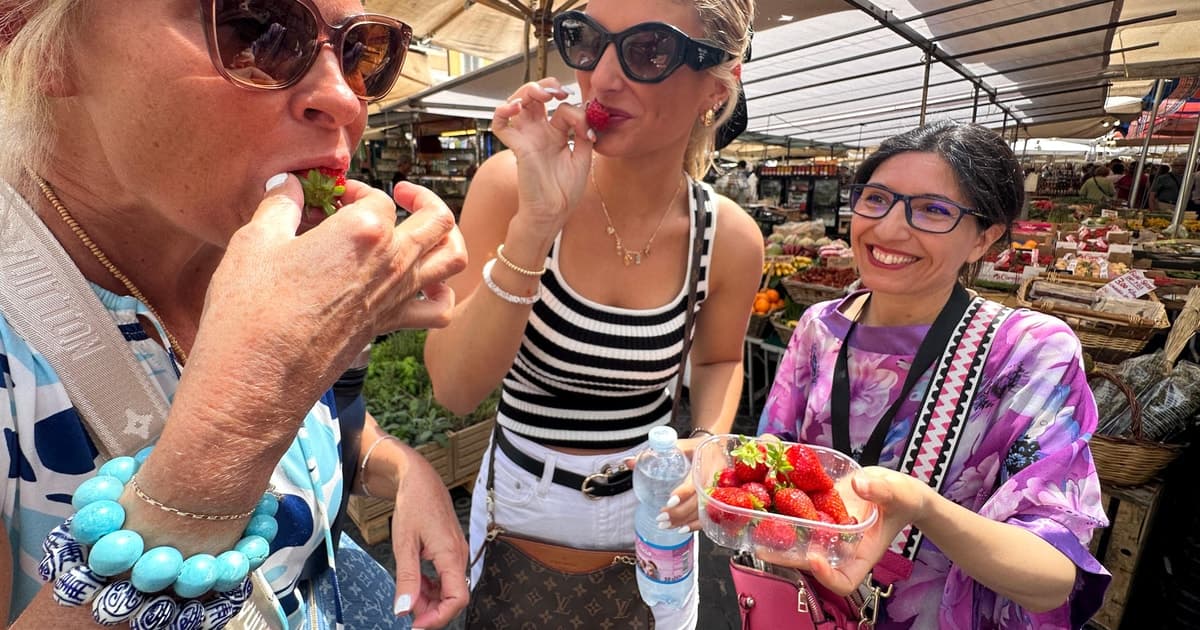
By day the Campo de' Fiori market in Rome is stacked with seasonal fruit, vegetables, herbs, cheeses and flowers, with stallholders calling out orders and scooters brushing past the edges of the square. When the market winds down the piazza shifts into an open air living room with café tables, cocktail bars and the dark hooded figure of Giordano Bruno reminding you that these stones also witnessed executions and political debates.
For a more local feel, arrive at Campo de' Fiori market very early, when cooks and residents are still comparing produce and the souvenir stands have not yet opened. Mid morning brings brighter colours and more visitors, while evenings are best if you mainly want the nightlife atmosphere; many guided experiences time their routes so that you reach Trastevere or the Jewish Ghetto as Rome slides into golden hour.
🧭 How Campo de' Fiori fits into a Rome itinerary
- Start with the market then cross to Trastevere.
- Combine a food tour with afternoon museum visits nearby.
- End a walking route here after Vatican or Colosseum.
Once you know how much time you want to spend in the Rome market at Campo de' Fiori, it is easier to fit it between other plans such as the Colosseum or Saint Peter's. Travellers with extra days often pair a central food experience with a coastal escape like an Amalfi Coast day trip from Rome or head south on a Naples day trip from Rome, keeping city markets and seaside views in balance during the same visit.
Whatever you choose, comfortable shoes and a light bag matter more than ticking every stall, because Campo de' Fiori and its surrounding streets are best enjoyed at walking pace with time to stop at a bar counter, browse a spice stand or watch how quickly the square empties once the last crates are loaded into vans.
Frequently asked questions about Campo de' Fiori market
Is Campo de' Fiori market worth visiting?
For many visitors Campo de' Fiori market is one of the most vivid snapshots of daily Rome. You see ingredients moving from crates to restaurant kitchens and, with a guided walk, the square becomes part of a wider story through nearby neighbourhoods.
What days is the Campo de' Fiori market on?
The open air stalls at Campo de' Fiori usually run on weekday and Saturday mornings, with most activity from very early until around lunchtime. Sundays and major holidays are typically quieter, although the cafés and bars around the square still open and tours may pass through.
What kind of market is in Campo de' Fiori?
At heart this is a food and flower market, with fresh fruit, vegetables, herbs, cheeses and bouquets alongside dried goods and jars. Some stands lean towards souvenirs, so a guide helps you focus on more genuinely local products.
What is Campo de' Fiori famous for?
The square is known for its lively market and its darker past, including the execution of philosopher Giordano Bruno whose statue dominates the centre. It also stands out as a major historic piazza in Rome without a church.
What is the best time to visit Campo de' Fiori?
If you want a local atmosphere, the best time to visit Campo de' Fiori is early morning, when residents are buying produce and the light is soft. Mid morning suits photos, while late afternoon works if you plan aperitivo or an evening food tour.
What is the golden hour in Rome?
In practical terms the golden hour in Rome is the slice just after sunrise and just before sunset, when façades take on a warmer tone. Around Campo de' Fiori that light catches the rooftops and river, giving walks and photos extra depth.
Is Campo de' Fiori free?
Yes, the Campo de' Fiori piazza is a public space, so you do not pay an entrance fee and can walk through the market freely. You only pay for purchases or for any guided experience you decide to book.
What is the prettiest street in Rome?
There is no single answer, but many travellers see streets near the Campo de' Fiori and Trastevere area as especially atmospheric, including Via Giulia and Via dei Coronari. Guided walks help you find smaller lanes and courtyards you might otherwise miss.
What is the cheapest month to go to Italy?
The cheapest periods to visit Italy are usually in the colder low season months outside major holidays, when demand for flights and hotels drops. Travelling then often means lower prices and fewer crowds at markets and major sights.
Discover related activities in Rome


