Spanish Steps Tickets in Rome

Continue planning your trip to Rome
- Free tour
Free Tours in Rome
Guided Tours
Vatican City Tours
Vatican Skip-the-Line Tours
Tickets & Passes
Ancient Rome Tours
Colosseum & Roman Forum Tickets
Colosseum Arena Tours
Vatican City Tickets
Pantheon Skip-the-Line Tickets
Galleria Borghese Tours
Rome Night Tours
Street Food Tours
Pantheon Tours
Catacombs Tours
Other Experiences
Day Trip to Pompeii and Amalfi Coast
Hop-On Hop-Off Bus Tours
Trastevere Walking Tours
Day Trip to Pompeii
Pizza Making Classes
Day Trip to Pisa
Day Trip to Florence and Pisa
Day Trip to Orvieto
Day Trip to Sorrento
Wine Tour from Rome


Spanish Steps tickets: walk Trevi, Navona and the Pantheon in one route
In Rome, you do not need a ticket to stand on the Spanish Steps, but you can reserve your spot on guided walks that stitch them together with the Trevi Fountain, Piazza Navona and the Pantheon, turning a simple photo stop into a narrative through alleys, palaces and churches; in our offer of experiences you will find compact city‑center routes at an easy pace, with different starting points and departure times so you can fit the steps into a morning of sightseeing or a late‑day stroll when the light softens the stone.
📚 Choose your experience
Spanish Steps walking tours with Trevi, Navona and the Pantheon
These guided walks trace a compact loop through Rome’s historic core: baroque fountains in Piazza Navona, the vast dome of the Pantheon, the roar of the Trevi Fountain and, at the end, the Spanish Steps rising towards Trinità dei Monti; your “ticket” is essentially a reserved place with a local guide who keeps the pace gentle and unpacks the stories hidden in façades you might otherwise miss.

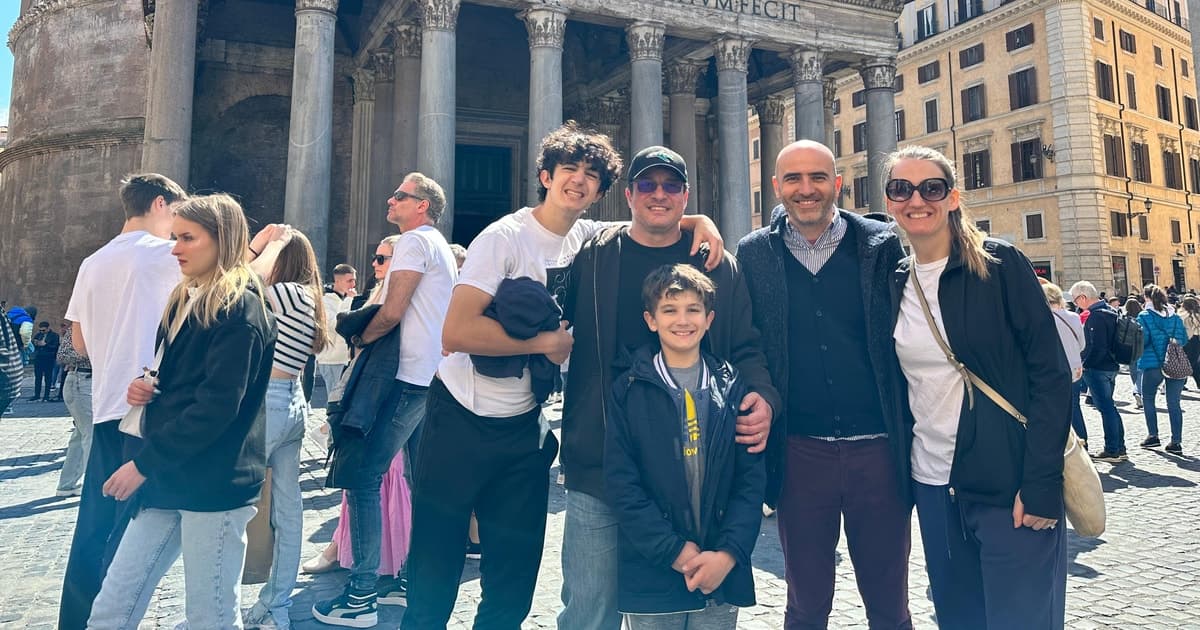
Both featured tours cover the same cluster of icons, yet each has its own emphasis: some itineraries start nearer Piazza Navona and linger among its palaces, others give more time to the alleys around Trevi where gelato shops and narrow lanes frame the fountain, and every route aims to reach the Spanish Steps when the light is kindest for photos and the staircase feels like a stage set rather than a bottleneck.
Choosing a walking tour instead of visiting on your own means you do not have to juggle maps, buses and timetables; the guide sets a steady walking rhythm with frequent stops in the shade, answers questions about where to eat or continue later, and keeps an eye on pickpocket‑prone spots so you can focus on the architecture instead of the crowd.
⚖️ Quick comparison
- Trevi‑first routes suit those keen on early fountain photos.
- Navona‑first walks give more context on baroque Rome.
- Late‑day departures favour golden light on the steps.
🧭 Practical tips for this route
- Wear comfortable shoes; cobblestones are picturesque, not gentle.
- Carry a reusable bottle; guides often point out fountains.
- Keep shoulders and knees covered in case you enter churches.
- Check GuruWalk’s activity catalog for latest schedules and prices.
Visiting the Spanish Steps: best times and local rules
The staircase itself is a public monument with no entry gate or ticket booth, which means you can walk up or down freely at almost any time of day, yet the experience changes radically with the hour: early risers find the steps washed in soft light and nearly empty, while by late morning they become a moving river of visitors and street photographers where you must keep to one side and keep walking.
Many travellers choose a guided walk that ends at the Spanish Steps and then stay behind on their own; this pattern lets you arrive with context and stories still fresh in your head, but gives you freedom to linger at the top terrace, step into the church or continue straight into the elegant shopping streets nearby, all without worrying about finding the place alone or missing a detail explained by a live, on‑site guide.
Local regulations are strict: you can stroll, take photos and enjoy the view, yet sitting, eating, drinking or dragging luggage on the steps is banned, and you will often see officers reminding visitors to stand up or move; fines exist for repeated or serious breaches, so it is both kinder and cheaper to treat the staircase as a passage and respect it like the façade of a church rather than a picnic spot.
🕒 Best times to climb the steps
- Very early: softer light, cooler air and fewer crowds.
- Late afternoon: golden façades and livelier piazza below.
- After dark: atmospheric lighting, but more street activity.
- Midday visits: practical if you accept stronger heat and crowds.
⚖️ Rules and respectful conduct
- Do not sit or eat on the steps; stand to take photos.
- Keep bags close and compact so you do not block passage.
- Avoid touching or leaning on stone balustrades for long poses.
- Use side lanes for group talks, not the middle of the staircase.
Combine the Spanish Steps with wider Rome itineraries
Spanish Steps walks are short enough to slot neatly beside other headline visits: many travellers book their Colosseum or Vatican entry for very early, rest in the hottest hours and then use the late afternoon for a city‑center tour that finishes at the staircase, turning what might have been a rushed stop into a structured yet relaxed closing chapter to the day.
If you plan several days in the city, you can reserve one afternoon for the Trevi, Navona, Pantheon and Spanish Steps loop and dedicate another to getting out of town on organised escapes; have a look at the day trips from Rome to balance baroque squares with countryside landscapes, coastal towns or archaeological sites that feel very different from the crowded city center.
For travellers who like to see monuments by night, combining a Spanish Steps walk with an evening experience can be especially rewarding; after finishing at Trinità dei Monti you might continue with a Rome night tour to follow the Tiber and the forums under the lights, or save another day for Pompeii tours from Rome if you want a strong contrast between Rome’s salons and the ruins preserved under volcanic ash, using the Spanish Steps evening as a quieter, more contemplative counterweight.
🚶 How a full day can look
- Morning: major monument with timed entry and early start.
- Midday: long lunch and rest away from the hottest streets.
- Afternoon: guided walk through Trevi, Navona and Pantheon.
- Evening: climb the Spanish Steps and stroll back slowly.
Frequently asked questions about the Spanish Steps
Do you need tickets to visit the Spanish Steps?
No, the Spanish Steps are a free public space with no ticket line, so you can walk up and down whenever access is permitted; what you can book are guided experiences that include the staircase as part of a wider route, and in that case your “ticket” is a reservation for the walk, so check GuruWalk’s activity catalog for the latest options and prices.
How much does it cost to go to the Spanish Steps?
Reaching the steps themselves is free of charge; you only pay for your transport or for a guided activity that includes them, and on GuruWalk the featured Spanish Steps walks are usually around 20 € per person, depending on date and inclusions, so always check the activity catalog to see the most up‑to‑date prices before booking.
Do you need tickets for the Trevi Fountain?
The Trevi Fountain is also a free monument in a public square, so there is no entrance ticket or turnstile; however, many visitors choose to see it as part of a guided walk that also covers Navona, the Pantheon and the Spanish Steps, and in that case the only thing you pay for is your place in the tour, not access to the fountain itself.
What is the best time to go to the Spanish Steps?
For calmer photos and softer light, very early morning or late afternoon usually feel most pleasant, while the middle of the day can be hotter and much busier; many guided walks are scheduled for late afternoon so that the route through Trevi and the Pantheon leads naturally into sunset colours on the staircase and over the rooftops.
How much time should I plan for the Spanish Steps?
If you are just passing through, fifteen to thirty minutes are enough to walk up, enjoy the view from the top terrace and take a few photos, but you may want longer if you step into the church, wander along nearby shopping streets or combine the climb with a guided walk that already includes other stops such as Trevi Fountain and Piazza Navona.
Can you sit on the Spanish Steps?
Current city rules say you cannot sit, eat or drink on the Spanish Steps, and officers often ask visitors to stand up or move on; you are allowed to pause briefly for photos or to wait for companions, but it is safer to treat the staircase as a passage and save your rest for nearby benches or cafés where lingering is actually encouraged.
How much is the fine for sitting on the Spanish Steps?
Fines for sitting, eating or damaging behaviour on the steps can be significant enough to spoil a holiday budget, and the exact amount may change over time or depend on the situation; rather than gambling on the cost, it is wiser to follow the posted rules, comply if officers ask you to move and keep the Spanish Steps as a place where you walk, look and take quick photos rather than lounge.
Can you take pictures on the Spanish Steps?
Yes, photography is generally allowed as long as you keep moving and do not block the staircase; quick snapshots, family group photos and short video clips are fine, but large tripods, lighting rigs or professional shoots may require special permission, so if in doubt keep your gear minimal and step aside to the landings or side areas for longer poses.
How much is a 3 day metro pass in Rome?
Three‑day transport passes are designed for visitors and are usually priced so that a few daily journeys on buses and metro already make them worthwhile, but exact amounts can change with city policy; to budget accurately for your Spanish Steps outing and other movements around town, check the current fares on Rome’s official public transport channels and then combine your pass with central walking tours to reduce extra rides.
Discover related activities in Rome