Lisbon Food & Wine Tours
Last update:
Continue planning your trip to Lisbon
- Free tour
Free Tours in Lisbon
Guided Tours
Day Trip to Sintra and Cascais
City Tours
Tickets & Passes
Day Trip to Sintra
Fado Shows
Jeronimos Monastery Tickets
Tuk Tuk Tours
Shows & Performances
Boat Tours
São Jorge Castle Tickets
Food Tours
Bike Tours
Food & Wine Tours
Hop-On Hop-Off Bus Tours
Sunset Boat Cruises
Telecabine Tickets
Top Activities
Private Tours
Sunset Cruises
Lisbon Zoo
Day Trip to Cascais
Jewish Heritage Tours
Pub Crawls
Wine Tours
Luggage Storage
Cooking Classes
Fado Dinner Shows
Art Museums
Spas & Wellness
Boat Parties
Lisbon Cathedral Tickets
Hard Rock Cafe Lisbon
Airport Transfers
Day Trip to Fatima
Day Trip to Algarve
Benfica Stadium Tour
Banksy Museum Tickets
Day Trip to Evora
Panoramic Bus Tours
Escape Rooms
Self-Guided Walking Tours
Dolphin Watching
Surf Lessons
Day Trip to Obidos
Helicopter Tours
National Coach Museum Tickets
National Tile Museum Tickets
Paragliding
Street Art Tours
Amphibious Bus Tours
Architecture Tours
Things to Do Today
Other Experiences
Day Trip to Nazare
Day Trip to Tomar
Day Trip to Setubal
Day Trip to Arrabida
Wine Tours from Lisbon
Day Trip to Fatima and Batalha
Day Trip to Obidos and Nazare
Day Trip to Comporta
Day Trip to Berlengas
Day Trip to Cabo da Roca























Lisbon food and wine tour: walks, neighbourhood nights and tastings that feel local
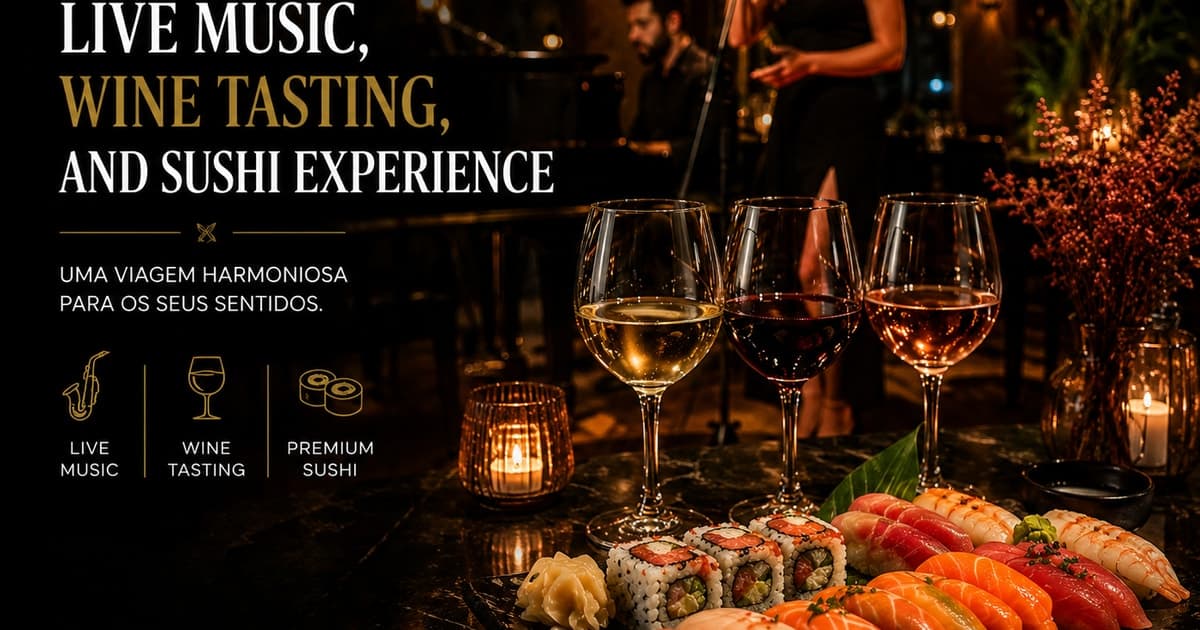
From the first espresso at a standing counter to the last glass of tawny on a hilltop miradouro, a Lisbon food and wine tour stitches together cafés, tascas and pastry shops into a moving dinner; in our catalog of activities you can pick central walking routes with many tastings, quiet small-group circuits, Bairro Alto and Baixa evenings and specialist plans that put Portuguese wine and winemakers at the centre.
📚 Choose your experience
Central Lisbon food and wine walks
Classic circuits through Baixa and Chiado with frequent tastings.
Small-group Portuguese food and wine tours
More intimate tables, slower rhythm and tailored conversation.
Bairro Alto evening food and wine
Hilltop streets, night-time views and glasses under the tiles.
Baixa food tours with Portuguese wine
Flat routes near the river with historic cafés and stores.
Deep tastings and winemaker experiences
Focused evenings where Portuguese wine takes the lead.
Frequently asked questions
Clear answers on what to expect, what to wear and tipping.
Central Lisbon food and wine walking tours
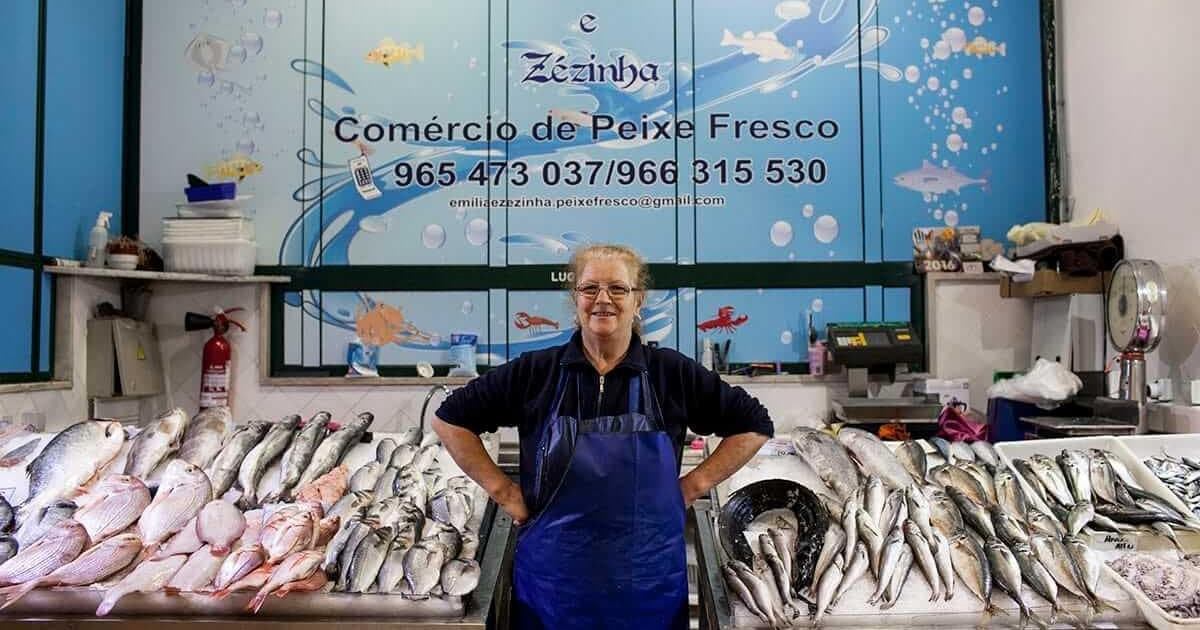
On the central routes, a Lisbon food and wine walking tour doubles as your first orientation of the city: you drift through Baixa, Chiado and the riverfront, stopping in cafés, tascas and pastelarias where locals actually eat while tasting petiscos, cured meats, cheeses and regional wines.
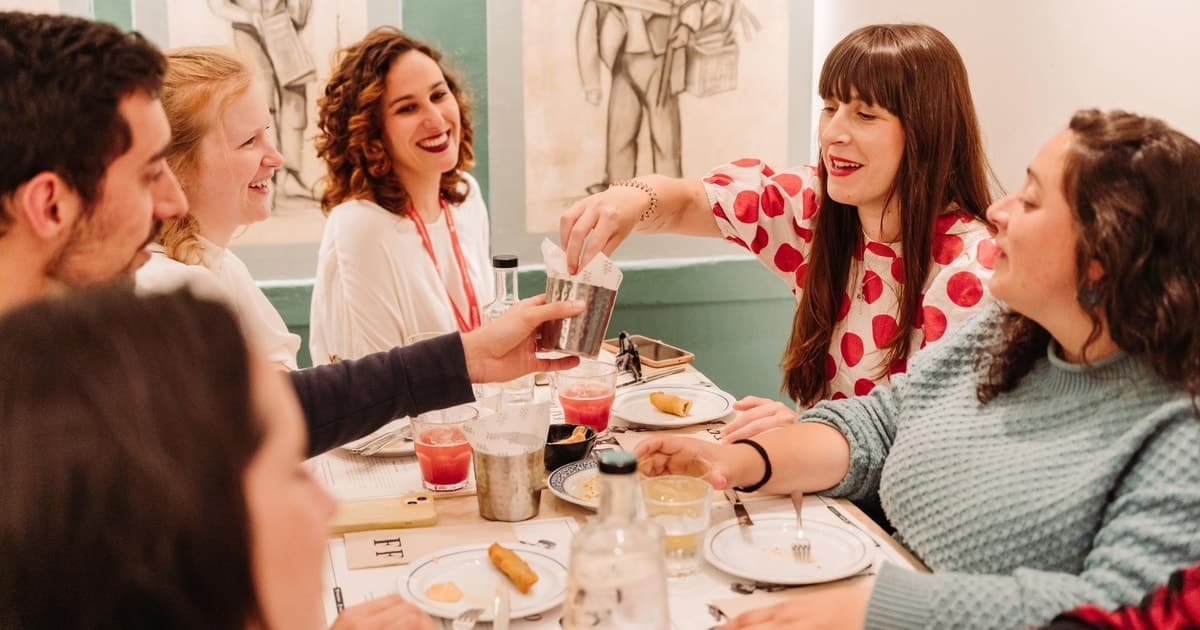
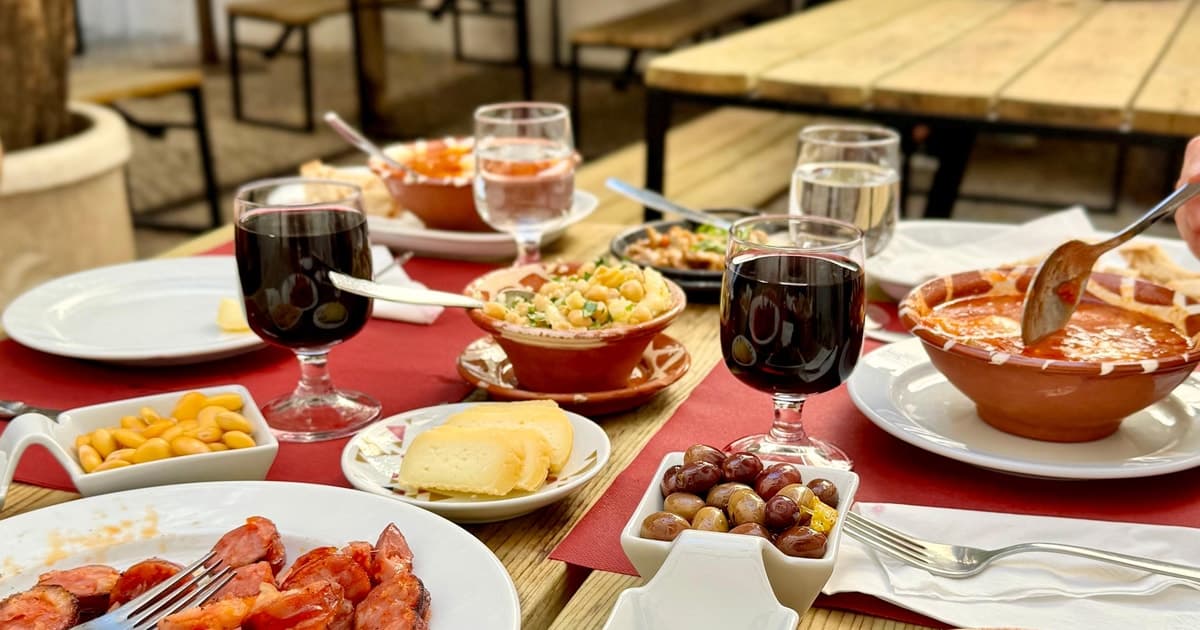
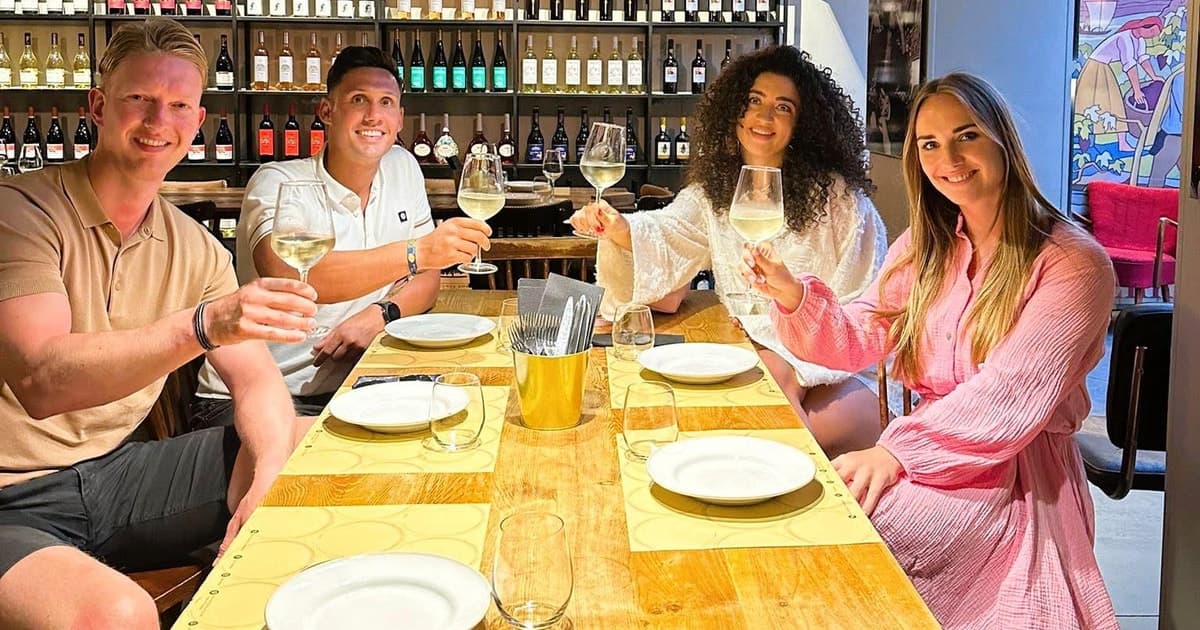
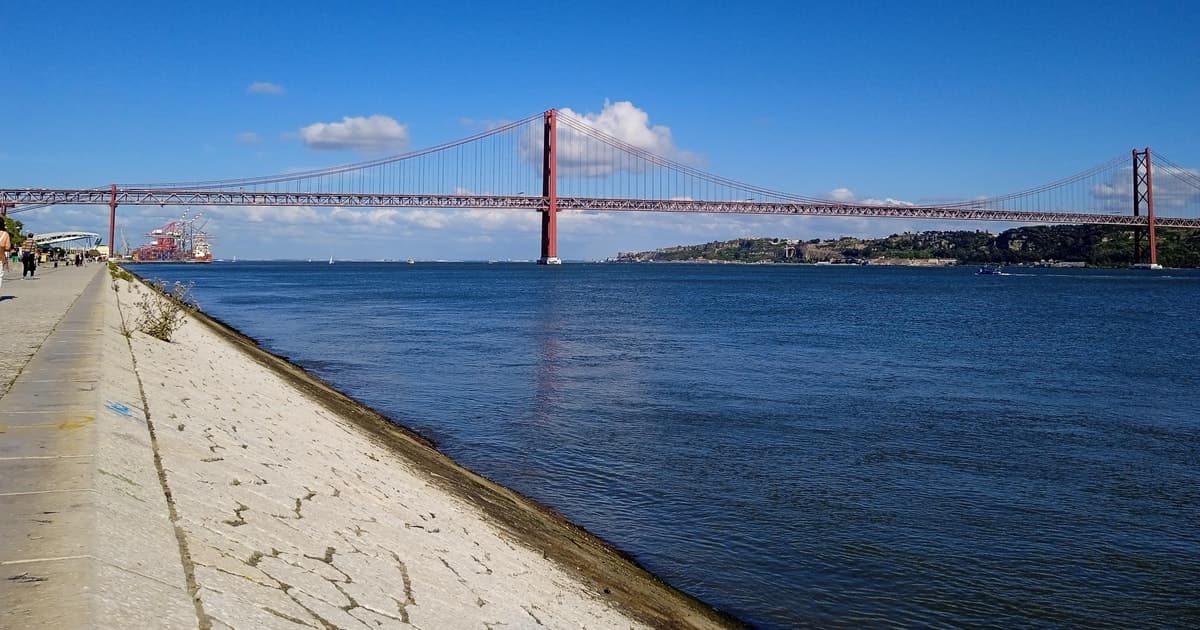
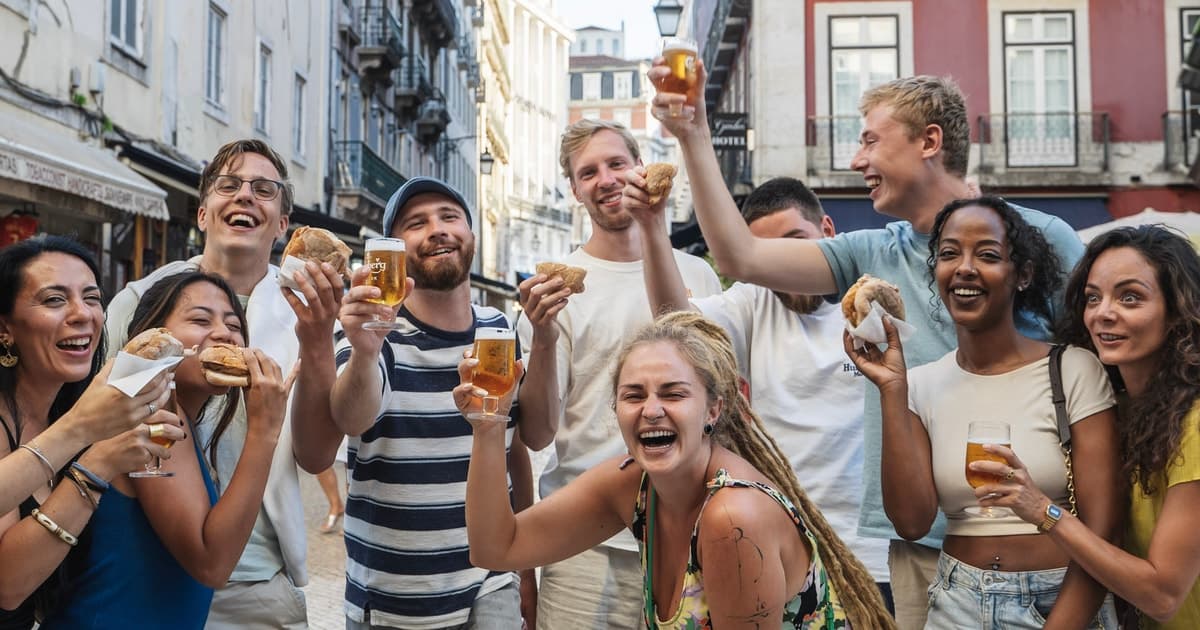
Most walks stay within a compact area, so the pace is gentle even with Lisbon’s hills; morning departures lean towards markets and coffee, while late-afternoon and evening tours feel closer to a progressive dinner with more time over each glass of wine.
On a short trip, pairing one of these tastings with a day ticket on the Lisbon hop-on hop-off bus tour keeps logistics simple and lets you connect viewpoints and museums, leaving your evenings free for unhurried dinners or a second food tour.
🍽️ Which central tour to choose
- Award-winning options pack many tastings into one circuit and suit first visits.
- Cultural-focused walks give more time to history, architecture and stories.
- Routes with markets emphasise fresh produce and everyday shopping habits.
🧭 Practical tips for central walks
- Wear flat, closed shoes; cobblestones can be slippery after rain.
- Tell your guide early about dietary needs or allergies.
- Check where the tour ends so you can plan your route back easily.
Small-group Portuguese food and wine tours
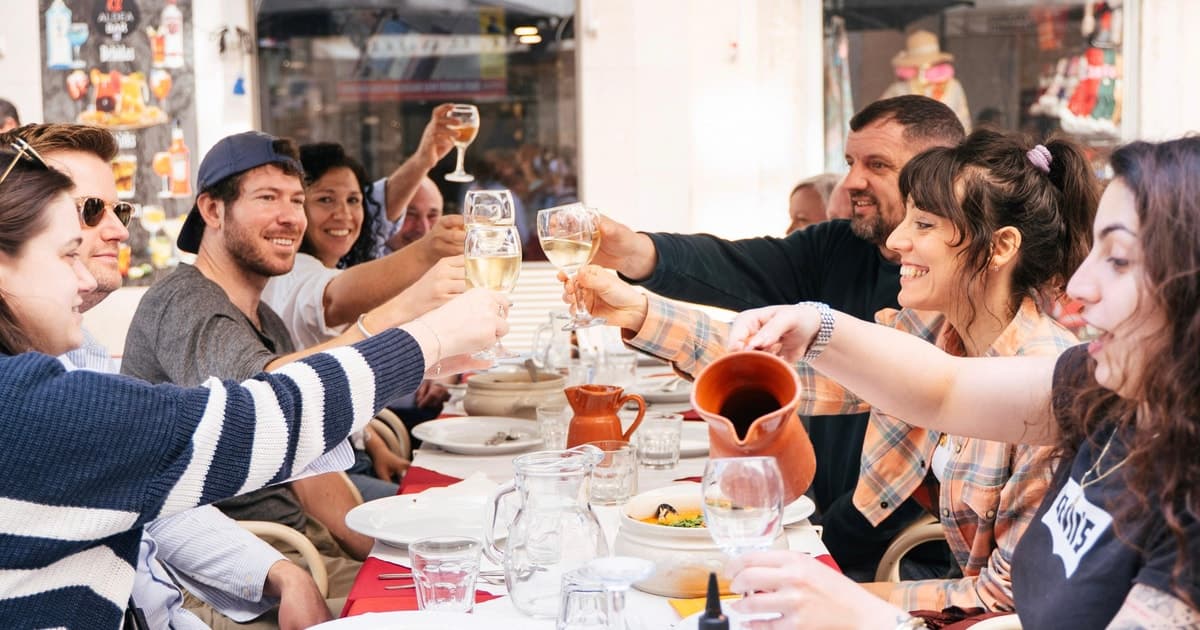
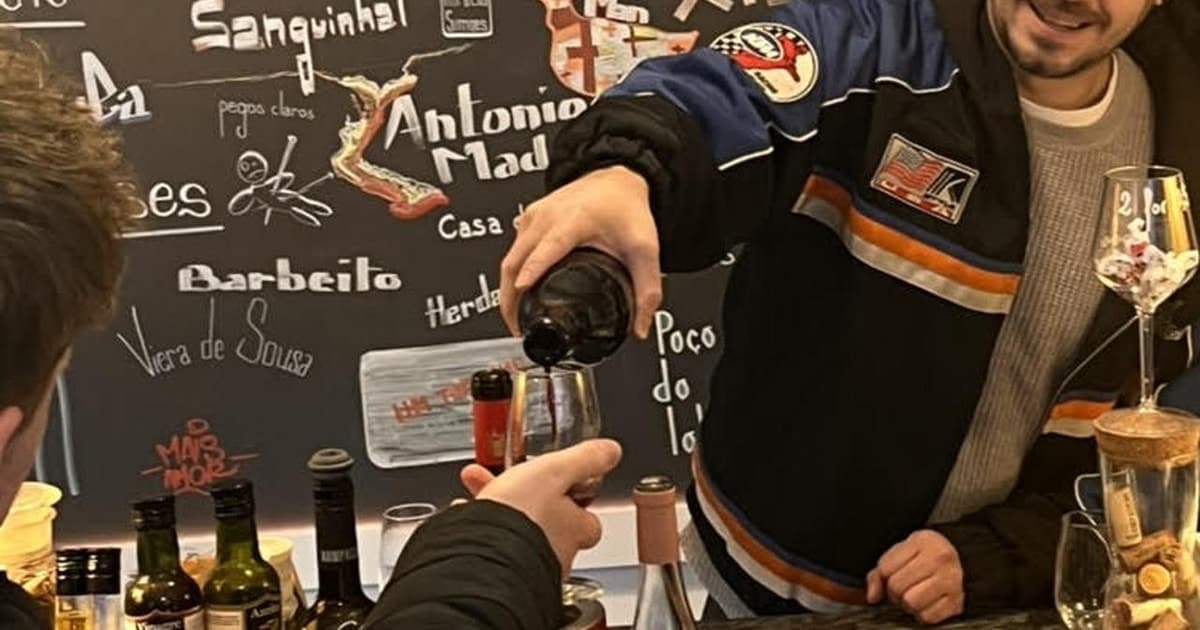
In small-group Portuguese food and wine tours, group size stays low enough for real conversation; you move almost like a circle of friends, sharing plates at counters and tasting flights of vinho verde, Douro reds or Moscatel while guides adapt to questions and preferences.
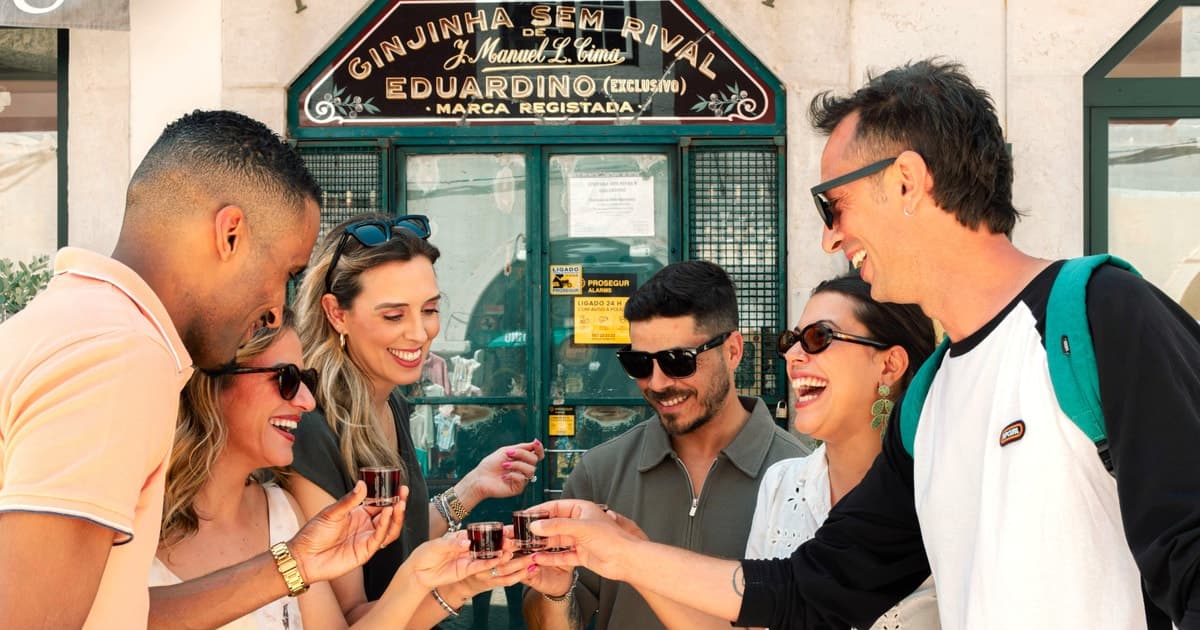
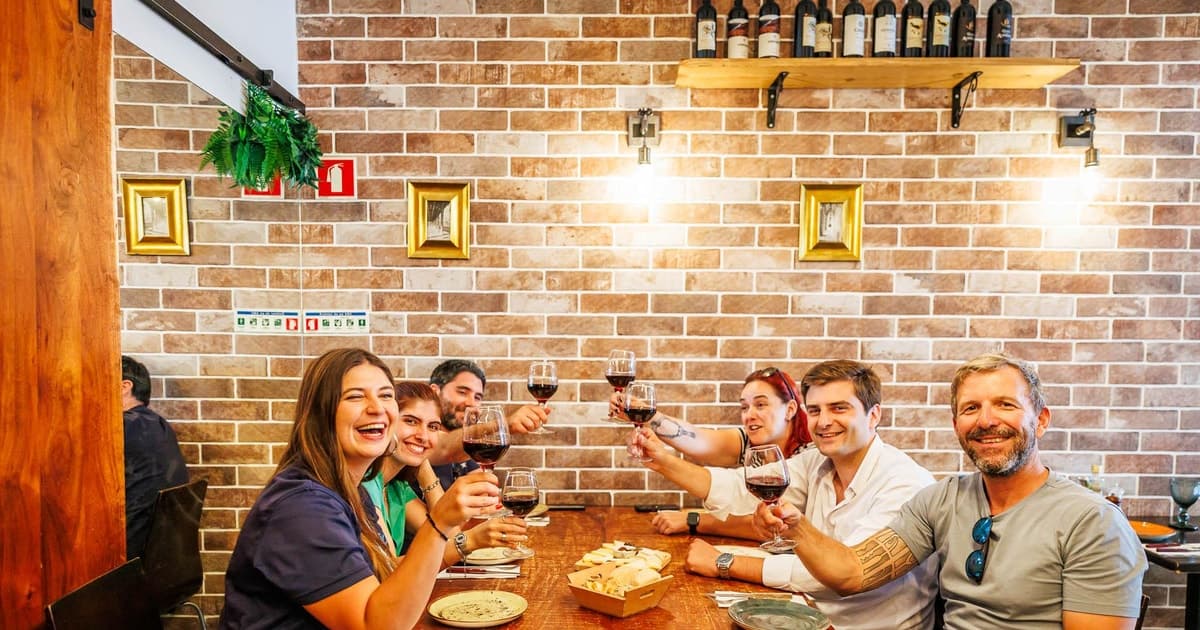

These experiences usually start from central meeting points then slip quickly into quieter backstreets and less obvious taverns, making space for chats with owners, extra explanations about recipes and the feeling of being hosted rather than processed.
If you are travelling as a family or with friends, look for options that can be reserved just for your group; check GuruWalk's activity catalog to see the latest prices and to confirm whether your preferred tour includes desserts, fortified wines or only savoury stops.
👥 Small-group vs classic groups
- Small groups feel more like dinner with friends than a tour.
- Larger groups can be livelier but make quiet conversation harder.
- In small formats, routes adjust faster to weather or crowds.
📸 When small groups shine
- On busy weekends in peak season, when venues fill quickly.
- For travellers with specific interests like natural wine or cheese.
- When you want more time for photos and follow-up questions.
Bairro Alto evening food and wine
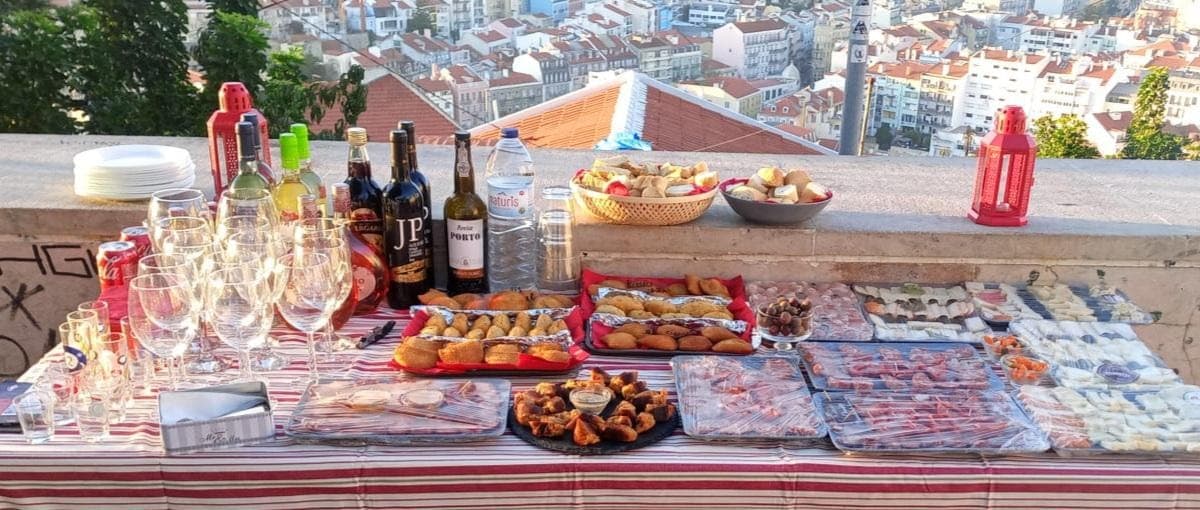
In Bairro Alto, an evening Lisbon food and wine tour turns steep streets and tiled façades into your dining room; you start while the light is still soft over the rooftops, weaving past fado bars and miradouros as you taste petiscos, grilled dishes and glasses of red or ginjinha.
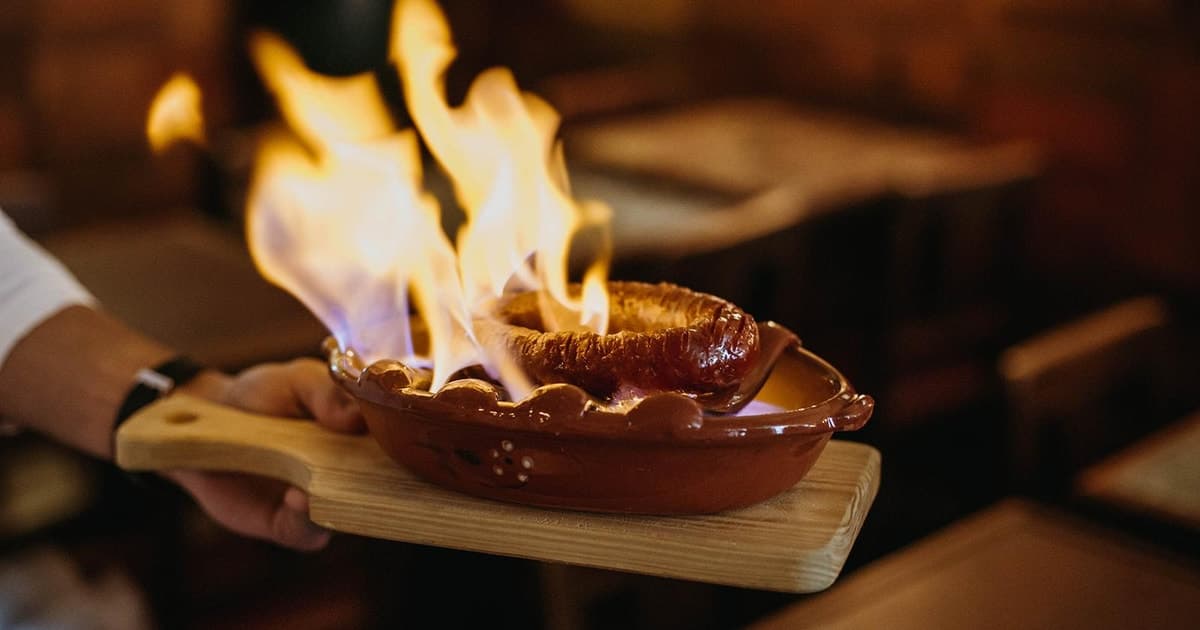
The focus is the night-time mood of Lisbon: voices in doorways, cobblestones warming after the day and viewpoints that become natural pauses between tastings, with some routes leaning romantic and others designed for a livelier bar-hopping atmosphere.
If hills worry you, consider arriving by a panoramic ride on a Lisbon tuk tuk tour, then joining the food walk from a higher starting point so you save your legs for stairs inside cosy wine bars rather than climbs outside.
🌙 Bairro Alto or downtown at night
- Bairro Alto feels denser and more bohemian than Baixa after dark.
- Early evening departures are calmer; later slots suit night owls.
- Hilltop views add dramatic river and bridge backdrops to photos.
🍮 Typical tastings on evening routes
- Petiscos such as chouriço, codfish cakes and conservas with bread.
- Pastéis de nata and other convent sweets fresh from the oven.
- Red wines, port-style pours or ginjinha suited to cooler night air.
Baixa food tours with Portuguese wine
Baixa-based food tours stay mostly on flat streets close to the river, ideal if you prefer minimal climbing; between grid-like avenues you step into historic cafés, old grocery stores and pastry counters that survived earthquakes, dictatorships and fashion cycles.
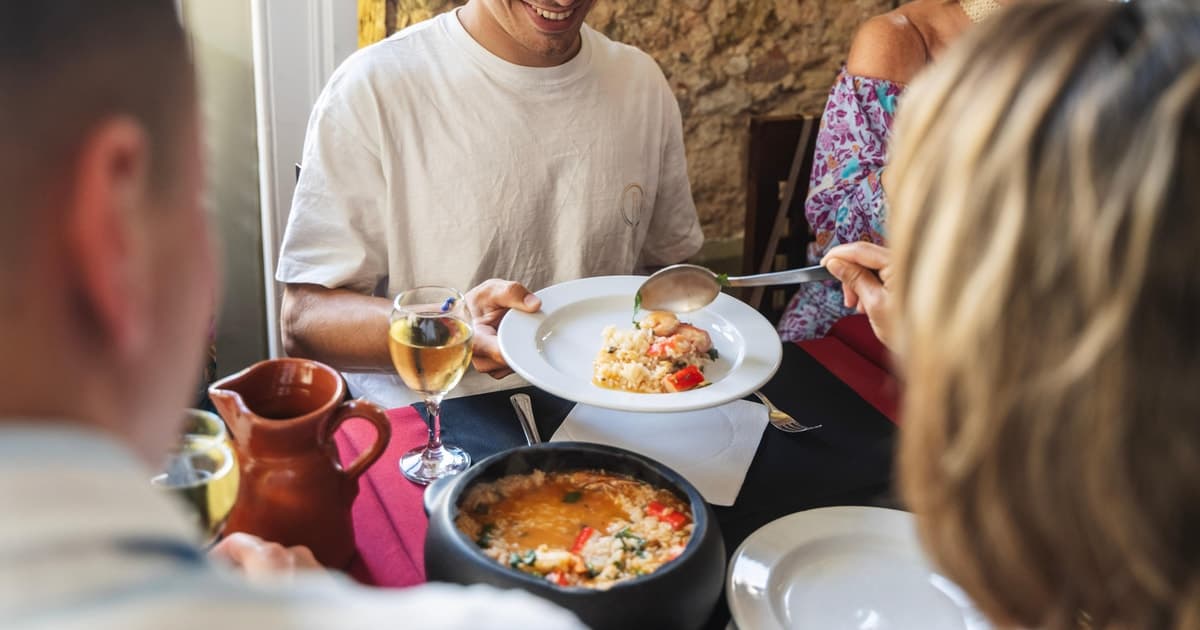
The emphasis is often on Lisbon’s merchant history and everyday eating habits, with tastings built around canned fish, ham, cheeses and pastries, paired with crisp whites or vinho verde that feel natural in the middle of the day.
For a broader picture of the region, many travellers match these Baixa circuits with a separate Sintra day trip from Lisbon, contrasting urban kiosks and markets with palaces in the hills and countryside bakeries.
🏙️ Baixa or Bairro Alto for a first tour
- Choose Baixa for flatter routes and daytime photos.
- Choose Bairro Alto for hilltop viewpoints and buzzier nights.
- Central routes mix both if you want a bit of everything.
🧺 Good to know for Baixa tastings
- Meeting points are usually near metro or tram stops.
- Some old shops still prefer small cash payments.
- Sea breeze can be fresh; bring a light extra layer.
Deep tastings and winemaker experiences
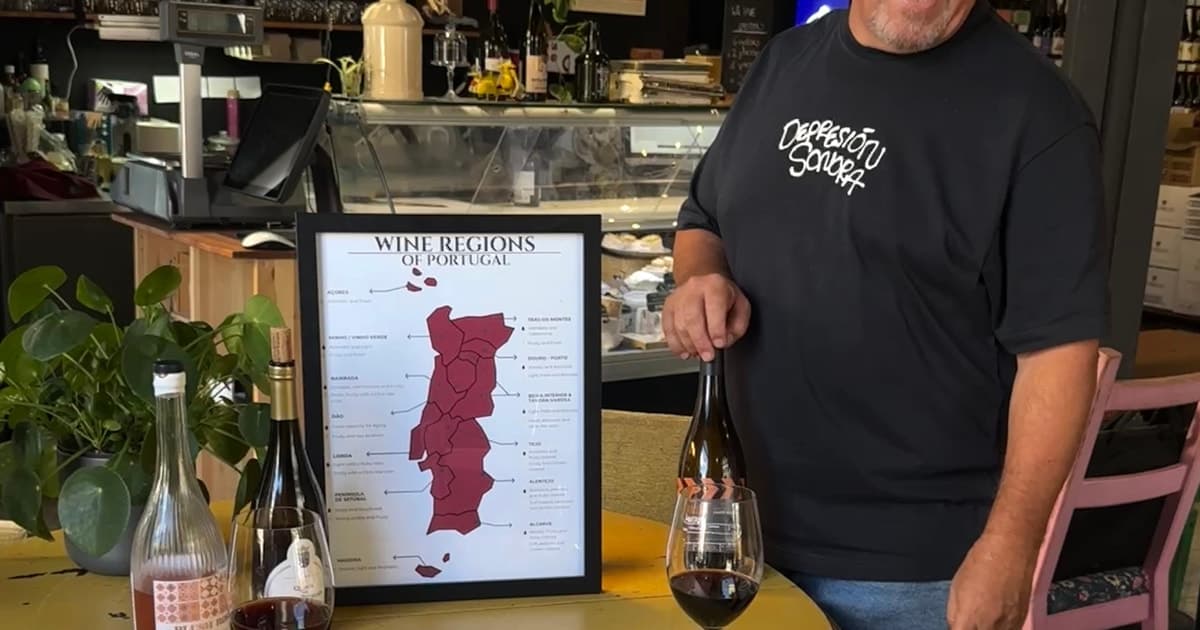
Specialist Lisbon food and wine tours focus less on distance and more on deep dives into Portuguese wine; a winemaker-led evening or extended tasting might keep you in fewer venues but pour a wider range of styles, from crisp vinho verde to structured reds and dessert wines.
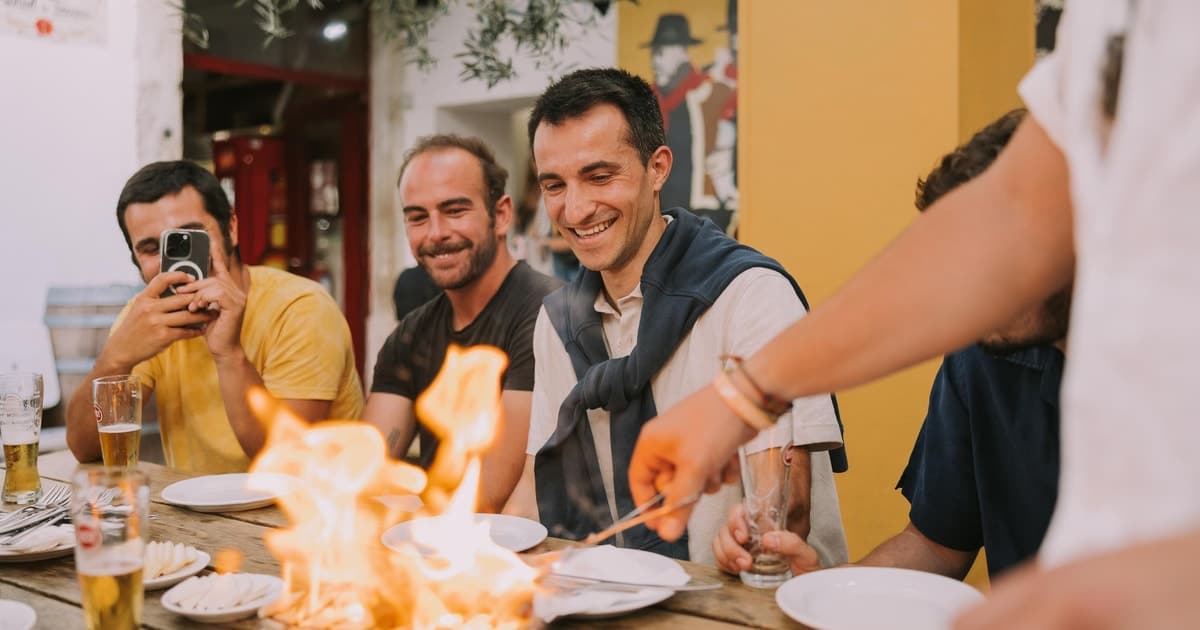

These plans suit travellers who already know they enjoy the basic flavours of a Lisbon food and wine tour and now want more detail on grape varieties, regions like Douro or Alentejo and the logic behind pairings with cheeses, cured meats or chocolate.
Because the atmosphere is usually slower and more intimate, specialist wine activities feel closer to a guided tasting than a bar crawl; check GuruWalk's activity catalog to see the latest prices and to know whether bottles can be bought or shipped for the rest of your trip.
🍷 Who will enjoy winemaker experiences most
- Travellers already comfortable tasting different wine styles.
- Food professionals or enthusiasts wanting deeper technical context.
- Visitors celebrating special occasions with a focused evening.
🧪 Combining wine tastings with other plans
- Schedule them on nights without very early starts next day.
- Eat a small snack beforehand, even if food is included.
- Plan to use public transport or taxis instead of driving.
Frequently asked questions about Lisbon food and wine tours
Are food tours worth it in Lisbon?
Yes, food tours are usually worth it in Lisbon if you enjoy combining sightseeing with meals; in just a few hours you can sample several neighbourhoods, avoid tourist-trap menus and learn how locals order and share dishes, which reduces trial and error for the rest of your stay.
Is Lisbon good for wine tasting?
Lisbon is one of the best bases in Portugal for wine tasting because bars and restaurants pour bottles from almost every region; on a guided food and wine tour you can try different styles in one route, from light vinho verde to structured reds and sweet fortified wines, without planning a separate trip.
What is the famous food in Lisbon?
Among the foods you will meet on a Lisbon food and wine tour, classics include bacalhau dishes, grilled sardines in season, bifanas, petiscos, regional cheeses and pastéis de nata; a good guide will steer you to places where locals still go and explain why each plate matters.
What food is a must try in Portugal?
Across the country, must-try bites range from cod-based recipes to regional pastries, with influences from north and south often sharing the same table in Lisbon; food tours make it easy to taste cured pork, seafood, stews and convent sweets side by side with matching wines.
Do you tip on a food tour?
On Lisbon food and wine tours, tipping is appreciated but not strictly mandatory; if you felt well looked after, many travellers give a modest cash tip directly to the guide at the end, while staff in the venues are normally covered within the tour price unless your guide says otherwise.
What time of year is best for wine tours?
For wine-focused activities, the most comfortable periods are usually spring and autumn, when temperatures are milder and walking between tastings is pleasant; summer evenings also work well for terraces, while winter routes lean more on cosy interiors and hearty dishes.
Is wine expensive in Lisbon?
In general, wine in Lisbon offers strong value for the quality; on tours you usually taste mid-range bottles by the glass, often from smaller producers, so you can explore more styles than you might order alone in a restaurant for a similar overall spend.
Are tuk tuk tours worth it in Lisbon?
Tuk tuk tours in Lisbon are a useful complement to food and wine walks if hills or mobility are a concern; they let you tick off steep viewpoints and main sights first so that later you can focus your energy on relaxed, mostly flat tasting routes.
What are the best guided tours in Lisbon?
Among the best guided tours in the city, Lisbon food and wine experiences sit alongside panoramic circuits and day trips; many travellers combine a central tasting route with a tuk tuk or hop-on hop-off tour and a Sintra excursion to cover history, views and gastronomy without complex planning.
Discover related activities in Lisbon


