Cooking Classes in Lisbon


Last update:
Continue planning your trip to Lisbon
- Free tour
Free Tours in Lisbon
Guided Tours
Day Trip to Sintra and Cascais
City Tours
Tickets & Passes
Day Trip to Sintra
Fado Shows
Jeronimos Monastery Tickets
Tuk Tuk Tours
Shows & Performances
Boat Tours
São Jorge Castle Tickets
Food Tours
Bike Tours
Food & Wine Tours
Hop-On Hop-Off Bus Tours
Sunset Boat Cruises
Telecabine Tickets
Top Activities
Private Tours
Sunset Cruises
Lisbon Zoo
Day Trip to Cascais
Jewish Heritage Tours
Pub Crawls
Wine Tours
Luggage Storage
Cooking Classes
Fado Dinner Shows
Art Museums
Spas & Wellness
Boat Parties
Lisbon Cathedral Tickets
Hard Rock Cafe Lisbon
Airport Transfers
Day Trip to Fatima
Day Trip to Algarve
Benfica Stadium Tour
Banksy Museum Tickets
Day Trip to Evora
Panoramic Bus Tours
Escape Rooms
Self-Guided Walking Tours
Dolphin Watching
Surf Lessons
Day Trip to Obidos
Helicopter Tours
National Coach Museum Tickets
National Tile Museum Tickets
Paragliding
Street Art Tours
Amphibious Bus Tours
Architecture Tours
Things to Do Today
Other Experiences
Day Trip to Nazare
Day Trip to Tomar
Day Trip to Setubal
Day Trip to Arrabida
Wine Tours from Lisbon
Day Trip to Fatima and Batalha
Day Trip to Obidos and Nazare
Day Trip to Comporta
Day Trip to Berlengas
Day Trip to Cabo da Roca
























Lisbon cooking class: pastel de nata, markets and home kitchens
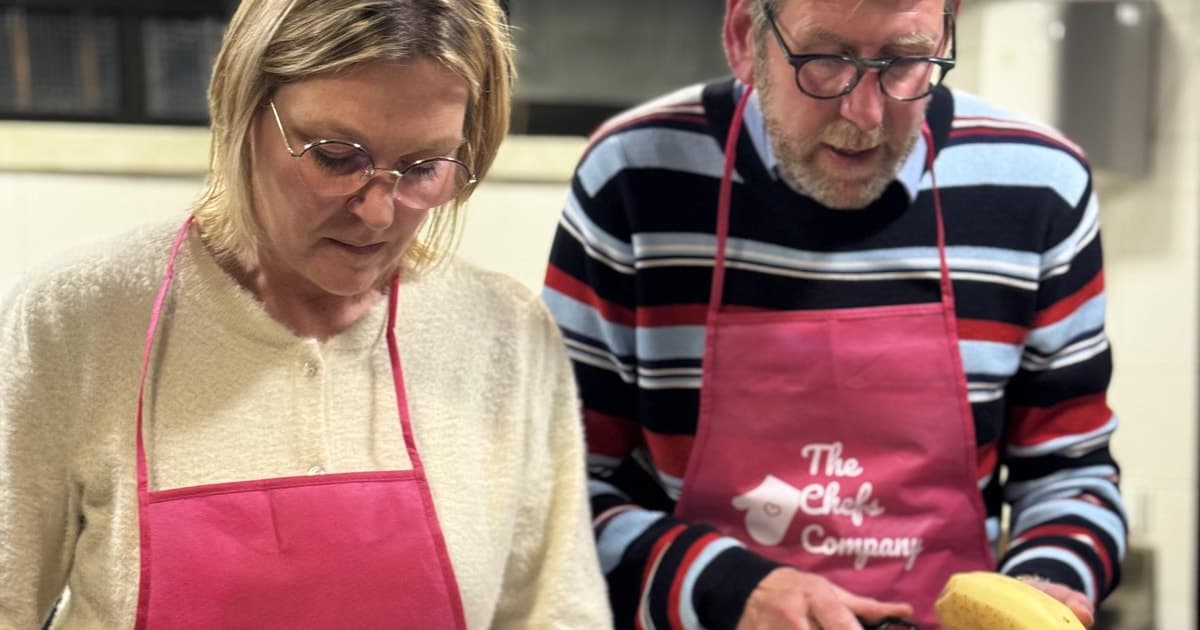
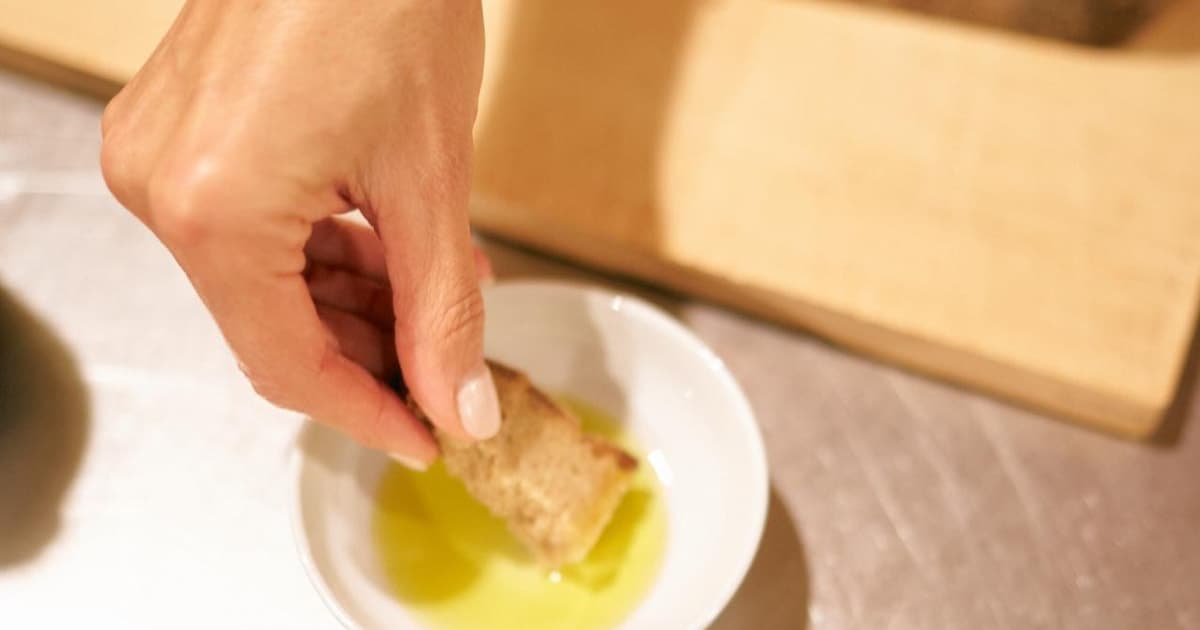
From the first crackle of caramelized sugar on a pastel de nata to steam rising from a cataplana pot, a Lisbon cooking class condenses the city’s food culture into a few vivid hours. In our catalog of activities you can choose between short pastry workshops, market‑to‑table menus and intimate home kitchens, fitting each experience around museum visits, tram rides and sunset viewpoints.
📚 Choose your experience
Pastel de nata and pastries
Learn to bake golden custard tarts from scratch.
Portuguese menus and dinners
Cook a full traditional meal and sit down to eat it.
Market tours with cooking
Shop fresh produce, then turn it into lunch.
Street food and drinks
Prepare snacks and bar bites in a social setting.
Vegetarian and special diets
Join plant‑forward menus and flexible home chefs.
Frequently asked questions
Clear doubts on timing, level and etiquette.
Pastel de nata baking classes in Lisbon
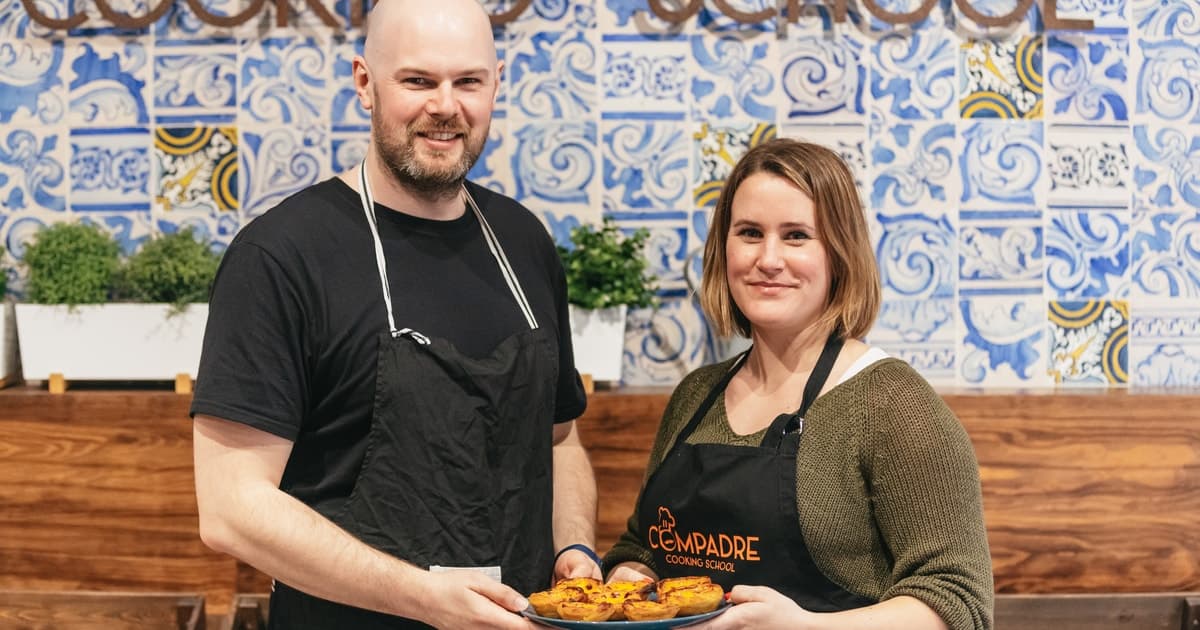
Pastel de nata workshops zoom in on the precision of dough, custard and baking time, often in bright studios or real bakeries close to the city centre. You whisk eggs, stir warm milk and cinnamon, line moulds with flaky pastry and finally bite into still‑warm tarts you shaped yourself.
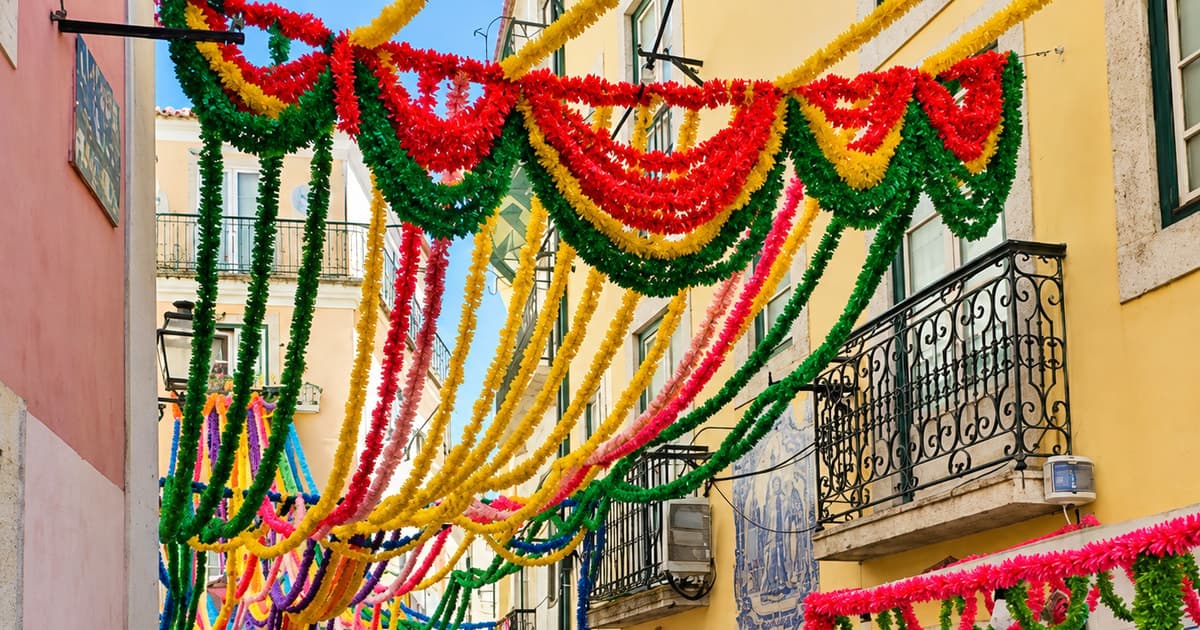



Some sessions feel like a mini‑apprenticeship behind the counter of a working bakery, while others are slower masterclasses with more time for photos and questions. If you already know the classic tart, look for pastry classes that also cover other Portuguese sweets and techniques so you leave with a wider dessert toolkit.
These classes are compact, which makes them easy to pair with a short Lisbon tuk tuk tour through the hills or an afternoon along the river. Arrive a little early, keep your valuables light, and wear comfortable clothes you do not mind dusting with flour and sugar.
🍮 Quick comparison
- Bakery masterclasses feel faster, hotter and more immersive.
- Studio kitchens give more space for photos and step‑by‑step guidance.
- Family‑friendly slots keep recipes simple and attention spans in mind.
🔪 Practical tips
- Skip heavy meals just before class so you enjoy tasting rounds.
- Check the language of the recipe handouts if you want to reuse them.
- Ask about leftovers so you know how many tarts you can take away.
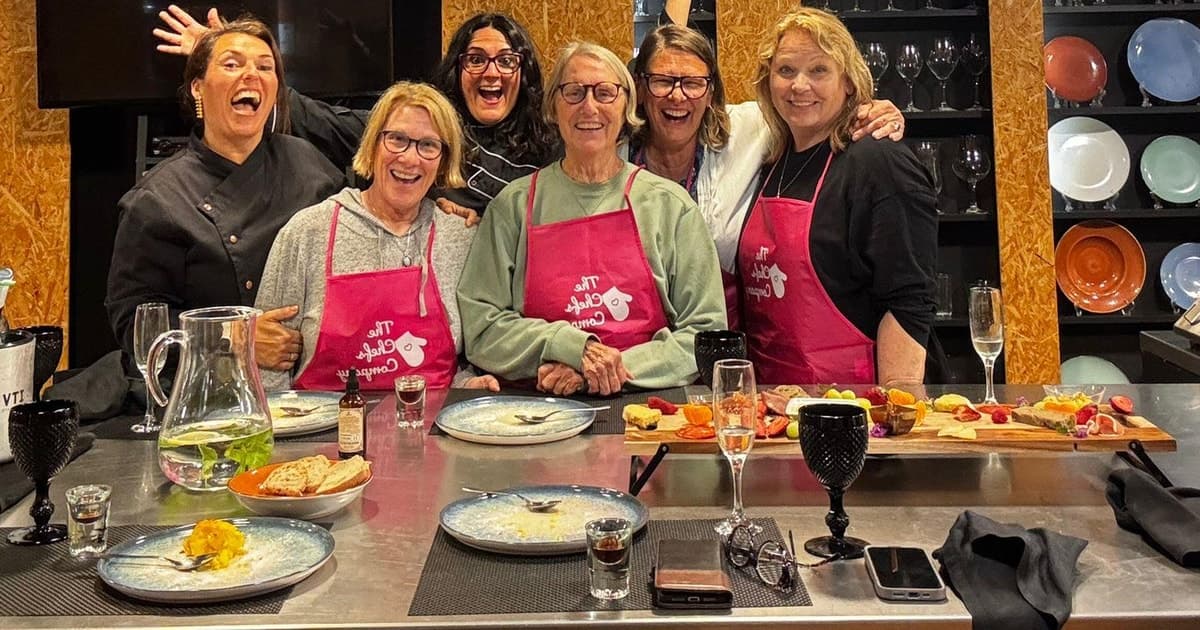
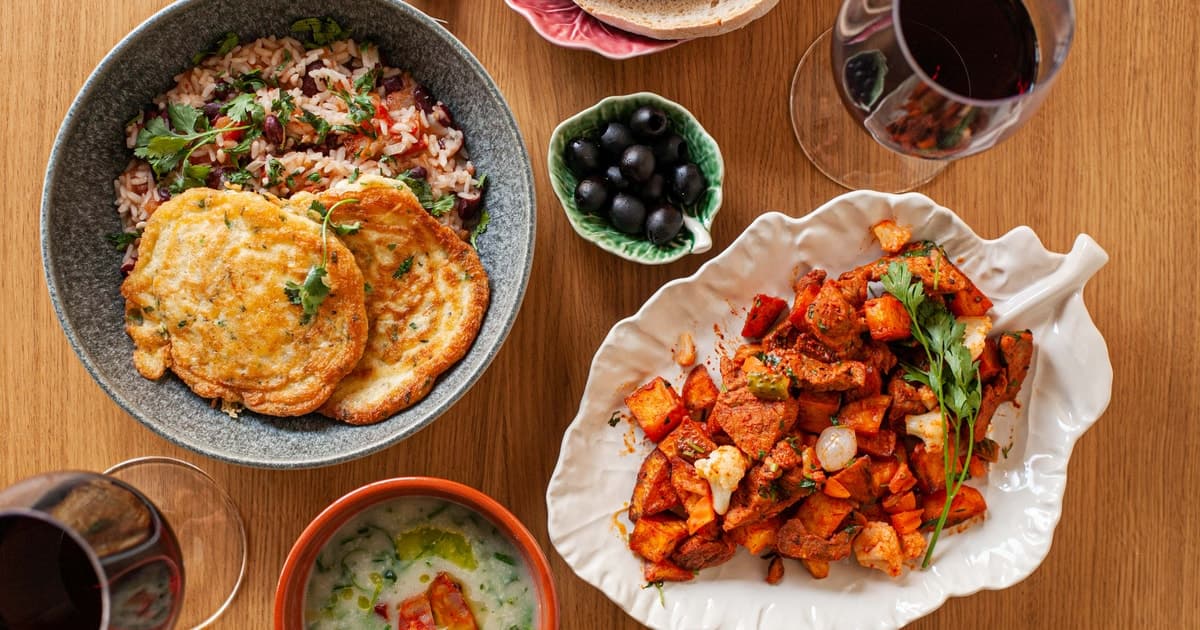
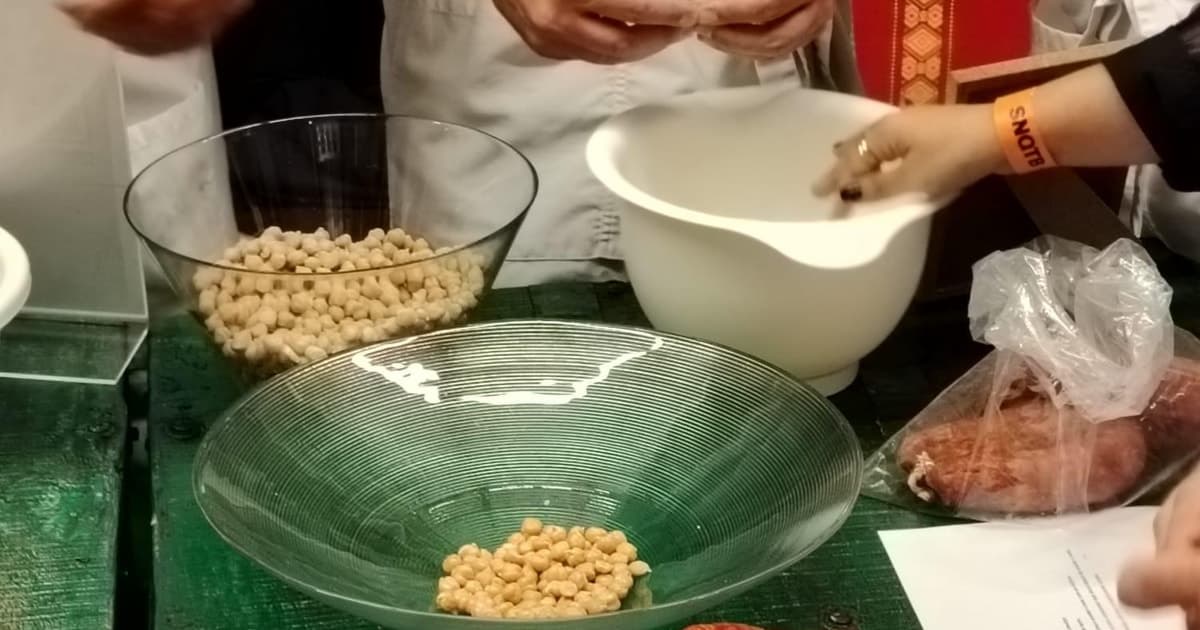
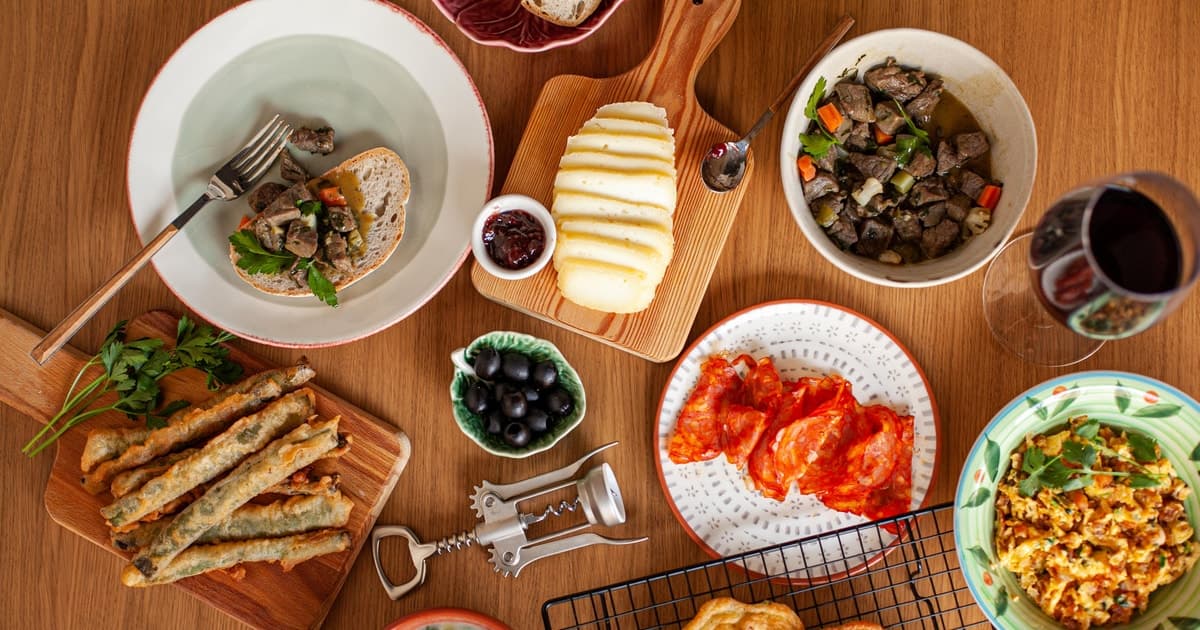
Some classes lean on comfort dishes like cod, rice stews or slow‑cooked pork, while others focus on petiscos so you master several versatile recipes in one go. Hosts tend to break tasks into clear steps and share printed or digital recipe packs, useful if you want to repeat the menu for friends at home.
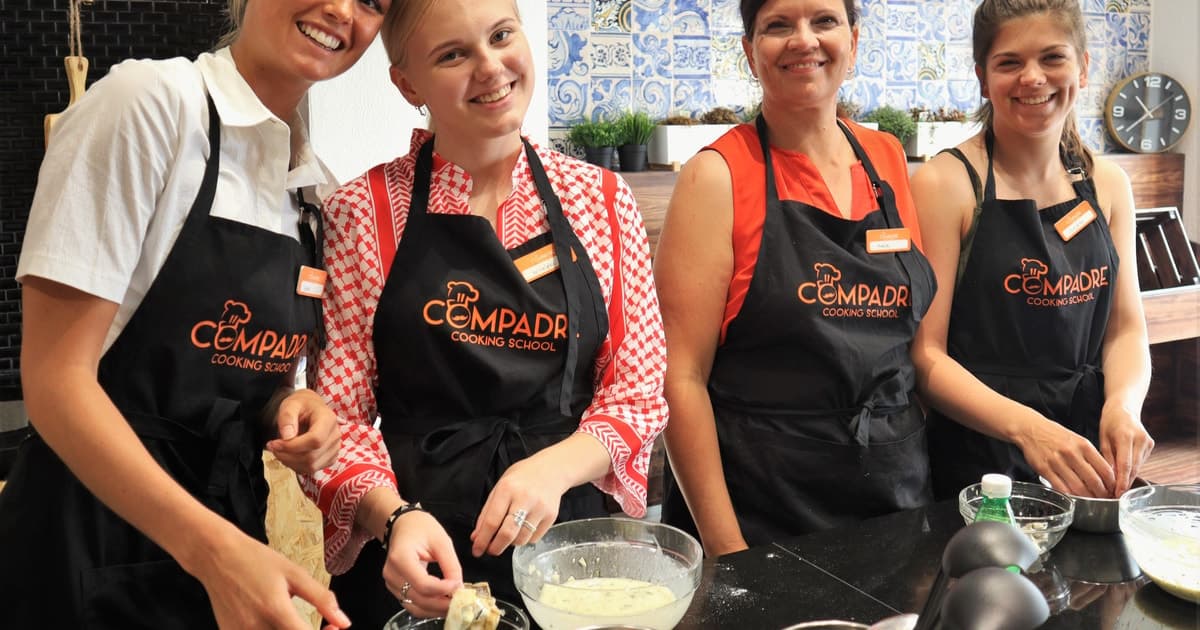
If you prefer storytelling and culture, look for sessions held in Lisbon homes where Portuguese and Goan influences share the same table; if you want more classmates and equipment, pick a dedicated cooking studio. Either way, treating the workshop as your evening meal turns it into an easy alternative to choosing a restaurant.
🍽️ Quick comparison
- Hands‑on studios: more stations, more classmates, more recipes.
- Home kitchens: slower pace, deeper conversation and local context.
- Petiscos menus: perfect if you like tasting many small bites.
🧭 Practical tips
- Mention dietary needs when booking so menus can be adjusted.
- Check if drinks are included or available as an optional pairing.
- Plan your day around it if the class doubles as your main meal.
Lisbon market tours with cooking classes
Market‑to‑table experiences begin among fish stalls, vegetable crates and noisy coffee counters, where you learn how locals shop for the day. Afterwards you head to the kitchen carrying bags of produce and turn market finds into a full Portuguese meal, usually at an unhurried half‑day rhythm.
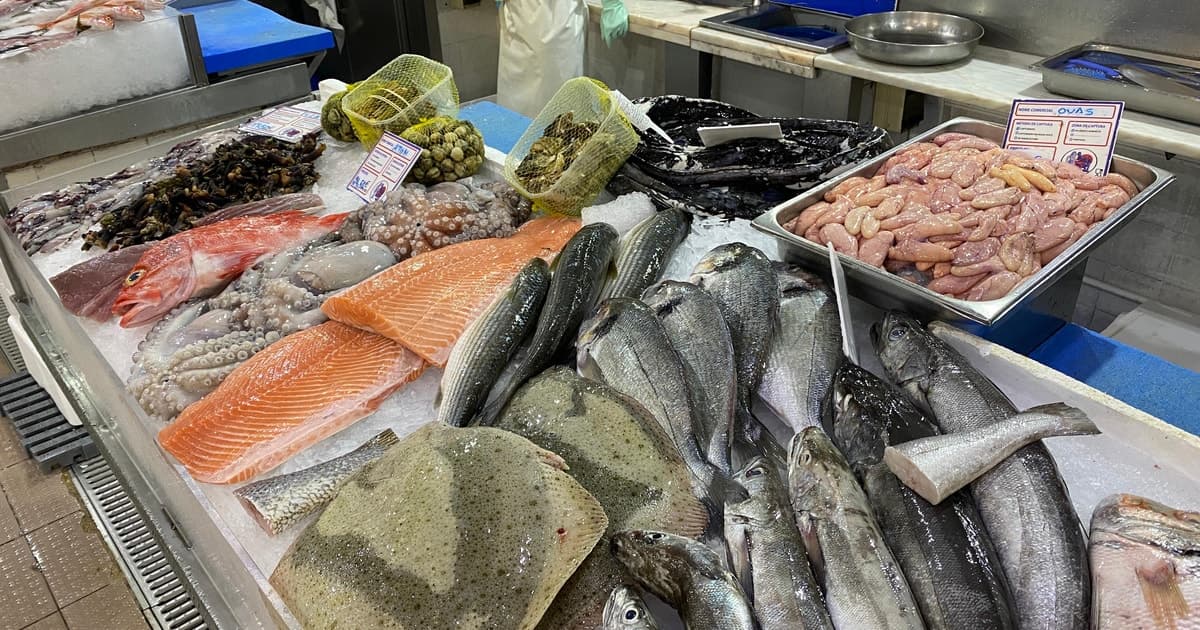
Experiences with a longer market section suit travellers who enjoy talking to vendors and tasting cheeses, olives or cured meats, while others move quickly to the stove and focus on technique. Expect more walking and standing than in studio‑only classes, and choose a start time when you are fresh, hungry and free for several hours.
For a full day of food and neighbourhoods, combine a market class with a relaxed ride on the Lisbon hop‑on hop‑off bus tour, hopping off near viewpoints or by the river after lunch. Closed shoes, a light jacket and a reusable water bottle you can refill throughout the day will keep you comfortable.
🧺 Practical tips
- Arrive a bit early to find the meeting point inside the market.
- Carry small coins if tastings with local vendors are part of the plan.
- Ask before photographing stallholders to keep encounters friendly.
Street food cooking classes with drinks
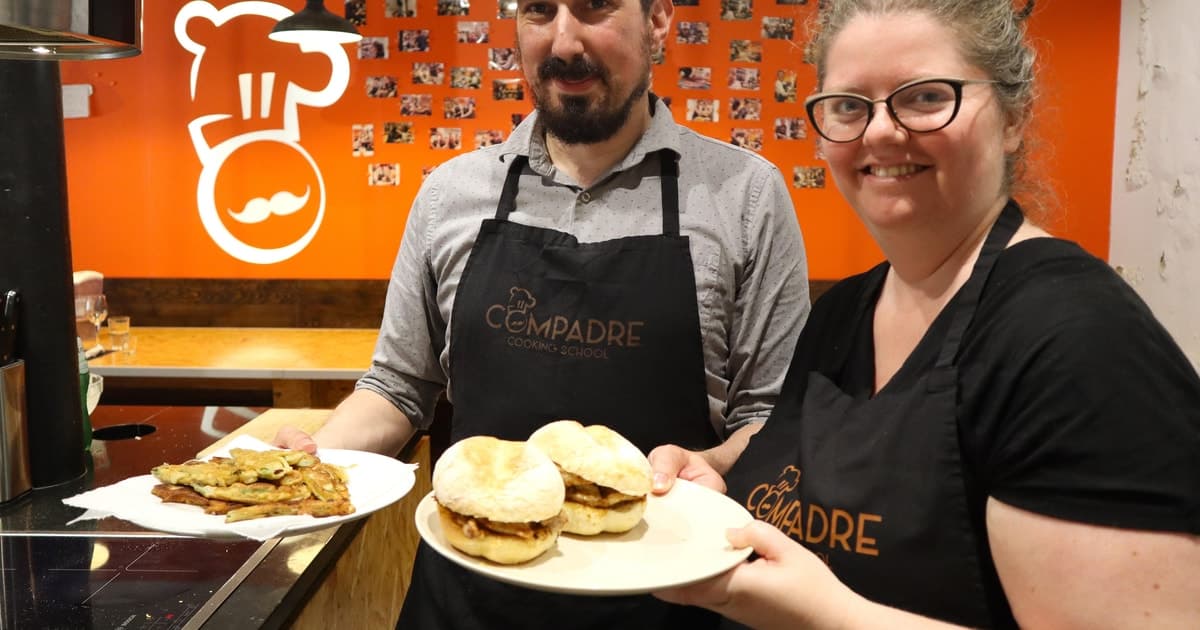
Street food workshops highlight fast recipes such as bifanas, pregos, croquettes and other bar snacks, often paired with local beer, wine or soft drinks. The mood is informal and social, with music in the background and a final spread that feels like a relaxed night out built around your own cooking.
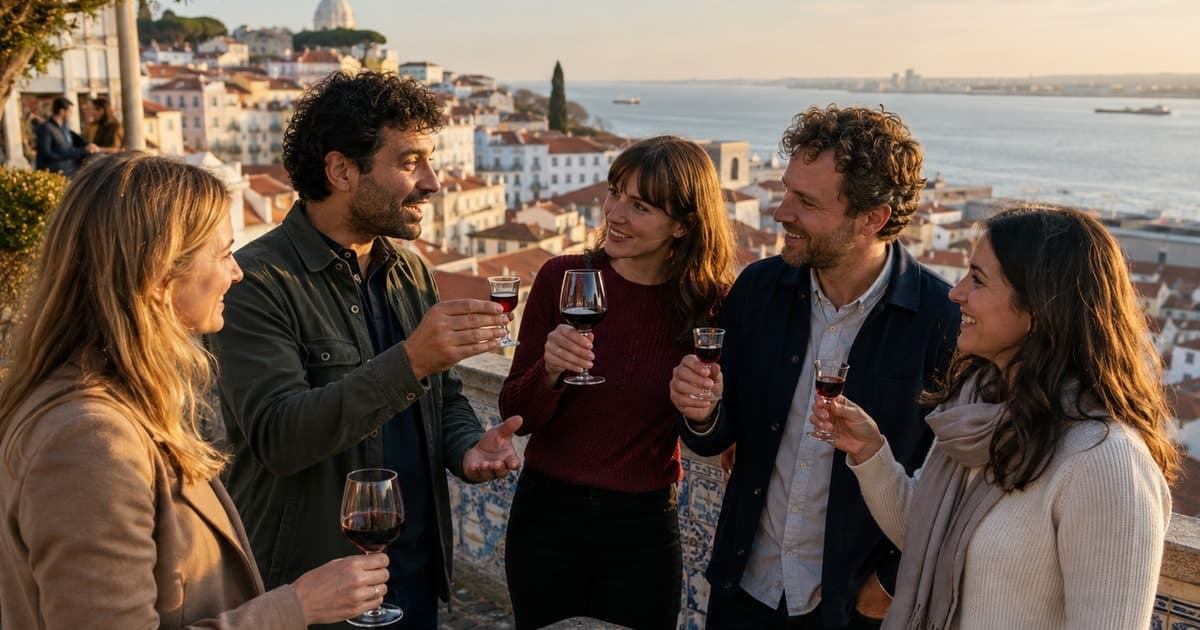

These classes are ideal if you prefer many small bites instead of a single heavy main or want a fun pre‑dinner plan before a fado show. Check how many tastings and drinks are included, wear shoes suited to standing for a couple of hours, and remember that the recipes are simple enough to repeat quickly at home for friends.
🍻 Who will enjoy them most
- Groups of friends looking for a sociable alternative to a bar crawl.
- Short‑stay visitors who want flavour without a long class.
- Confident cooks keen to collect easy, party‑friendly recipes.
Vegetarian and special-diet cooking experiences
If you do not eat meat or fish, focus on classes built as a Portuguese‑style vegetarian feast, with bean stews, vegetable‑rich mains and salads built around local produce. Many home and studio hosts are used to allergies and preferences, adjusting stocks, sauces and desserts so you still learn regional techniques without compromising your diet.
Some home‑based experiences and Goan‑inspired menus can adapt individual plates, which is helpful for mixed groups where only part of the party is vegetarian or gluten‑free. When booking, add a clear note about restrictions, and consider timing these classes for the evening after a Sintra day trip from Lisbon so they become a quiet, home‑style ending to a busy day.
🥦 Practical tips
- List all allergens, not just the big ones, in your booking form.
- Confirm substitution policies for dishes that normally include fish sauce or meat.
- Arrive a bit early to chat with the host about options before cooking starts.
Frequently asked questions about Lisbon cooking classes
Is Lisbon a foodie city?
Lisbon is a very food‑driven city, with markets, traditional tascas, wine bars and pastry shops close enough to explore on foot. A cooking class sits inside that ecosystem, giving you time with a local cook to decode ingredients, techniques and daily habits instead of only tasting dishes at restaurant tables.
Is the food good in Lisbon?
Most travellers find Lisbon’s food surprisingly rich for such a compact city, from grilled sardines and slow stews to simple soups and pastries. Joining a cooking class concentrates those flavours into a single sitting so you can taste a curated selection of classics rather than guessing your way through random menus.
What food is Lisbon famous for?
Lisbon is best known for pastel de nata, salted cod dishes, grilled sardines, bifana sandwiches and petiscos shared with local beer or wine. Many Lisbon cooking classes build their menus around these icons so you can learn the stories and techniques behind the city’s signature plates while you cook.
Which course is best for cooking?
The best course depends on how you like to learn and how much time you have. Pastry workshops suit people who want a quick, sweet focus, full‑menu classes give a broad overview, market tours are ideal for curious shoppers and home‑style dinners work well if you value conversation and cultural context as much as recipes.
Can I learn cooking in 3 months?
In three months you will not become a fine‑dining chef, but you can build a solid base of techniques and reliable recipes. Short Lisbon cooking classes are designed as building blocks: each one gives you a handful of skills which, practised at home, can change the way you cook everyday meals.
Is 30 too late to be a chef?
Thirty is not too late to take cooking seriously, especially if your goal is confidence at home rather than a demanding restaurant career. Many people in Lisbon classes are changing paths or rediscovering cooking after office jobs, and hosts are used to mixed ages and skill levels around the same table.
What are the don'ts of Portugal?
In a cooking class context, the main “don’ts” are simple: do not arrive very late without warning, waste food or handle equipment without guidance. More broadly, avoid shouting in small spaces, making harsh jokes about local dishes and ignoring instructions; basic courtesy and respect for ingredients and customs go a long way.
What degree do you need for cooking?
You do not need any formal degree to join a Lisbon cooking class; these activities are made for travellers with all kinds of backgrounds. Professional kitchens and culinary schools may ask for specific training, but for the hands‑on experiences in our catalog of activities, curiosity, punctuality and a willingness to learn matter much more than certificates.
Discover related activities in Lisbon


