Lisbon Climbing


Last update:
Continue planning your trip to Lisbon
Lisbon climbing: city walls, river views and rock adventures
Lisbon climbing comes in three clear rhythms: short urban climbs under the bridge, relaxed shared sessions in the city and a full‑day rock climb adventure trail that leaves the streets behind. In our offer of experiences you move from steel structures with river views to natural cliffs within reach of Lisbon, choosing between quick tasters and immersive days on the rock while guides handle safety, gear and route selection.
📚 Choose your experience
City climbing in Lisbon: Escala25, Pilar 7 and shared sessions
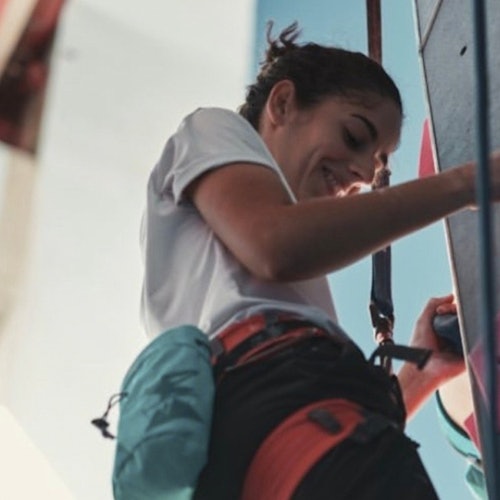
Rigging into your harness beneath the red bridge, you feel the city hum fade while the Tagus opens up in front of you. These city climbing sessions in Lisbon centre on Escala25, Pilar 7 and nearby structures with bolted routes, controlled exposure and clear progressions from the very first hold, so you can test your limits without losing the sense of fun.
At Escala25 the wall rises right by the river, so every rest stance comes with wide‑angle views of water, bridge and skyline. Pilar 7 feels more tucked into the bridge pillars, with lines that reward careful footwork and balance rather than brute strength, and both formats usually start with a short briefing on knots, belaying and body position before you step off the ground.
The Lisbon Climbing Shared Activity leans into the social side of the sport, bringing together travellers who want small, mixed‑level groups. English and Portuguese are common working languages, and the pace adapts so beginners learn simple moves while more experienced climbers try slightly harder routes on the same structure, turning nervous first attempts into shared jokes and applause from the ground.
⚖️ City climbs: Escala25, Pilar 7 and shared sessions
- Escala25: strong river backdrop and structured beginner routes.
- Pilar 7: more sheltered walls that favour precise footwork.
- Shared activity: budget‑friendly climbs with a sociable atmosphere.
🧭 Practical tips for city climbing in Lisbon
- Wear flexible sports clothing and closed trainers with good grip.
- Book very early or late afternoon during the hottest months.
- Carry a light layer; wind beneath the bridge can feel cool.
Because these climbs are compact in duration, they fit well into multi‑plan days in Lisbon. Many travellers pair a morning on the wall with an afternoon in Belém or the historic centre, then keep another day free for a Cascais coastal day trip from Lisbon when they want sea breezes and Atlantic views without a harness.
Full-day rock climbing adventure trail from Lisbon
The Full Day Rock Climb Adventure Trail from Lisbon takes the experience out of town and onto real crags in the hills or by the coast. After an early departure you reach a cliff band chosen for its solid rock and variety of routes, warm up on easier lines and spend the day rotating between sectors with your guide, keeping a relaxed but focused pace.
Compared with a city session, the trail gives you more time on the rock and in nature. You feel the texture of limestone or granite under your hands, hear wind in the trees or waves below and settle into a rhythm of climbing, resting and watching others tackle the same pitches, with a simple lunch stop keeping energy steady through the middle of the day.
This format suits active travellers who are happy spending a full day outdoors, whether they are first‑timers with decent fitness or indoor climbers keen to discover Portuguese rock. Guides manage ropes, anchors and route choices so you can focus on movement, breathing and enjoying the setting, returning to Lisbon in the evening tired but usually hungry for more.
⚖️ City sessions vs full‑day rock adventure
- City climbs: short, urban and ideal for first exposure.
- Full day: deeper immersion with more varied rock terrain.
- Choose city if time is tight, full day if climbing is central.
🧭 What to bring for a rock climb day trip
- Comfortable sportswear you can layer; avoid heavy cotton.
- Reusable water bottle, sunscreen and a small snack reserve.
- Any personal medication; technical climbing gear is normally provided.
Many visitors alternate intense days on the rock with slower cultural excursions. A wine‑focused escape such as an Evora wine day trip from Lisbon or a more contemplative Fatima day trip from Lisbon works well between climbing days, giving muscles time to recover while you still feel that your time in Portugal is full.
Frequently asked questions about climbing in Lisbon
Is Portugal good for rock climbing?
Portugal is a solid rock climbing destination, especially around Lisbon where you have sea cliffs, forested hills and safe urban structures within reach of the city. The guided experiences in our catalog focus on sectors with established routes and good bolting, which lets visitors concentrate on movement and scenery instead of worrying about local logistics.
Where can I rock climb near Lisbon?
Near Lisbon you can climb on urban walls like Escala25 and Pilar 7, on sea cliffs facing the Atlantic or on crags hidden in natural parks a short drive away. Our offer of experiences concentrates on spots that balance access, safety and scenery, so you usually meet in the city and are roped in at the wall within a relatively short time.
Is Lisbon hilly to walk to the climbing spots?
Lisbon is famously full of hills, stairs and viewpoints, so expect some short climbs on foot before you even touch the rock. Meeting points are typically close to public transport or easy taxi drop‑offs, and any approaches to the wall are kept reasonably short, but comfortable shoes and a bit of extra time are your allies.
Is 27 too old to start rock climbing?
Starting to climb at 27 is completely normal, and many people try their first routes in Lisbon well into their thirties, forties or beyond. Guides are used to mixed groups, set realistic goals and choose lines where adult beginners can progress without pressure, so age matters far less than curiosity and a basic level of mobility.
What should I be careful of when climbing in Portugal?
When you climb outdoors in Portugal, the main things to watch are sun, hydration and listening to your guide. Use high‑factor sunscreen, drink water regularly, follow briefings about where to stand while others climb and respect any instructions about loose rock or changing weather so the day stays safe and enjoyable.
Is pickpocketing a problem in Portugal?
In busy Lisbon neighbourhoods petty theft can happen, but climbing tours usually take you into more controlled spaces or out of the city. Keep cash, cards and phones in zipped pockets or a small hidden pouch, avoid leaving valuables on display at meeting points and follow your guide’s advice on how bags are stored while you are on the wall.
Are Americans still welcome in Portugal for climbing trips?
Visitors from the United States and many other countries are regular guests on climbing experiences in Lisbon. Tours commonly run in English, and international travellers book them throughout the year; you only need to check current entry rules for your nationality and confirm that your travel insurance covers adventure activities.
How much does climbing in Lisbon cost?
Short city climbs at Escala25, Pilar 7 or in shared sessions usually start around thirty euros per person, while full‑day rock climb trails with food or extra logistics move into a higher price bracket. Exact amounts change with season and inclusions such as lunch or transport, so check GuruWalk’s activity catalog to see the latest prices before you book.
About the author

Author: Belén Rivas, GuruWalk
Publication date: 2025-12-09
Data updated as of December 2025


