Harlem Walking Tours in New York City



Last update:
Continue planning your trip to New York
- Free tour
Free Tours in New York
Guided Tours
Attraction Tickets & Passes
Other Experiences
Helicopter Tours
Central Park Tours
Statue of Liberty Tickets
Empire State Building Tickets
Top of the Rock Tickets
MoMA Tickets
One World Observatory Tickets
Harlem Walking Tours
Food Tours
9/11 Memorial & Museum Tickets
Broadway Tickets
Brooklyn Bridge & DUMBO Walking Tours
City Lights Tours
High Line Walking Tours
Hop-On Hop-Off Bus Tours
Metropolitan Museum of Art Tickets
Statue of Liberty Tours


Harlem walking tour: gospel, history and neighborhood rhythm
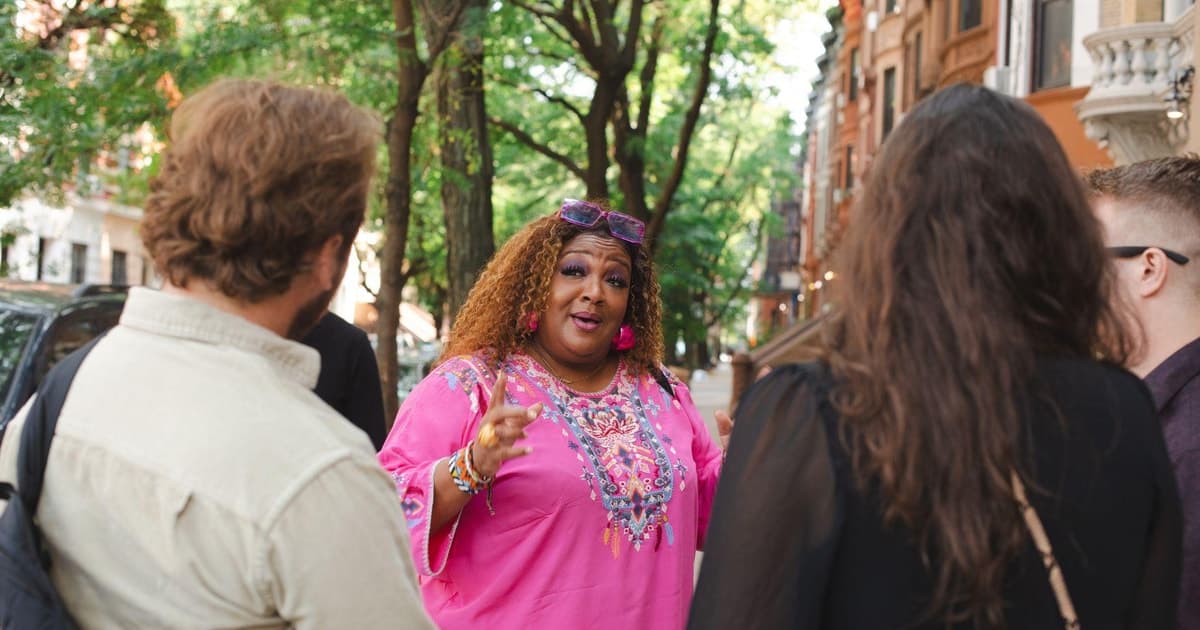
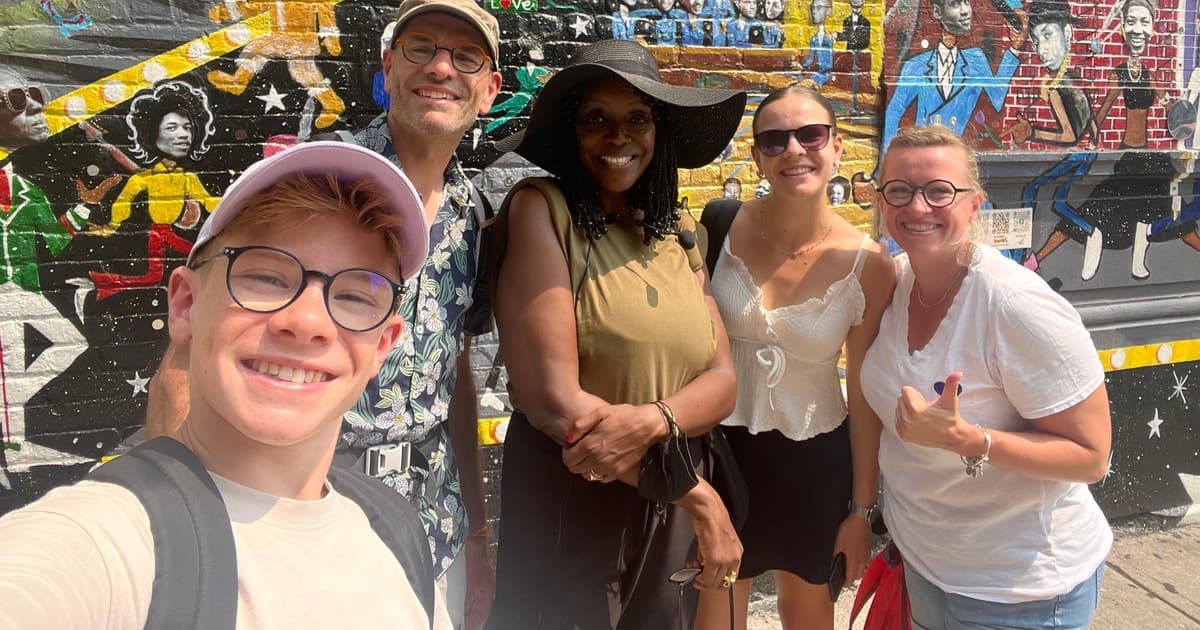
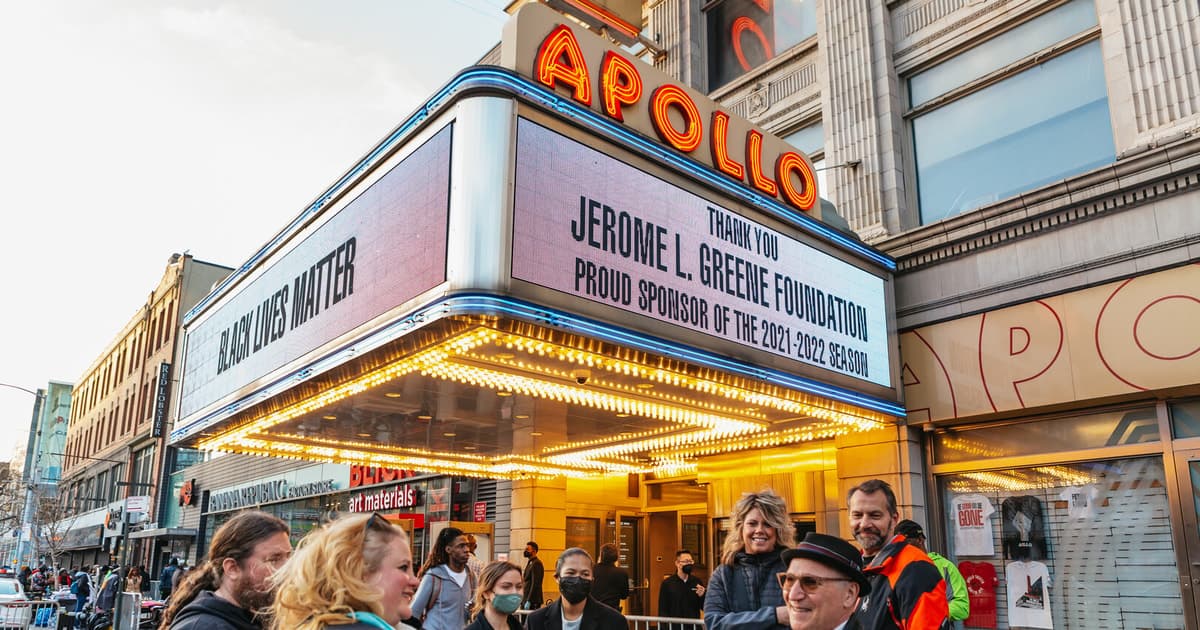
From 125th Street to the brownstones around Mount Morris Park, a Harlem walking tour is a way to hear choirs, trace civil rights history and feel how the neighborhood moves today. In our catalog of activities you can join a gospel‑focused route, a walking tour of Harlem centered on African‑American culture, quieter strolls through Hamilton Heights and Sugar Hill, or a hip‑hop itinerary that treats the streets like a live studio. Guides act as a kind of Harlem walking tour map, connecting churches, murals and corner diners so you can fit a focused walking tour Harlem into a wider New York stay without wasting time.
📚 Choose your experience
Gospel and Sunday services
Choirs, churches and live community.
Civil rights and culture
Murals, memorials and daily life.
Renaissance & Mount Morris
Writers, jazz clubs and brownstones.
Hamilton Heights & Sugar Hill
Quieter streets and river views.
The soul of Harlem
Overview routes for first-timers.
Hip-hop and street culture
Murals, venues and stories in beat.
Frequently asked questions
Safety, timing and route tips.
Harlem gospel walking tours: music and community
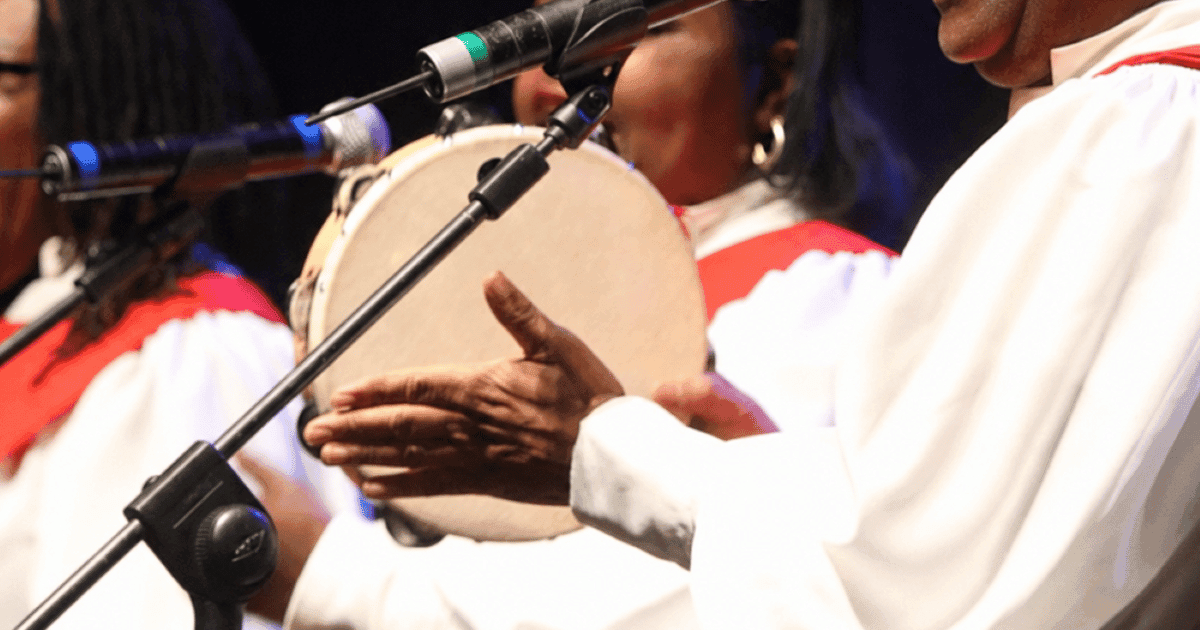
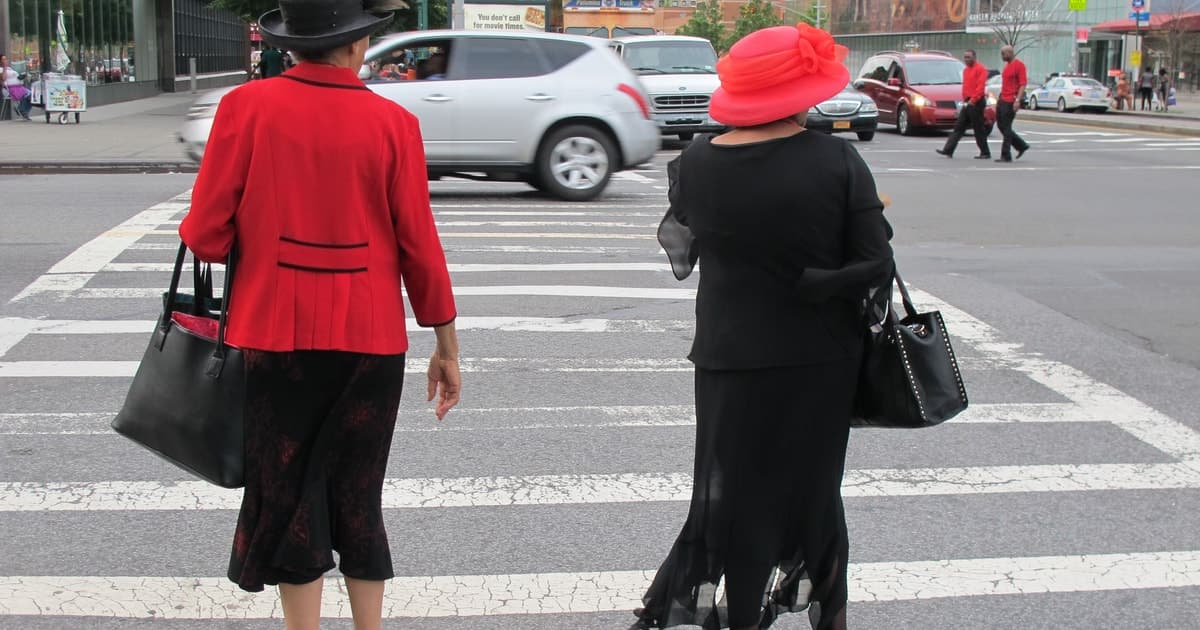
On gospel routes, the soundtrack comes first: a Harlem gospel walking tour usually leads you along quiet residential blocks before stepping into a local church, where the choir, not the visitors, sets the rhythm. Between hymns your guide explains the role of faith in Harlem’s history, points out brownstone details and street corners tied to jazz and soul, and keeps the group moving respectfully so the experience feels like sharing a service, not watching a show.
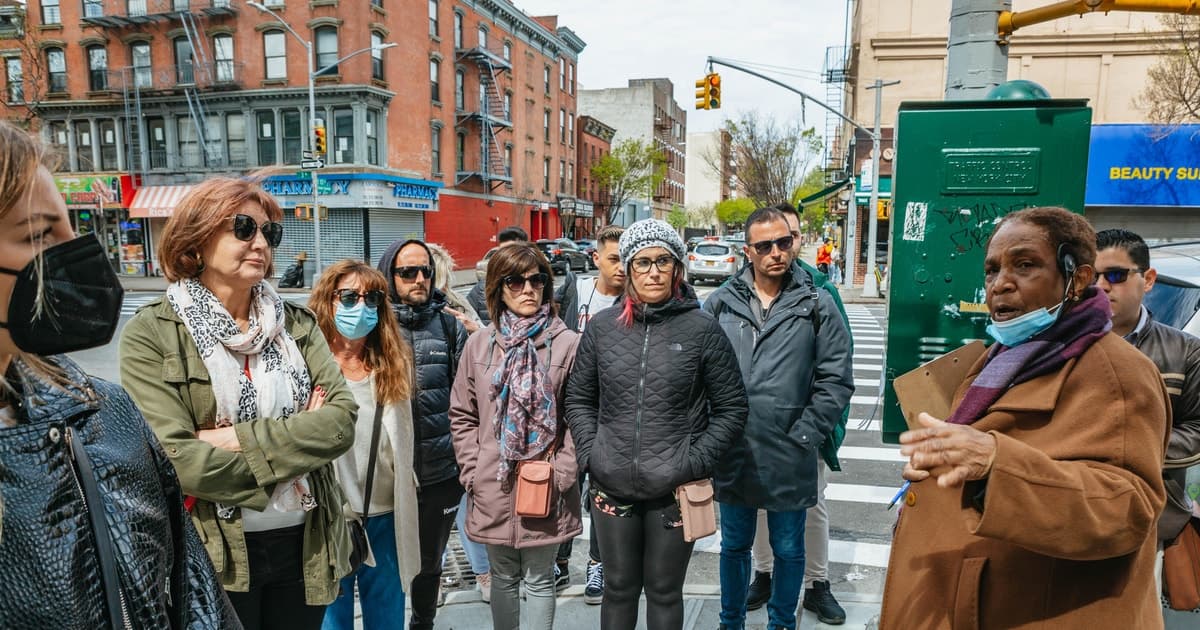
Some options focus tightly on worship, others combine gospel with a longer Harlem walking tour that adds landmarks and, in some cases, lunch and conversation with locals. You will find experiences in English and also a dedicated Harlem Gospel Experience Walking Tour in French, useful if you prefer explanations in your own language while still following the same congregations and routes.
🎵 Ways to choose your gospel tour
- Pick smaller groups for quieter, more reflective services.
- Choose half-day formats if you want more time with your guide.
- Weekday services tend to feel more local, less crowded.
- Sundays are best for full choirs and big atmospheres.
🧭 Practical etiquette for gospel visits
- Dress with covered shoulders and a respectful tone.
- Follow your guide on when photos are allowed or not.
- Arrive early so you can sit together and settle in.
- Keep phones on silent to avoid interrupting the service.
Civil rights and African-American history in Harlem
A civil rights and culture themed walking tour of Harlem links street memorials, community centers and former meeting halls where activists, artists and preachers shaped national debates. Guides often carry stories or archive images that make it easier to imagine marches along Lenox Avenue, rallies near 125th Street and the everyday life of families who turned Harlem into a capital of Black culture.
Compared with broader New York contrast tours, these routes stay concentrated in a few blocks so you can slow down at murals, stoops and churches instead of rushing between boroughs. Half‑day options that include lunch leave more time for questions about segregation, housing and today’s neighborhood changes, giving first‑time visitors a structured but human introduction to Harlem.
📍 Typical stops on history walks
- Key avenues where demonstrations and marches took place.
- Churches that served as organizing hubs and refuges.
- Blocks that inspired novels, poems and political speeches.
- Memorials that show how the community remembers its leaders.
Harlem Renaissance and Mount Morris Park on foot
Renaissance‑focused itineraries and the Mount Morris Park historic district tours zoom in on the writers, musicians and thinkers who turned Harlem into a cultural reference point. As you walk past row houses, fire escapes and tree‑lined medians, your guide uses poems, club stories and neighborhood anecdotes to show how this Harlem walking tour connects twentieth‑century creativity with the voices you still hear from stoops and stages today.
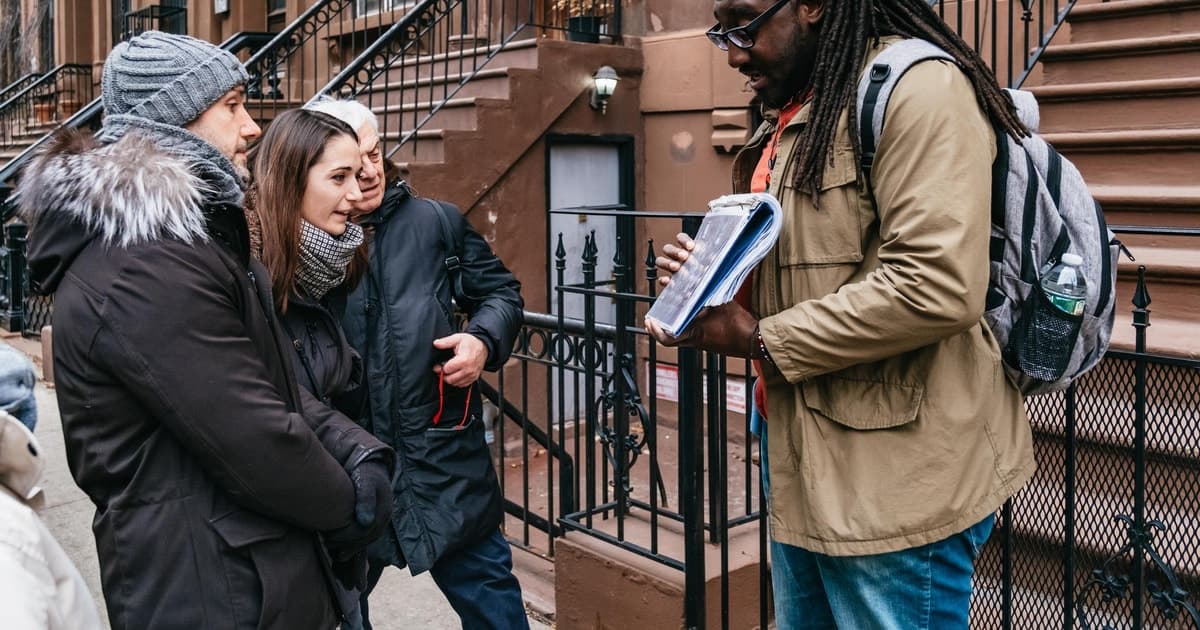
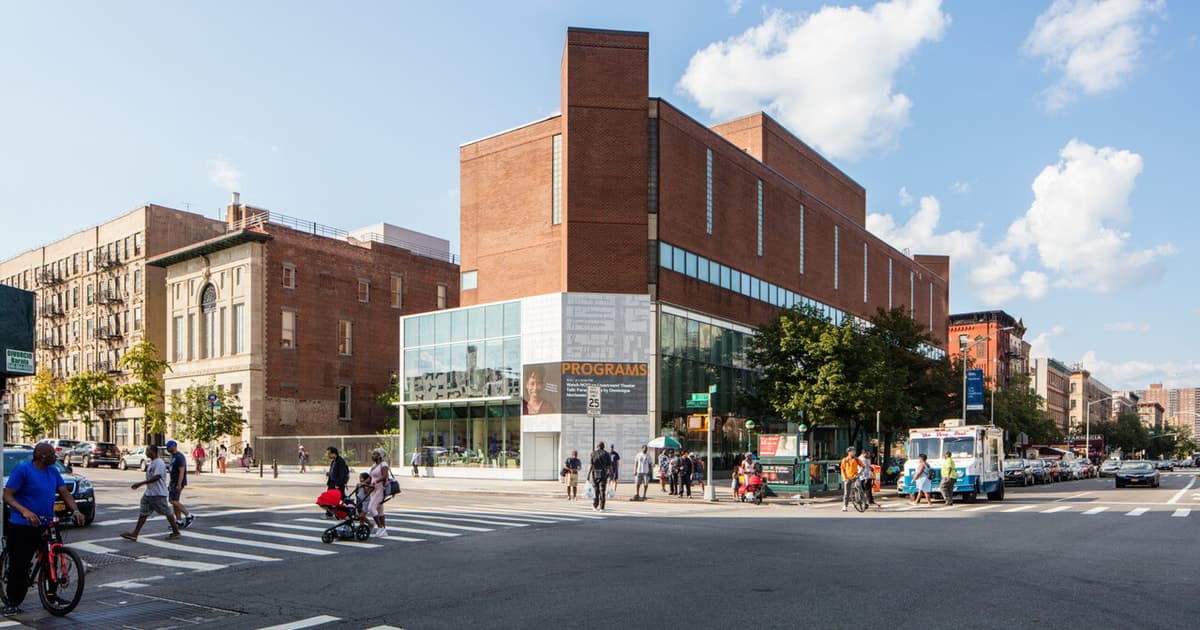
Tours that include lunch near Mount Morris Park stretch into a relaxed half day, giving time to discuss the Harlem Renaissance beyond the headline names while you share a meal in a local restaurant. This category works well paired with an evening jazz show elsewhere in the city or with a later Greenwich Village walking tour downtown, booked through Greenwich Village Walking Tour for a different view of New York’s bohemian history.
🏛️ When a Renaissance tour fits best
- Ideal if you want architecture and literature together.
- Good for travelers who enjoy longer conversations over lunch.
- Works well before an evening club or jazz show downtown.
- Suited to visitors who prefer moderate walking distances.
Hamilton Heights and Sugar Hill: north Harlem
Farther uptown, Hamilton Heights and Sugar Hill walks show a quieter side of the neighborhood, with steep streets, river views and townhouses that once housed writers, lawyers and musicians. A North Harlem walking tour in these areas usually covers longer distances at an easy pace, connecting Washington Heights and western Harlem while stopping at plazas, overlook points and small community gardens.
Because sidewalks can slope and staircases appear between blocks, these tours reward visitors who like to walk a bit more and earn the views. They are also good if you have already done a central route and want to see how Harlem opens toward the Hudson, before balancing the day with a more urban downtown plan such as a Soho Walking Tour NYC focused on facades, galleries and street art.
🚇 How to reach the northern routes
- Use the subway to arrive, then explore on foot from there.
- Tell your guide about mobility or knee concerns in advance.
- Plan extra time afterward to enjoy viewpoints without rushing.
- Carry water so inclines feel comfortable even in summer.
The soul of Harlem walking tour: everyday life
Introductory routes such as the classic soul‑of‑the‑neighborhood walks weave together churches, main avenues, markets and side streets into a single walking tour Harlem that works well on your first or second day in the city. Rather than focusing on one theme, your guide touches on housing, food, music, religion and current debates so you leave with a mental map of Harlem that makes it easier to explore on your own later.
If you like to plan with maps in hand, this kind of Harlem walking tour map made by your feet is often the most efficient starting point: you see where key corners sit in relation to the subway, Central Park and the river. Afterward you can revisit favorite blocks independently, or connect the story with contrasting neighborhoods on a Wall Street walking tour in New York City for a sharp shift from brownstones to glass towers.
🧭 Who should pick a soul tour first
- Visitors who want a broad overview before diving deeper.
- Short‑stay travelers needing one concentrated Harlem experience.
- Solo travelers who value orientation and safety tips.
- Repeat visitors curious about how the neighborhood is changing.
Harlem Hip-Hop Walking Tour and street culture
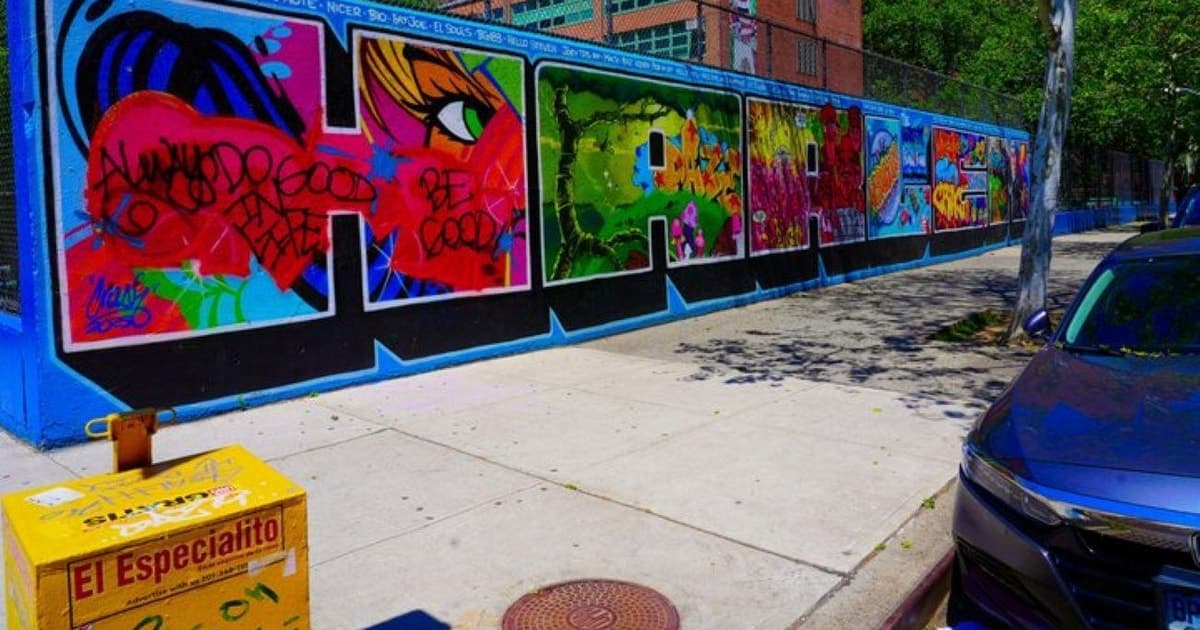
The hip‑hop themed Harlem walking tour follows lyrics and beats instead of hymn books, stopping at murals, historic venues and record‑store corners linked to local DJs, dancers and crews. Guides often grew up with the artists they describe, so stories about block parties, rivalries and fashion trends land right on the corners where they happened.
Compared with slower historic routes, this experience feels more like walking through a living playlist, with photo stops, slang explanations and occasional chances to practice a move or two. It tends to suit visitors who know at least some of the names in advance, but it is equally valuable if you simply want to see how Harlem’s youth culture and street art connect back to the same avenues explored on gospel and civil rights walks.
🎤 Good to know before a hip-hop tour
- Check if the tour runs in the language you prefer.
- Wear shoes you can comfortably stand and dance in.
- Bring questions about lyrics, venues and local artists.
- Expect an informal tone but the same respect for residents.
Frequently asked questions
Can you walk around Harlem?
Yes, you can walk around Harlem safely in the main visitor areas, especially during the day, when streets are busy with locals, students and families. A guided walking tour adds context and ensures you follow routes that make cultural sense, rather than wandering without understanding what you see.
Should tourists visit Harlem?
Tourists who care about music, food and social history should absolutely include Harlem in a New York itinerary. Guided walks help you enter churches, small cultural centers and residential blocks with respect, turning what could be a quick photo stop into a meaningful encounter with the neighborhood.
What is the best street to walk on in Harlem?
There is no single “best” street, but many visitors enjoy 125th Street for theaters and shops, Lenox Avenue for churches and restaurants, and the brownstone blocks around Mount Morris Park. A curated Harlem walking tour usually links several of these corridors so you do not have to choose just one.
What are the best ways to get around Harlem?
Most visitors combine the subway for longer jumps with walking along the main avenues and cross streets. A structured walking tour covers a compact area on foot, then your guide can point out which subway lines or buses to use later if you want to return to specific corners on your own.
What's the best time to visit Harlem?
Many travelers prefer late morning and early afternoon for general walks, when cafés and shops are open and light is good for photos. For gospel services, Sundays and some weekday evenings feel more atmospheric, while summer evenings work well for hip‑hop and street‑life focused tours.
Are NYC walking tours worth it?
In neighborhoods like Harlem, a guided route is often the most efficient use of limited time, because it packages history, local logistics and cultural etiquette into a few focused hours. Prices vary depending on focus and extras; check GuruWalk's activity catalog to see the latest prices and pick the depth of experience that matches your plans.
What are the best walking tours in NYC?
It depends on your interests, but many visitors start with a Harlem walking tour for culture and music, then combine it with downtown routes. Within our offer of experiences you will also find focused guides such as the related Greenwich Village, Soho and Wall Street walking tours mentioned above, which cover different sides of the city’s history.
Are there any parts of Manhattan to avoid?
Manhattan, including Harlem, welcomes large numbers of visitors every day, and most people feel comfortable on main avenues, around parks and near cultural venues. As in any big city, it is sensible to stay aware of your surroundings, avoid very empty blocks late at night, and follow your guide’s advice on which streets feel most appropriate for visitors at different times.
Is Harlem mostly white now?
Harlem is still widely recognized as a historic center of Black life and culture in New York, even though its population has become more mixed in recent decades. Many walking tours address gentrification, housing and demographic change directly, giving you a nuanced picture rather than a simple label.


