Eiffel Tower Tours in Paris



Last update:
Continue planning your trip to Paris
- Free tour
Free Tours in Paris
Boat Tours
Guided Tours
Night Tours
Louvre Museum Tours
Shows & Performances
Louvre Museum Tickets
Sainte-Chapelle Tickets
Palace of Versailles Tickets
Notre-Dame Cathedral Tours
Hop-On Hop-Off Buses
Palace of Versailles Tours
Bike Tours
Eiffel Tower Tickets
Eiffel Tower Tours
Arc de Triomphe Tickets
Musée d'Orsay Tickets
Food Tours
Wine Tastings
City Passes





How to choose the right Eiffel Tower tour
Elevator or stairs
Elevators are the least strenuous and suit most visitors, especially families and those short on time. Taking the stairs adds effort but rewards you with quieter landings and open-air views between the first and second levels.
Second level or summit
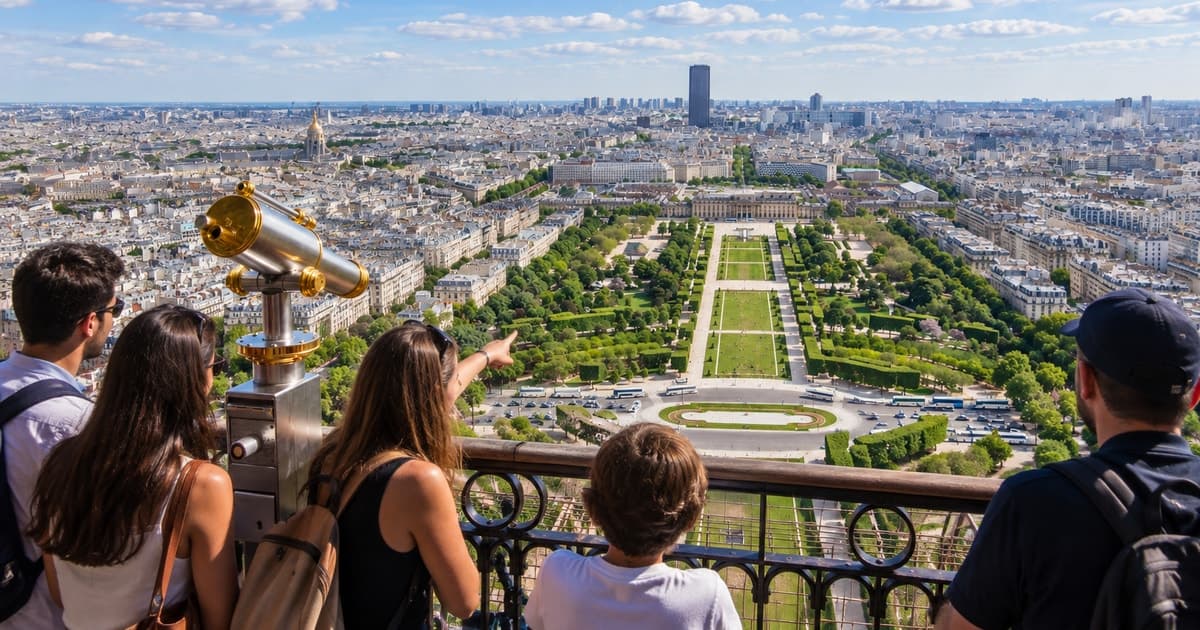
The second level delivers sweeping city panoramas and plenty of space to linger. The summit is the highest viewpoint and a bragging-rights moment, yet it can close at short notice for safety or weather, so always treat summit access as conditional.
Daylight or night
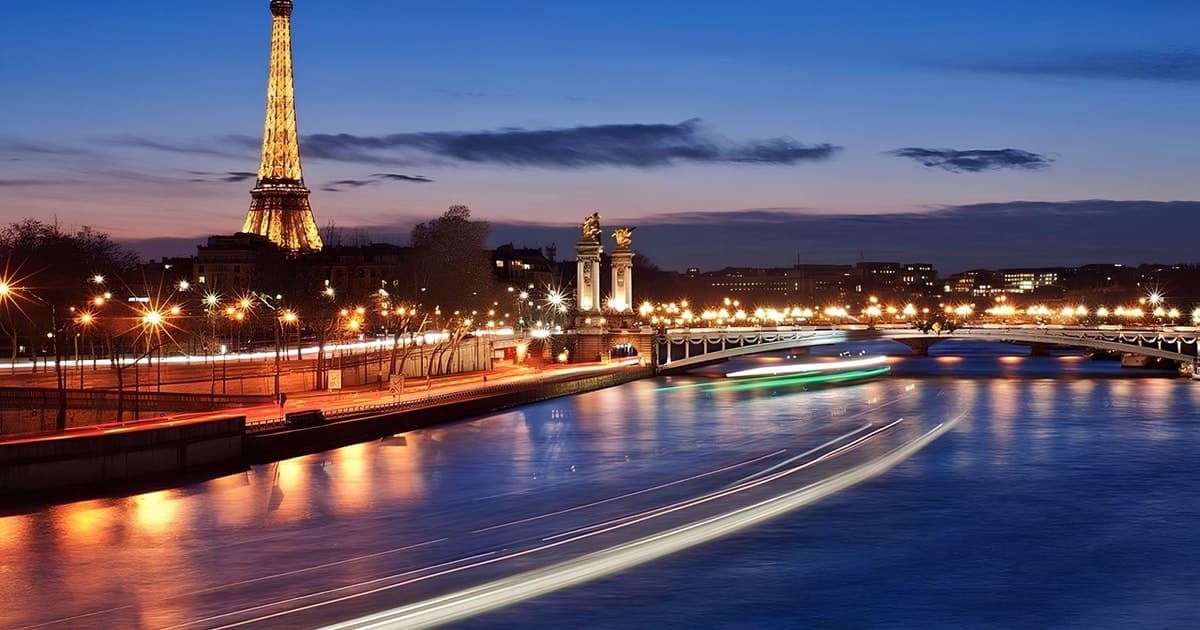
Morning offers softer light and generally calmer crowds; late evening trades bustle for a glittering skyline. For a broader after-dark perspective around the city, pair your visit with a Paris night tour of illuminated landmarks.
Timing, queues and the real meaning of skip‑the‑line
How long it takes
Reaching the second level with a guide typically takes around ninety minutes including brief stops. Adding the summit often extends the experience to roughly two or even three hours, depending on crowd flow and elevator waits.
Skip‑the‑line explained
Skip‑the‑line usually means reserved entry that bypasses the on‑site ticket counter. It does not remove required security checks, and it cannot guarantee zero waiting on peak days.
What to expect at the entrance
- Security screening is mandatory for everyone
- Reserved entries follow a timed meeting point
- Elevator queues vary with demand and weather
- Summit access may pause without prior notice
Best times to visit
Arrive early morning for shorter lines and gentler light, or late evening for calmer decks and night views. Weekdays outside school holidays reduce pressure; midday and sunset are the busiest windows in high season.
Photo spots around the tower
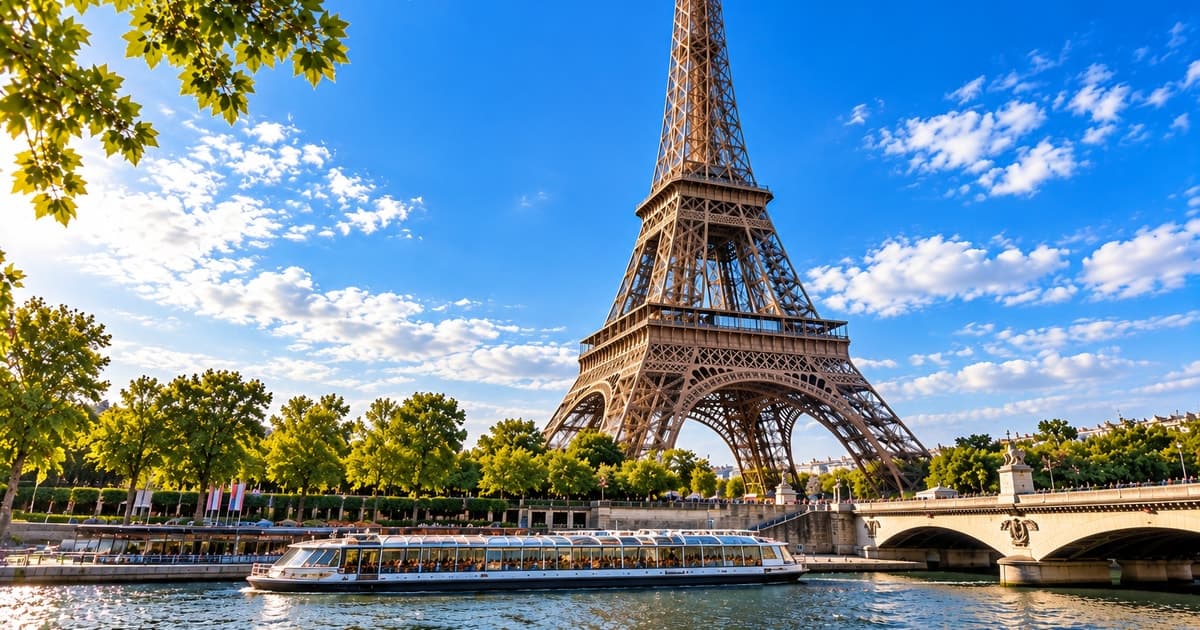
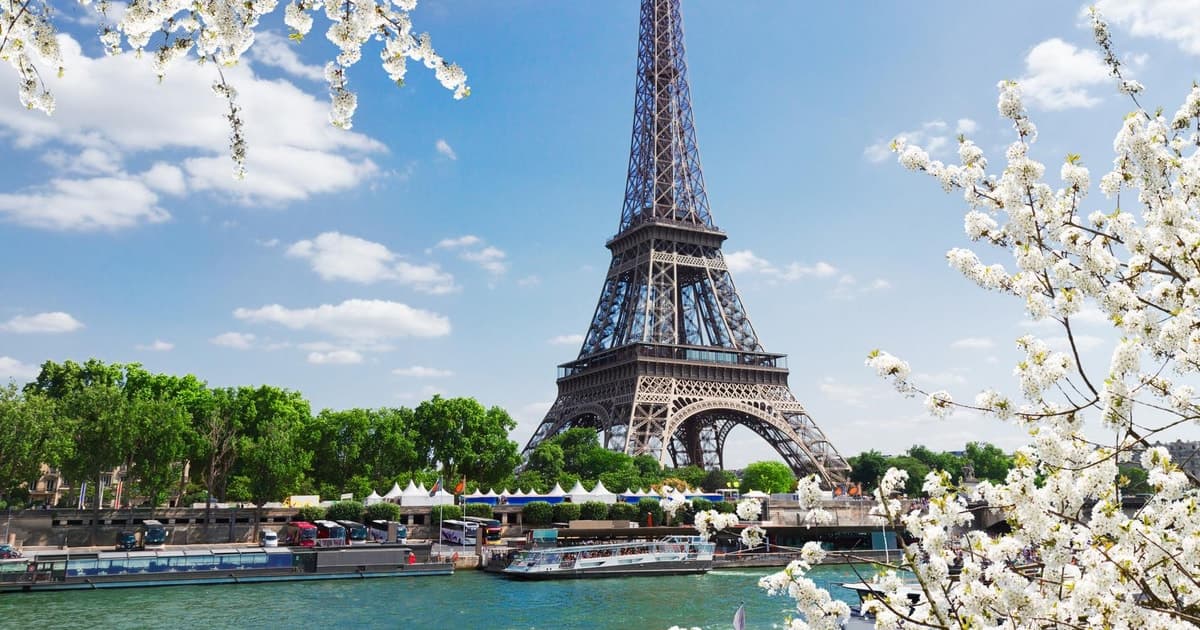
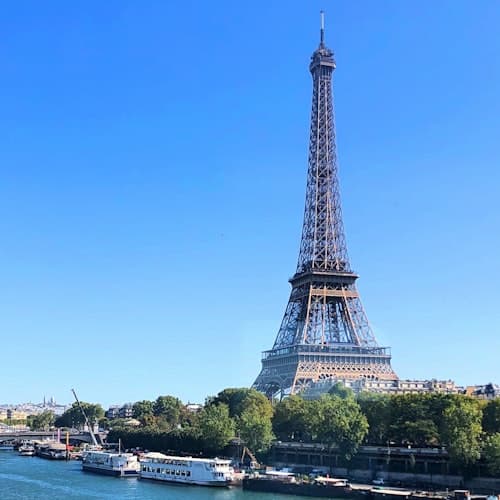
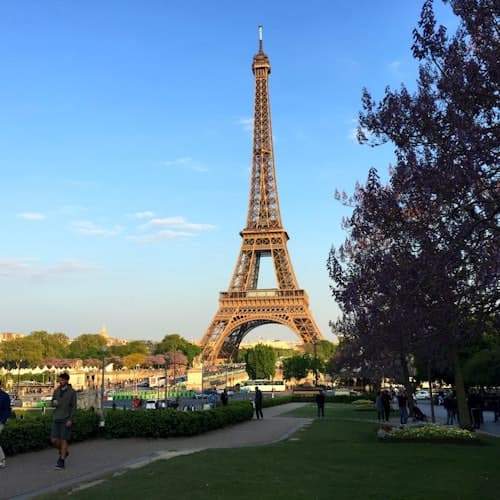
For pre‑ or post‑tour shots, Trocadéro gives the classic full‑tower frame; Champ de Mars works for relaxed picnic angles; Bir‑Hakeim Bridge offers elegant symmetry. A Seine cruise adds low‑angle reflections of the Iron Lady without extra walking.
Access, security and practical tips
Tickets and IDs
Bring a valid photo ID that matches your reservation name. For help comparing access types and time slots, see this concise Eiffel Tower tickets guide.
Security and what not to bring
Expect airport‑style screening. Leave bulky luggage, sharp objects, glass containers and drones behind; rules are enforced and confiscated items will not be stored.
Weather and temporary closures
High winds, storms or operational constraints can slow elevators or close the summit. Guides will adapt the route on the day; the core second level experience remains the most dependable view.
Accessibility
Elevators connect the esplanade, first and second levels, and step‑free routes are signposted. Summit access for wheelchair users is restricted for safety during evacuations; confirm current policy before booking. Strollers are welcome on lower levels, folded inside elevators when requested.
Facilities on the tower
Restrooms are available on the esplanade and upper levels, though lines build at peak times. Bring a refillable bottle for the walk and dress for wind at altitude. Dining options exist on site, yet nearby cafés often offer faster service after your visit.
Key takeaways
| Paragraph | Key idea |
|---|---|
| Second level vs summit | Summit access depends on conditions; second level is consistently open. |
| Skip‑the‑line reality | Reserved entry avoids the ticket desk, not security. |
| When to go | Arrive early or late for fewer crowds and nicer light. |
| Best nearby photo spots | Trocadéro, Champ de Mars and Bir‑Hakeim Bridge deliver strong angles. |
| Accessibility essentials | Elevators serve lower levels; summit has safety restrictions. |
Frequently asked questions
What is the best way to tour the Eiffel Tower?
If you want a relaxed pace and less exertion, choose an elevator‑based guided visit to the second level, adding the summit if conditions allow. For a more active feel and unique angles, take a guided stairs route to the second level.
Is it worth paying extra for an Eiffel Tower tour?
A guided visit adds context, navigation at entry and orientation from the viewing decks. It can save time versus figuring out routes yourself, especially on busy days, though exact savings vary by date and conditions.
How long does a tour of the Eiffel Tower take?
Plan around ninety minutes for a guided second‑level experience and up to two or three hours if you include the summit. Crowds, weather and elevator flow can extend these estimates.
How early should I arrive at the Eiffel Tower?
Arrive ahead of your meeting time to clear security without stress. In peak months or on weekends, build in extra buffer to account for lines and routine bag checks.
Discover related activities in Paris