Musée d'Orsay Tours in Paris




Last update:
Continue planning your trip to Paris
- Free tour
Free Tours in Paris
Boat Tours
Guided Tours
Night Tours
Louvre Museum Tours
Shows & Performances
Louvre Museum Tickets
Sainte-Chapelle Tickets
Palace of Versailles Tickets
Notre-Dame Cathedral Tours
Hop-On Hop-Off Buses
Palace of Versailles Tours
Bike Tours
Eiffel Tower Tickets
Eiffel Tower Tours
Arc de Triomphe Tickets
Musée d'Orsay Tickets
Food Tours
Wine Tastings
City Passes





How to choose your Musée d'Orsay tour
Guided, small‑group or private
A guided Orsay Museum tour gives you a clear route through masterworks and stories, ideal if you value context and an efficient visit. Independent museum‑goers who enjoy lingering may prefer a self‑paced visit with an audio guide.
Small‑group tours balance cost and attention, keeping pace steady without rushing. Private tours adapt to your interests and tempo, useful for travelers with specific themes, mobility needs or families who benefit from flexible breaks.
What changes in practice
Expect different group sizes, time for questions and how much you customize the route. Private formats usually allow deeper focus on a movement or artist, while small groups cover the essentials with smart shortcuts between highlights.
Language, pacing and access
Choose an English‑led tour if nuance matters to you, and check accessibility details in advance. If you plan a museum double‑header, compare a Louvre highlights tour the same day only if you are comfortable with a fast schedule.
What to expect inside the Orsay
Focus and flow
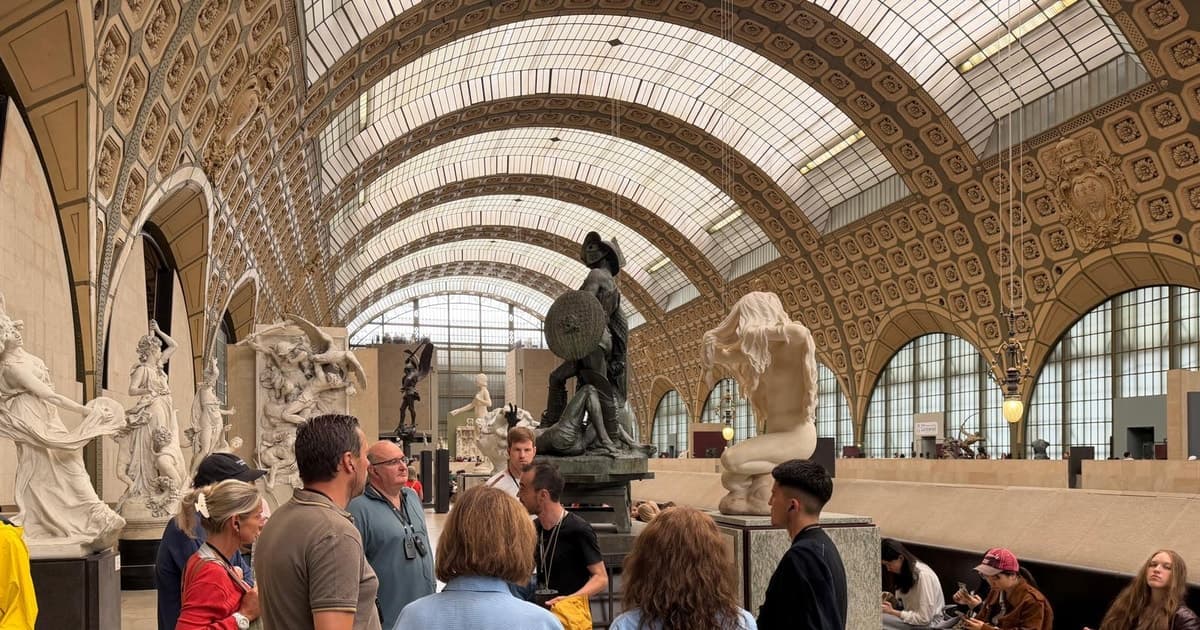
Most guided routes concentrate on a tight selection of Impressionist and Post‑Impressionist works, plus key sculptures and decorative arts. Tours are designed to illuminate nineteenth‑century art without overwhelming you.
Typical highlights on a clear route
- Manet context behind Olympia and Luncheon
- Monet light studies and changing atmospheres
- Van Gogh brushwork and color psychology
- Degas dancers, movement and technique
Building and viewpoints
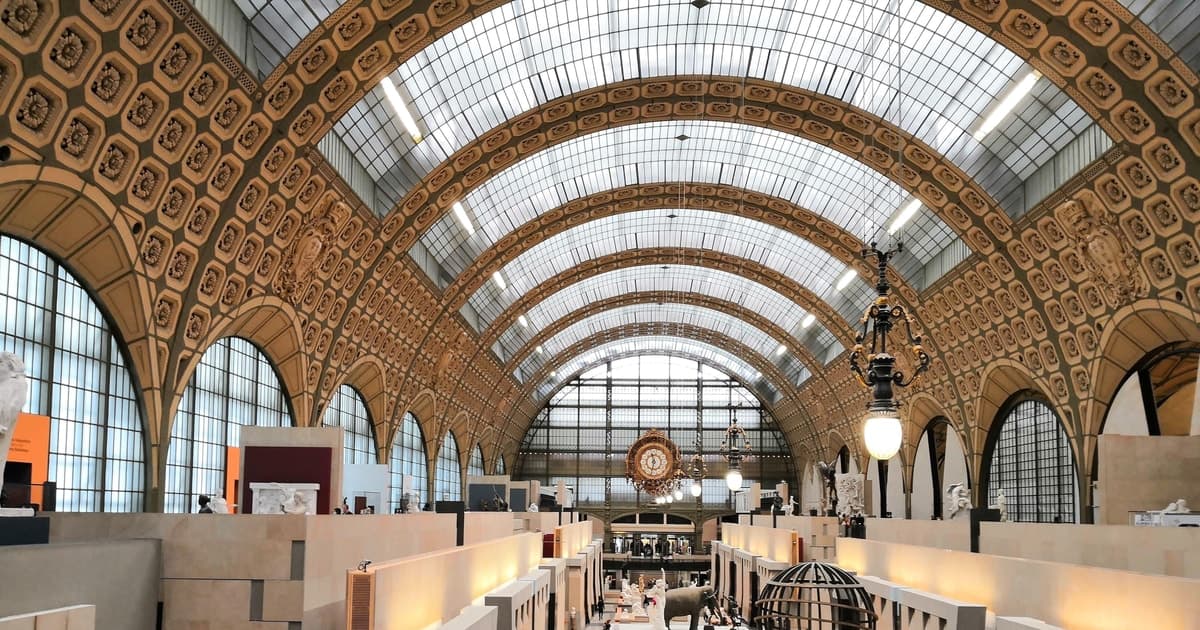
The former station's grand hall helps with orientation, and guided routes often include a pause at the clock window for photos. Good guides explain how the space shapes how you perceive the art.
Smart pairings
If you want a full art day, pair Orsay with the Right Bank by booking a custom Louvre private tour for tailored pacing. Leave a daylight buffer between visits to avoid museum fatigue.
Planning tips that change your experience
Timing and duration
Most guided visits last around two hours, with time added for security and a short gallery pause. Early or late day start times feel calmer than the midday peak, especially in popular painting rooms.
Skip‑the‑line expectations
Skip‑the‑line generally covers ticketing or entry formalities, not the mandatory security check. Arrive a little early, and keep small bags to move through controls faster.
Comfort and accessibility
Wear comfortable shoes, carry water and plan short rests near sculpture courts or benches. If you need step‑free routes or extra breaks, private formats make pacing adjustments simpler.
Families
Young travelers engage best with interactive stops and short stories rather than long lectures. Ask for a route with movement breaks and a clear end point by the great clock to keep morale high.
Add one contrasting icon
For a different mood after paintings, consider stained‑glass Sainte‑Chapelle tickets the same afternoon. The compact visit pairs well with Orsay without draining energy.
Key takeaways
| Paragraph | Key idea |
|---|---|
| Small group vs private | Choose by depth, flexibility and your tempo. |
| What a tour covers | Impressionist highlights explained without overload. |
| Use the space | Architecture and viewpoints enrich understanding. |
| Plan your slot | Two hours inside plus buffer for controls. |
| Skip‑the‑line reality | Lines differ; security checks always remain. |
Frequently asked questions
Should I do a guided tour of the Musee d'Orsay?
Choose a guided route if you want context, a clear path between highlights and time‑saving orientation. Confident museum‑goers who enjoy slow looking can go self‑guided and focus on a few rooms instead.
How long does it take to tour Orsay?
Most guided experiences fit in about two hours inside the galleries. Add time for entry and a short break if you plan to continue to another museum the same day.
What not to miss at Orsay Museum?
Essentials often include Manet's Olympia, Monet's light studies, Van Gogh's self‑portrait, Degas's dancers and the clock window view. Ask your guide to tailor the order to avoid the busiest rooms.
What is the least busy day at Musee d'Orsay?
Weekday mornings outside holidays are typically calmer than midday peaks. Late afternoon can also feel lighter. Exhibitions and strikes change patterns, so check the museum schedule before you lock plans.

Discover related activities in Paris