Porto Tile Painting Workshops


Last update:
Continue planning your trip to Porto
- Free tour
Free Tours in Porto
Six Bridges Cruises
Douro Valley River Cruises
Clerigos Tower Tickets
Tuk Tuk Tours
Portuguese Cooking Classes
Pastel de Nata Classes
Livraria Lello Tickets
Porto Cathedral Tickets
World of Wine Tickets
Porto Card
Bike Tours
Pub Crawls
Self-Guided Walking Tours
Fado Dinner Shows
Serralves Park Tickets
Other Experiences







Tile painting workshop in Porto: azulejos, snacks and slow creativity
From the first blue façades in the old town to the last brushstroke in a studio, a tile painting workshop in Porto turns the azulejos you photograph on the streets into a piece you can actually take home. In our offer of experiences you find relaxed sessions with drink and snack, more heritage‑focused azulejos classes and flexible timings, so you can match the mood of your trip and still leave space for the river, wine and long walks.
📚 Choose your experience
Tile workshop with drink and snack
Social, relaxed and easy to join.
Azulejos heritage workshop
History, patterns and stories.
How to choose your workshop
Compare pace, guidance and mood.
Combine with other Porto plans
Match tiles with food and wine.
Frequently asked questions
Techniques, materials and care.
Tile painting workshop with drink and snack
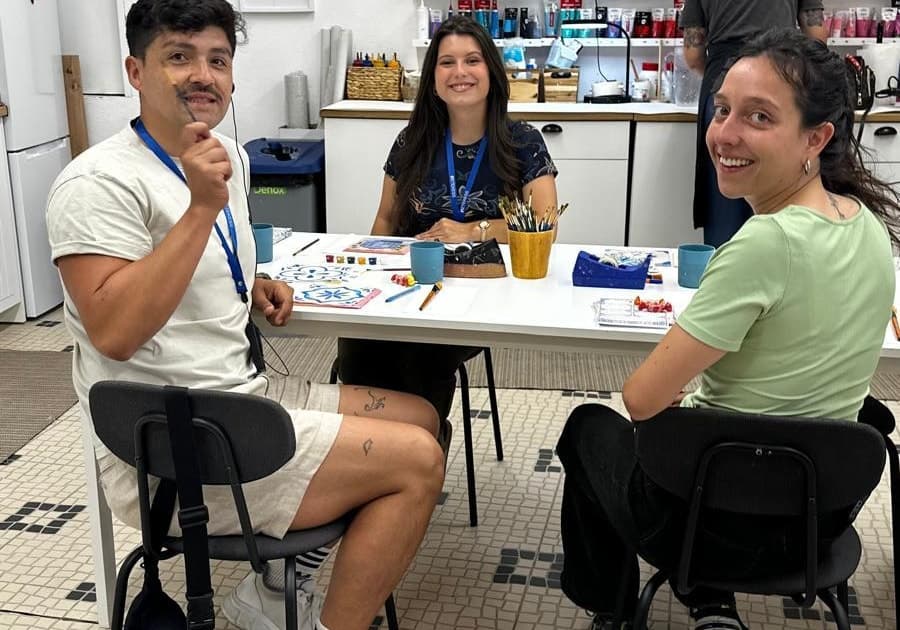
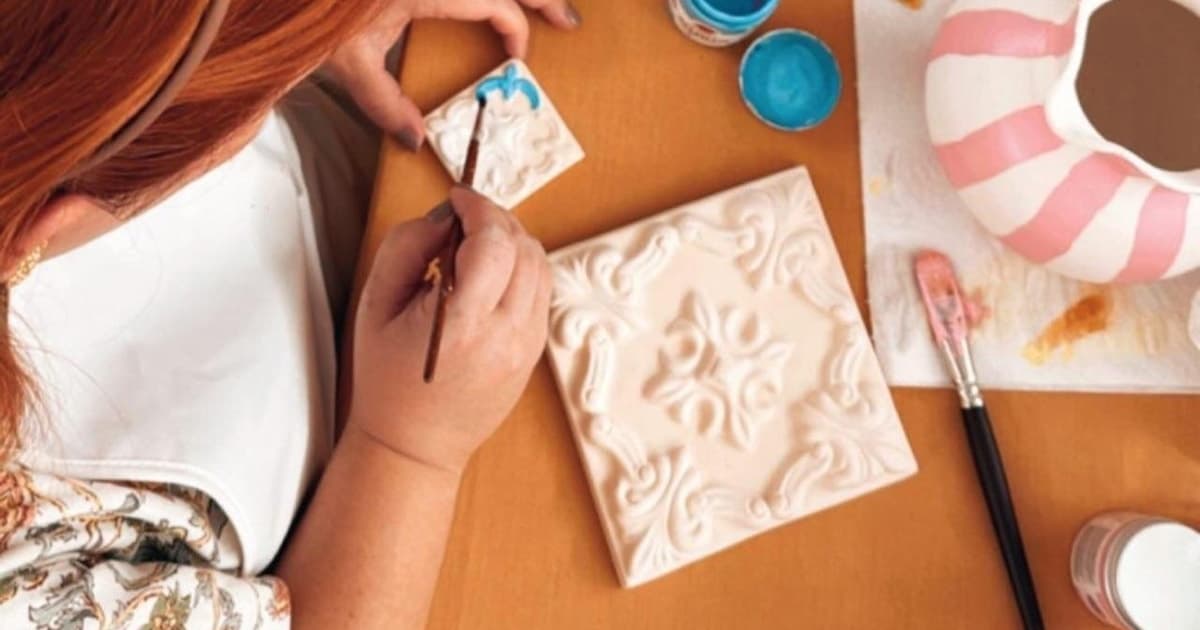
In these social workshops, a local host welcomes you into a small atelier, pours a drink and sets out regional bites while you learn the basics of a tile painting workshop with drink and snack. The pace is unhurried, the groups feel intimate and the focus stays on enjoying the moment rather than producing perfect art.

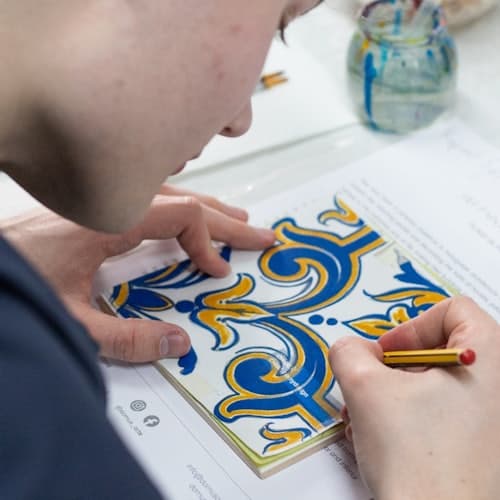
Most sessions begin with a short explanation of Porto’s tile heritage, then you trace or copy a motif onto ceramic and start playing with colour under step‑by‑step guidance from the host. Guided formats feel ideal if you like clear instructions, while more informal versions let you experiment freely once you understand the tools.
Because the workshop is compact, it fits well before or after other tastings; many travellers pair a creative morning with a Porto cooking class to keep the day centred on local flavours and hands‑on experiences. Later in the trip, the tiles you painted over wine and snacks become a reminder of the city’s textures, not just its views.
🎨 Guided vs more relaxed formats
- Guided workshops: more structure, ideal if you feel unsure.
- Relaxed formats: music, snacks, good for friends and couples.
- Afternoon slots: softer light and slower, mellow atmosphere.
🧭 Practical tips for snack and wine workshops
- Arrive a little early to settle into the space.
- Wear clothes you do not mind getting a tiny splash of colour on.
- Check whether your tile can be shipped or collected later.
Azulejos tile painting workshop in Porto
Another option in our catalog of activities leans more towards history, inviting you to decode patterns before you paint in an Azulejos tile painting workshop in Porto. Here the emphasis is on traditional motifs from real façades, so every line you paint feels connected to the city’s architectural stories.
You usually work from carefully prepared designs that echo church walls and townhouses, learning how artisans balanced cobalt blue, yellow and white on each hand‑painted tile. The host explains how firing fixes the glaze permanently, which helps you relax and trust that small wobbles will soften in the kiln.
Travellers who love museums and viewpoints often combine this slower, heritage‑focused class with an evening around the river, or a World of Wine Porto experience. The result is a day that blends city panoramas, local wine and the geometry of azulejos in one memory.
📐 Patterns and styles you might explore
- Classic blue‑and‑white grids inspired by church façades.
- Floral borders that echo garden tiles and balconies.
- Abstract repeats for a more contemporary take on azulejos.
How to choose the best tile painting workshop in Porto
When you compare tile workshops, the real decision is what kind of creative energy you want around you. Some travellers prefer calm, heritage‑heavy explanations, while others look for music, snacks and a lively table.
🔍 Key questions before you book
- Do you want more guidance or more freedom with your design?
- Which languages does the host comfortably speak?
- Is the atmosphere described as quiet, social or family‑friendly?
- How long do past guests say the session actually feels?
Reviews on GuruWalk often mention whether hosts are patient, how much time is spent on history versus painting and how easy it is to follow the instructions step by step. Use those comments together with your travel dates to choose a workshop that matches your pace and your travelling companions.
Combine your Porto tile workshop with food, wine and day trips
A tile workshop works well at almost any time of day, which makes it a flexible anchor for Porto itineraries with limited time. Morning slots pair nicely with riverside walks and café stops, while evening options are a gentle way to slow down after sightseeing.
In many studios your tiles are fired after the session, so you either collect them later or the next day, turning the workshop into a thread that runs through your whole stay in the city. That rhythm combines smoothly with a day trip from Porto, keeping one day focused on urban colour and another on vineyards, coast or countryside.
🪄 Suggested ways to fit a workshop into your day
- Start with tiles, then enjoy a slow lunch by the river.
- Save the class for late afternoon before a relaxed wine tasting.
- Use it as a rain‑friendly alternative to outdoor plans.
Frequently asked questions
How are Portuguese tiles painted?
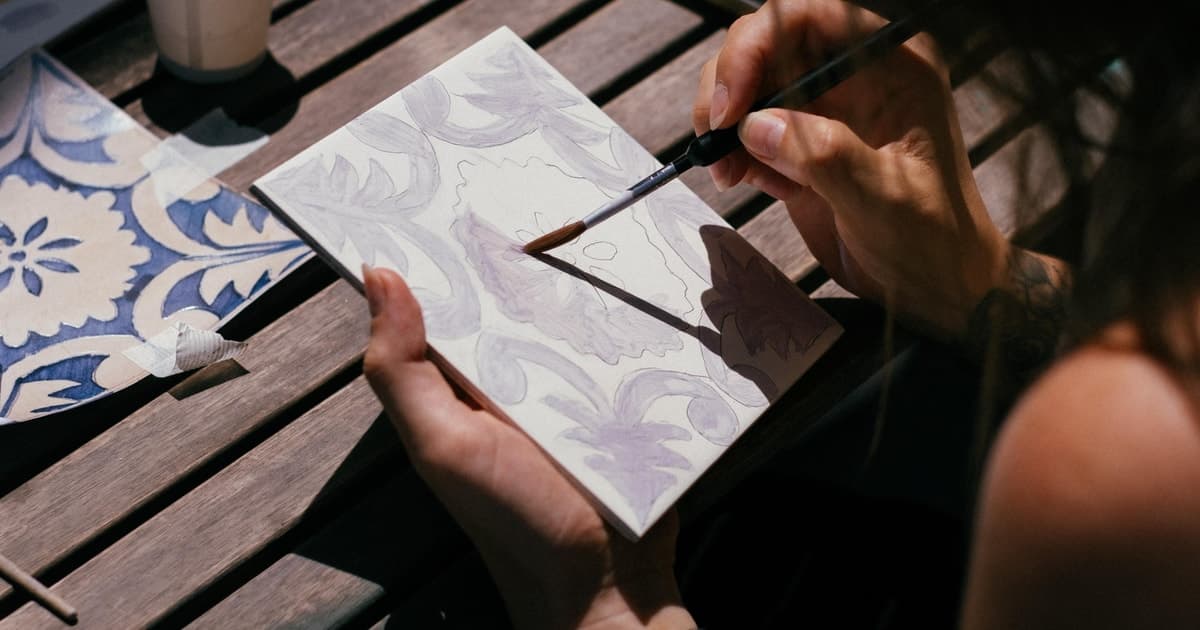
In traditional workshops, Portuguese azulejos are painted on a porous, pre‑fired tile using ceramic pigments dissolved in liquid glaze. The design is usually sketched or transferred first, then colour is added with soft brushes before the tile is fired again so the surface becomes shiny, durable and easy to clean.
How to do tile painting?
For beginners the easiest method is to work on a prepared tile, follow a simple outline and apply colour in thin, even layers. In Porto workshops the host normally demonstrates each step, helps you correct mistakes and gives tips so your finished tile looks cohesive even without drawing experience.
Do painted tiles ever look good?
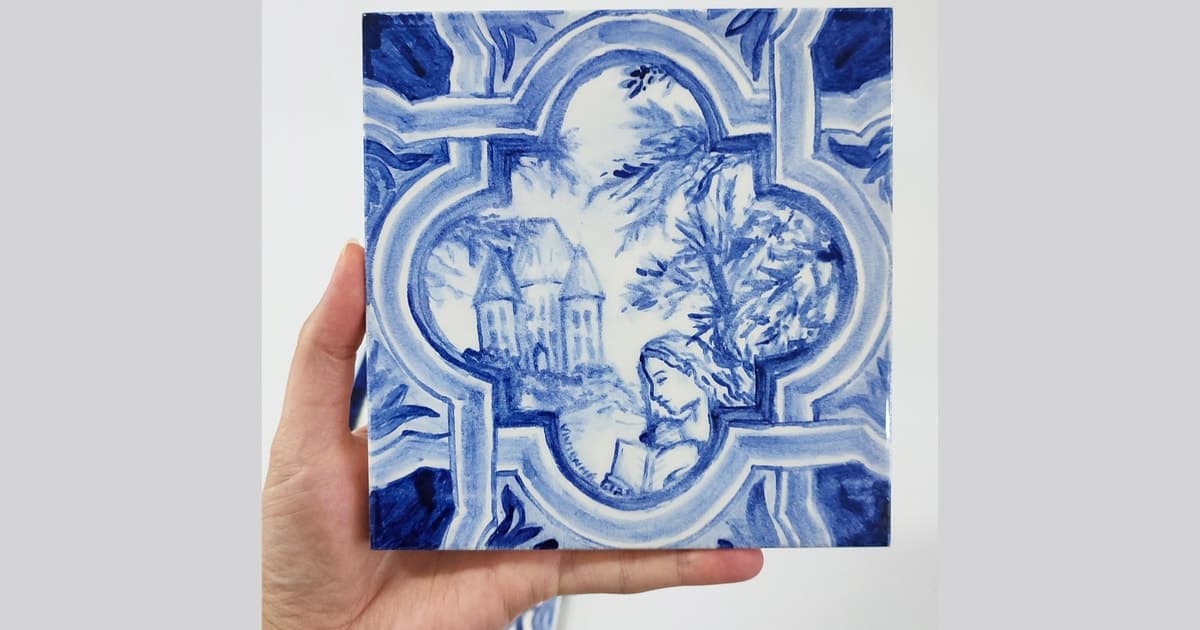
When tiles are painted with proper ceramic glazes and fired in a kiln, the result can look very close to professional work. Pre‑drawn motifs, clear colour palettes and patient guidance mean that even first‑time visitors usually leave with a tile that feels display‑worthy at home.
What is the downside of painting tile?
The main drawback appears when people use standard wall paint over old bathroom or kitchen tiles, which can chip, scratch or peel quite quickly. In a dedicated workshop you work instead with materials designed for ceramics, so the only real downside is having to wait for firing and then carry your tile home safely.
Is painting over tile a good idea?
For home renovation, painting over existing tiles can be a budget‑friendly shortcut, but it rarely lasts as long as new tile and needs careful preparation. As a travel activity, painting tiles on purpose‑made blanks in Porto studios is a very good idea, because you get a durable souvenir without altering your own walls.
What is the best paint for ceramic tile?
For decorative pieces like those in Porto workshops, the best choice is underglaze pigments or ceramic glazes that are fired after painting so colour bonds into the surface. For renovating old floors or walls, specialists often recommend tile‑specific epoxy systems, but those are very different from the art glazes used in creative classes.
Do I need to prime tiles before painting?
On the bisque tiles used in most workshops you do not need primer, because the surface is already made to absorb glaze evenly. If you ever paint over fully glazed tiles at home, you normally need sanding and a suitable primer so later layers have something to grip onto.
How long does painting over tiles last?
Home projects with specialised tile paint can last several years in low‑wear areas, but may fade or scratch sooner on floors or in showers where water and friction are constant. Kiln‑fired workshop tiles, by contrast, behave like regular ceramic pieces, so the colours can stay bright for a very long time if the tile is not broken.
Why does Portugal have so much tile?
Decorative tiles arrived in Portugal through Mediterranean and Islamic influences and became popular when rulers and merchants embraced them as a flexible, weather‑resistant decoration. Over centuries they were used to tell religious stories, protect façades and bring colour to grey days, which is why modern Porto is still lined with walls of blue‑and‑white azulejos and so many workshops keep the craft alive.