Rome Sightseeing Tours
Discover Rome

Last update:
Continue planning your trip to Rome
Rome sightseeing tours: buses, basilicas and underground stories
From the first glimpse of the Colosseum to the silence of the catacombs, Rome sightseeing tours weave together panoramic buses, great basilicas and underground sites so you can move from overview to detail at your own pace; in our catalog of activities you will find sightseeing tours in Rome that combine hop-on hop-off buses, Vatican visits, catacombs, e-bikes and even day trips to Florence or the coast, making it easy to build one itinerary out of several experiences.
📚 Choose your experience
Hop-on hop-off and Vatican
First overview of Rome from the bus.
St. Peter’s Basilica visits
Audio or guided tours inside.
Catacombs and early Christianity
Tunnels, martyrs and frescoes.
Underground basilicas
Hidden layers below baroque Rome.
Panoramic villas and hills
City views and quiet gardens.
Beyond Rome and day trips
Florence, Pisa and night stories.
Frequently asked questions
Clear answers before you book.
Hop-on hop-off Rome and Vatican Museums
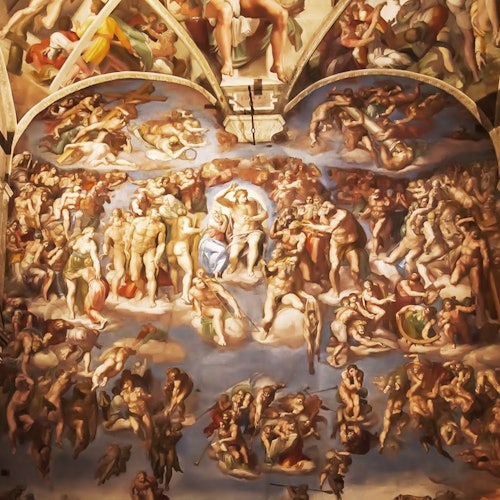
On the open-top buses, Rome sightseeing tours feel like a moving balcony: domes at eye level, brief stops by the Colosseum and Piazza Venezia, and the comfort of reaching the Vatican area without decoding public transport; combined tickets with the Vatican Museums turn the ride into a sightseeing tour of Rome that starts outside and continues among Raphael rooms, galleries and the Sistine Chapel.
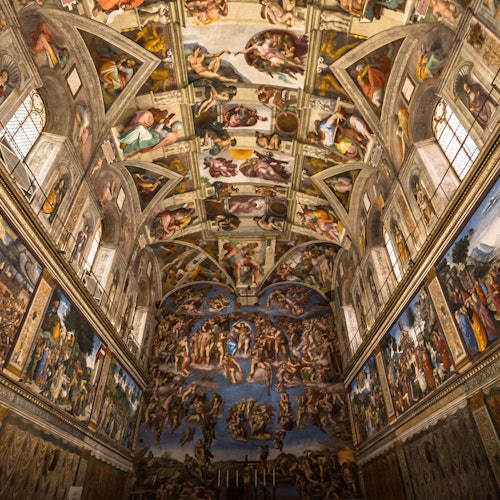
These formats work especially well on your first day in the city, when you want a broad orientation before choosing which neighborhoods to walk in depth; some experiences keep the bus flexible and leave more autonomy inside the museums, while others structure times so that you can move from the sightseeing bus tour directly into the Vatican galleries without worrying about logistics.
If you like the idea of using Rome as a base to see other classics, you can later combine this first overview with one of the Day Trips from Rome, turning your hop-on hop-off circuit into the starting point for a wider itinerary through Florence, Pisa or other nearby cities.
🧭 Practical tips for hop-on buses
- Choose an early departure for clearer views and milder heat.
- Sit upstairs when the weather allows to recognize monuments more easily.
- Use one full loop just to listen, then repeat only the stops that interest you.
St. Peter’s Basilica sightseeing tours
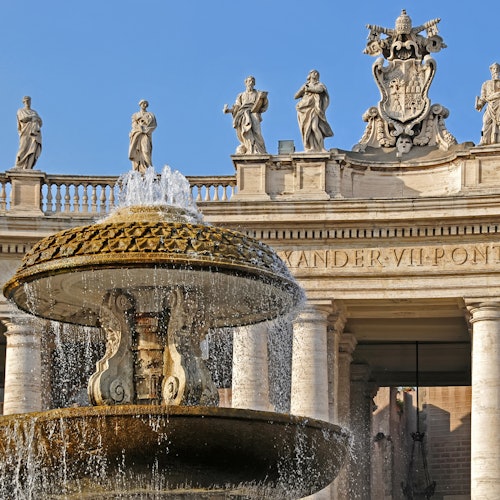
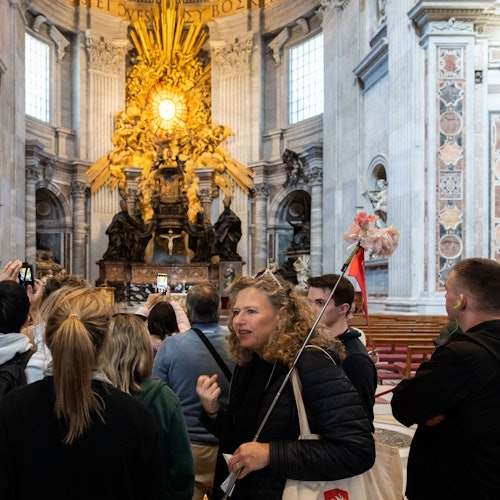
Inside St. Peter’s, sightseeing becomes a slow walk between Bernini, Michelangelo and the tombs of popes; a self-guided audio tour lets you move completely at your own rhythm, while a guided visit helps you decode the history of Rome, the papacy and the symbolism hidden in every chapel without getting lost in the crowds.


Audio formats work well if you prefer a quiet, contemplative visit where you can stop longer under the dome or in front of specific artworks, whereas small-group guided tours are ideal when you want someone to set the pace, point out details you would miss and link the basilica to what you have seen in the Vatican Museums or the city center.
Dress codes are active here, so it helps to plan your Rome sightseeing tour around St. Peter’s with covered shoulders and knees; combining an early basilica visit with a later hop-on hop-off loop keeps the sacred spaces calmer and leaves the busiest hours for open-air views.
⛪ Inside St. Peter’s without stress
- Arrive a bit earlier than your slot for security checks without rush.
- Use the audio or guide to focus on a few key chapels, not on everything.
- Leave time at the end just to sit and absorb the atmosphere.
Rome catacombs and early Christian routes
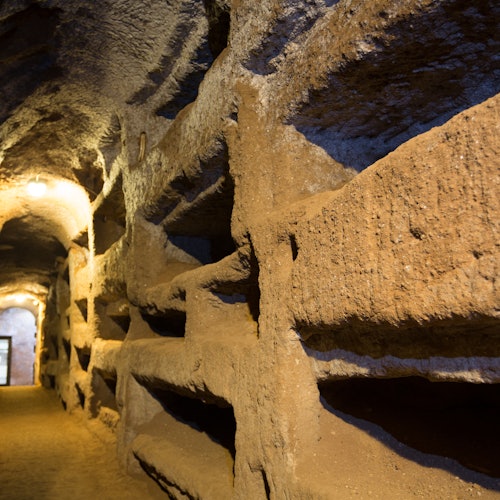
Leaving the center, guided sightseeing tours into the catacombs trade marble for tufa stone: cool air, long galleries cut into the rock and small chambers painted with the first Christian symbols, where the history of Rome shifts from imperial power to hidden communities.
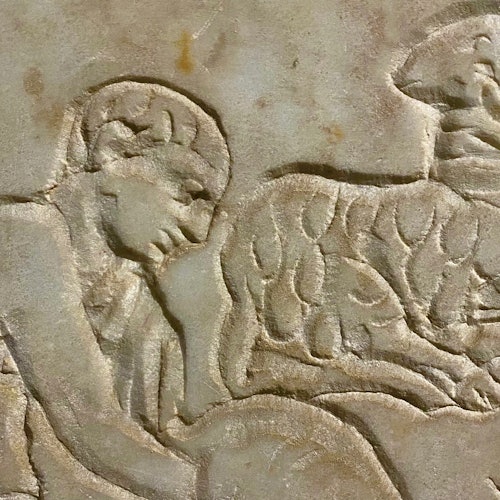
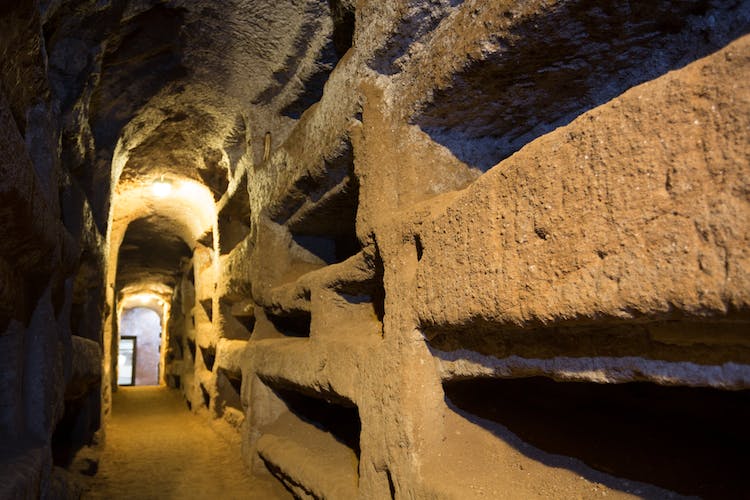
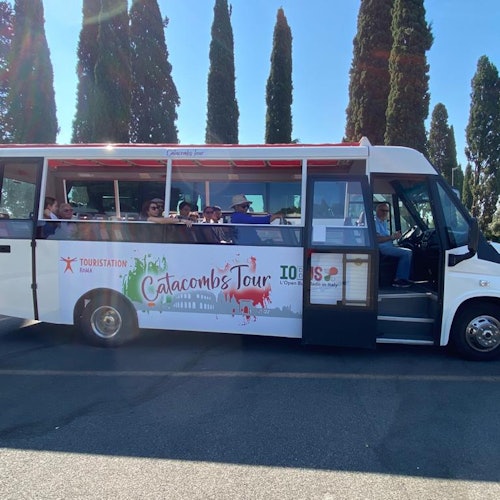
Some routes, like the Catacombs of Saint Callixtus or Domitilla, feel like compact underground cities with rows of niches and occasional frescoed rooms, while others such as St. Agnes or San Sebastiano highlight specific martyrs or legends; in our offer of experiences you will find tours that include transfers from central Rome and others that you can reach by yourself, plus more intimate options such as the visit to the Priscilla Catacomb with its early Christian art.
These visits pair naturally with a morning in the historic center, because the catacombs show the reverse side of the monumental basilicas you see above ground; they are especially recommended if you enjoy guided sightseeing tours focused on the religious history of Rome and quieter, more atmospheric spaces away from the main avenues.
🕯 How to prepare for catacomb tours
- Carry a light layer, as temperatures underground stay cool all year.
- Wear closed shoes since floors can be uneven or slightly damp.
- Photos are often restricted, so focus on listening to the guide’s explanations.
Underground basilicas and hidden piazzas
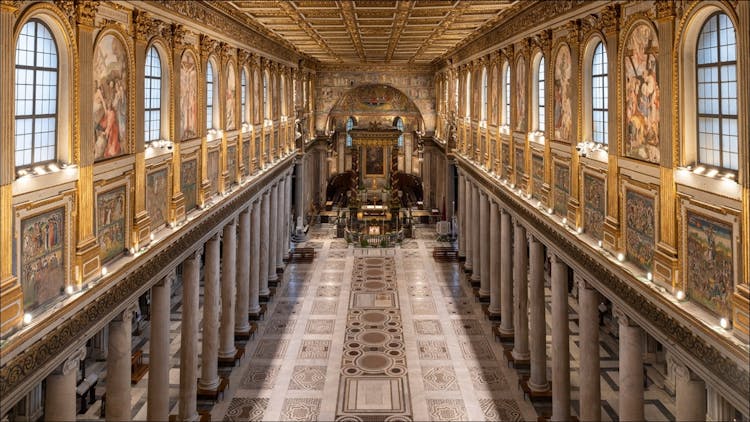
Not all underground Rome lies outside the walls: under Piazza Navona you walk through the remains of the ancient stadium with the help of an audio guide, while beneath the Basilica of Santa Maria Maggiore staircases reveal crypts, early structures and layers that predate the baroque façade you see from the street.

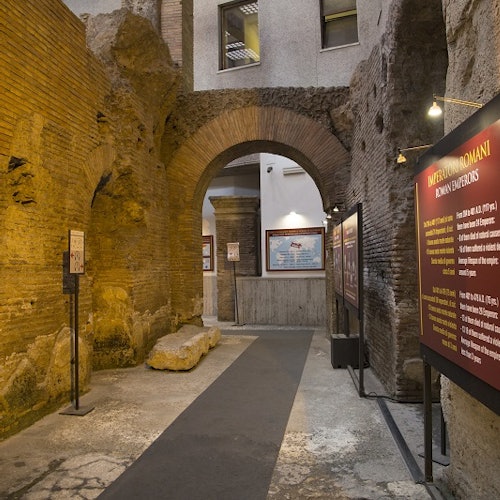
These experiences are a good fit if you want the underground dimension of sightseeing tours in Rome without leaving the central neighborhoods; they combine well with a walk through the baroque heart of the city or with an evening stroll, leaving the deeper catacombs for a separate half-day devoted to early Christian archaeology.
🏛 Central underground sites in Rome
- Piazza Navona underground is ideal for short, self-paced visits with audio guide.
- Santa Maria Maggiore adds devotional spaces and mosaics to the subsoil experience.
- Together they show how ancient structures support today’s city squares and churches.
Panoramic villas, hills and ancient roads
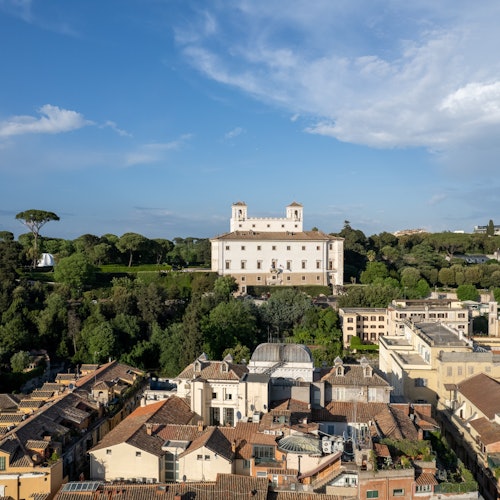
Above Piazza di Spagna, the guided tour of Villa Medici opens gardens, interiors and one of the most cinematic views over Rome; this is a slower kind of Rome sightseeing tour, made for those who enjoy perspectives, stories of artists in residence and the feeling of being slightly above the city noise.
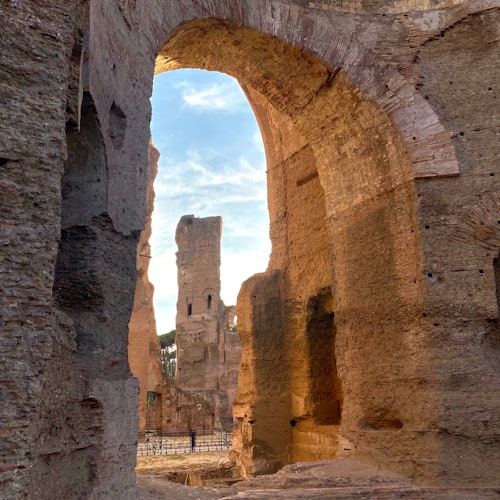
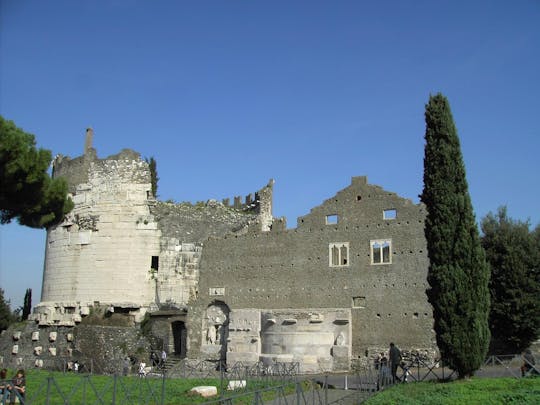
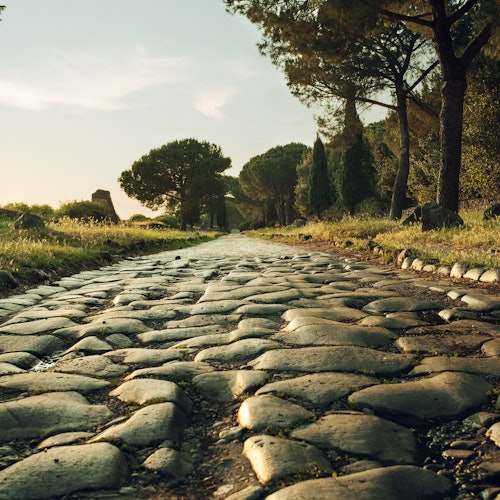
Around this visit you can place more dynamic options, such as a panoramic open-bus experience focused on the Colosseum and the Roman Forum or an e-bike ride along Appia Antica and the aqueducts; together they trace a line from imperial ruins to Renaissance villas and out into the countryside, balancing viewpoints with stretches on two wheels.
The Appia Antica and aqueducts e-bike tour suits travelers who want fresh air and long, straight roads framed by arches and cypresses more than interiors, while the Colosseum and Forum circuit keeps the focus on the big postcard monuments that many visitors consider the highlights of a Rome sightseeing tour.
🌄 Choosing your panoramic tour
- Villa Medici is ideal for afternoon light and quieter storytelling.
- Open-top buses suit a first orientation with minimal walking.
- E-bike routes fit travelers who prefer landscapes and gentle exercise.
Beyond Rome: day trips and storytelling walks
When you feel ready to look beyond the ring road, a guided tour from Rome to Florence and Pisa turns the capital into a base for wider Italy; in one organised day you shift from Roman ruins to Renaissance squares and the famous leaning tower, creating a compact version of the “big three” route that many visitors dream about.
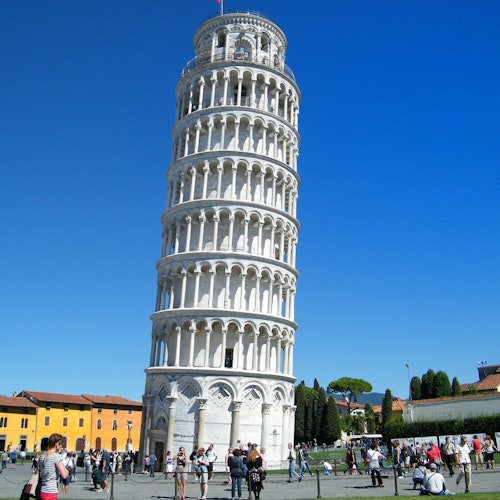
If you want more than one long excursion, take a look at the wider selection in Day Trips from Rome, where you can combine Florence and Pisa with other routes or even dedicate a full day to the countryside before returning to your base in the city.
Not every extension has to leave town: the Ghosts of Rome exploration game offers a self-guided tour through legends, executions and haunted palaces, perfect for travelers who like to walk in the evening and prefer storytelling and puzzles to classic museum visits; it pairs naturally with other ideas you will find in the Rome Night Tour guide.
For a different contrast, you can reserve one day to leave ruins behind and follow the shoreline on an Amalfi Coast day trip from Rome, moving from stone facades to coastal viewpoints and villages that feel like a color break in the middle of a cultural journey.
🌙 When to add these extra experiences
- Reserve your first days for core Rome sightseeing tours in the city.
- Add a day trip once you feel oriented and less affected by jet lag.
- Use an evening ghost or night tour to rediscover streets you already walked by day.
Frequently asked questions
What is the best way to see the sights of Rome?
The most balanced way is to combine a panoramic overview with focused visits: many travelers start with a hop-on hop-off bus or a highlights of Rome tour to map the city, then book targeted experiences such as the Vatican Museums, St. Peter’s or the catacombs on separate days, keeping room for unstructured walks between neighborhoods.
Is it worth doing guided tours in Rome?
In key sites like the Vatican or the catacombs, a guided tour usually adds far more than it costs: you move with clearer routes, hear stories you would not guess from the signs and often navigate entrances more efficiently; for familiar places such as lively piazzas, self-guided or completely independent walks can be enough, so many visitors mix both approaches across their stay.
What is the best tour to take in Rome, Italy?
It depends on your priorities, but for a first visit many people choose one structured highlights tour that covers the Colosseum area and the historic center, then add a Vatican-focused experience and an underground option such as catacombs or Navona Square; check GuruWalk’s activity catalog to compare formats, languages and walking intensity before deciding.
How many days are enough for Rome?
For most travelers, a long weekend allows time for the main Rome sightseeing tours without rushing: one day for the Colosseum and Forum area, one day for Vatican Museums and St. Peter’s, and another for underground sites or a panoramic bus plus quieter neighborhoods; extra days let you add day trips to Florence, Pisa or the coast more comfortably.
Is it cheaper to book Rome sightseeing tours through a travel agent or by yourself?
Booking by yourself usually means you see the exact conditions, meeting points and inclusions before paying, and you can compare several options in the same category; local agencies sometimes bundle extras, but for most Rome sightseeing tours direct online booking is the more flexible, often more budget-friendly path—check GuruWalk’s activity catalog to see the latest prices and inclusions.
What should you not miss in Rome on a first visit?
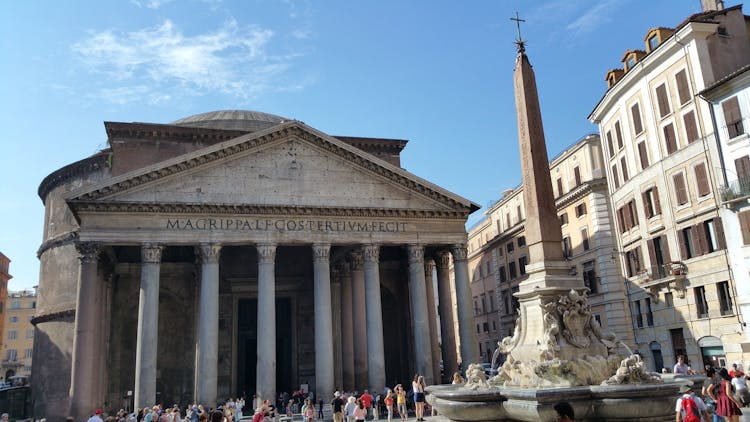
On a first trip, try not to leave without seeing the Colosseum and Roman Forum, walking through St. Peter’s and the Vatican Museums, and crossing the baroque heart around Piazza Navona and the Trevi Fountain; once those are in place, add at least one underground visit or catacomb tour to experience a quieter, more intimate side of the city.
What are the big three places in Italy for first-time visitors?
Many itineraries revolve around Rome, Florence and Venice as the informal “big three”; from Rome you can reach Florence and Pisa on a structured day trip, then continue later to Venice if you have more time, building a classic route that combines ruins, Renaissance art and canals in one journey.
Should you wear jeans in Rome on sightseeing tours?
Jeans are widely worn in Rome and fit in fine for most sightseeing tours, but in warmer months many visitors prefer lighter fabrics for long walks; for churches and the Vatican, focus less on the material and more on covering shoulders and knees with breathable layers so you stay comfortable while respecting dress codes.
Is a taxi or a ride-hailing app cheaper in Rome?
In central Rome, official taxis and app-based rides tend to be in a similar bracket for short hops, with differences depending on time of day, traffic and surcharges; for most Rome sightseeing tours it is often more efficient to use metro or bus to reach the meeting point and keep taxis or rides for late-night returns or when you are tired after a long visit.
What are the main do’s and don’ts during Rome sightseeing tours?
Do arrive a little early at meeting points, keep tickets or vouchers ready and stay hydrated during walks or bus rides; avoid touching frescoes, leaning on ancient structures or speaking loudly inside churches, and respect local rules on dress codes and photography, especially in sacred or underground spaces.
About the author

Author: Belén Rivas, GuruWalk
Publication date: 2025-12-11
Data updated as of December 2025


