Rome City Tour
Discover Rome



Last update:
Continue planning your trip to Rome
City tour Rome: Vatican masterpieces, open-top panoramas, and a smarter rhythm
On a first day in Rome, noise and beauty arrive at the same time, therefore a city tour Rome that blends an open-top bus with priority-style entry can turn the city into a clean storyline: Vatican galleries while your focus is sharp, skyline rides when your feet need a reset, and Ancient Rome when you are ready for the big stage. Our offer of experiences leans into that pace with rome city tour options that pair the Vatican Museums with bus sightseeing, plus a separate combo that links the Colosseum and Roman Forum to panoramic cruising without turning the whole day into logistics.
📚 Choose your experience
Vatican Museums and Bus Tour: fast-track art, then the skyline
A museum-first plan with a moving balcony view.
Hop-on hop-off bus and Vatican Museums tickets: the flexible Rome city tour
Use the bus as a base, not a checklist.
Colosseum and Roman Forum with panoramic open bus
Close-up ruins, then perspective without the walking.
Frequently asked questions
Fast answers with practical planning tips.
Vatican Museums and Bus Tour: fast-track art, then the skyline
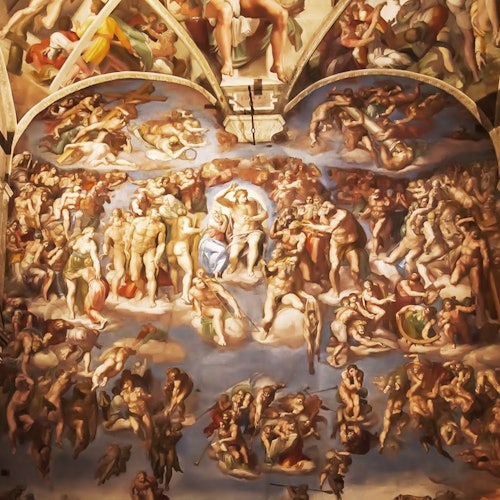
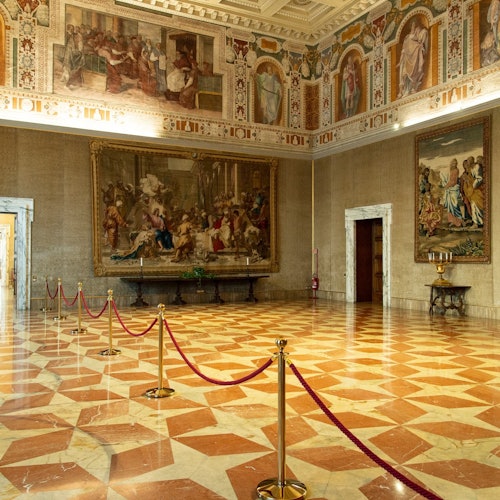
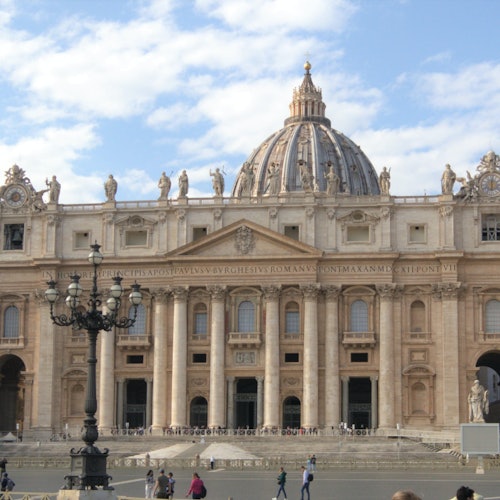
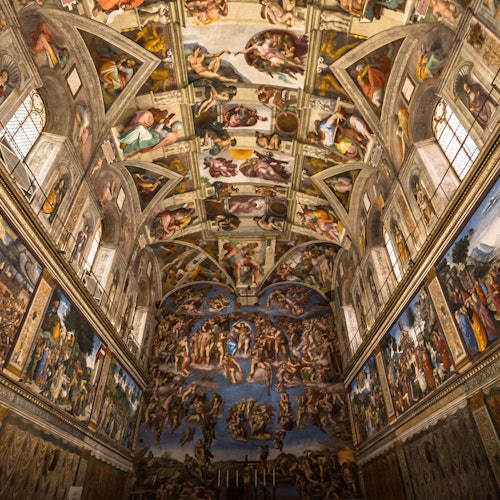
Start with the Vatican while the city is still stretching: security checks, then corridors of maps, tapestries, and the hush right before the Sistine Chapel changes your pace. When museum density starts to blur, the bus segment becomes a moving balcony over Rome, turning distances into context instead of dead time.
In our catalog of activities, this category comes in two clear flavors: a straightforward Vatican Museums entry paired with sightseeing by bus, and a pass-style option that keeps you mobile for the rest of the day. Both suit travelers who want less decision fatigue and a clean narrative from Vatican walls to Roman streets.
Plan the museum first, then ride: the bus feels best when you already know which neighborhoods you want to revisit on foot, and it is a relief when afternoon heat rises. For churches and the Vatican area, dress with covered shoulders in mind and keep your ID handy for ticket checks.
If you crave fresh air after so much marble, Rome rewards the contrast; use our Day Trips from Rome guide to trade the city buzz for a slower horizon the next day.
🧭 What changes the experience
- Museum first keeps crowds more manageable.
- Bus later gives shade and perspective.
- Audio commentary helps stitch scenes together.
- Choose pass-style access for extra flexibility.
Hop-on hop-off bus and Vatican Museums tickets: the flexible Rome city tour
This is the classic rome city tours move when you want freedom with a safety net: the hop-on hop-off bus becomes your moving base, and the Vatican Museums ticket gives the day a clear anchor. Ride a full loop early for orientation, then hop off for short walks to fountains, viewpoints, and the kind of streets where the city suddenly feels personal.
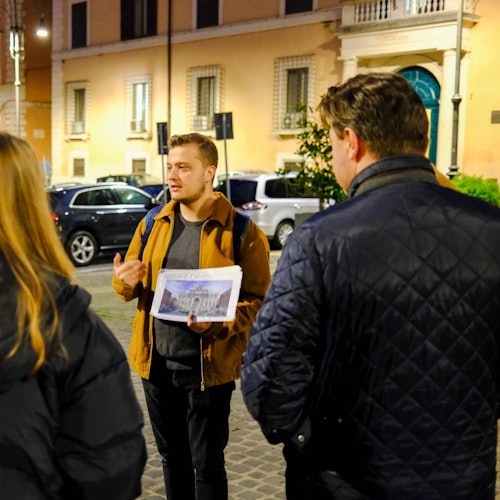
Treat stops as clusters: Vatican and riverside, the historic center, then the big transport hubs near Termini. From the upper deck, the breeze and recorded commentary fill in missing chapters, therefore even a short city tour in Rome can feel surprisingly complete.
Rome is alive, which means detours happen; temporary road closures can shift boarding points, and traffic can stretch ride times. Before you build your day around a single stop, check the latest operational notes in GuruWalk's activity catalog.
After sunset, the same monuments read differently and bus windows turn into mirrors of warm light; pair your day with our Rome Night Tour for an easier evening panorama when you want to stay off your feet.
⚖️ Who it suits
- First-time visitors who want quick orientation.
- Families pacing a long, museum-heavy day.
- Travelers avoiding nonstop walking on cobblestones.
- Photographers chasing views without timing every step.
Colosseum and Roman Forum with panoramic open bus
The Colosseum still feels like a roar frozen in stone, and the Roman Forum is a maze of foundations where imagination does the reconstruction work. Add a panoramic open bus segment and you get the clean contrast Rome does best: close-up ruins, then a wider frame that shows how Ancient Rome sits inside the modern city.
Go in with patience for entry controls and uneven ground, then reward yourself with the bus for a gentler stretch and easy photo angles. This format works well for city Rome tours when you want the iconic sites without turning the day into a walking contest.
Comfort is a strategy here: bring water, wear shoes that grip, and plan short pauses in the shade. The bus leg can be the difference between rushing and actually absorbing the place.
When the center starts to feel like a history marathon, change the texture with our Tivoli Day Trip from Rome option, where gardens and villas give your eyes a different kind of detail.
🧾 Quick checklist
- Keep ID ready for entry controls.
- Bring water, hat, and a light layer.
- Expect uneven paving in the Forum area.
- Use the bus to rest between highlights.
Frequently asked questions
How do tourists get around Rome?
Most visitors rely on walking in the historic center, then use the metro, city buses, and trams to stretch distances; taxis help when luggage or late hours are involved. For sightseeing, hop-on hop-off routes can connect landmarks while keeping big-picture context from the top deck.
What is the best tour to take in Rome?
The best choice depends on your goal: for a first overview, a bus-based Rome city tour paired with the Vatican Museums keeps planning simple. If you want Ancient Rome as the headline, prioritize the Colosseum and Roman Forum combo and use the bus segment for recovery and perspective.
Is the hop on hop off worth it in Rome?
It is worth it when your priority is orientation and reduced walking, especially in hot weather or with kids, and when you treat it as transport between clusters rather than a deep guided visit. If you love wandering alleys, you may use it for the first loop and then keep exploring on foot.
What is the first thing to do in Rome?
Start with a broad view, either from a viewpoint or a full bus circuit, then choose one major site to anchor the day. Many travelers pick the Vatican Museums early and keep the historic center for later when the pace feels more forgiving.
How many days is enough for Rome?
A long weekend can cover essentials if you plan tightly, however Rome rewards slower pacing with neighborhoods, markets, and late dinners that are not on any checklist. Add extra time if you want a second major museum or a calm escape beyond the city for balance.
Do and don'ts in Rome?
Do carry a water bottle, keep small change for cafés, and dress respectfully for churches; do not underestimate cobblestones and midday sun, and do not flash valuables in crowded spots. A little street awareness keeps the day relaxed.
Should you wear jeans in Rome?
Yes, jeans are common and practical, especially in cooler months; pair them with comfortable shoes because you will walk more than you think. For churches, plan for covered shoulders and knees, regardless of what you wear below.
Is a taxi or Uber cheaper in Rome?
Official taxis are metered and easy to find at stands, while ride-hailing prices can vary by time and category, therefore compare the estimate in your app before you commit. In the center, short trips often are not faster than walking or public transport.
How much does a trip to Rome usually cost?
Overall trip cost depends mostly on flights and accommodation, and seasonality can swing both, however you can keep daily spending predictable by planning one major paid activity and filling the rest with free sights. For packaged city experiences in our activity catalog, combos pairing the Vatican Museums with bus sightseeing often land around 50–80 € depending on what is included; check GuruWalk's activity catalog to see the latest prices.
About the author

Author: Belén Rivas, GuruWalk
Publication date: 2025-12-12
Data updated as of December 2025