Jewish Ghetto Tours in Rome






Last update:
Continue planning your trip to Rome
- Free tour
Free Tours in Rome
Guided Tours
Vatican City Tours
Vatican Skip-the-Line Tours
Tickets & Passes
Ancient Rome Tours
Colosseum & Roman Forum Tickets
Colosseum Arena Tours
Vatican City Tickets
Pantheon Skip-the-Line Tickets
Galleria Borghese Tours
Rome Night Tours
Street Food Tours
Pantheon Tours
Catacombs Tours
Other Experiences
Day Trip to Pompeii and Amalfi Coast
Hop-On Hop-Off Bus Tours
Trastevere Walking Tours
Day Trip to Pompeii
Pizza Making Classes
Day Trip to Pisa
Day Trip to Florence and Pisa
Day Trip to Orvieto
Day Trip to Sorrento
Wine Tour from Rome


Jewish ghetto tour Rome: the city’s oldest stories, told at street level
In Rome’s river bend, the Jewish Ghetto is where everyday life and long memory share the same stones: on a rome jewish ghetto tour you can keep it focused with a neighborhood walk, go deeper with the museum and synagogue, or stretch the story across the Tiber into Trastevere. If you’re building a jewish tour rome itinerary, our offer of experiences covers pure history routes, tastings that double as dinner, and market-to-table walks that begin in Campo de Fiori, so you can choose the rhythm that fits your time, your appetite, and how close you want to get to the details.
📚 Choose your experience
Jewish Museum of Rome and Tempio Maggiore
Artifacts, art, and a calmer pace indoors.
Rome Jewish Ghetto guided tour: streets, ruins, memory
Porticoes, cobblestones, and the Tiber nearby.
Trastevere and Jewish Quarter: crossing the Tiber on foot
Two neighborhoods, one continuous walk.
Food tastings in Trastevere and the Jewish Ghetto
Stops for bites, stories, and local rituals.
Campo de Fiori food tour: markets, the Ghetto, Trastevere
Market energy that flows into quieter streets.
Frequently asked questions
Quick answers for planning and etiquette.
Jewish Museum of Rome and Tempio Maggiore
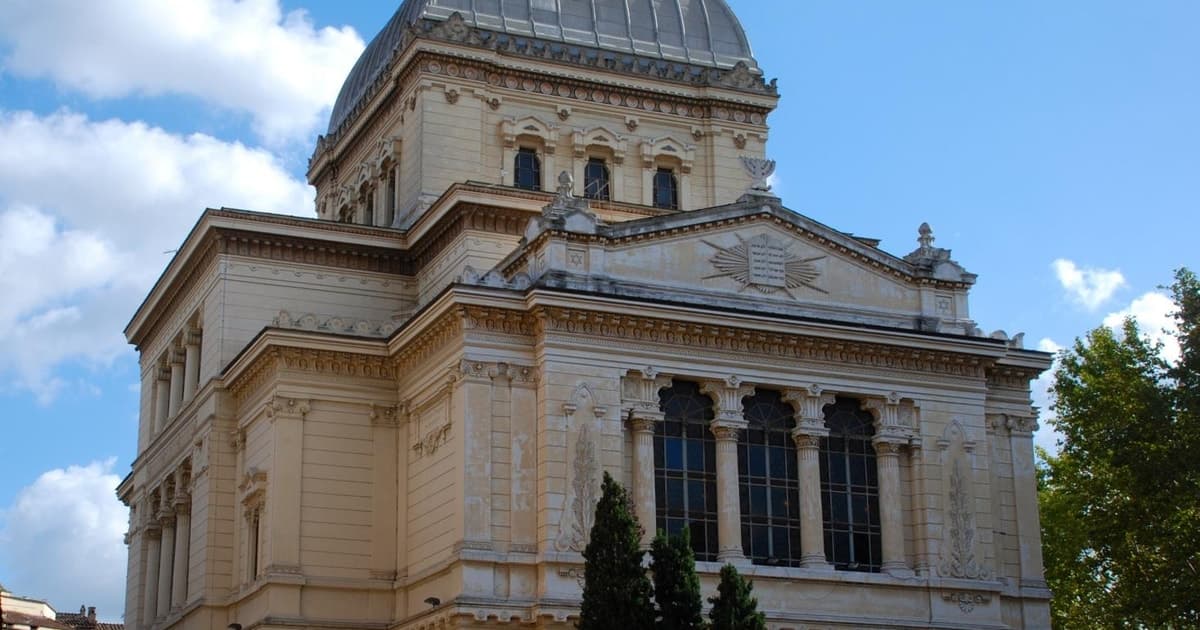
Step off the riverfront and the volume drops. This experience links the Jewish Museum of Rome with the monumental Tempio Maggiore, so the neighborhood’s story lands with context instead of trivia.
Expect a measured rhythm: galleries first, then architecture and ritual details that make sense once you have names and lived experience attached. Check GuruWalk's activity catalog to see the latest prices and entry conditions.
On the other hand, if you want fresh air after the museum, the gardens of a Tivoli Day Trip from Rome make a clean contrast to the dense center and its stories.
⚖️ Quick comparison
- Choose museum time for deep context first.
- Choose street walking for atmosphere and rhythm.
- Choose tastings for culture through food.
🧭 Practical tips
- Carry photo ID for venue checks.
- Dress with covered shoulders as default.
- Keep phones silent for a respectful visit.
Rome Jewish Ghetto guided tour: streets, ruins, memory
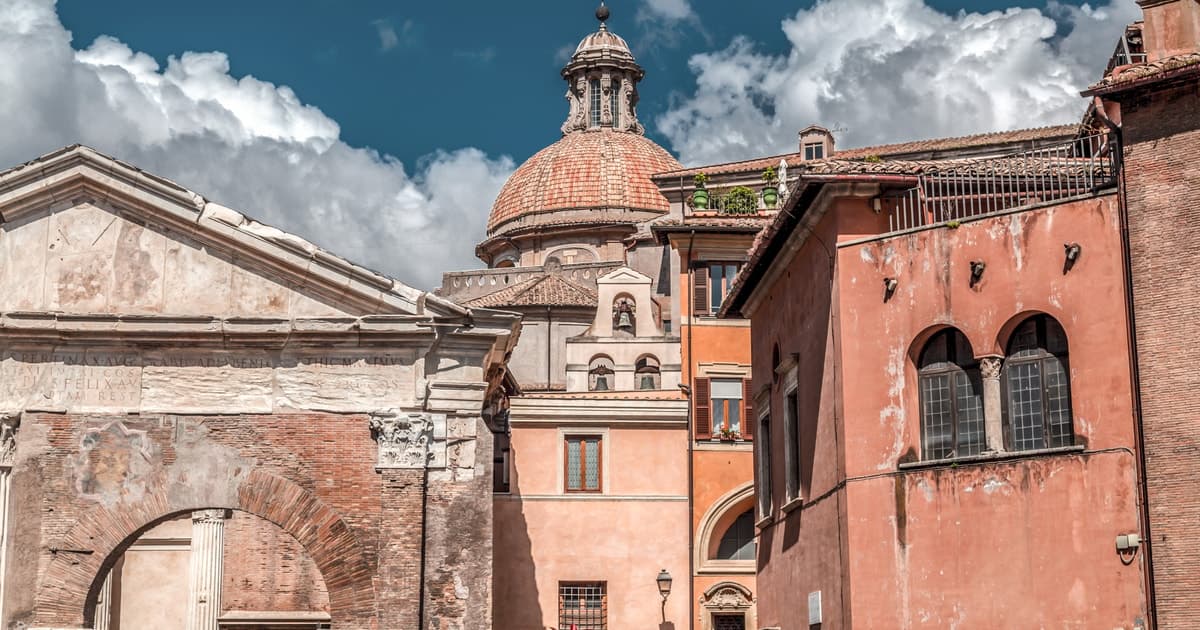
A classic walk through the quarter reads like a tight investigation: the remains of the Portico of Octavia, the curve of the Teatro di Marcello, and lanes that still feel like a small city inside the city.

The pace stays conversational and practical. You pause where the past is visible, and where it is only hinted at by plaques and small memorial stones set into everyday streets, then you keep moving before the moment loses its edge.
Therefore, if you like your history with a different atmosphere, pair the walk with a Rome Night Tour and let cooler air and softer light change what you notice.
🧭 What this walk highlights
- Ruins that frame daily life in lanes.
- River views near the Great Synagogue exterior.
- Stories of resilience told with local detail.
- Food aromas from old Roman recipes nearby.
Trastevere and Jewish Quarter: crossing the Tiber on foot
This route is built around a simple narrative device: the river. You start among the ghetto’s tight streets, cross by Tiber Island, then spill into Trastevere where voices, plants, and small piazzas change the mood in minutes.

It suits travelers who want one walk with contrast. The ghetto gives you layered history, while Trastevere adds lived-in Rome and a natural ending near a church façade or a riverside view that begs for a pause.
Trastevere is not the ghetto, however it is the perfect neighbor for it, and the short crossing makes the day feel complete without becoming an endurance march.
⚖️ When this combination works best
- You want history and street life together.
- You are staying in Trastevere nearby.
- You prefer variety over museum time.
Food tastings in Trastevere and the Jewish Ghetto
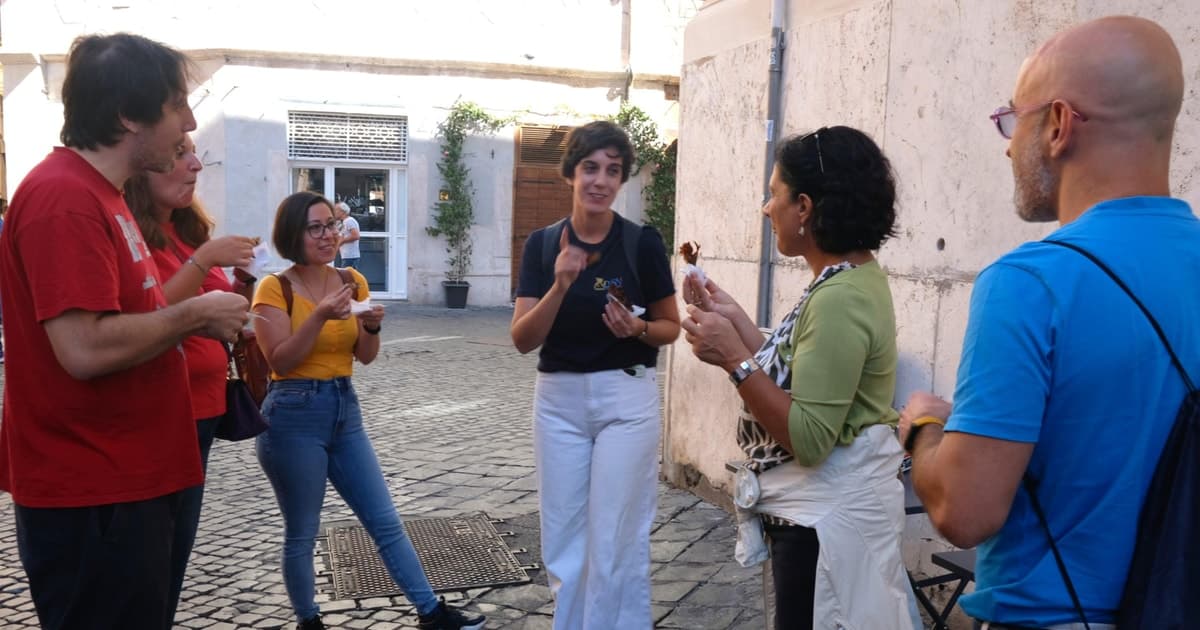
A food-led walk is less about rushing and more about listening between bites. You walk a few minutes, stop, taste, and suddenly the ghetto’s history becomes tangible through dishes that have survived centuries.

These experiences are paced by short tastings rather than monuments, which makes them ideal if you want a built-in meal plan and a guide who can translate menus, customs, and neighborhood etiquette in real time.
If you like to stack experiences, start with museum quiet earlier, then let tastings carry you into the evening when Trastevere turns lively without feeling hectic.
🧭 Smart ways to choose
- Pick this for food first, history in flavor.
- Ask about allergies and dietary needs early.
- Come hungry and wear comfortable shoes.
Campo de Fiori food tour: markets, the Ghetto, Trastevere
Campo de Fiori brings the opening scene: stallholders, seasonal produce, and the kind of chatter that makes you walk slower. From there, the route tightens into the Jewish Ghetto, then opens again toward Trastevere for a finale that feels earned.

This is for travelers who learn cities through markets and kitchens. You connect what Romans buy to what ends up on a plate, and you still leave space for the ghetto’s heavier moments to be handled with care.
After a day like this, it’s easy to crave a reset. Keep your next morning open and browse Day Trips from Rome for villas, coastlines, and small towns that change the tempo with minimal planning.
🧭 Practical notes
- Markets shine earlier than late afternoon.
- Bring a small tote for any treats.
- Stay respectful when topics turn personal.
Frequently asked questions
Is the Jewish Ghetto in Rome worth seeing?
Yes: it combines a living neighborhood with layered history, and a guided walk helps you spot details that are easy to miss when you pass through too fast.
Can you visit the former Jewish Ghetto in Rome?
You can walk the area freely, and you can also book guided experiences. In our catalog of activities, museum and synagogue visits are around 17€, neighborhood walks are around 40€, and food-focused tours often sit around 90–120€ depending on inclusions; check GuruWalk's activity catalog to see the latest prices.
How far is the Jewish Ghetto from the Colosseum?
On foot it is usually about a half-hour walk, depending on your route and stops. A short taxi ride or public transport can be quicker if your time is tight.
How far is the Jewish Ghetto from the Vatican?
Plan roughly 35–50 minutes by public transport, and longer on foot. If you are linking both in one day, build in a break so the day stays enjoyable.
Is the Jewish Ghetto in Rome safe?
Generally it is as safe as central Rome, however treat it like any busy tourist area: keep valuables close, stay aware in crowds, and respect any security checks near community sites.
Is Trastevere the same as the Jewish Ghetto?
No. They are neighboring districts separated by the Tiber River, and the short crossing is part of what makes combined walks feel so satisfying.
What is there to do in the Jewish Ghetto?
Walk the lanes around Portico of Octavia, see the Great Synagogue area from outside, look for memorial stones and plaques, and pause for Roman Jewish specialties between stops.
Where to eat in Rome's Jewish Ghetto?
Look for classic Roman Jewish cooking such as fried artichokes, seasonal vegetables, and simple dishes built on tradition. Guided tastings help if you want context and a curated route.
Is the Jewish quarter a good place to stay in Rome?
Yes if you want a central, walkable base with a calmer feel than nightlife hubs. Choose it for a strong sense of place and easy access to the river and historic center.
Discover related activities in Rome