Free walking tours in Zanzibar
The best guruwalks in Zanzibar
 Guru:
Guru:
 Guru:
Guru:
 Guru:
Guru: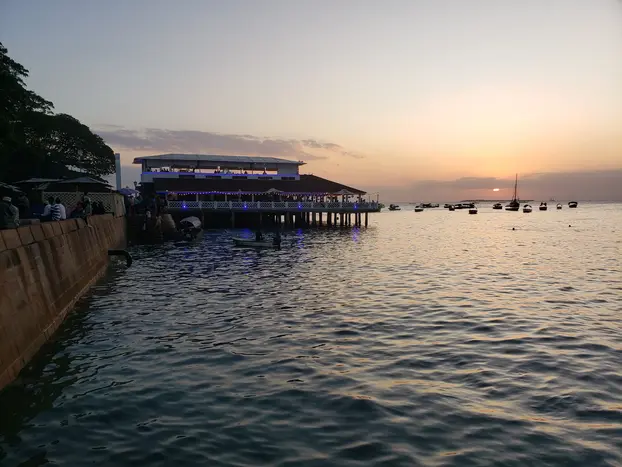
 Guru:
Guru:
 Guru:
Guru: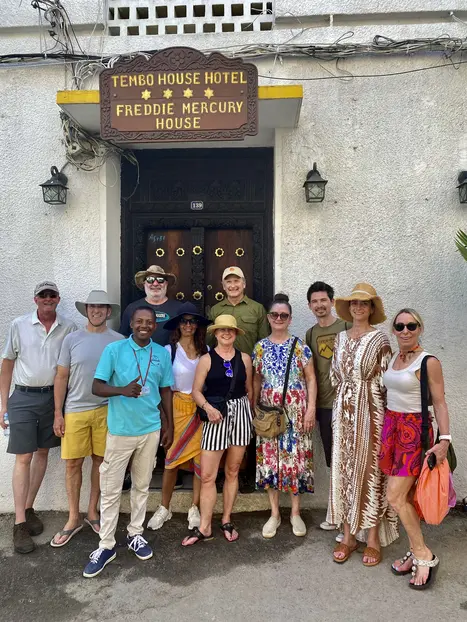
 Guru:
Guru:
 Guru:
Guru: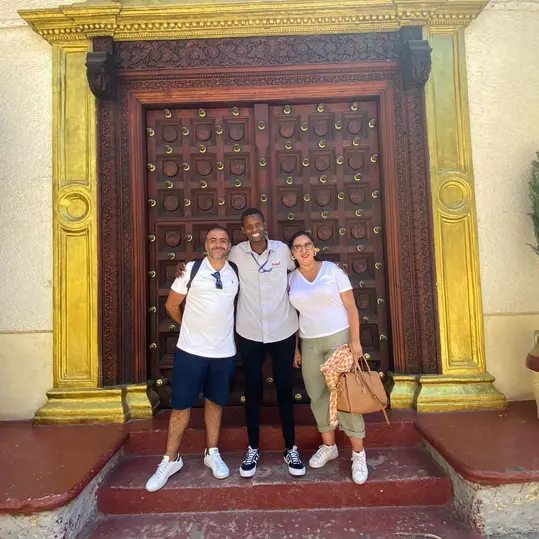
 Guru:
Guru:
 Guru:
Guru:Last update:
Other cities after visiting Zanzibar
- İstanbul free walking tour
- Dubrovnik free walking tour
- Nairobi walking tour
- Cape Town walking tour
- Athens walking tour
- Valletta, Malta walking tour
- Tbilisi walking tour
- Catania walking tour
- Free walking tour in Gjirokaster
- Free walking tour Berat
- Free walking tour Palermo
- Free walking tour in Tirana
- Free walking tour in Skopje
- Free walking tour in Dar es Salaam
- Free walking tour in Mombasa
- Kampala walking tour
- Free walking tour in Dubai
- Cairo walking tour
- Free walking tour Jerusalem
- Free walking tour Amman
- Free tour Tel Aviv Yafo
- Free walking tour in Morogoro
- Free walking tour in Diani Beach
- Free walking tour in Moshi

Choosing a free walking tour in Zanzibar: slave history, spice markets and Swahili architecture
Stone Town's entire UNESCO quarter fits within a maze of coral-stone alleys you can cross on foot in under 30 minutes. A free walking tour in Zanzibar on GuruWalk covers a variety of themed routes in English, ranging from around two hours to about four hours.
You can pick a heritage walk tracing the slave trade and sultanate past, an architecture route decoding the carved wooden doors, or a market-and-food trail through Darajani and Forodhani. The choice depends on whether you prioritise deep history, visual detail or sensory immersion -- and most routes start centrally enough to combine two in a single day.
Carved doors, spice bazaars and a slave-trade memorial: walking routes through Stone Town
Stone Town heritage walk: slave history, sultans and the UNESCO old quarter
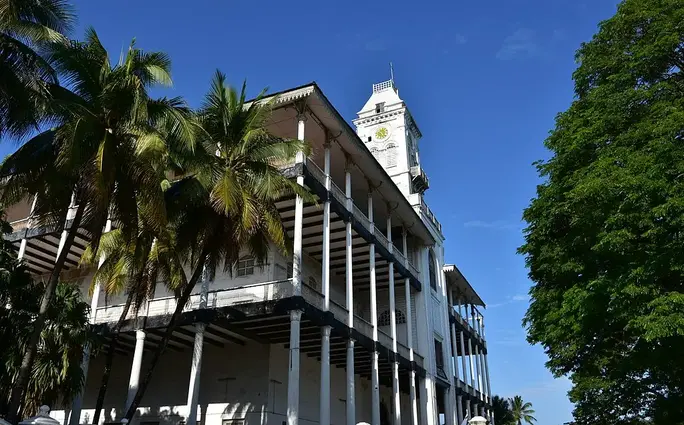
This route suits first-time visitors who want the full historical arc of Zanzibar in a single morning -- from the Omani sultanate through the East African slave trade to British colonial rule and independence. It covers the Former Slave Market and Anglican Cathedral, the Old Fort, the House of Wonders, the Sultan's Palace (Beit al-Sahel) and Forodhani Gardens in around two to two and a half hours.
Zanzibar was the last major slave port in East Africa, and the underground chambers at the Former Slave Market remain one of the most emotionally impactful stops on any walking tour in the region. Guides provide context that turns a monument into a narrative -- connecting the trade routes, the clove plantations and the cathedral built directly on top of the market site.
Carved doors and layered architecture: for travellers drawn to Indian, Arab and European influences
Stone Town has over 500 historic carved wooden doors, and each one tells a story. Indian doors have rounded tops and brass studs -- originally designed to deter elephants in the subcontinent, then replicated here as a status symbol. Arab doors are rectangular with geometric carvings. Swahili designs blend both. Guides decode these details as you walk through Hurumzi Street, past the Old Dispensary and around the Hamamni Persian Baths in around two and a half hours.
Best for architecture and design enthusiasts who want to read Stone Town's facades rather than just photograph them. The route reveals how Indian merchants, Omani sultans and European traders each left a visible layer on the same narrow streets.
Spice stalls, fish auctions and Forodhani street food: the everyday Zanzibar walk
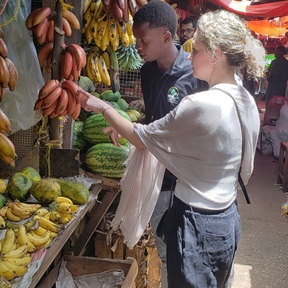
Suits travellers who prefer sensory immersion over monuments. This route takes you through Darajani Market -- where locals buy spices, seafood and textiles -- and into the narrow lanes of the spice quarter where turmeric, clove and cardamom are sold by weight.
- Darajani Market fish auction: chaotic, loud, and best experienced in the morning when the catch arrives.
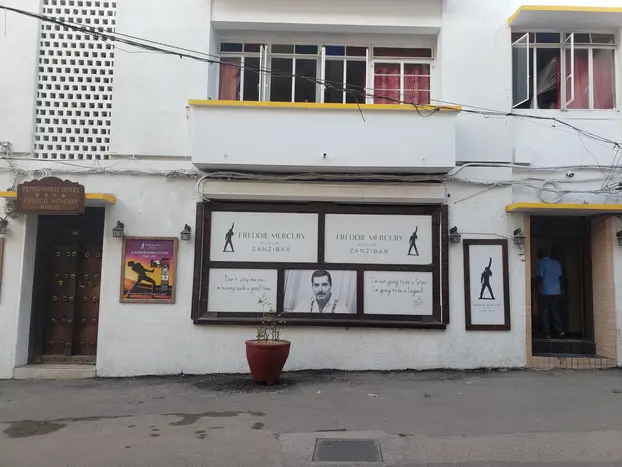
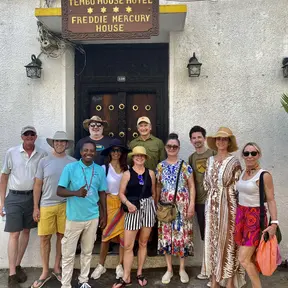
- Freddie Mercury House: the childhood home of Queen's frontman, an exterior stop with the backstory of how Farrokh Bulsara became Freddie.
- Forodhani Night Food Market: evening routes end here, where Zanzibari street food -- urojo soup, Zanzibar pizza, sugarcane juice -- is cooked on open grills along the waterfront.
The walk takes around two to two and a half hours. Browse available food-themed dates on the gastronomic walking tours page.
Combining routes: how to plan your walking days in Stone Town
Start with a heritage walk on your first morning to get oriented through the main landmarks and slave-trade sites. Add an architecture or market-focused route in the afternoon -- most begin centrally, so there is no wasted transit. An evening walk ending at Forodhani food market pairs well with any daytime route. Travellers staying longer can also look into female-guided walks for a perspective on contemporary Zanzibari women's daily life, or a village tour that ventures outside Stone Town entirely.
What walkers highlight about free walking tours in Zanzibar
Across over a thousand verified reviews, several patterns help set expectations for a walking tour in Zanzibar.
- More than half of reviewers say guides navigate them through Stone Town's unmarked alleys to spots they would never have found alone -- hidden mosques, merchant courtyards and back streets with no signage.
- Roughly one in three reviewers describe the slave trade history at the Former Slave Market and Anglican Cathedral as the most emotionally impactful stop -- a narrative specific to Zanzibar as the last major slave port in East Africa.
- Groups are consistently small or even private. Many walkers report being the only person or couple on the tour, which turns the experience into a personalised conversation rather than a scripted monologue.
- Roughly one in four reviewers mention the carved wooden doors as a standout learning moment -- guides explain the differences between Indian, Arab and Swahili designs, including the meaning of brass studs and decorative motifs.
- More than half of reviewers recommend the tour as the best first activity upon arrival in Zanzibar, saying it provided a mental map of Stone Town, restaurant recommendations and context for the rest of their trip.
- Guides share insights into contemporary daily life alongside history -- religion, the economy, women's roles and how tourism is reshaping Stone Town -- giving walkers a perspective that goes beyond monuments.
Practical questions about free walking tours in Zanzibar
How much should you tip on a free walking tour in Zanzibar?
Between $10 and $20 per person is the usual range. If the guide exceeds your expectations -- tailoring the route to your interests, answering every question or extending the walk beyond the scheduled time -- some travellers leave up to $50.
Is a free walking tour a good way to start your visit to Stone Town?
Yes -- more than half of walkers book the tour on their first day and describe it as the best possible orientation. The walk gives you a mental map of Stone Town's maze-like streets, restaurant recommendations from the guide and enough historical context to make every subsequent visit to a landmark more meaningful.
Do free walking tours in Zanzibar visit the Former Slave Market?
Most heritage-focused routes pass by or stop at the Former Slave Market site and the Anglican Cathedral built directly on top of it. Guides explain Zanzibar's role as the last major slave port in East Africa. The underground chambers have a separate entrance fee of around $5, which is not included in the tour.
How long does a free walking tour in Zanzibar last?
Most Stone Town walks take around two to two and a half hours. Some routes run up to four hours when they include extended market stops or village visits beyond the old quarter. The compact layout of Stone Town keeps walking distances short even on longer tours.
What should you wear on a walking tour in Stone Town?
Stone Town is a predominantly Muslim area, so modest clothing covering shoulders and knees is respectful and appreciated. Wear comfortable walking shoes -- the streets are uneven coral stone, not paved. A hat and a bottle of water are essential given the tropical heat, and guides tend to walk in shaded alleys when possible.
Can you visit Freddie Mercury's birthplace on a free walking tour of Zanzibar?
Several routes pass by the house in Stone Town where Queen's frontman was born and raised. Guides cover the exterior and share the backstory of how Farrokh Bulsara became Freddie Mercury. Entry to the Freddie Mercury Museum is separate -- around $10 -- and is not included in the walking tour.
Our tour guides in Zanzibar







Find other guruwalks in Zanzibar
