Tapas Tours in Barcelona

Last update:
Continue planning your trip to Barcelona
- Free tour
Free Tours in Barcelona
Guided Tours
Tickets & Passes
Park Guell Tours
Sagrada Familia Tickets
Shows & Performances
Day Trip to Montserrat from Barcelona
Bike Tours
Food Tours
Park Guell Tickets
Tapas Tours
Gothic Quarter Walking Tours
Boat Tours
Day Trip to Girona from Barcelona
Wine Tours
Picasso Museum Guided Tours
Casa Mila (La Pedrera) Tours
Camp Nou Museum Tours
Market Tours
Day Trip to Wine Country from Barcelona
Other Experiences
Day Trip to Tarragona from Barcelona
Day Trip to Pyrenees from Barcelona





Tapas Tour Barcelona: old town bars, sea breezes and cooking nights
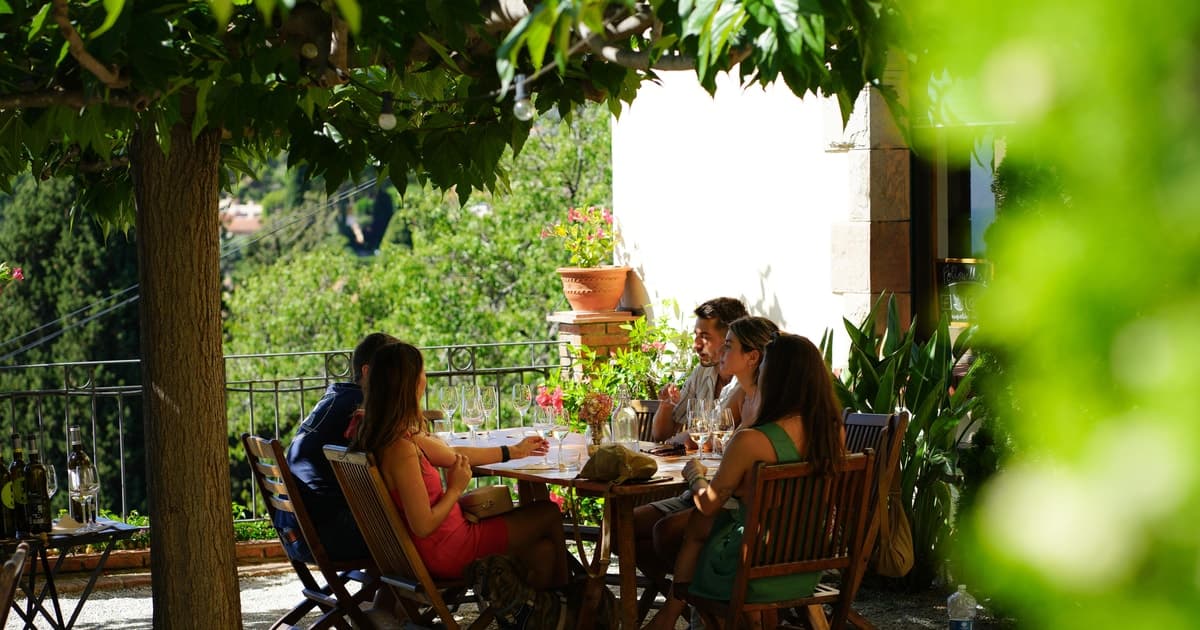
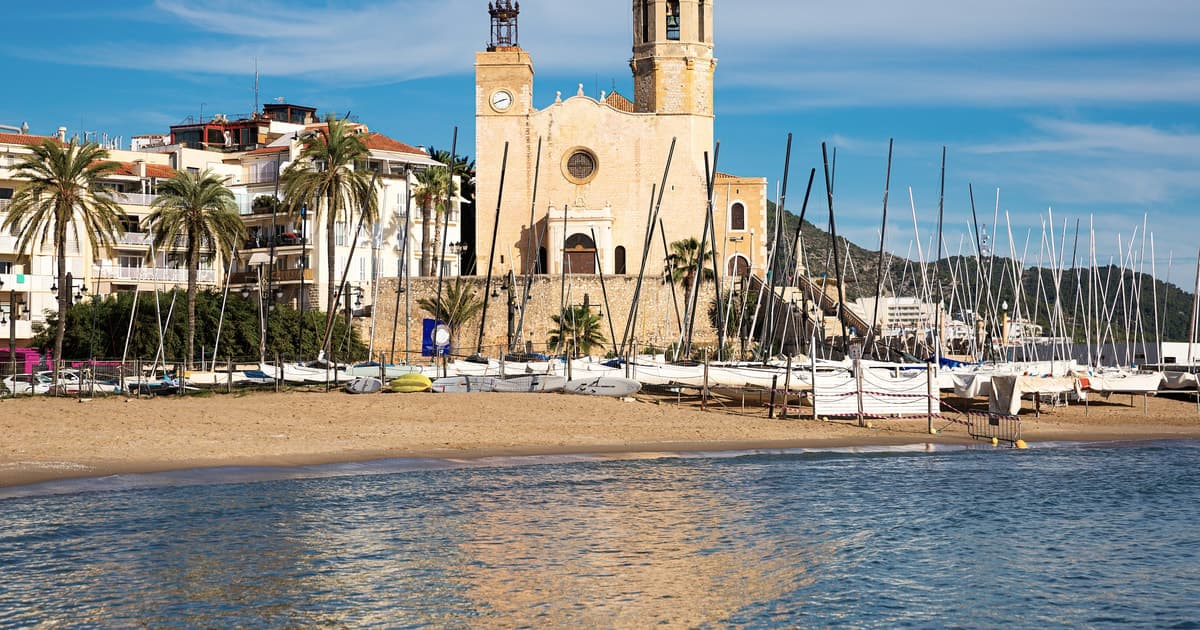
In Barcelona, a tapas tour can unfold in several rhythms: slow walks through the Gothic Quarter and El Born, evenings of wine and vermouth in hidden taverns, and relaxed sunsets on the water or rooftop terraces. In our catalog of activities, small-group walks, intimate tastings, sailing outings and hands-on cooking classes combine easily, so you can build a route that fits your energy, budget and how long you want to stay at the bar counter.
📚 Choose your experience
Old town walking tapas tours
History, neighbourhoods and classic bars.
Wine, vermouth and tavern evenings
Tapas paired with wines and vermouth.
Tapas with sea views and rooftops
Sailing routes and city terraces.
Tapas and paella cooking classes
Hands-on kitchens with local chefs.
Day trips and bike tours with tapas
Montserrat, wineries and guided rides.
Frequently asked questions
Practical customs, timings and tips.
Old town tapas walking tours in Barcelona
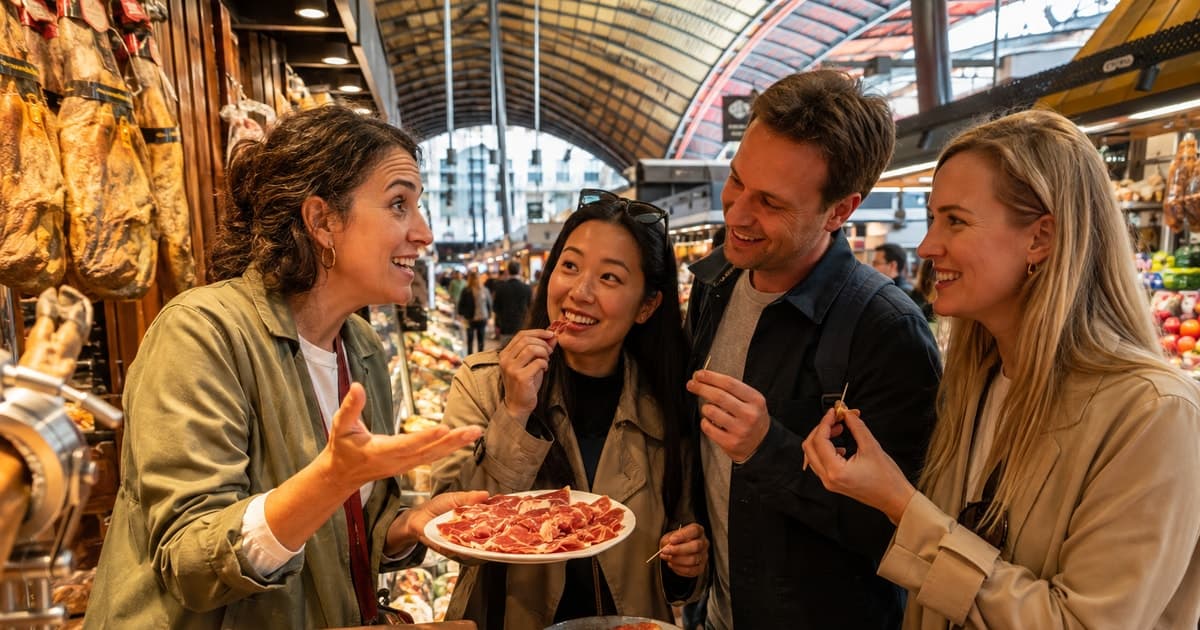
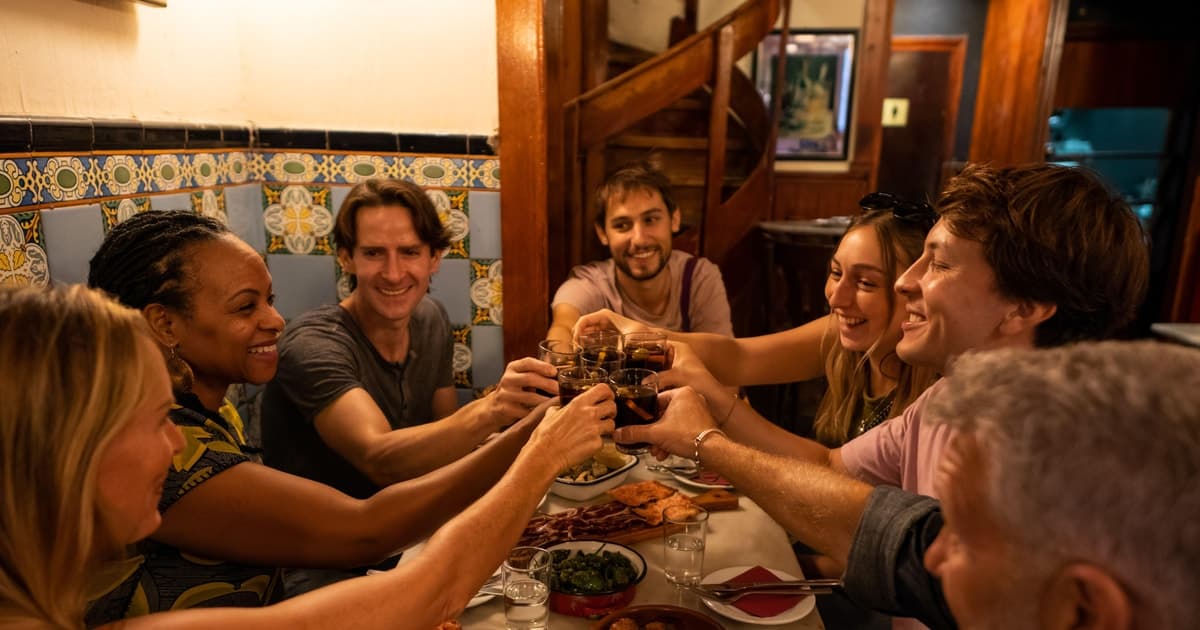
Walking into the Gothic Quarter and El Born, a tapas tour feels like a moving dinner: short strolls through medieval alleys followed by rounds of shared plates in lively bars. In our catalog of activities, small-group walks, private routes and family friendly options all mix local history with enough tastings to replace a separate evening restaurant booking.
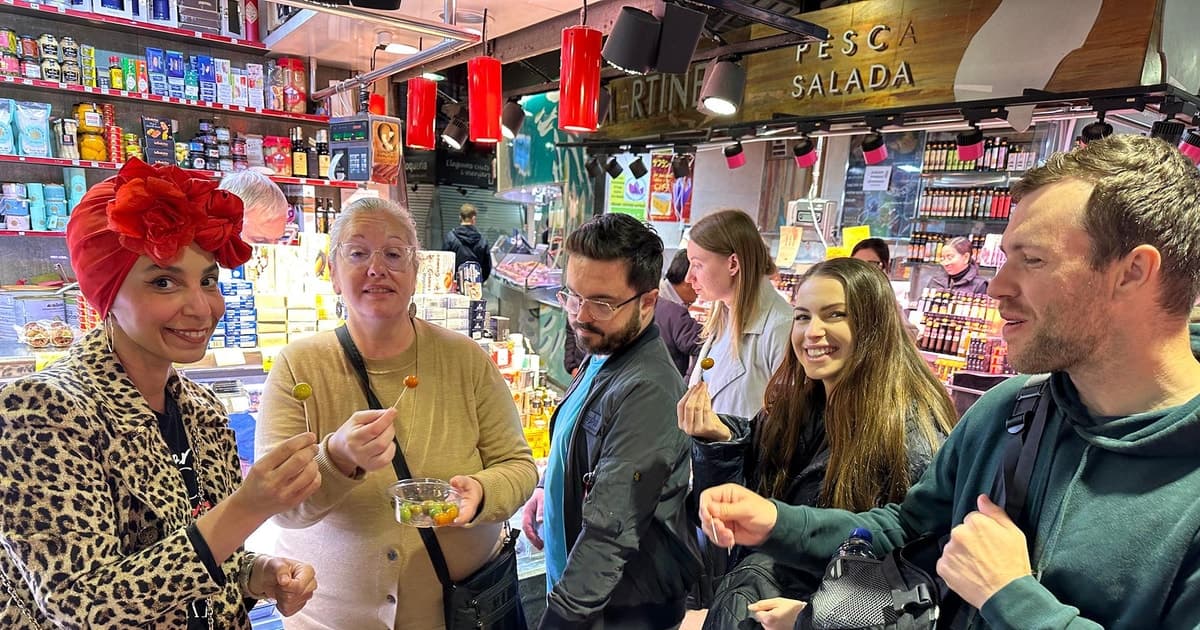
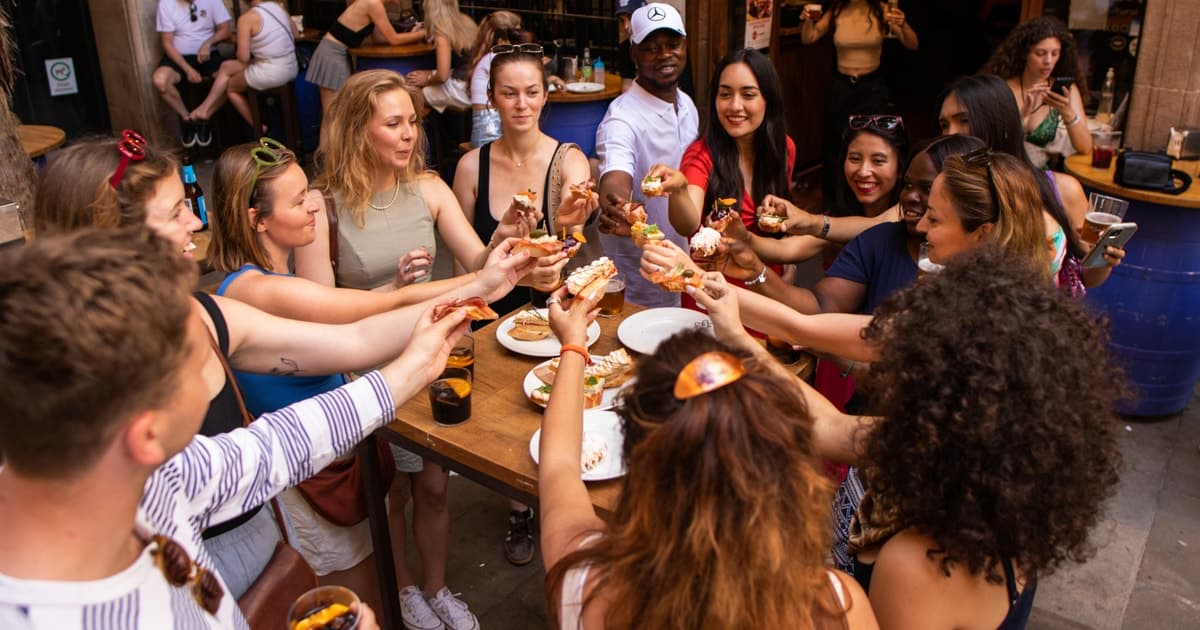
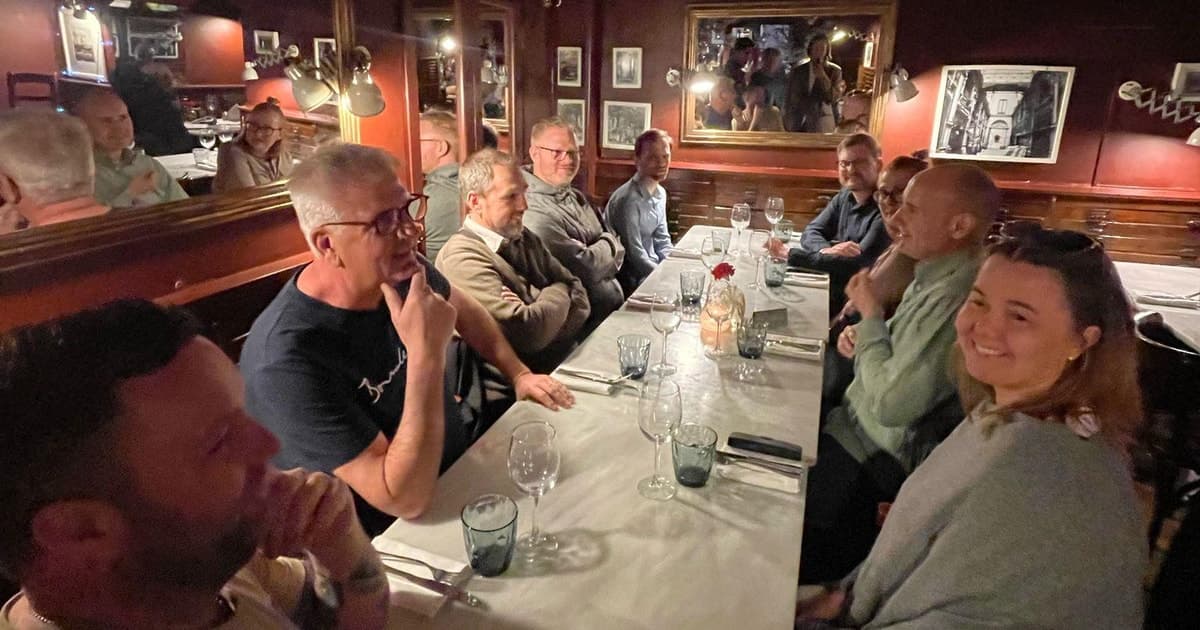
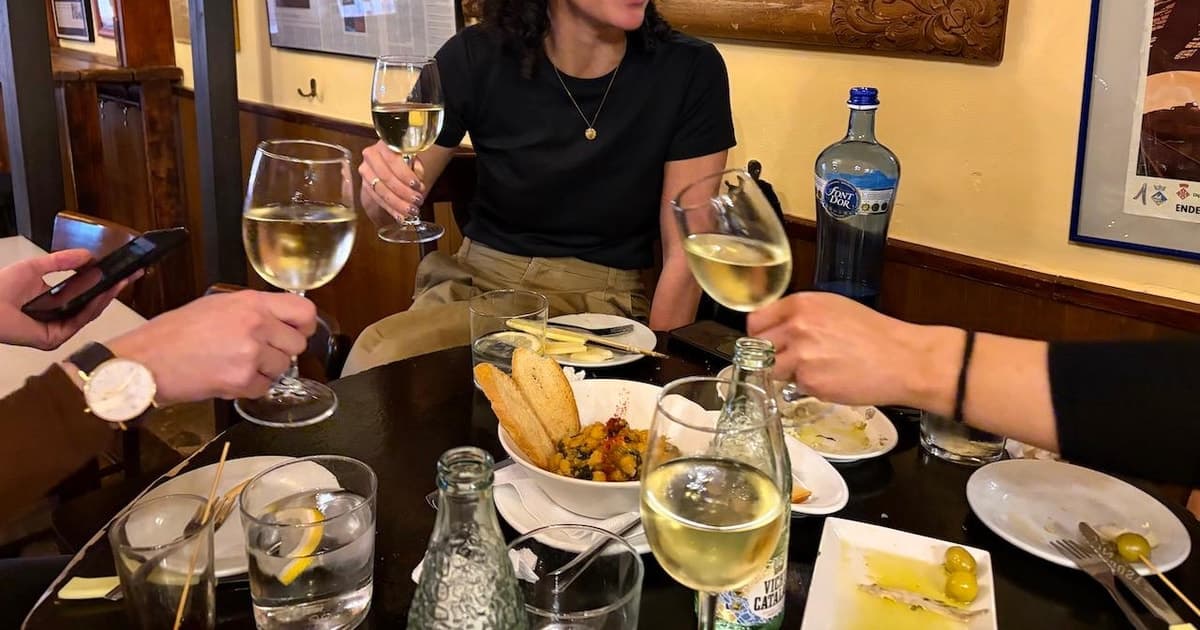
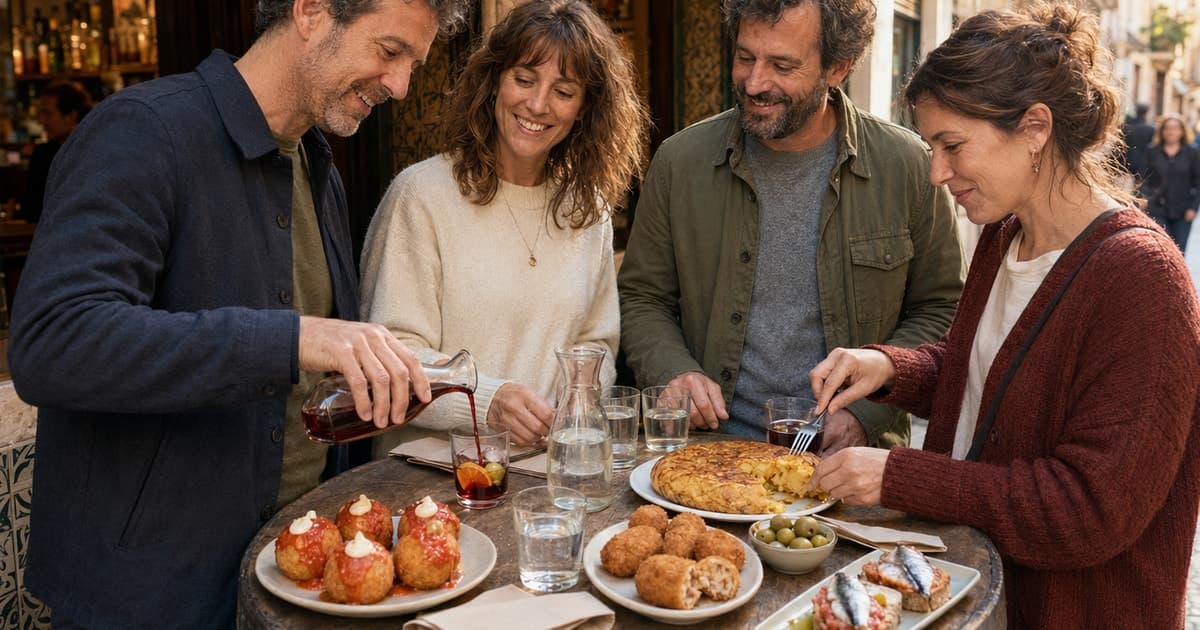

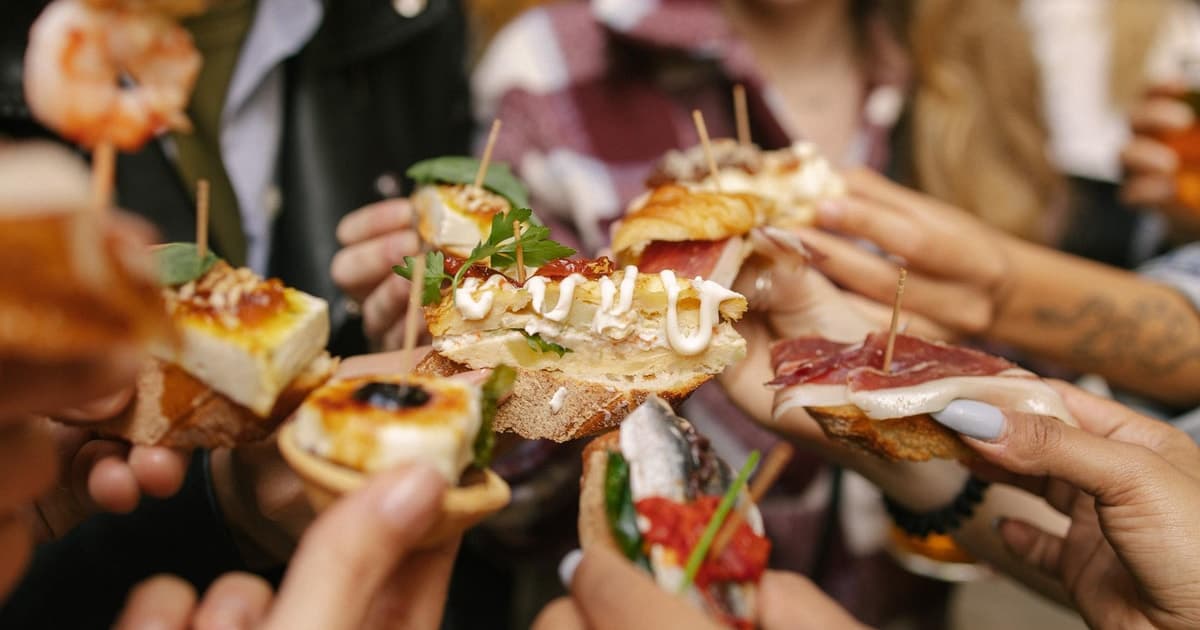
Some routes stay strictly inside the old town, while others link El Born with La Barceloneta or the Eixample to show how the city changed beyond its original walls. When you compare our offer of experiences, look for details on group size, number of stops and whether the focus leans toward architecture, bar-hopping or longer sit-down tastings.
Travellers who want an even broader view of Catalan cuisine can add a dedicated Barcelona food tour selection, which brings market visits, full restaurant menus and desserts into the same trip.
⚖️ Choosing the right old town route
- Shared groups: social atmosphere and easier pacing.
- Small groups: more questions, quieter bars, slower rhythm.
- Private walks: custom pace and tailored tastings.
🧭 Practical tips for the historic centre
- Start in the early evening for lighter crowds.
- Wear closed shoes for uneven cobblestones and steps.
- Share dietary needs with your guide before the first stop.
Wine, vermouth and local tavern tapas tours
On wine-focused routes, the glass sets the tempo: wine, cava and vermouth are matched carefully with each plate, and guides explain why certain regions work with specific cheeses or cured meats. Bars are often small and atmospheric, so groups stay compact and conversations stretch longer than on a simple tasting stop.
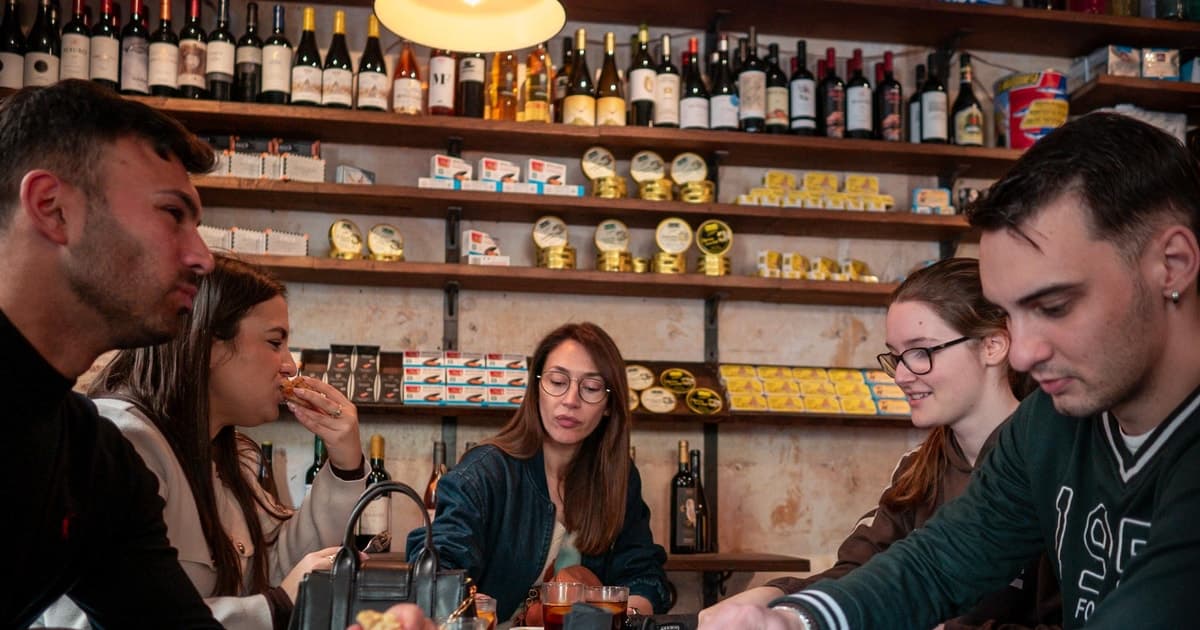
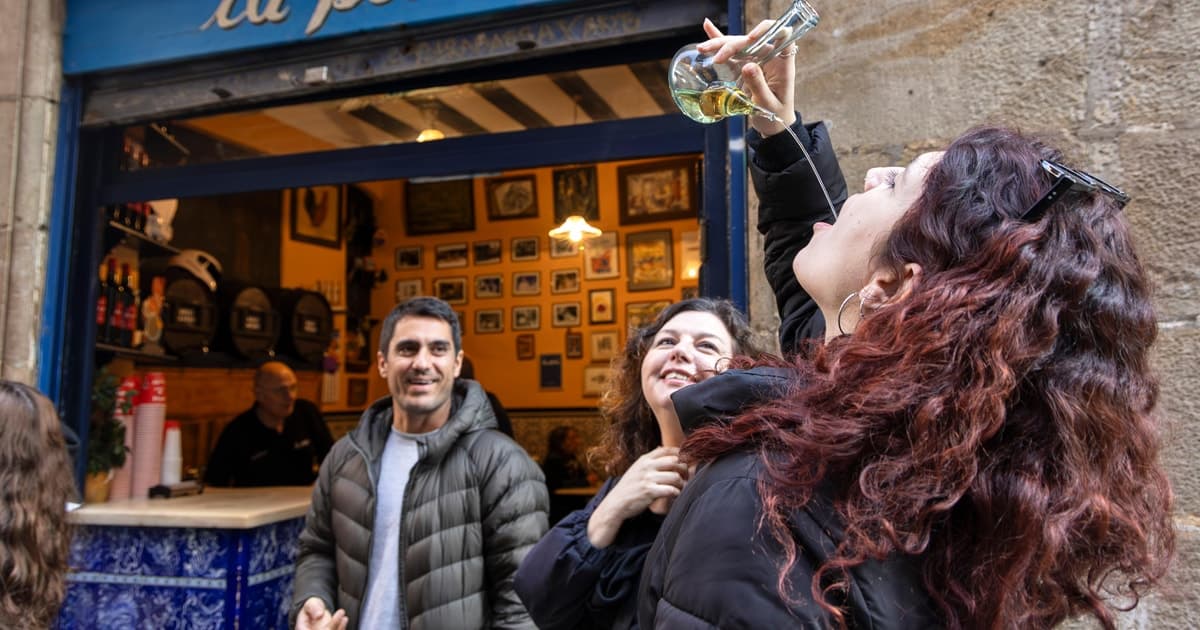
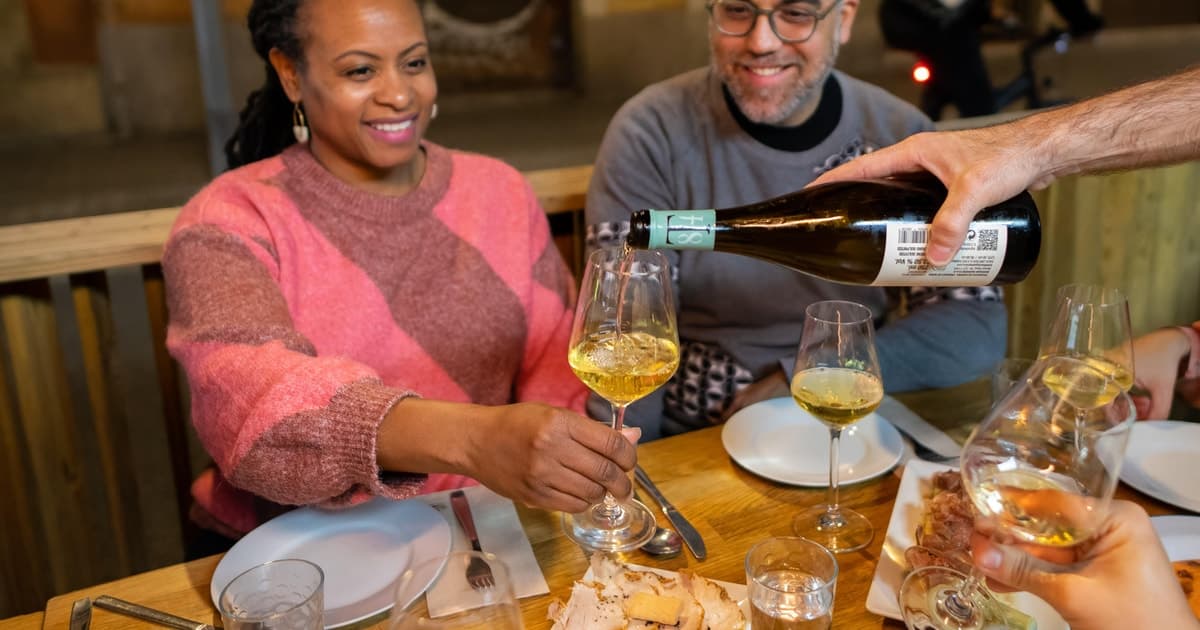
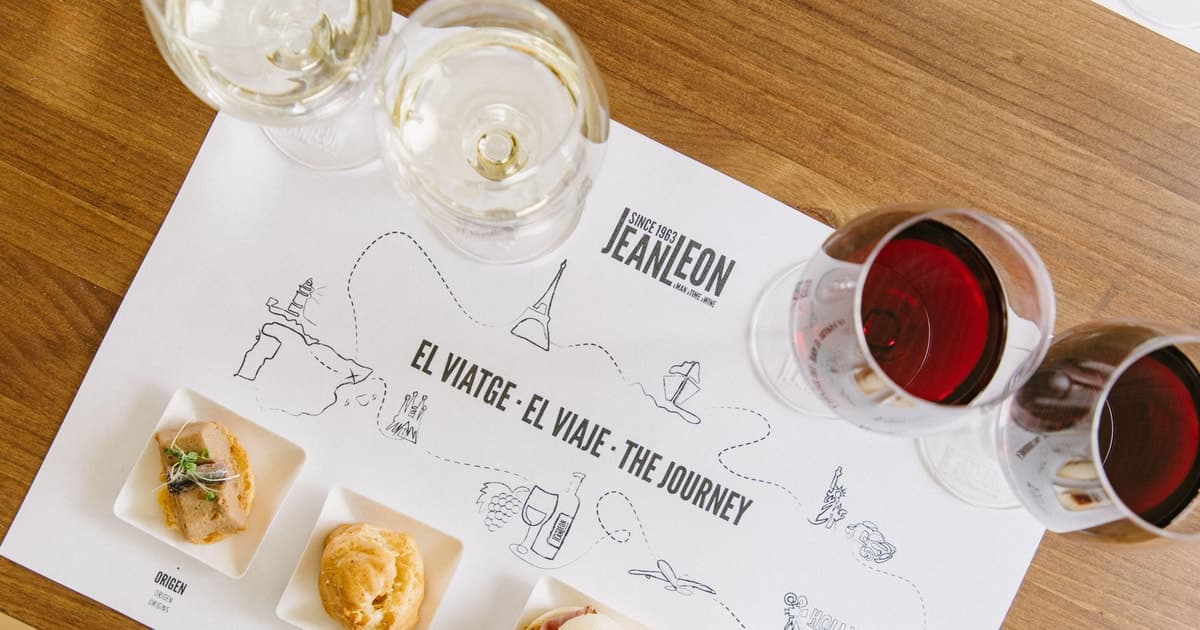
Some itineraries keep the focus on Catalan labels, while others mix bottles from across Spain to showcase different grapes and styles. If you prefer a softer evening, choose experiences that highlight vermouth, smaller pours and more food-centred plates rather than repeated full glasses.
Many of these tastings cross the same streets as a dedicated Gothic Quarter walking tour, combining stone squares, tucked-away plazas and long-standing taverns in a single storyline.
🍷 Comparing wine-focused tapas evenings
- Intro tastings: fewer wines, more emphasis on food.
- Pairing dinners: structured flights with seated courses.
- Neighbourhood crawls: several bars, short stories, lively pace.
🧠 Smart habits for tasting nights
- Eat a small snack first to avoid empty stomachs.
- Sip water between glasses for a clearer palate.
- Ask for alternatives if you prefer lower alcohol options.
Tapas with sea views and rooftop terraces
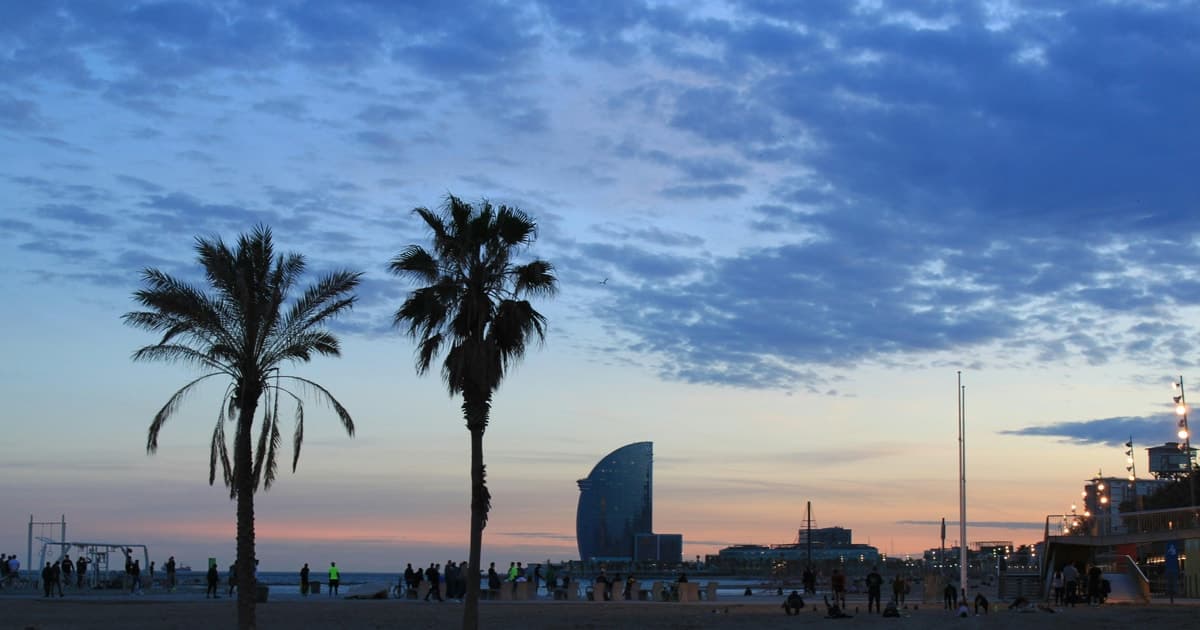
From the marina, a tapas sailing tour trades alleyways for open water, with the skyline on one side and the Mediterranean on the other. While the crew manages the boat, hosts bring small plates and drinks so you can alternate photos, conversation and quiet time on deck.

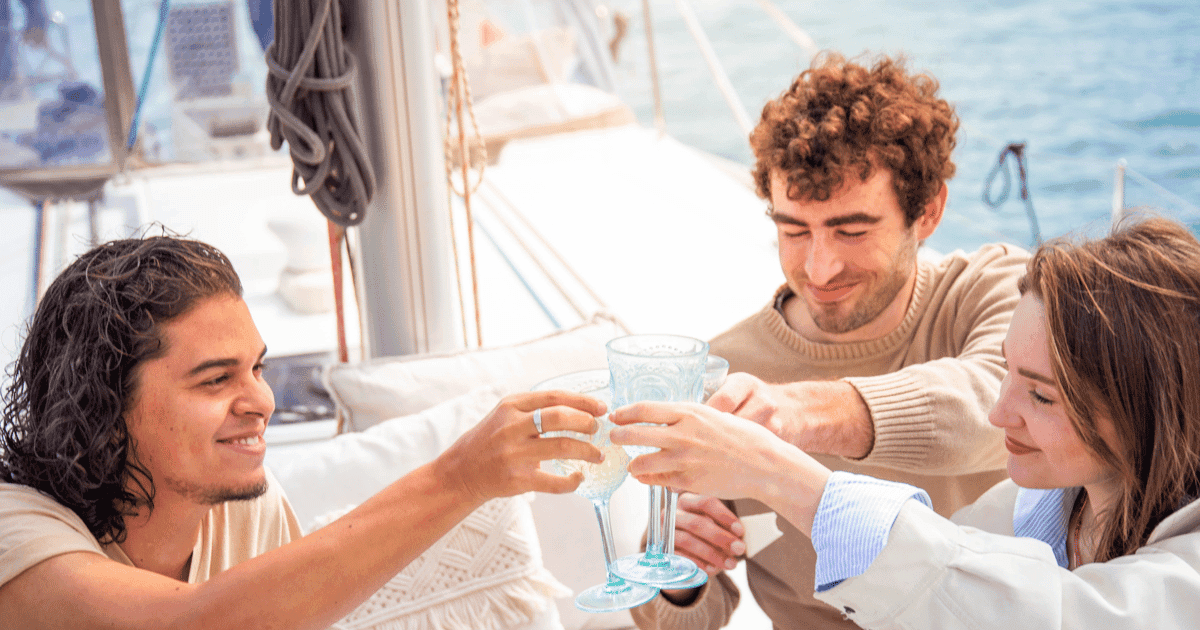
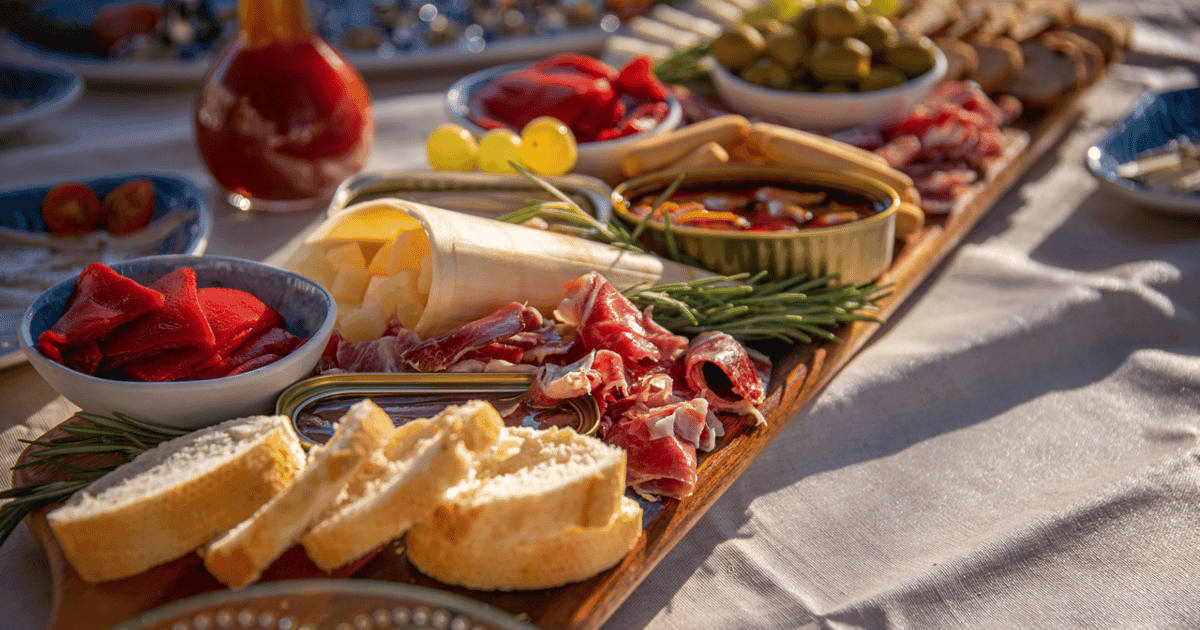

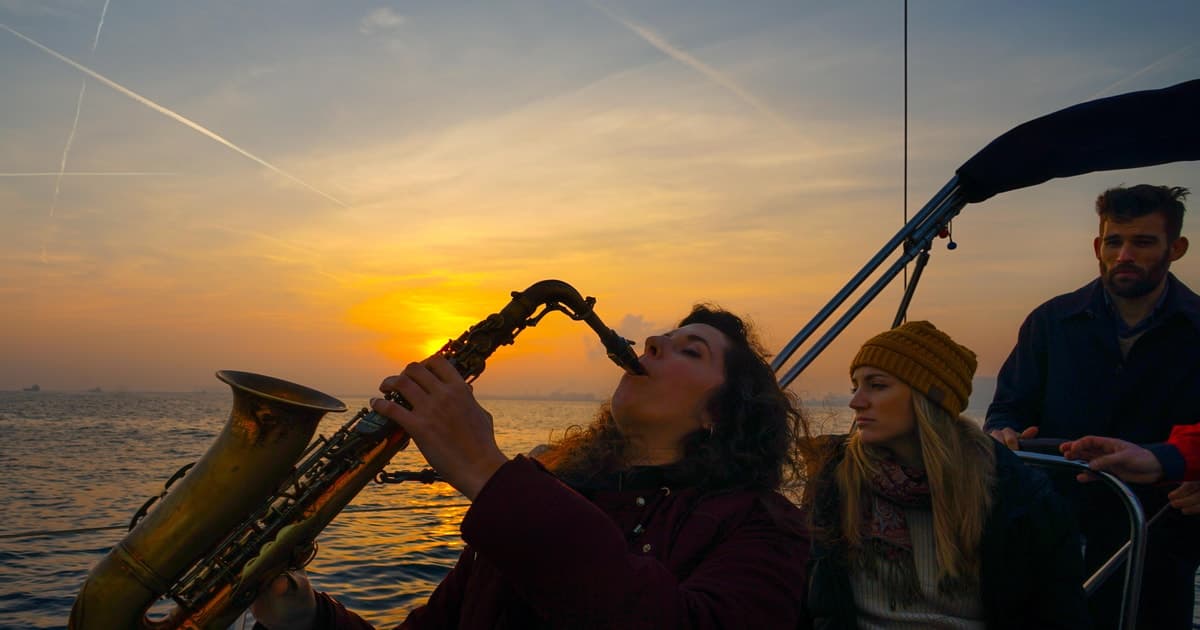
Group sizes tend to be modest and the rhythm slower than in the city, but wind and waves can change the mood quickly. If you prefer calmer water, focus on experiences that remain close to the coast or within the harbour area.
Rooftop classes and tastings bring similar views without motion: a local chef guides you through simple tapas recipes and sangria mixing while the city lights up below. They fit well after a walking tour day, turning your last energy into a quiet, scenic evening rather than another street crawl.
🌊 Sea or skyline: how to choose
- Daytime sailing: clearer views and milder breezes.
- Sunset departures: warmer colours and livelier atmosphere.
- Rooftop evenings: stable setting, ideal for photographers.
🎒 Practical tips for boats and terraces
- Bring a light layer for the breeze on deck.
- Use reef-safe sunscreen to protect the water.
- Wear non-slip shoes for ramps, docks and stairs.
Tapas and paella cooking classes in Barcelona
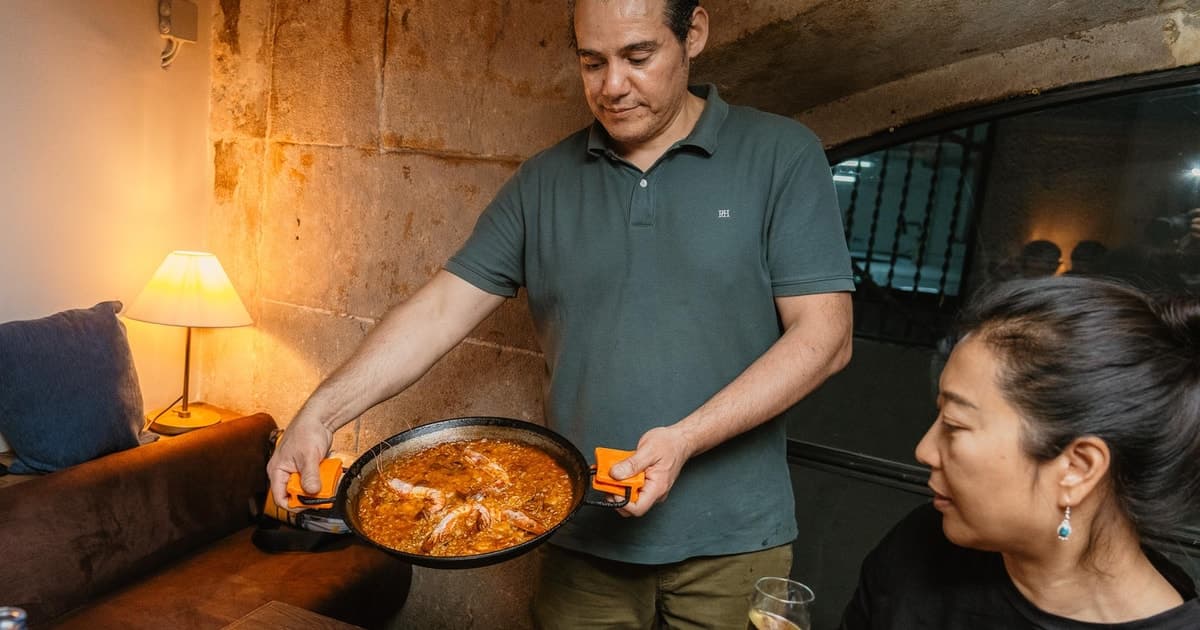
In cooking classes, the tapas tour moves indoors: you chop, stir and season under a chef’s guidance, then sit down together to eat what the group has prepared. Many start with a visit to a market or ingredient tasting, so you learn why particular oils, rice types and cured products matter before they reach the pan.
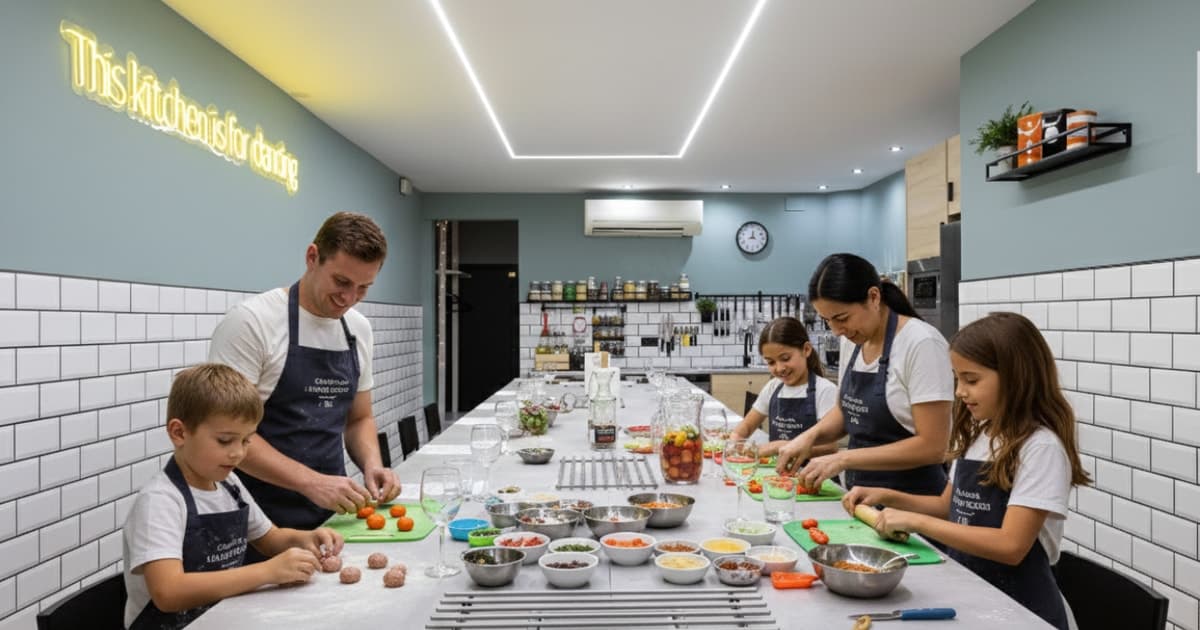
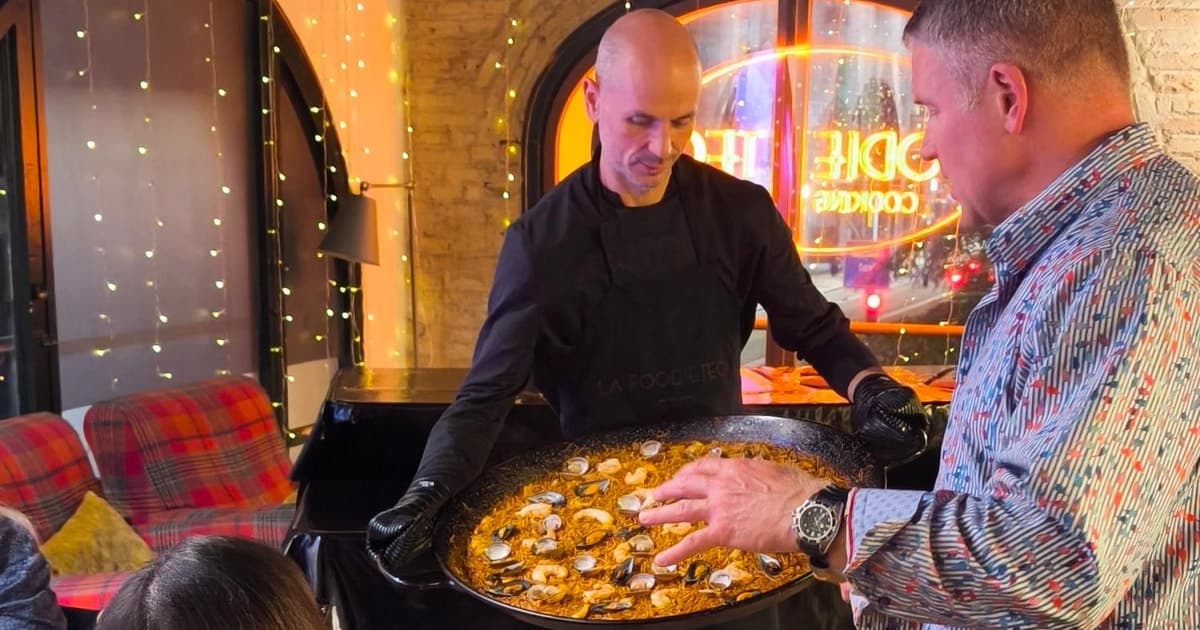
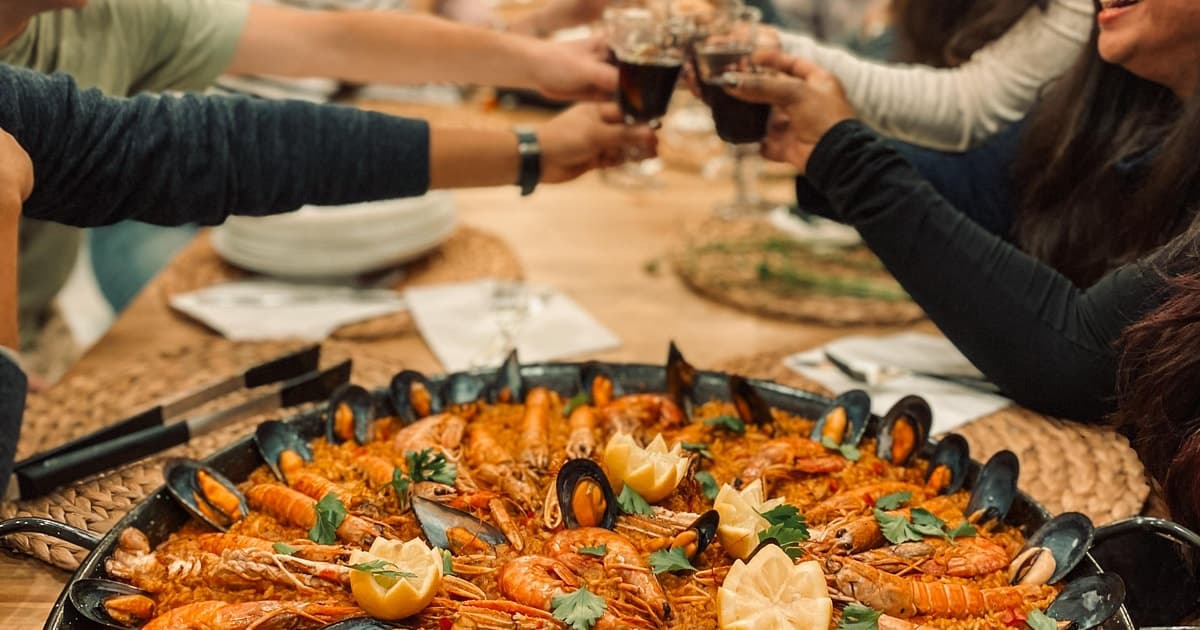
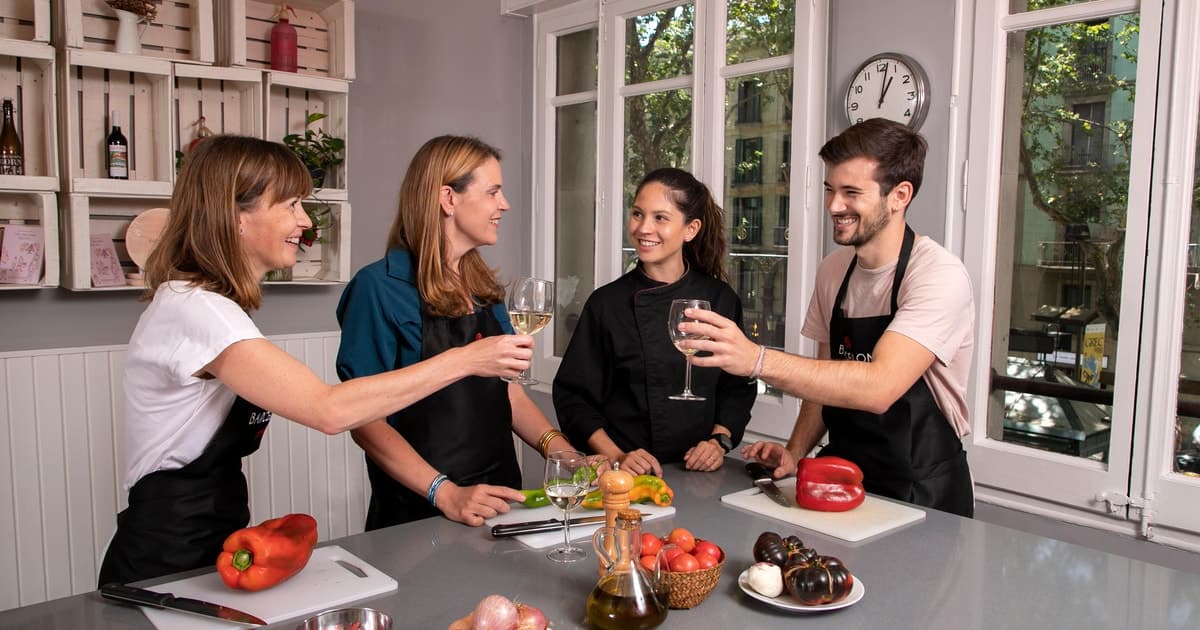
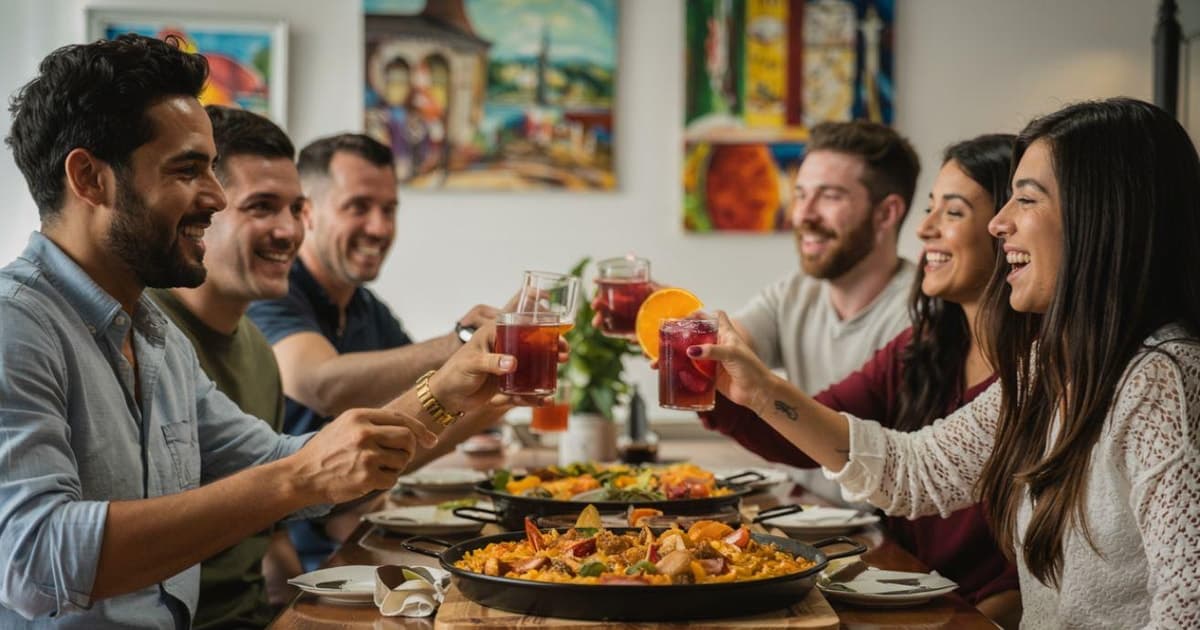

If you travel with friends or family, this format gives everyone a role beyond simply choosing from a menu. Some experiences prioritise paella while others offer broader tapas spreads, so check how much time is spent over the stove compared with at the shared table.
Travellers who want to focus mainly on the rice dish can look at the Paella cooking class in Barcelona page, which brings together specialised workshops centred on technique and timing.
👩🍳 Comparing class formats
- Market then kitchen: more context and longer sessions.
- Studio kitchens: central locations with polished equipment.
- Home-style spaces: intimate groups and relaxed pace.
🥘 Making the most of your class
- Arrive a little early for the ingredient briefing.
- Share allergies or restrictions before confirming your booking.
- Photograph recipes and steps for easy home recreations.
Day trips and bike tours with tapas
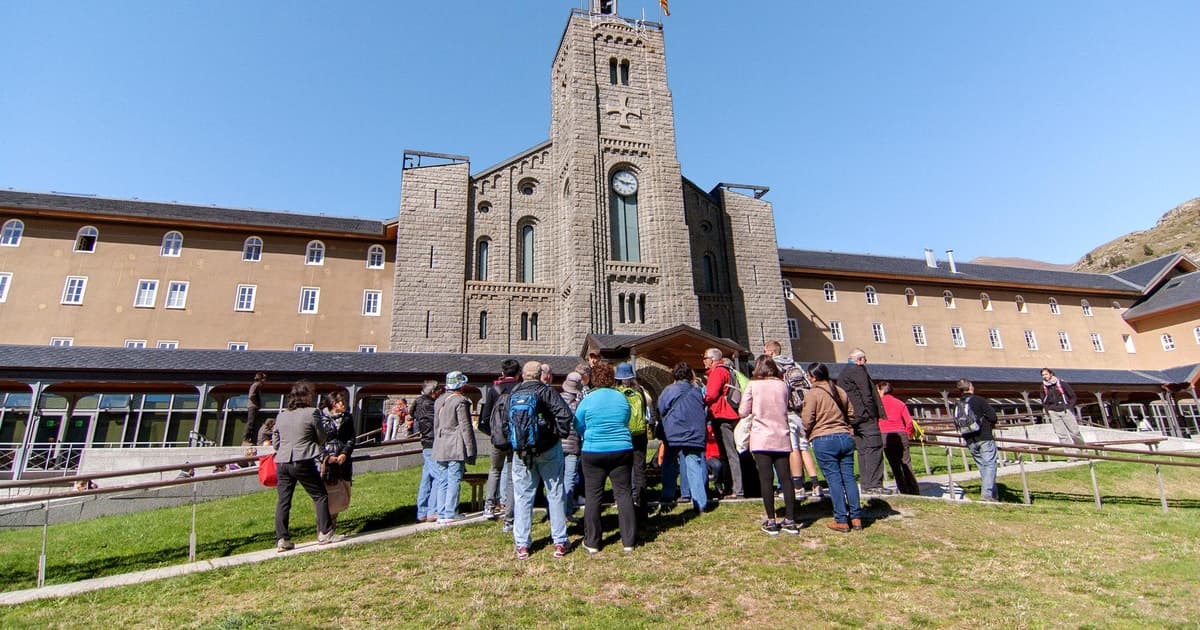
Some experiences stretch the concept into a full day, pairing Montserrat’s cliffs and monastery with winery visits and tastings outside the city. After exploring courtyards and viewpoints, you sit down in a cellar or countryside house where local wines arrive alongside regional tapas before the drive back to Barcelona.
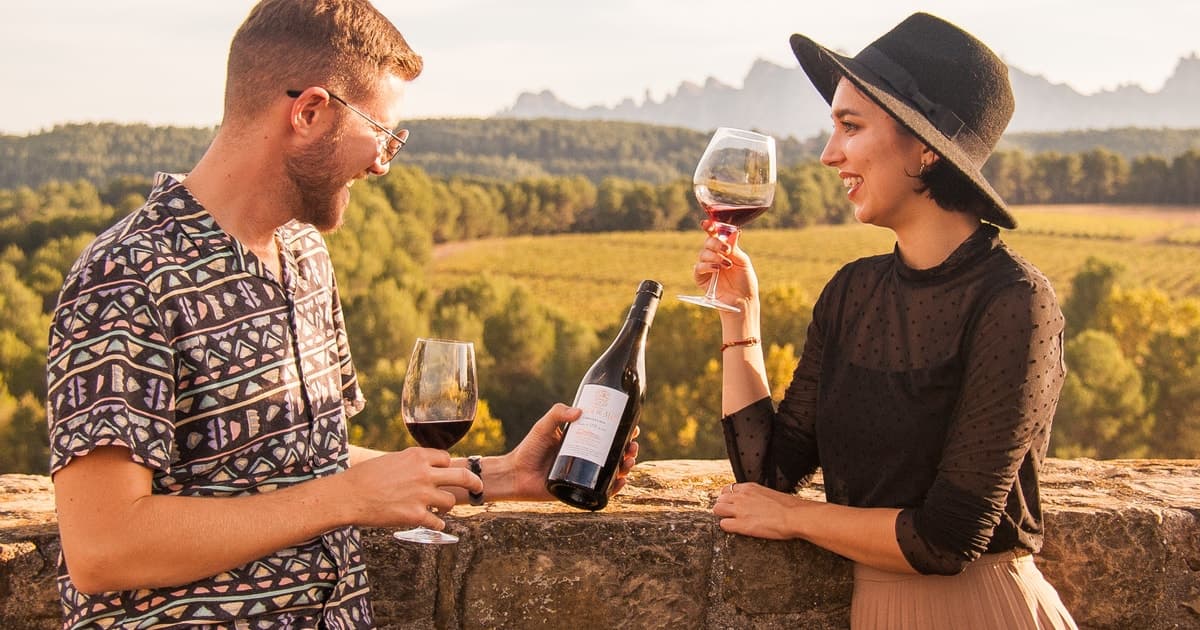
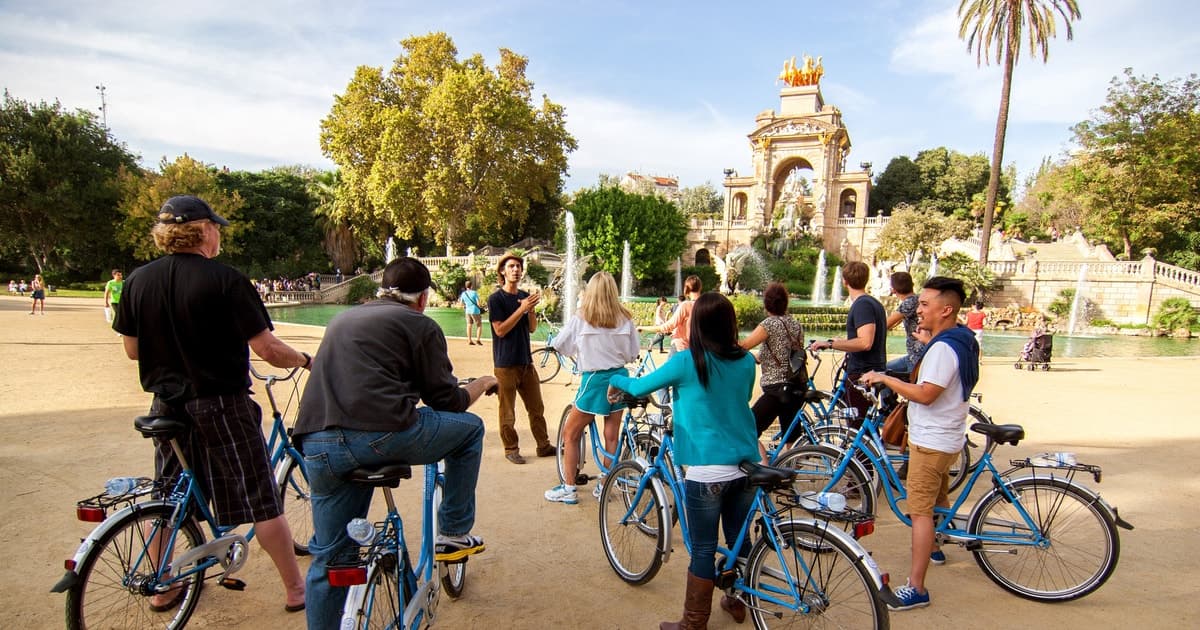
These outings suit travellers who like clear timings, organised transport and a defined structure. If you prefer to stay active in town, bike and e-bike tours that include tapas stops offer a similar reward but with shorter overall commitments.
When planning, think about how many major sights you also want to fit into your stay and reserve longer excursions early, as vineyard capacities and mountain access are carefully managed. Check GuruWalk’s activity catalog to see the latest prices and departure patterns.
🚆 Day trips versus city rides
- Montserrat days: mountains, monasteries and countryside cellars.
- City or coastal bikes: shorter rides with frequent photo stops.
- Evening rides: cooler air and illuminated landmarks.
🗺️ Practical advice for longer outings
- Wear layers for changing mountain or evening weather.
- Carry a reusable bottle for water between tastings.
- Keep the following morning relatively light in commitments.
Frequently asked questions about tapas tours in Barcelona
Are tapas tours in Barcelona worth it?
For most visitors, a guided tapas tour is an efficient way to understand food and neighbourhoods at once. You get curated bars, help with menus and context, and avoid the trial-and-error of guessing where locals actually go.
What is a tapas tour in Barcelona?
A tapas tour is a structured walk between several bars, led by a guide who orders a mix of small plates and drinks to share. Along the route you hear stories about local history, produce and bar culture instead of eating one dish in one place.
How do locals enjoy tapas in Barcelona?
Locals usually treat tapas as an informal way to catch up with friends, not a rushed checklist of dishes. They order a few plates at a time, stand or sit at the bar, and add more food only if the conversation keeps flowing.
What is the best time to eat tapas?
Bars become lively from the early evening, while locals often stretch their dinners to later hours. If you want space, arrive earlier; if you prefer a packed atmosphere, choose tours that finish closer to typical local dinner time.
How many tapas per person in Barcelona?
As a simple guideline, two or three shared plates per stop usually feel enough, especially when drinks are included. On guided tours, quantities are already planned, so you can focus on flavours rather than counting portions.
What are the rules for eating tapas?
Etiquette is straightforward: share plates, try a bit of everything and avoid blocking the bar counter. Listen when your guide or server explains a dish, and do not worry about leaving a little food once you are full, especially on multi-stop evenings.
Is it rude not to tip in Barcelona?
Service is officially included, so not tipping is not considered offensive, particularly for quick snacks or simple drinks. On the other hand, rounding up the bill or leaving a small extra for your guide is a discreet way to reward good service.
Is a food tour in Barcelona worth it?
Beyond tapas-only evenings, a wider food tour can introduce you to markets, bakeries and full dishes you might miss on your own. Many travellers book one early in their stay, then use the tips and addresses to eat confidently afterwards.
What is a must eat in Barcelona?
Classic choices include bread with tomato, croquettes, local cured meats and seafood bites, which appear often across different stops. A well-designed tapas tour weaves these staples with regional specialities so you taste the city’s essential flavours in one route.
Discover related activities in Barcelona