Market Tours in Barcelona


Last update:
Continue planning your trip to Barcelona
- Free tour
Free Tours in Barcelona
Guided Tours
Tickets & Passes
Park Guell Tours
Sagrada Familia Tickets
Shows & Performances
Day Trip to Montserrat from Barcelona
Bike Tours
Food Tours
Park Guell Tickets
Tapas Tours
Gothic Quarter Walking Tours
Boat Tours
Day Trip to Girona from Barcelona
Wine Tours
Picasso Museum Guided Tours
Casa Mila (La Pedrera) Tours
Camp Nou Museum Tours
Market Tours
Day Trip to Wine Country from Barcelona
Other Experiences
Day Trip to Tarragona from Barcelona
Day Trip to Pyrenees from Barcelona





Barcelona market tours: La Boqueria, tapas and real city life
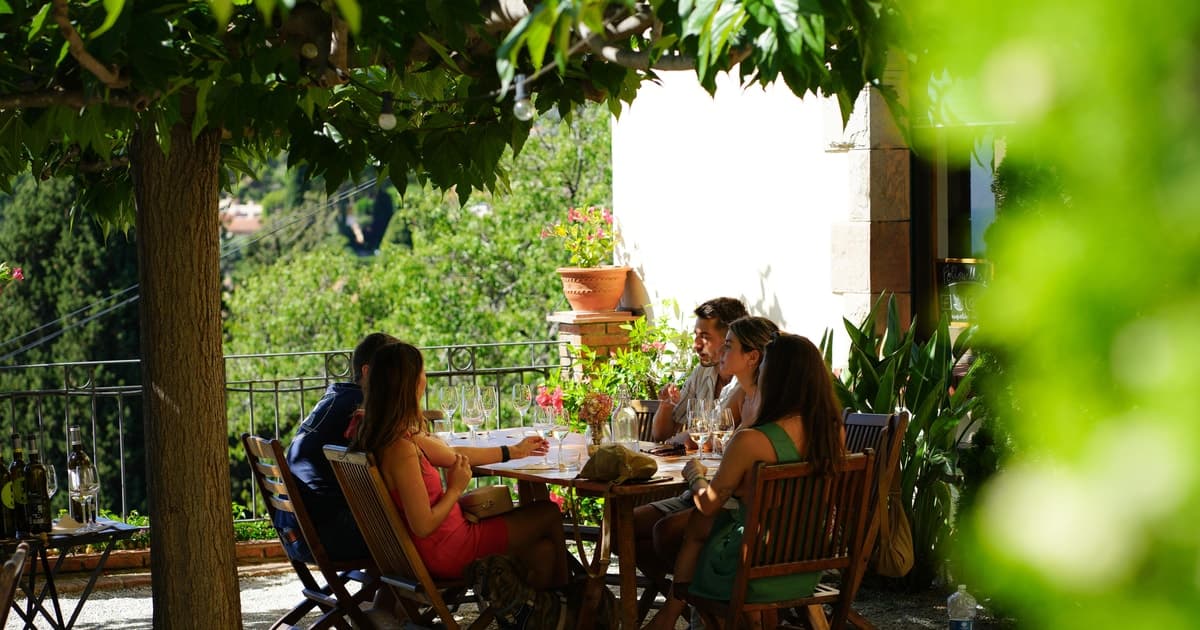
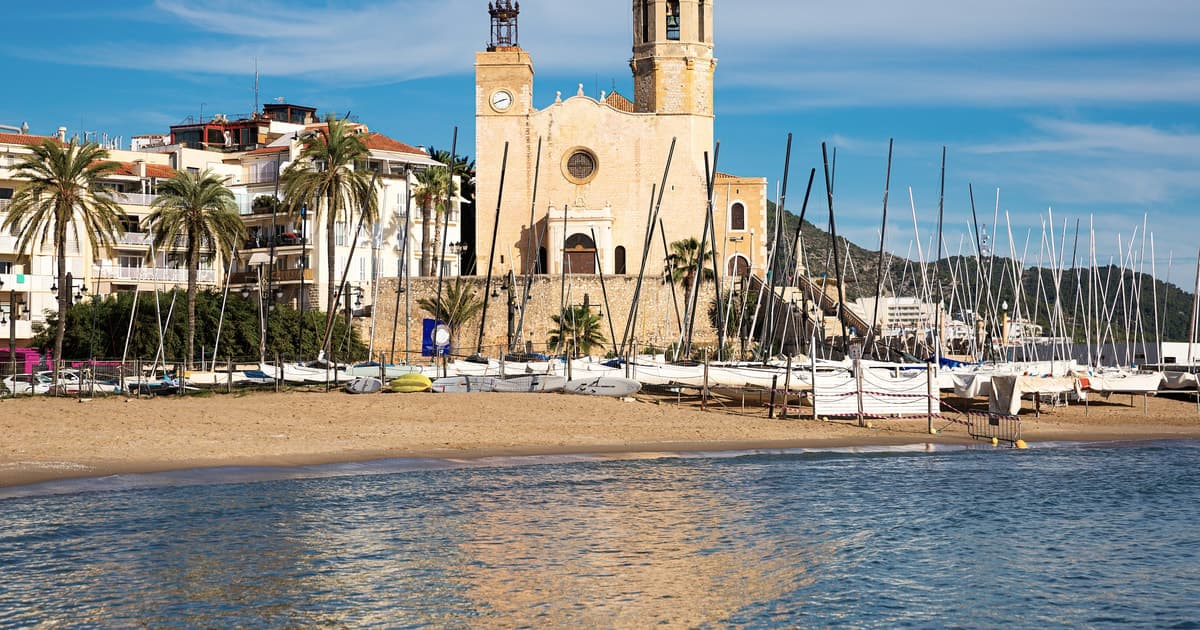
In Barcelona’s markets, the city’s rhythm is on display: La Boqueria buzzing from early morning, quieter aisles in Santa Caterina and Sant Antoni, and farmers stalls near Montserrat where cheese and olives travel straight from the countryside. Our catalog of activities moves from short tastings and street food walks to paella cooking days that start at the stalls and finish around the table, with options that combine markets, neighbourhoods and even major landmarks so you can decide how deep you want to dive into local food culture.
📚 Choose your experience
La Boqueria and historic markets
First immersion in Barcelona’s market culture.
Tapas and market lunches
Relaxed tastings at stalls and counters.
Paella classes with market visit
Cook from scratch after shopping the stalls.
Multi-market routes
Linked markets and local neighbourhood walks.
Markets with landmarks
Food experiences near Sagrada and Montserrat.
Frequently asked questions
Safety, timings and which market to choose.
La Boqueria and Barcelona's iconic markets
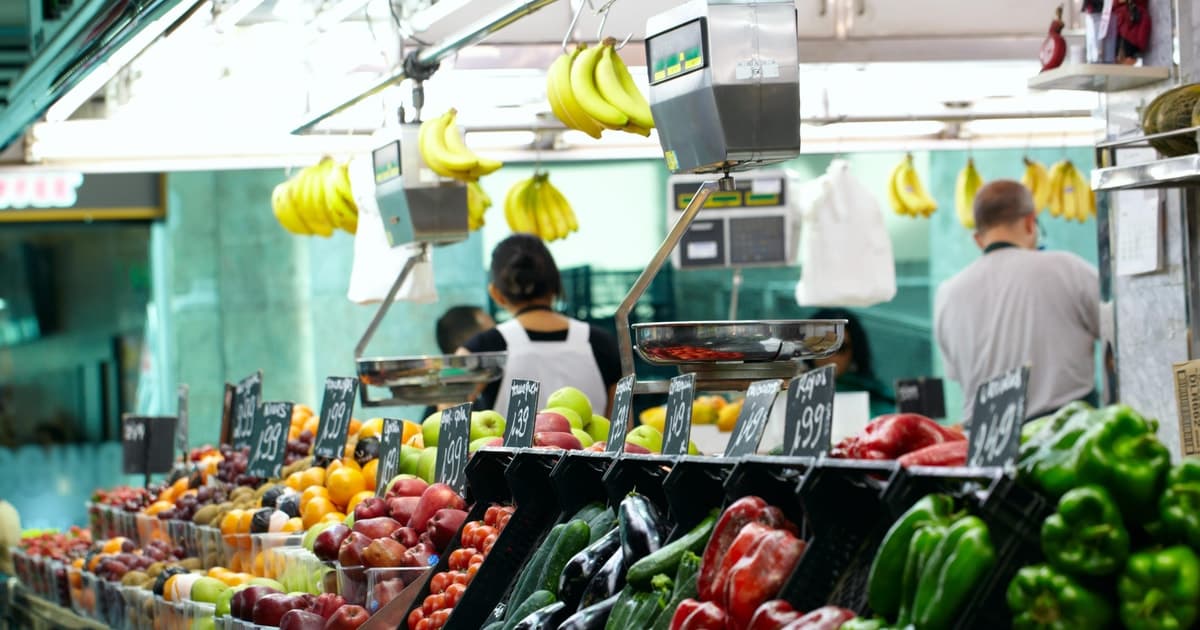
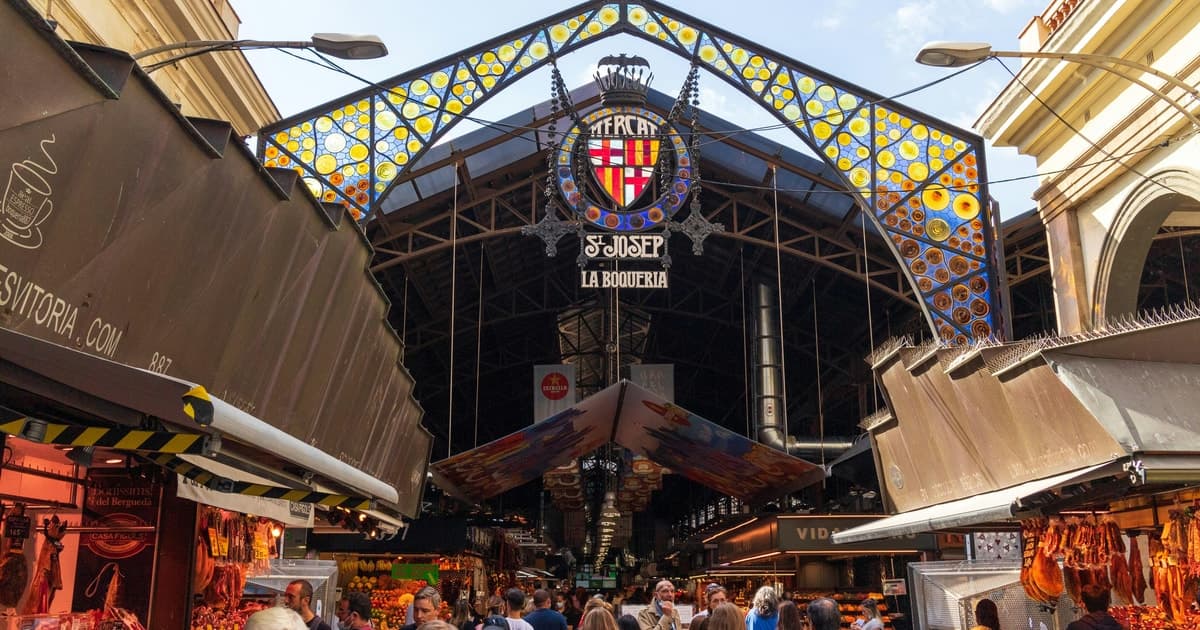
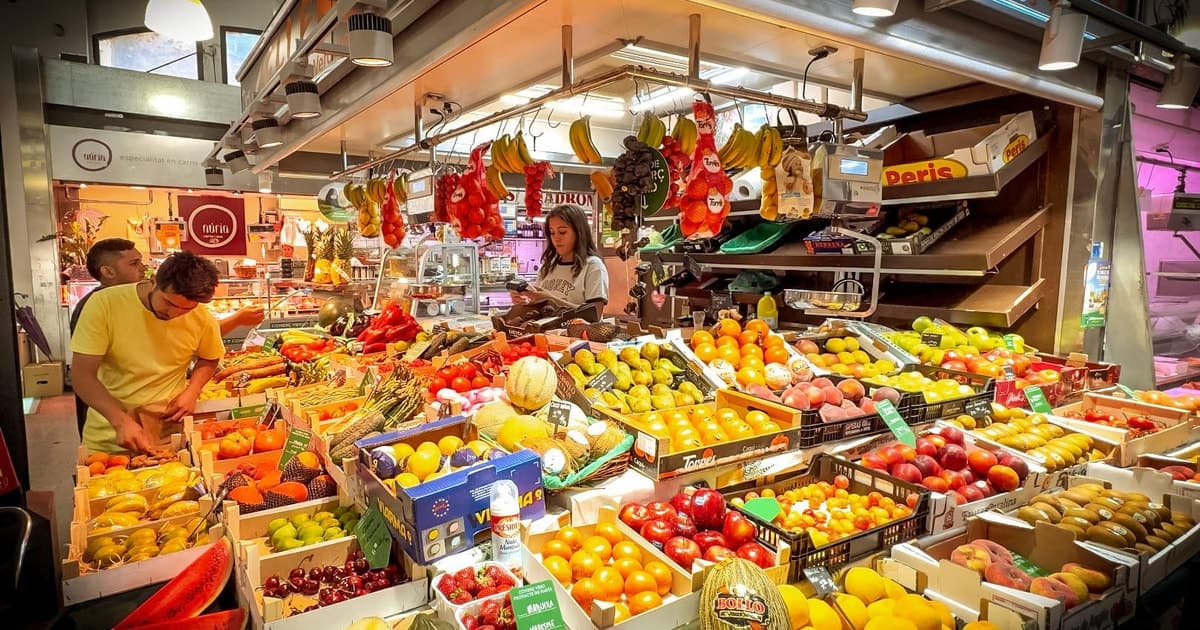
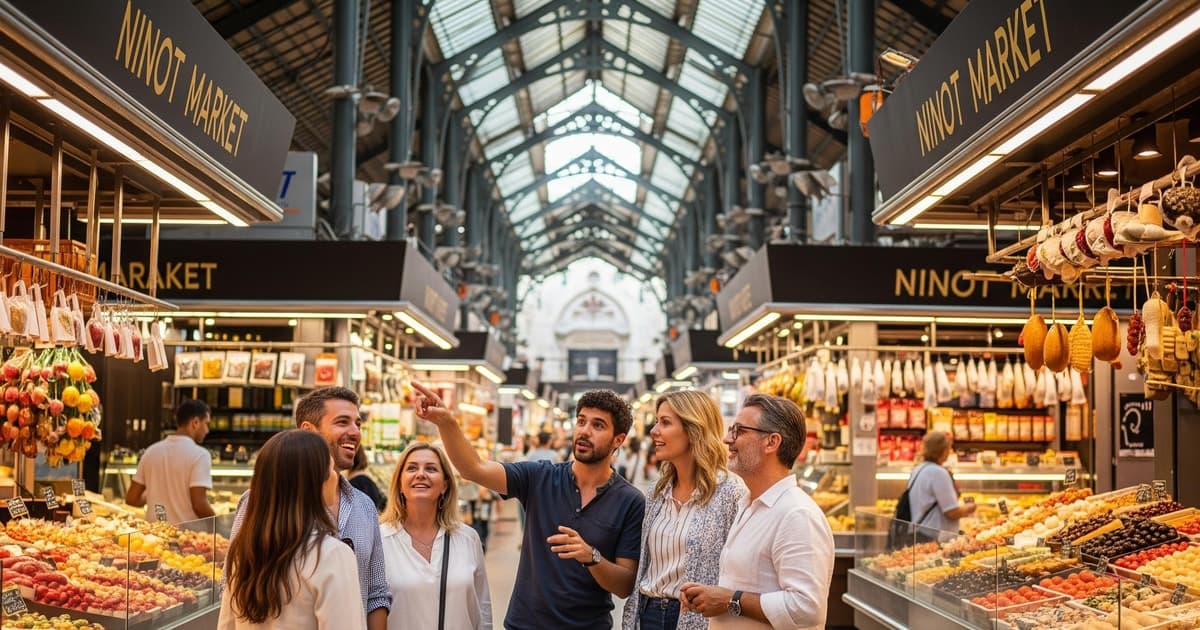
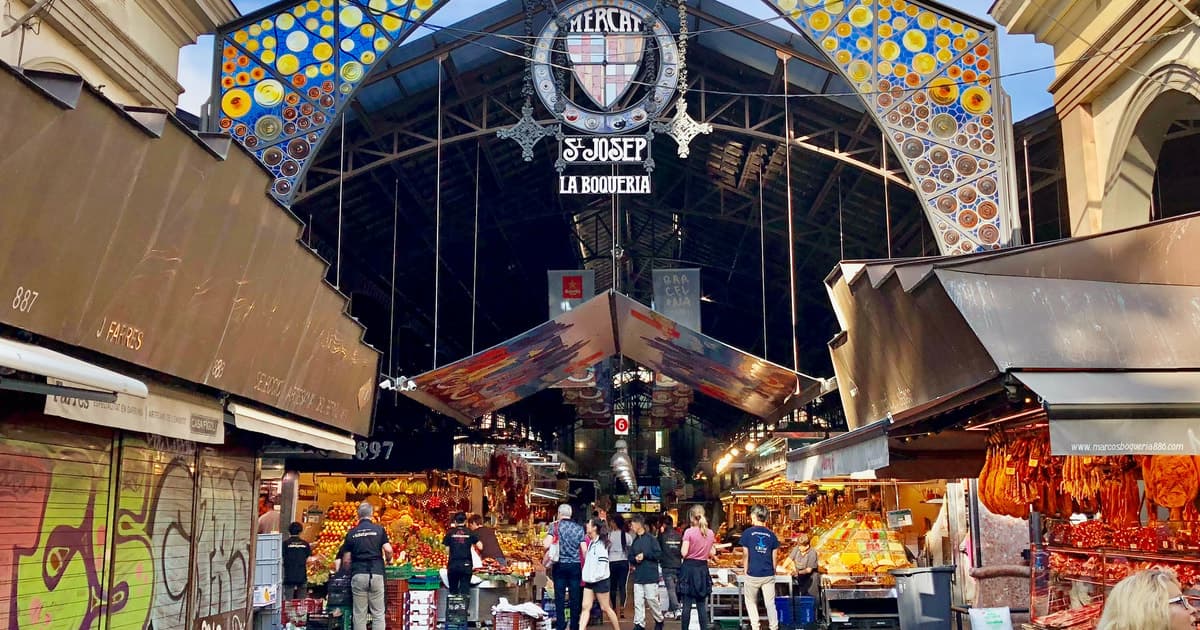
Around La Boqueria, the first impression is noise and colour: fruit piled in precise pyramids, fishmongers calling regular clients by name and the smell of grilled seafood drifting from bar counters. Guided market tours help you read what is behind the display, from seasonal produce to why locals still cross town for Santa Caterina or Sant Antoni instead of settling for the nearest supermarket.
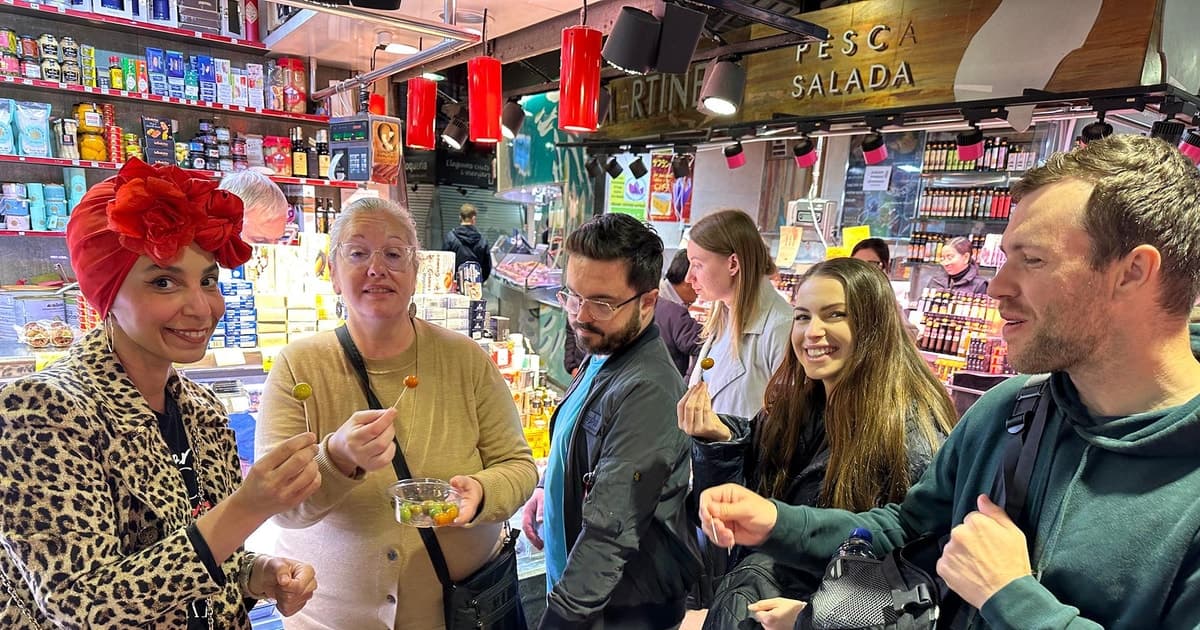
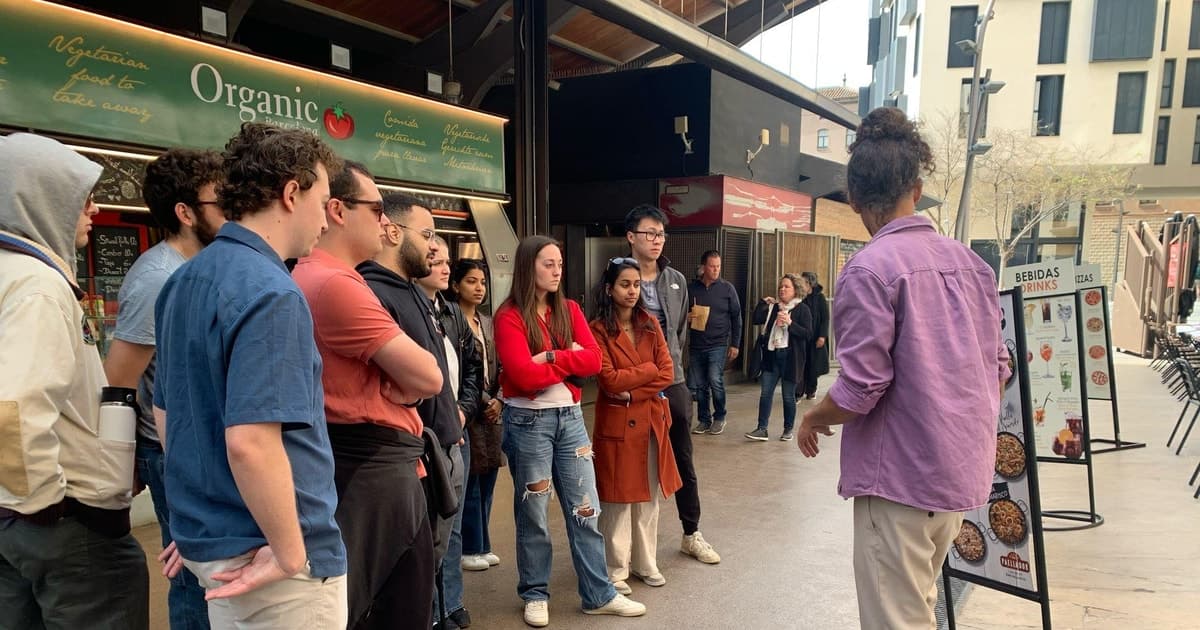
Many of these experiences start very early to avoid the densest crowds at La Boqueria, then move on to calmer aisles where you can actually talk to vendors and taste at the pace of a conversation. Some routes stay almost entirely inside the markets, while others weave out into nearby squares and back streets, giving you a clear mental map of the old town.
If you want to expand from markets into bakeries, vermouth bars and dessert stops, our Barcelona food tour product page gathers routes that complement these visits with broader tastings across the city.
🧭 When a La Boqueria tour works best
- Choose very early departures for thinner crowds and fresher stalls.
- Look for routes that add Santa Caterina or Sant Antoni for a less touristy contrast.
- Stay close to your guide at the entrance to sidestep selfie bottlenecks.
- Use the visit to ask about ordering etiquette at market bars.
Tapas and market lunches in Barcelona
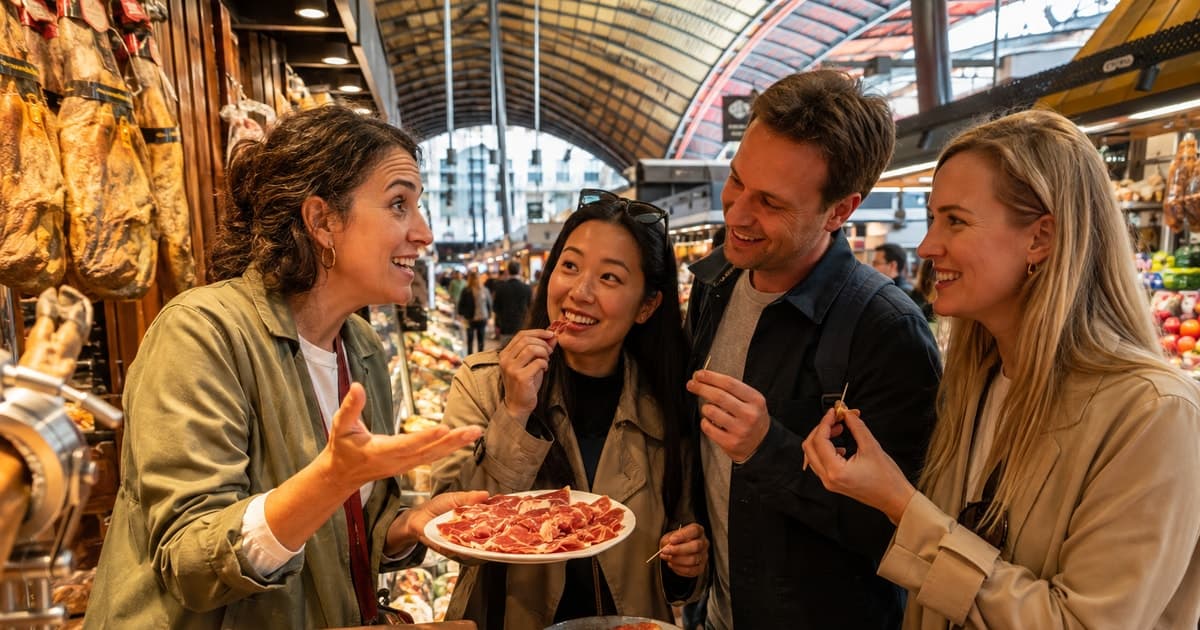
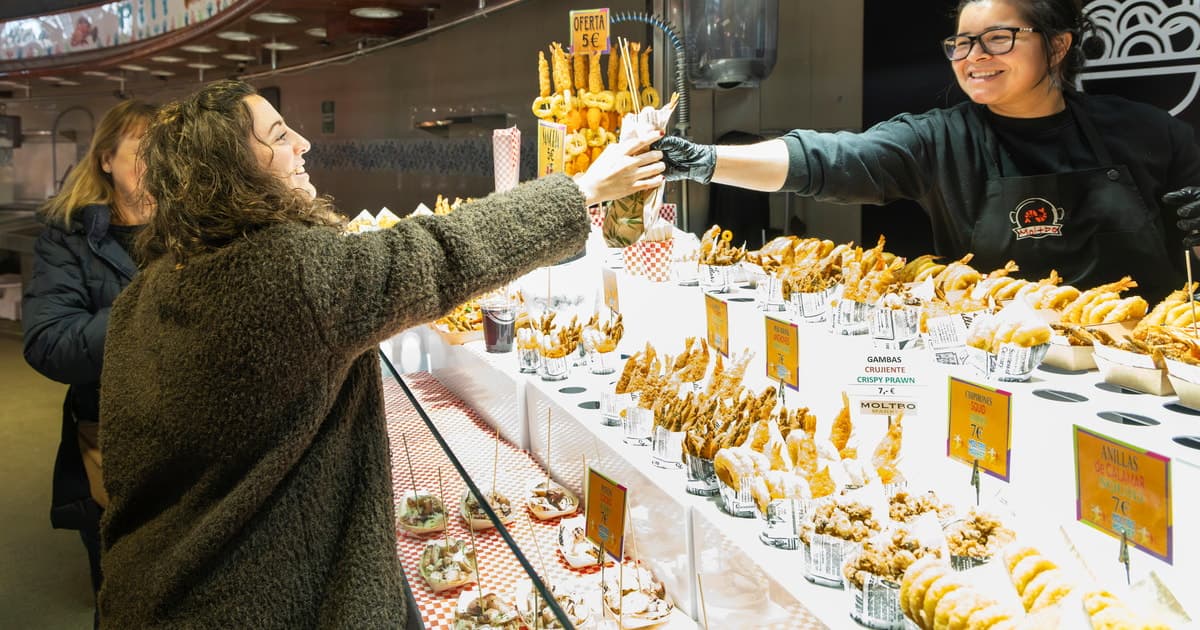
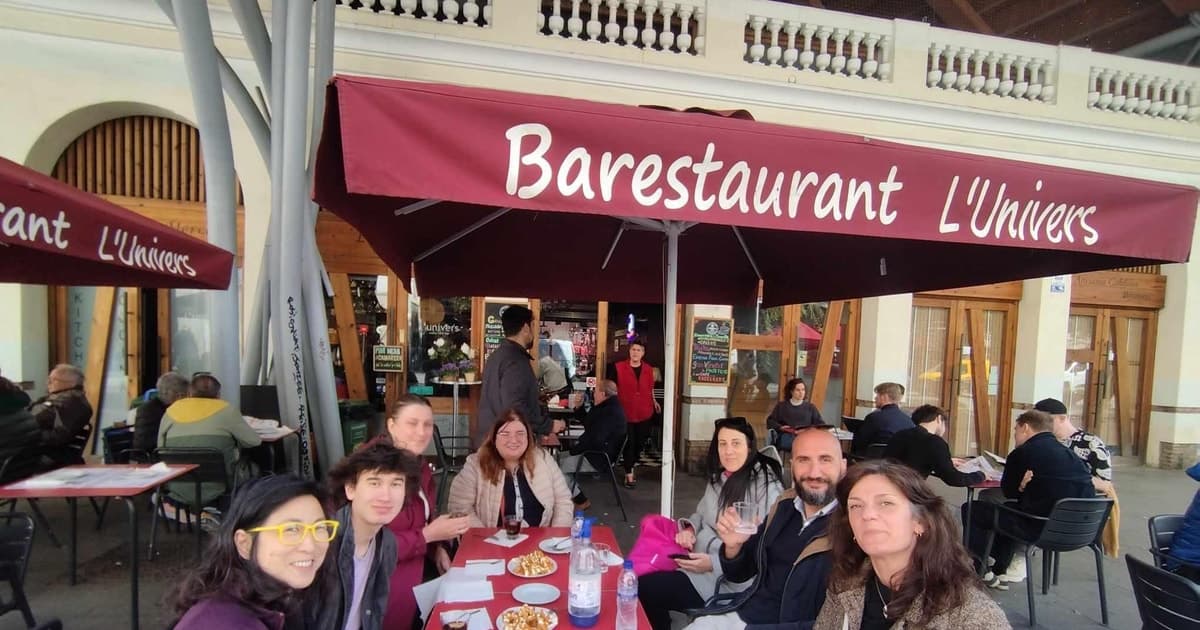
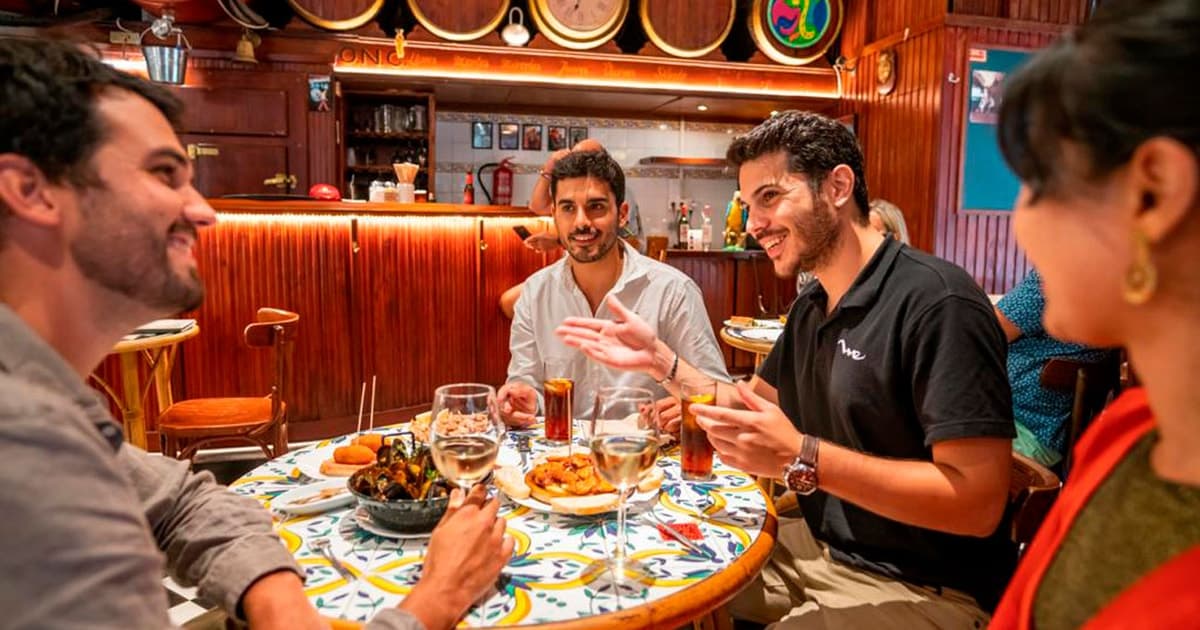
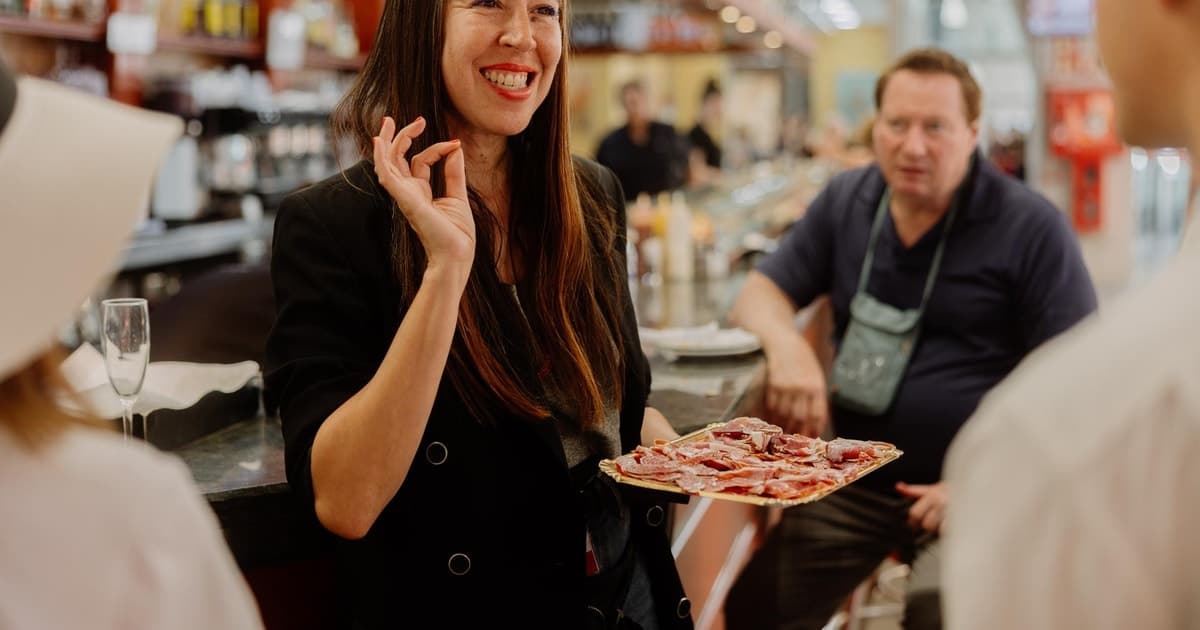
Tapas-focused market tours turn the stalls into a progressive lunch counter: a bite of cured ham here, a forkful of tortilla there, a final stop for a sweet or coffee at a corner bar. The atmosphere is informal and social, with guides using tastings to explain how locals actually eat at markets on workdays.
Some experiences lean towards a seated lunch at a traditional counter, others keep you moving between bars and small bites, which is ideal if you want to sample many flavours without a heavy meal. Midday departures suit travellers who like to combine culture in the morning and a long, relaxed lunch tucked into the market.
For evenings centred more on bar hopping than on produce, the dedicated tapas tour page in Barcelona gathers routes that leave the markets behind once they close and focus on busy night-time tapas streets instead.
🍷 How tapas market tours compare
- Market tapas walks feel livelier and noisier than quiet restaurant tastings.
- Street food routes mix stalls with quick bites at simple counters.
- Lunch tours suit families; evening tastings attract small groups of friends.
- Guides help you order in Spanish or Catalan for a more local interaction.
Paella cooking classes with market visit
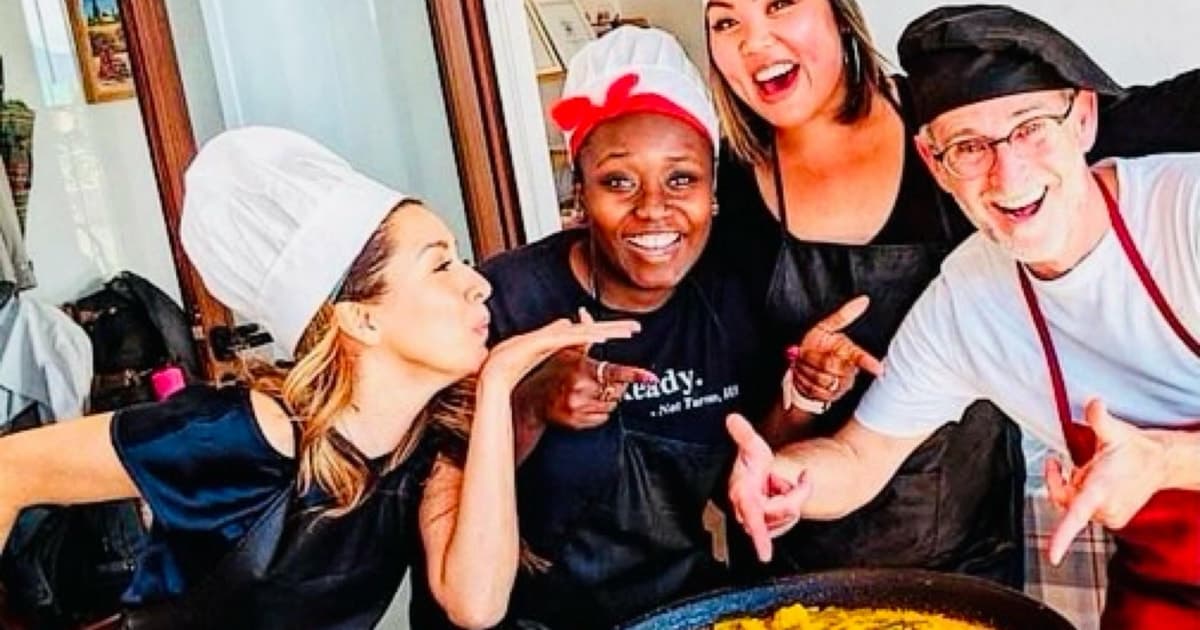
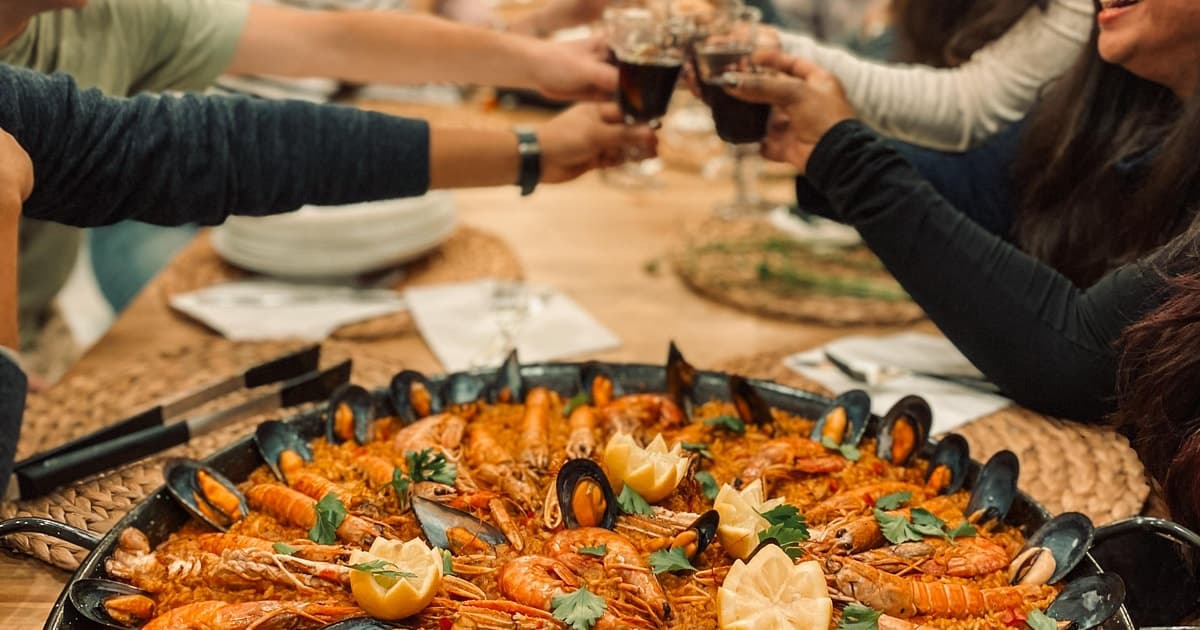
Market-and-paella experiences start with choosing ingredients among the stalls, then move into a kitchen where a chef turns that shopping list into a structured class. Along the way you learn why certain rice varieties are favoured, how stock is built and which tricks separate a good paella from a forgettable one.

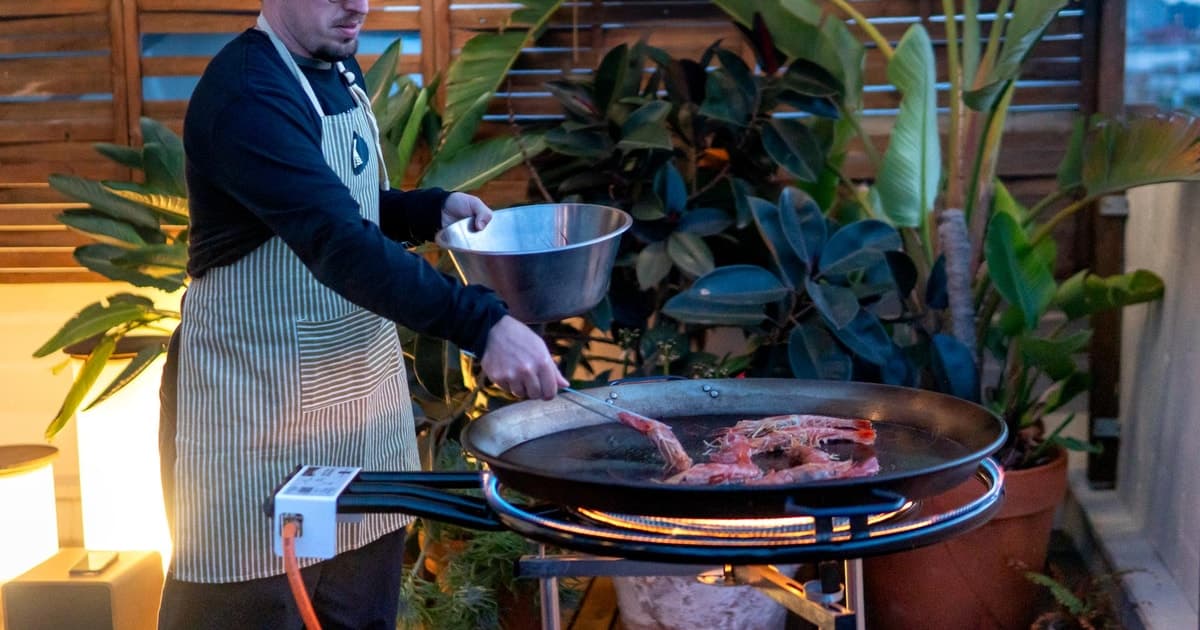
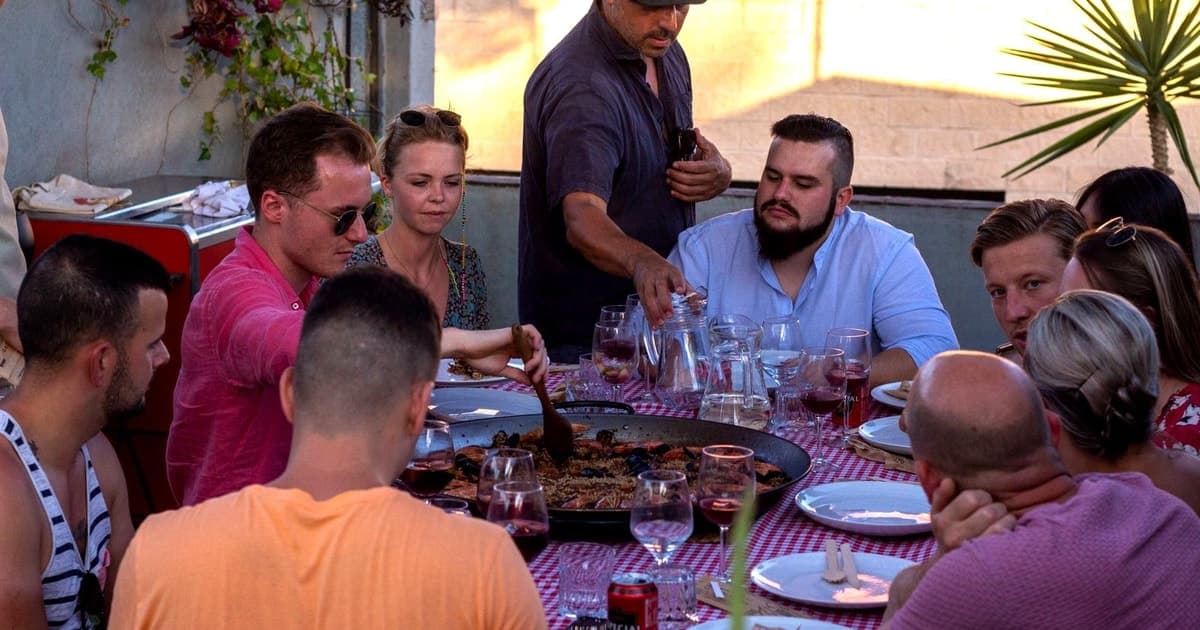
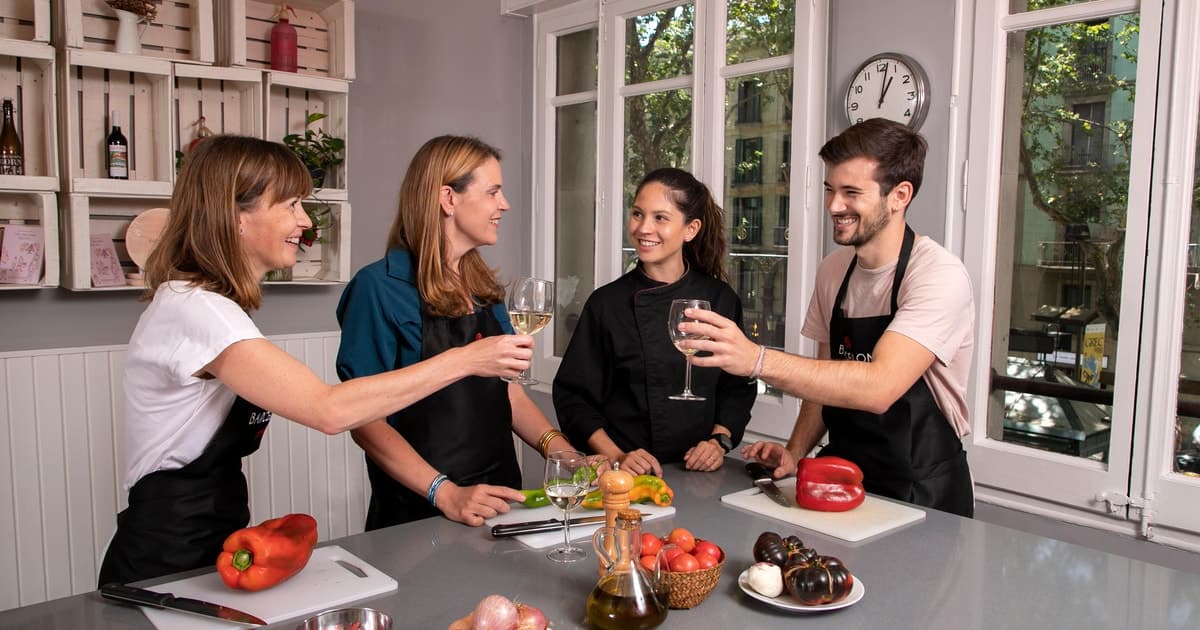
Formats range from shared sessions with travellers from many countries to private classes with a personal chef, ideal for celebrations or families who want extra attention. Because you sit down to eat what you have cooked, these activities naturally fill a big part of the day and work well as a main plan rather than an add‑on.
If you prefer cooking experiences that do not depend on a market visit, the Cooking Class Barcelona guide lists sessions focused on other recipes, techniques and neighbourhood kitchens.
👩🍳 Choosing your paella experience
- Shared classes feel more social and budget friendly.
- Private formats offer flexible menus and pace.
- Look for classes that explain regional rice traditions in context.
- Check whether vegetarian or special diet options are clearly handled.
Multi-market routes and favourite local tastings
Some Barcelona market tours are built as loops through several covered markets in one outing, linking places locals actually use for weekly shopping with more iconic stops. Along the way, guides often add small bites, stories about how each neighbourhood has changed and short detours into nearby streets or squares.
These routes suit travellers who want to understand the city beyond the old town ring in limited time, because you hear how gentrification, immigration and rising rents show up first in food stalls. Some versions use bikes or e‑bikes, which extend the radius without rushing the story, while walking formats stay compact and spend longer inside each market.
Compared with a single‑market visit, multi‑market itineraries place more weight on context and comparison than on in‑depth stall chats, which makes them ideal early in the trip, before you return alone to the market that best matches your taste.
🚶 Walking pace and energy levels
- Compact walking tours favour in‑depth time at each stop.
- Bike options let you see more districts in one morning.
- Check total duration if travelling with children or older relatives.
- Ask your guide where to return later for self‑guided shopping.
Markets with landmarks, Montserrat and day trips
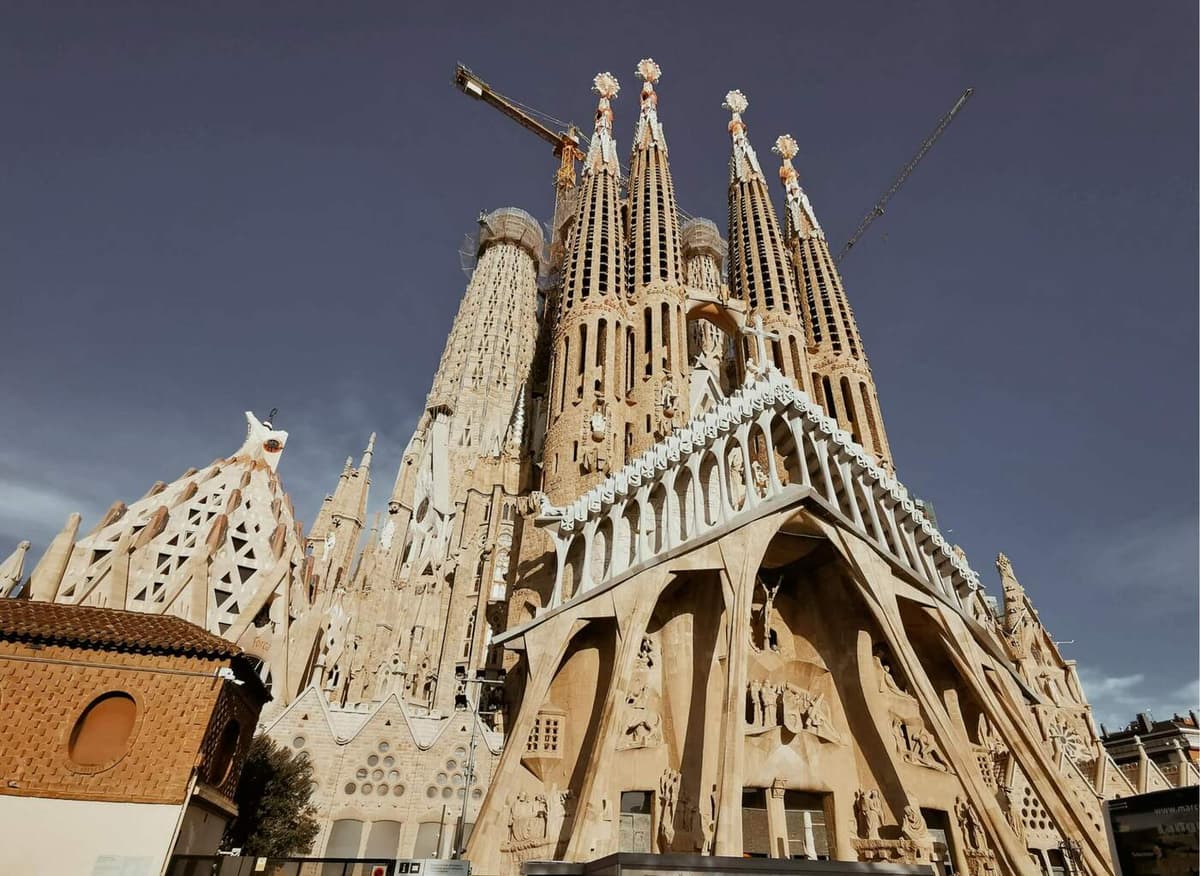
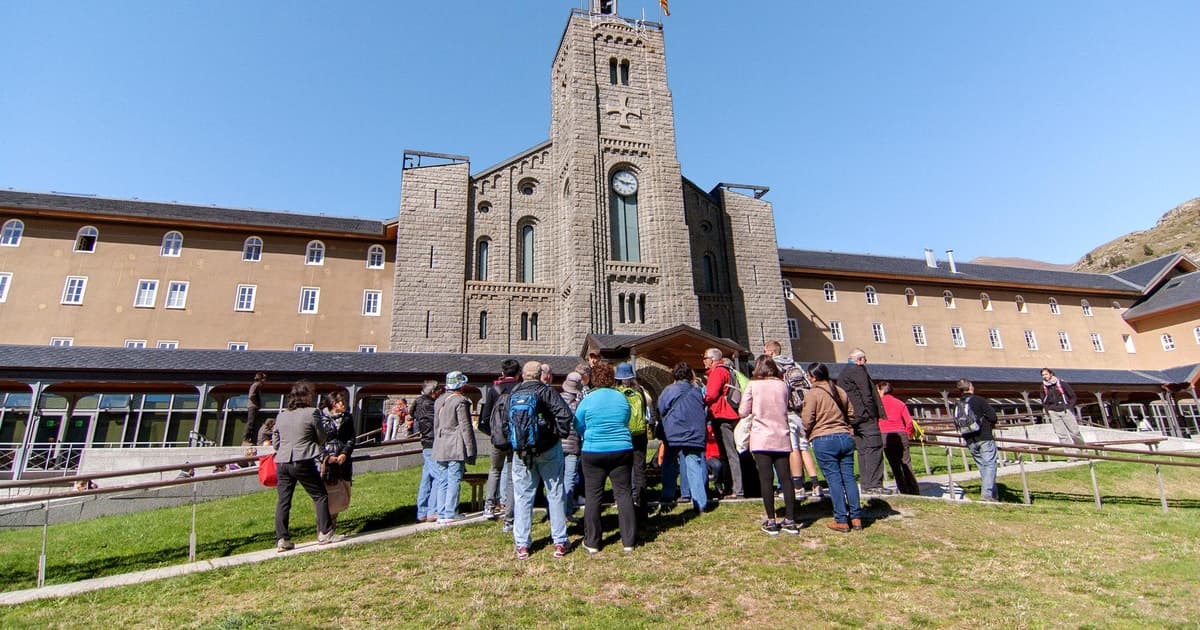
Beyond the centre, some experiences tie farmers markets to big‑ticket sights: tasting cheese and honey near Montserrat after a nature walk, or ending a Sagrada Familia visit with time at a nearby local market. This combination softens the line between “sightseeing” and “food tour”, so you finish iconic visits with a concrete sense of what people nearby actually eat.
Montserrat outings are usually full‑day experiences with a clear structure: travel up to the mountain, walk or visit the monastery, then meet small producers at a farmers market before returning to the city. Market time tends to be calmer and more conversational than at La Boqueria, giving you space to ask detailed questions about production.
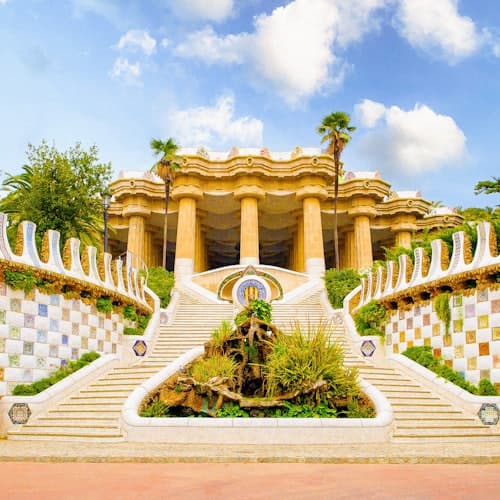
Closer to town, market visits linked to major churches or Gaudí sites focus on how everyday life continues in streets filled with visitors, a useful reminder that Barcelona is a working city. Choose these formats if you like the idea of ticking off key monuments while still keeping food at the centre of the day.
⛰️ Who should pick these combinations
- Great for visitors who want one structured day outside the centre.
- Ideal if you enjoy meeting small producers face to face.
- Works well for mixed groups where some prefer views and nature.
- Take comfortable shoes; market floors and monastery paths add up in distance.
Frequently asked questions about Barcelona market tours
Is the Boqueria market worth visiting?
La Boqueria is worth it if you treat it as a guided introduction rather than a quiet local secret: the crowds are real, but with a structured visit you get early access, context about products and reserved space at selected stalls. Travellers who prefer calmer scenes often combine La Boqueria with other markets in our catalog of activities to balance intensity with more everyday atmospheres.
Which market should I visit in Barcelona first?
For a first visit, La Boqueria gives the widest snapshot of local and international produce in one place, while Santa Caterina and Sant Antoni feel more balanced between neighbours and visitors. A market tour that combines at least two of them helps you see how the same ingredients appear differently in each district, which is hard to grasp if you only walk through one hall on your own.
What are the best days to go to the markets?
Markets feel most authentic on regular weekdays, especially in the morning, when local shoppers are stocking up and restaurant buyers swing by. Weekends tend to be busier with visitors, so if your schedule is flexible, choosing a mid‑week market tour gives you more room at counters and clearer interaction with vendors.
Is Boqueria market just a tourist trap now?
La Boqueria has a strong tourist presence, especially around the main aisles, yet behind the camera lines there are still long‑standing vendors, serious produce and bars where locals eat. Guided visits help you skip the purely photogenic stalls and focus on reputable counters and tastings that keep quality as the priority.
Is it safe to walk around Barcelona's markets at night?
Most covered markets run on daytime schedules and are closed at night, so evening activity moves to surrounding streets and bars rather than the stalls themselves. Central areas like La Rambla can feel crowded after dark, but sticking to main routes, staying with your group and avoiding isolated back streets is usually enough for a comfortable visit.
How can I avoid pickpockets in Barcelona's markets?
The simple rules work best: keep valuables in a closed inner pocket or money belt, avoid leaving phones on counters and pay attention in bottlenecks near entrances. On guided market tours, your guide will usually flag riskier spots ahead of time so the group can move through crowded sections with fewer stops and distractions.
What should I wear in Barcelona markets to avoid looking like a tourist?
Locals favour simple, practical clothing and comfortable shoes, especially when shopping at markets or walking between neighbourhoods. Neutral colours, a small cross‑body bag and layers for changing temperatures help you blend in and keep valuables safe, while leaving beachwear and very sporty outfits for clearly leisure‑focused moments.
Is it rude not to tip on a Barcelona market tour?
In Barcelona, tipping is seen as a gesture of appreciation rather than an obligation, especially on guided tours and at market bars. If you felt the guide added real value, leaving a modest tip or rounding up the bill is welcome, but a polite thank‑you and clear feedback are already perfectly acceptable ways to close the experience.
Are tourists being targeted in Barcelona?
Like many popular European cities, Barcelona has opportunistic petty crime in its busiest areas, especially around central boulevards and metro hubs. Joining structured activities, keeping bags closed and visible, and avoiding distracted phone use in tight crowds reduce the risk significantly so you can focus on the food and stories rather than on your pockets.
Discover related activities in Barcelona