Wine Day Trips from Florence
Chianti vineyards and Tuscan estates sit within an hour of Florence, with tastings of Chianti Classico, Brunello and Super Tuscan blends plus countryside lunch.
4.6 out of 5 · 44,661 reviews
Florence connects to Cinque Terre, Siena, Pisa and Chianti wine country within one to three hours. Day trips cover coastal trails, medieval towns and vineyard tours.
Chianti vineyards and Tuscan estates sit within an hour of Florence, with tastings of Chianti Classico, Brunello and Super Tuscan blends plus countryside lunch.
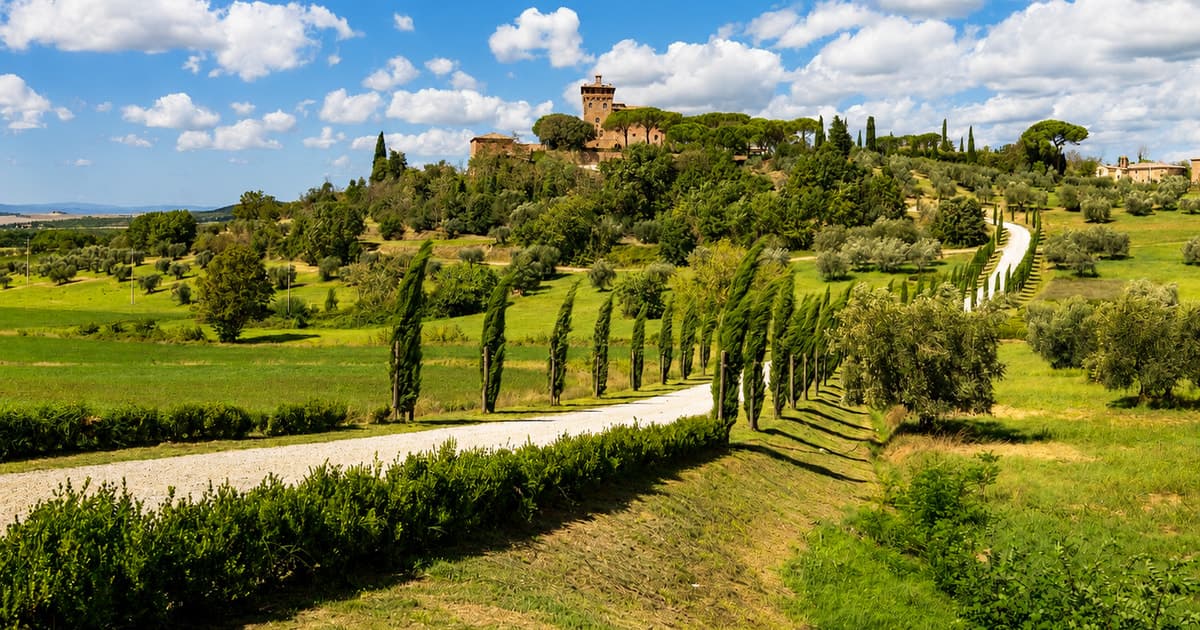
Rolling hills, cypress roads and stone villages define Tuscany just outside Florence. Full-day tours stop in Monteriggioni, Greve and San Gimignano.
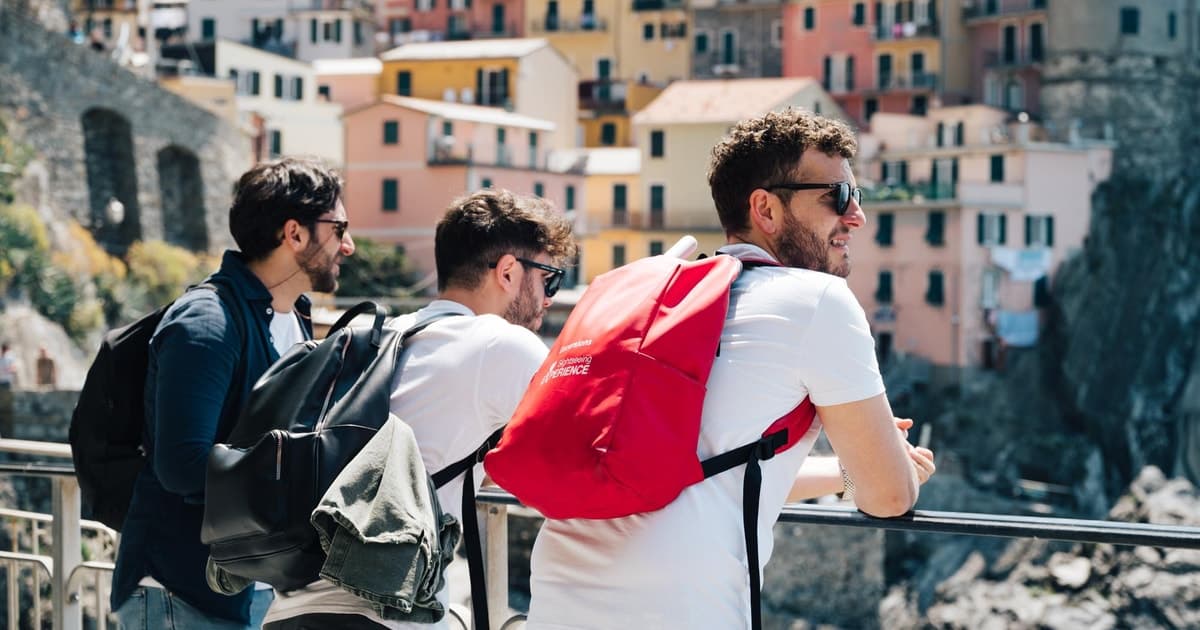
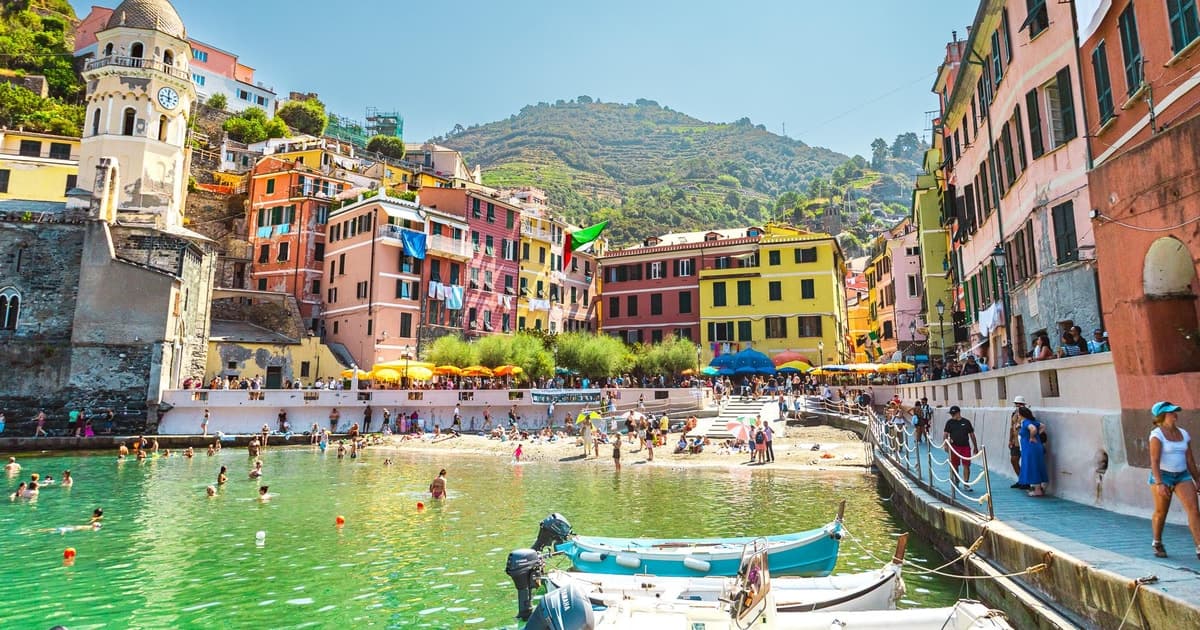
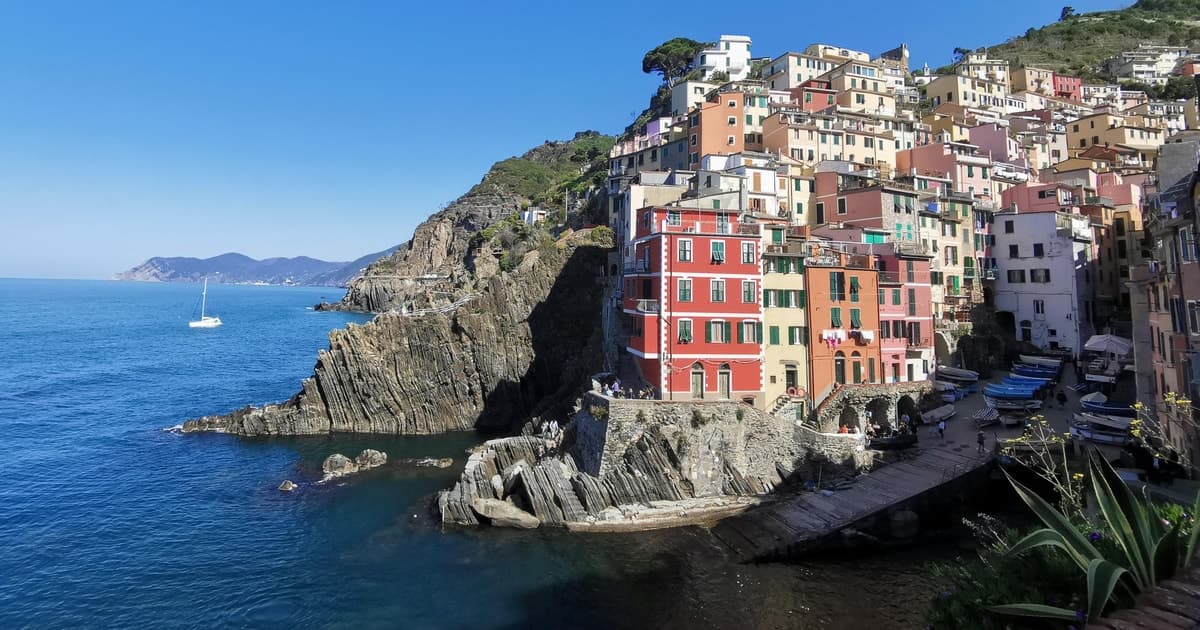
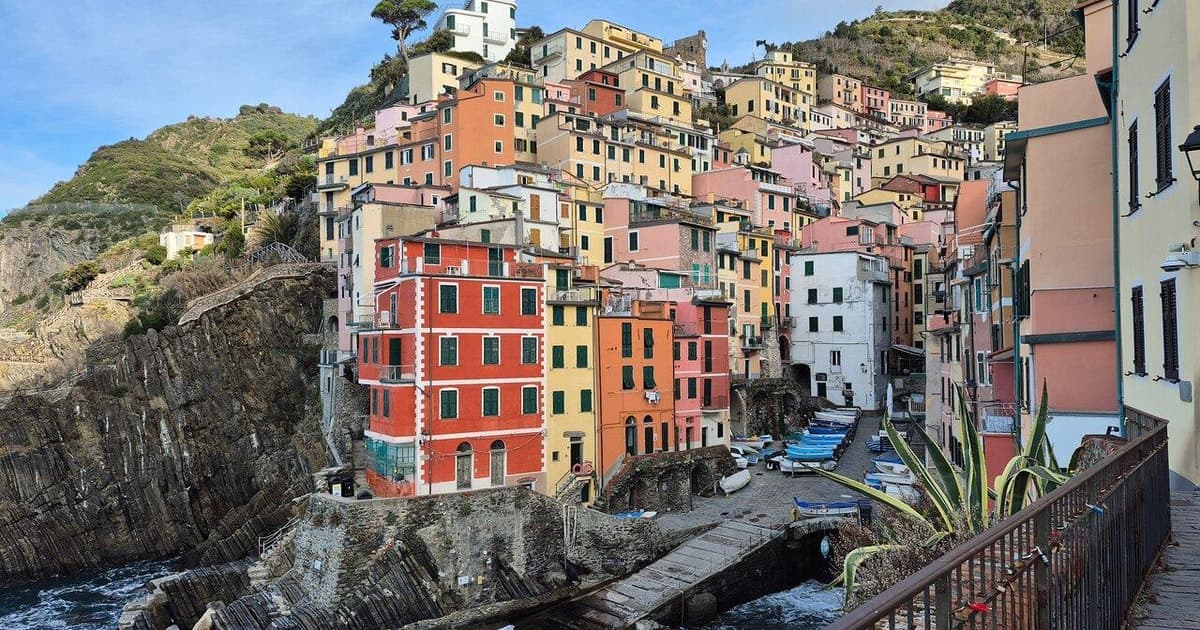
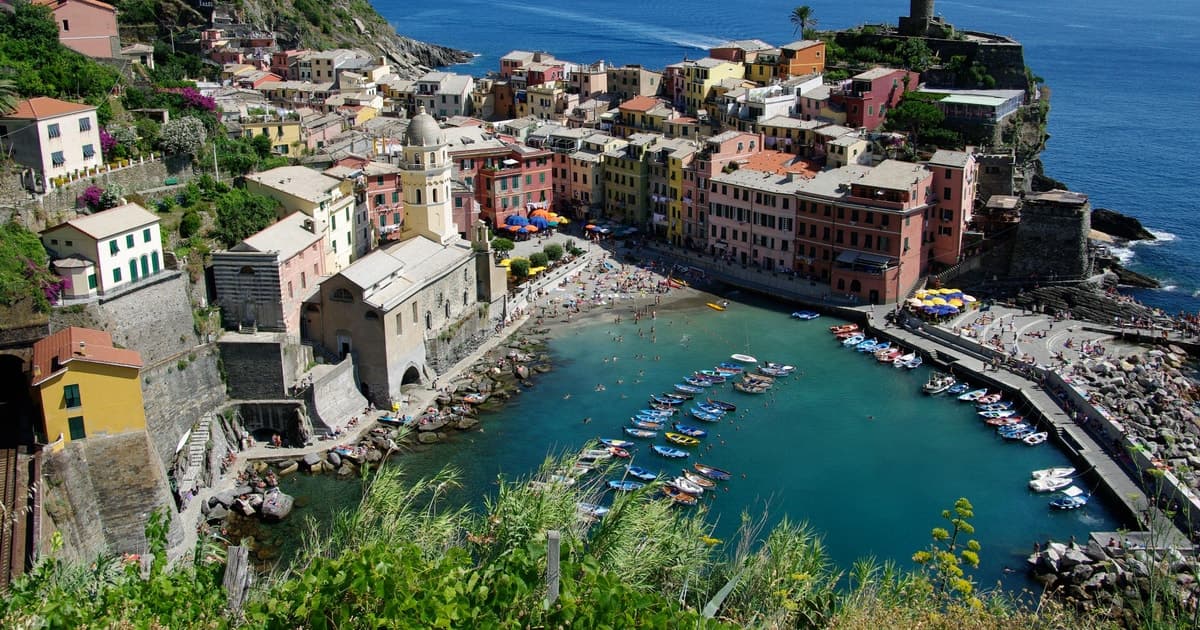
Five cliffside villages connected by trails and trains, about two and a half hours from Florence. Tours cover Monterosso, Vernazza and Manarola with seaside walks.
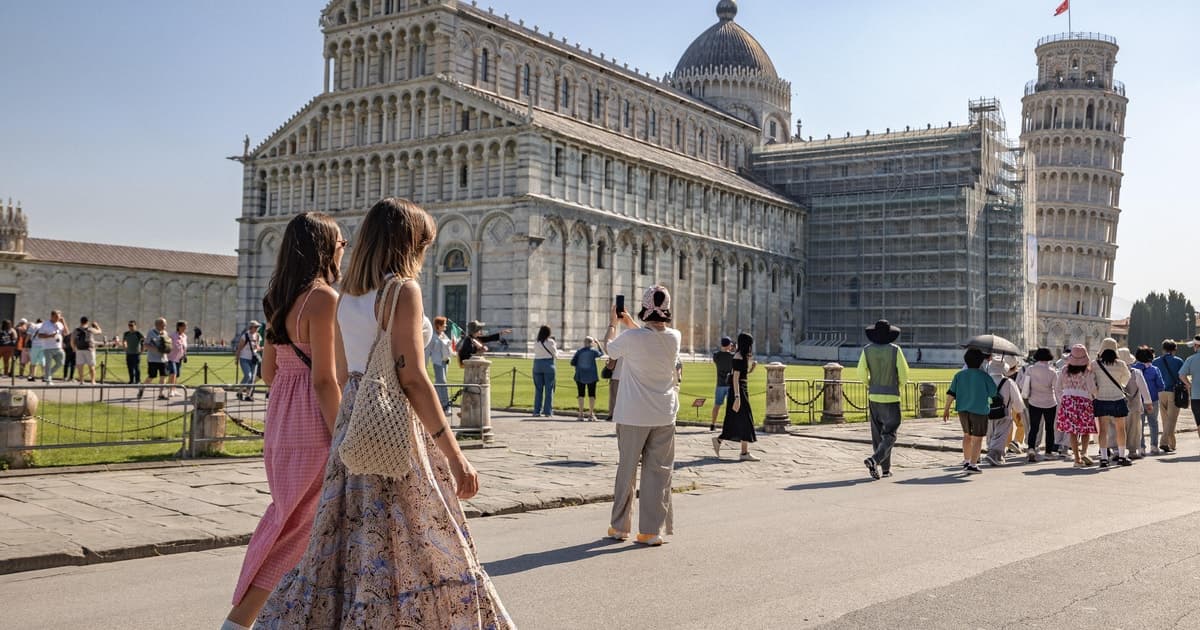
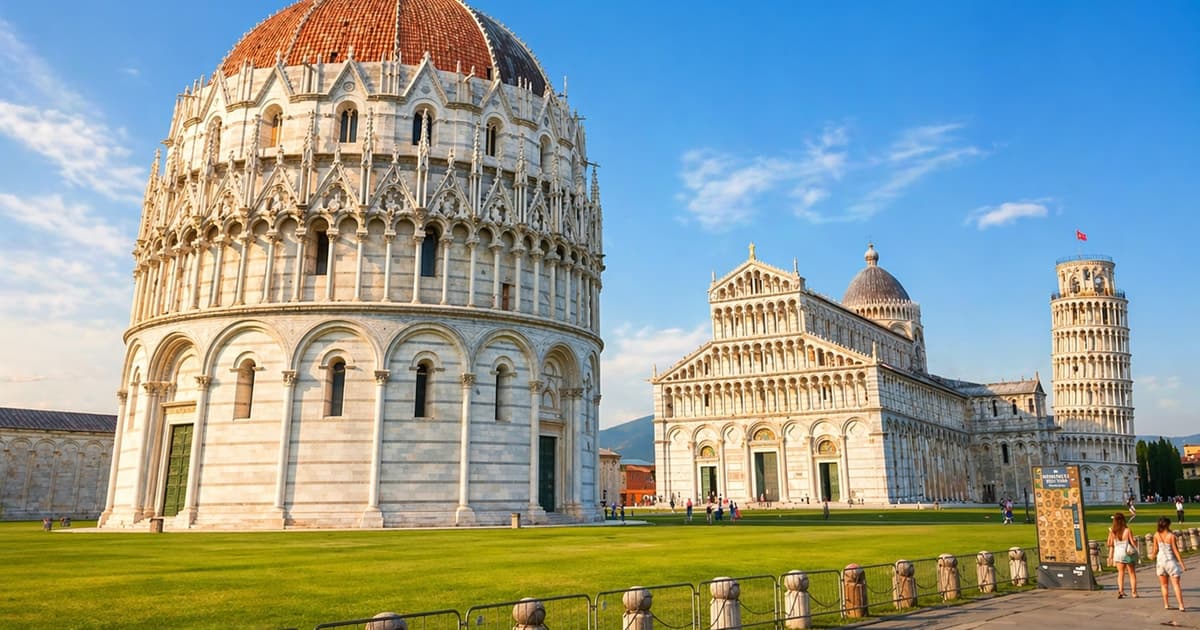
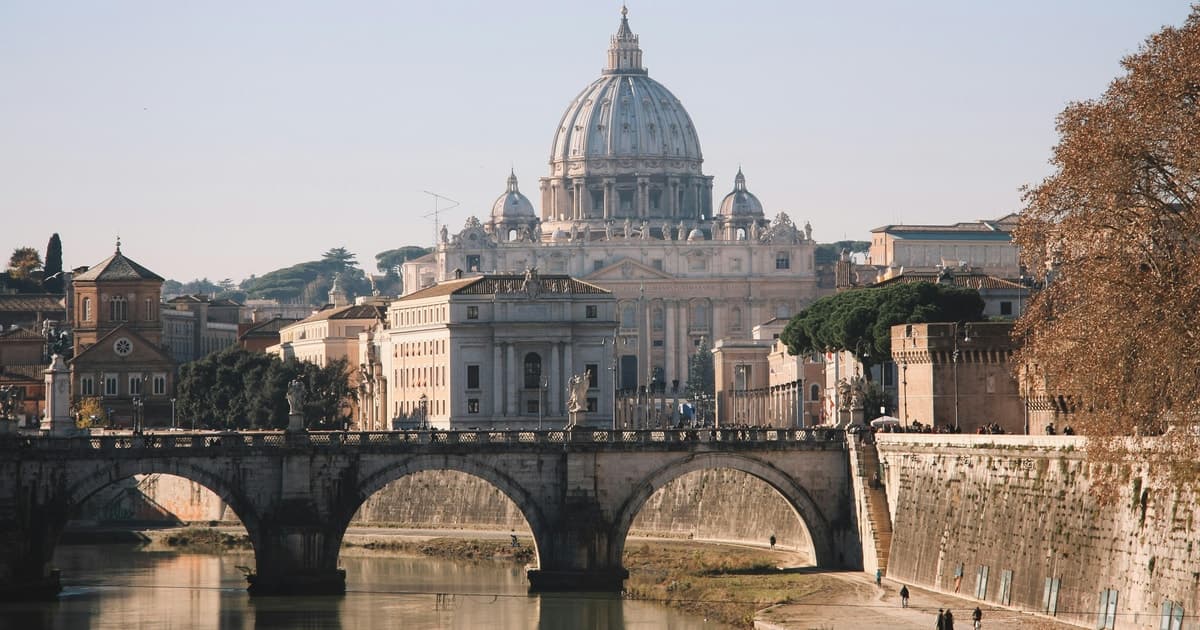
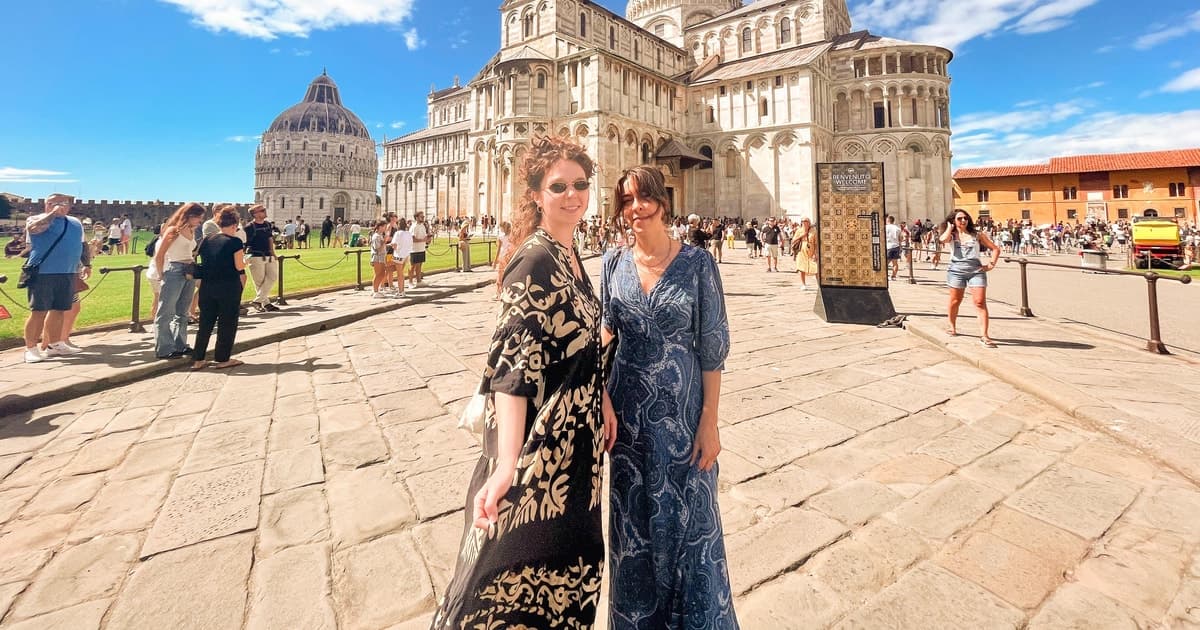
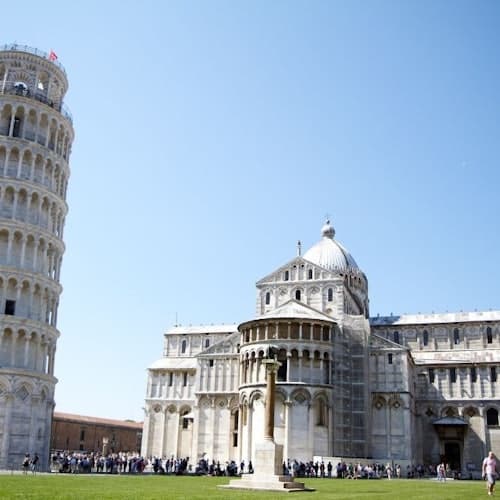
The Leaning Tower and Piazza dei Miracoli sit just over an hour from Florence by train. Half-day tours leave mornings and pair well with a Lucca stop.
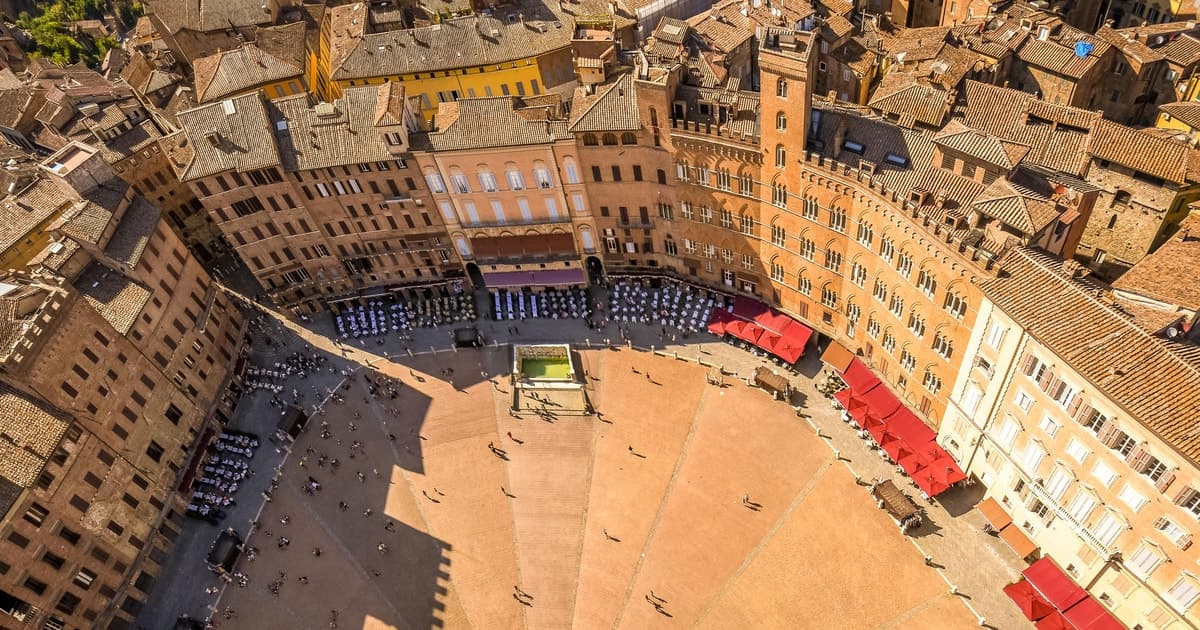
Siena's shell-shaped Piazza del Campo and striped Duomo sit 75 minutes south of Florence. Guided tours cover Contrada history and the Palio tradition.
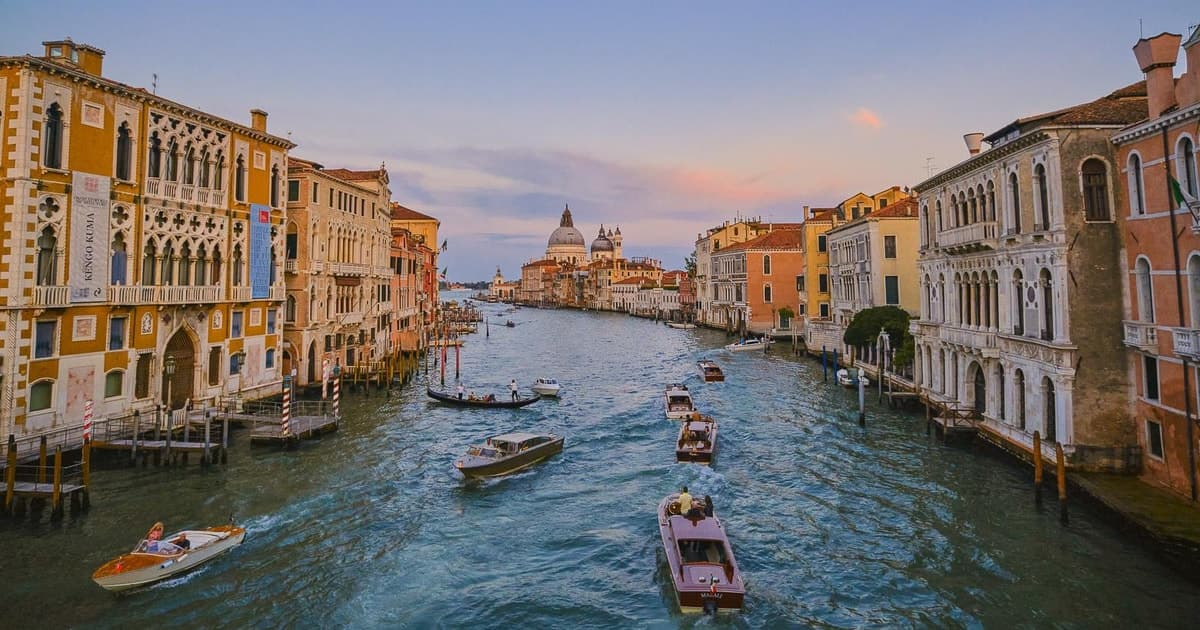
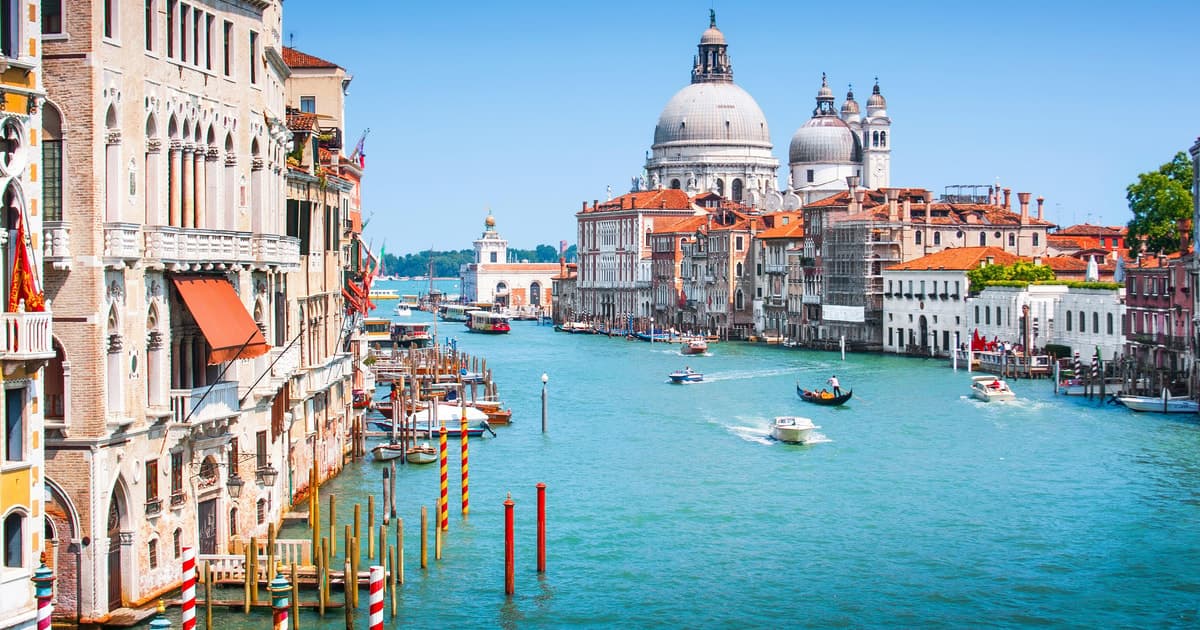
Venice is two hours from Florence by high-speed train. A day trip covers St. Mark's Square, Rialto Bridge and a canal ride, returning by early evening.
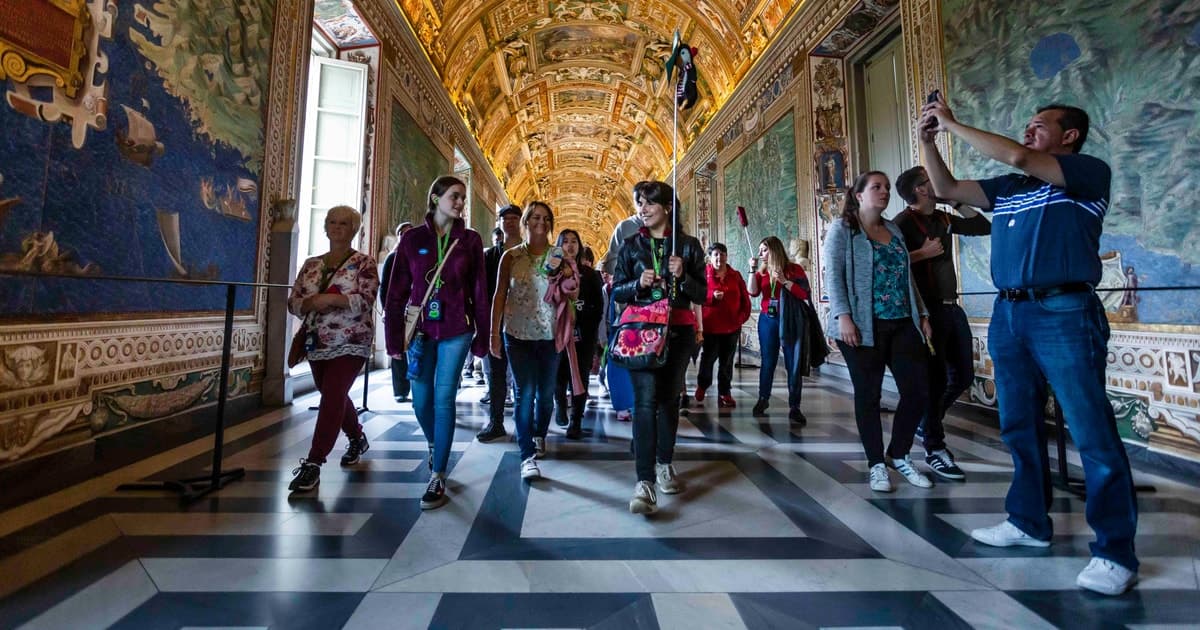
High-speed trains reach Rome in under 90 minutes, making a full day at the Colosseum, Vatican and Trastevere feasible. Guided tours handle skip-the-line.
Known for 14 medieval towers and Vernaccia wine, San Gimignano is a hilltop town 70 km from Florence. Most tours include a tasting and free village time.
Pair Siena's Piazza del Campo and Gothic cathedral with San Gimignano's tower skyline in one day. The two towns are 40 minutes apart from Florence.
Pair the Leaning Tower of Pisa with Cinque Terre's colorful villages in a single full day. Combo tours hit Pisa first, then continue by coast to Vernazza.
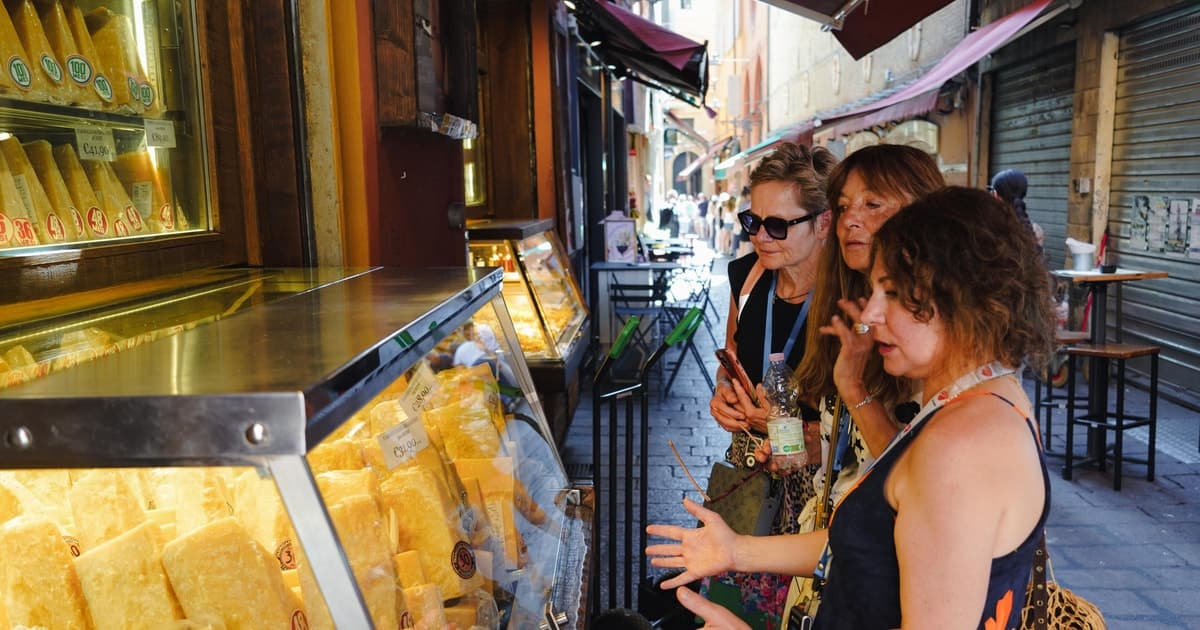
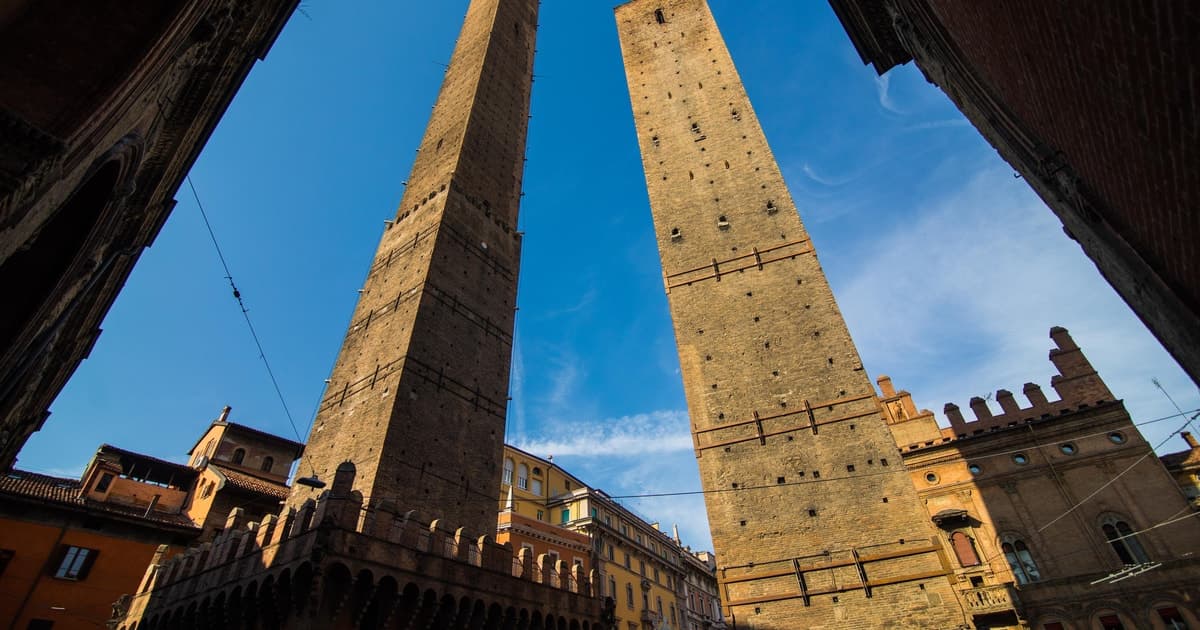
Under 40 minutes by fast train, Bologna offers food markets, medieval porticoes and the Asinelli Tower. Tours include a food walk through the Quadrilatero.
Lucca's Renaissance walls form a tree-lined promenade ideal for cycling, 80 minutes from Florence by train. The old town holds Romanesque churches and a lively market.
Perched on a Tuscan ridge, Montepulciano is famous for Vino Nobile and Renaissance-era Piazza Grande. Tours combine wine cellars with Val di Chiana views.
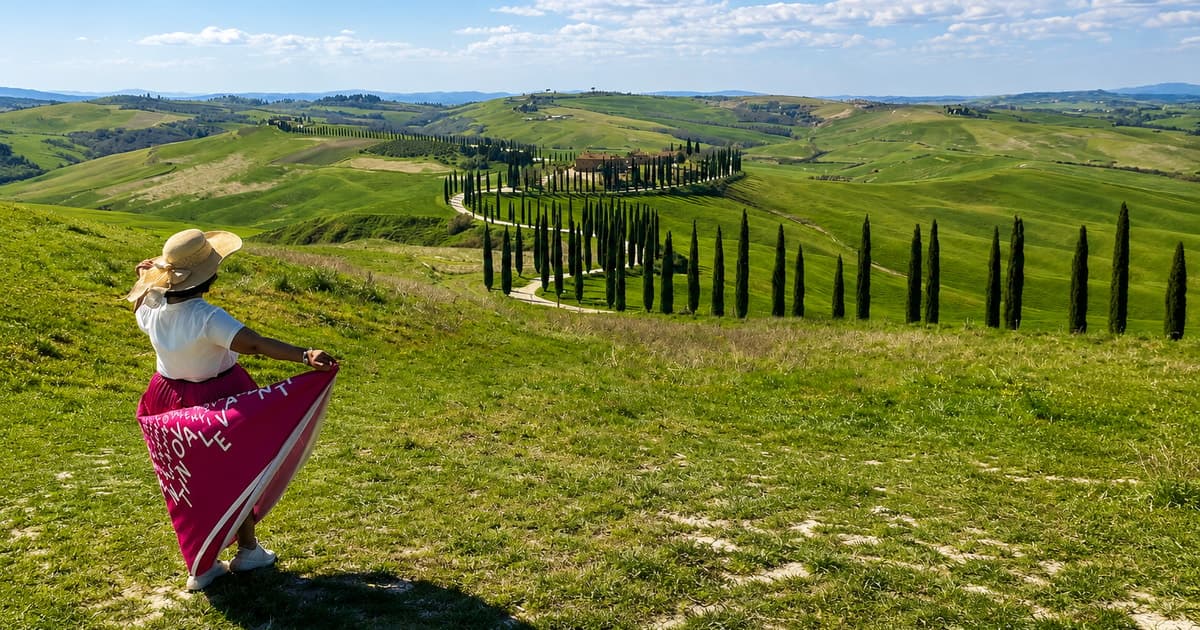
UNESCO-listed Val d'Orcia is the classic Tuscan landscape of cypress roads, golden fields and stone farms. Tours loop through Pienza and Montalcino.
Santa Maria Novella station links to Pisa, Lucca, Siena and Bologna, all under 90 minutes. Train day trips are the easiest no-car Tuscany option.
Cliffside trails link Monterosso, Vernazza and Manarola with coastal views and village stops. Hiking trips from Florence focus on the Blue Trail segments.
Florence publishes 279 day-trip activities spread over 17 destinations, and 16 of them hold live supply. The catalogue falls into four kinds of day: the coastal villages of Cinque Terre, the walled towns of Tuscany, single-landmark runs to Pisa, and countryside routes built around vineyards and farmhouse tables. Those listings carry more than 175,000 reviews between them, averaging 4.66 across the more than 200 activities that hold a score.
Three questions narrow the 17 destinations faster than any ranking does. How many hours do we want to give away — half a day, a full day, or a run that swallows all the daylight — and how much of that on the road? What we want from the day matters next, a town or a landscape; then whether we need a guide in our own language, which every listing states before booking.
Short options sit almost entirely in the wine cluster: 28 of the 91 wine listings that publish a duration start at five hours or under, and the briefest runs 1.5 h. Tuscany adds 25 more in the same band, Pisa two, San Gimignano two. If the day has to fit around a gallery slot in Florence, that band is the realistic one.
Cinque Terre is a full-day destination and nothing shorter: all 16 of its listings that publish a duration run 10 h or more, topping out at 13 h. Val d'Orcia behaves the same way, with 11 dated listings from 9 h to 12.5 h. Siena is the flexible one; 12 of its 16 timed listings pass eight hours, while the rest compress the same town into an afternoon.
Pairing two destinations pushes the day past 12 h. The nine timed listings that join Pisa and Cinque Terre all fall between 12 h and 13 h, and the longer of the two Venice listings reaches 14 h. Rome is the extreme case here — its only listing with a published duration is a 24 h rail window — so treat it as a whole-day commitment rather than an afternoon out.
History and architecture concentrate in four destinations. Siena publishes more than 15 activities and San Gimignano 19, both towns compact enough to walk end to end; Pisa carries 25 and turns on a single square. Bologna publishes two listings and Lucca one, so pick those for the town itself rather than for choice.
When the point of the day is landscape, supply runs deepest here: 101 wine listings and 101 Tuscany listings, plus 12 for Val d'Orcia and seven for Montepulciano. All 12 Val d'Orcia activities name a tasting in what they cover, which tells you what that day is built around. Cinque Terre is the coastal alternative, with more than 20 activities along the cliff villages.
Four things separate two listings to the same town. Transport appears in what the booking covers for 206 of the more than 200 activities, a guide in 166, a meal in 128 and an entry ticket in only 61; hotel pickup is rare, named by 13. Cinque Terre shows why that matters: every one of its more than 20 activities covers transport, and 17 name a ticket — park entry, regional train or ferry — though several tie it to the option selected.
Group size is the other lever. Twenty-eight activities announce a small group in their own title and 18 announce a private departure, so the shared coach remains the default across the hub. Free time inside the itinerary is common — more than 80 listings write it into their inclusions — while a fully self-guided format appears just once, which makes this a guided-day market in practice.
| Destination | Ideal for | Duration | Activities | Rating |
|---|---|---|---|---|
| Tuscany | Countryside with the widest choice of hours | 2-12.5 h | 100+ | 4.7 ★ |
| Cinque Terre | Coast and cliff villages, always a full day | 10-13 h | 20+ | 4.7 ★ |
| Pisa | One landmark, the shortest serious outing | 5-13 h | 25+ | 4.5 ★ |
| Siena | A medieval city on its own terms | 5-12.5 h | 15+ | 4.5 ★ |
| Venice | A long rail day into another region | 8-14 h | 2+ | 4.6 ★ |
| Rome | The capital in a single whole-day window | 24 h | 4 | 4.8 ★ |
| San Gimignano | Towers and vineyards in one stop | 5-12.5 h | 15+ | 4.5 ★ |
| Bologna | Food-led city break by rail | 10 h | 2+ | No reviews yet |
| Lucca | Walled town, single listing | 9 h | 1 | 4.4 ★ |
| Montepulciano | Hill town built around its cellars | 8-12 h | 5+ | 4.7 ★ |
| Val d'Orcia | Open landscape and cellar tastings | 9-12.5 h | 10+ | 4.6 ★ |
Durations, activity counts and ratings come from the GuruWalk catalogue. Each listing shows its exact duration and availability.
Transport is the near-constant, named by 206 of the more than 200 activities; a guide and a meal are the two variables worth checking, since more than 100 activities name the first and 128 the second. The most reviewed activity in the hub, a Siena and San Gimignano day carrying more than 23,000 reviews, spells its guiding out as "Professional English speaking tour guide with you for the whole day", as its own inclusions line notes.
On language, all more than 200 activities publish an English departure. Italian follows at 106, Spanish at 97 and French at 30 — smaller counts run in Portuguese, Japanese, German and Chinese — so a non-English day is possible, though it narrows the field sharply.
Yes, and two pairings are published as sets of their own. Siena with San Gimignano is the larger, at more than 30 activities carrying more than 65,000 reviews; Pisa with Cinque Terre holds 11. Both pairings run the day long, so read the duration on the listing before assuming an early return.
Shared departures dominate. Only more than 15 activities announce a private format in their title, against 28 that announce a small group, and one that is self-guided. What we would check instead is free time: more than 80 listings write unguided time into their inclusions, which is where a shared day stops feeling like a coach schedule.
Each activity shows its current price on its own listing, which is the only surface that stays right. What moves it is what sits inside the booking: transport, a guide, a meal or an entry ticket, and whether the departure is shared or private. An entry ticket is the rarest of those, covered by 61 of the more than 200 activities.
Every activity in the hub departs in English. Beyond that, the destinations holding two or three listings rarely carry a second language at all, so we would filter by language before picking a destination. Siena and San Gimignano, for instance, publish nine Spanish and seven French listings among their 34.
Sixteen of the 17 do. San Marino publishes none, so it carries no row in the comparison table above; Lucca publishes a single listing, and Venice and Bologna two each. Depth sits at the other end of that table, where Tuscany and the wine routes each hold more than 100 activities.
Free Tours in Florence
Accademia Gallery Tickets
Uffizi Gallery Tickets
Florence Duomo Tickets
Florence Duomo Climb Tickets
Wine Tours
Pasta Making Classes
Uffizi Gallery Tours
Uffizi and Accademia Tickets
Tuscany Bike Tours
Gelato Tours
Leonardo da Vinci Museum
Night Tours
Olive Oil Tours
Palazzo Vecchio Tours
Pitti Palace and Boboli Gardens Tickets
Renaissance Tours
Santa Croce Tours
Vespa Tours
Other Experiences