Florence City Tour
Discover Florence

Last update:
Continue planning your trip to Florence
Florence city tours that feel like Florence, not a checklist
Florence city tours work best when they follow the city’s natural rhythm: a street-level walk to decode the historic center, a focused museum visit to turn masterpieces into stories, then a taste-led detour that makes the Renaissance feel lived-in. In our catalog of activities you can combine classic routes, Duomo and cupola moments, Uffizi and Accademia visits, food walks, and wine tastings for a day that feels curated rather than rushed.
📚 Choose your experience
Walking tours to orient fast
A street-first start that clicks.
Duomo and cupola essentials
Views, engineering, and smart pacing.
Uffizi with real context
Masterpieces explained without overload.
Accademia and David
One icon, clearer meaning.
Food tours through Florence
Markets, bites, and local rituals.
Wine tasting in the city
Pairings and stories with Tuscan character.
FAQ
Practical tips before you book.
Florence sightseeing tours: the classic walk that makes the city click
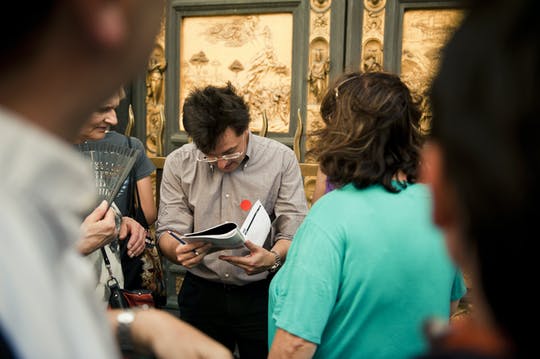
Start with a Florence sightseeing tour that stays close to the pavement: stone underfoot, narrow lanes opening into grand piazzas, and a guide who turns names on plaques into motives and consequences. These routes move at conversation pace, with time for photos and short detours that make the center feel less like a crowd funnel. They are the backbone of many best of Florence tours because they give you a map you can actually use.
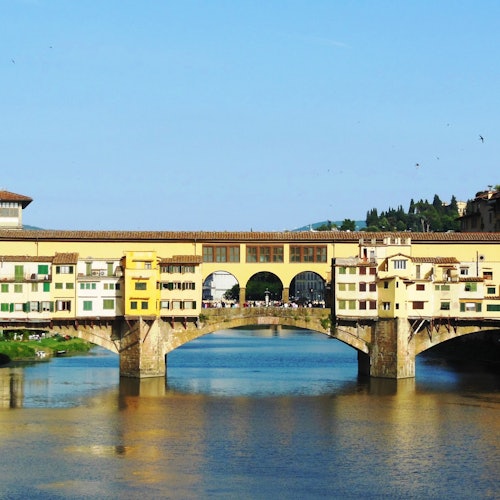
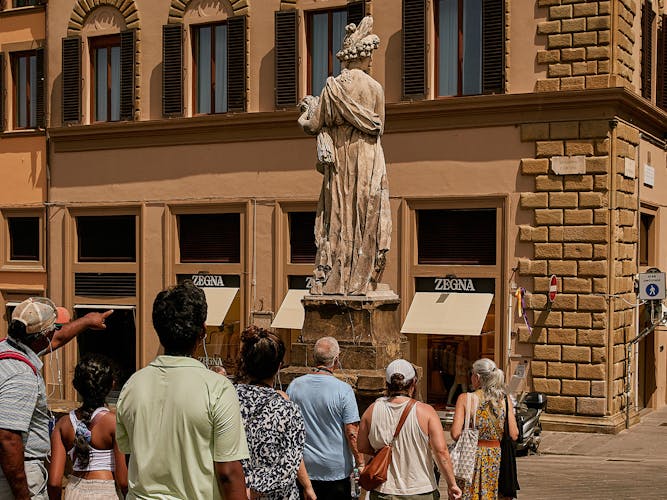
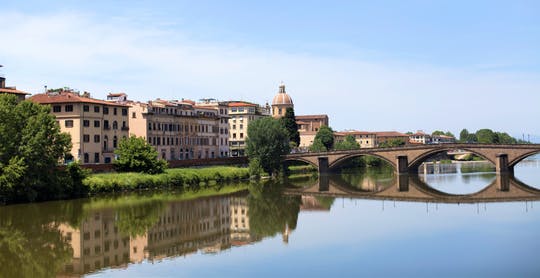
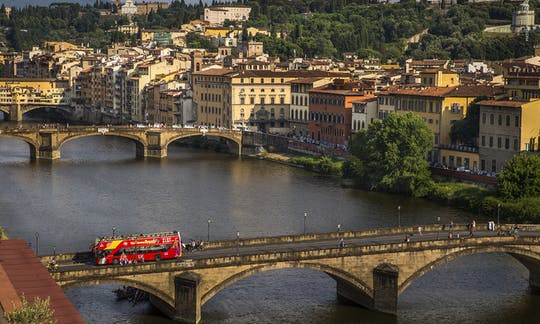
This is also where you can decide whether a florence city tour bus makes sense for your trip. Florence is compact, therefore most travelers save transport for hillside viewpoints or tired legs, then return to walking for the details that matter.
For a sharper historical thread, the Florence Renaissance tour helps connect churches, palaces, and patron families into a single narrative, so the city feels coherent rather than overwhelming.
⚖️ Quick comparison
- Small groups keep questions easy and natural.
- Private walks flex for families and interests.
- Morning routes feel calmer around landmarks.
- Evening routes deliver softer light and air.
City tour Florence Italy at the Duomo: cupola views and clever pacing
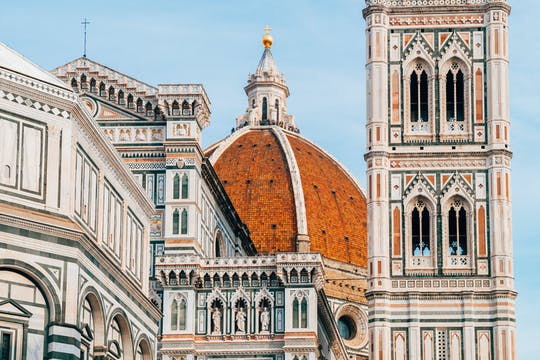
Around the Duomo, Florence becomes a live engineering lesson: marble geometry, echoing interiors, and Brunelleschi’s dome looming like an idea made physical. A Duomo-focused city tour Florence Italy experience gives you clear orientation through the complex, so you spend less time guessing and more time absorbing what you came to see.


If this is your main priority, explore the Duomo tour options in Florence to compare approaches that emphasize architecture, viewpoints, or the broader neighborhood story, depending on what feels most worth your time.
🧭 Before you choose
- Dress modestly for religious interiors.
- Wear stable shoes if climbing is included.
- Keep bags light for security checks.
- Plan hydration in warmer months.
On the other hand, if heights are not your thing, a ground-level route still delivers big context through doors, facades, and nearby squares, where guilds, money, and faith collide in plain sight.
Uffizi Gallery: Florence Italy city tours built around masterpieces
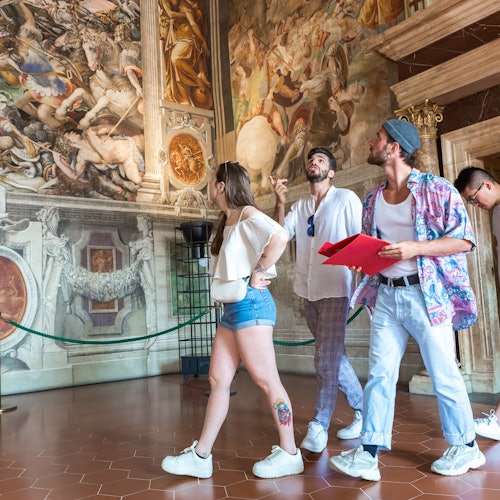
Inside the Uffizi, street drama turns into paint: mythology as politics, saints as status, and portraits that feel uncomfortably modern. A guided visit keeps the museum human-sized, selecting works that explain the era instead of chasing every room, therefore the experience feels focused rather than exhausting.
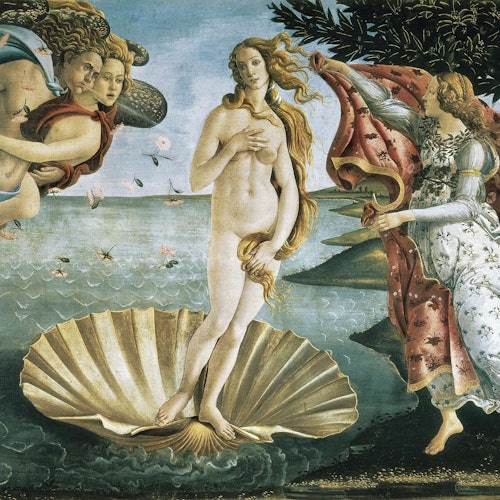
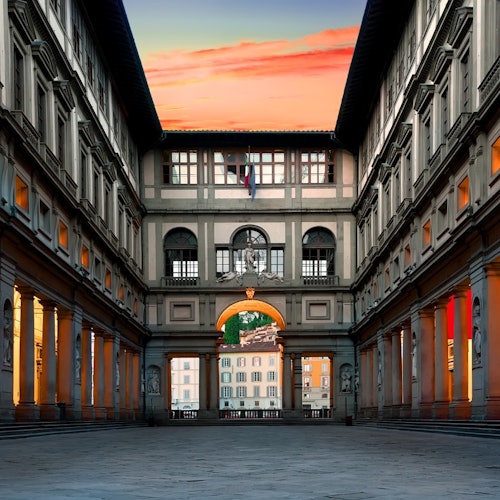
To continue that thread beyond one museum, browse our Florence art tour selection, where guides connect galleries, churches, and sculpture into a wider story that feels anchored in the city.
🎨 Make the museum easier
- Arrive with a theme, not a checklist.
- Let the guide curate your must-sees.
- Ask for context on patrons and power.
- Finish outside spotting symbols on buildings.
The strongest guided tours translate materials, restorations, and commissioning politics into plain language, adding meaning you cannot get from labels alone.
Accademia and David: a best of Florence tour in one iconic room
The Accademia is a compact hit of impact: you turn a corner and David appears, bigger, calmer, and more detailed than photos can manage. A guided visit helps when the space is busy, because the story stays clear and you learn what to look for, therefore the moment feels earned rather than rushed.

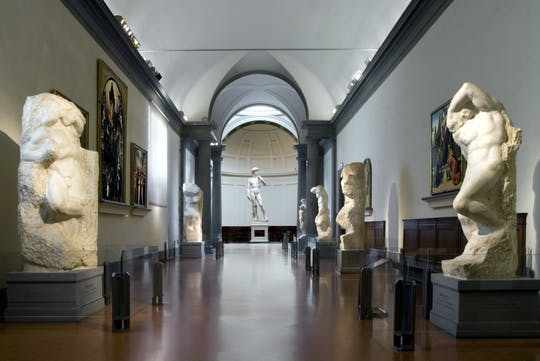
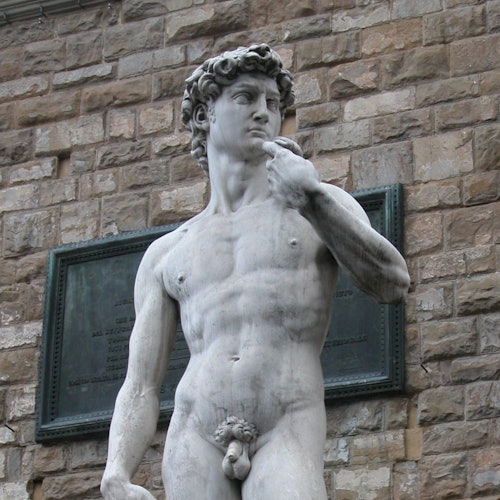
This is the right choice when you want one guaranteed highlight with craft explanations, from marble to finishing marks. Combine it with a walking route for neighborhoods and politics, and the statue stops being an isolated icon and becomes part of Florence’s bigger argument.
🧠 Who it suits
- First-timers chasing a signature moment.
- Families who want a punchy museum visit.
- Art lovers who like process and technique.
- Short stays needing one major museum slot.
Many visitors leave surprised by how much the unfinished pieces reveal, because they show work in progress instead of polished mythology.
Food tour Florence: tastings that feel like sightseeing tours in Florence Italy
A food tour Florence experience is sightseeing with your senses turned up: market noise, warm bread, and stories about how locals eat between monuments. These walks work well when museums feel intense, because tastings reset your attention without breaking the day, therefore many travelers slot them in as the most human part of their itinerary.
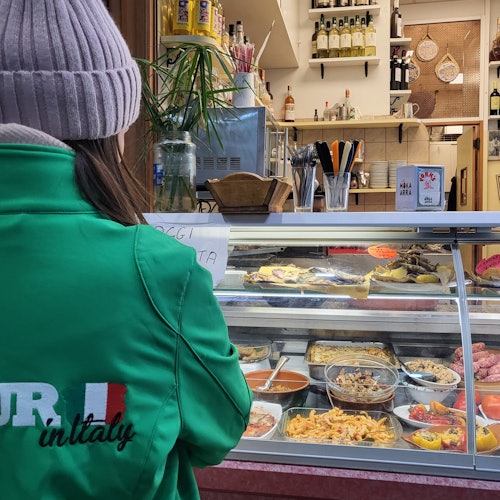
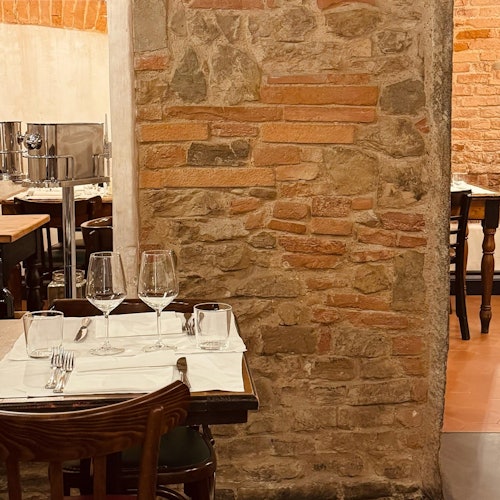


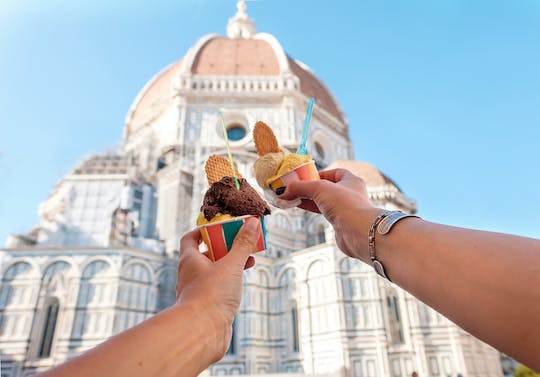
Dietary needs vary by experience, so check the tour details and ask early. The best guides also teach practical habits, from ordering etiquette to where locals actually snack, which makes later wandering feel confident and effortless.
🍽️ Quick decision rules
- Market routes give the widest variety.
- Old town routes mix bites with landmarks.
- Smaller groups make tastings smoother.
- Afternoon slots break up museum-heavy days.
Think of these as sightseeing tours in Florence Italy where the souvenirs are flavors and the best tips are the ones you can use immediately.
Wine tasting in Florence and beyond: city tours Florence with a Tuscan finish
Wine tasting in Florence slows the city down in the best way: you sit, listen, and taste while the guide maps grapes, regions, and rituals onto what you have seen outside. In-city tastings suit short stays and rainy afternoons, while Chianti-focused outings fit travelers who want countryside air, therefore your city day feels balanced instead of packed.
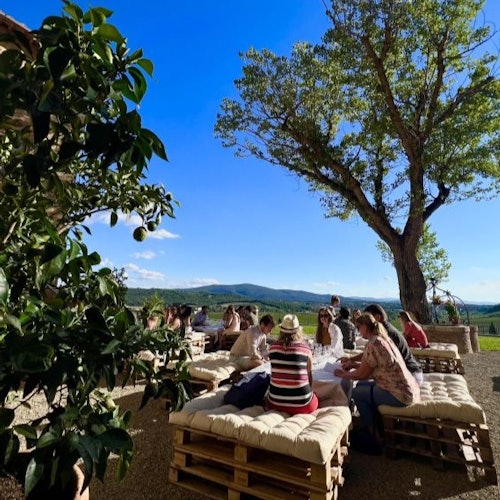
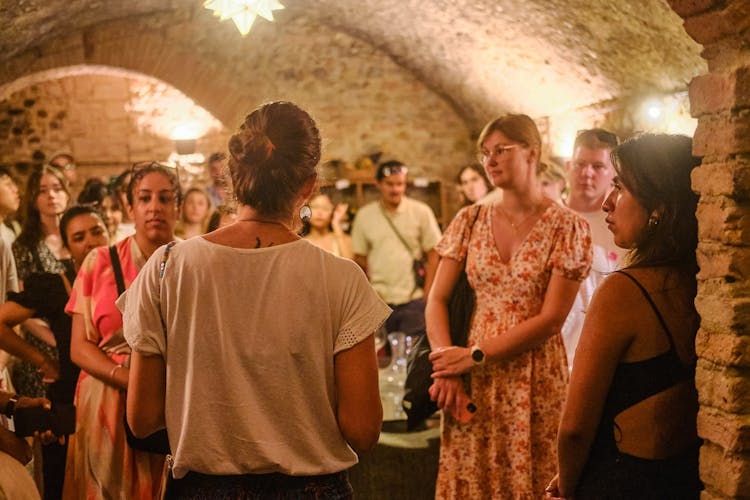
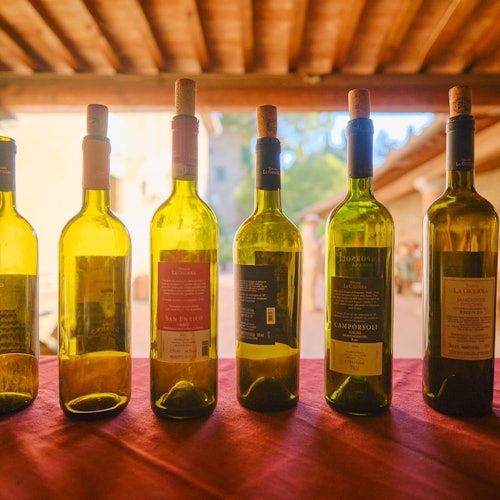
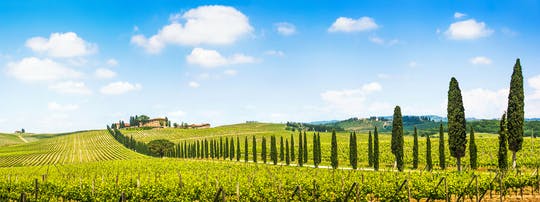
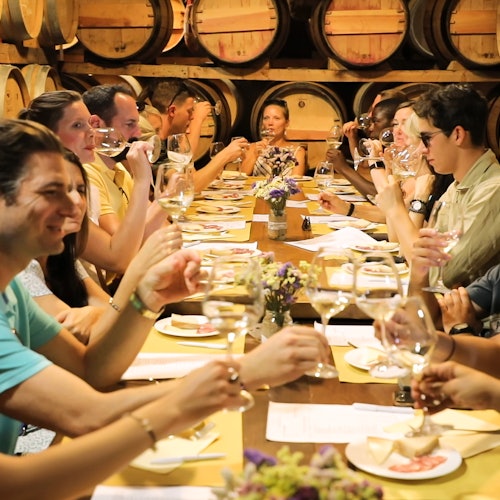
Pick an in-city tasting when you want to stay flexible and keep evenings open for a riverside stroll. Choose Chianti when you want vineyards and cellar doors, however keep your Florence walking days lighter so you still enjoy the city with fresh legs.
🍷 What to check
- Guide profile and how technical it gets.
- Food pairings if you prefer eating slowly.
- Group size for questions and attention.
- Pacing if you dislike long seated sessions.
Some formats include pairings that can replace a full meal, which suits travelers who prefer many small bites over one long sit-down dinner.
Frequently asked questions about Florence city tours
How do tourists get around in Florence?
Most visitors rely on walking because the historic center is compact and many highlights cluster close together. For longer hops, buses and taxis help, especially to reach hillside viewpoints, therefore many travelers mix transit with a guided walk for instant orientation.
Are guided tours worth it in Florence?
They are worth it when you want context fast, especially for major sites where stories matter as much as views. In our offer of experiences, you will find options from around 6 € for self-guided formats to above 200 € for premium private experiences; Check GuruWalk's activity catalog to see the latest prices.
Can you tour Florence on your own?
Yes, and it can be great for slow wandering, especially once you know the city’s basic layout. Guided tours help when time is short or you want art and history decoded quickly, therefore a short tour early can make the rest of your trip feel easier and richer.
What are the best tours in Florence, Italy?
The best tours depend on your priority: street-level highlights, a Duomo and cupola experience, a focused Uffizi or Accademia visit, or a food and wine walk. A reliable formula is one landmark-focused tour and one taste-led tour, therefore your itinerary feels monumental and personal.
Is it worth going into the Duomo in Florence?
It is worth it if you care about architecture and engineering, because the complex rewards explanation and context. A guided visit helps you manage entrances and understand what you are seeing, however some travelers are satisfied with an exterior explanation and nearby viewpoints for a faster experience.
What is the best month to go to Florence?
Spring and early autumn often feel easiest, with milder weather and a steadier walking pace. Summer can be hot and crowded, while winter is quieter with a more local mood, therefore the best month is the one that matches your comfort with heat and lines.
Can you wear jeans in Florence, Italy?
Yes, jeans are common, and Florence is a practical city for walking shoes and layers. For churches and religious sites, dress modestly with shoulders covered when possible, therefore you avoid issues at entrances and stay comfortable.
Are there any parts of Florence to avoid?
Florence is generally safe, but crowded areas attract pickpockets, especially around transport hubs and major landmarks. Keep valuables secured and stick to well-lit streets at night; starting with a guided walk can help you feel oriented from day one.
Can you walk around Florence with a glass of wine?
Rules and enforcement can vary, so treat it as a situational courtesy rather than a guaranteed right. Many travelers prefer wine in tasting venues or seated bars, then continue walking with water; ask your guide and follow local signs to stay on the safe side.
About the author

Author: Belén Rivas, GuruWalk
Publication date: 2025-12-17
Data updated as of December 2025