Florence Art Tour
Discover Florence
Last update:
Continue planning your trip to Florence
Art tour Florence: Renaissance highlights, without the rush
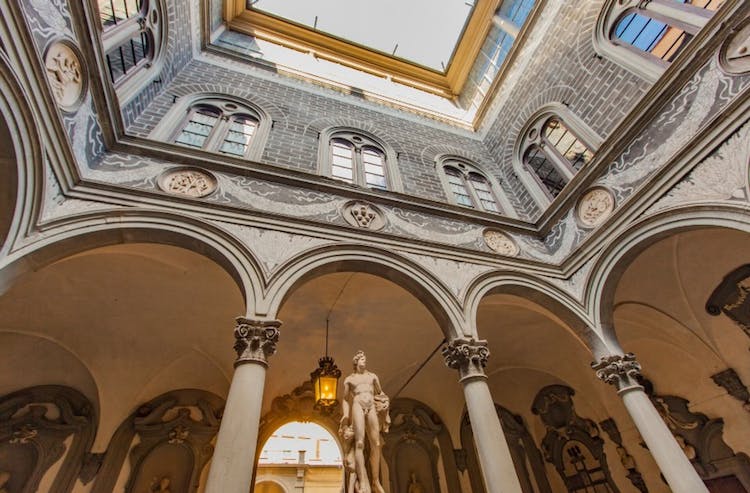
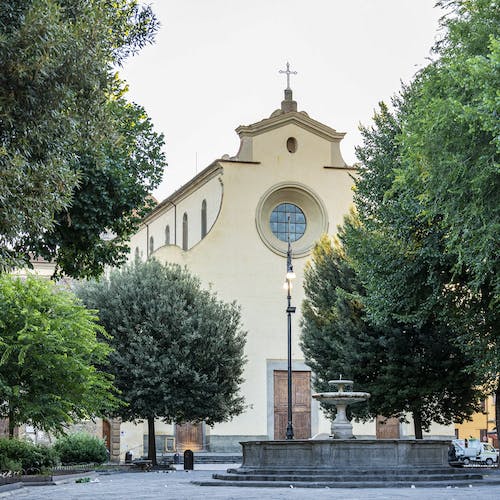
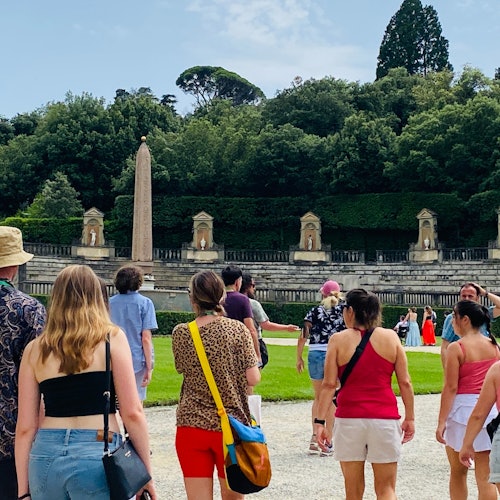
Florence rewards a curious walker: within a compact center you can move from painted myth to carved muscle, then end under a dome that rewrote architecture. A strong art tour Florence keeps the pace humane, helps you read the city’s symbols, and stitches museum rooms to the streets outside. In our catalog of activities you can pair the Uffizi and the Accademia with the Duomo complex, add a palace gallery for a quieter second act, and use a walking route when you want context without museum fatigue.
📚 Choose your experience
Uffizi Gallery masterpieces
Early entry and smart, focused routes.
Michelangelo’s David up close
Short visits or deeper context.
Duomo art and architecture
Mosaics, marble, and meaning in one stop.
Palatine Gallery at Pitti Palace
A calmer museum atmosphere.
Art history walking tours
Public sculpture and stories, between sights.
Kids-friendly art experiences
Shorter attention spans, sharper memories.
Frequently asked questions
Practical answers for planning and pacing.
Uffizi Gallery: Renaissance masterpieces with breathing room
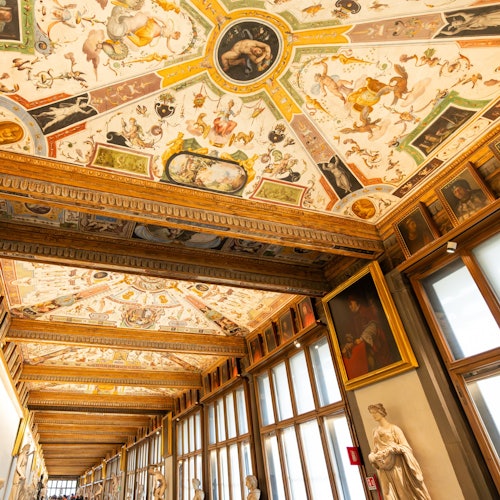
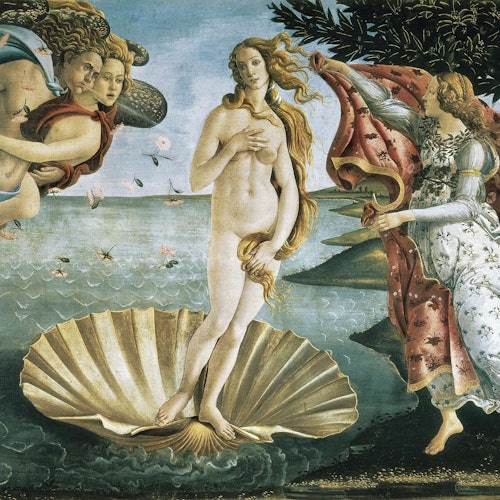
Very early, the Uffizi corridors feel like a whispered lesson: the city is still waking up, and suddenly you are face to face with gods, saints, and merchants who financed an era. The best Florence art tour here is not a checklist, it is a way of learning how to look, so a single Botticelli or Leonardo detail stays with you long after the exit.
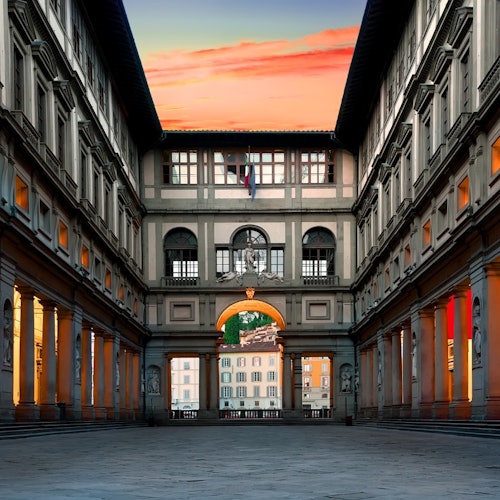
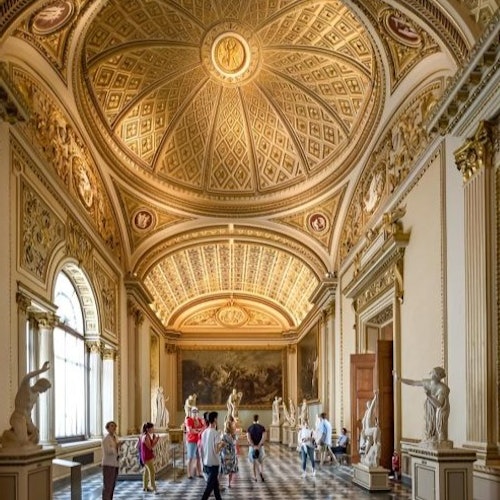
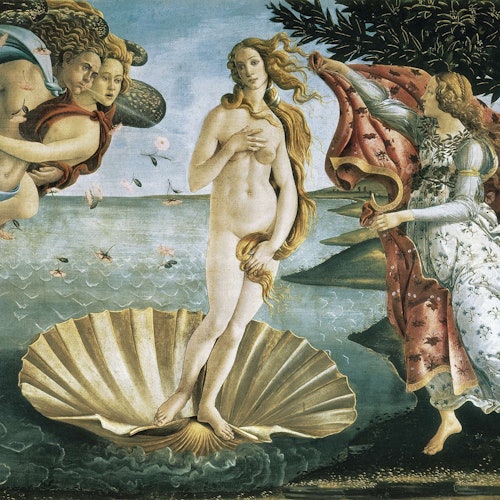
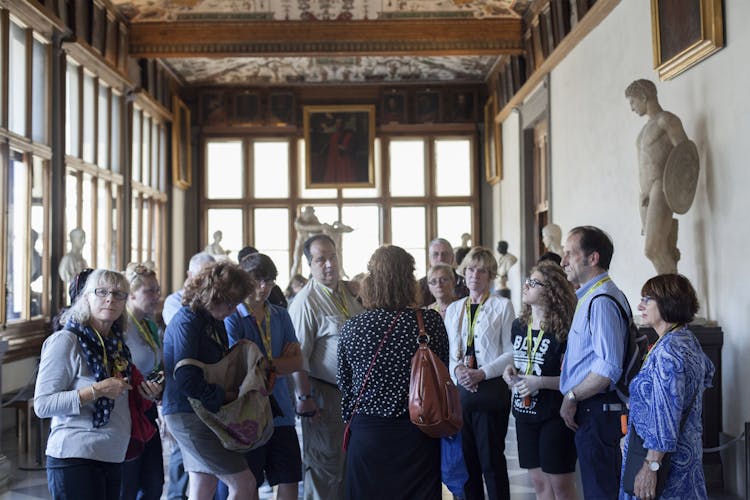
Our catalog of activities includes early-entry visits, classic timed-entry routes, and private options that trade speed for attention to detail. If you are chasing the best Florence art museums tour experience, pick a route with space to pause, then keep the Accademia for another day so the story stays clear.
Museum days can blur together; therefore a countryside reset works wonders. Pair a gallery morning with our day trips from Florence to reset your eyes guide, and come back sharper for the next canvas.
⚖️ Quick comparison
- Early entry for quieter rooms and cleaner photos.
- Timed entry for predictable planning between meals.
- Private visits for flexible focus on favorites.
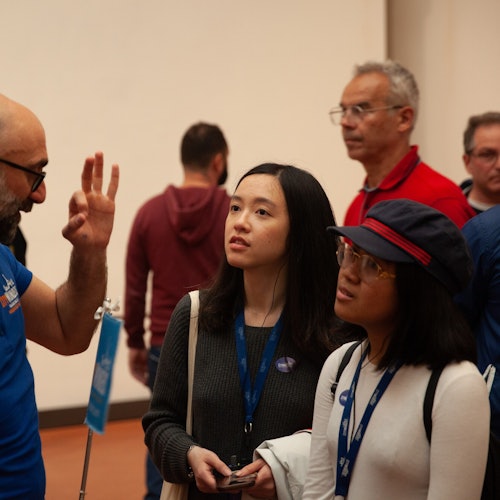
- Host assistance for a smoother start going solo.
Michelangelo’s David at the Accademia: the moment everyone remembers
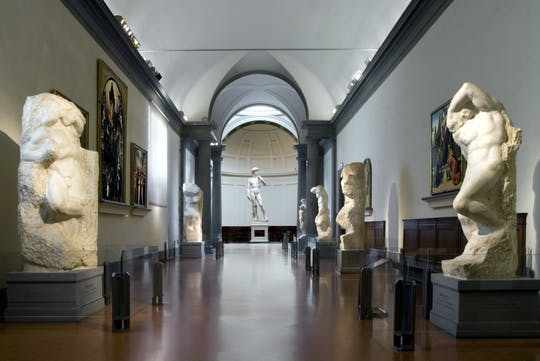
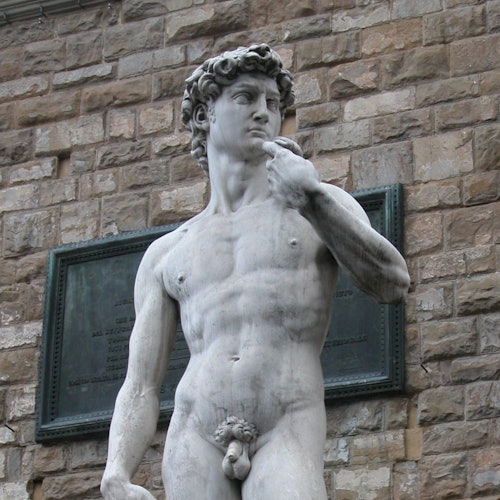
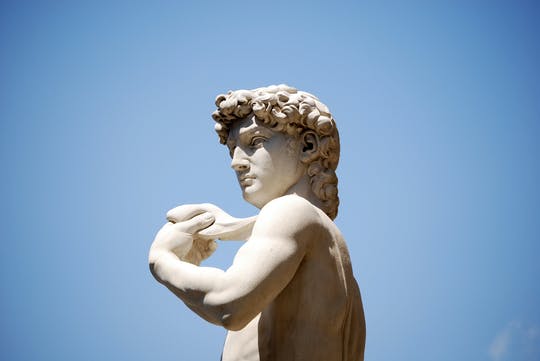
Seeing David in person is not subtle. The room forces your gaze upward, and the marble reads like skin under museum light, every vein carved as a statement about human potential. A guided stop adds the missing layer: why Florence cared, and how Michelangelo turned a flawed block into a civic icon.

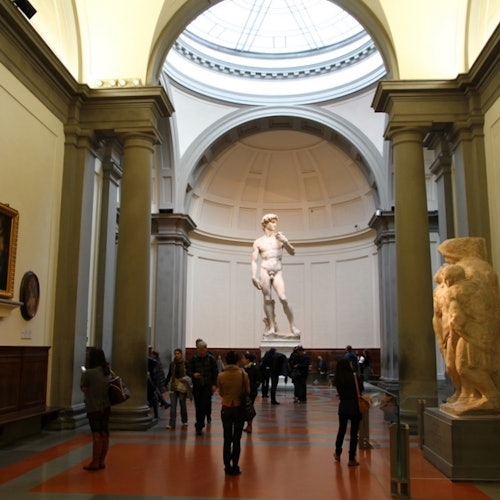
If your time is tight, choose a compact highlights visit; if you hate crowds, aim for an evening slot when the building calms down. Our catalog of activities also includes private formats for travelers who want to linger, ask, and leave with a clear narrative rather than a quick photograph.
🧭 Practical tips
- Arrive a little early for security checks.
- Keep your camera down, then watch first.
- Schedule a quiet break after, to let it land.
Duomo complex: architecture, mosaics, and the city’s faith on display
At the Duomo complex, art is structural: colored marble, geometric floors, and mosaics that glitter like a portable night sky. A Florence art history tour here links engineering and devotion, so the cathedral, baptistery, and museum pieces become one coherent story instead of separate monuments.
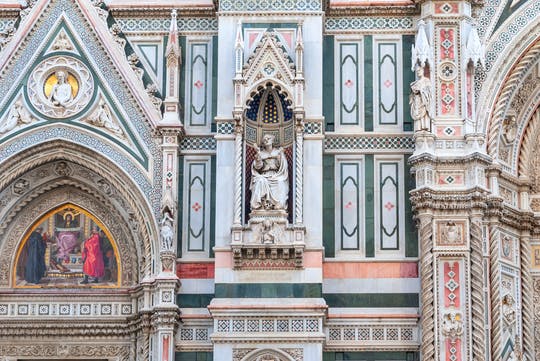
Choose a tour that matches your stamina. Some visits involve long stretches on foot and plenty of standing, so comfortable shoes and a light layer make the experience calmer and more respectful inside sacred spaces.
🧭 Practical tips
- Dress modestly for church interiors.
- Go very early for less echoing crowds.
- Keep water handy, especially in hot months.
Palatine Gallery and Pitti Palace: art in rooms built for power
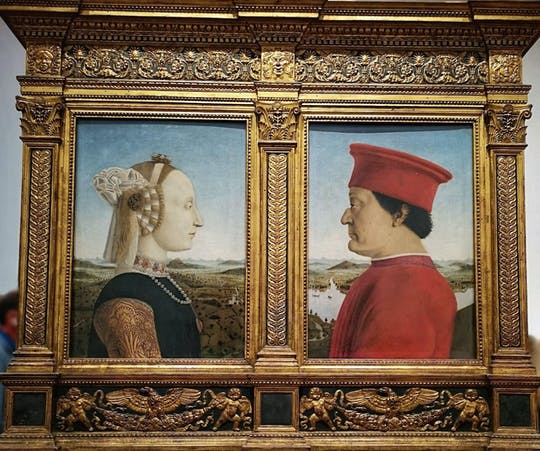
Cross the Arno and Florence changes mood. In the Palatine Gallery at Pitti Palace, paintings hang the way power once did: dense, gilded, and intimate, framed by ceilings that refuse to be background. This is where a Florence renaissance art tour becomes personal, because you are reading taste, wealth, and ambition room by room.
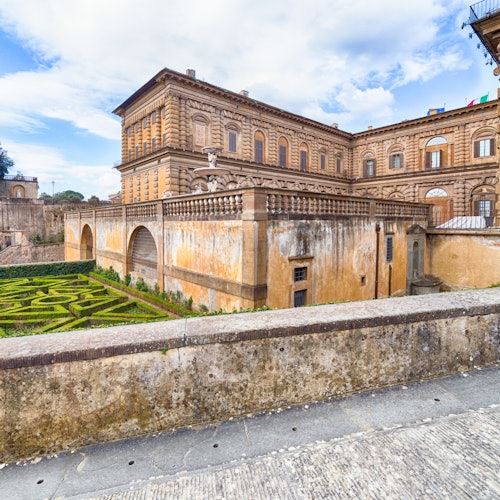
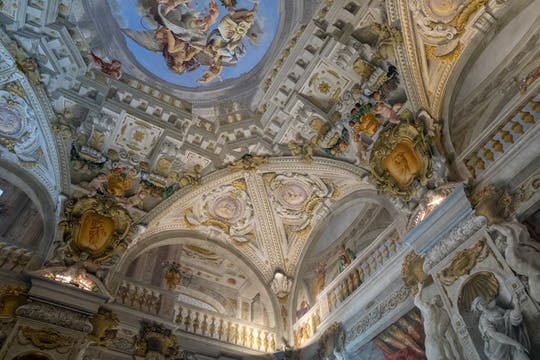
It complements the Uffizi perfectly. After the museum’s public canon, these rooms show how art lived in private collections, and why portraits, fabrics, and gesture were as political as any decree.
On the other hand, if you crave quiet streets after intense museum days, build in a detour that feels softer. Our Lucca day trip from Florence for calmer streets guide is a clean change of scale and a better recovery day than forcing one more gallery.
Florence art history walking tour: streets, sculptures, and context
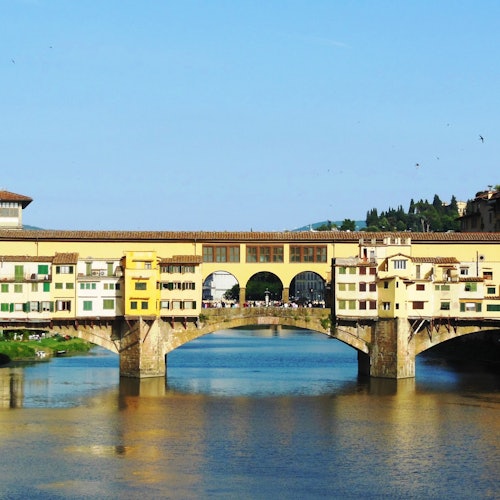
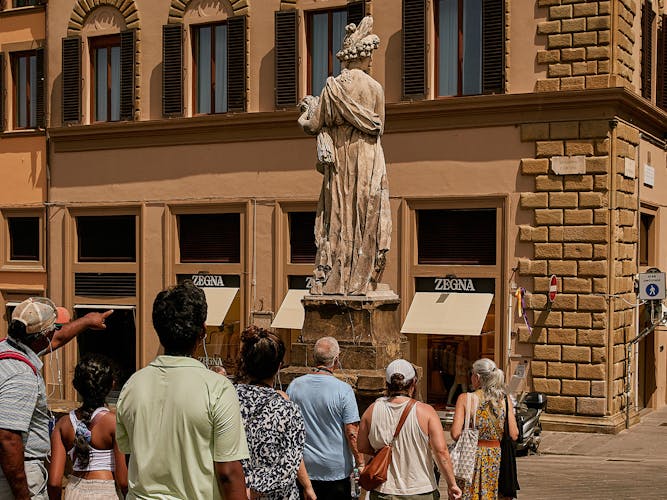
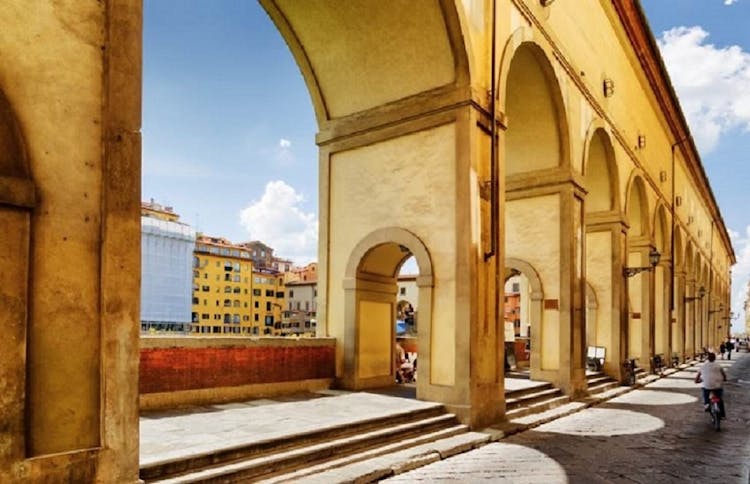
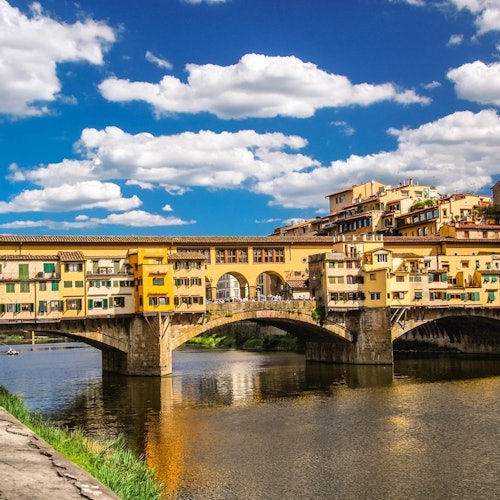
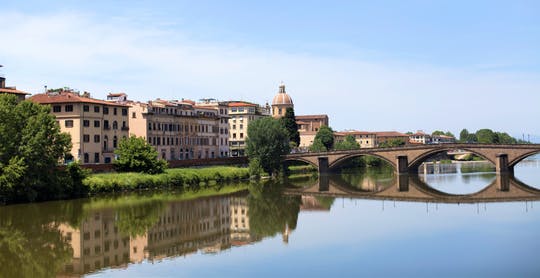
A Florence art tour does not need a museum ticket to be meaningful. In the streets, sculpture and architecture sit in open air: civic statues in Piazza della Signoria, guild niches at Orsanmichele, and river light on Ponte Vecchio. A well-paced walk gives you context first, and it is often the easiest entry point into art tours in Florence when you want to keep the day flexible.
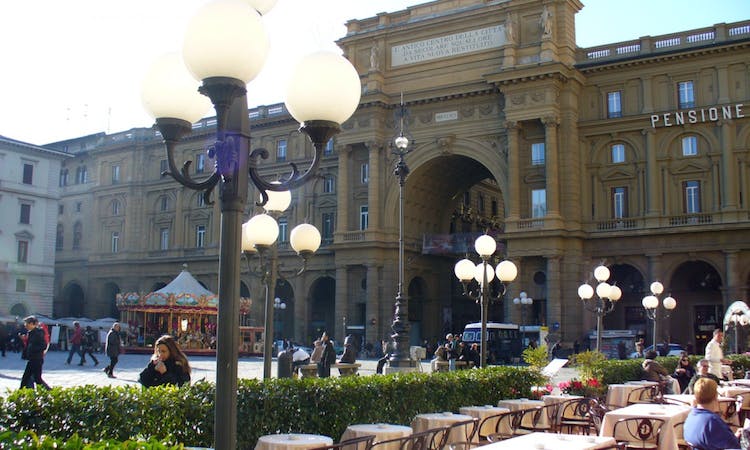
These routes work well on your first day, when you need orientation more than masterpieces. Choose a walk that pairs with a museum entry when you want an efficient narrative, or keep it street-only when you prefer flexibility and long café pauses.
If the city’s Renaissance story leaves you wanting older layers, follow it with a medieval contrast. Our Siena day trip from Florence for medieval contrasts guide is a natural sequel for travelers who like art tours Florence Italy for the way they connect style to place.
⚖️ Quick comparison
- Street-only walks for maximum flexibility.
- Museum add-ons for a tighter timeline.
- Private walks for custom stops and questions.
- Small groups for shared energy and focus.
Kids-friendly Florence art tours: shorter, playful, surprisingly smart
Kids rarely want a lecture, and that is a gift. Kids-friendly Florence art tours use stories, scavenger-hunt logic, and short stops to make big paintings feel like puzzles rather than homework. In our offer of experiences you will find family-focused Uffizi visits designed to keep attention high without talking down.


Plan one major museum per day and build in breaks. A snack, a bathroom stop, and one clear hero artwork are often more memorable than trying to cover every room, especially when you want the trip to feel easy and kind.
Frequently asked questions
Are guided tours worth it in Florence?
For most travelers, yes, because a guide turns famous names into clear stories and helps you time entrances when crowds peak. In our catalog, short gallery highlights often start around 35–50 €, while full-day combinations and private formats can reach 150–200 €. Check GuruWalk's activity catalog to see the latest prices.
What artwork should you see in Florence?
Start with the Uffizi for Renaissance painting, then add the Accademia for Michelangelo’s David. For architecture, the Duomo complex is essential, and Piazza della Signoria works as a free outdoor sculpture gallery.
Can you tour Florence on your own?
Absolutely, and the historic center is compact enough to explore on foot. A guided Florence art tour is most useful when you want a curated route or museum access handled smoothly; on the other hand, a walking tour first can give you orientation before you explore solo.
Which gallery is better, Uffizi or Accademia?
The Uffizi is a big painting narrative that can fill a long visit, while the Accademia is more focused, built around David and key sculpture. Many travelers do both by spacing them out, using one very early entry and one later slot for a different crowd rhythm.
Is it free to see Michelangelo's David?
Usually no, because David is inside the Accademia Gallery, and entry is typically ticketed. In our catalog, guided visits that include David are often around 35–90 € depending on group size and extras. Check GuruWalk's activity catalog to see the latest prices.
Are there any parts of Florence to avoid?
Florence is generally safe and walkable, however crowded hotspots can attract pickpockets. Keep bags closed in busy areas, avoid empty shortcuts late at night, and stick to well-lit streets when you are moving between dinner and your accommodation.
Why is Ponte Vecchio so famous?
It is an iconic medieval bridge lined with working shops, and the Arno views make it a natural pause on many art tours in Florence. Go very early or later in the evening for a quieter atmosphere and better photos.
Can I wear jeans in Florence?
Yes, and casual clothing is normal in the city. The main exception is church interiors, where covering shoulders and knees is the respectful choice; moreover, comfortable shoes matter more than style on a day of art tours in Florence.
What is the best month to visit Florence?
Many travelers prefer spring and early fall for comfortable walking weather and better museum energy, with April, May, September, and October often feeling balanced. Winter can be quieter for galleries, while midsummer is hot and crowded, so plan your florence art tour early in the day.
About the author

Author: Belén Rivas, GuruWalk
Publication date: 2025-12-15
Data updated as of December 2025