Olive Oil Tours in Florence


Last update:
Continue planning your trip to Florence
- Free tour
Free Tours in Florence
Accademia Gallery Tickets
Uffizi Gallery Tickets
Florence Duomo Tickets
Florence Duomo Climb Tickets
Wine Tours
Pasta Making Classes
Uffizi Gallery Tours
Uffizi and Accademia Tickets
Tuscany Bike Tours
Gelato Tours
Leonardo da Vinci Museum
Night Tours
Olive Oil Tours
Palazzo Vecchio Tours
Pitti Palace and Boboli Gardens Tickets
Renaissance Tours
Santa Croce Tours
Vespa Tours
Other Experiences


Olive oil tour Florence: the taste of Tuscany, served right where you’re standing
Florence can feel like marble and masterpieces, until a simple bite shifts the story: warm bread, green-fruit aroma, and the peppery finish of extra virgin olive oil. A Florence olive oil tour works best as a mix of focused tastings, market time, and countryside escapes, with street-food walks that keep the oil raw and expressive. In our catalog of activities, you can pair short sessions in the city with longer days beyond the walls, choosing your pace without turning the trip into homework.
📚 Choose your experience
Organic products tasting
A calm, guided palate reset.
Market visits in Florence
Bottles, bites, and buying confidence.
Street food walks
Landmarks between tastings, not the other way.
Chianti countryside day
Hills, vineyards, and olive-grove context.
Wine tasting tours
Same senses, sharper language.
Frequently asked questions
Practical tips for tasting and bringing home.
Local organic products tastings for an olive oil tour in Florence
The most convincing start is quiet and focused: a table, a guide, and a lineup of bites where olive oil becomes the headline rather than a background ingredient. You learn to smell for green notes, taste for balance, and notice the clean, warm sting that often signals freshly made extra virgin. It’s the kind of session that helps you order with confidence later, even when menus get poetic.
Once your palate wakes up, Florence feels easier to eat your way through, from simple crostini to full meals where the finishing drizzle matters. For travelers who want the tasting to turn into a skill, pair it with Florence cooking class experiences and keep the oil front and center while you cook.
🧭 Best for
- Short trips that still want depth.
- First-timers who want clear tasting cues.
- Food lovers who plan to shop.
- Couples who prefer a calmer pace.
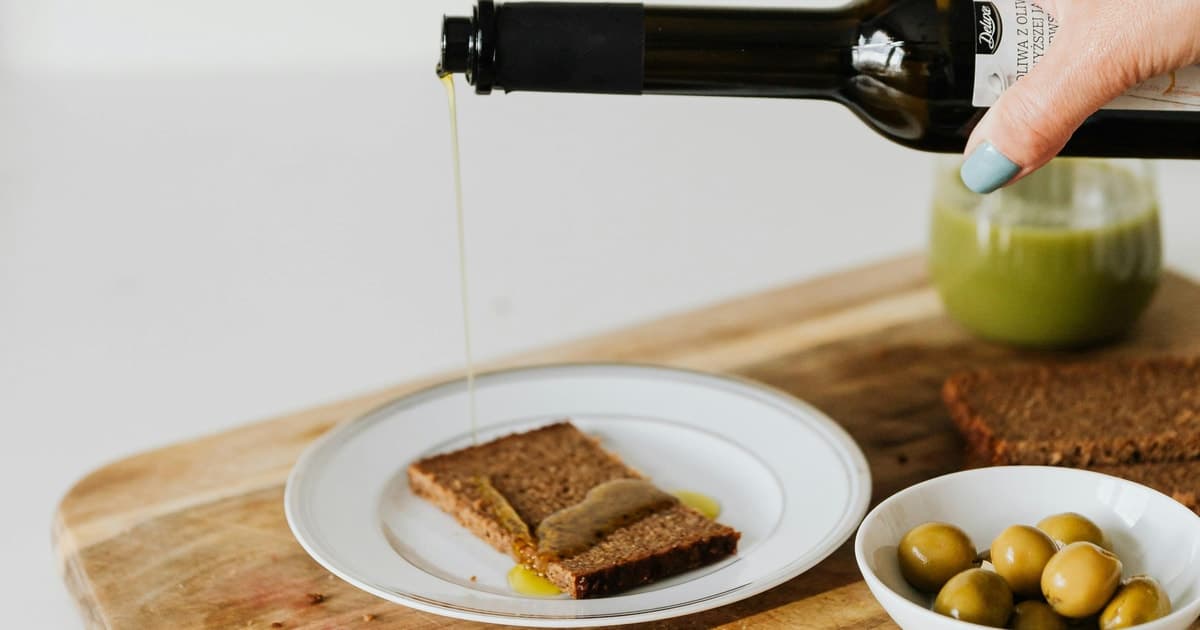
A small detail makes a big difference: taste olive oil first, then eat, then taste again. That rhythm keeps your senses sharp and makes the differences between bottles feel obvious rather than abstract.
San Lorenzo and market visits for first-press aromas
Markets are where Florence stops performing and starts feeding itself, with vendors moving fast and regulars buying with purpose. On a guided market visit, you get the shortcuts: how locals talk about oil, which foods make it shine, and why a good bottle smells alive before it tastes expensive. It’s practical, sensory, and oddly calming, even when the aisles are busy.
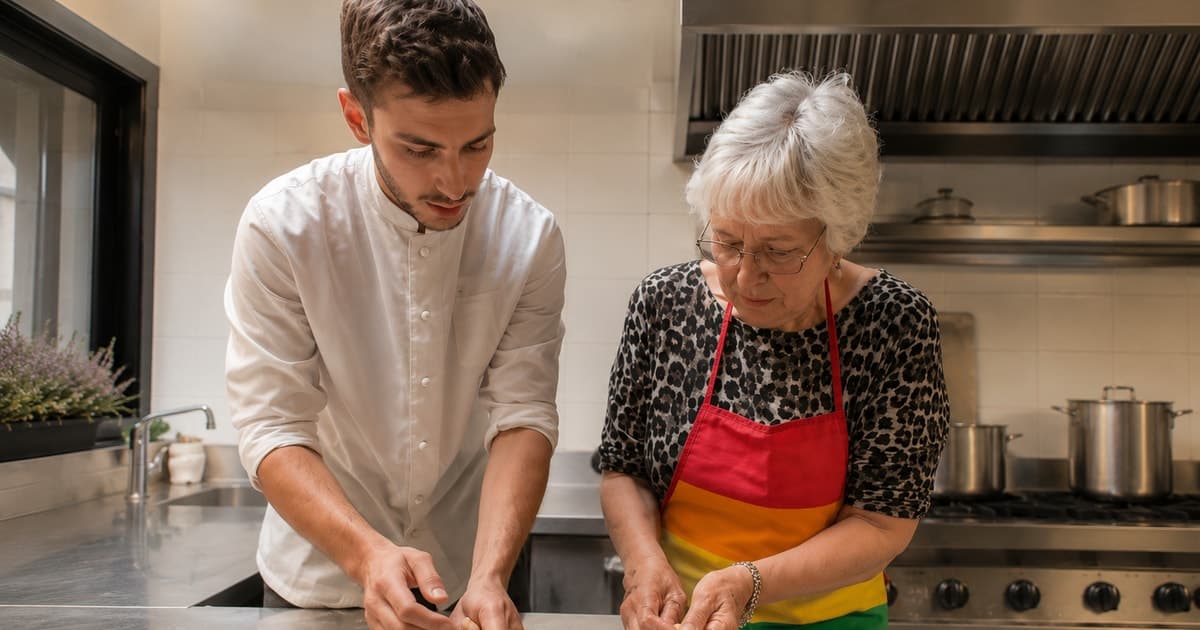

If the stalls make you curious about what grows beyond the city, step out for a wider lens with Tuscany day trip ideas from Florence and connect the shopping moment to the landscape that produces it.
🧭 What to check before you buy
- Aroma first, not label design.
- Bitterness and pepper in balance.
- Dark glass to protect flavor.
- Simple foods that reveal quality.
The most useful purchases are the ones you’ll actually use: a bottle suited to finishing vegetables, bread, and beans, where texture and aftertaste have nowhere to hide.
Street food walks where olive oil stays raw
Street food is the honest test: quick bites, no ceremony, and nowhere for heavy sauces to mask flavor. Between stops, you’ll notice how often Florence uses good olive oil as a finishing move, turning simple bread, vegetables, and cured meats into something that tastes intentional. The walking pace also gives you time to reset your palate, so each tasting lands clean.
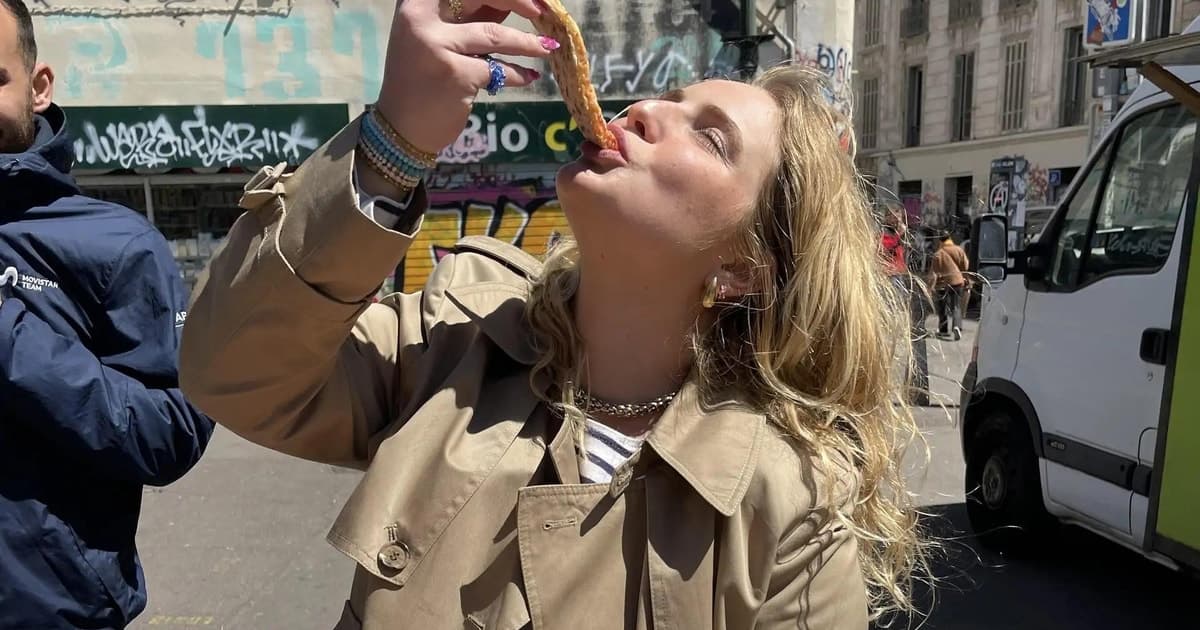
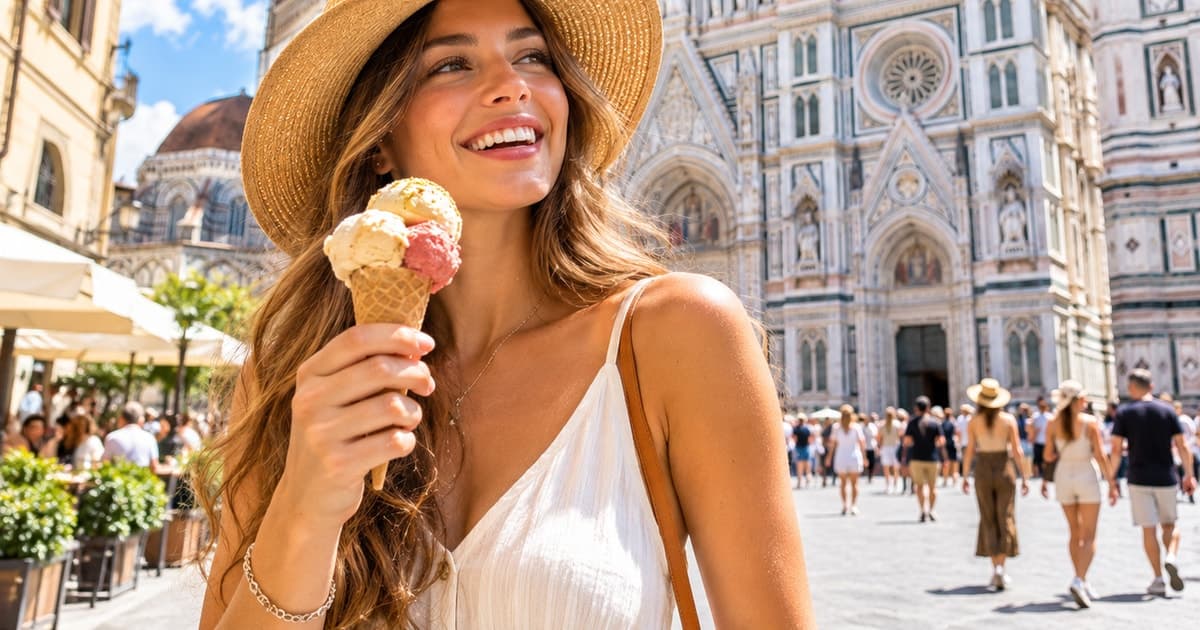
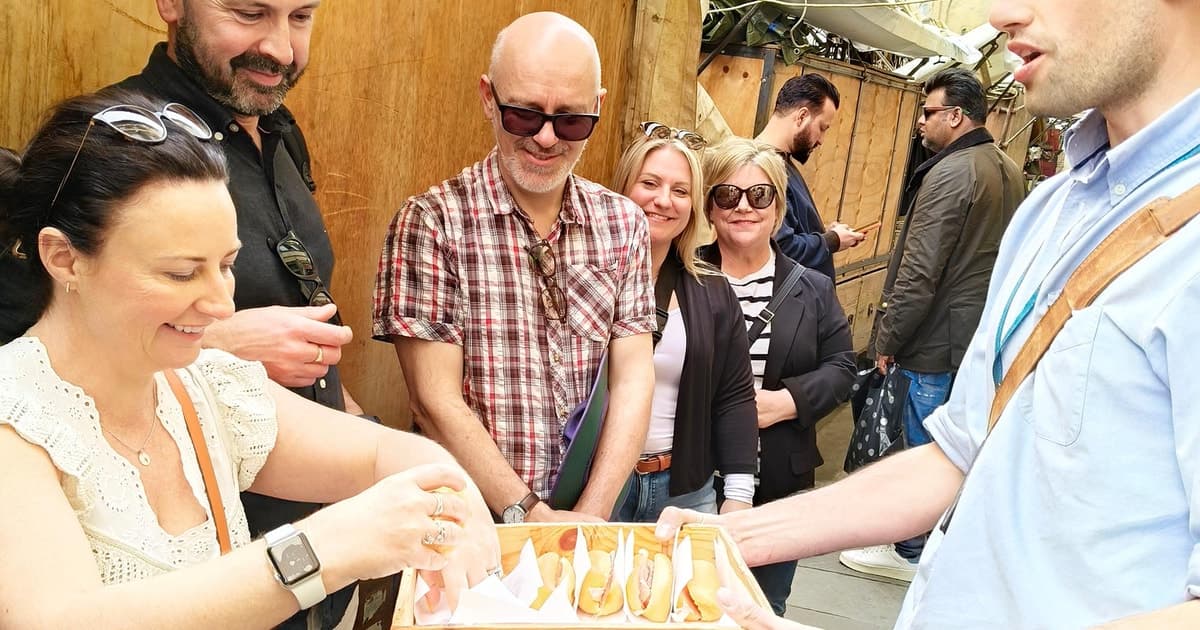
Choose this format when you want a lot of flavor without a long sit-down meal, especially if you’re balancing museums and neighborhoods in the same day. A good guide keeps things moving while still making space for small details, like why one stop tastes greener and another tastes rounder.
Street food works beautifully after a market visit, because you start recognizing quality in real time. The moment you can say, with confidence, that an oil tastes grassy or nutty, you’re not just eating, you’re reading the city.
Chianti day trips where vineyards meet olive groves
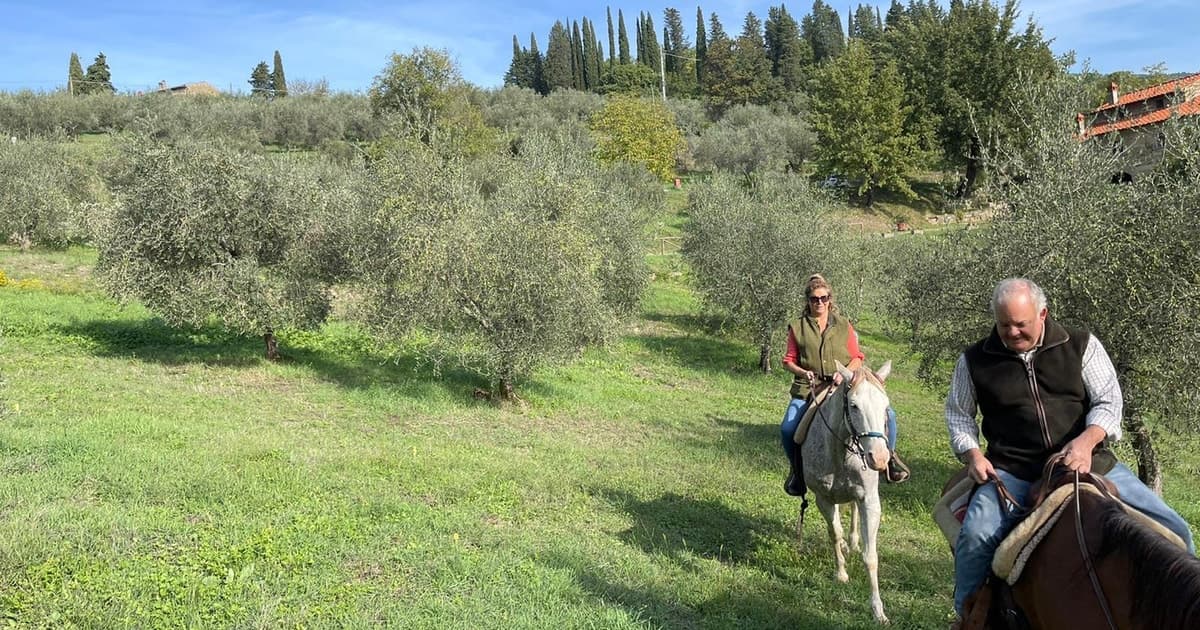
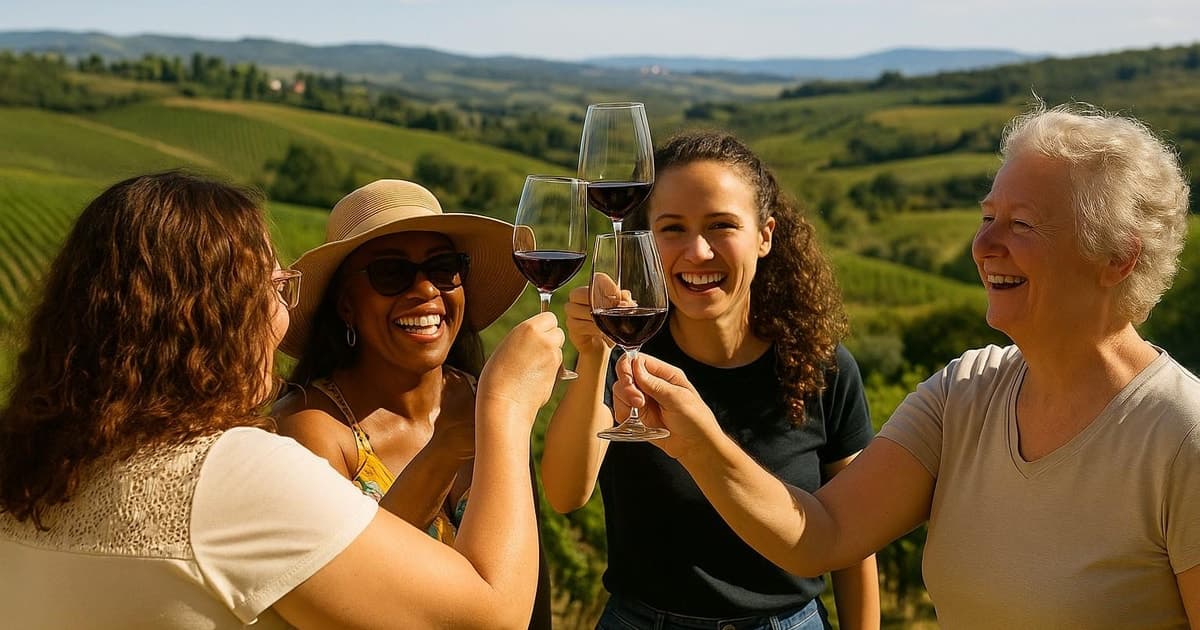
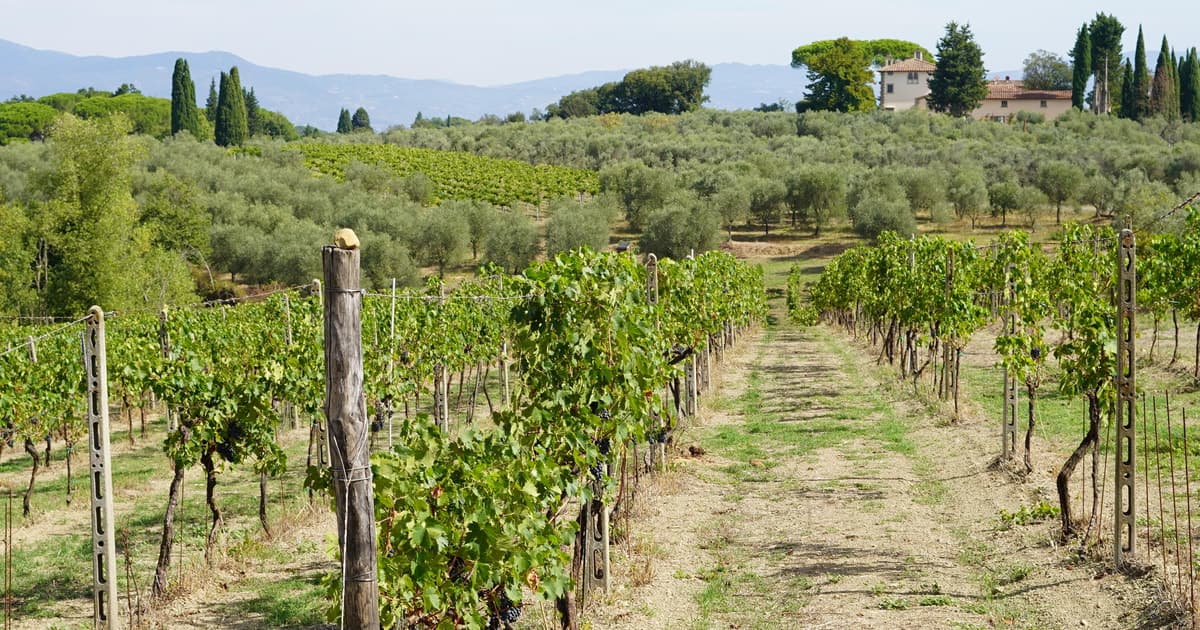
A short drive changes the soundtrack: fewer footsteps, more wind, and hills stitched with vines and silvery olive leaves. In Chianti, tastings feel slower and more grounded, the kind of afternoon where lunch has time to happen and conversation doesn’t compete with traffic. For an olive oil tour in Florence, this is the expansion chapter, adding landscape to the flavor.
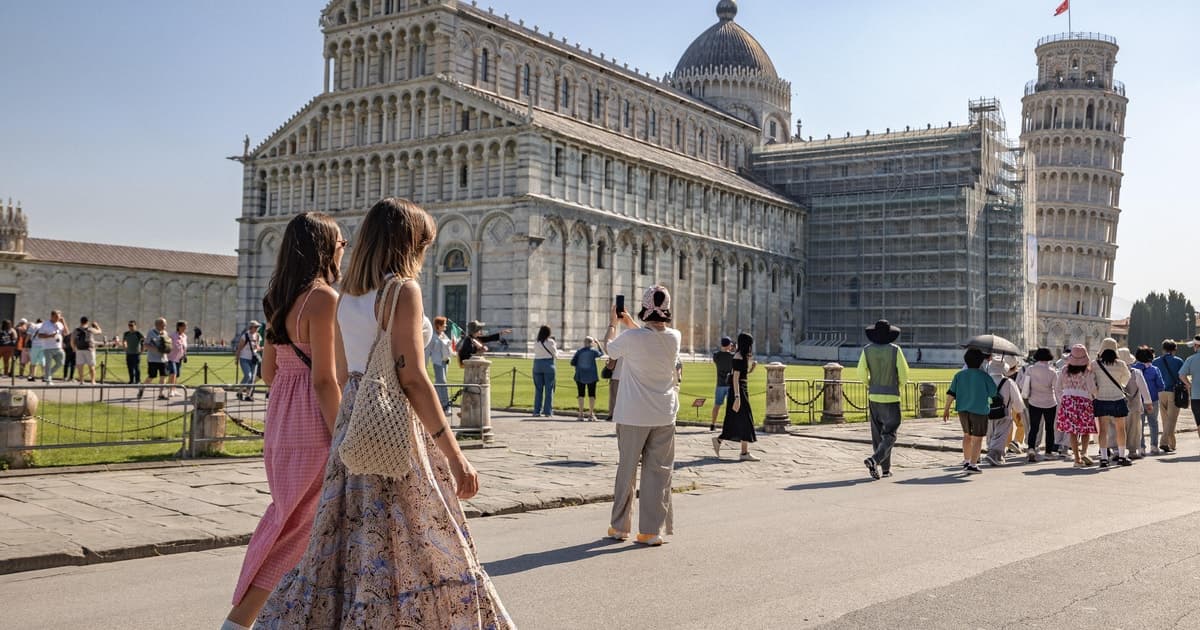
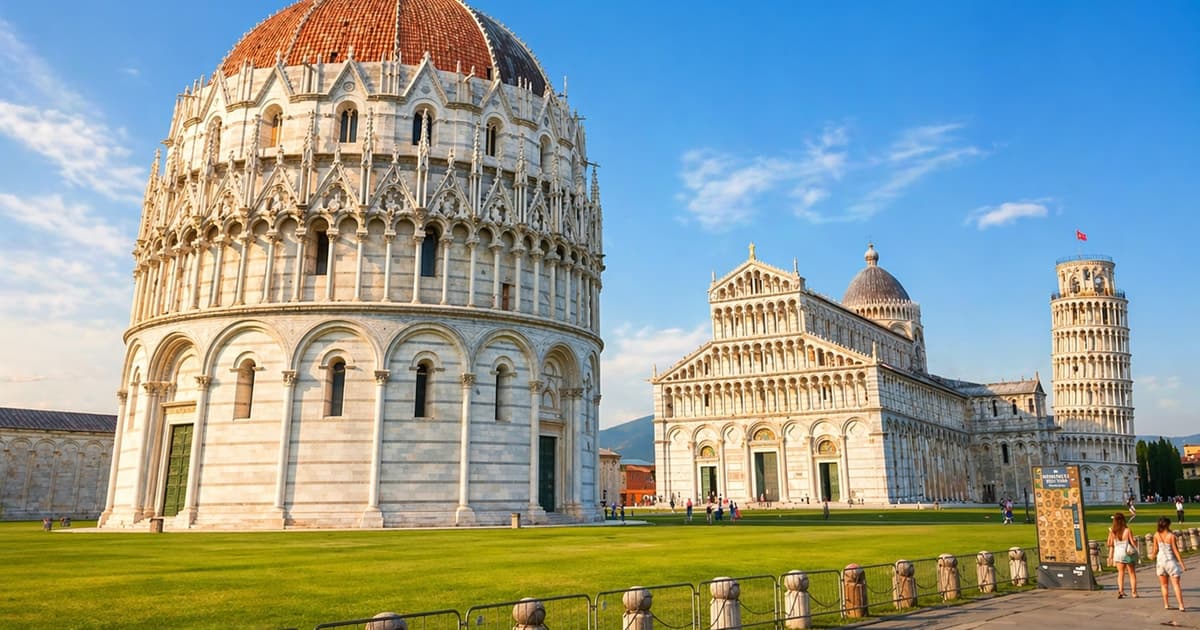
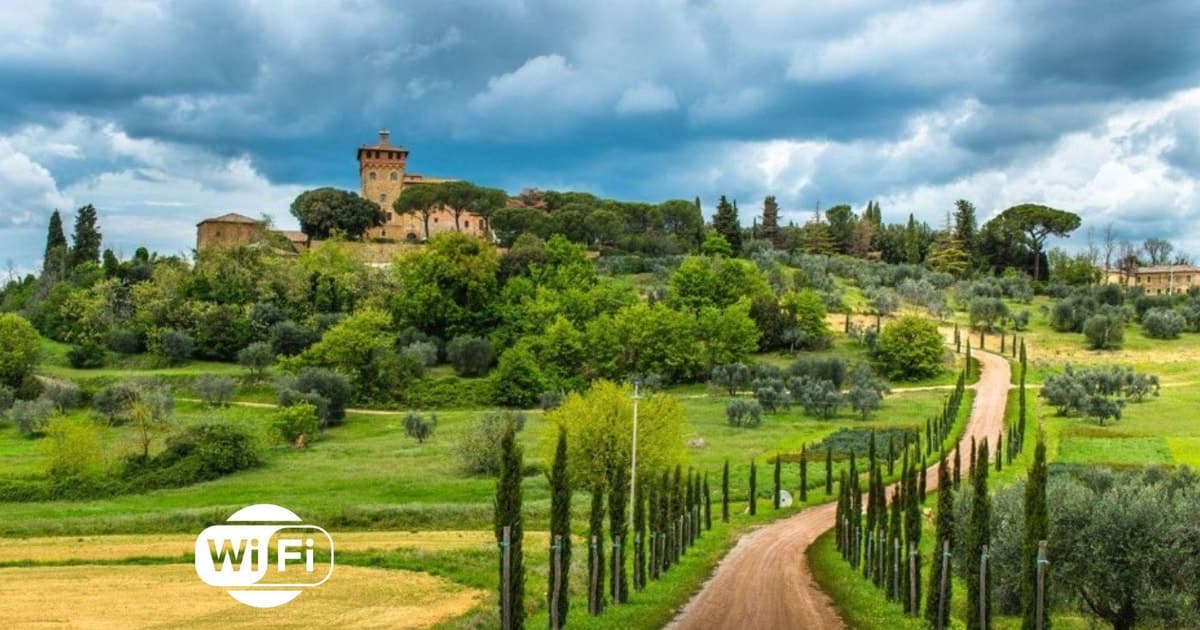
If you already know you want the countryside version, explore Chianti wine tours from Florence as a related guide and build a day that balances tasting and scenery without overplanning every minute.
🧭 Practical notes
- Small groups feel more conversational.
- Lunch stops slow the day pleasantly.
- Private options suit special occasions.
- Bring a light layer for breezier hills.
The best days out keep tasting tight and the rest open, with time to look out a window and let the flavors settle instead of stacking one stop on top of another.
Wine tasting tours in Florence that train your senses
An olive oil tour in Florence gets easier once you borrow wine’s vocabulary: fruit, bitterness, texture, and length. A guided wine tasting tour with an expert gives you a structured way to notice nuance, which transfers surprisingly well to extra virgin olive oil. It’s also a clean, contained plan when you want flavor without leaving the city.
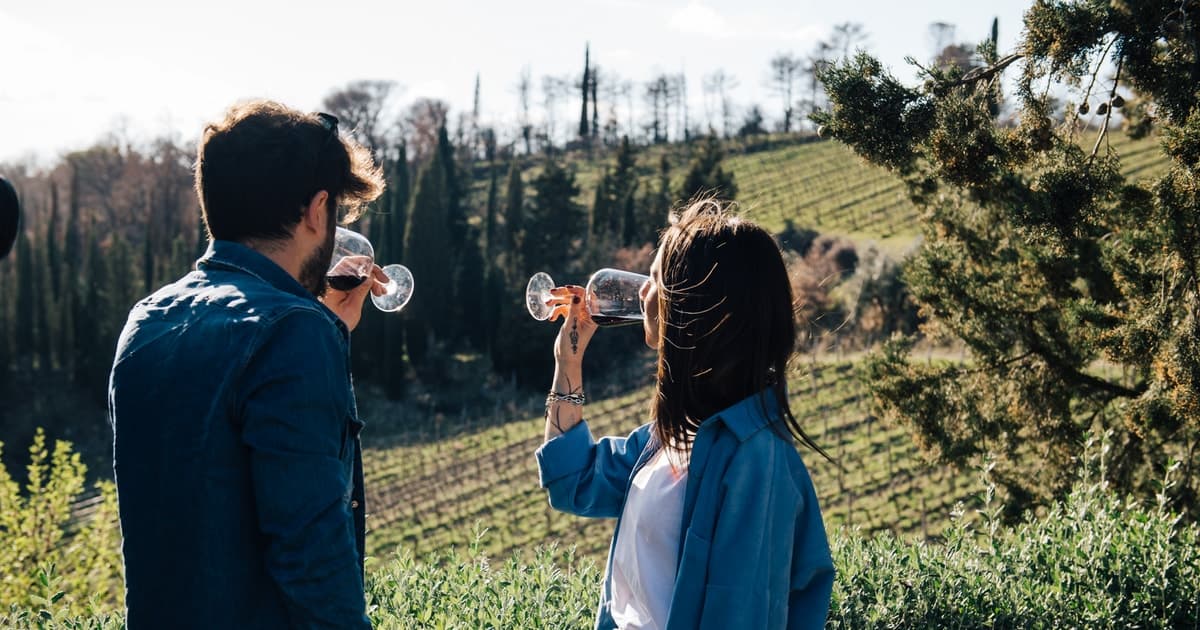
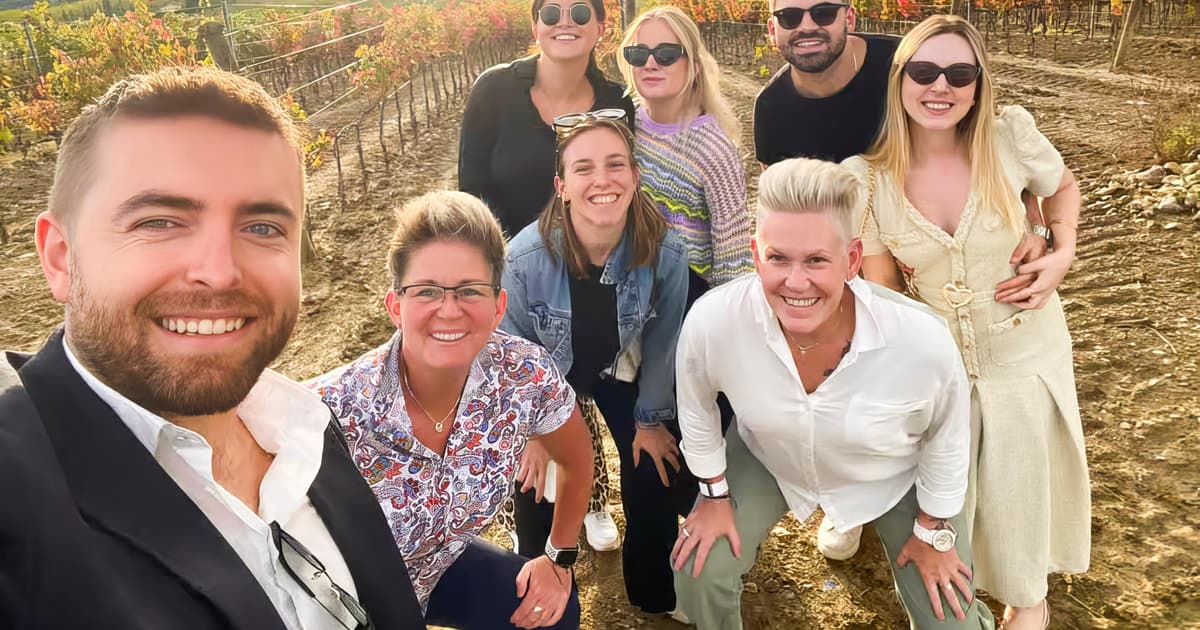
This is the kind of experience that fits neatly around art and architecture, because it doesn’t demand a whole day. If you’ve already done a market visit, you’ll come in with better questions, and you’ll leave with clearer instincts about what you like.
⚖️ Quick comparison
- Private tours feel more tailored and relaxed.
- Shared tastings bring livelier conversation.
- Expert-led sessions sharpen sensory language.
- City formats save travel time for wandering.
A small trick: taste slowly, then pause before speaking. That silence helps you catch the aftertaste and texture that separate a good bottle from a forgettable one.
Frequently asked questions
Is Florence known for olive oil?
Yes, because the hills around the city are part of a wider Tuscan food culture where extra virgin olive oil is a daily staple. In Florence itself, tastings and food-focused walks help you understand the flavor, while countryside trips add landscape context.
What does an olive oil tour in Florence usually include?
Most experiences focus on tasting technique, simple pairings that reveal quality, and guidance on what you are tasting and why it matters. Depending on the format, you may add markets, street food, or a countryside day that brings the Tuscan landscape into the story.
Should I pick a city tasting or a countryside experience?
Choose a city tasting if you want high impact with minimal travel and a plan that fits between museums. Choose the countryside when you want space, scenery, and a slower pace that makes the tasting feel like part of the day, not a break from it.
Is a day trip to Tuscany from Florence worth it?
It is worth it when you want more than a city snapshot, because Tuscany’s hills make the flavors feel less abstract and more physical. The day also tends to feel calmer, with longer pauses for tasting, lunch, and views.
How can I taste extra virgin olive oil properly?
Start by smelling, then taste a small amount and let it coat your mouth so you can notice fruitiness, bitterness, and pepper. Try it with plain bread or vegetables, because simple foods make quality differences clearer.
When is the best time for fresh Tuscan olive oil?
The most expressive oils often appear right after the harvest, when flavors feel greener and more vivid. Outside that period, tastings are still valuable because you learn what balanced, well-made oil tastes like, not only what tastes new.
How much does an olive oil tour in Florence cost?
Prices vary by format, from budget-friendly tastings to premium private days that include extra touches. Check GuruWalk's activity catalog to see the latest prices, what each experience includes, and current availability.
Can I bring back olive oil from Italy?
In many cases, yes, but rules depend on your destination and airline, so it helps to check before you buy. Practical advice is to prioritize well-sealed bottles and pack them carefully, or choose options that offer shipping support when available.
What is the best olive oil to bring back from Italy?
The best choice is the one you enjoy and will use, especially oils with clean aroma, balanced bitterness, and a peppery finish. Tours and tastings help because you learn your preferences in real time, instead of guessing based on a label and hoping for magic.
Is olive oil tasting suitable for families?
Often, yes, especially when the focus is on simple pairings and local foods rather than technical detail. If you are traveling with kids, choose a relaxed pace and experiences where food is central, so everyone has a clear role at the table.
Discover related activities in Florence