Florence Cooking Class Tour
Discover Florence
Last update:
Continue planning your trip to Florence
Florence cooking tour: market mornings, pasta nights, and a table you earned
Florence tastes best when you slow down: start with seasonal produce and sharp cheeses at the market, then cook them into the sauces, fillings, and desserts that keep appearing on menus. Our offer of experiences ranges from market-led cooking classes to pasta and tiramisu workshops, pizza and gelato sessions, and Tuscan tables outside the center; choose the pace that fits your trip and leave with repeatable skills you can take home.
📚 Choose your experience
Market tour and cooking class
Taste first, then cook what you chose.
Pasta and tiramisu classics
Roll dough, shape pasta, finish sweet.
Pizza and gelato workshops
Oven heat, stretchy dough, creamy gelato.
Wine-focused cooking
Toasts, tastings, and pairing confidence.
Tuscan kitchens and countryside
Castles, country tables, slower meals.
FAQs
Seasons, dress, etiquette, and smart tips.
Florence market tour and cooking class: the city’s flavors start at the stalls
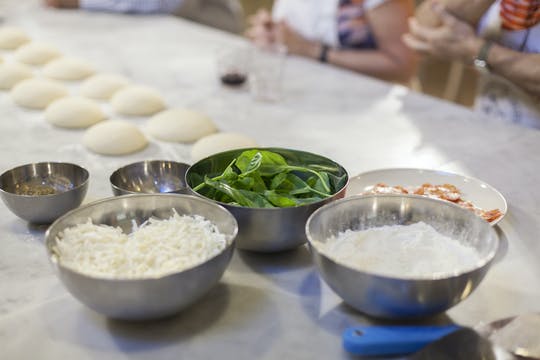
A florence market tour and cooking class begins with Florence’s most honest soundtrack: vendors calling, knives tapping, baskets filling. You taste a few ingredients, learn what is in season, then head to a kitchen where those choices become fresh pasta, bright sauces, and a shared meal.

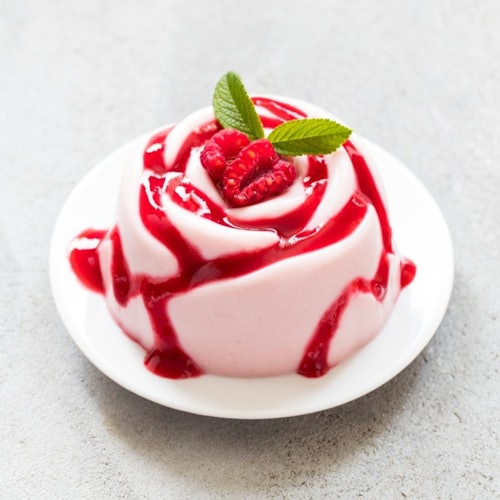
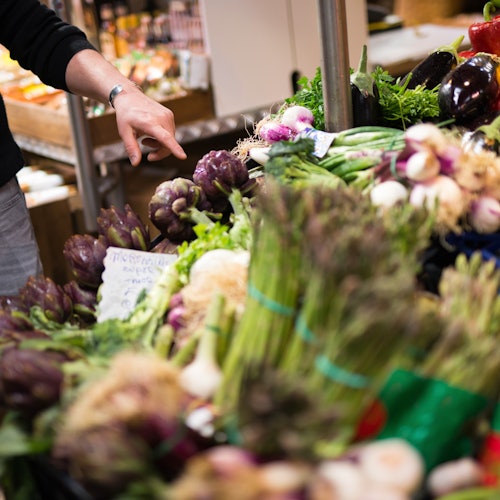
This cooking class florence market tour style is ideal when you want a local host or certified chef to translate labels, explain why one ingredient matters, and steer you away from tourist-trap shortcuts. A Florence cooking class market tour also keeps the day flowing: shop with purpose, cook with focus, then eat without rushing.
To keep the momentum, browse the related product page for Florence food tours with tastings and add neighborhood bites and context after you have learned the market basics.
🧭 Practical tips
- Arrive hungry, taste first, then shop.
- Ask about seasonal vegetables and local cheeses.
- Carry a reusable bottle and light layers.
- Choose small groups for easier market navigation.
Pasta and tiramisu cooking classes in Florence: the classic hands-on win
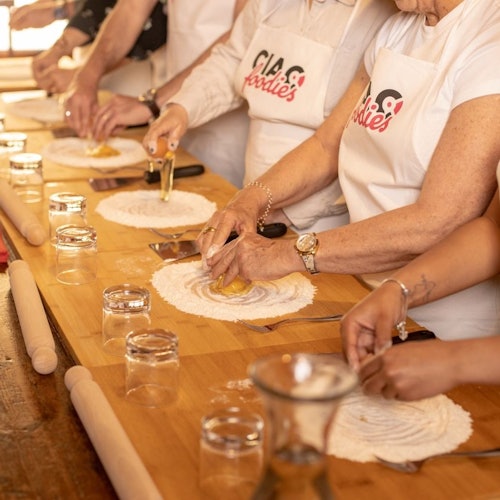
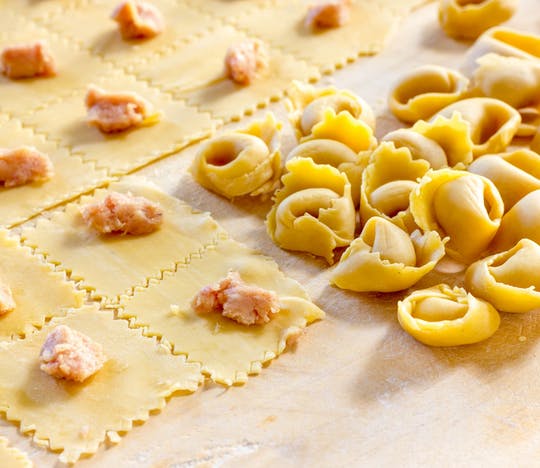
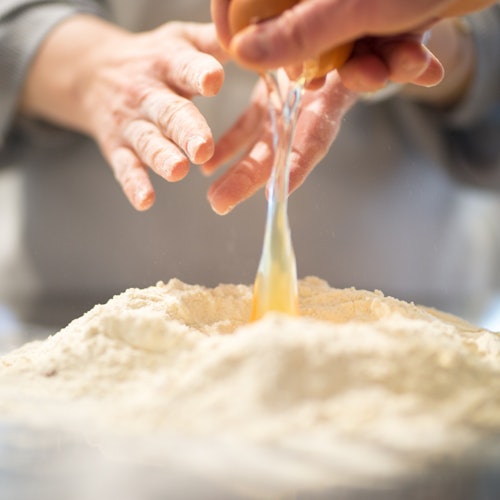
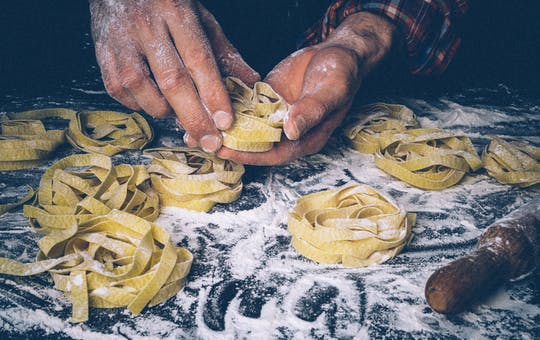
Flour on your fingertips is the best souvenir. These sessions move from dough to dinner, then land on tiramisu that tastes earned, not bought, which makes the whole experience feel like a real Florence kitchen, not a performance.
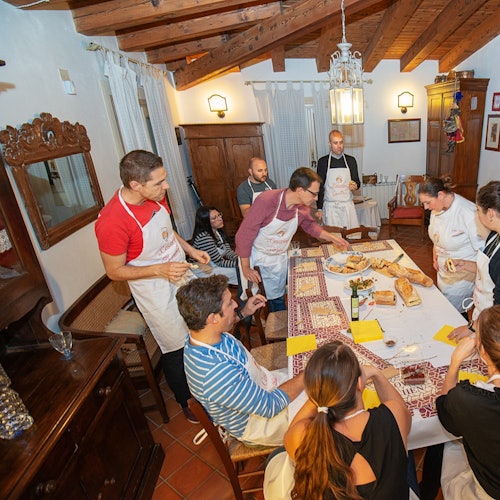


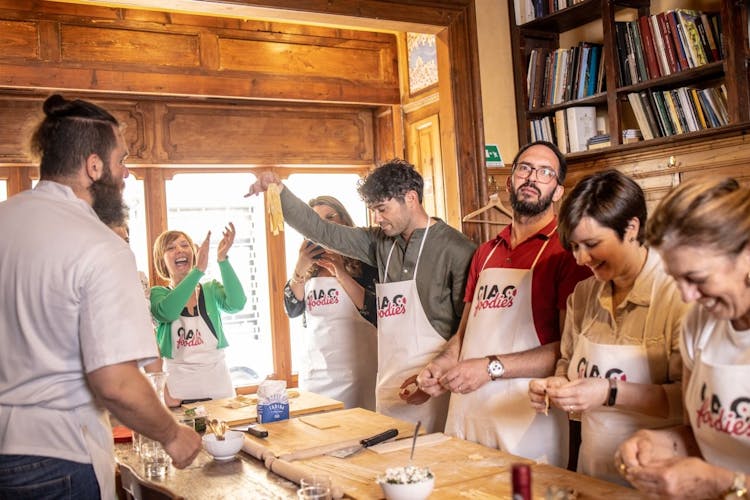
Choose the style that matches your confidence: some classes focus on one signature shape, others cover more, but the shared thread is clear technique you can repeat at home. When the instructor is attentive and the group is small, you get more corrections in the moment, which is where the learning sticks.
This is an easy anchor for a Florence cooking tour because it pairs naturally with market mornings and museum afternoons, and it leaves you recognizing menu words with zero translation needed when you spot tagliatelle, ravioli, or dessert staples.
⚖️ Quick comparison
- Hands-on: you knead, roll, and fill.
- Demo-led: more stories, less flour to clean.
- Wine-friendly: social pace with relaxed conversation.
Pizza and gelato cooking class in Florence: dough, heat, and a sweet finish
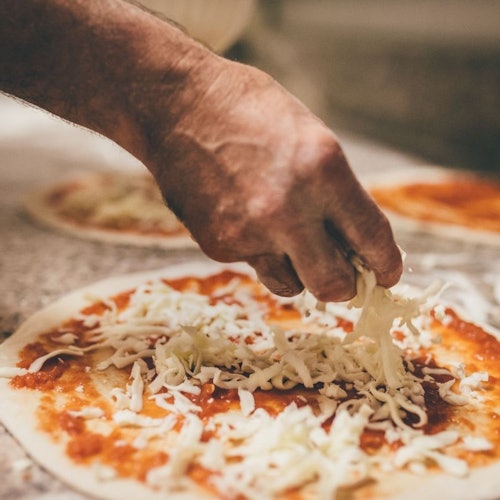
Pizza class energy is fast and friendly: dough stretches, ovens roar, and the room smells like toast and tomato. Add gelato and you get a full arc from savory to sweet, with a dessert that cools the heat and keeps the table laughing.
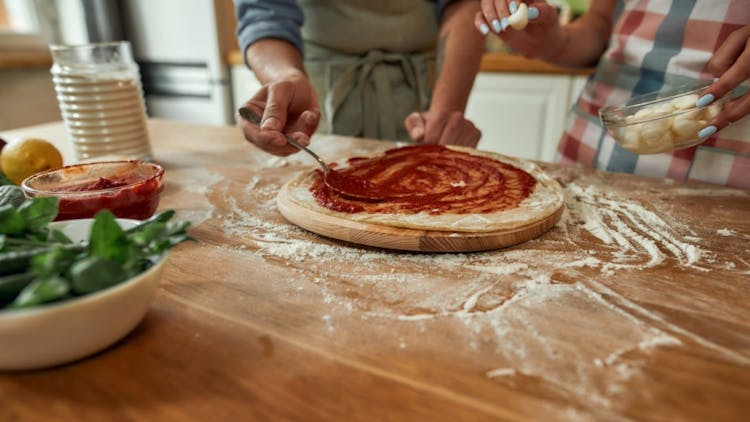
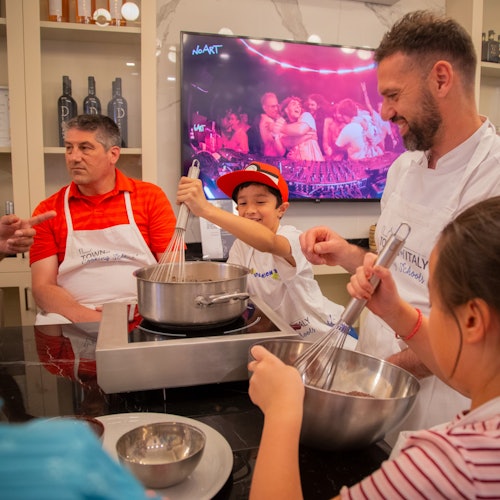
Some experiences stay close to the Duomo so the walk back feels cinematic, while others keep it simple in a central studio; either way, small groups mean more turns at the bench and cleaner timing for the bake.
If your group wants to focus on the craft alone, the related product page for pizza making classes in Florence is a smart complement when you are planning dinner around one signature skill.
🧭 What to bring
- Tie back hair, ovens get seriously warm.
- Wear closed shoes for kitchen safety.
- Skip perfume, flavors are easier to read.
- Leave room for gelato at the end.
Cooking tour Florence with wine: tastings, unlimited pours, and Chianti notes
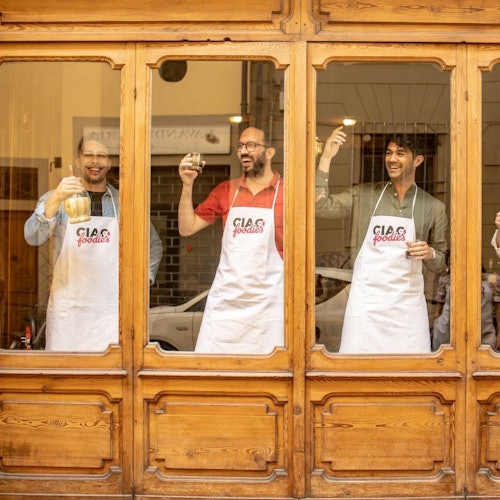
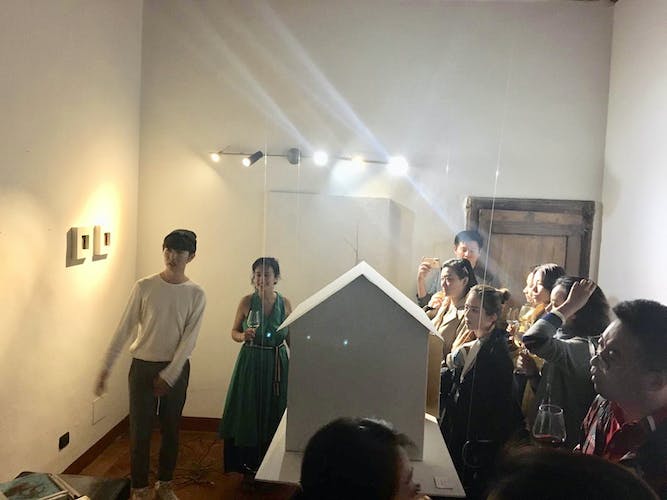
Wine changes the mood from lesson to dinner party. A cooking tour florence experience with wine can be casual with unlimited refills, or more structured with a sommelier who explains why a sauce loves one grape and fears another, giving you pairing confidence for the rest of the trip.

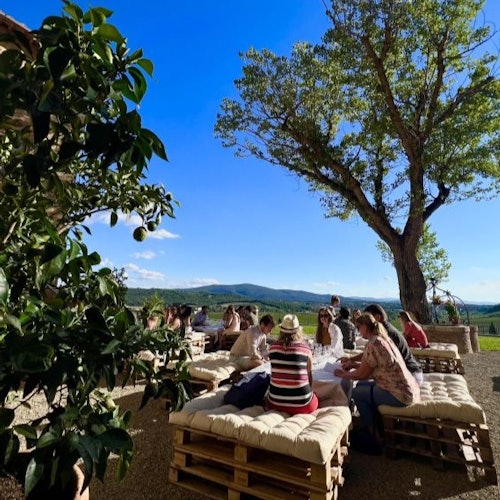
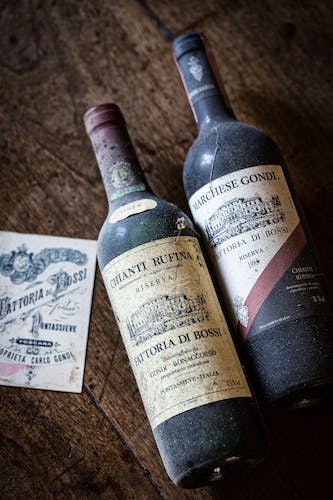
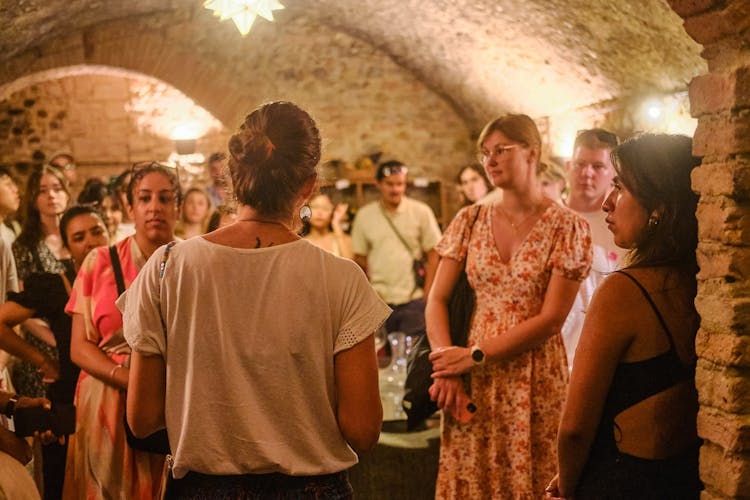
After tastings, a slow walk and something sweet helps reset your palate; the related product page for gelato tours in Florence fits neatly when you want dessert without another heavy meal.
Not drinking is also easy: our catalog of activities includes classes where the spotlight stays on technique, and you can always check GuruWalk's activity catalog to see the latest prices and what is included on your date.
⚖️ Pick your vibe
- Unlimited pours: lively table, simple food focus.
- Sommelier-led: learn pairings and tasting notes.
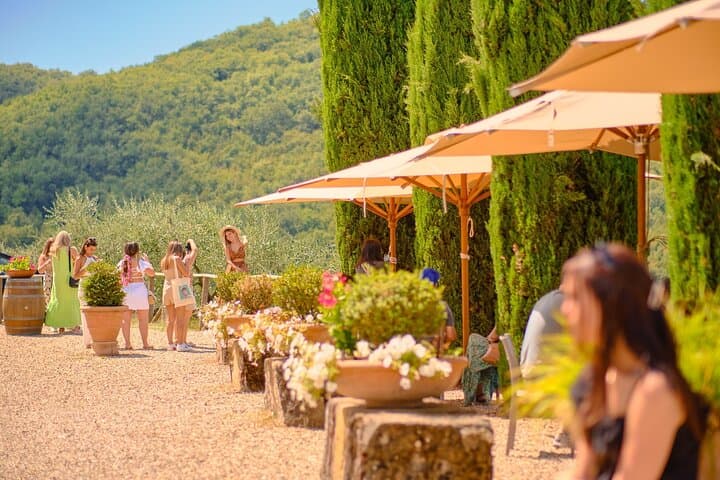
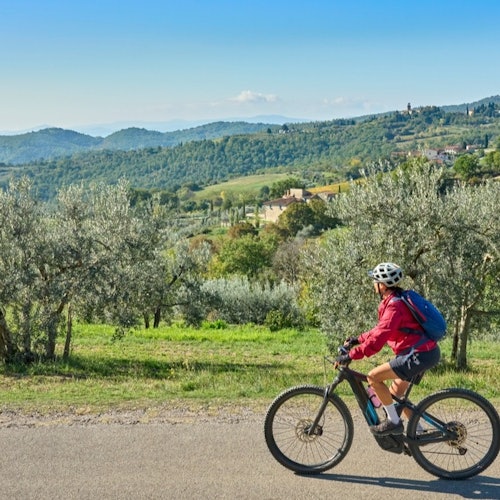
- Day trip: vineyards, countryside, and a class.
Tuscan cooking near Florence: castles, country kitchens, slower tables
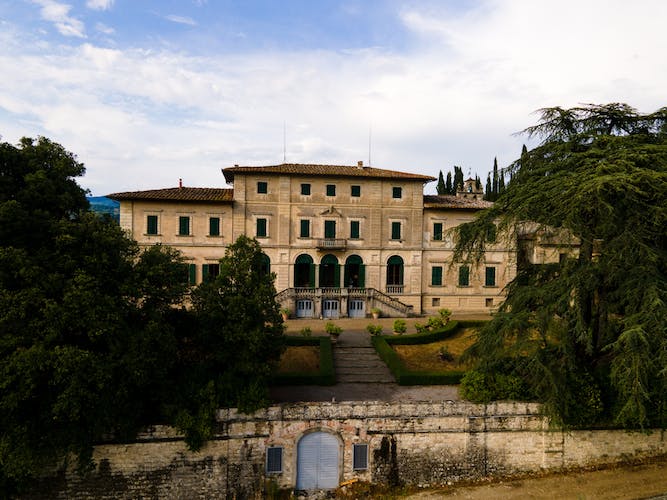
When Florence feels packed, step into the countryside mood without losing the food focus. Tuscan kitchens trade street noise for calm air, and you cook at a slower tempo in castles, homes, or rustic spaces built for long tables and longer conversations.
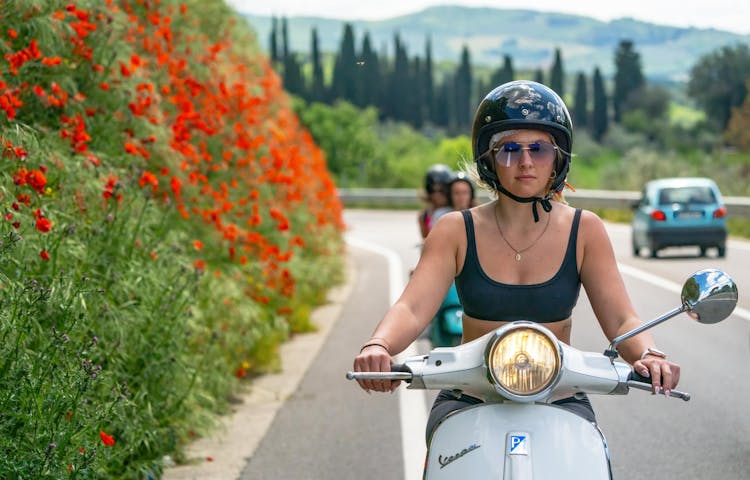
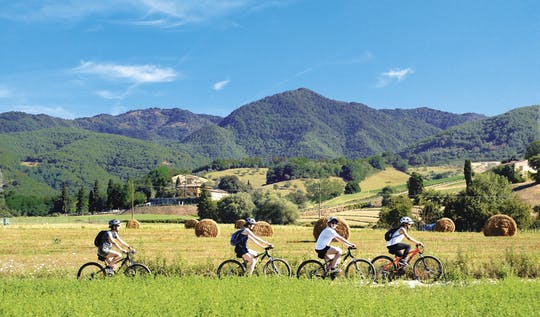

These experiences suit anniversaries, family gatherings, and travelers who want a deeper sense of place; expect seasonal ingredients, multi-course pacing, and time to linger instead of racing back to a crowded landmark.
Dietary needs can still feel natural here: look for options that mention gluten-free, vegetarian, or organic cooking, and message hosts early so the menu stays authentically Tuscan while fitting you.
🧭 Practical logistics
- Confirm meeting point and transport options early.
- Pack a light jacket for evening air.
- Plan a calm return, no tight plans.
- Tell hosts about allergies when booking.
Frequently asked questions
What is the best food tour in Florence?
The best one is the tour that matches your appetite: market-driven tastings, street-food bites, or a route built around wine pairings. Use the itinerary and reviews in our catalog of activities to pick a pace, then pair it with a cooking class for a deeper skill payoff.
Are guided tours worth it in Florence?
They are worth it when time is short or crowds are loud: a good guide turns famous streets into useful context and helps you eat with less guesswork. In our catalog, Florence cooking classes run from around 30€ to 246€, depending on venue and extras, and the payoff is practical: ingredient selection, technique, and a shared table at the end.
Are food tours worth it in Italy?
Yes when you want a shortcut to regional specialties: you taste, learn, and build a mental map of what to order later. A tour is even better paired with a class because you leave with skills, not only memories.
How to avoid tourist traps when eating in Florence?
Walk a few streets away from the biggest monuments and look for menus that highlight seasonal dishes, not only photo-friendly classics. On a market visit, ask what locals are buying that week, then use that cue when choosing where to eat.
What is a must eat in Florence?
For tradition, try ribollita and pappa al pomodoro; for bold flavors, lampredotto is a local rite. A cooking class often recreates the pasta and desserts you keep seeing on menus, so you recognize them immediately afterward.
Can you wear jeans in Florence, Italy?
Yes, jeans are completely fine, especially for evening classes. Bring a light layer because kitchens and streets can feel cooler later, and keep shoulders covered when stepping into churches between stops.
What is the best month to go to Florence?
Shoulder-season weeks are popular because you get milder afternoons and more breathing room at markets. Summer works too if you book indoor classes and plan tastings for later in the day.
Are there any parts of Florence to avoid?
Florence is generally walkable, but treat crowded areas like any big city: keep bags close around stations and the most visited sights. At night, stick to well-lit streets and pre-book meeting points you can reach comfortably.
Is it rude to not finish food in Italy?
Not finishing is not rude if you show appreciation; a simple grazie, it was delicious goes a long way. In cooking classes, portions are usually designed for sharing, so it is normal to stop when you are full.

Author: Belén Rivas, GuruWalk
Publication date: 2025-12-15
Data updated as of December 2025