Lisbon Dolphin Watching Tours


Last update:
Continue planning your trip to Lisbon
- Free tour
Free Tours in Lisbon
Guided Tours
Day Trip to Sintra and Cascais
City Tours
Tickets & Passes
Day Trip to Sintra
Fado Shows
Jeronimos Monastery Tickets
Tuk Tuk Tours
Shows & Performances
Boat Tours
São Jorge Castle Tickets
Food Tours
Bike Tours
Food & Wine Tours
Hop-On Hop-Off Bus Tours
Sunset Boat Cruises
Telecabine Tickets
Top Activities
Private Tours
Sunset Cruises
Lisbon Zoo
Day Trip to Cascais
Jewish Heritage Tours
Pub Crawls
Wine Tours
Luggage Storage
Cooking Classes
Fado Dinner Shows
Art Museums
Spas & Wellness
Boat Parties
Lisbon Cathedral Tickets
Hard Rock Cafe Lisbon
Airport Transfers
Day Trip to Fatima
Day Trip to Algarve
Benfica Stadium Tour
Banksy Museum Tickets
Day Trip to Evora
Panoramic Bus Tours
Escape Rooms
Self-Guided Walking Tours
Dolphin Watching
Surf Lessons
Day Trip to Obidos
Helicopter Tours
National Coach Museum Tickets
National Tile Museum Tickets
Paragliding
Street Art Tours
Amphibious Bus Tours
Architecture Tours
Things to Do Today
Other Experiences
Day Trip to Nazare
Day Trip to Tomar
Day Trip to Setubal
Day Trip to Arrabida
Wine Tours from Lisbon
Day Trip to Fatima and Batalha
Day Trip to Obidos and Nazare
Day Trip to Comporta
Day Trip to Berlengas
Day Trip to Cabo da Roca



























Lisbon dolphin watching tours: wild encounters minutes from the city
From the Tagus estuary you slip into the Atlantic in less than an hour, where Lisbon dolphin watching means fast boats leaving the city’s docks, ocean safaris guided by marine biologists, quieter outings from Sesimbra and Arrábida, and half-day cruises with a more social, open-bar vibe; in our offer of experiences you can move between pure wildlife focus and relaxed coastal scenery, combining a morning at sea with another day on a Cascais, Fátima or Évora day trip from Lisbon.
📚 Choose your experience
Tours from Lisbon city
Short, intense outings from the river.
Ocean safari with experts
Marine biologists and wildlife focus.
Sesimbra and Arrábida coast
Cliffs, coves and calmer bays.
Cruises and longer trips
Open bar, music and half-day pace.
Frequently asked questions
Best time, clothing and sightings.
Dolphin watching tours from Lisbon city
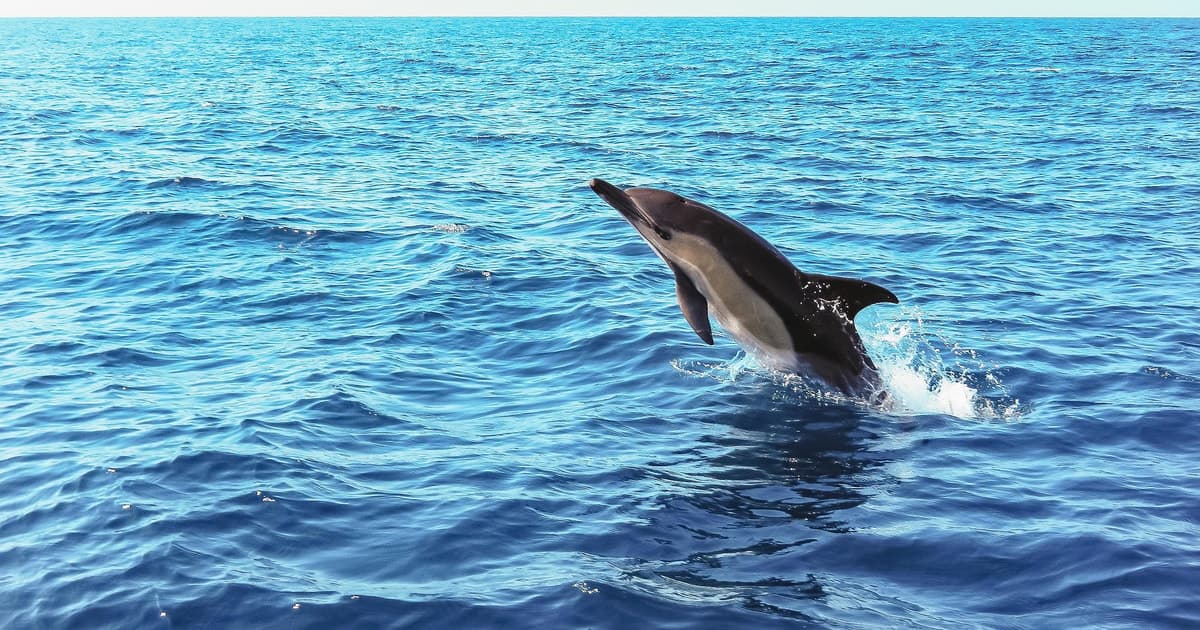
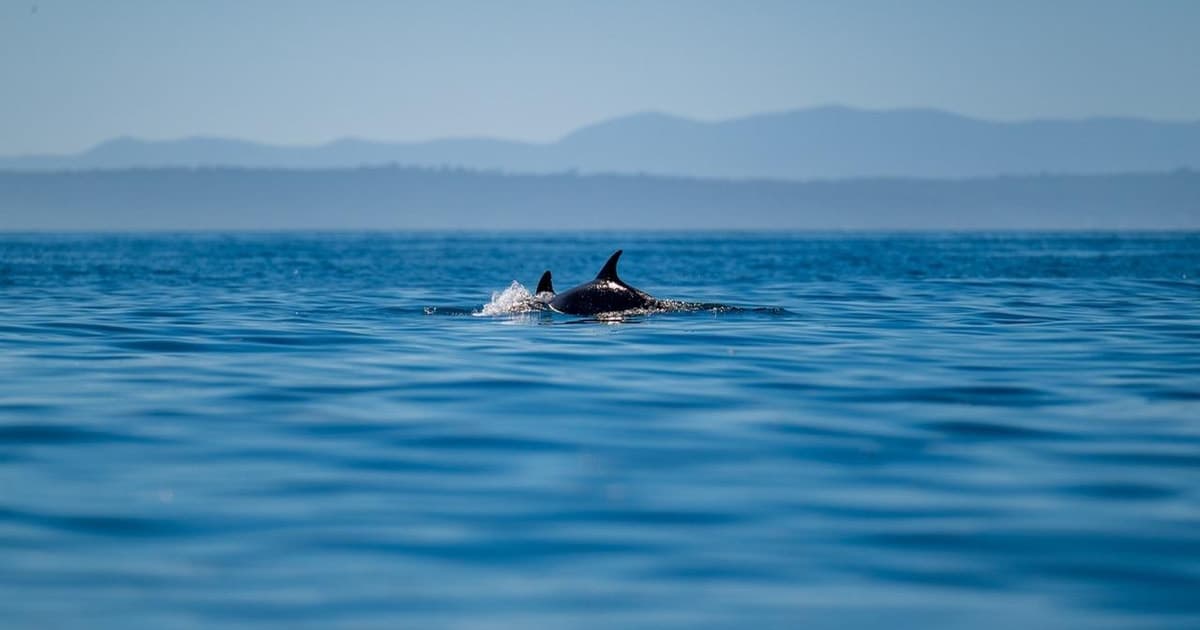
Speedboats leave Lisbon’s docks, pass under the bridge and in a short time you are in open water where dolphin watching tours from Lisbon city feel fast, salty and focused on finding pods that cruise along the continental shelf just beyond the Tagus mouth.
These outings usually use rigid inflatable boats or similar fast vessels, balancing speed with stability so you cover ground quickly while staying close enough to the water to feel the swell and watch the animals bow-ride beside you.
A morning slot works well if you want the rest of the day for the city or for a day trip to Cascais from Lisbon, while late departures add warmer light over the skyline when you head back upriver.
⚖️ Quick comparison
- Short city departures maximise time in the dolphin area.
- Shared boats are more social and budget-friendly.
- Smaller groups give easier views and calmer boarding.
- Earlier slots often bring gentler wind and swell.
🧭 Practical tips from the pier
- Arrive early so check-in and safety briefings are relaxed.
- Bring a light jacket; wind-chill on the water surprises many.
- Keep cameras ready but use a strap when the boat accelerates.
- For sea sickness, look at the horizon and stay on deck.
Ocean safari with marine biologists
On the ocean safari tours with marine biologists, the atmosphere is still adventurous but more observational: guides read the sea, scan for birds and surface patterns, and explain what each movement might mean before the dolphins appear beside the hull.
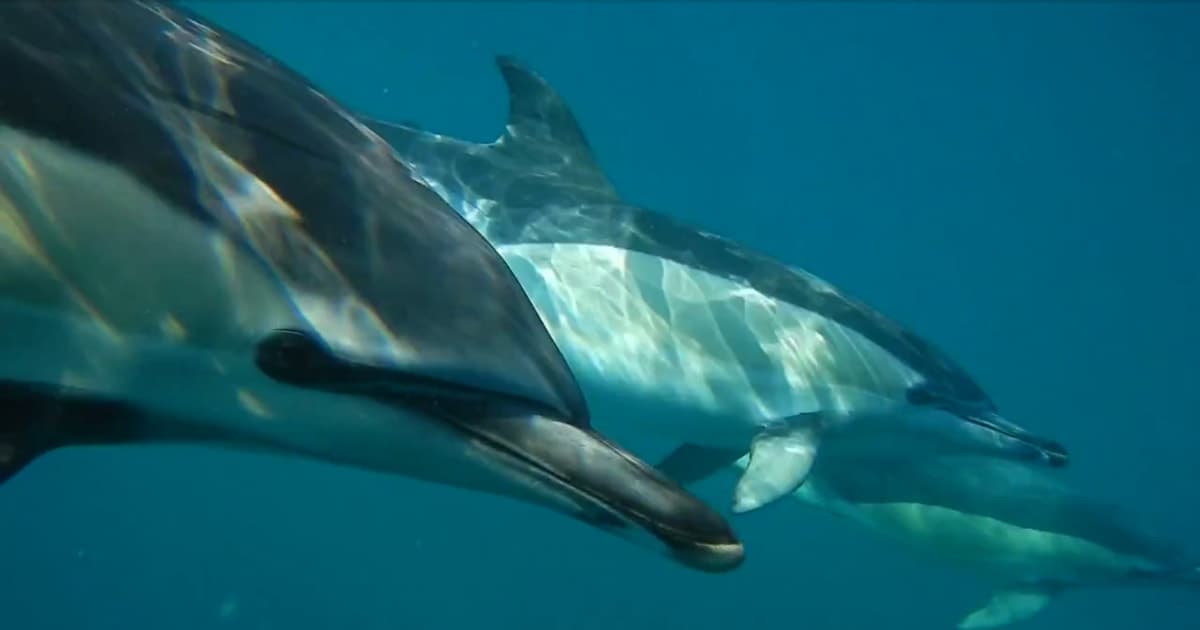
Many of these tours feed into long-term monitoring projects, so you might help log species, group size or behaviour while learning to distinguish common, bottlenose or striped dolphins and understanding why respectful distance and quiet engines matter.
The success rate for sightings is usually very high across the main season, but the animals are wild; choose this format if you value patient searching, data stories and a guide who can connect Lisbon’s coast with wider Atlantic migrations.
🧬 Conservation and responsible watching
- Approach angles and speeds are adapted to each pod.
- Engines idle or cut when dolphins come very close.
- Time near each group is limited to reduce disturbance.
- No touching or feeding; hands stay inside the boat.
🌊 Who will enjoy this most
- Wildlife enthusiasts who enjoy spotting birds and fish.
- Families with teens curious about marine science.
- Travellers combining it with a wine day trip to Évora for a slower inland day.
- Anyone who prefers education over party-style cruises.
Sesimbra dolphin watching and Arrábida coast
South of Lisbon, Sesimbra and the Arrábida Natural Park coastline offer steep cliffs, coves and clearer water; with transfer included, you swap the city skyline for a small fishing town and board there for dolphin watching in a quieter bay.
The rhythm is slightly slower, with time divided between navigation and scenery, often hugging the limestone coast before heading to the deeper spots where dolphins hunt, which works well for travellers who prefer gentler sea conditions.
Many programmes add stops near beaches or viewpoints in Arrábida, so this is a good match if you want your dolphin tour to feel like a full coastal excursion rather than just out-and-back wildlife watching from Lisbon.
🚐 Transfer and timing
- Pick-up in Lisbon keeps logistics simple for visitors.
- Travel time becomes part of the day, not a rush.
- Ask where the boat departs to plan snacks and toilets.
- Return to Lisbon usually leaves evening free in the city.
🏖 Ideal for
- Travellers who enjoy coastal landscapes as much as dolphins.
- Families or groups wanting a full-day feel without rushing.
- People prone to seasickness who prefer more sheltered waters.
- Visitors planning several days around Lisbon with varied day trips.
Dolphin cruises, open bar and half-day plans
Some Lisbon dolphin watching options lean into cruise-style comfort with open bar or half-day duration, mixing wildlife search with music, drinks and time to sit back while the coastline drifts past.

They still respect the same codes for approaching wild dolphins, but the ambience on board is more social; think groups of friends, celebrations and travellers who want an easygoing outing rather than a pure naturalist experience.
A half-day at sea combines well with a slower cultural day such as a Fátima day trip from Lisbon, giving you one day for the ocean and another for inland landscapes and pilgrimage sites.
🎉 Atmosphere on board
- Music and drinks create a more festive setting.
- Space to move, sit or stand without feeling cramped.
- Good for mixed groups with different energy levels.
- Expect photo stops both with dolphins and landmarks.
🧳 What to pack
- A light layer; breeze strengthens once you leave the estuary.
- Closed shoes or sandals with good grip on wet decks.
- Reef-friendly sunscreen, hat and small dry bag for valuables.
- If you are sensitive, take motion tablets in advance.
Frequently asked questions about dolphin watching in Lisbon
How can you see dolphins in Lisbon?
The most reliable way is to join a dolphin watching boat tour from Lisbon or with transfer to Sesimbra and Arrábida; ferries and regular river cruises sometimes see dolphins, but our catalog of activities is built around departures that actively search for them.
What is the best time of year for dolphin watching near Lisbon?
You can often see dolphins for much of the year, but the most comfortable conditions tend to be from late spring to early autumn, when days are longer and seas are usually less rough; in winter, trips still run when safe, yet they depend more on weather windows.
Is it better to go dolphin watching in the morning or afternoon?
Many travellers prefer morning departures for calmer winds and seas, while afternoon outings add warmer light and a more relaxed pace; if you are prone to seasickness, choose the earliest slot you find in our offer of experiences.
Where else in Portugal can you see dolphins?
Besides Lisbon, popular areas for dolphin and whale watching in Portugal include the Sado estuary near Setúbal, the Algarve coast and the Azores archipelago; each region has its own species mix and style of trip, so check GuruWalk’s activity catalog for the latest options.
What should I wear on a dolphin watching tour?
Dress in layers that can handle wind and spray: a light waterproof jacket, comfortable clothes that dry quickly, closed shoes with grip, sunglasses with strap and sun protection; in cooler months, add a thin beanie and gloves so you can stay on deck watching dolphins for longer.
Are you guaranteed to see dolphins on these tours?
No serious operator can guarantee wild dolphins 100 percent of the time, although the success rate off Lisbon is usually very high; some activities may offer rebooking or special conditions when there is no sighting, so read each product description carefully before booking.
How much does dolphin watching from Lisbon usually cost?
Shared speedboat outings from Lisbon tend to be in a mid-range price bracket per person, with more complete half-day tours and trips including transfers or open bar moving into higher brackets; check GuruWalk’s activity catalog to see the latest prices for your dates.
When can you see orcas in Portugal?
Orcas are occasional visitors to Portuguese waters, usually further along the Atlantic coast and only at certain times of year; dolphin watching tours from Lisbon focus on resident and regularly visiting dolphin species rather than orcas, which should be considered a rare bonus sighting.
What does it mean when dolphins swim close to the boat?
When dolphins approach and surf the bow wave or wake, it often reflects curiosity and play around the moving boat; guides watch body language and adjust their behaviour so the encounter stays respectful, while guests are asked to enjoy the view without trying to touch the animals.
Discover related activities in Lisbon


