Lisbon Food Tours




Last update:
Continue planning your trip to Lisbon
- Free tour
Free Tours in Lisbon
Guided Tours
Day Trip to Sintra and Cascais
City Tours
Tickets & Passes
Day Trip to Sintra
Fado Shows
Jeronimos Monastery Tickets
Tuk Tuk Tours
Shows & Performances
Boat Tours
São Jorge Castle Tickets
Food Tours
Bike Tours
Food & Wine Tours
Hop-On Hop-Off Bus Tours
Sunset Boat Cruises
Telecabine Tickets
Top Activities
Private Tours
Sunset Cruises
Lisbon Zoo
Day Trip to Cascais
Jewish Heritage Tours
Pub Crawls
Wine Tours
Luggage Storage
Cooking Classes
Fado Dinner Shows
Art Museums
Spas & Wellness
Boat Parties
Lisbon Cathedral Tickets
Hard Rock Cafe Lisbon
Airport Transfers
Day Trip to Fatima
Day Trip to Algarve
Benfica Stadium Tour
Banksy Museum Tickets
Day Trip to Evora
Panoramic Bus Tours
Escape Rooms
Self-Guided Walking Tours
Dolphin Watching
Surf Lessons
Day Trip to Obidos
Helicopter Tours
National Coach Museum Tickets
National Tile Museum Tickets
Paragliding
Street Art Tours
Amphibious Bus Tours
Architecture Tours
Things to Do Today
Other Experiences
Day Trip to Nazare
Day Trip to Tomar
Day Trip to Setubal
Day Trip to Arrabida
Wine Tours from Lisbon
Day Trip to Fatima and Batalha
Day Trip to Obidos and Nazare
Day Trip to Comporta
Day Trip to Berlengas
Day Trip to Cabo da Roca
























Lisbon food tours: tastings, viewpoints and stories in every hill
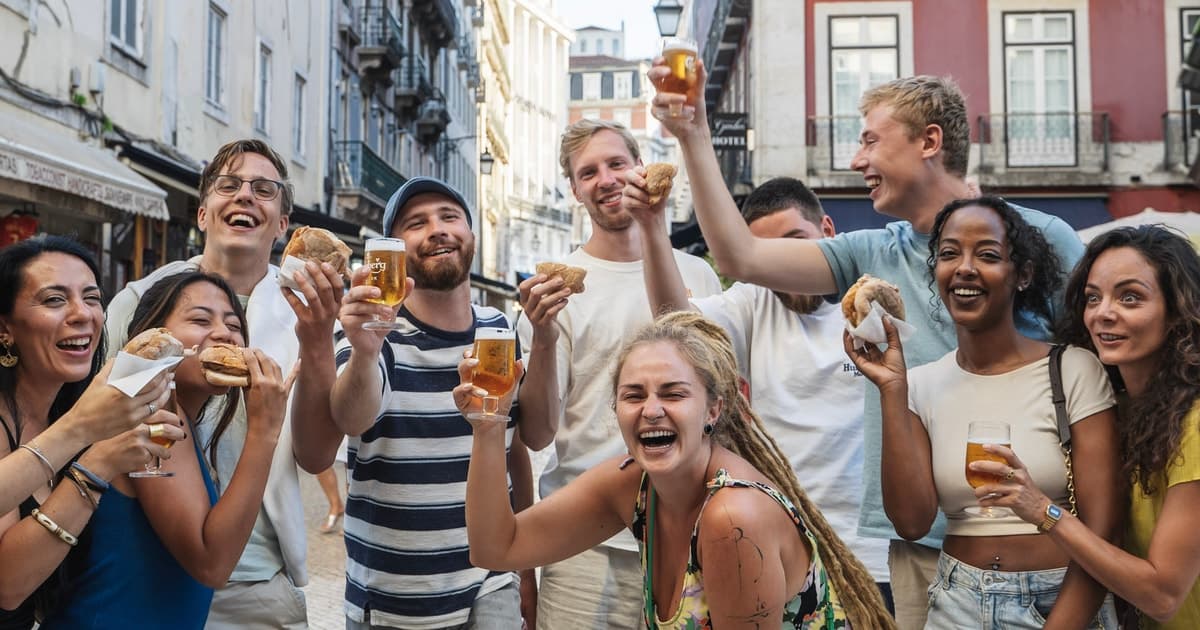
A Lisbon food tour turns the city into one long table: café counters for creamy custard tarts, taverns for grilled fish and wine, miradouros for views over the Tagus, and alleys in Alfama and Baixa where locals still shop and chat. In our catalog of activities you will find classic walking food tours, longer food and wine experiences, evening routes with Fado, tuk tuk circuits with tastings, and private or self-guided options that let you explore Lisbon, Portugal through flavours instead of checklists.
📚 Choose your experience
Classic food walks in the centre
Historic streets, markets and local tascas.
Food and wine tastings
Pair petiscos with local wines and stories.
Evening and Fado tours
Petiscos, viewpoints and live music at night.
Tuk tuk routes with tastings
Climb Lisbon’s hills without breaking a sweat.
Private and self‑guided options
Flexible timings, custom menus and families.
Frequently asked questions
Practical details for choosing your tour.
Classic Lisbon food walking tours in the historic centre
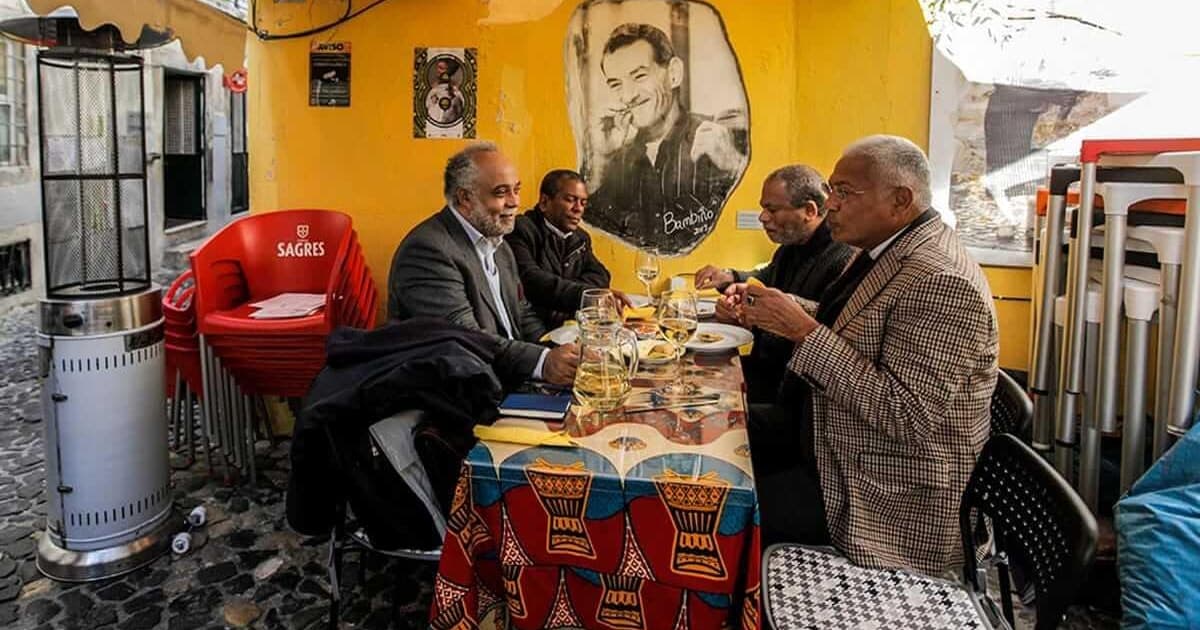
Classic food tours in Lisbon weave together Baixa, Chiado, Bairro Alto and Alfama: you enter century‑old bakeries, taste cod cakes at standing counters, sip ginjinha in tiny bars and follow your guide through tiled backstreets where residents still buy vegetables and bread. These walks balance pace and flavour, with just enough steps between stops to feel the city without turning the route into a workout.
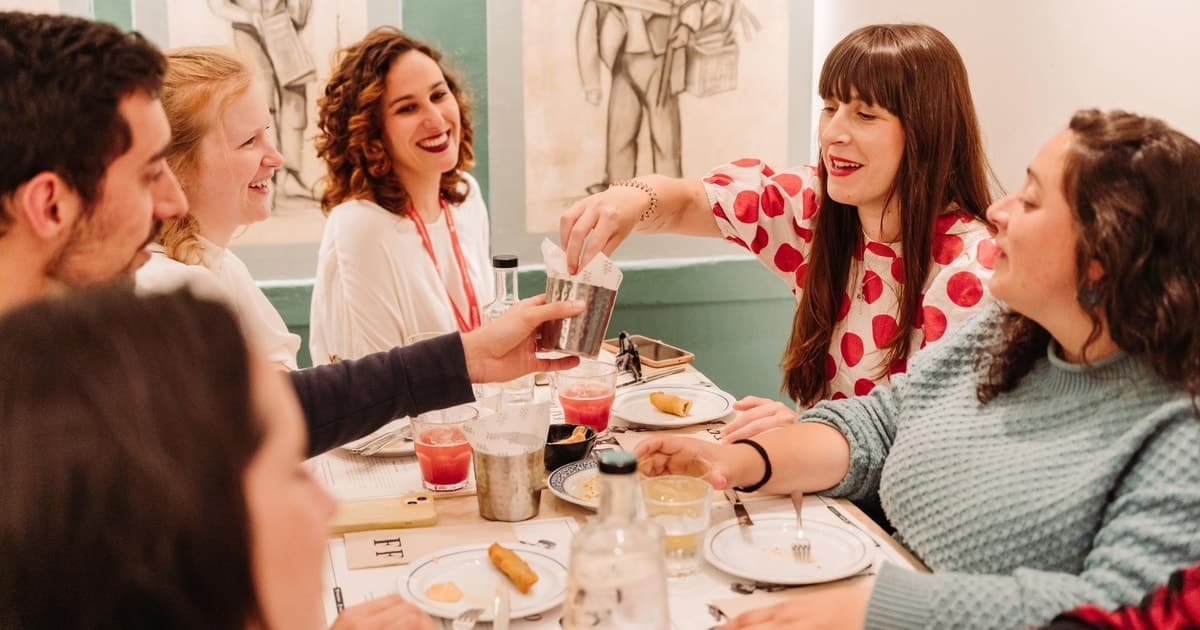

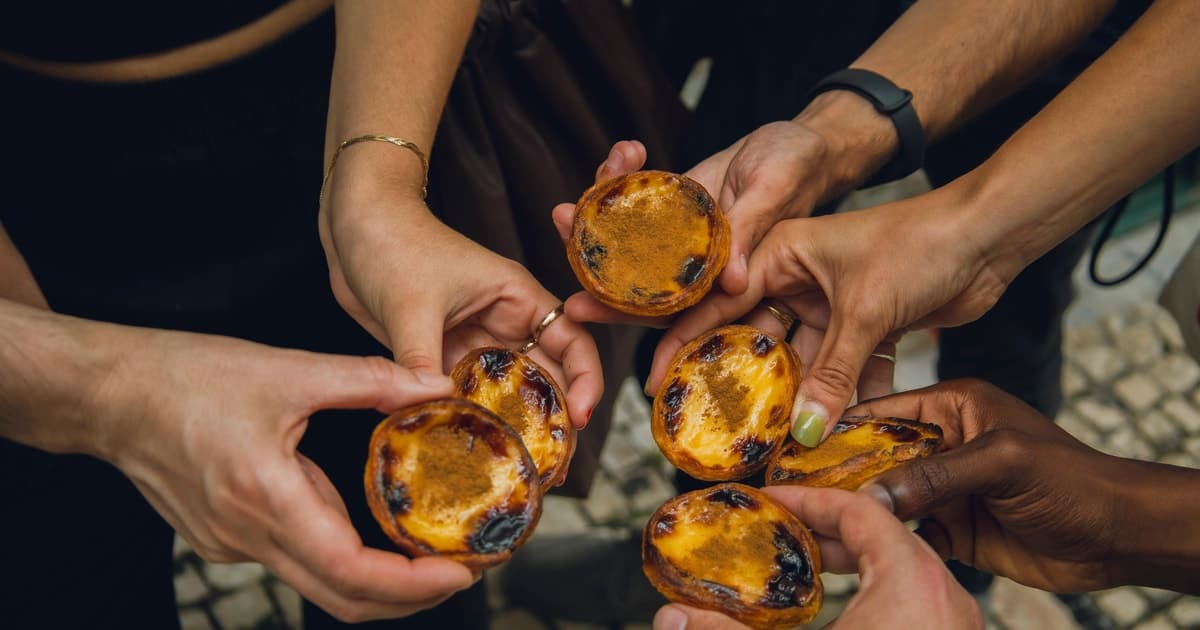

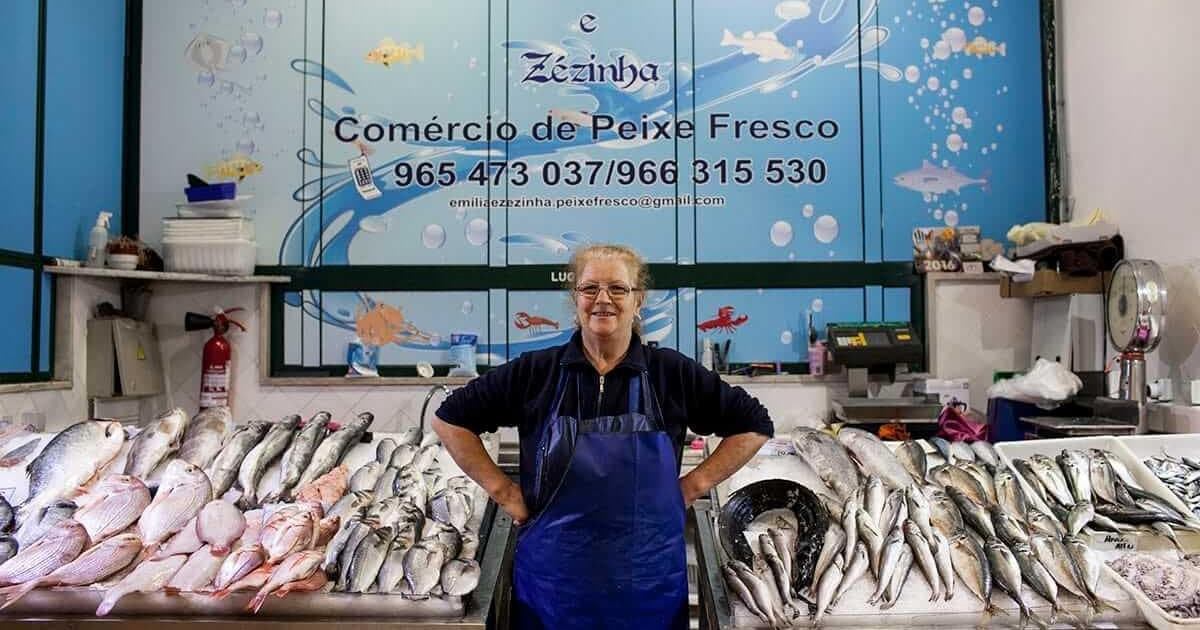
Choosing a central food walk is ideal for your first day in Lisbon, because you learn how to order in local tascas, what to expect from daily menus and how to recognise truly local spots around Rossio and the riverfront. Many tours stop in traditional markets or family‑run eateries, so later in the trip you can return on your own and order with more confidence.
After a morning of tastings and short walks, some travellers like to switch to a wider overview of the city; a hop‑on hop‑off bus tour of Lisbon lets you rest your legs while you connect the neighbourhoods you have just eaten your way through with Belém, the bridge and the riverside.
⚖️ Classic walk or longer route?
- Shorter walks suit first timers who want a quick but rich overview.
- Longer routes add more neighbourhoods and a slower, more local rhythm.
- Small groups help if you like to ask detailed questions and adapt the pace.
Food and wine tours for curious tasters
Food and wine tours go deeper into Portugal’s bottles and glasses: you might compare green wine and Douro reds, match cheeses with cured meats, taste port in a quiet bar or sit down for a full meal built from several traditional dishes. The walking parts usually link specialist wine bars, grocery stores and taverns where the guide can talk about producers, regions and how locals drink.
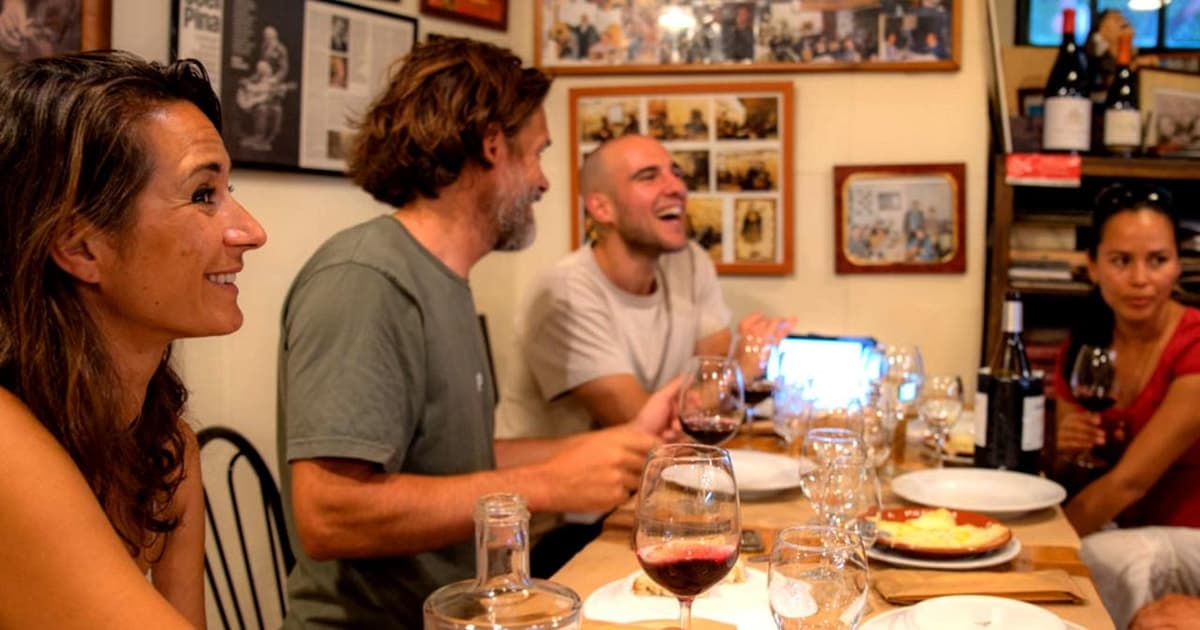
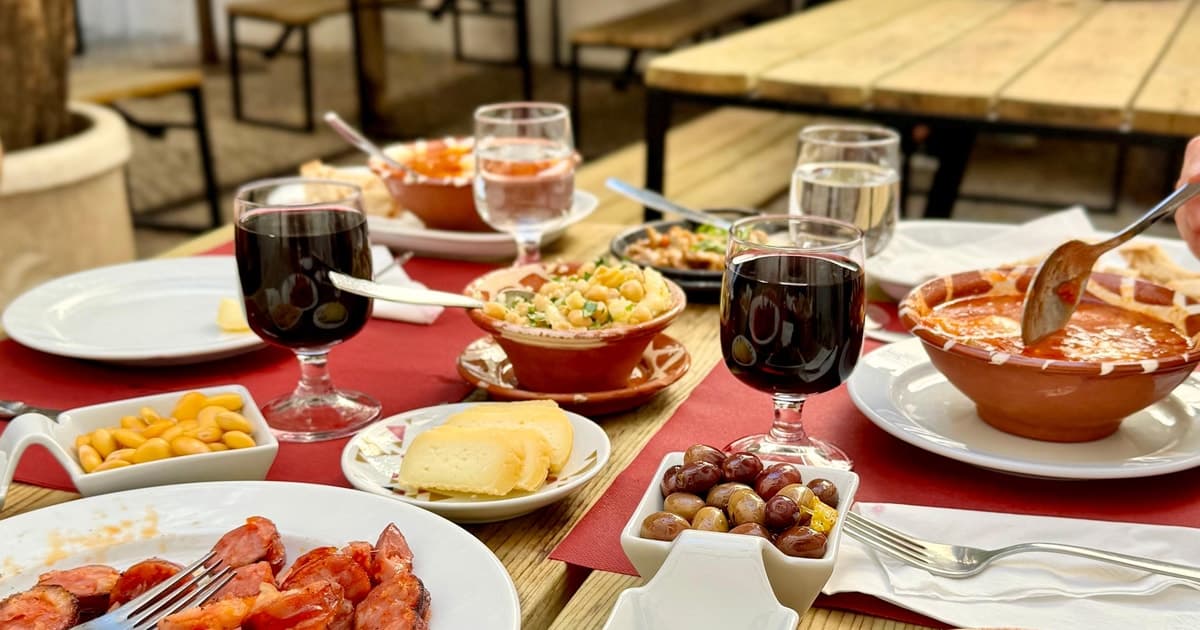

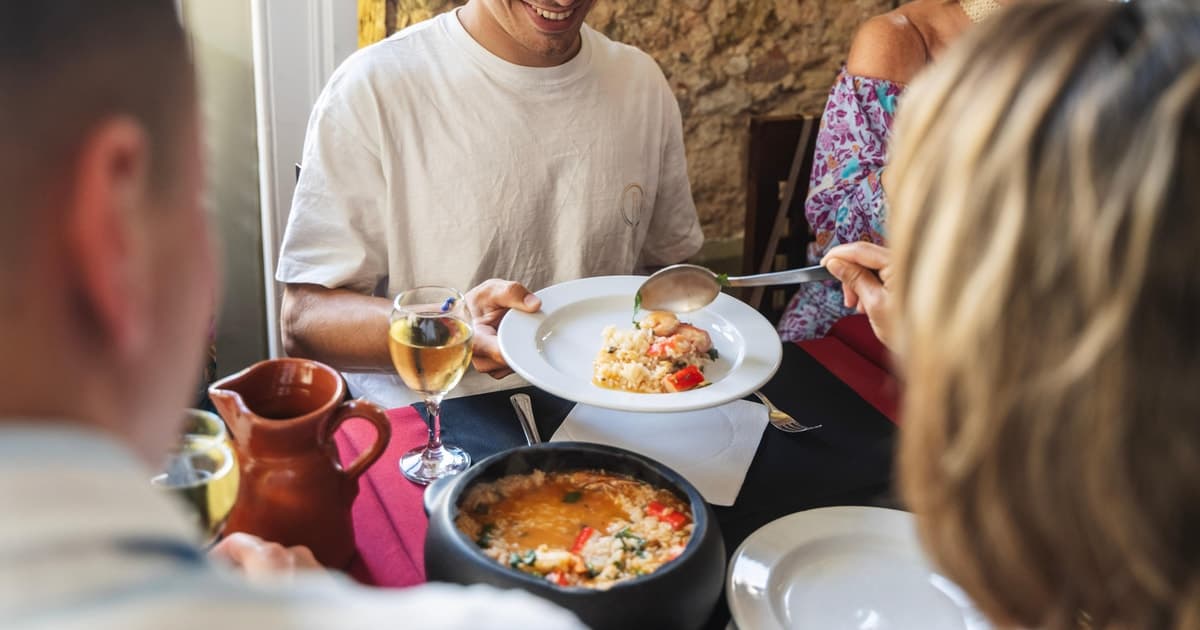
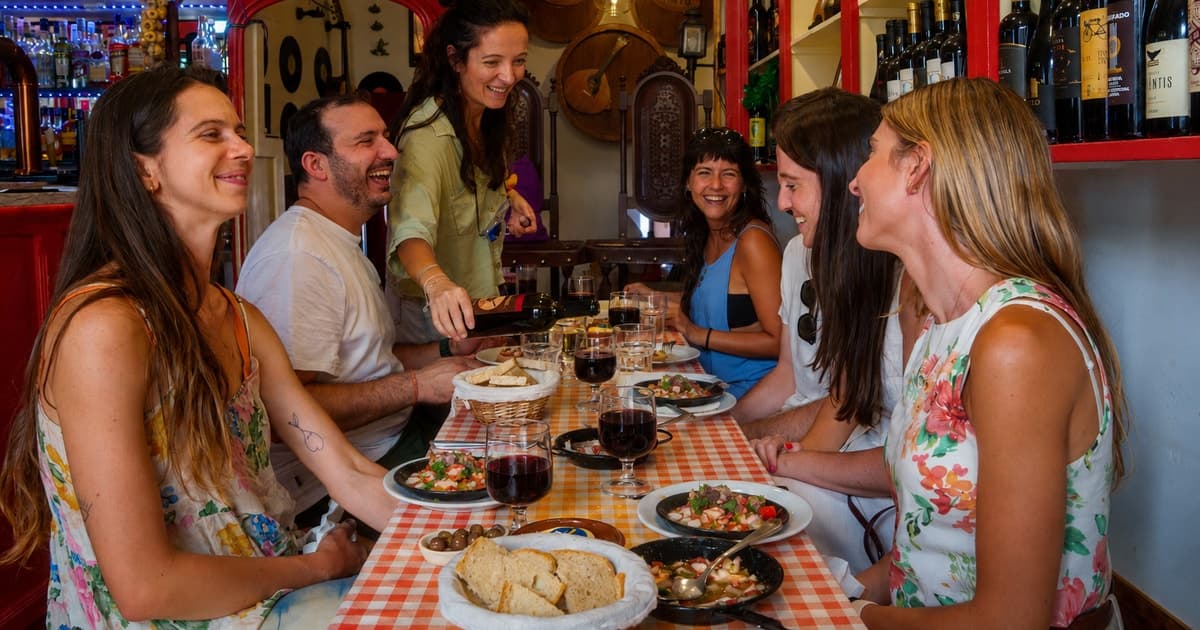
Compared with a standard Lisbon food tour, these routes spend more time seated and less time moving between stops, which is useful if you are more interested in flavour than in climbing every hill. They also work well on cooler or rainy days, because much of the experience happens indoors around shared tables rather than on exposed viewpoints.
If you want one intense tasting day, you can pair a wine‑focused route in the city with a day trip to Sintra from Lisbon, using the palace visit for scenery and the food tour for culinary context without overloading the same afternoon.
🍷 Food‑first or wine‑first?
- Food‑first tours include wine but focus on classic dishes.
- Wine‑first routes spend more time comparing regions and styles.
- Mixed options are ideal for groups with different interests.
Evening food tours, Fado and nightlife
Evening food tours turn Lisbon’s backstreets into a moving dinner: you follow your guide through lit‑up alleys, stop for petiscos in taverns that fill with locals after work, and in some routes sit down to hear live Fado while dessert and a final drink arrive. The city feels different at night, with music spilling out of doorways and the castle glowing above the rooftops.
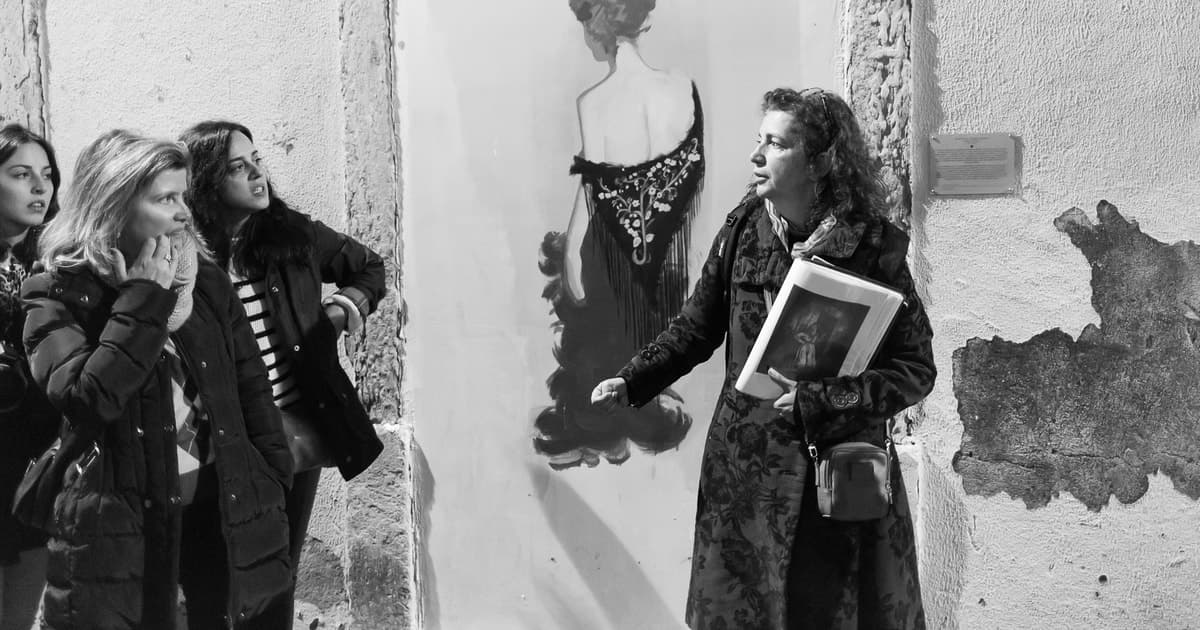
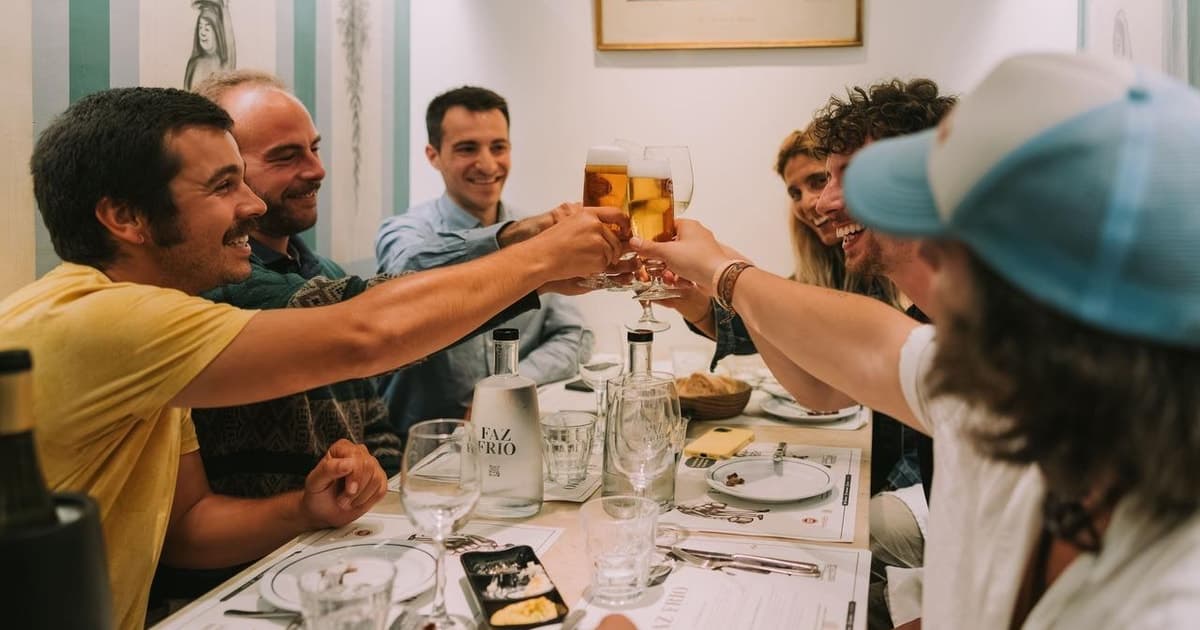


Night tours are especially useful if you are unsure where to go after dark, because the guide manages reservations, timing and etiquette in Fado houses, avoiding long lines at the most obvious spots. You also learn how locals usually structure the evening, from early petiscos to late‑night cafés, which helps for the rest of your stay.
If you prefer to keep the music for another day, you can focus on food and use a dedicated Lisbon tuk tuk city tour for panoramic views in daylight, combining both to understand the same neighbourhoods in completely different moods.
🎵 When to choose an evening tour
- Good choice if days are busy with museums or day trips.
- Useful when you want company to explore nightlife areas.
- Perfect if live music feels as important as the food.
Tuk Tuk food tours and viewpoints
Tuk tuk food tours connect tastings with the steepest viewpoints without demanding effort: you climb narrow streets in small vehicles, stop for snacks in traditional quarters and reach miradouros that would take much longer on foot. The guide usually mixes short walks with panoramic stops, so you still feel the cobblestones without having to tackle every staircase.


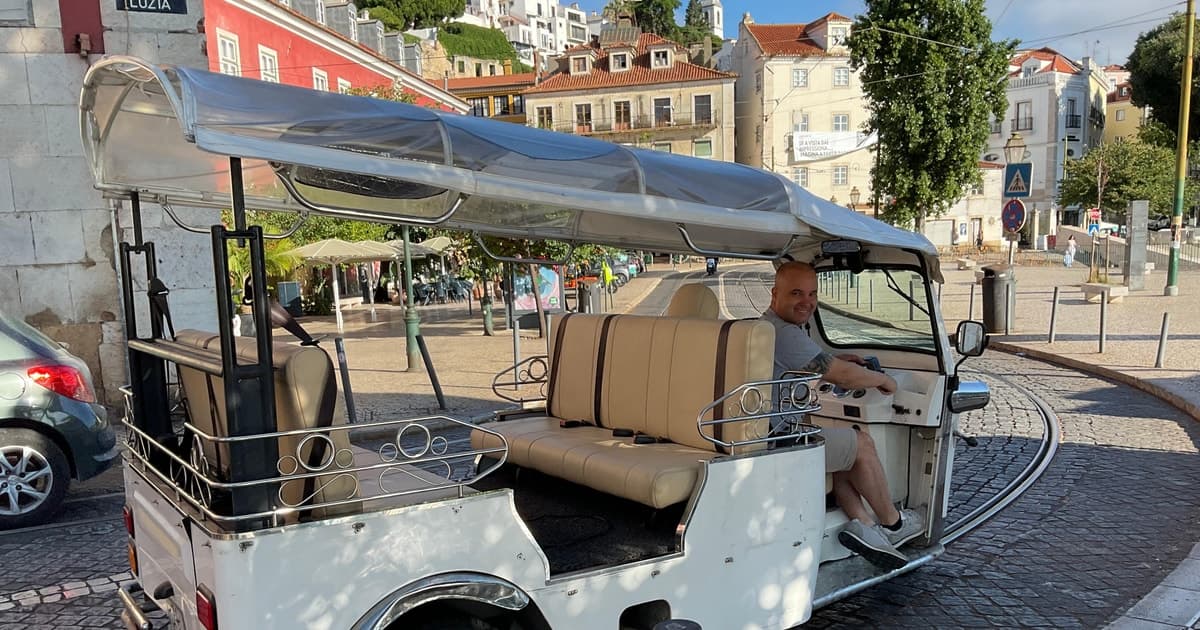
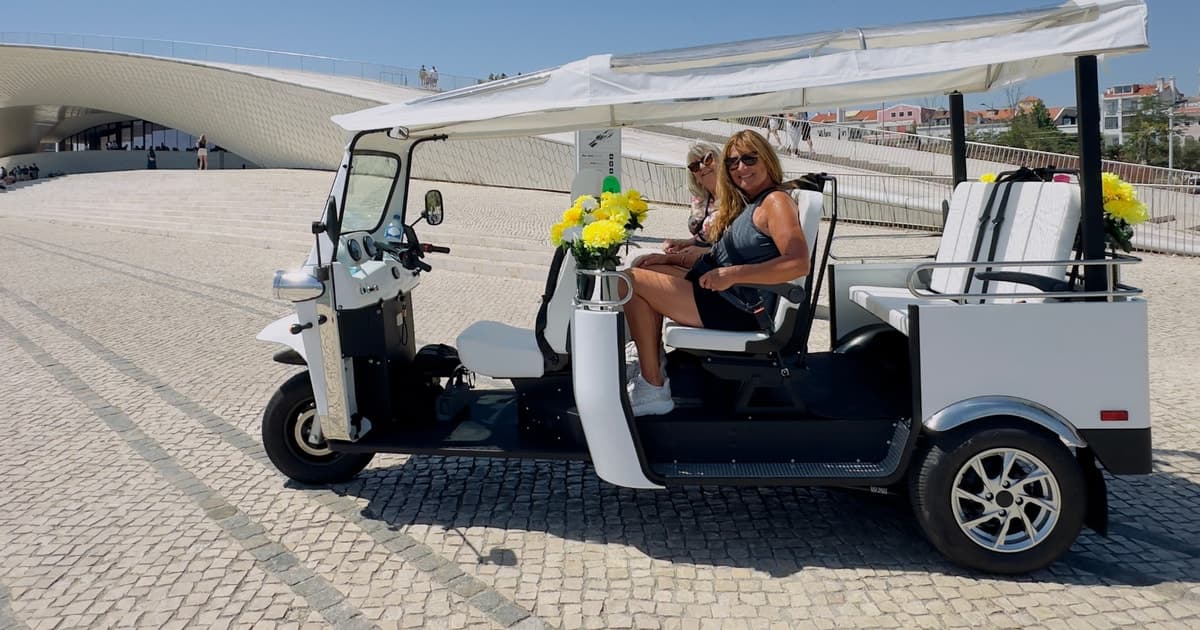


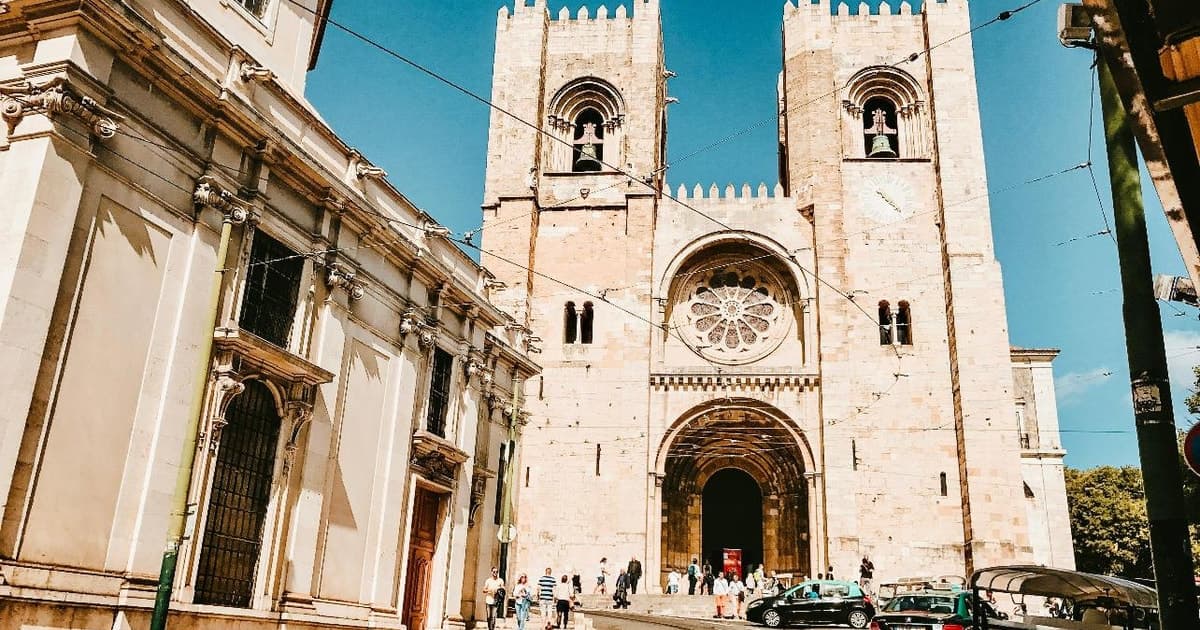

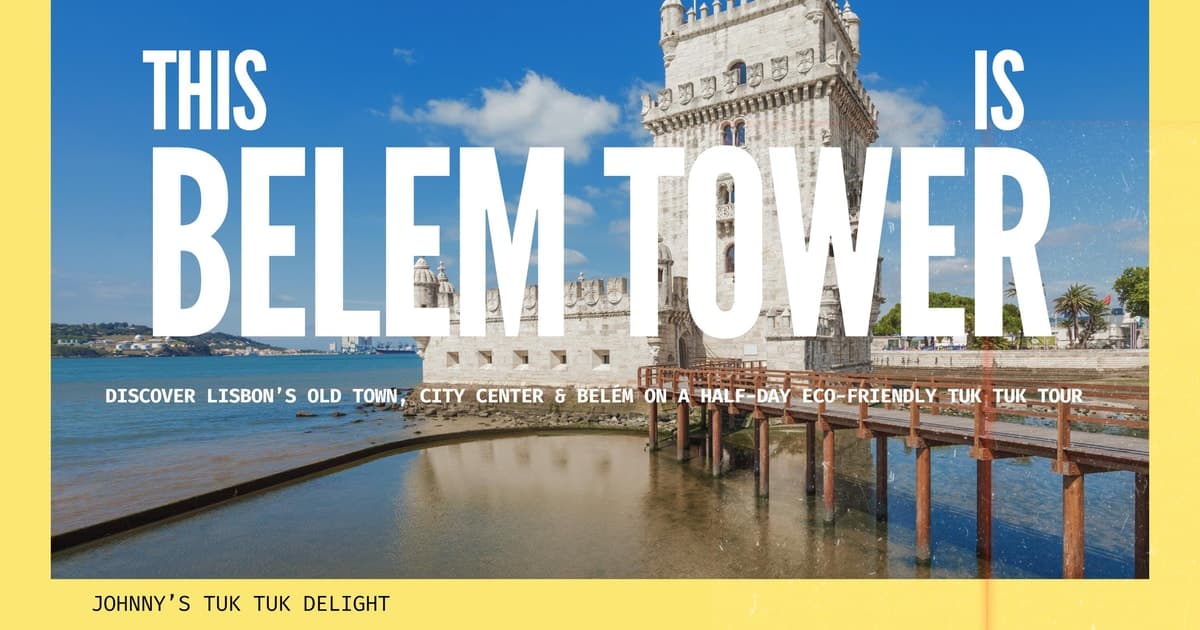
This format works well for travellers with limited mobility, families and summer visits, when midday heat makes long climbs uncomfortable. Many itineraries include corners across both sides of downtown, crossing from the cathedral area to newer districts in one continuous loop with food stops built in.
You will also find food tours on e‑bikes and Segways that follow similar logic, using assisted movement to link riverside paths, hills and older quarters. If you enjoy being in motion while you eat and learn, these tours feel closer to a city safari than to a traditional sit‑down tasting.
🧭 Who should choose a tuk tuk food tour
- Ideal for mixed‑age groups who walk at different speeds.
- Helpful for short stays when you want a fast overview.
- Comfortable in hot weather, thanks to breezes and shade breaks.
Private, self-guided and family-friendly tours
Private Lisbon food tours give you control over pace, timing and focus: the guide can add more seafood, avoid certain ingredients, slow down for photos or spend extra minutes in a place you love. They are especially useful for groups with specific dietary needs, food‑obsessed travellers who want many tastings, or visitors celebrating a special occasion.
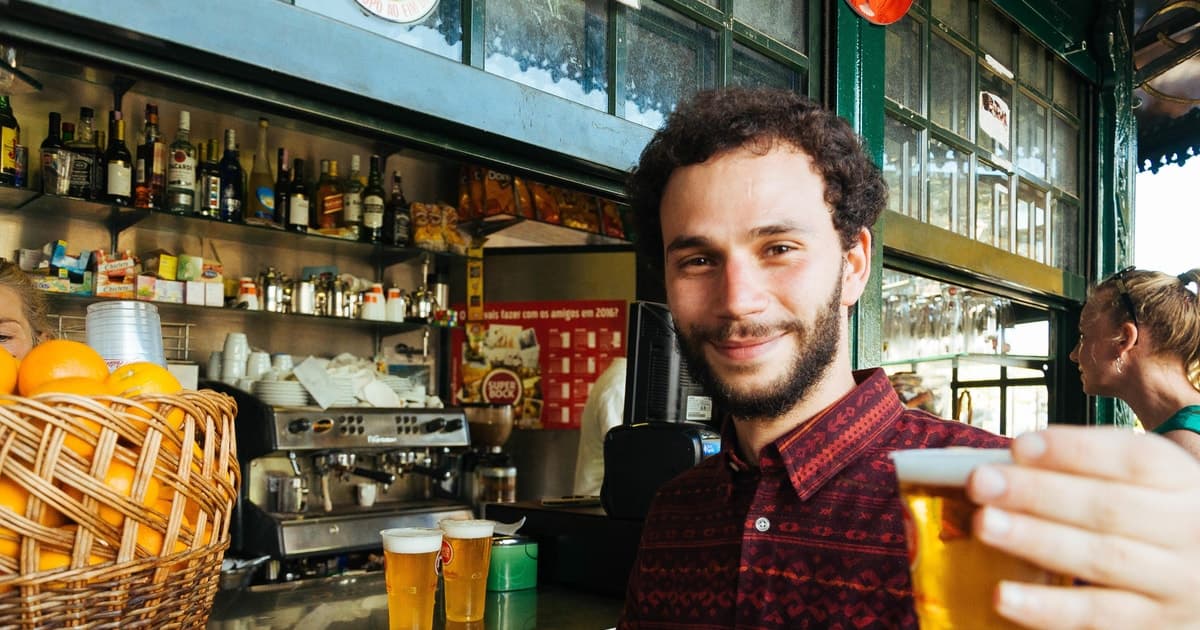

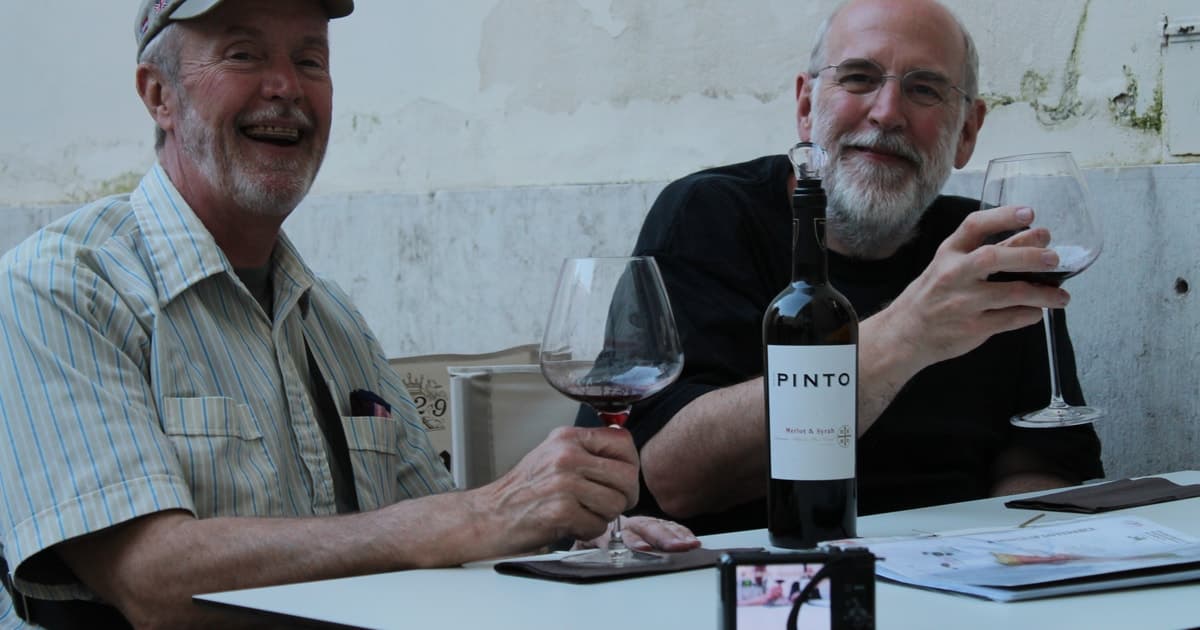
Self‑guided discovery walks, usually supported by digital directions and stories, are a quieter alternative for independent travellers. You follow a route at your own rhythm, stopping to eat where suggested or in any place that catches your eye, which makes sense if you already know Lisbon a little and mostly need a curated thread to link corners together.
For families or groups with children, look for tours that mention relaxed timings, short walks and flexible menus rather than long, technical wine explanations. Morning departures often suit families better, leaving afternoons free for the aquarium, riverside parks or a break in your accommodation.
👨👩👧 Family and special‑diet tips
- Tell the guide in advance about allergies or restrictions.
- Choose shorter routes if travelling with young children.
- Prioritise seated tastings when you expect people to tire easily.
Frequently asked questions
Are food tours worth it in Lisbon?
Yes, a food tour in Lisbon quickly repays the time and cost because it teaches you how locals eat, where to find reliable tascas and which dishes to prioritise. Instead of choosing randomly, you sample several specialities in a single route and gain context about history, migration and daily life that is hard to get just by reading menus.
How does a Lisbon food tour work?
Most Lisbon food tours follow a simple rhythm: meet your guide at a central square, walk short distances between several stops and share tastings while the guide explains recipes, producers and neighbourhood stories. Some routes finish with a fuller sit‑down plate or dessert, others stay in snack format; in every case, check GuruWalk's activity catalog to see what is included on your specific date.
What food is Lisbon famous for?
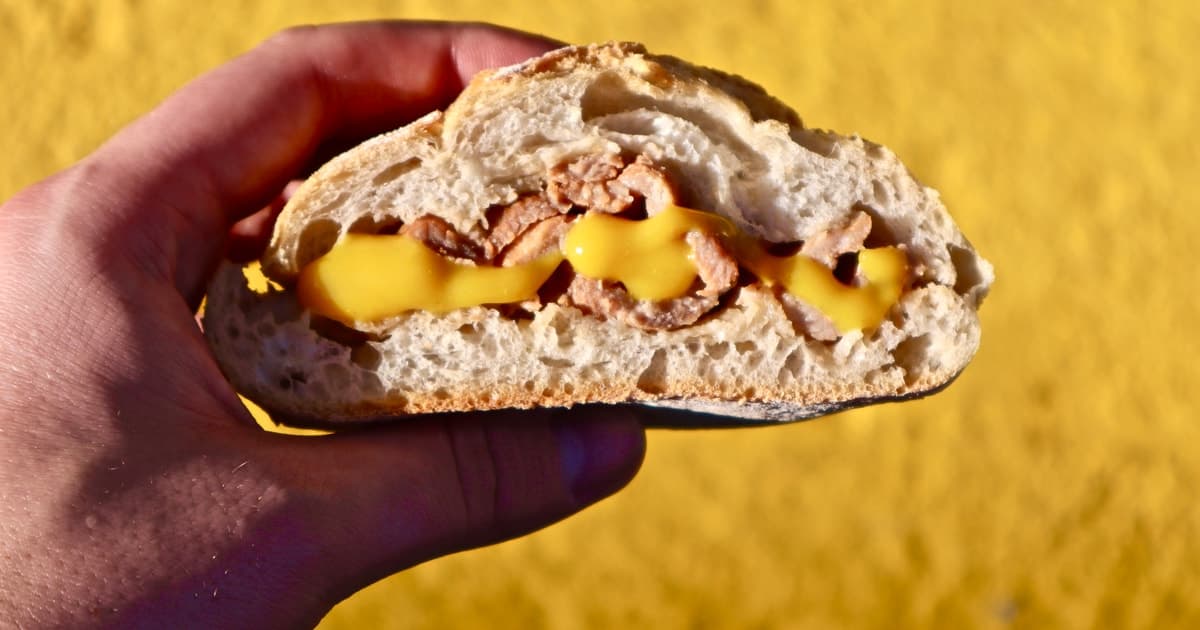
Lisbon is best known for salted cod dishes and custard tarts, but on a good food tour you also meet bifana pork sandwiches, grilled sardines in season, green wine, cured sausages, local cheeses and sweet liqueurs like ginjinha. The advantage of booking a guided route is that you can taste many of these in one focused walk instead of spreading them across many separate meals.
Do you tip on a food tour in Lisbon?
Tipping in Lisbon is appreciated rather than mandatory. On food tours, many travellers leave a small extra amount in cash for the guide when the experience has been especially informative or friendly. If service has been average, rounding up gently is enough; the key is that any tip feels like a thank‑you, not an obligation.
Should I book a food tour in Lisbon or Porto?
If you must choose one, Lisbon is usually the better first step, because it concentrates many regional dishes, several styles of neighbourhood and a wide range of tours in a compact area. Porto also has excellent food routes, especially for wine around the Douro, but Lisbon tends to offer more variety of formats such as Fado evenings, tuk tuk tastings and self‑guided walks.
Are tuk tuk food tours worth it in Lisbon?
Tuk tuk food tours are worth it if hills or heat worry you, or if you have limited time and still want views plus tastings. You cover more ground than on foot, reach viewpoints that many visitors skip and still stop at small eateries for snacks and drinks. Travellers who love walking may prefer classic routes, but mixed‑age groups often find tuk tuks the most comfortable solution.
What are the main don'ts on a Lisbon food tour?
The main “don’ts” are simple respect and timing: do not arrive late to the meeting point, avoid strong perfume that might interfere with tastings, and do not bring outside food into partner venues. If you have allergies or restrictions, do not wait until the first stop to mention them; add them when booking so the guide can adjust the route in advance.
What are the best guided tours in Lisbon for food lovers?
The best guided tours for food lovers line up several elements at once: tastings of both classics and lesser‑known dishes, a route through contrasting neighbourhoods, a guide who mixes history with everyday tips and a comfortable group size. Use our offer of experiences to compare central walks, wine‑heavy routes, evening Fado tours and tuk tuk tastings, then choose according to your energy level and curiosity.
Is a daily budget of around one hundred euros enough for eating in Portugal?
For most travellers, a daily food budget close to one hundred euros per person is workable, especially if you mix one organised Lisbon food tour with simple local cafés and bakeries on the remaining meals. High‑end or very specialised tours naturally sit above that level, while self‑guided routes and shorter tastings can cost less; check GuruWalk's activity catalog to see the latest prices before closing your plan.
Discover related activities in Lisbon


