Jewish Heritage Tours in Lisbon


Last update:
Continue planning your trip to Lisbon
Jewish tour of Lisbon: Sephardic streets, hidden symbols and memory
On a Jewish tour of Lisbon, steep mosaic streets, church façades and quiet squares reveal traces of Sephardic life, persecution and survival; in our offer of experiences you can choose between a route focused on Jewish Sephardic history in Lisbon and a literary walk built around The Last Kabbalist of Lisbon, using each tour as the thoughtful core of your stay or combining them with wider heritage excursions to places like Fatima, Évora or Cascais.
📚 Choose your experience
Jewish Sephardic history in Lisbon: quarters and viewpoints
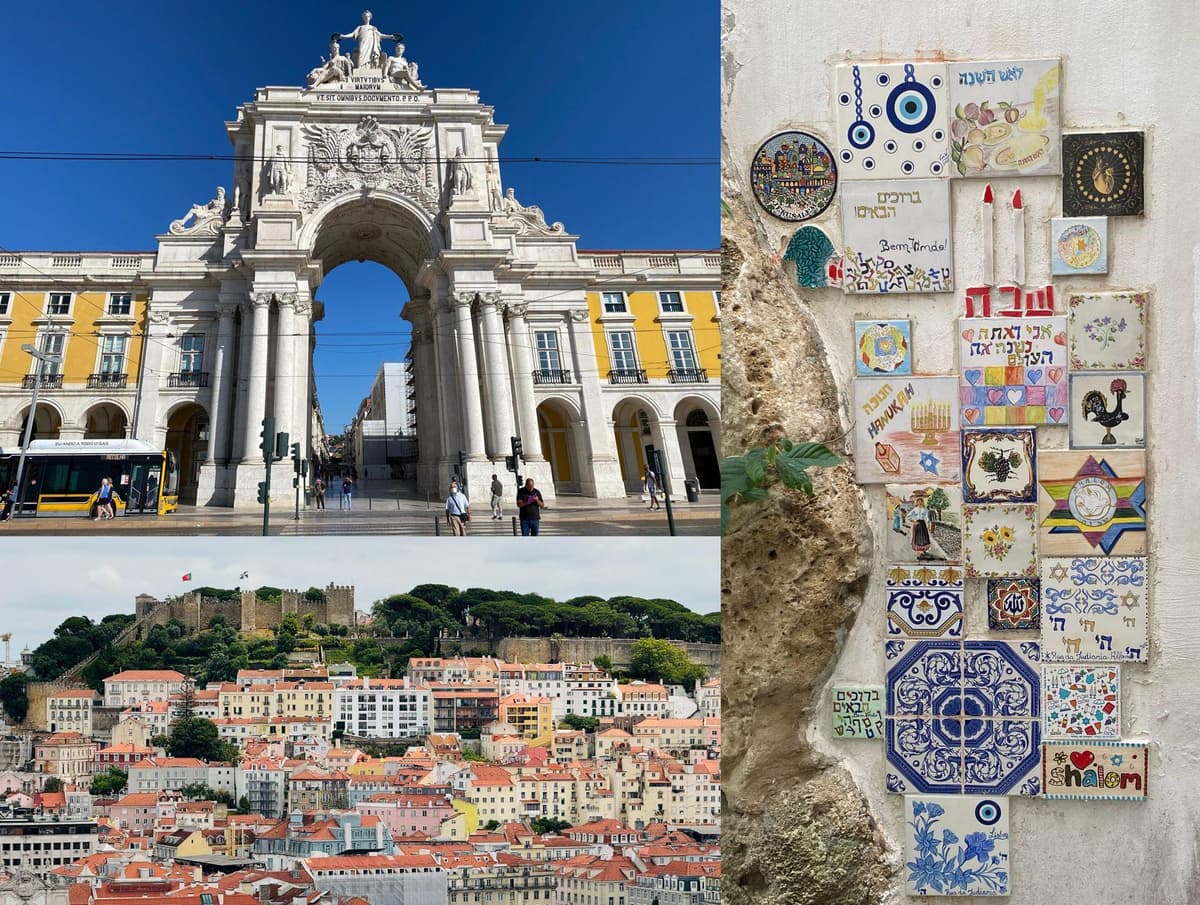
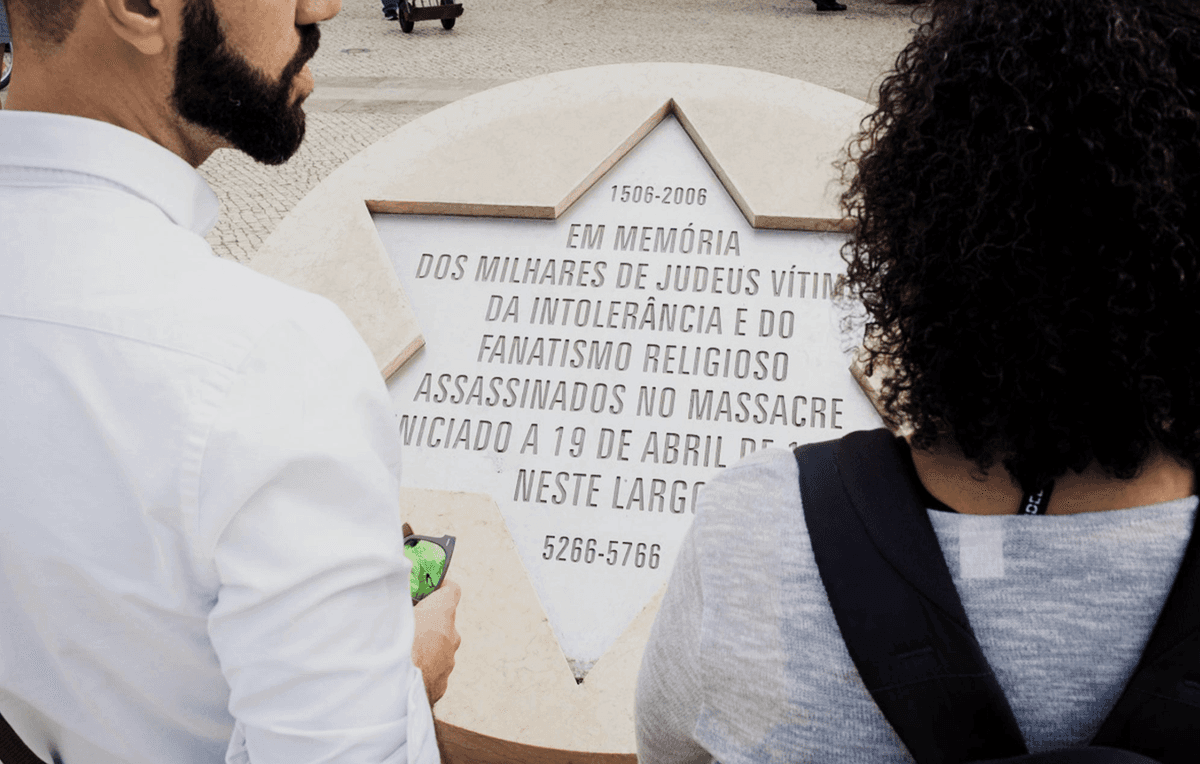
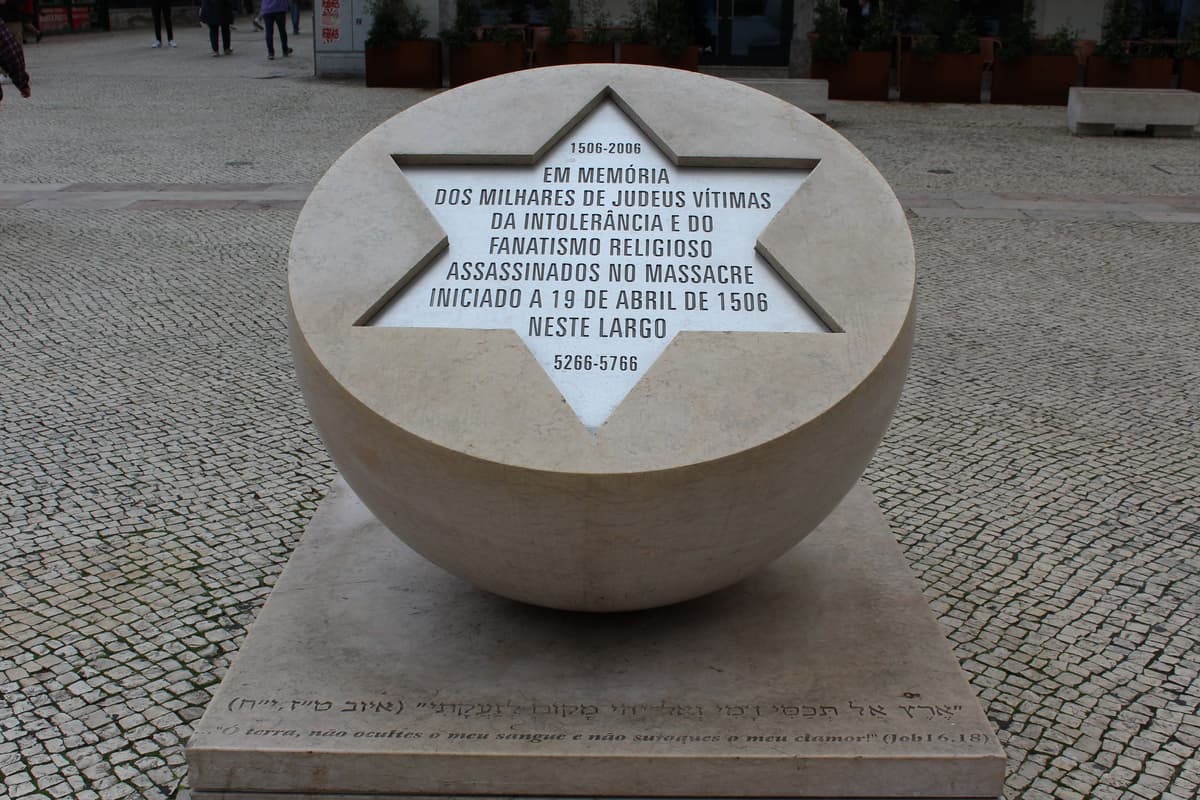
This walk on Jewish Sephardic history in Lisbon threads together Rossio, Baixa and hilltop viewpoints, stopping at memorial stones, former judiarias and inquisitorial sites where centuries of tolerance, violence and secret practice are explained in clear, accessible language.
The rhythm is unhurried and conversational: short sections of walking broken by stories about Crypto‑Jews, royal decrees and wartime refugees, making the tour suitable for travelers who want depth and reflection more than a marathon over cobblestones.
Because the route starts and ends near central squares, it pairs well with a classic city overview or with a more explicitly spiritual outing such as a Fatima day trip from Lisbon, allowing you to keep a continuous thread of religious and historical heritage across several days.
🧭 Practical tips for the history walk
- Wear flat, comfortable shoes; there are hills and cobblestones.
- Bring a light layer; viewpoints can be breezy even on warm days.
- Have questions ready; guides value curious, engaged groups.
Book Tour The Last Kabbalist of Lisbon: fiction meets history
Inspired by the novel, The Last Kabbalist of Lisbon tour turns the old town into a live historical thriller, tracing massacre sites, hidden courtyards and church façades while the guide weaves together literary scenes, archival sources and today’s cityscape.
It is a good fit if you enjoy narrative‑driven experiences: passages are discussed in context, you pause often to imagine how the streets once looked, and there is space for questions about theology, memory and how the book resonates with present‑day Lisbon.
Many visitors build a balanced itinerary by placing this intense walk on one day and taking a lighter escape the next, for example a coastal break such as a Cascais day trip from Lisbon or a countryside outing like the Evora wine day trip from Lisbon, keeping the Jewish walk as the reflective heart of the journey.
⚖️ Choosing between the two Jewish tours
- Sephardic history: broader overview of Lisbon’s Jewish past.
- Last Kabbalist: literary focus and emotional storytelling.
- Both use central meeting points and manageable walking.
🧳 What to bring and wear
- A small bag with water and sun protection.
- Respectful clothing in case you enter religious spaces.
- Notebook or e‑reader if you like to note references.
Frequently asked questions about Jewish tours in Lisbon
Who is the best Jewish tour guide in Lisbon?
There is no single “best” guide; the key is finding someone with solid historical knowledge, clear explanations and recent reviews, which you can compare in our catalog of activities.
Is there a Jewish area of Lisbon?
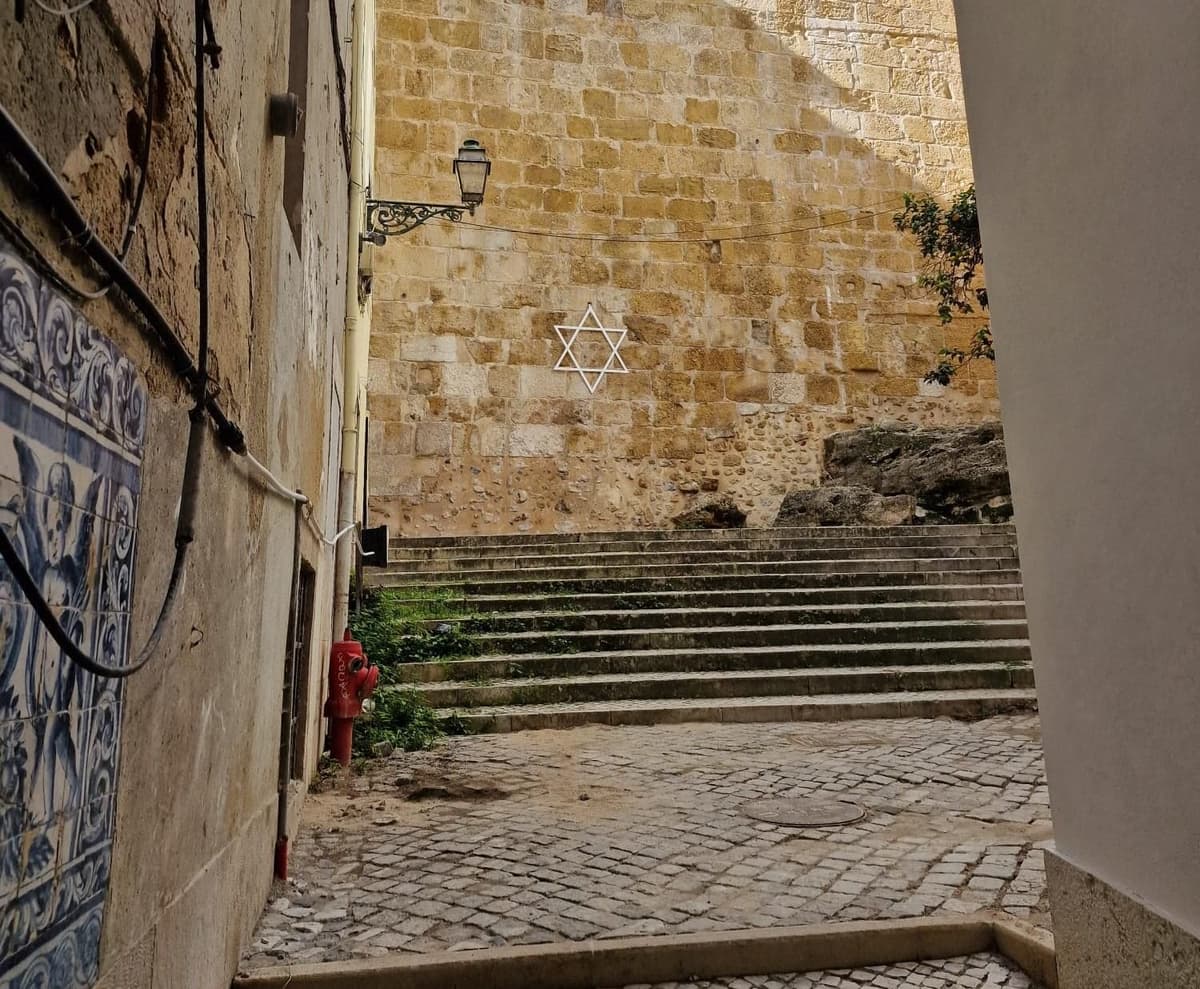
Today there is no single closed ghetto, but tours highlight former Jewish quarters around Baixa, Alfama and Bairro Alto, where street names, stones and memorials mark the old community.
Are Jews welcomed in Portugal today?
Modern Portugal is generally open and welcoming to Jewish visitors and residents, with public recognition of past injustices and small but active communities in cities such as Lisbon and Porto.
Is the Jewish Quarter in Lisbon worth visiting?
Yes, but it is subtle: the value lies in hearing the stories as you walk, because most traces are hidden in architecture, plaques and place names rather than in preserved buildings.
What are Portuguese Jews called?
Historically, most were Sephardic Jews, and many who were forced to convert were labelled “New Christians” or Crypto‑Jews, families who kept Jewish practices quietly for generations.
What percent of Portugal is Jewish?
The Jewish community today is a very small minority, well below one percent of the population, concentrated mainly in Lisbon, Porto and a few historic towns with Sephardic roots.
Why did Portugal expel Jews in the past?
At the end of the fifteenth century, under pressure from powerful neighbours and the Church, the crown imposed forced conversions, expulsions and later an Inquisition, leaving deep scars still discussed on today’s tours.
How many synagogues are there in Lisbon?
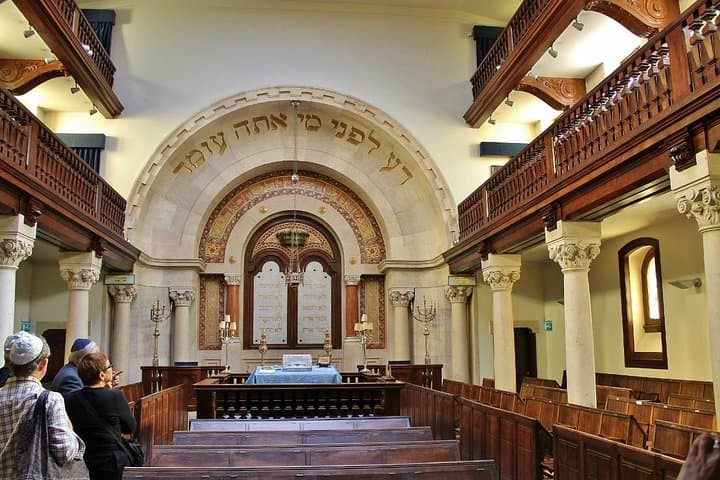
Lisbon has a historic main synagogue and smaller prayer spaces; visits usually require prior contact with the community, so most walking tours focus on exterior views and public sites instead.
What are you not allowed to do in a synagogue?
As a visitor you should avoid talking loudly, using flash photography or answering phones, dress modestly, and follow any instructions from the community regarding seating and ritual spaces.
About the author

Author: Belén Rivas, GuruWalk
Publication date: 2025-12-10
Data updated as of December 2025
Discover related activities in Lisbon