National Tile Museum Tickets in Lisbon
Discover Lisbon
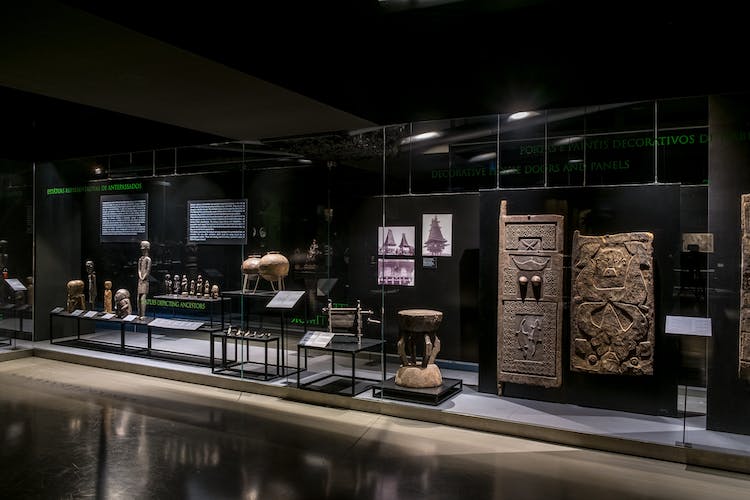
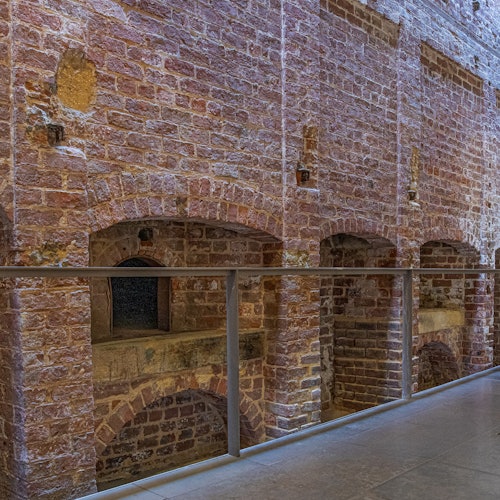
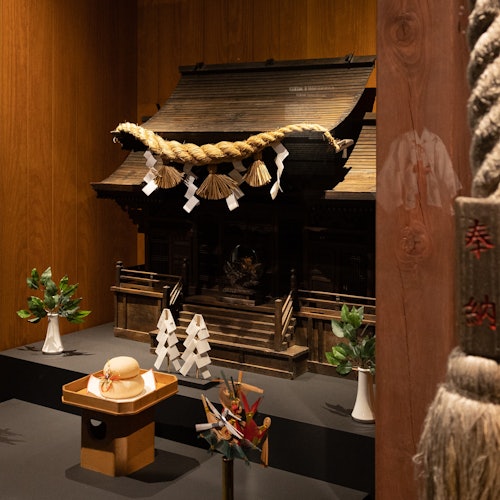

Last update:
Continue planning your trip to Lisbon
Tile Museum Lisbon tickets: azulejos, river views and easy combos
Travellers searching for tile museum Lisbon tickets or national tile museum Lisbon tickets rarely stop at just one museum: the former convent full of azulejos connects naturally with nearby monasteries, big national art collections, storytelling centres and immersive evening shows. With our catalog of activities you can line up Lisbon tile museum tickets with other museum entries, decide when to focus on quiet galleries or riverfront views and keep the day flowing instead of zigzagging across the city.
📚 Choose your experience
Tile Museum and convents
Azulejos in a convent, hilltop views.
National art and ethnology
Big collections that frame the tiles.
Story Centre and popular art
Lisbon’s history told in scenes.
Museum of the Orient
Asia, trade routes and river docks.
Living Van Gogh evening
Immersive projections after museums.
Frequently asked questions
Tickets, timings and transport basics.
Tile Museum Lisbon tickets and east Lisbon convents
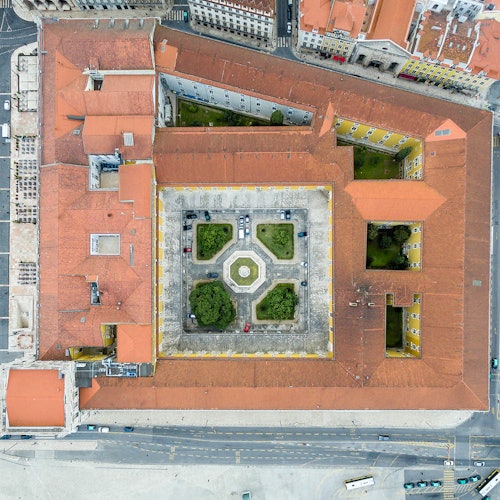
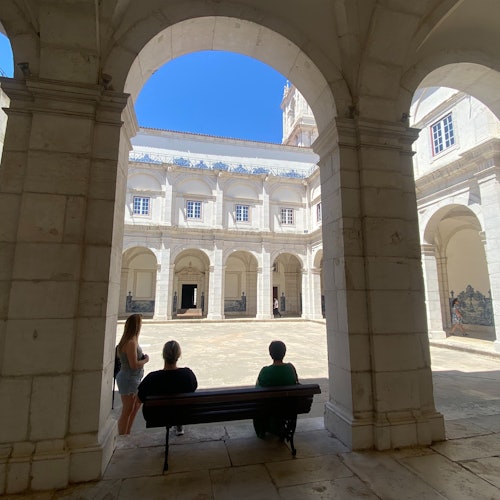
For tile lovers, the east side of Lisbon is the natural starting point: the National Tile Museum sits in a former convent, with long corridors of azulejos and a vast tiled panorama of the city. It is a short ride from the historic centre, so you can usually buy tile museum Lisbon tickets at the museum itself, then continue uphill to the quieter Monastery of Saint Vincent de Fora to keep following tiles, painted ceilings and hilltop views over the Tagus.
A simple plan is to arrive soon after opening, visit the tile museum floor by floor without rushing and then head to the monastery for a second chapter of cloisters and viewpoints. The monastery ticket in our offer of experiences keeps the practical side easy, so you can spend your energy on reading the tile panels, climbing the terraces and matching what you see with the city below.
If religious imagery is what fascinates you most, you can reserve the azulejos and the monastery for one morning and dedicate another full day to a Fátima day trip from Lisbon. That combination lets you see how devotional art, tiles and pilgrimage spaces connect across Portugal instead of squeezing everything into a single frantic itinerary.
🧭 Practical tips around the Tile Museum
- Plan to arrive early in the day, before tour groups.
- Wear comfortable shoes; corridors, stairs and cloisters add up.
- Check how you will return by bus, taxi or on foot before closing time.
- Keep some time free for a slow look at the big panorama.
National museums of art and ethnology in Lisbon
Once you have seen how tiles narrate the city, the national museums of art and ethnology show the layers behind them: paintings, sculpture and everyday objects across centuries. National Museum of Ancient Art, National Museum of Contemporary Art and the National Museum of Ethnology appear in our catalog as separate tickets, so you can stack one or two on the same day as the tile museum or save them for a slower follow‑up.

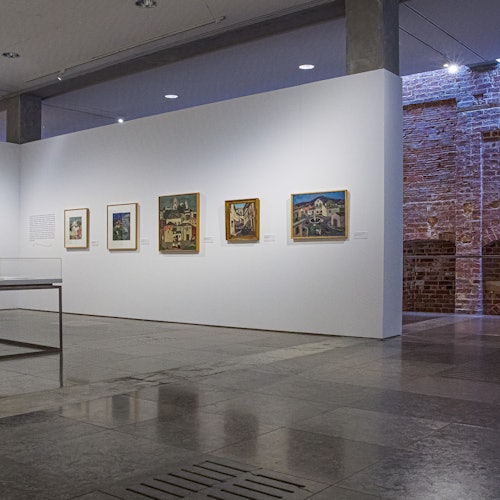
Ancient Art feels like a continuation of the tile galleries, with religious panels, golden altarpieces and river views that explain where the maritime wealth behind many azulejos came from. A reserved entry lets you focus on the rooms that matter most to you, whether that is early Portuguese painting, sculpture or big works that once belonged to convents similar to the tile museum building.
Contemporary Art works better if you want to see how artists responded to modern Lisbon, while the Ethnology collection shifts attention to masks, tools and textiles from the wider world. Together they balance the quieter atmosphere of the tile museum and ensure you spend the day moving between different textures, colours and stories instead of staying in a single type of gallery.
For a lighter, more everyday angle you can also look at the Popular Art Museum, where crafts, posters and toys sit closer to street culture. That museum combines naturally with an Évora wine day trip from Lisbon, taking you from galleries to vineyards while still paying attention to whitewashed walls, tile details and village squares.
🎨 Choosing your national museum combo
- Ancient Art: religious works, painting and river views.
- Contemporary Art: modern works and changing exhibitions.
- Ethnology: objects from Portugal and beyond.
- Popular Art: posters, toys and folk pieces.
Lisboa Story Centre and popular art
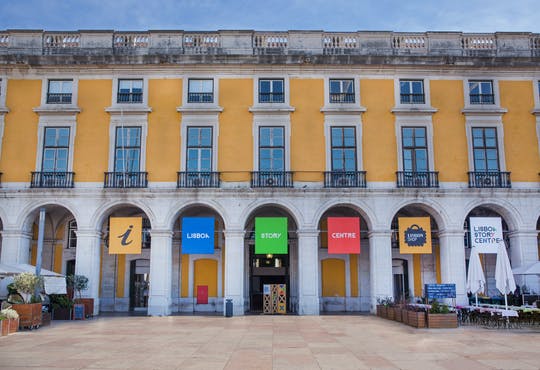
Lisboa Story Centre is a compact, audio‑guided walk through Lisbon’s history, from harbour trading days to the earthquake that reshaped the city. Booking these tickets in advance is useful if you want a fixed slot before or after the tile museum, and the multilingual audio means mixed‑language groups can still share the same jokes, sound effects and key scenes.
Pairing the Story Centre with the Popular Art Museum gives you both the official narrative and the playful side of Lisbon, full of commercial signs, carnival figures and design. The contrast with the serene azulejo panels means your agenda feels like a sequence of short, vivid episodes rather than a long academic lecture.
Because the Story Centre stands right by the river, it links smoothly with trains towards the coast, so you can put culture and sea on different days. Many travellers spend one museum‑heavy day in the city and then take a fresh‑air break on a Cascais day trip from Lisbon, returning later to the tile museum area for a final wander through quieter streets and viewpoints.
📖 When a storytelling museum helps
- Visit near the start of your stay for context.
- Use it to brief children before other museums.
- Combine it with tiles to compare earthquake stories.
- Keep time for a short riverside walk afterwards.
Museum of the Orient and riverfront collections
On the western docks, the Museum of the Orient shifts the focus from Portuguese tiles to Asia, with lacquer, masks and navigation stories facing the water. Tickets in our offer of experiences often cover all exhibitions in a single visit, so you can move between permanent collections and temporary shows without worrying about separate entries.
The building itself, a converted warehouse, adds to the mood: industrial outside, soft‑lit galleries inside that feel very different from the cloisters of the tile museum. If you have already seen enough blue and white for one day, finishing among warm reds, golds and objects from Asian ports keeps the theme of trade routes without repeating the same visual language.
This area works well at the end of a route that begins at the tile museum and drifts through Belém or the riverfront; you end facing the same Tagus that once carried tiles and spices in and out of Lisbon. From here it is easy to turn the evening into a slow dinner by the water or an indoor show in the city centre, depending on how much energy you have left.
🌍 Who enjoys the Orient collections most
- Travellers curious about Asia and trade history.
- Families who prefer objects over long labels.
- Anyone needing calmer galleries after busy landmarks.
- Repeat visitors who already know Lisbon’s classics.
Living Van Gogh and immersive art evenings
The Living Van Gogh exhibition at the Mãe d’Água das Amoreiras Reservoir wraps projections around stone walls and reflected water, so paintings seem to float and move. Booking these tickets ahead helps you pick a comfortable time slot, as capacity is controlled and the show is designed for you to sit, watch and let colour and music surround you.
It works especially well after a day of more traditional museums, when your legs are tired and you want art that comes to you instead of the other way round. The reservoir setting keeps the space cool and atmospheric, turning this into one of the easiest evening plans to bolt onto a tile museum day without demanding extra concentration.
The format is friendly for visitors who do not know much about art history, as projections highlight details and guide your gaze without heavy explanations. Families often appreciate that there is no fixed path to follow, and combining this show with Lisbon tile museum tickets means each person in the group can choose the style of art that suits them best.
🌙 How to place immersive shows in your plan
- Slot them on evenings after museum days.
- Check the language of spoken sections if that matters to you.
- Bring an extra layer; stone spaces can feel cool.
- Arrive a little early to choose a comfortable spot.
Frequently asked questions
Do you need tickets for the Tile Museum Lisbon?
Yes, you need a regular museum ticket to enter the National Tile Museum, and most days you can still buy it directly at the entrance. For busy weekends and holiday periods it is safer to plan your tile museum Lisbon tickets together with other museum entries and Check GuruWalk's activity catalog to see the latest prices for the surrounding experiences.
Is the Lisbon Tile Museum worth it?
For anyone curious about Portuguese culture, the tile museum is one of the strongest museum choices in Lisbon, because it shows how azulejos appear in palaces, churches and street corners. Beyond the collection itself, the former convent setting and the huge tiled city panorama make the visit feel like a shortcut through several centuries of architecture rather than just another gallery.
How much time do you need at the Tile Museum?
Most visitors are happy with a visit that lasts a little longer than an hour, enough to follow the chronology and pause at the main panels. Serious tile fans or photographers may want most of a morning, especially if they plan to read the texts, study the techniques and enjoy the cloister café instead of rushing.
Is there a cafe at the Tile Museum?
There is usually a small café area linked to the cloister, where you can get drinks and light snacks between rooms. Opening hours can differ from the galleries, so it is wise to check the signs when you arrive and avoid leaving your break for the very end in case it closes earlier than expected.
How much is the Tile Museum in Lisbon?
The tile museum is generally priced in line with other national museums in Lisbon and is considered a budget‑friendly outing for what it offers. Because concessions, free days and combined offers change, the safest option is to check the museum’s official information and use GuruWalk’s activity catalog for the latest prices on nearby museums and tours.
What is the number one thing to see in Lisbon if you love tiles?
Many tile fans single out the huge panoramic tile panel of Lisbon inside the museum as their favourite piece, because it captures the whole city in blue and white. Around it, some of the most rewarding spots are the tiled churches of Alfama, the façades in the Baixa and the monastery near the museum, which together show how azulejos moved from sacred spaces to everyday streets.
Is tram 28 worth it in Lisbon for tile lovers?
Tram twenty‑eight is scenic and passes many tiled streets, but it is often crowded and slow, especially in the middle of the day. If tiles are your priority, it works best as a short ride early or late, while you reserve quiet, concentrated time for the tile museum and other galleries where you can stand close to the panels.
What happens if I ride the Lisbon metro without a ticket?
Travelling on the metro without a validated ticket can lead to on‑the‑spot fines if inspectors board the carriage, and checks are regular enough that it is not worth the risk. For a smooth day combining several museums, the sensible move is to load a travel card, validate it every time and keep your proof of payment handy in case staff ask to see it.
Is the Glória Funicular worth it in a short stay?
The Glória Funicular is a quick way to climb one of Lisbon’s steepest hills and links neatly with viewpoints over the tiled roofs below. The ride is short, but travellers who enjoy urban scenery and street art often find it a fun contrast to the calmer interiors of the tile museum and the larger national galleries.
Are Americans still welcome in Portugal as tourists?
Visitors from the United States continue to be welcome for short tourist stays under the general rules that apply to many non‑European countries. Entry conditions can evolve, so before fixing dates for tile museum visits and other bookings it is best to check your government’s travel advice and Portugal’s official guidance for the most up‑to‑date requirements.
About the author

Author: Belén Rivas, GuruWalk
Publication date: 2025-12-09
Data updated as of December 2025
Discover related activities in Lisbon