Lower East Side Walking Tour
Discover New York










Last update:
Continue planning your trip to New York
Lower East Side walking tour: food, history and street corners that shaped New York
On a Lower East Side walking tour, narrow streets, tenement staircases and bright deli windows turn into a live documentary on New York, where guides link Jewish Lower East Side heritage, immigrant stories and tastings of local staples, and our offer of experiences lets you choose between food-focused walks, food and history tours with tastings and a guided walking tour in Spanish that fits how you like to explore.
📚 Choose your experience
Lower East Side food tours
Tastings, delis and markets in a compact route.
Jewish Lower East Side food and history
Synagogues, stories of migration and tastings in one walk.
Guided walking tour in Spanish
Classic landmarks with commentary in your language.
Lower East Side FAQ
Safety, best time to visit and how to plan your day.
Lower East Side food tours: delis, bakeries and markets
A Lower East Side food tour usually traces a compact loop around Orchard, Ludlow and Grand Street, where guides pause every few blocks at delis, bakeries and pickle shops so you can taste classic Jewish and immigrant specialties while hearing how each family business survived waves of change, with a pace that suits most walkers and plenty of time to photograph neon signs and tenement facades.
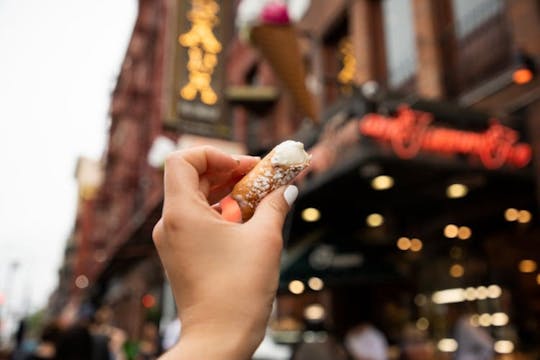

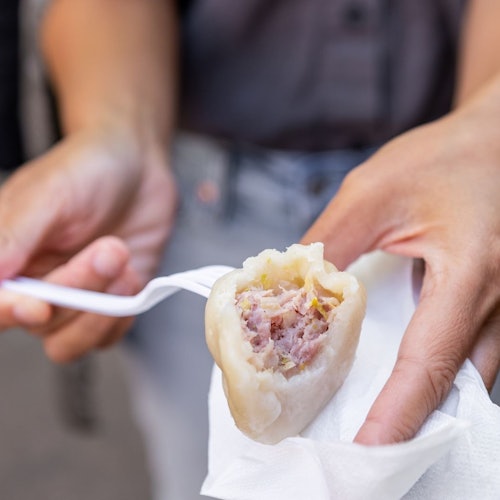
These experiences balance snacking and storytelling: one stop might focus on bialys and bagels, another on pickles or smoked fish, and a final tasting inside a modern market shows how the neighborhood keeps evolving, making food tours ideal if you want to feel the area at street level and then continue your day with a nearby route such as a Soho walking tour in New York City to compare two very different corners of downtown and enjoy a broader mix of architecture and local flavor.
🍽 What you taste on a Lower East Side food tour
- Classic delis with pastrami, pickles and smoked fish.
- Bakeries serving bagels, bialys and sweet pastries.
- Markets that mix old stalls with new gourmet counters.
- Street corners where guides share short, digestible history stops.
🧭 Choosing the right food tour format
- Look for small groups if you want more time for questions.
- Pick a mid-morning start to catch bakeries at their busiest.
- Check if tastings cover both sweet and savory favorites.
- Confirm whether tours run in light rain or only in clear weather.
Jewish Lower East Side walking tour: food, stories and tenements
The food and history tour with tastings slows the pace and spends more time on street corners, courtyards and former sweatshop buildings, weaving in visits to traditional food spots while your guide explains how Jewish migrants and other communities crowded into tenements, organized in unions and built synagogues that you still see tucked between newer apartment blocks.
Expect more time spent looking up at facades, reading faded Hebrew and Yiddish inscriptions and listening to short stories about families who arrived with almost nothing, while tastings work as a thread between stops so you never feel like you are only listening to names and dates but instead walking through a layered, lived-in version of the Jewish Lower East Side.
This type of walk pairs well with a later museum visit or with another atmospheric neighborhood such as Greenwich Village, where you can continue a more bohemian angle by booking a Greenwich Village walking tour and compare how activism, nightlife and literary history took root in different parts of the city.
🕍 How the Jewish Lower East Side comes alive on a walk
- Guides point out former synagogues and prayer spaces hidden in plain sight.
- You hear about garment workers, strikes and early labor victories.
- Street names and corners become anchors for family migration stories.
- Tastings connect each stop to recipes brought from Europe and adapted in New York.
🧳 When a history-focused walk is the best choice
- Choose it if you value context and narrative over pure snacking.
- Go earlier in the day for quieter streets and clearer photographs.
- Wear layers so you stay comfortable during longer stops in the shade.
- Allow extra time nearby if you plan museum visits after the tour.
Lower East Side guided walking tour in Spanish
The Lower East Side guided walking tour in Spanish focuses on key streets, landmarks and anecdotes, with commentary entirely in Spanish so you can ask detailed questions, follow nuanced stories about immigration and nightlife and share the experience easily with relatives or friends who prefer not to rely on English during a first contact with the neighborhood.
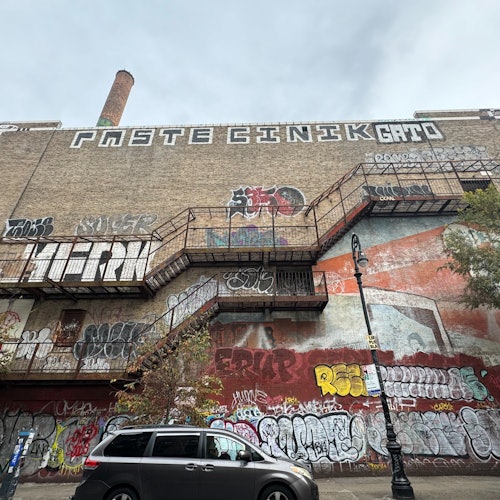
Routes in Spanish usually highlight the same icons you would see in English tours, from historic streets near the former garment district to busy food corners, but guidance adapts to the group, allowing more time for context about New York life today and for practical tips on using the subway, tipping and choosing what to explore after the walk, including other themed areas such as the Financial District where a Wall Street walking tour in New York City offers a very different skyline and pace yet keeps the focus on local guides and city stories.
🗣 Who gains most from a Spanish-language tour
- Travellers who want to understand complex history in detail without language barriers.
- Families with older relatives who feel more relaxed listening in Spanish.
- First-time visitors who prefer to discuss everyday life and customs freely with the guide.
- Groups mixing Spanish and English speakers that value inclusive explanations.
🚶 Practical tips for any Lower East Side walking tour
- Use comfortable shoes; pavements are uneven and you stand often.
- Carry a light layer for shade, wind and air-conditioned interiors.
- Check the meeting point and arrive slightly early to settle in.
- Bring water and avoid heavy bags so you can move easily between stops.
Lower East Side walking tour: frequently asked questions
Is the Lower East Side worth visiting?
The Lower East Side is one of the most revealing neighborhoods in New York, combining immigrant history, Jewish heritage, nightlife and a dense food scene, so a guided walk helps you navigate the side streets, understand what you are seeing and decide where to return later for longer meals, museums or bar hopping.
What is the Lower East Side known for?
The area is known above all for historic tenements and immigrant life, including Jewish, German, Latino and Chinese communities, as well as for delis, bakeries, music venues and bars that grew out of this mix, and a walking tour lets you decode signs, buildings and food spots that can look anonymous if you visit alone.
Are NYC walking tours worth it?
Guided walks in New York, especially in dense areas like the Lower East Side, are usually good value for the amount of context and access you get, and food tours add tastings on top of the guiding, so check GuruWalk's activity catalog to see the latest prices and pick between budget-friendly introductions and more complete tasting routes depending on how deep you want to go.
How safe is the Lower East Side in NYC?
Main streets of the Lower East Side are generally busy and well used by locals and visitors, especially by day and early evening, and guides choose routes that keep groups on practical corridors, although you should still follow usual big-city habits such as staying aware of your surroundings, keeping valuables discreet and using well-lit routes back to the subway after your tour.
How to spend a day in the Lower East Side?
A balanced day often starts with a morning or midday walking tour, followed by a relaxed lunch at one of the delis or markets visited on the route, then free time for museums, galleries or shopping, and you can end with drinks or live music, or even link the evening to nearby areas such as Soho or Greenwich Village for different nightlife and architecture.
What is the most walkable area in New York?
Several central neighborhoods are highly walkable, and the Lower East Side is among the easiest for compact exploring because key streets, food spots and historic sites sit close together, while routes in nearby areas such as Wall Street or Midtown focus more on skyscrapers and landmarks, so combining different walks gives you a fuller picture of the city.
Is the East Village the same as the Lower East Side?
The East Village and Lower East Side are neighboring but distinct areas, with different histories and reputations even though their borders blur in places, and a Lower East Side walking tour usually stays south of Houston Street while highlighting immigrant life, whereas East Village routes focus more on counterculture, music scenes and later waves of artists and students.
Is the Lower East Side rich or poor?
Historically the neighborhood was one of the poorest parts of Manhattan, crowded with new arrivals in tiny apartments, and today it shows strong contrasts, with public housing and older walk-ups standing next to newer, more expensive developments, so a guided walk helps you read these layers and understand how gentrification and preservation sit side by side.
Are there areas of Manhattan to avoid?
Most central neighborhoods, including the Lower East Side, are used daily by residents, workers and visitors, and guided tours stick to well-travelled blocks, yet it is still sensible to avoid very empty corners late at night, follow local advice from your guide and rely on official transport and licensed taxis or rideshares when moving between areas after dark.

Author: Belén Rivas, GuruWalk
Publication date: 2025-12-05
Data updated as of December 2025