Porto Cathedral Tickets

Last update:
Continue planning your trip to Porto
- Free tour
Free Tours in Porto
Six Bridges Cruises
Douro Valley River Cruises
Clerigos Tower Tickets
Tuk Tuk Tours
Portuguese Cooking Classes
Pastel de Nata Classes
Livraria Lello Tickets
Porto Cathedral Tickets
World of Wine Tickets
Porto Card
Bike Tours
Pub Crawls
Self-Guided Walking Tours
Fado Dinner Shows
Serralves Park Tickets
Other Experiences





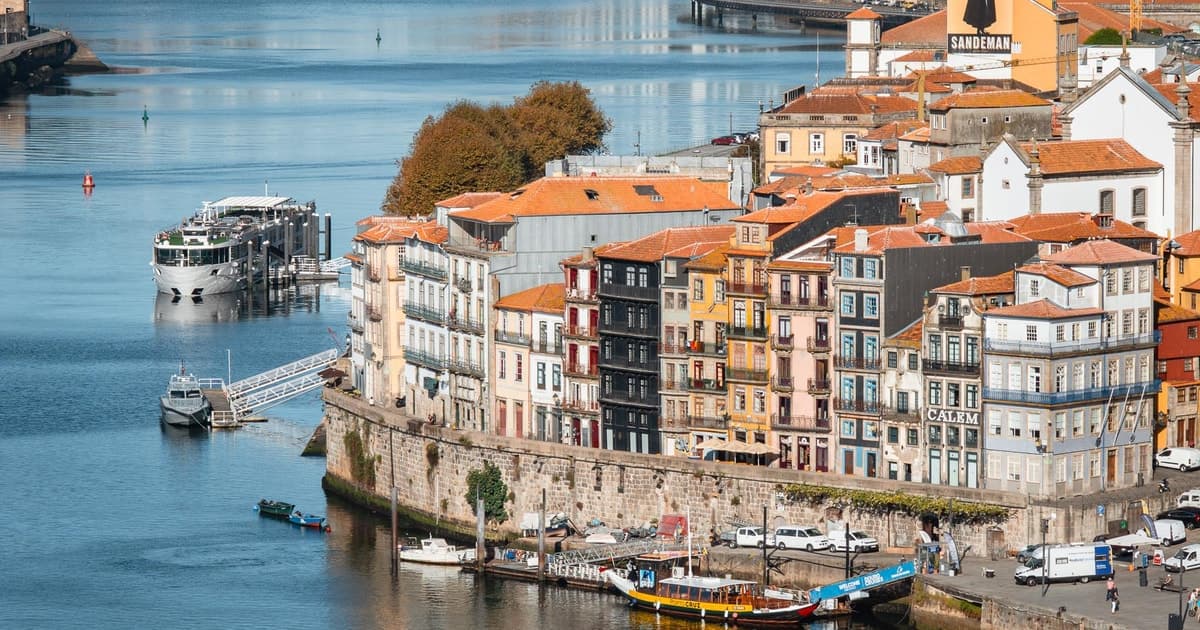


Porto Cathedral tickets: cloister tiles, terraces and a quiet pause above the river
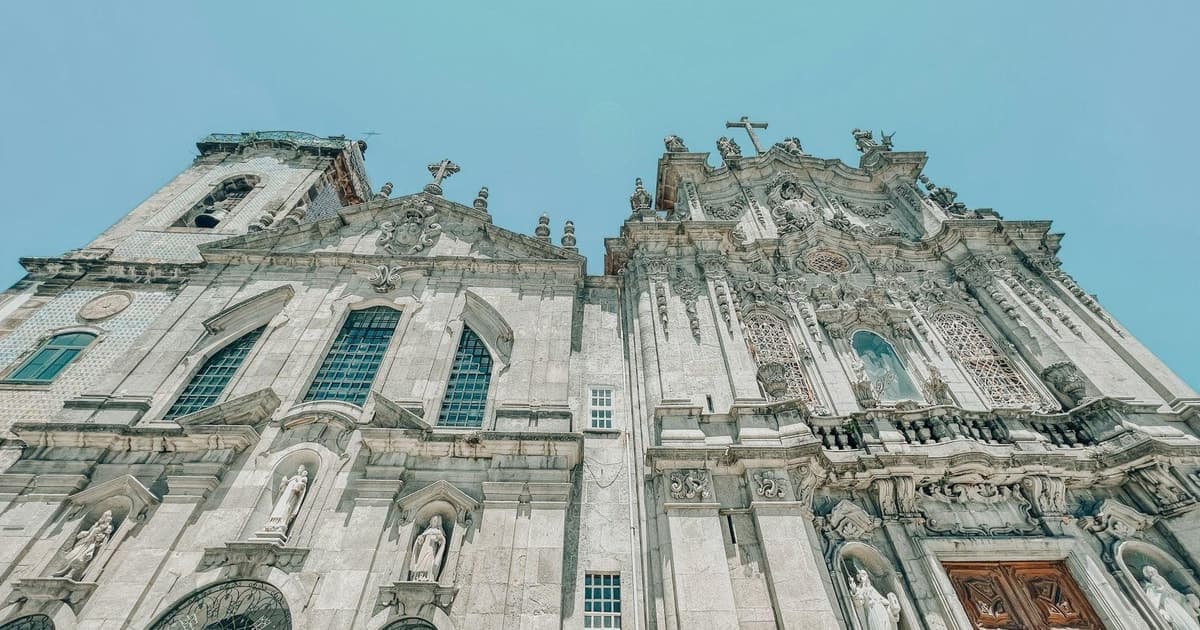
From the Terreiro da Sé square, Porto Cathedral feels half fortress, half viewpoint: the main church is usually free to step into, while a Porto Cathedral entrance fee gives access to the cloister, museum rooms and terraces, turning a quick look at the facade into a full visit. In our catalog of activities you will find a simple Porto Cathedral entry ticket that keeps timings flexible and fits naturally between riverside walks, tram rides and other classic Porto experiences.
📚 Choose your experience
Porto Cathedral entry ticket: cloister, museum and terrace views
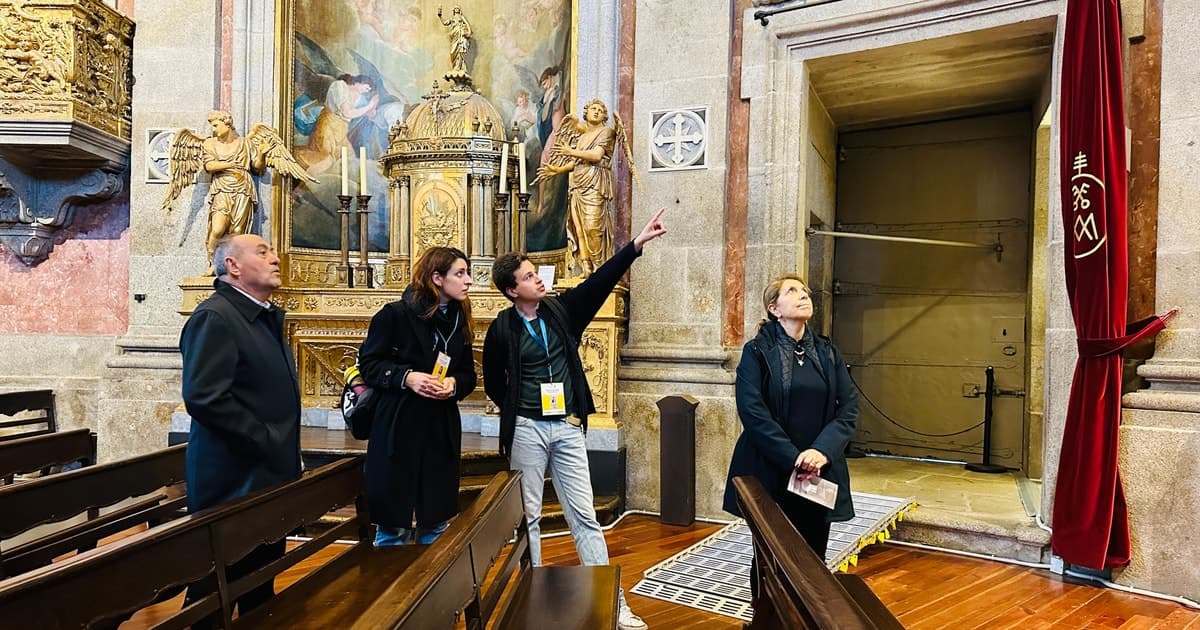
As you cross the square and show your voucher at the door, the visit switches from city noise to echoing stone: the Porto Cathedral ticket takes you straight towards the cloister, where blue and white tiles wrap medieval arches and the view back to the city opens from the upper level. The admission fee covers the quiet inner courtyard, small museum rooms and terrace areas, so you move between art, masonry and skyline without having to think about separate payments.
Most travellers start in the cloister and then wander up to the terrace before looping back through the museum rooms, a short but layered circuit that never feels rushed. Taking your time with the azulejos and side chapels helps the building’s story land, especially if you have already seen the cathedral’s facade from below in Ribeira and now recognise the towers from a new angle.
🕍 What the Porto Cathedral ticket includes
The standard Porto Cathedral ticket typically focuses on the historic core rather than add‑ons, but within that simple format there are several distinct spaces worth planning for.
- Cloister with azulejos and carved stone details.
- Small museum rooms with liturgical objects.
- Upper terraces with views over rooftops and river.
🧭 Practical tips for buying your ticket
If you care about avoiding queues and crowds, booking your Porto Cathedral ticket in advance keeps the visit predictable while still letting you choose the exact time on the day. Mobile confirmation avoids hunting for cash at the ticket window and makes it easier to slot the cathedral between other plans in the city.
- Choose quieter midweek dates outside local holidays.
- Aim for early or late daylight for softer photos.
- Arrive a little before your chosen entrance time.
After leaving the cloister, the steep lanes around the cathedral can feel long at the end of the day, so many visitors pair the ticket with a Porto Tuk Tuk tour to cross the hills more easily and enjoy a city overview without extra climbing.
How to visit Porto Cathedral without rushing
Once you have secured your Porto Cathedral admission fee, the visit itself stays compact: the cloister, terraces and museum can comfortably fit into a morning or afternoon without taking over the whole day. That makes the cathedral a good anchor around which to build a relaxed walk through the upper part of the old town.
🕰 Best time of day to visit Porto Cathedral
Light and crowds change the atmosphere markedly, so choosing your slot is almost as important as choosing the ticket; very early visits tend to be quieter, while later in the day the views glow in warmer light. Cloudy days emphasise the interior and tiles, whereas clear days turn the terrace into a natural balcony over the river.
- Early morning: calmer spaces, gentler temperature, fewer groups.
- Midday: livelier, good if you seek bustle.
- Late afternoon: warm light for towers, bridge and river.
🎒 What to wear in Porto Cathedral
Porto Cathedral is an active place of worship rather than a pure monument, so a basic, respectful dress code helps you feel in place and reduces the chance of being turned away from quieter areas. There is usually no need for formal clothing, but covering shoulders and avoiding beachwear is strongly recommended.
- Choose tops that cover shoulders and midriff.
- Avoid very short shorts or swimwear pieces.
- Remove hats inside chapels and quiet areas.
Fitting Porto Cathedral into a wider Porto itinerary
Seen from the riverfront, the cathedral crowns the skyline; once you are up there with ticket in hand, it becomes a natural starting point for the rest of the day. Many travellers link the visit with São Bento station, the Dom Luís I Bridge and a loop down into Ribeira, turning the cathedral into the historical prologue of their Porto story.
🧩 How the cathedral fits into your day
Because the paid areas are concentrated and self‑contained, you can treat the Porto Cathedral entrance fee as either a quick cultural stop or the backbone of a half‑day in the upper town, depending on your pace; families often keep the visit short and focused, while architecture fans linger over details before heading downhill.
- Morning start: cathedral, São Bento and coffee in the centre.
- Midday plan: lunch nearby, then cloister and terraces.
- Afternoon focus: cathedral first, then sunset by the river.
🚉 Trips that pair well with Porto Cathedral
Once you have explored the cathedral and the streets around it, extending your trip beyond the city centre is straightforward: the day trips from Porto guide brings together countryside and wine experiences that complement the historical mood, while the classic Braga and Guimaraes day trip from Porto builds on the religious heritage theme with other important sanctuaries and old towns. Starting with a Porto Cathedral ticket in the morning and finishing with a wider excursion on another day keeps the trip balanced between city energy and quieter surroundings.
Frequently asked questions
Is it worth going into Porto Cathedral?
For most visitors, going inside Porto Cathedral is absolutely worth it: the cloister tiles, stone vaults and terrace views tell a different story from what you see just by standing in the square. Because the entrance fee for the paid areas is modest in our offer of experiences, it is an easy decision if you are already climbing up to the viewpoint.
Is Porto Cathedral free to enter?
In practice there are two zones: the main church is usually free to enter for a short, quiet visit, while the cloister, museum and terrace areas require a Porto Cathedral ticket. The paid Porto Cathedral entrance fee is what turns the stop into a more complete experience, with access to artworks, tiles and elevated viewpoints.
What does the Porto Cathedral entrance fee include?
The Porto Cathedral admission fee sold through our catalog of activities is designed to keep things simple: one ticket gives access to the cloister, small museum spaces and the upper terrace areas. You do not need to worry about extra payments once inside; check GuruWalk’s activity catalog to see the latest prices and any special inclusions for your date.
How long does it take to see Porto Cathedral?
The visit is naturally compact: most people treat the paid areas as a short, focused stop rather than a half‑day excursion. If you enjoy photography or reading interpretive panels you may stay longer, but it is rare for the cathedral to dominate a full day in Porto.
Is there a dress code for Porto Cathedral?
There is no rigid, posted list of rules, but the usual standards for churches apply: respectful clothing, covered shoulders and a general avoidance of beachwear. Bringing a light scarf or extra layer in your bag is an easy way to adapt if you are arriving straight from the riverside or the beach.
Can you just walk into the cathedral?
For the main nave, you can generally walk in without prior booking, treating it as part of a wider stroll around the old town. For the cloister, museum and terrace zones it is safer to secure a ticket, especially in busy seasons, so you know you can access the spaces you most want to see.
What is the best time of day to visit Porto Cathedral?
The best time depends on whether you prioritise peace, light or logistics; early visits tend to be quietest, while later in the afternoon the golden light on the rooftops and river is more dramatic. Whichever you choose, allow enough time to pause in the cloister rather than rushing straight to the viewpoint.
How old is Porto Cathedral?
Porto Cathedral dates back to the high Middle Ages, with its main structure built between the twelfth and thirteenth centuries and later Gothic and Baroque additions layered on top. This mix explains why the building can feel like a fortress from outside yet surprisingly ornate in certain chapels and side spaces.
What are the top things to do near Porto Cathedral?
Around the cathedral you are surrounded by many of Porto’s headline sights, so it slots naturally into any “top things to do” list. Within a short walk you can reach São Bento station, the Dom Luís I Bridge, the riverside in Ribeira and several viewpoints over the Douro, making it easy to build a full day of sightseeing around a single ticketed visit.


