Street Food Tours in Rome


Last update:
Continue planning your trip to Rome
- Free tour
Free Tours in Rome
Guided Tours
Vatican City Tours
Vatican Skip-the-Line Tours
Tickets & Passes
Ancient Rome Tours
Colosseum & Roman Forum Tickets
Colosseum Arena Tours
Vatican City Tickets
Pantheon Skip-the-Line Tickets
Galleria Borghese Tours
Rome Night Tours
Street Food Tours
Pantheon Tours
Catacombs Tours
Other Experiences
Day Trip to Pompeii and Amalfi Coast
Hop-On Hop-Off Bus Tours
Trastevere Walking Tours
Day Trip to Pompeii
Pizza Making Classes
Day Trip to Pisa
Day Trip to Florence and Pisa
Day Trip to Orvieto
Day Trip to Sorrento
Wine Tour from Rome


Rome street food tour with local guide: the city’s fastest route to real flavor
Rome rewards you at street level: on a rome street food tour you move like a local between ovens, counters, and tiny fry shops, tasting as you walk and picking up the stories that make each bite make sense. Our catalog of activities spans quick central loops, Trastevere nights, market-focused neighborhoods, and even rides that cover more ground, therefore you can match the route to your energy and still keep the rest of your day open for monuments.
📚 Choose your experience
Street food, aperitivo, easy pace
Classic bites, quick stops, zero fuss.
Trastevere evenings
Cobblestones, lively squares, steady tasting.
Testaccio and Prati
Markets and local tables beyond the center.
Coffee, wine, and sweet tastings
Small rituals that define Rome.
Walking tour routes
Self-guided audio or a market-to-ghetto loop.
Gluten-free route
Rome classics with clearer choices.
Frequently asked questions
Worth it, markets, must-eats, budgeting.
Street food tour Rome: fried bites, pizza al taglio, and aperitivo pace
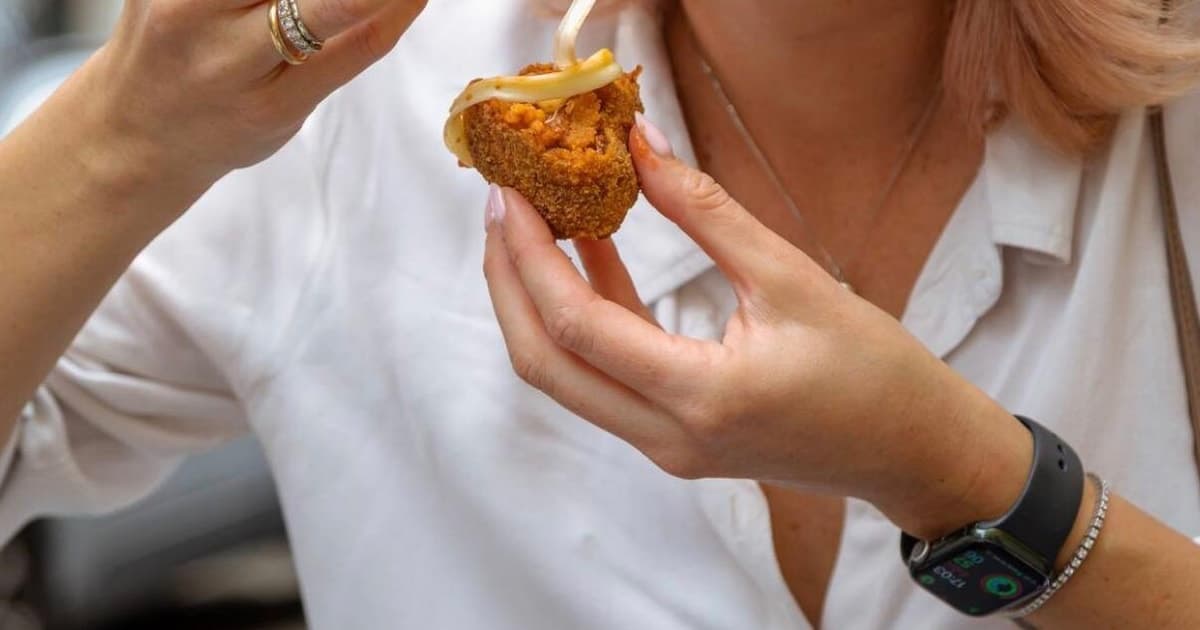
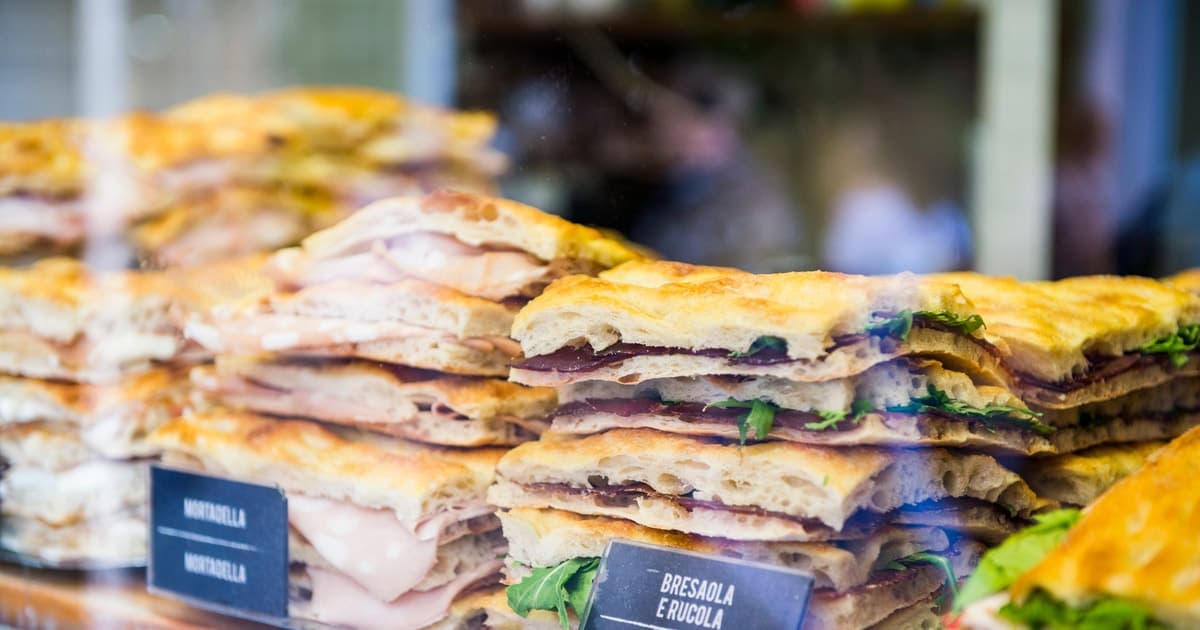
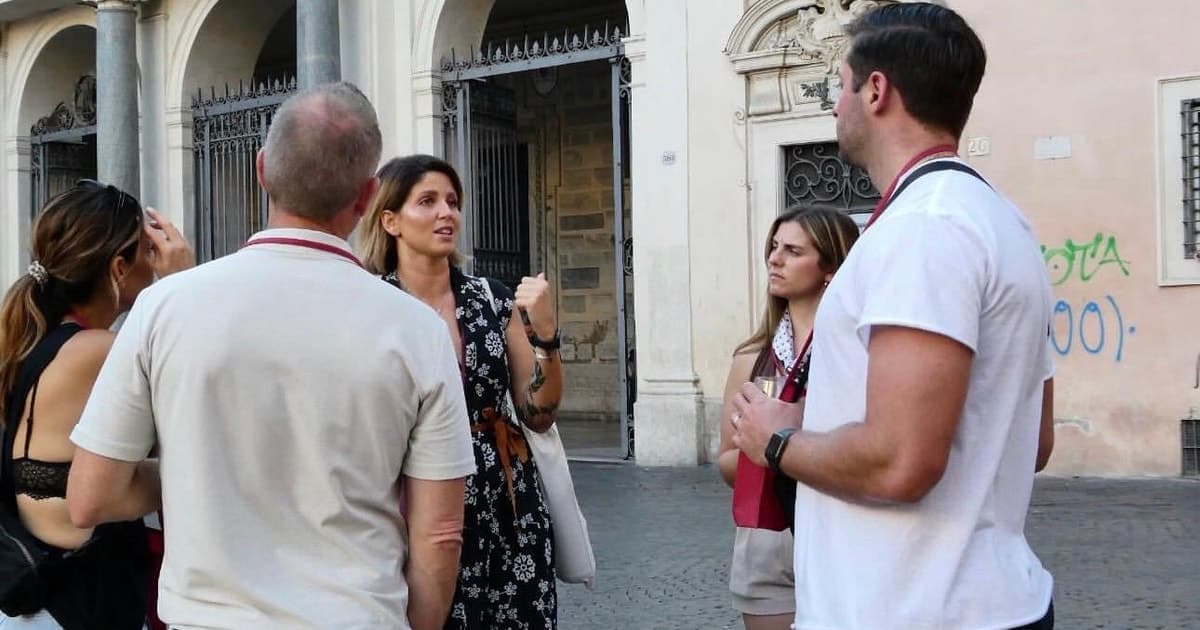
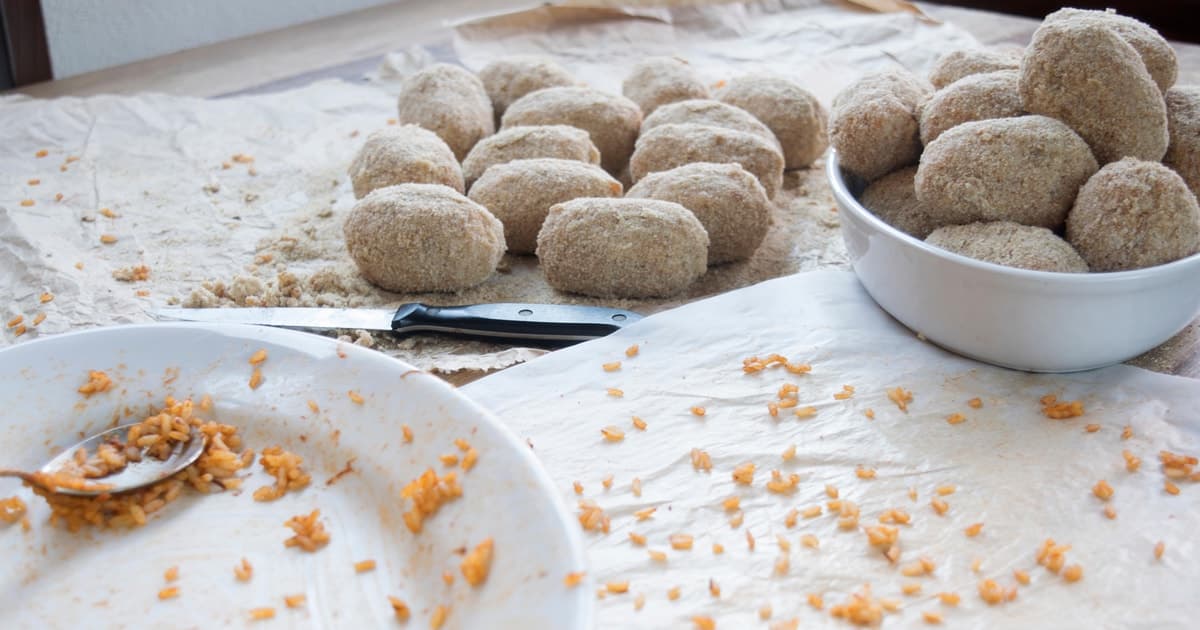
A street food tour rome feels like moving dinner: you queue where locals queue, taste standing up, then keep walking before the city turns into a museum of full stomachs. Expect Roman staples like suppli, pizza al taglio, seasonal fried snacks, and a final sweet note, with a guide who explains what is truly local versus what is just famous on social media.


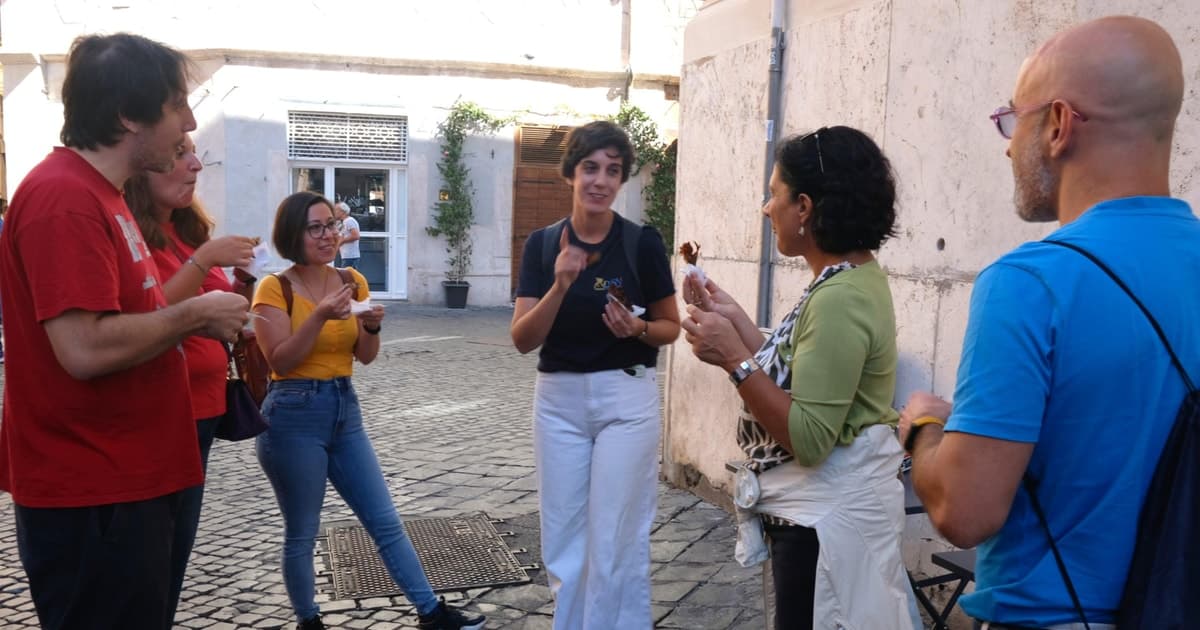
The best rhythm is the one that leaves you curious, not stuffed: keep breakfast light and let the tastings replace a full meal. If you are heat-sensitive, go for a route with more shade and shorter gaps between stops; on the other hand, late-day tours suit travelers who want apertivo energy and glowing streets.
For a broader mix of sit-down dishes and neighborhood stories, pair this with the related guide on Rome food tour and treat your trip as two complementary chapters: snacks on the move, then a slower table later.
⚖️ Quick comparison
- Central routes suit short stays and first-timers.
- Neighborhood routes trade sights for local texture.
- With aperitivo feels social and evening-forward.
- With a ride covers more ground with less fatigue.
Trastevere food tour: lanes, trattorie aromas, and an evening rhythm
Trastevere is where a rome street food tour with local guide turns into a neighborhood portrait: narrow lanes, small piazzas, and the smell of baking that arrives before you do. The pace is naturally slower here, therefore it works well for travelers who want time to talk, people-watch, and learn what Romans order when nobody is translating the menu.
Plan Trastevere for the part of the day when you want atmosphere: it pairs easily with a river walk and a late gelato, and it still leaves space for dinner if you keep portions sensibly paced. Share any dietary preferences early so the group does not stall at the counter, and wear shoes that handle uneven cobblestones.
If you want a Trastevere-first itinerary with more variations, browse the related product guide Rome food tour Trastevere and choose between classic comfort dishes and a more tasting-led route.
🧭 Practical tips
- Carry water, especially on warm evenings.
- Keep your hands free for street-level eating.
- Ask for local ordering phrases you can reuse.
- Finish near a viewpoint for post-tour calm.
Rome food tours in Testaccio and Prati: markets, gelato, and local tables
When you want less postcard, more daily life, head beyond the headline streets: Testaccio leans market-first and working-city, while Prati brings a calmer, elegant feel with excellent gelato and wine-friendly stops. These routes fit travelers who have already seen the big sights and now want Rome street food tours that explain how the city eats when it is not performing.

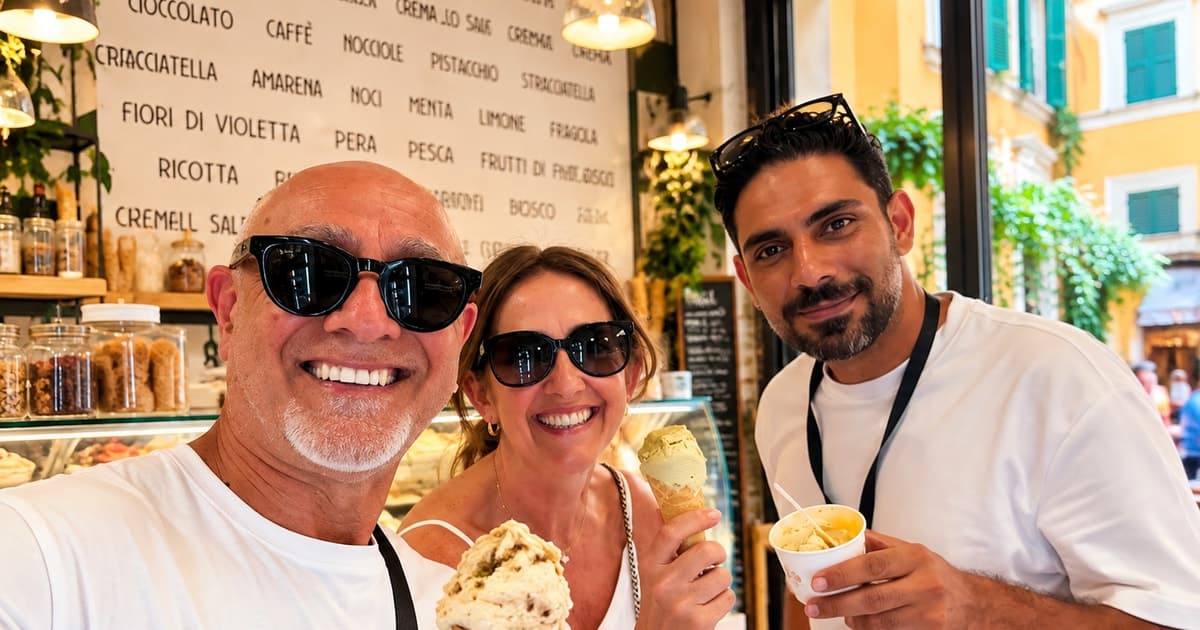
Choose by mood: market neighborhoods reward curious eaters who like browsing counters and learning what to buy, while gourmet-style routes focus on crafted selections and pacing. On the other hand, a guided generalist food tour is the safest pick when your group has mixed appetites and you want zero decision fatigue.
These are ideal early in your stay because your guide can point out where to return on your own, from bakeries to gelaterie, and you leave with a short list of repeatable favorites for the rest of the trip.
Tastings that go beyond snacks: coffee, wine, and artisanal sweets
Not every “best bite” in Rome is handheld: a focused tasting route slows you down for espresso rituals, pastry craftsmanship, and wine-led pairings that explain why certain flavors show up together. This style suits travelers who prefer fewer stops with more context, and it pairs naturally with museums because it keeps your pace clean and organized.
Treat it like an education, not a challenge: ask what makes a coffee bar great, how to spot quality ingredients, and when gelato is made for tourists instead of locals. If you do drink alcohol, keep it moderate so you can still navigate the city afterwards; if you do not, a good guide will keep the non-alcoholic alternatives flowing.
When you want to switch from tasting to doing, add a hands-on session like a pizza making class Rome and let your trip include both expert sampling and a skill you can recreate at home.
Walking tour routes: self-guided audio and a food walking loop
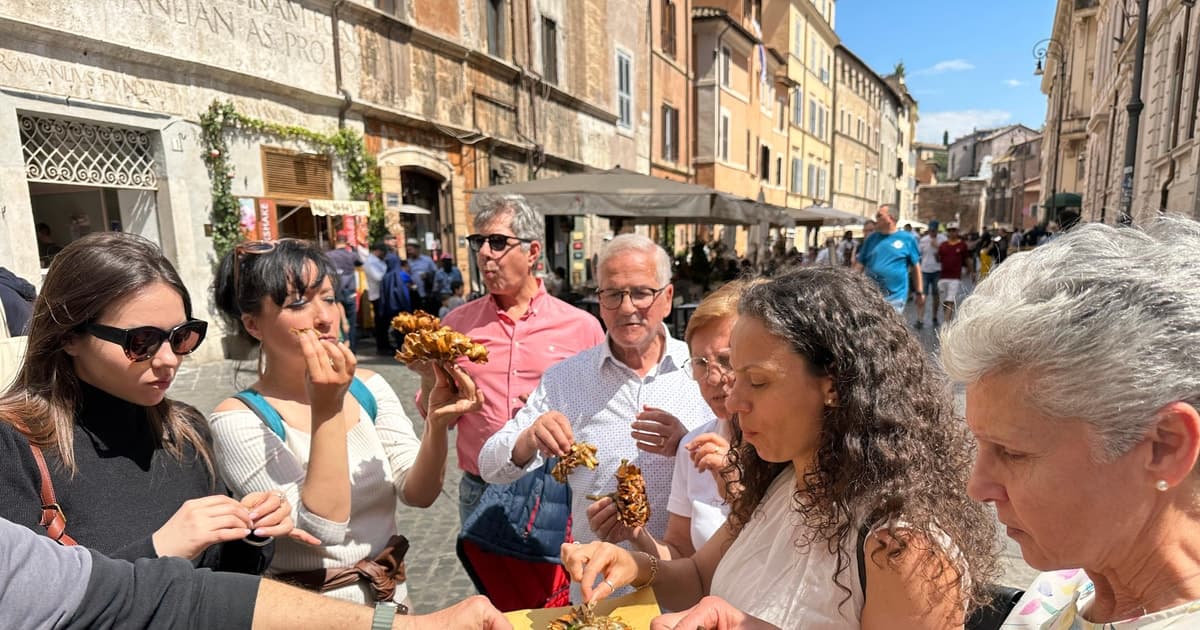
Some travelers want freedom first: a self-guided audio walking tour lets you pause for photos, extend a detour, and still keep a strong narrative in your ears. Others prefer a guided loop that threads places like Campo de’ Fiori and the Jewish Ghetto into a single walk, where storytelling fills the gaps between tastings.

For self-guided formats, download what you need before you leave your hotel and carry earbuds that stay put; it is a small detail that makes the experience feel effortless. For guided walks, arrive on time and keep your hands free, because you will be eating, listening, and navigating crowded corners.
This is also a smart pairing strategy: do the audio route earlier when the streets are quieter, then book a guided food experience later for human context and tastings once you are oriented.
Gluten-free culinary tour: Rome’s classics without guesswork
Rome is a wheat-forward city, therefore a gluten-free traveler can feel like every bakery window is a dare; a dedicated route changes that completely. With a guide who understands cross-contamination risk and the local language of ingredients, you can enjoy the city’s signature flavors without turning every stop into a negotiation.
Share your needs clearly, including how strict you must be, and ask which venues are best for repeat visits later on your own. If you are traveling with mixed diets, this kind of tour often becomes the most inclusive compromise of the trip.
Frequently asked questions
What is a food tour in Rome?
A food tour is a guided route where you taste several specialties while learning how Romans actually eat, from ordering habits to neighborhood traditions. In practice, it is part tasting, part city walk, therefore you leave with both fuller context and better ideas for where to eat next.
Are food tours worth it in Italy?
They are often worth it when you want high signal, low effort: you skip trial-and-error, learn what is regional, and discover places you might walk past on your own. In our catalog, many guided walks sit around 40–80 €, while premium experiences can be higher, so check GuruWalk's activity catalog to see the latest prices.
What food not to miss in Rome, Italy?
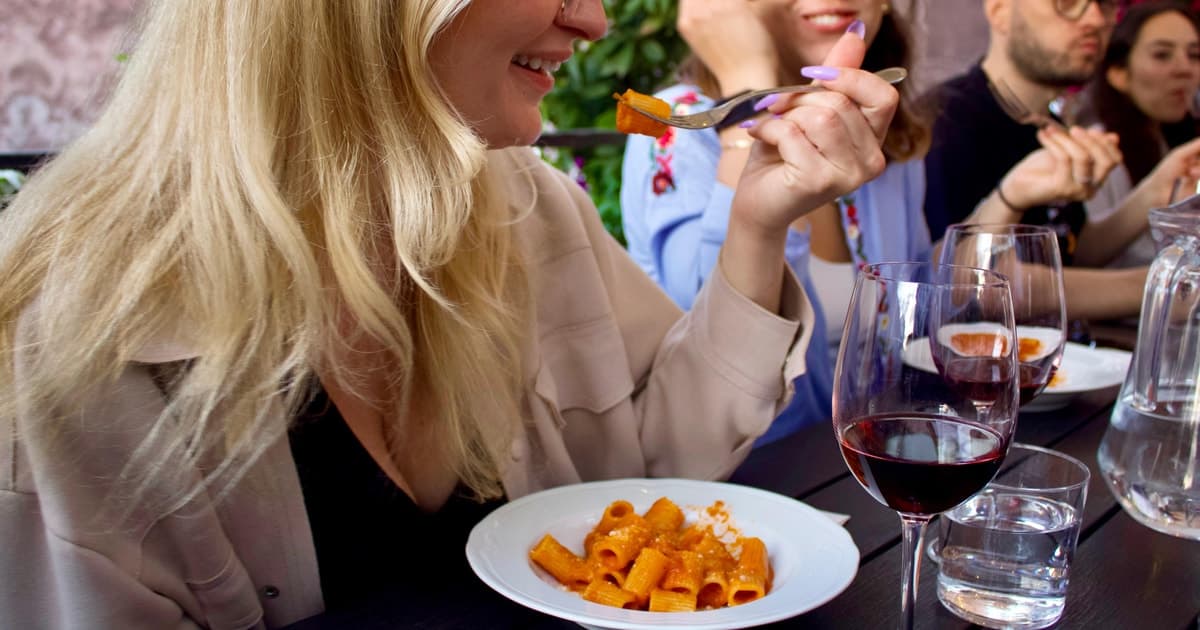
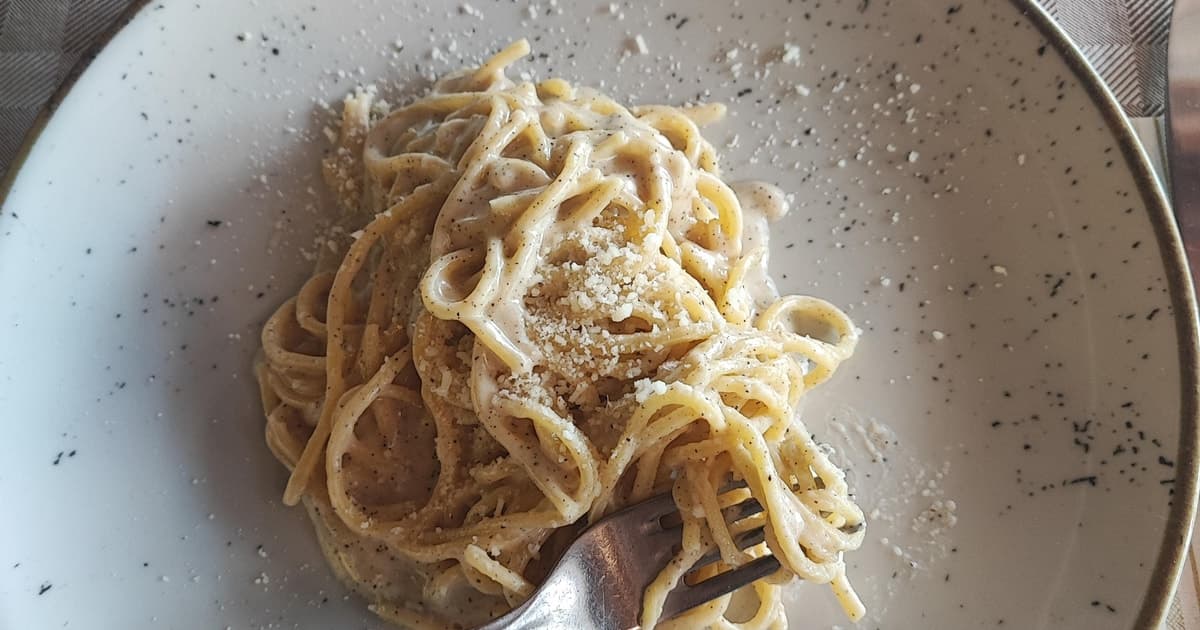
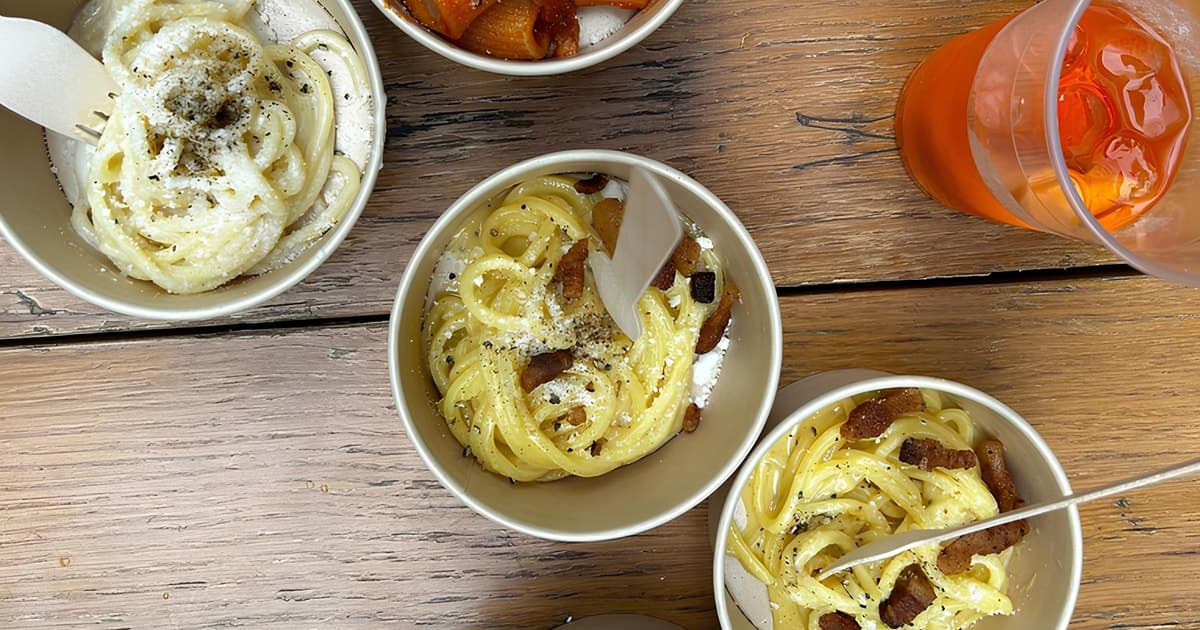
Do not leave without trying suppli, pizza al taglio, and at least one classic pasta in a proper Roman style. Finish with gelato and an espresso at the bar for the full, everyday rhythm.
What is the most famous food market in Rome?
Campo de’ Fiori is the best-known historic market name in the center, and it is a common reference point for walk-and-taste routes. For a more local, food-first vibe, many travelers also love Mercato di Testaccio, which pairs well with neighborhood tastings.
What is the best food tour in Rome?
The best option depends on your goal: choose a street food tour for quick bites and momentum, Trastevere for atmosphere, or Testaccio and Prati for deeper neighborhood texture. Scan our offer of experiences and pick the route that matches your pace, then use your guide’s tips to eat better all week.
Where did Anthony Bourdain eat in Rome?
He highlighted Rome by following people, markets, and unpretentious places rather than chasing a single “best” address. If you want a similar approach, book a route through neighborhoods like Testaccio, the Jewish Ghetto, or Trastevere and focus on simple, everyday classics.
Is $10,000 enough for a trip to Italy?
It can be enough for many trips, but it depends on your travel style, how many cities you include, and whether you travel in peak season. Keep lodging central but simple, use trains efficiently, and spend intentionally on a few high-impact experiences like a food tour.
What's the difference between a food tour and a safari?
A food tour is a curated walk through local eating culture, where neighborhoods are the habitat and dishes are the sightings. A safari is wildlife-focused and logistics-heavy, therefore the “best” choice depends on whether you want culinary discovery or animals in the wild.
Discover related activities in Rome