Rome Market Tour
Discover Rome


Last update:
Continue planning your trip to Rome
Rome market tour: Trastevere flavors, Trevi sparkle, and a pause on the Tiber
Rome’s markets are a daily choreography of color, noise, and instincts: what looks seasonal, what smells fresh, and what locals buy without thinking twice. A rome market tour works best when it blends that food logic with the city’s landmarks, and our offer of experiences does exactly that with a guided route through Trastevere, a Trevi moment, a stop at Tiber Island, and a river cruise that slows the pace before a tasting that makes choices feel obvious.
📚 Choose your experience
Trastevere and Tiber Island: guided walk, cruise and tasting
A river pause with food-first context.
Markets in Rome: timing, etiquette, and what to taste
Shop smart, taste calmly, blend in easily.
Campo de' Fiori to Trevi: central Rome without the crush
One market morning, one quieter fountain.
Turn a market stop into a food night
Add dinner stories after your wandering.
Frequently asked questions
Planning basics for market days.
Trastevere and Tiber Island: guided walk, cruise and tasting
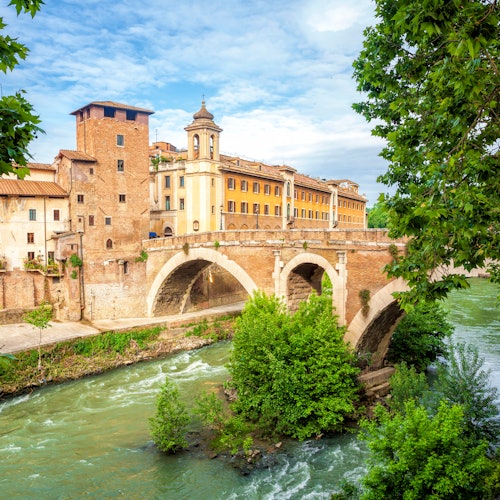
Trastevere is where a rome market tour mindset clicks fast: street-level food culture, small storefronts, and the feeling that lunch is being decided in real time. The route ties that atmosphere to the city’s headline icons, weaving toward Trevi, crossing by Tiber Island, then easing into a cruise that turns Rome from a sprint into a glide.
The cruise is the reset button: you sit, watch stone bridges pass, and let the city’s noise fade until details sharpen again. It’s a rare format where rest is part of the itinerary, which makes the tasting feel like a reward instead of a rushed checkbox.
Treat the tasting as guided confidence: a safe way to try what you might hesitate to order blind, with context on what belongs to the moment and what is best saved for later. Pack comfortable shoes and a light layer for river air, and mention dietary needs early so the experience stays easy and focused.
🧭 Practical notes that change the day
- Start hungry, but keep lunch plans flexible.
- Carry water, especially in warmer seasons.
- Wear stable shoes for Rome’s uneven streets.
- Ask questions and steal local habits.
Markets in Rome: timing, etiquette, and what to taste
Rome’s best market moments happen when stalls are fully stocked and locals are still unhurried, which is why early to mid-morning usually feels most alive. Later, many markets shift from browsing to quick bites, and the atmosphere becomes more practical than poetic.
If your idea of a rome market tour is pure stall culture, start with the Markets in Rome guide and choose by neighborhood mood rather than fame. The win is not volume, it is better instincts about what to taste and where to return.
Small behaviors make you feel less like a spectator and more like part of the rhythm.
- Go early when displays look their fullest.
- Ask before photographing stalls and vendors.
- Sample one item, then decide what to buy.
- Carry small change for quick, polite transactions.
Campo de' Fiori to Trevi: central Rome without the crush
Campo de' Fiori works best as a short, sharp market hit: a central square where you can read the day’s produce and then escape into side streets before the center thickens. It pairs naturally with a Trevi visit that prioritizes sound and space over crowds.
For a tighter plan in the historic core, use the Campo de' Fiori Market Rome guide as your compass, then time Trevi for a quieter window when the fountain feels like a place, not a backdrop.
Turn a market stop into a food night
The smartest Rome days have texture: market energy when the city is fresh, a slower afternoon to recover, and a second wave of flavors when streets warm up again. That is why a market-minded stroll and a tasting-based route can complement each other without competing for attention.
When you want dinner to come with stories, our Rome Food Tour experiences can take over after sunset, leaving your daytime free for markets and wandering. The goal is a day that ends with clarity: what to order next, what to skip, and where you would happily return.
⚖️ Simple pairing logic
- Market morning, slow lunch, evening tasting route.
- Guided route first, casual neighborhood dinner later.
- One guided day, one self-led market morning.
Frequently asked questions
What is the best time to visit Testaccio Market?
Aim for early to mid-morning if you want full displays and a calmer browsing rhythm, when locals are still shopping rather than just grabbing a bite. Later in the day the vibe can become more transactional, therefore going earlier usually feels more like a true market visit.
What is Testaccio Market known for?
It is known for a locals-first food scene, where produce, deli counters, and ready-to-eat bites share the same space. Think of it as a fast education in what Romans actually buy and snack on, not a place designed for tourist theater.
Is Testaccio worth visiting?
Yes if you want everyday Rome with fewer postcard crowds, and if tasting is part of your travel style. Pair the market with a walk through the neighborhood streets so food, architecture, and local life feel connected.
How easy is it to get to Testaccio Market?
It is generally straightforward by public transport or a short taxi ride from many central areas, with an easy final walk through residential streets. Check your route the night before, because service changes and traffic can affect real-world timing.
Is Trajan's market worth it?
Trajan's Market is a historical complex rather than a food market, and it is worth it if you like archaeology, museums, and Imperial Rome context. If your goal is tasting and stall culture, treat it as a separate visit and keep your food time for neighborhood markets.
Which tours in Rome are worth it?
The tours worth your time match your energy and curiosity: neighborhoods for atmosphere, tastings for context, and a guide who explains the why, not just the where. For a market-flavored route with landmarks, our Rome market tour blends Trastevere, a river pause, and a tasting; Check GuruWalk's activity catalog to see the latest prices.
When not to go to Rome?
If you struggle with heat or crowds, avoid the hottest stretch of summer and the busiest holiday periods, when queues and transport friction can sap your day. For markets, light rain is manageable, however cold wind makes outdoor browsing less comfortable.
Do and don'ts in Rome?
Do keep a city rhythm: walk with purpose, step aside to check maps, and cover shoulders when entering churches. Don't treat markets like museums, block narrow streets, or relax your guard with valuables in crowded areas where distraction is the trick.
About the author

Author: Belén Rivas, GuruWalk
Publication date: 2025-12-12
Data updated as of December 2025


