Wine Tastings in Rome


Last update:
Continue planning your trip to Rome
- Free tour
Free Tours in Rome
Guided Tours
Vatican City Tours
Vatican Skip-the-Line Tours
Tickets & Passes
Ancient Rome Tours
Colosseum & Roman Forum Tickets
Colosseum Arena Tours
Vatican City Tickets
Pantheon Skip-the-Line Tickets
Galleria Borghese Tours
Rome Night Tours
Street Food Tours
Pantheon Tours
Catacombs Tours
Other Experiences
Day Trip to Pompeii and Amalfi Coast
Hop-On Hop-Off Bus Tours
Trastevere Walking Tours
Day Trip to Pompeii
Pizza Making Classes
Day Trip to Pisa
Day Trip to Florence and Pisa
Day Trip to Orvieto
Day Trip to Sorrento
Wine Tour from Rome


Wine tasting in Rome: city centre walks, hidden cellars and countryside days
Between piazzas, church facades and narrow alleys, wine tasting in Rome unfolds in three rhythms: central food-and-wine walks, intimate cellar evenings with art or dinner, and slow cooking days in the Roman countryside. Searches for wine tasting Rome usually hide this choice of pace; in our offer of experiences you can move from quick city tastings to full-day escapes, always keeping transfers short so Lazio wines fit naturally around your visits to the Colosseum, Vatican and Trastevere.
📚 Choose your experience
Food and wine tastings
Central bars, short walks, local labels.
Wine, art and dinner
Caravaggio, cellars and seated pairings.
Cooking day in countryside
Hands-on recipes among vines.
Combine tastings and day trips
Plan around trains, views and energy.
Frequently asked questions
Dress code, timing and etiquette.
Food and wine tastings in Rome city centre
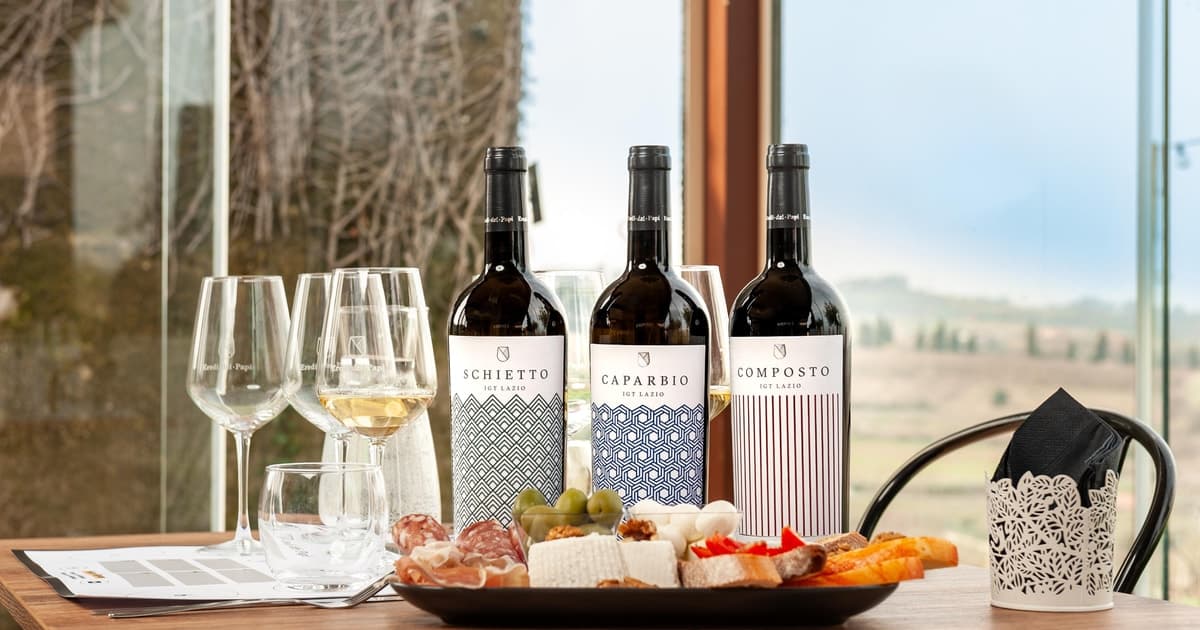
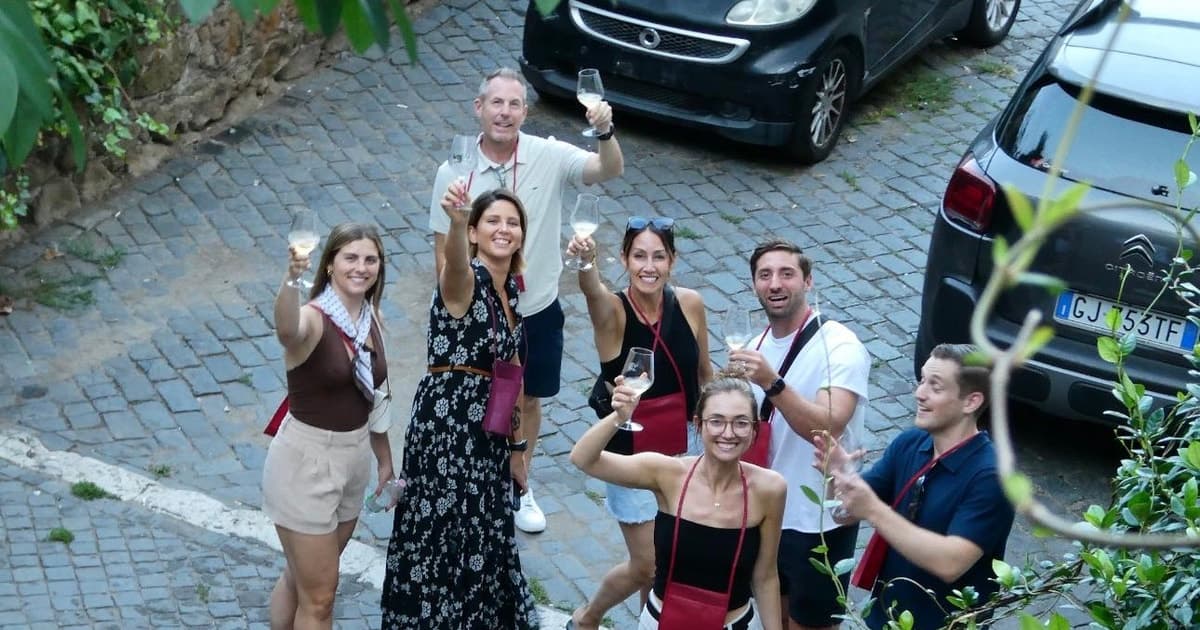
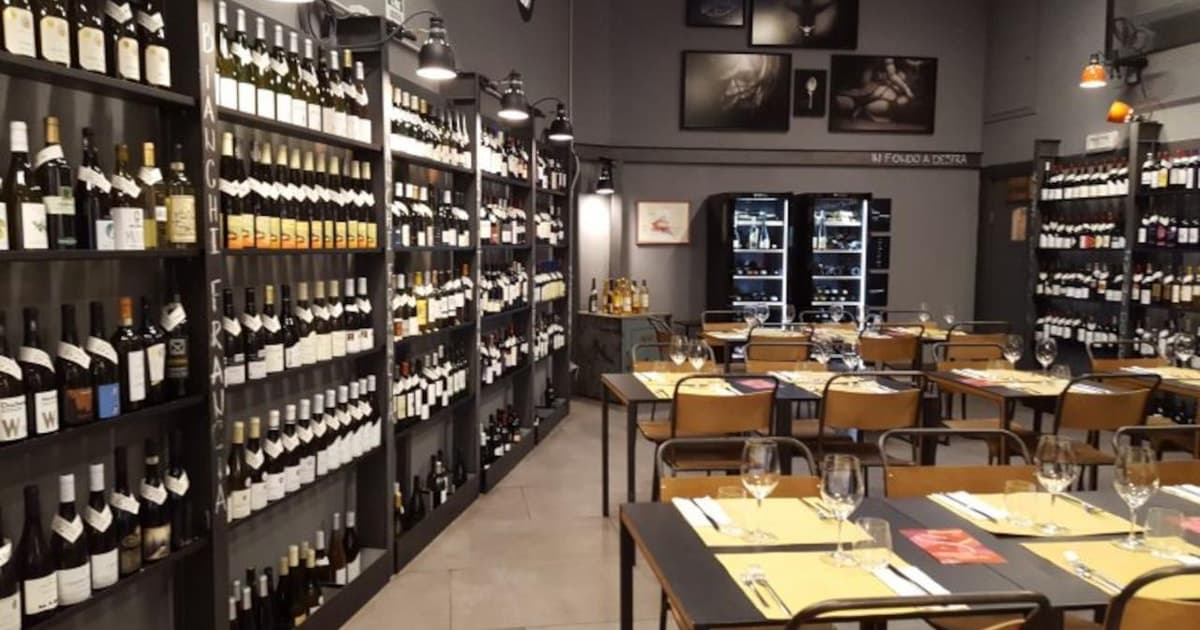
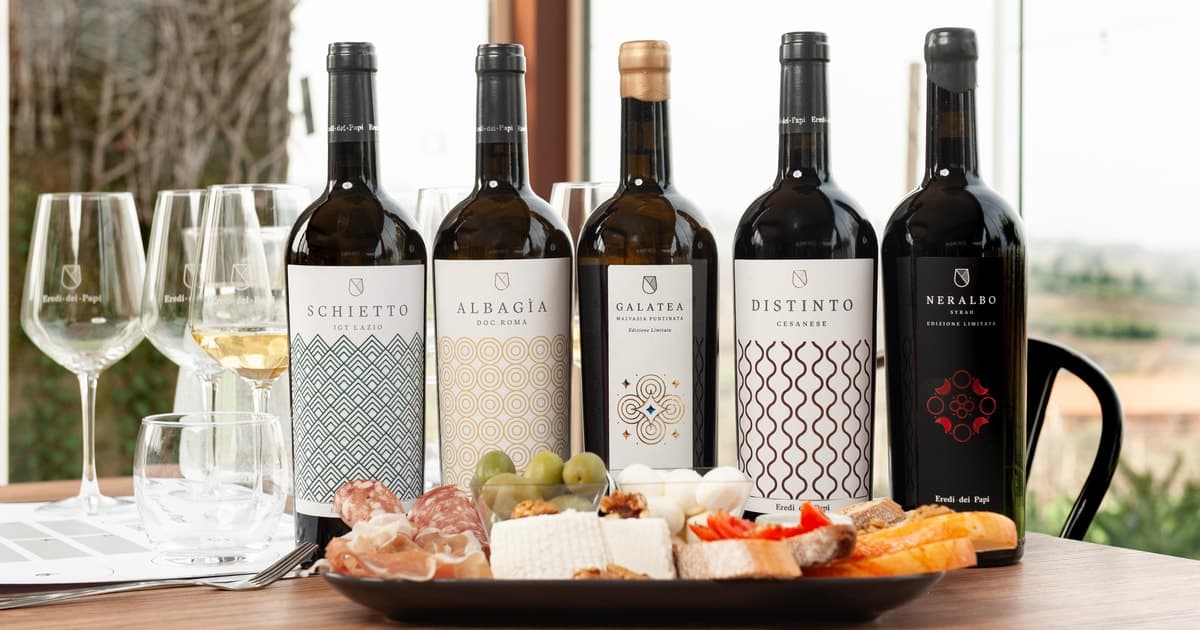
In the historic core, guided tastings feel like an extended aperitivo with a local host: you move between enotecas and small eateries, taste several regional wines and pair them with cured meats, cheeses and Roman classics. These rome wine tasting routes usually stay within compact areas such as Trastevere or streets near Campo de' Fiori, so you spend your energy on flavours, not distance.


Compared with ordering a single glass in a bar, these experiences add structure and storytelling: a host guides you through whites and reds from Lazio and other regions, explains why one bottle works with cacio e pepe and another with fried artichokes, and leaves space for questions. It becomes a fast way to understand which styles you like before you start choosing from longer wine lists on your own.
For a first night in the city, many travellers combine a central food-and-wine tour with a later stroll along the river or a Rome night tour through illuminated squares. That mix offers both guided tastings and time for photos of the monuments, without turning the evening into a race from one stop to the next.
This format suits couples and friends who want a social but not overly loud night, with enough sitting time and only short transfers on foot. If you prefer compact plans, look for tastings focused on a single neighbourhood, so you can finish early and keep control of the rest of your evening.
⚖️ Compare central tastings
- Shorter tastings: compact route, fewer stops, clear focus.
- Longer walks: more venues, wider range of wines.
- Groups of friends: livelier atmosphere, shared bottles and plates.
- Solo travellers: easy way to meet other visitors.
🧭 Practical tips for city tastings
- Arrive slightly hungry for better focus on pairings.
- Avoid strong perfume; smells interfere with the aromas.
- Wear comfortable shoes on cobbled streets and steps.
- Confirm vegetarian options are available before you book.
Wine tasting with art and dinner in Rome
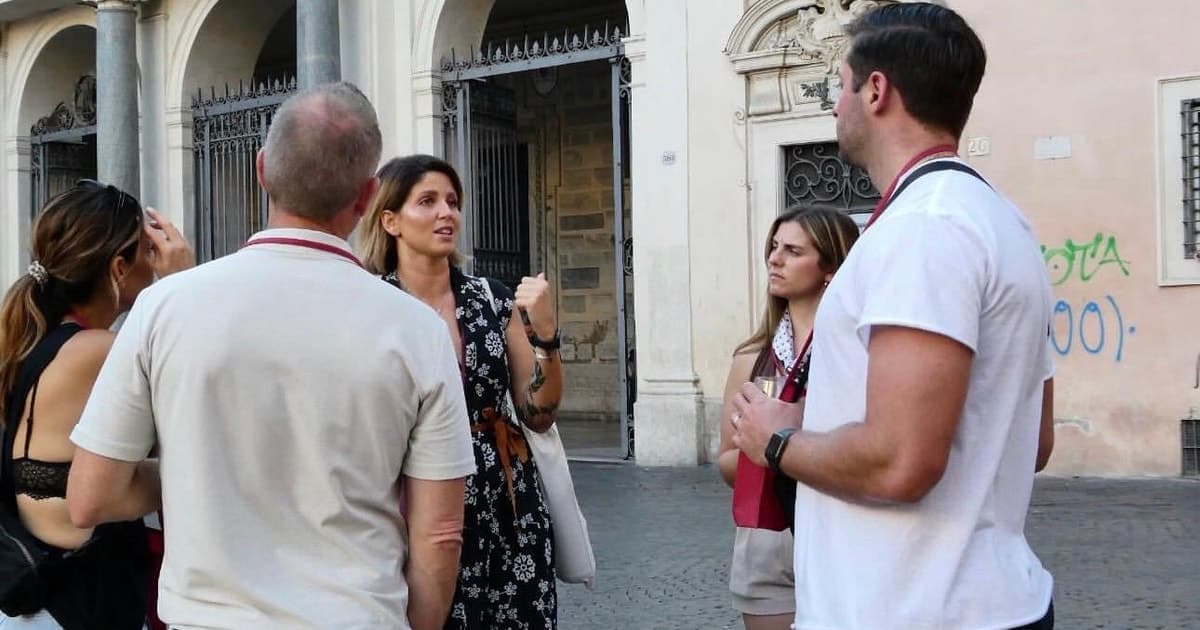
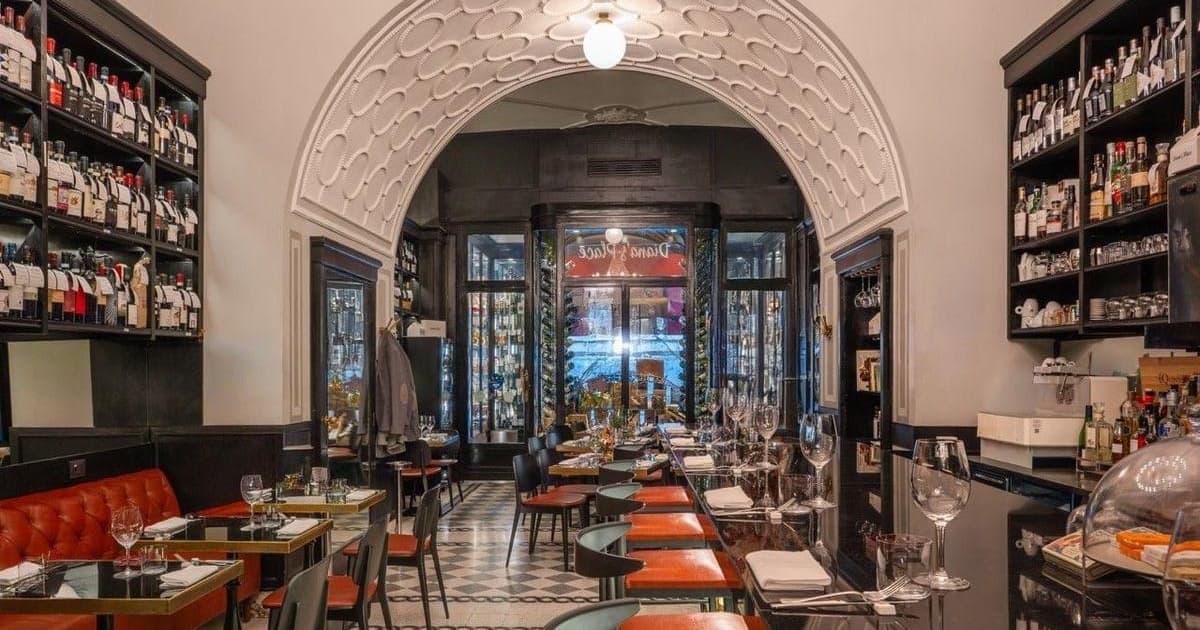
Some experiences turn wine tasting in Rome into a full cultural evening, pairing glasses with Caravaggio paintings or a seated meal in a vaulted cellar. You might start in a church or gallery, then move to an intimate space where a host connects stories from the artworks with the bottles in your glass.
In art-centred walks, the pace slows so you can stand close to the canvases and read the details before stepping back into the street. The tasting that follows often highlights Lazio grapes such as Frascati and Cesanese, presented in a way that helps you link each flavour to a story rather than just a name.
Dinners with guided wine pairings feel more like a relaxed seminar spread over several courses than a standard restaurant booking. Wines arrive in flights, explanations stay accessible, and questions are welcome, which makes this one of the best wine tasting in Rome options for travellers who like to sit rather than walk.
These formats work well on cooler evenings, when you prefer to stay mostly indoors and avoid long walks between venues. They also suit visitors who have already ticked off the big monuments by day and now want a quieter, detail-rich look at Rome through its art and wines.
🎨 Who will enjoy art-focused tastings
- Curious visitors who like stories behind each glass.
- Repeat travellers seeking new angles on familiar churches.
- Small groups who prefer calmer, seated experiences.
🍽️ How to prepare for dinner tastings
- Have only a light snack so you enjoy each course.
- Share dietary needs with hosts when you reserve.
- Bring a small notebook for wines you want to remember.
Cooking day and wine in the Roman countryside
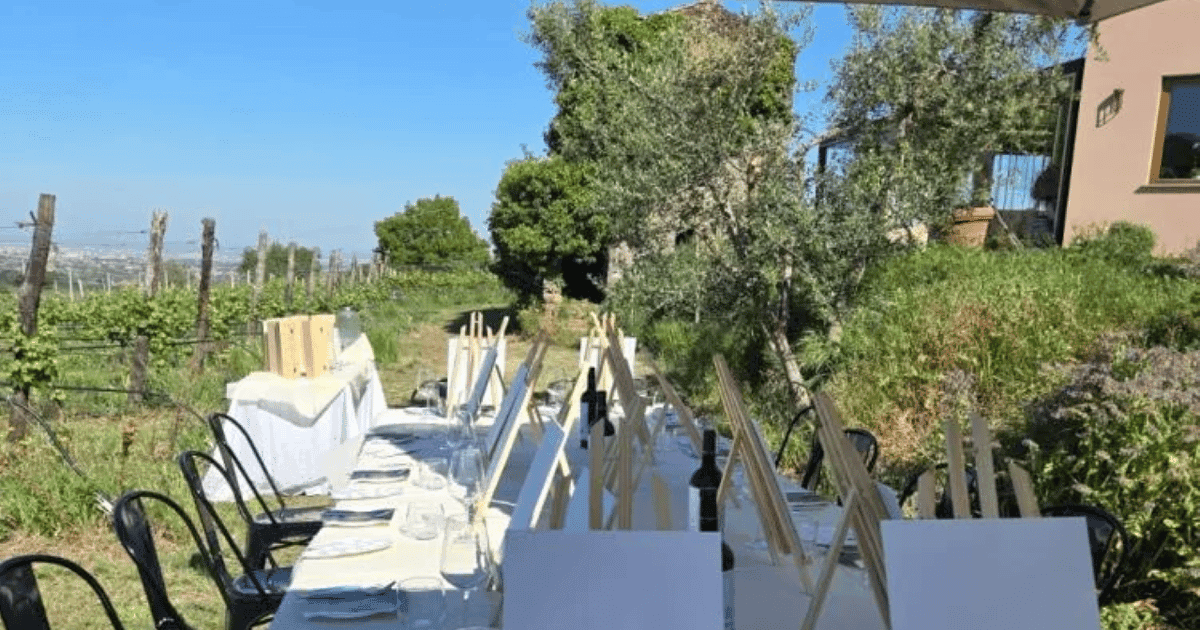
Outside the centre, a cooking day in the Roman countryside feels like being invited to a farmhouse kitchen, with time to learn recipes, taste olive oil and sit down to what you have prepared. The journey out usually crosses vineyards, stone villages and rolling hills, turning travel time into part of the experience.
During the workshop you move between chopping boards, pots and garden, sipping regional wine alongside each step instead of only at the table. The pace is unhurried, with moments to photograph the landscape and talk about Lazio food traditions, seasonal produce and family recipes.
This style of day trip pairs well with classic monuments or other day trips from Rome towards hill and coastal towns. Choose it if you want a single full day away from traffic and queues, with fresh air, home-style food and a few well-chosen bottles rather than many quick tastings.
🚂 Travel and timing
- Leave early to avoid heavy traffic leaving Rome.
- Check the return time fits evening dinner plans.
- Pack layers, as countryside air feels cooler after sunset.
Combine wine tasting in Rome with day trips and nights out
Many travellers who type wine tasting Rome Italy into a search bar actually want to fit glasses around museums and ruins, not replace them. The easiest way to do that is to alternate intense sightseeing days with slower food-and-wine moments, so every part of the trip has its own rhythm.
One strategy is to group long excursions such as Pompeii tours from Rome with transport included on one day, then keep the following afternoon free for a shorter wine tasting in Rome city centre. That combination gives you archaeology, landscapes and local bottles without stacking everything into the same few hours.
Another approach is to use a central tasting as a soft landing on your arrival evening, then schedule the countryside cooking day once you know how you handle jet lag and heat. Our catalog of activities lets you filter by duration, start time and language, so you can build an itinerary that respects your energy instead of testing it.
🧩 Two simple example itineraries
- First evening tasting, next day Colosseum visit at relaxed pace.
- Midweek countryside cooking, other nights short tastings near hotel.
Frequently asked questions about wine tasting in Rome
Can you do wine tasting in Rome?
Yes. Rome offers guided tastings, food-and-wine walks and cellar dinners in the historic centre and nearby wine towns, from short introductions to full evenings. Check GuruWalk's activity catalog to see the latest prices and available starting times.
How does wine tasting work in Italy?
Most tastings follow a structured flight of wines poured from lighter to fuller styles, often alongside bread, cheese or small bites. A local expert introduces each label and region, leaving time for questions so you can focus on aromas, flavours and differences between grapes.
Is Rome good for wine?
Rome sits inside the Lazio wine region, home to Frascati, Cesanese and other historic appellations that appear frequently in tastings. At the same time, many venues pour bottles from Tuscany, Piedmont or Sicily, making the city a strong base to sample several parts of Italy in one trip.
What month is best for wine tasting?
Many travellers find spring and autumn the most comfortable, with milder temperatures for walking between venues and riding public transport. Tastings run all year, however avoiding the hottest central hours of high summer often means clearer heads and more energy for the wines.
Which wine is Rome known for?
The city is strongly linked to white Frascati from the hills south of Rome, often served chilled with local dishes. Tastings also highlight red Cesanese and other Lazio labels, so you can compare a fresh, crisp white with softer, aromatic reds in one session.
What is the etiquette for wine tasting?
Etiquette is straightforward: arrive on time, listen to the host and sip, do not shoot, the wine. It helps to avoid strong perfume, hold the glass by the stem and feel free to spit or leave wine in the glass, which keeps attention on flavour rather than quantity.
Is wine cheap in Rome?
In everyday bars you can often find house wines by the glass at accessible prices, especially away from the busiest tourist streets. Guided tastings, sunset walks and countryside cooking days sit higher on the scale because they include food, hosts and logistics; check GuruWalk's activity catalog for approximate ranges on each format.
What are the big 3 Italian wines?
There is no official list, but many enthusiasts mention Barolo, Brunello di Montalcino and Amarone della Valpolicella as an informal trio of flagship reds. In Rome tastings you may see at least one of them, which lets you compare these icons with more everyday Lazio wines.
Is grape stomping hygienic?
Today, grape stomping is used mainly for festivals, photos and small demonstrations, while real production relies on modern hygiene standards. Wines served in Rome tastings come from regular wineries that ferment and filter the must, so the glass in your hand follows strict food-safety rules.

Discover related activities in Rome