Jewish Ghetto Food Tours in Rome







Last update:
Continue planning your trip to Rome
- Free tour
Free Tours in Rome
Guided Tours
Vatican City Tours
Vatican Skip-the-Line Tours
Tickets & Passes
Ancient Rome Tours
Colosseum & Roman Forum Tickets
Colosseum Arena Tours
Vatican City Tickets
Pantheon Skip-the-Line Tickets
Galleria Borghese Tours
Rome Night Tours
Street Food Tours
Pantheon Tours
Catacombs Tours
Other Experiences
Day Trip to Pompeii and Amalfi Coast
Hop-On Hop-Off Bus Tours
Trastevere Walking Tours
Day Trip to Pompeii
Pizza Making Classes
Day Trip to Pisa
Day Trip to Florence and Pisa
Day Trip to Orvieto
Day Trip to Sorrento
Wine Tour from Rome


Jewish Ghetto food tour Rome: markets, memories and river nights
On a Jewish Ghetto food tour in Rome the city becomes a chain of stages: stalls in Campo de' Fiori, alleyways of the former ghetto and trattorias in Trastevere at dusk. In our catalog of activities you will find food walks linking three neighborhoods, specialist Jewish history tours, intimate cooking classes at sunset and even golf cart routes for minimal walking, so you can decide how deep to go into stories, flavors and streets in a single day.
📚 Choose your experience
Food tours: Ghetto, Campo, Trastevere
Progressive tastings across three historic districts.
Jewish Ghetto walking and memory
History, synagogues and daily community life.
Cooking classes in the Ghetto
Hands-on recipes and shared dinners.
Street food and casual tastings
Shorter walks, more snacks on the go.
Golf cart views of Rome
See more, walk much less.
Frequently asked questions
Key details and practical answers.
Food tours in the Jewish Ghetto, Campo de' Fiori and Trastevere
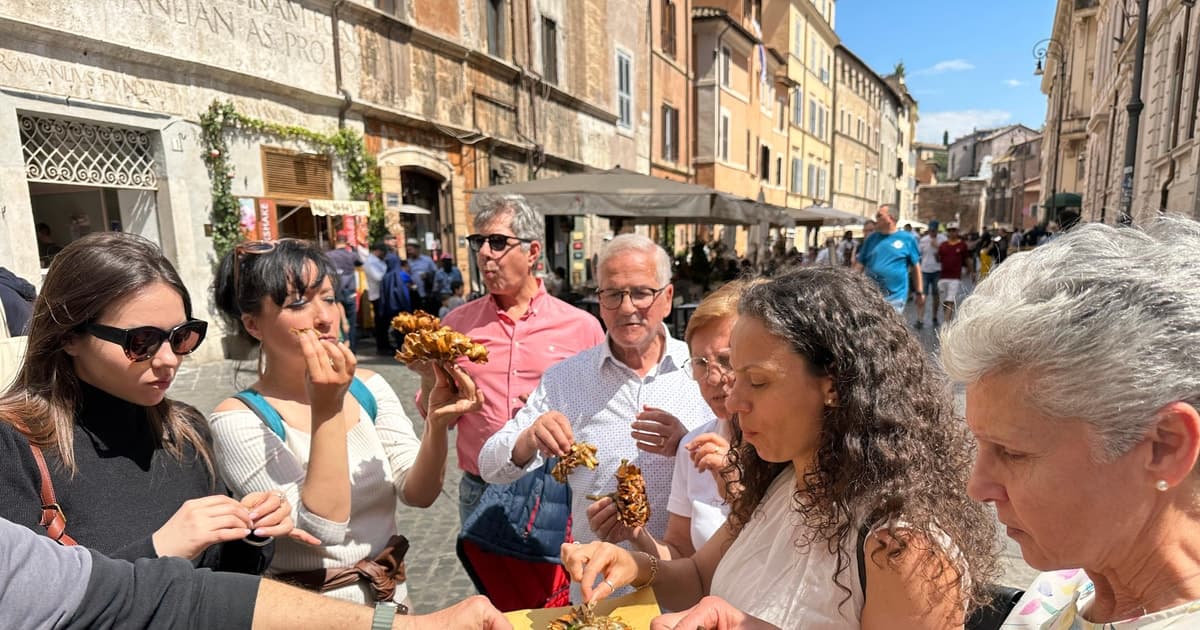
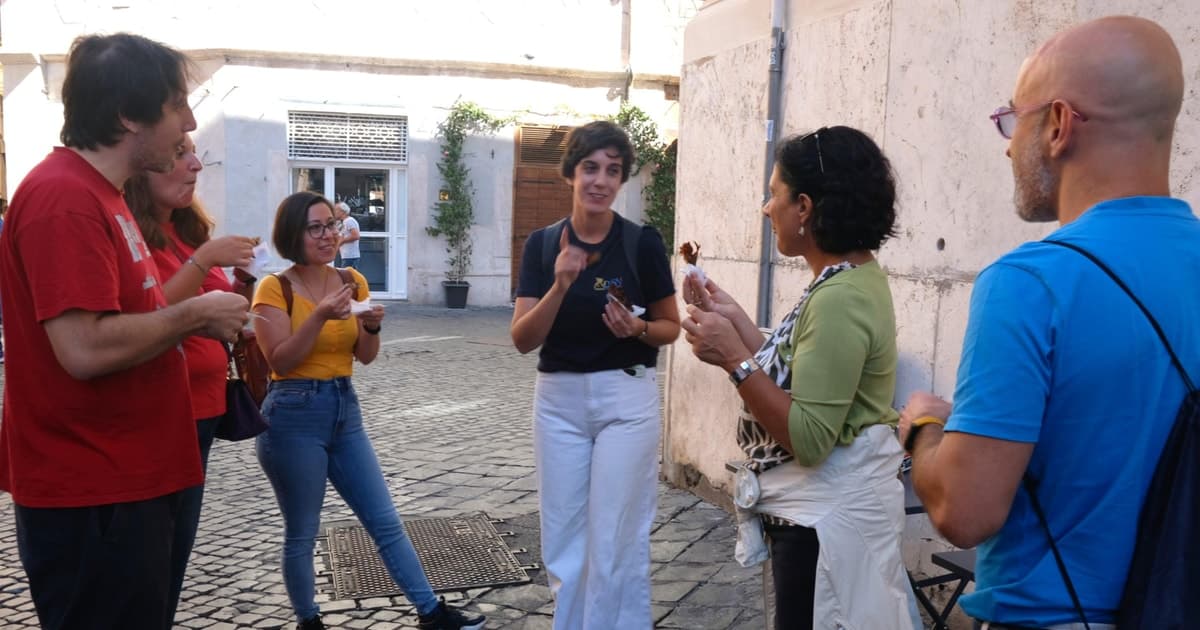
On these itineraries the afternoon starts among fruit stalls and bakeries in Campo de' Fiori, slips through the alleys of the former ghetto and ends with plates of pasta or fried artichokes in Trastevere backstreets. Local guides pace the tastings so that you move from market bites to sit‑down dishes without rushing, with time to notice synagogue facades, river views and memorial stones between stops.

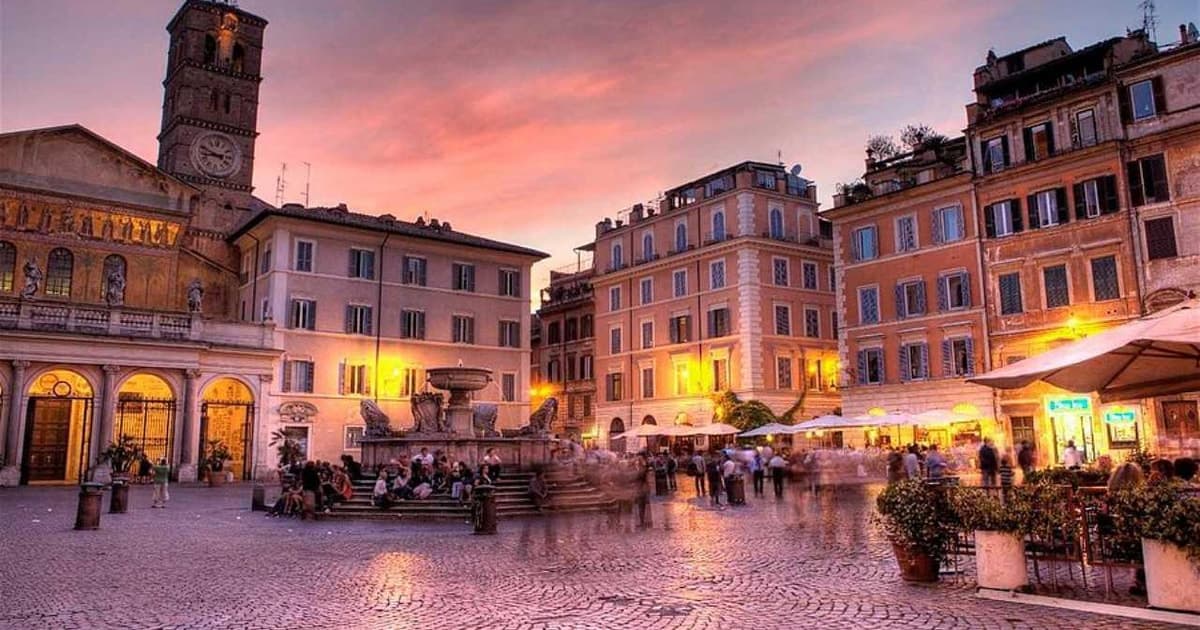
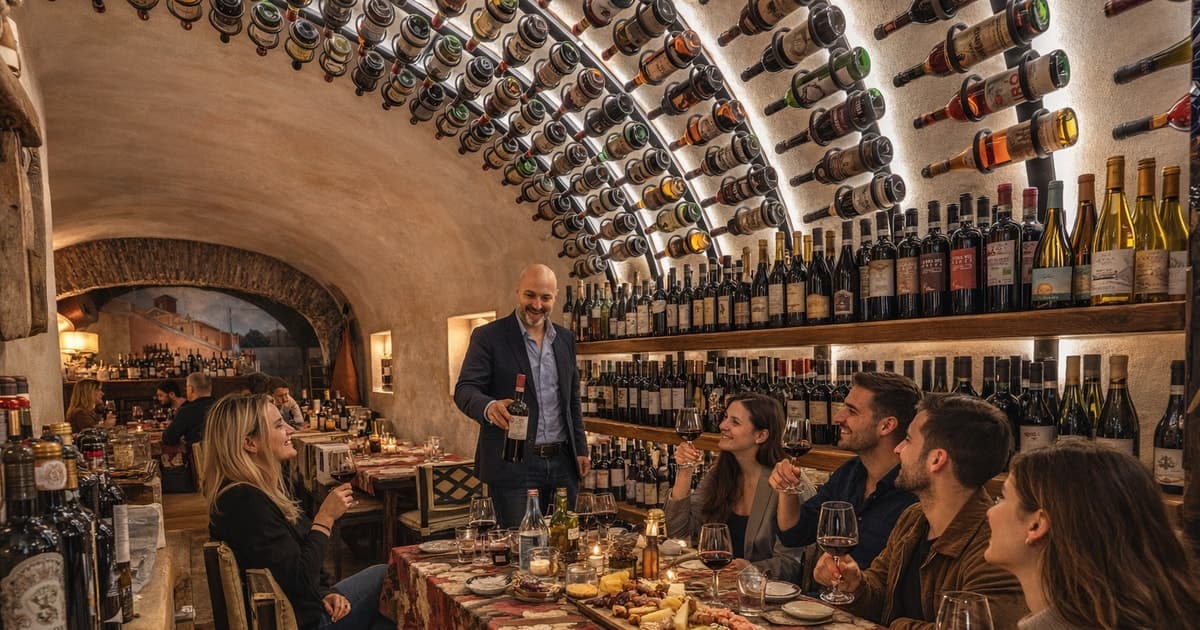

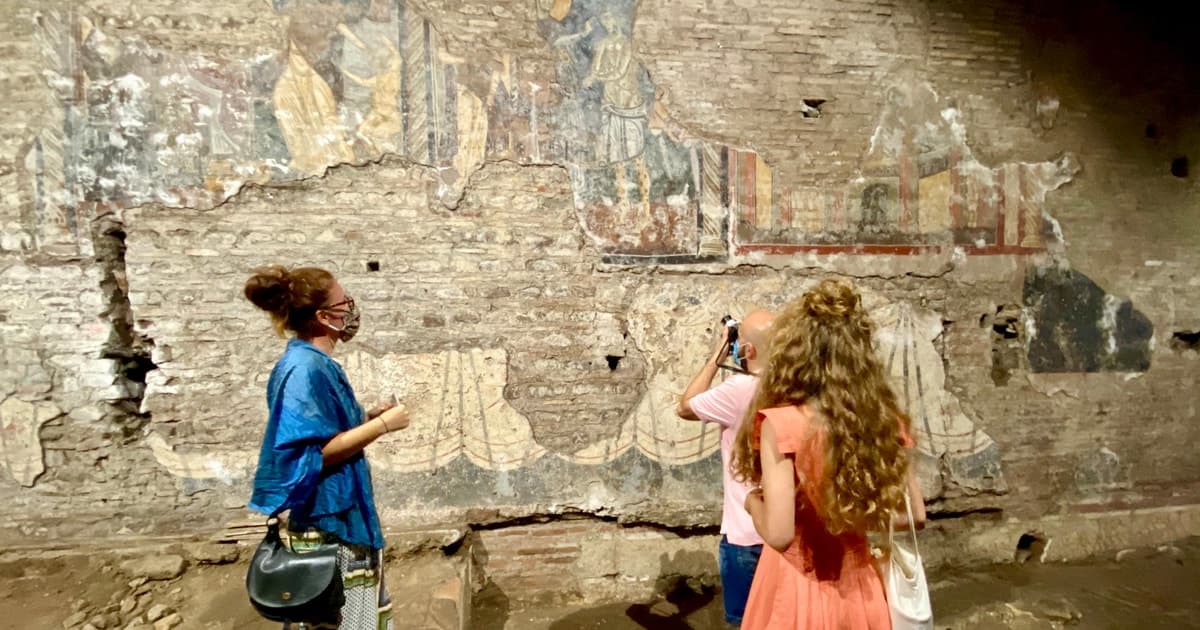
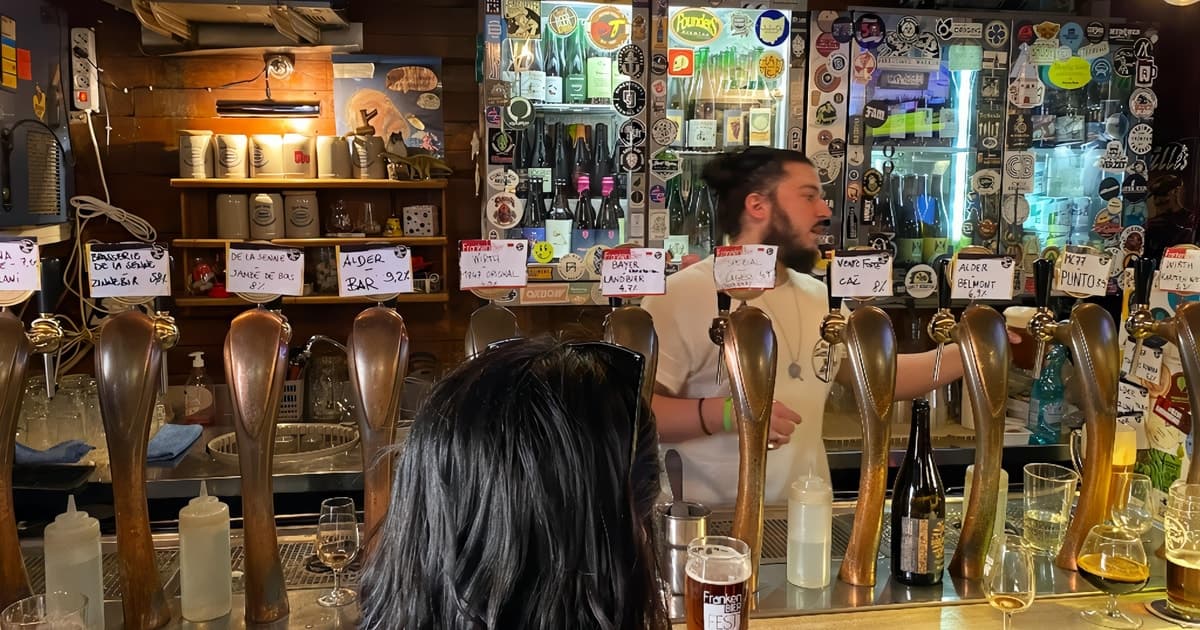

Some departures lean toward morning markets and lighter snacks, others into later starts with more wine and a slower walk back across the river. If you want to explore Trastevere beyond the ghetto route, you can combine one of these walks with options from the Rome food tours in Trastevere in our offer of experiences for a full day built around tasting.
🧭 Quick comparison
- Shorter routes: focus on key tastings, less walking.
- Longer routes: add more sit‑down dishes and wine.
- Evening slots: stronger atmosphere and livelier streets.
Jewish Ghetto walking tours and dark history stories
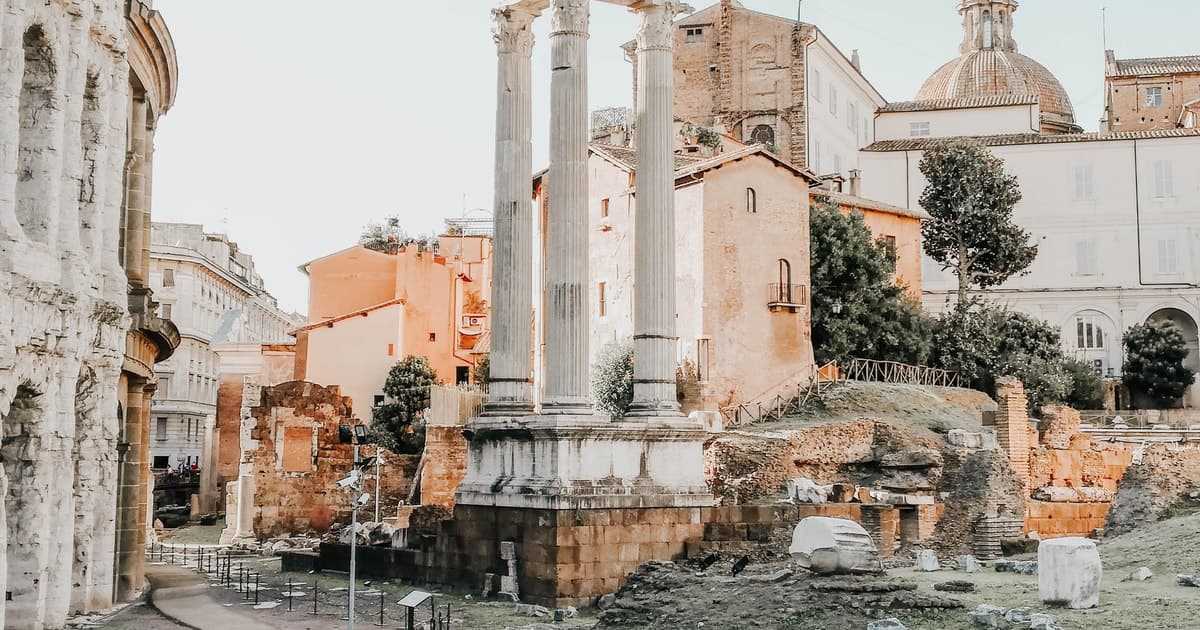
For travelers who want context before eating, Jewish Ghetto walking tours trace the story of the neighborhood from its walled past to today’s cafés and kosher bakeries. You move between piazzas, Stolpersteine stones and synagogue exteriors while a local guide explains how the community rebuilt after segregation and war.


Dark history versions go deeper into evening atmospheres and personal testimonies, with fewer stops and more time for questions. They combine well with a food‑focused route from the Jewish Ghetto tours in Rome in our catalog of activities if you prefer to keep the heavier stories separate from your tastings.
🕍 Practical tips
- Choose small groups if you value reflection time.
- Carry a shawl if a synagogue visit is included.
- Evening walks feel quieter; midday favors photography.
Jewish Ghetto cooking classes and Roman pasta workshops
In the late afternoon, cooking classes in and around the Jewish Ghetto switch the focus from tasting to preparing. Under the eye of a local cook you clean artichokes, shape biscotti or fold fresh pasta while hearing how Jewish and Roman recipes intertwine in home kitchens.
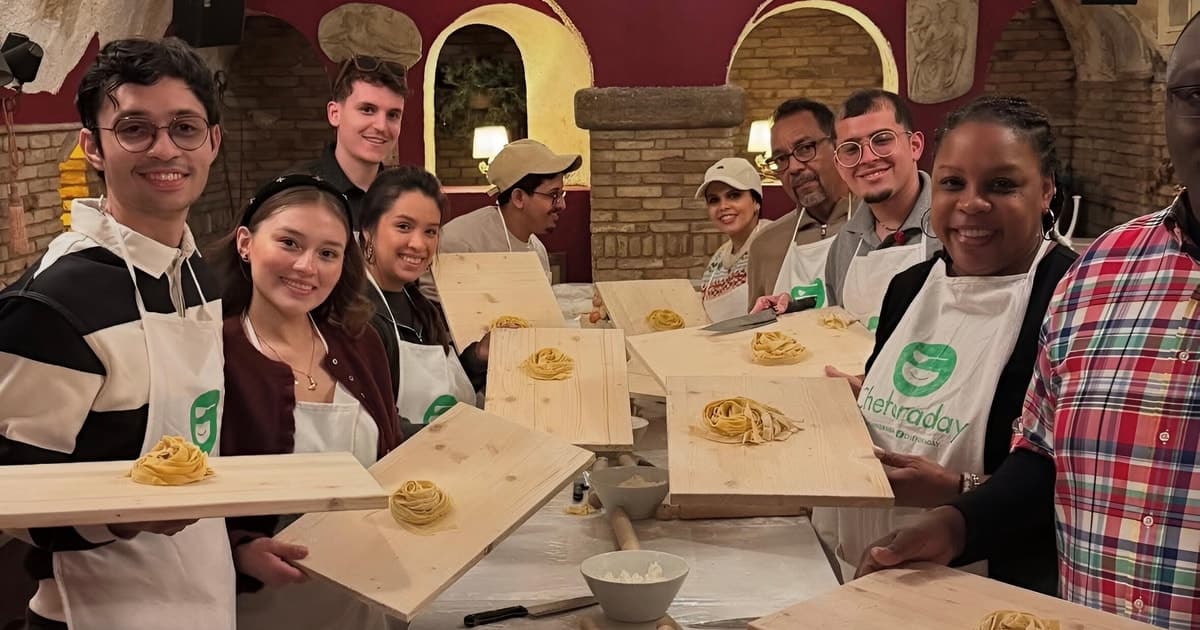
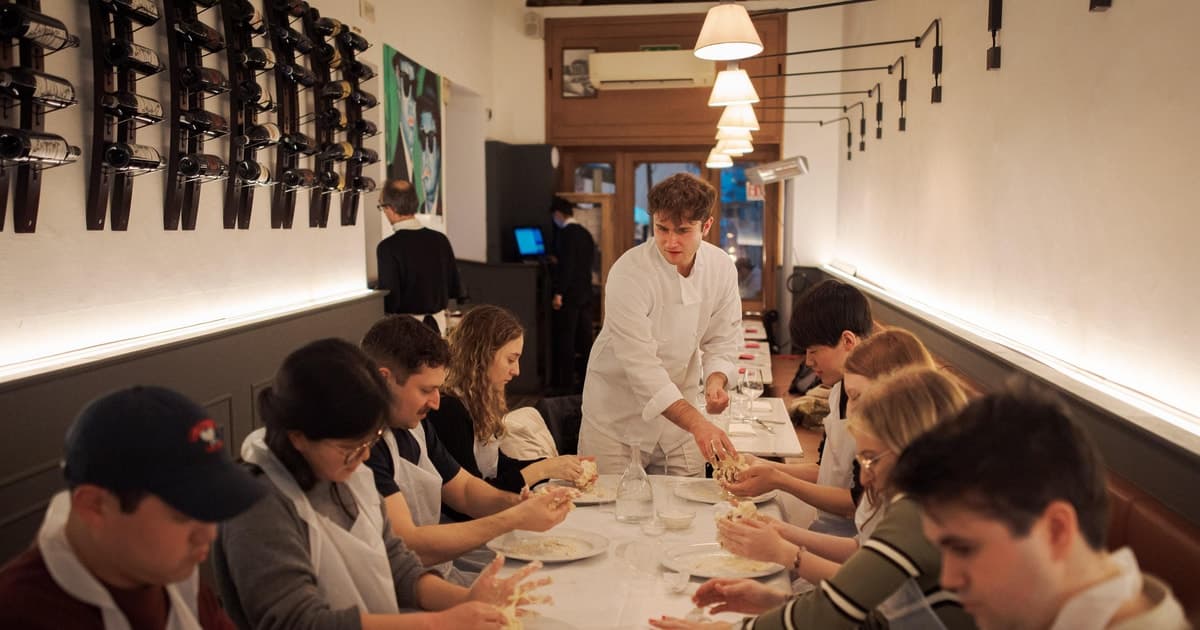
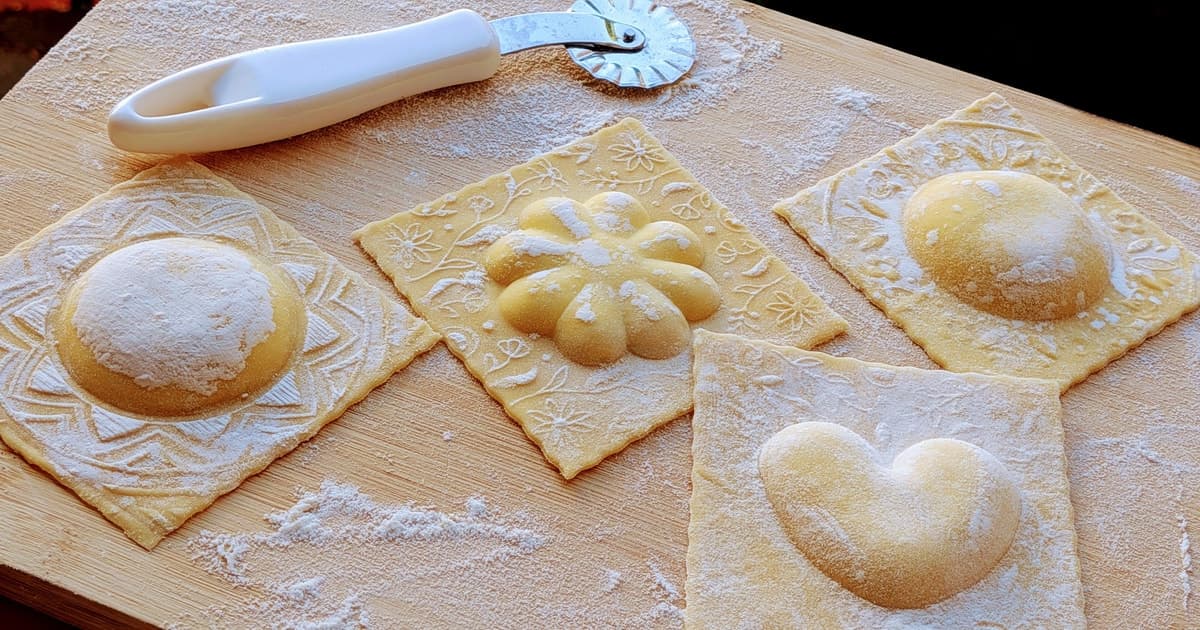
Most sessions end with a shared table where you sit down to eat the dishes you have just cooked, often paired with a simple wine and conversation about family traditions. These experiences suit travelers who prefer one cozy location instead of constant walking and want a slower evening in the neighborhood.
🍝 Who will enjoy this most
- Families wanting a relaxed, hands‑on activity.
- Food lovers curious about kosher techniques.
- Solo travelers keen to meet others at dinner.
Street food tours around the Ghetto and historic center
If you prefer to keep things informal, street food tours string together pizza al taglio, supplì, fried artichokes and gelato with just enough walking between bites. Routes often cross Campo de' Fiori, the Jewish Quarter and nearby lanes, giving a compact overview for your first hours in the city.

These outings are ideal when you arrive in Rome hungry but tired: short time frames, frequent tastings and flexible stops help you adjust while learning what to order for the rest of your stay. For a wider range of neighborhoods beyond the river, have a look at the Rome food tours across the city and pair them with the Ghetto for a themed culinary circuit.
🥖 How to choose
- Midday departures suit families and lighter appetites.
- Evening tours feel livelier and more social.
- Check how many tastings each stop includes.
Guided golf cart tour with Ghetto views
A guided golf cart tour adds the Jewish Ghetto to a longer circuit of Rome’s hills, fountains and terraces without demanding much walking. You sit back while the guide threads through traffic‑free alleys, riverfront streets and major piazzas, often pausing near the ghetto or the Tiber Island for photos and context.
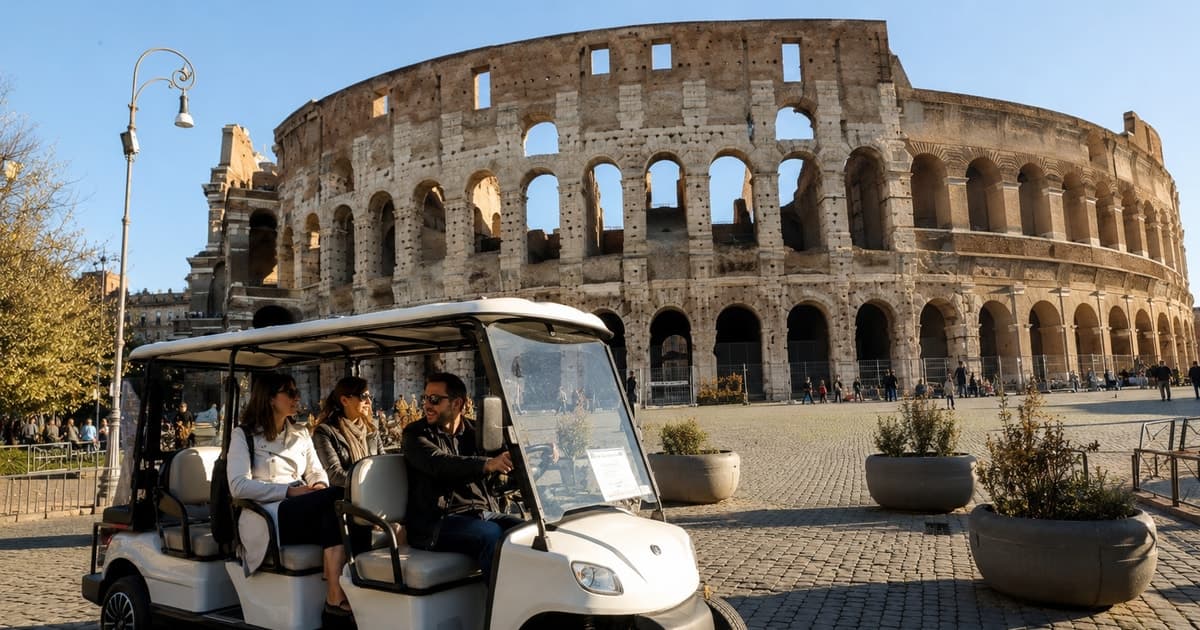
This works well for travelers with limited mobility or very short stays who still want a first sense of the neighborhood before returning on foot later for dinner. Combine an early circuit by cart with a slower evening food tour to balance wide‑angle views and close‑up tastings in the same day.
Frequently asked questions
Is the Jewish Quarter in Rome worth visiting?
In a small area you can see centuries of Jewish life layered into one neighborhood, from kosher bakeries and restaurants to memorial stones and museum exhibits. It is also one of the best places in Rome to taste Jewish‑Roman specialties like fried artichokes and ricotta desserts, especially when paired with a guided food tour.
Where to eat in the Jewish Ghetto in Rome?
Along the main streets of the ghetto you will find kosher bakeries, classic trattorias and small take‑away counters serving artichokes, fried snacks and cakes. A guided food tour lets you sample several trusted spots in one evening, then you can return later on your own to the places whose flavors you liked most.
How do I get to the Jewish Ghetto in Rome?
The Jewish Quarter sits just south of Largo di Torre Argentina and close to the Tiber, so it is easy to reach on foot from the historic center. Several bus and tram lines stop nearby, and many tours choose a clear landmark meeting point so you can arrive without navigating narrow streets alone.
How far is the Jewish Ghetto from the Colosseum?
Walking from the Colosseum to the ghetto takes about the length of a relaxed city stroll, following the Forum area and then the river. Many travelers visit both on the same day, ending with a food tour in the Ghetto to swap museum fatigue for tastings and conversation.
How far is the Jewish Ghetto from the Vatican?
From the Vatican you can cross the river and follow Corso Vittorio Emanuele to reach the Jewish Quarter in a single, straightforward walk. If you prefer not to walk, a short ride by bus or taxi brings you close to the synagogue area, where many evening food tours begin.
Is Trastevere the same as the Jewish Ghetto?
No; Trastevere is a separate neighborhood on the opposite bank of the Tiber, known for nightlife and cobbled streets. Many food tours link both districts in one route, starting in the ghetto for history and appetizers then finishing in Trastevere with pasta, wine and dessert.
Where to eat in Rome that is not a tourist trap?
A curated food tour in the Jewish Ghetto and Trastevere introduces you to places locals actually use for everyday meals, instead of menus aimed at fast turnover. Afterwards you can look for similar cues on your own, such as short handwritten menus, regional dishes and mostly Italian‑speaking diners.
Why is it called the Jewish Ghetto in Rome?
The name comes from the historic gated district where Rome’s Jewish community was once forced to live, created in the sixteenth century and only abolished centuries later. Today the walls are gone, but guided visits explain how those rules shaped food, worship and family life, turning the area into a place of memory as well as daily routine.
Are there Israeli flags in the Jewish Ghetto in Rome?
You may notice Israeli flags or Jewish symbols on some community buildings, shops or balconies, especially around commemorations or holidays. Displays change over time, so the focus of most tours is instead on understanding the history of the community and its present‑day life rather than on specific flags.

Discover related activities in Rome


