Cooking Class Barcelona


Last update:
Cooking class Barcelona: paella, tapas and markets that you actually cook through
In Barcelona, cooking classes feel like stepping backstage into the city’s kitchens: big paella pans shared with strangers who become tablemates, tapas and sangria workshops near the old town, La Boqueria and other markets turned into shopping lists, and themed evenings that mix food with rooftops, wine or even live flamenco. From our offer of experiences you can pick social group sessions, quieter small groups or private formats and then combine them with other food‑focused product pages for paella, food tours or tapas walks, so you design a trip where each dish is part of the story rather than just another photo.
📚 Choose your experience
Paella cooking classes
Rice, local kitchens and shared tables.
Tapas and sangria classes
Small bites, big conversations.
Market-to-table workshops
Shop, cook and taste nearby.
Signature Catalan menus
Deeper dives into regional dishes.
Food, wine and sailing
Cocktails, cava and sea breeze.
Artisan creative workshops
Tiles, mosaics and local craft.
Frequently asked questions
Value, timing and who it suits.
Paella cooking classes in Barcelona: classic rice with a view
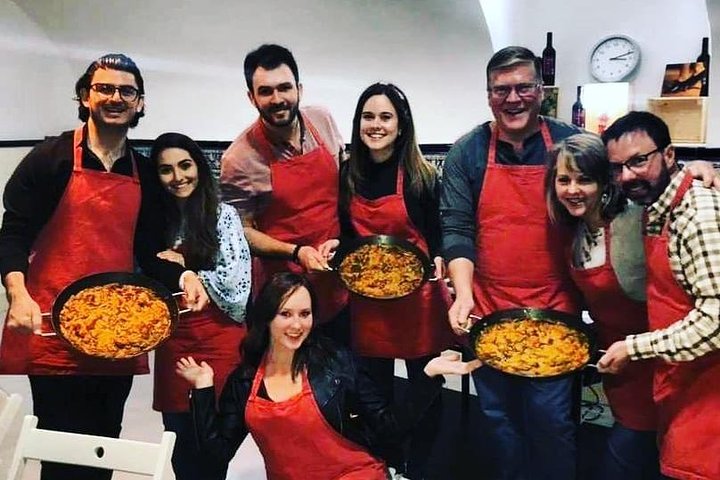
In paella kitchens across the city, you stand around wide pans while local chefs guide every step from sofrito to socarrat, tasting stock, smelling saffron and learning why each region defends its own version of the dish. Some classes stay in professional studios, others move to rooftops or spaces overlooking lively streets, but the common thread is that you cook the full menu together before sitting down to eat it as a shared meal.


Within our offer of experiences there are relaxed shared classes, more structured small groups and private options that include market visits, sangria pairings or even live flamenco, so you can choose between a social atmosphere or a quieter, more in‑depth session focused on technique. Many travelers highlight in their reviews how these paella classes help them understand Spanish rice culture while also picking up skills they actually reuse back home, turning the activity into both a memory and a recipe.
If you want every rice‑focused option in one place, the related product page Paella Cooking Class Barcelona gathers different formats and timings together, so you can compare group sizes, themes and extras before deciding which pan you want to stand around.
🍤 Quick comparison
- Shared classes for an easygoing, social first contact.
- Rooftop or view venues when scenery matters as much.
- Private sessions if you value pace and customisation.
🧭 Practical tips
- Arrive hungry, because the full menu becomes your meal.
- Wear comfortable shoes, you stand during most steps.
- Check language options if you prefer explanations in English.
Tapas and sangria cooking classes for social food lovers
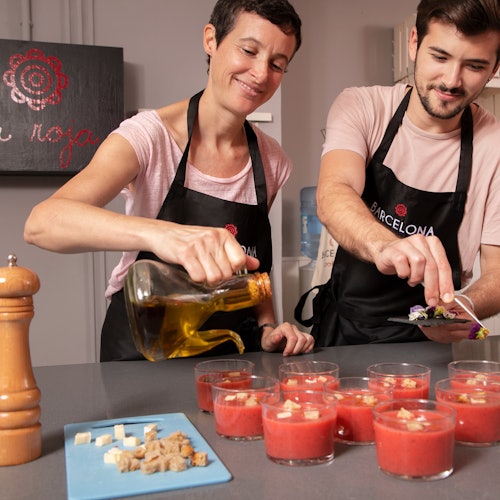
Tapas classes feel closer to a dinner party than a formal course, with groups gathered around a bar‑style counter where you prepare small plates, mix sangria and taste as you go instead of waiting for a single main dish. Recipes usually mix Spanish classics such as tortilla or pan con tomate with more creative bites, which means you learn techniques you can replicate at home for parties or casual evenings.


Our catalog of activities includes simple, friendly workshops near Las Ramblas, premium sessions in designer lofts and rooftops with a strong focus on presentation, so you can decide whether you want a relaxed shared table or a slightly more polished setting with extra attention to plating. Many of these classes also include local wine or craft beer tastings, which adds context about how people in Barcelona actually drink with tapas.
To continue the evening once the aprons come off, look at the related guide Tapas Tour Barcelona, where you will find guided routes through neighbourhood bars that complement what you cooked with how locals go out to eat.
🍷 Tapas class styles at a glance
- Afternoon workshops if you prefer daylight and lighter meals.
- Evening sessions for a dinner that doubles as activity.
- Rooftop venues when views are part of the decision.
Market-to-table cooking classes in Barcelona
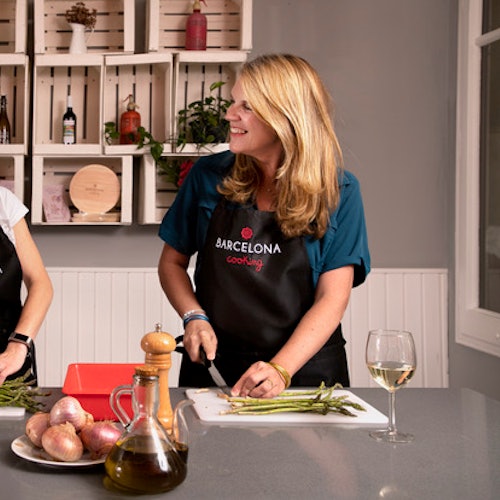
In market‑based classes, your experience starts among stalls rather than in the kitchen: guides explain seasonal produce, fish labels and cured meats while you buy what will later become paella, tapas or a complete Spanish menu. Walking through La Boqueria or other covered markets with a chef gives structure to the chaos and helps you understand why certain ingredients are chosen and how locals shop for everyday meals.


Once back in the kitchen, these workshops usually move through a full sequence of appetizer, main course and dessert, keeping a clear link with what you saw in the market earlier that day, so you connect flavours on the plate with smells, textures and vendor recommendations from the morning. Some options are very hands‑on for every guest, while others keep a looser dynamic where you cook key steps and leave repetitive tasks to the team.
If you want to spend even more time tasting around the city before or after your class, the related page Barcelona Food Tour groups routes that visit markets, bakeries and neighbourhood bars with a guide focused on stories rather than recipes.
🧺 Market class tips
- Choose early departures for calmer aisles and fresher stock.
- Bring a light bag, as some classes include tastings to carry.
- Note ingredient names if you plan to recreate dishes later.
Signature Catalan and world cuisine workshops
Beyond flagship paella and tapas experiences, some workshops dive into full Catalan menus or specific dishes such as Moroccan tajine, often in smaller groups with a slower pace. Here the focus is less on big shared pans and more on techniques, plating and conversation around regional history, which makes them ideal for travelers who already cook at home and want to refine skills rather than just try something once.


These classes usually run with clear roles for each participant at the stations and provide recipes or notes at the end, so you leave with both a deeper understanding of the region and a structured set of steps to repeat the menu at home. They work especially well as a highlight activity in longer stays or as a gift within a trip, because the memory is anchored to a complete meal you personally helped build from start to finish.
🥘 Who these workshops suit best
- Confident home cooks wanting depth, not just quick recipes.
- Food‑obsessed travelers planning around restaurants and markets.
- Small groups who value conversation with the chef.
Food, wine and sailing experiences to extend your cooking class
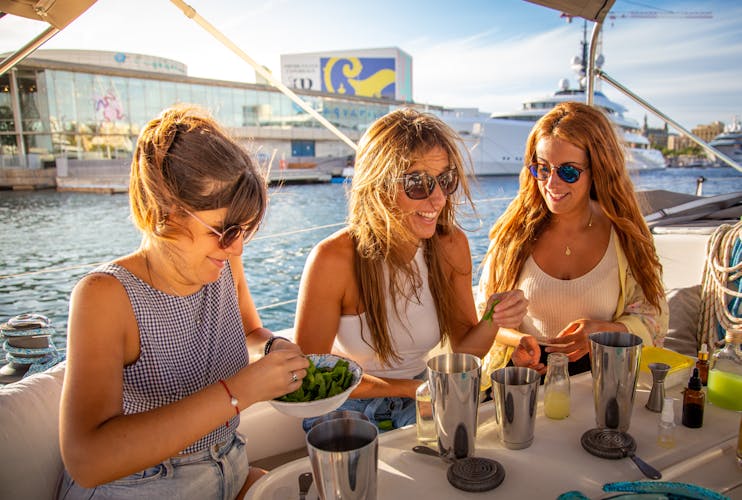
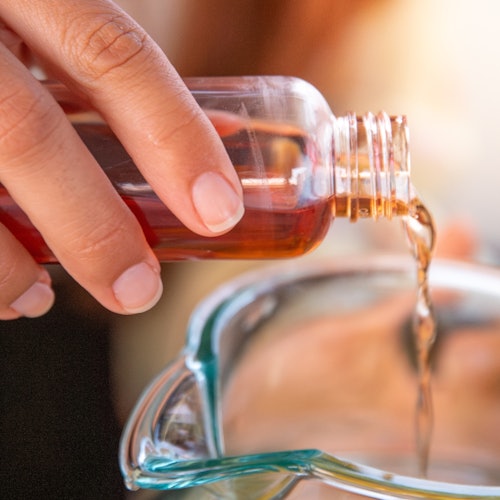
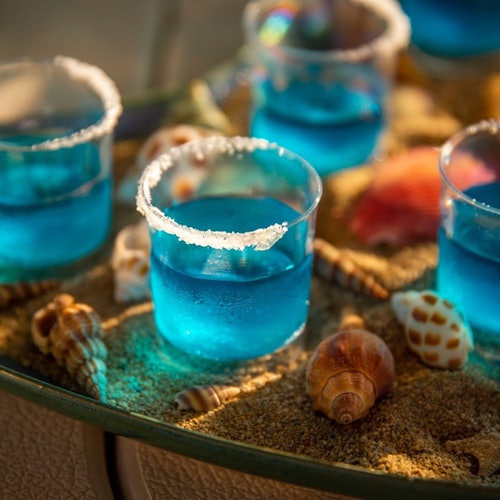
For some travelers, the perfect cooking class in Barcelona is part of a wider day built around food and drink: cava workshops in vineyards, cocktail classes followed by a sailing cruise, or sangria sessions on a boat while the skyline slips by. These experiences keep the hands‑on element of mixing, shaking or tasting but place it in settings with sea views and sunset light, which can turn a regular afternoon into a special occasion without feeling overly formal.


Check descriptions to see whether you cook, just learn drinks or combine both, because some options prioritise navigation and atmosphere while others keep the focus firmly on technique and tasting. These formats tend to work well as a final evening in the city, especially if you already took a more traditional cooking class earlier and now want something lighter that still revolves around local flavours.
🚤 When food meets the sea
- Pick mid‑afternoon departures if you enjoy daylight photos.
- Choose later slots for city lights and a slower mood.
- Confirm what is included, from drinks to snacks on board.
Artisan workshops to pair with your time in the kitchen
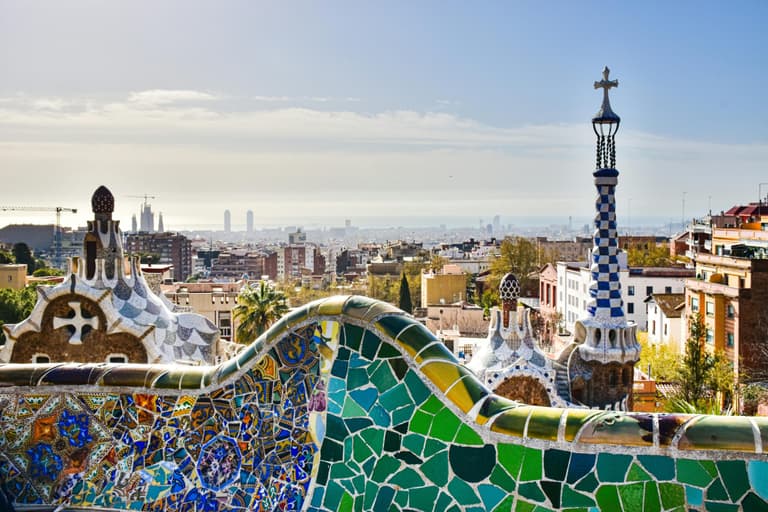
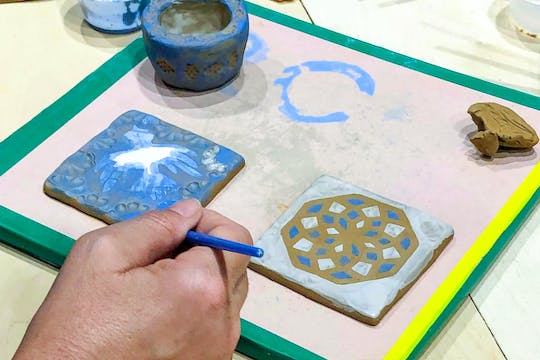
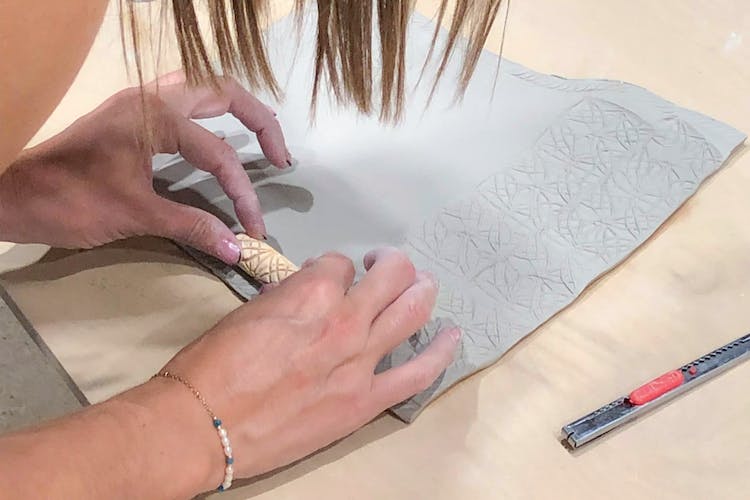
Around the same neighbourhoods where you cook, Barcelona offers mosaic, tile, ceramics, leather and photography workshops that echo the city’s visual identity as strongly as its food. Creating your own Gaudí‑inspired mosaic, designing a belt or glazing pottery connects nicely with tasting local dishes, because both experiences show how much work hides behind what visitors usually see finished in shop windows or on plates.


If you are building a longer stay, alternating a cooking class one day with a creative workshop the next keeps energy levels balanced, especially for families or groups where not everyone is equally obsessed with food. Many guests like to end the trip with a physical object they made themselves alongside recipes learned in the kitchen, so they leave Barcelona with both flavours and handmade pieces that last beyond the holiday.
🎨 Why add an artisan workshop
- Great for mixed‑interest groups combining foodies and creatives.
- Good option with kids who enjoy making things by hand.
- Works well on rest days between heavier sightseeing blocks.
Frequently asked questions
Is a cooking class in Barcelona worth it?
For many visitors, a cooking class becomes the most memorable meal of the trip because you are not just eating but understanding ingredients, techniques and local habits. Compared with simply booking a restaurant, you gain stories, skills and recipes you can repeat back home, while still sharing a full menu in a friendly setting with people from different countries.
Is taking a cooking class a good date in Barcelona?
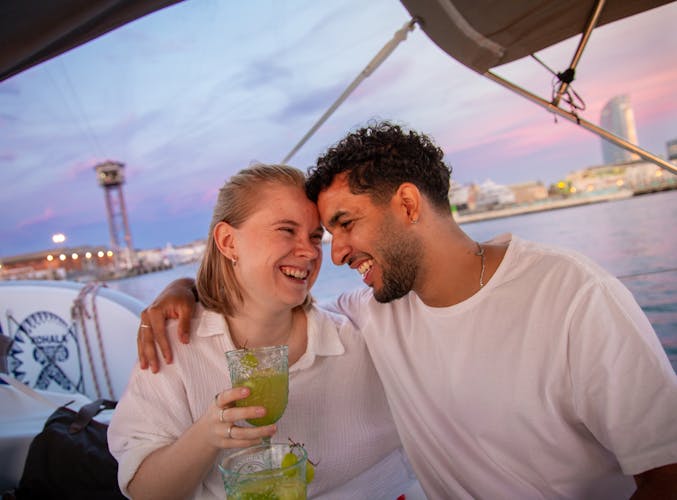
As a date, a cooking class removes the pressure of staring across a restaurant table and gives you tasks to share, jokes about failed flips and a structured way to talk. You end up with built‑in conversation topics, shared photos and a meal you created together, which usually feels more relaxed and memorable than a standard dinner booking.
Are cooking classes good for relationships or families?
Shared tasks in the kitchen can reveal how people communicate, divide work and handle small mistakes, which makes cooking classes surprisingly useful for couples, friends or families. Because the environment is guided and friendly, disagreements usually turn into laughs and new routines you might bring back to your own kitchen rather than real conflict.
Are cooking dates fun if I am not very experienced?
Most Barcelona classes are designed so absolute beginners can follow along without feeling judged, with chefs breaking down steps and quietly fixing anything that goes off track. If you are nervous, look for formats that emphasise “hands‑on” and “guided” rather than advanced techniques, and focus on enjoying the process instead of impressing anyone with perfect knife skills.
How can beginners get the most out of a cooking class?
As a beginner, your main job is to ask questions and repeat the core techniques slowly, like cutting vegetables evenly or tasting the seasoning at different stages. Choose a class that focuses on a few solid dishes rather than many complex recipes, so you can leave with two or three things you realistically feel confident recreating.
What is the easiest food to cook for beginners in these classes?
In Barcelona, tapas dishes such as pan con tomate, simple bruschetta‑style toasts or basic sangria mixes are usually the most forgiving, because small errors do not ruin the whole meal. Paella has more steps but becomes manageable when a chef guides timing and heat, so you can focus on understanding the logic rather than improvising alone.
What are the golden rules of cooking that classes usually highlight?
Across very different workshops, chefs tend to repeat a few ideas: respect ingredients, control heat, taste often, keep your station organised and clean as you go. Following those basics during class helps you understand recipes rather than just copying them, which is what makes the experience valuable long after the trip.
What are the main disadvantages of cooking classes while traveling?
The trade‑offs are mostly practical: a cooking class blocks several hours in your schedule and can leave you pleasantly full when you had other restaurant plans. If you choose a format that does not match your interest or level, you might feel either rushed or under‑challenged, so reading descriptions carefully and checking reviews in our catalog before booking is essential.

Author: Belén Rivas, GuruWalk
Publication date: 2025-11-25
Data updated as of November 2025