Paella Cooking Class Barcelona



Last update:
Paella Cooking Class Barcelona: markets, rooftops and shared tables
In Barcelona, a paella cooking class can mean starting in La Boqueria picking fresh produce, stirring rice in a rooftop kitchen with skyline views or joining a loft where tapas, paella and wine stretch into a long shared dinner; in our catalog of activities you will find daytime market tours, evening classes with a party atmosphere and quieter small-group or private sessions, so you choose how hands-on, social and immersive you want your experience to be.
📚 Choose your experience
Market and Boqueria classes
Shop ingredients, then cook paella with a chef.
Tapas and paella menus
Turn class into a full Spanish dinner.
Rooftop and skyline experiences
Cook paella with Barcelona views as backdrop.
Private and small-group classes
More time with the chef and tailored menus.
Frequently asked questions
Resolve doubts about prices, times and etiquette.
Market and Boqueria paella cooking classes
In these experiences the class starts among the market stalls, following the chef past piles of tomatoes, seafood and cured meats in La Boqueria or other central markets before walking together to the kitchen; it feels more like joining a local friend’s shopping routine than a formal tour, with time to taste, ask questions and see which products really matter for a good paella.


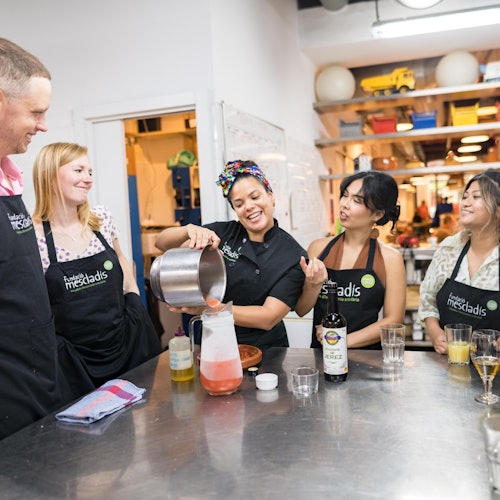
Once you reach the cooking space, tasks are split naturally: someone stirs the sofrito, another controls the stock while the chef explains rice varieties, pan size and how to achieve the toasted socarrat without burning anything; this format suits travelers who enjoy context as much as recipes and want to bring home a story that begins at the market, not just at the table.
If you want to see how those same ingredients appear in bars and bodegas, combine your class with a Barcelona food tour focused on local specialties to connect what you cooked with how residents actually eat around the city.
⚖️ Quick comparison
- Boqueria-focused classes: iconic setting and dense crowds, great for first visits.
- Other central markets: slightly calmer aisles, more space to talk with producers.
- Market plus tasting: extra time nibbling cheese or ham before cooking starts.
- Market plus private class: best match if you want a tailored menu and pace.
🧭 Practical tips
- Wear comfortable closed shoes; floors can be wet near the fish stalls.
- Arrive a little hungry; many classes include small bites during the market visit.
- Bring a light bag or backpack, as hands stay freer to cut, stir and taste.
- Check our catalog of activities to confirm meeting point and language options.
Tapas and paella menus in shared kitchens
In lofts and teaching kitchens across the center, tapas and paella classes feel like a dinner party with structure: you chop, sear and plate several small dishes, then gather around a long table to taste them together with the main rice, often paired with local wine or sangria and playlists that keep the mood high.


These menus are ideal if you want to learn more than one recipe in a single session, from pan con tomate to croquettes or seafood starters; you leave not only knowing how to cook paella but with a toolkit for recreating an entire Spanish-style evening at home for friends.
For nights when you prefer someone else behind the bar, you can switch the apron for a tapas tour in Barcelona’s historic neighborhoods and compare what you cooked with what the city’s classic taverns serve.
🥘 Menus and rhythm
- Hands-on menus: you prepare most steps under close guidance.
- Demo plus participation: chef handles tricky parts, you finish and plate.
- Tapas-heavy formats: good if you love variety more than large portions.
- Wine-focused evenings: extra emphasis on pairings and slow conversation.
🧭 Practical tips
- Mention any allergies or dietary needs when booking so menus can adapt.
- Choose shared classes if you enjoy meeting other travelers around the stove.
- Plan a light lunch beforehand; these menus are closer to a full dinner.
- Check our offer of experiences to see which classes run in the evening.
Rooftop and skyline paella experiences
High above the streets, a rooftop paella class adds the city itself to the recipe: while the rice simmers, you look over terraces, church towers and the grid of the Eixample, with natural light that makes every pan and glass shine in photos without feeling staged.


These sessions often feel slightly slower and more intimate, with time to pause for pictures between steps and to enjoy the breeze; they are especially attractive in the late afternoon when the light softens and the city soundscape replaces background music.
If you want to deepen your skills beyond rice dishes, pair this plan with other Barcelona cooking classes focused on regional recipes to build a broader repertoire of Spanish and Catalan cuisine.
📷 When a rooftop makes sense
- Couples and small groups often enjoy the quieter, more romantic setting.
- Photo lovers get better angles and natural light than in many indoor kitchens.
- On warm days, an open terrace can feel fresher than street-level spaces.
- Check weather plans in our catalog in case of rain or strong wind.
🧭 Practical tips
- Bring a light layer; rooftops can feel cooler once the sun drops.
- Choose closed shoes so you can move safely around the paella pans.
- Charge your phone or camera; you will want plenty of photos and videos.
- Verify if your experience includes drinks or if they are optional extras.
Private and small-group paella masterclasses
When you book a private chef or an intentionally small group, the paella class turns into a tailored workshop: recipes adapt to dietary needs, questions go deeper and you can focus on technique details like toasting the rice, balancing the stock and adjusting the pan to your own stove back home.

Many of these masterclasses add welcome drinks, wine pairings or even live flamenco, creating a full evening where learning and celebration mix; they work well for families marking a special date, work teams looking for a relaxed activity or travelers who simply prefer not to share the space with a large crowd.
To choose between formats, think about how much personal attention you want from the chef and whether you prefer a midday session that ends with lunch or an evening class that becomes your main plan for the night; our offer of experiences covers both rhythms with options in English and other languages.
🎯 Who benefits most
- Families with children gain flexibility on pace, noise and menu choices.
- Teams and incentive groups can use cooking as informal team building.
- Serious home cooks appreciate more technical focus and longer Q&A.
- Couples celebrating get a more private, memorable setting than a restaurant.
🧭 Practical tips
- Share in advance if you want seafood, meat or vegetarian-style rice.
- Ask whether recipes will be sent after class so you can repeat them at home.
- For corporate groups, confirm how many people each station can comfortably host.
- Check our catalog of activities for private options at your accommodation.
Frequently asked questions
Is a cooking class in Barcelona worth it?
A paella cooking class in Barcelona is one of the most efficient ways to understand local food culture: you learn techniques, eat a full meal, often enjoy drinks and conversation with other travelers and leave with recipes you can reuse, which usually makes it better value than a single restaurant lunch of similar quality; check our activity catalog to compare shared, premium and private options and choose the format that fits your budget.
Where to get good paella in Barcelona?
Good paella appears in specialized rice restaurants near the sea, neighborhood spots away from the busiest avenues and in quality cooking schools; taking a class lets you taste a well-made pan while understanding what separates a serious stock and proper rice from tourist traps, and afterwards the chef can recommend specific areas or types of restaurant that match what you enjoyed most.
What is the best time of day to eat paella in Barcelona?
Locals tend to treat paella as a midday or early afternoon dish, when there is time to sit and digest, which is why many classes start late morning so the rice is ready around local lunch time; some experiences also offer evening schedules that feel more like a long dinner, but the important part is to arrive hungry and without rushing afterwards.
How much does paella usually cost in Barcelona?
Restaurant prices vary widely depending on location, ingredients and whether the rice is cooked to order, with seafront and highly touristic areas usually more expensive than neighborhood spots; paella cooking classes include instruction, ingredients and a full meal, so they normally sit in a higher bracket than a single main course but often end up comparable to a full dinner with drinks, and you can always check GuruWalk’s activity catalog to see current prices for each experience.
Is paella healthy?
Paella can be a balanced one-pan meal when it combines rice with vegetables, legumes, lean meats or seafood and olive oil, especially if portions are reasonable and you avoid turning it into a heavy feast with many fried starters; in class you see exactly what goes into the pan, making it easier to adjust quantities and ingredients later to match your usual diet at home.
What is the secret to a good paella?
The main secrets are a flavorful homemade stock, the right short-grain rice, a wide shallow pan and strict control of heat; good chefs also insist on not stirring once the rice starts cooking so the grains stay separate and a thin layer of caramelized socarrat forms at the bottom, all steps that are much easier to grasp when you see and smell them in person rather than only reading a recipe.
What should you not put in paella?
Purists warn against overloading the pan with too many different ingredients, using poor stock cubes instead of a proper broth or adding elements that dominate or color the dish in ways locals find odd, such as heavy smoked sausages in a classic seafood version; in a class, chefs usually explain which combinations are traditional in Catalonia and Valencia and how you can adapt them respectfully at home without turning the rice into a generic stew.
What is a must eat in Barcelona besides paella?
Beyond paella, Barcelona is known for pan con tomate, bomba croquettes, grilled calçots in season, fresh seafood, Catalan-style cannelloni, vermouth hour snacks and crema catalana for dessert; many cooking classes weave some of these dishes into the menu, while food tours help you taste them in their natural habitat, from markets to neighborhood bars.
What is the famous food street in Barcelona?
Many visitors associate food in Barcelona with La Rambla and the Boqueria market right beside it, where produce stalls, juice stands and tapas bars concentrate in one place; locals also point to other areas, such as streets in Barceloneta for seafood or pedestrian lanes full of tapas bars, so combining a central paella class with a later stroll through these areas gives you two different angles on the city’s appetite.
What is the tipping etiquette in Barcelona for cooking classes?
In Barcelona, service is generally included in the price and tipping is optional rather than a strict rule; for cooking classes and other guided activities, leaving a modest tip is a friendly way to say thank you if you felt the chef or host went above expectations, but you will not be pressured to do so and the focus remains on enjoying the experience itself.
About the author

Author: Belén Rivas, GuruWalk
Publication date: 2025-11-27
Data updated as of November 2025