Pasta Making Classes in Florence




Last update:
Continue planning your trip to Florence
- Free tour
Free Tours in Florence
Accademia Gallery Tickets
Uffizi Gallery Tickets
Florence Duomo Tickets
Florence Duomo Climb Tickets
Wine Tours
Pasta Making Classes
Uffizi Gallery Tours
Uffizi and Accademia Tickets
Tuscany Bike Tours
Gelato Tours
Leonardo da Vinci Museum
Night Tours
Olive Oil Tours
Palazzo Vecchio Tours
Pitti Palace and Boboli Gardens Tickets
Renaissance Tours
Santa Croce Tours
Vespa Tours
Other Experiences


Pasta making class Florence: the quickest way to turn a busy day into a real meal
A pasta making class in Florence has a simple payoff: you trade museum queues for the feel of fresh dough, learn the small decisions that keep pasta tender, then sit down to eat what you made while the room turns into a shared table. In our catalog of activities you will find central studio sessions that pair pasta with tiramisu or gelato, market-led mornings for ingredient hunters, and Tuscan hillside kitchens when you want scenery as well as technique. Choose by pace: quick and convivial in the city, or slow and story-rich outside it.
📚 Choose your experience
Pasta and tiramisu: dough, dessert, and a lively table
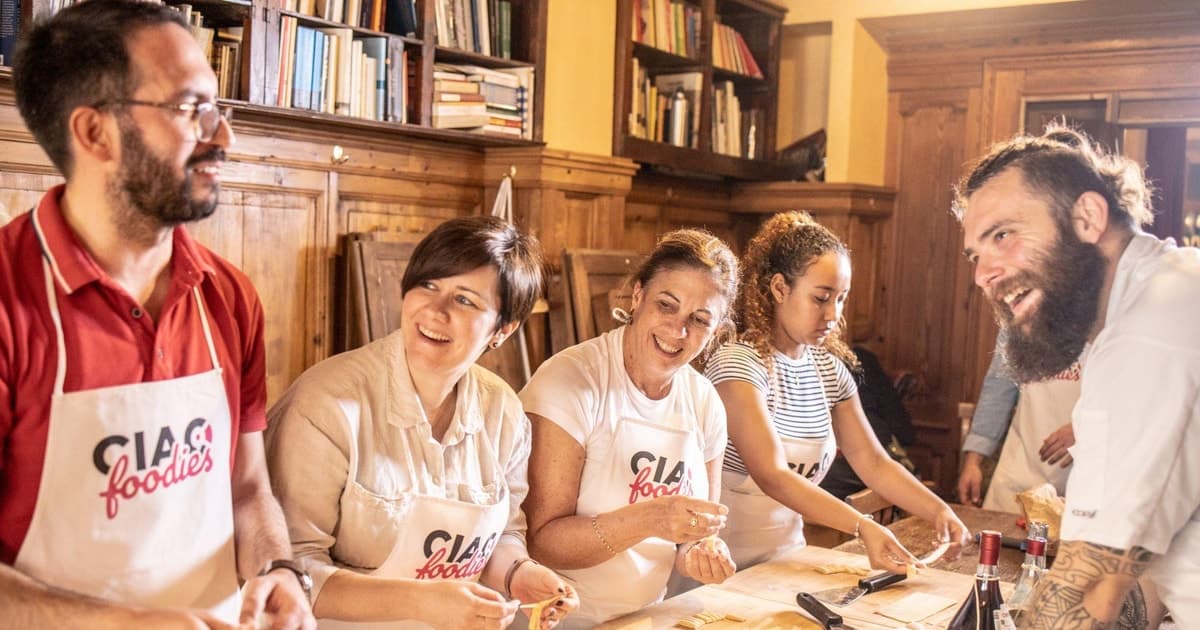
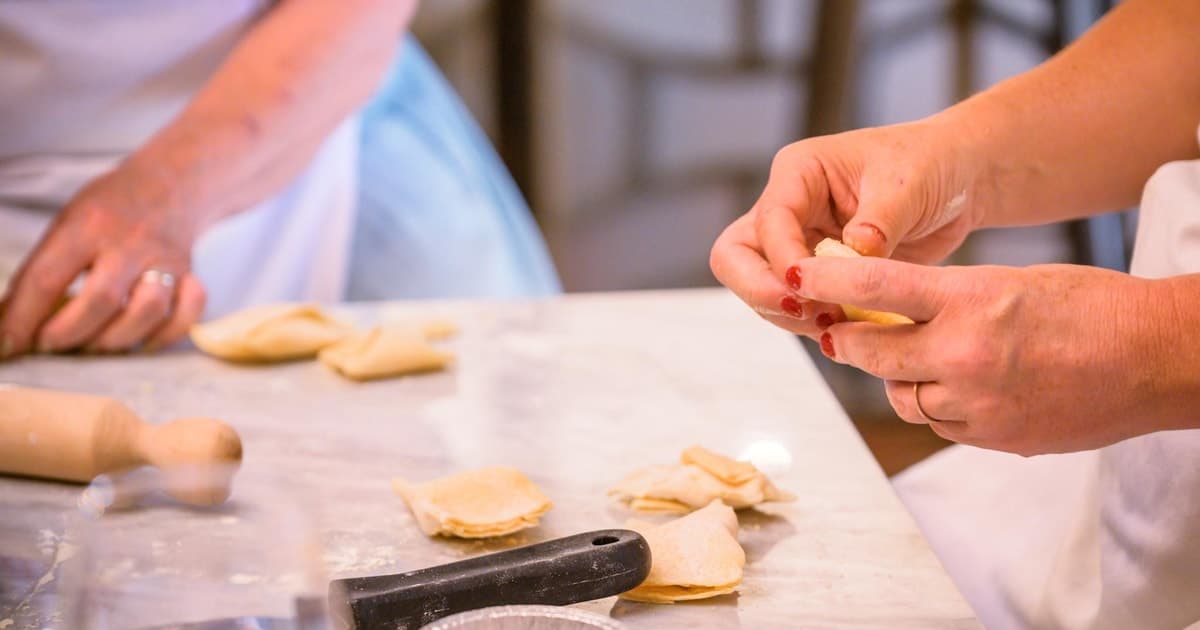
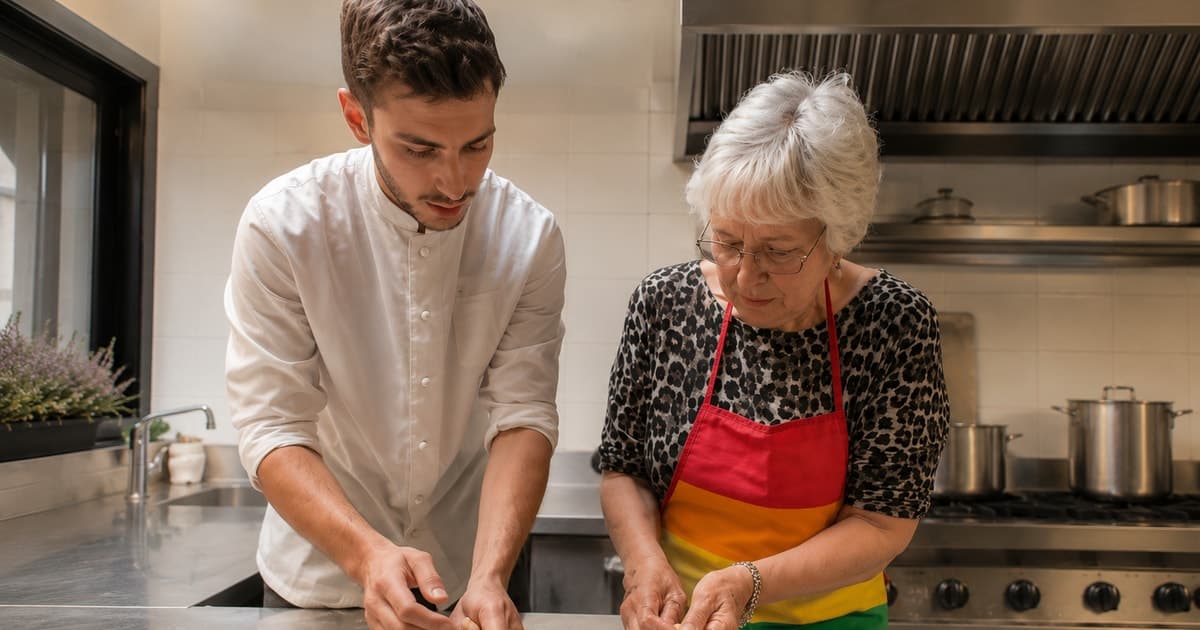
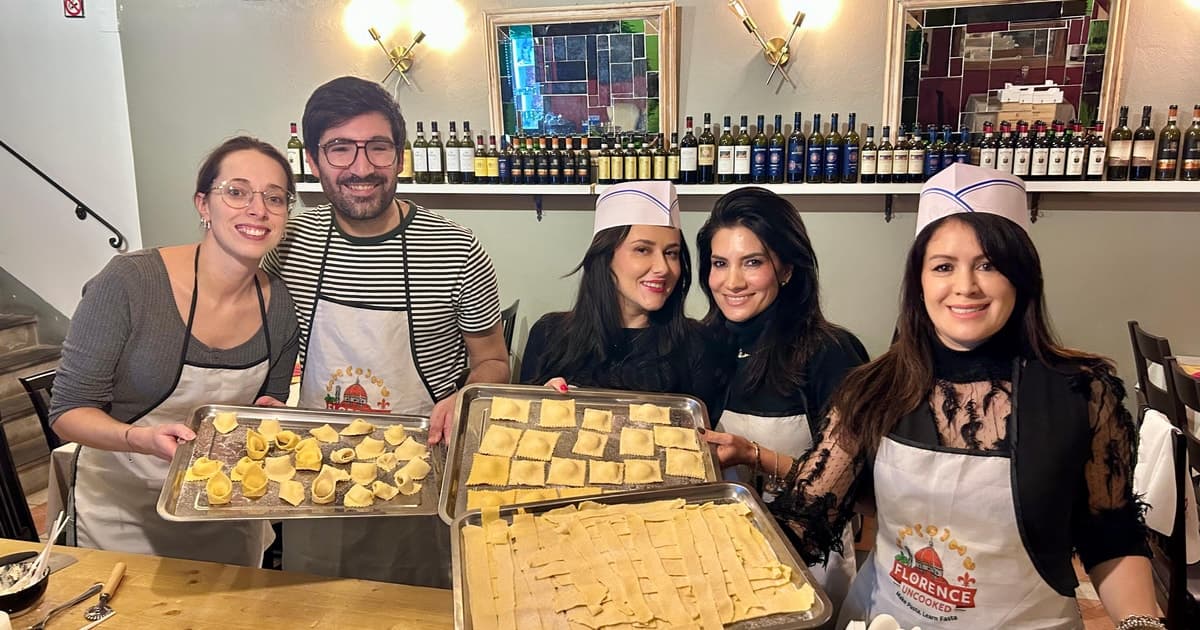
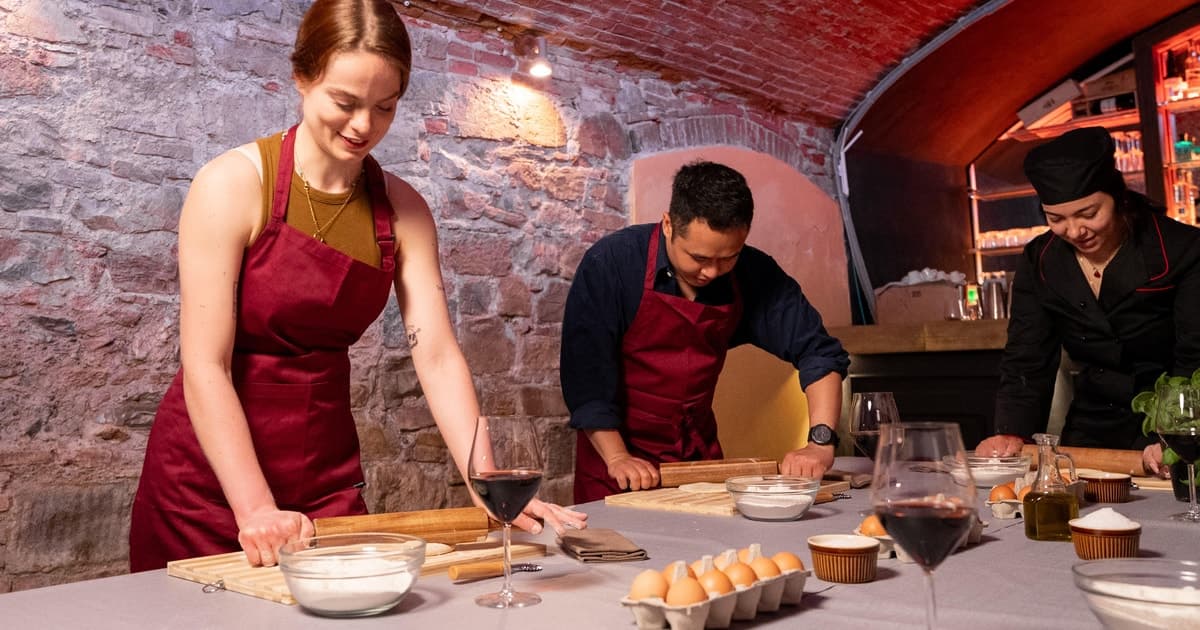
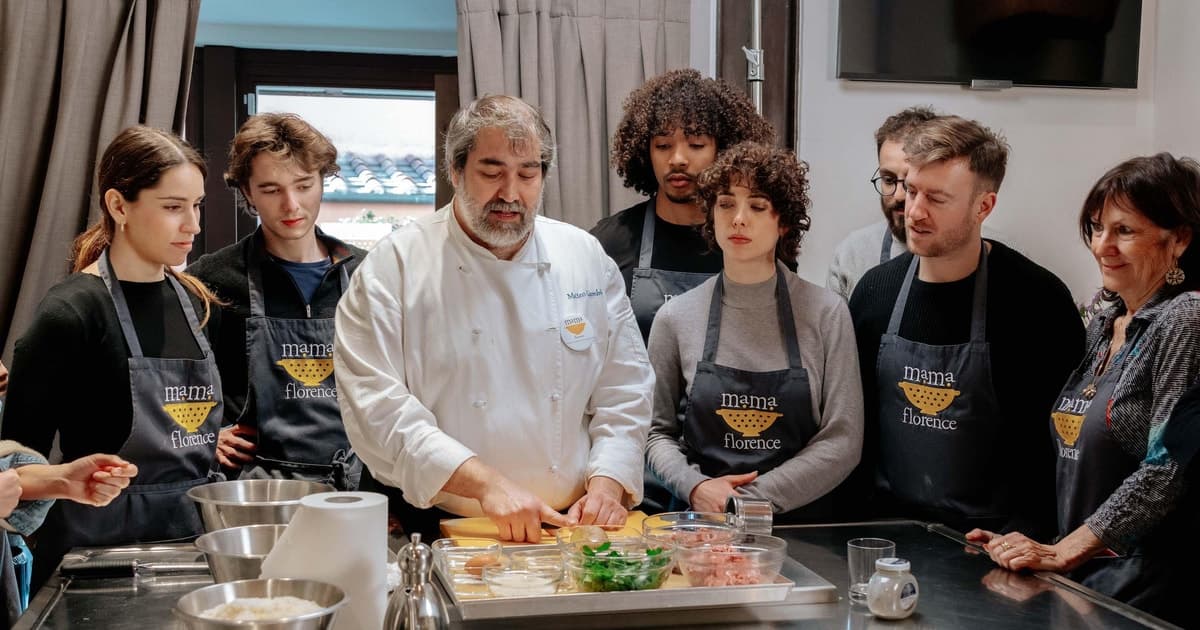
In the most popular Florence pasta making class format, the room warms up fast: aprons on, hands in the bowl, and the first lesson is tactile, not theoretical. You learn to recognize proper dough tension, roll it thin without tearing, then cut tagliatelle or fold ravioli, finishing with tiramisu so the meal feels complete rather than demonstrative.
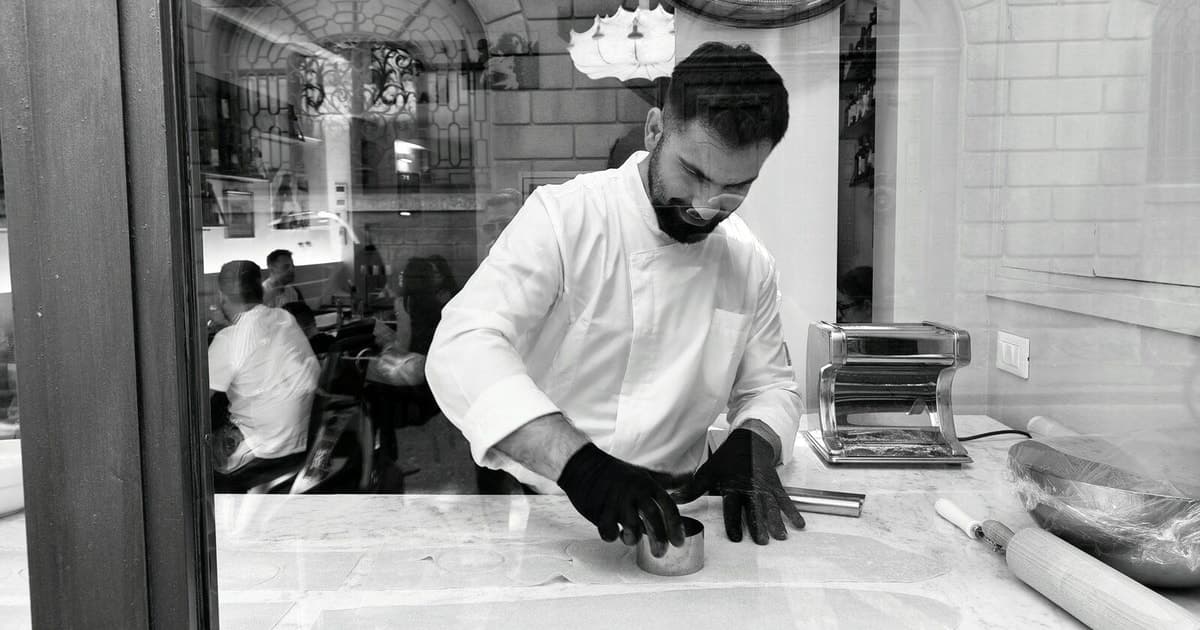
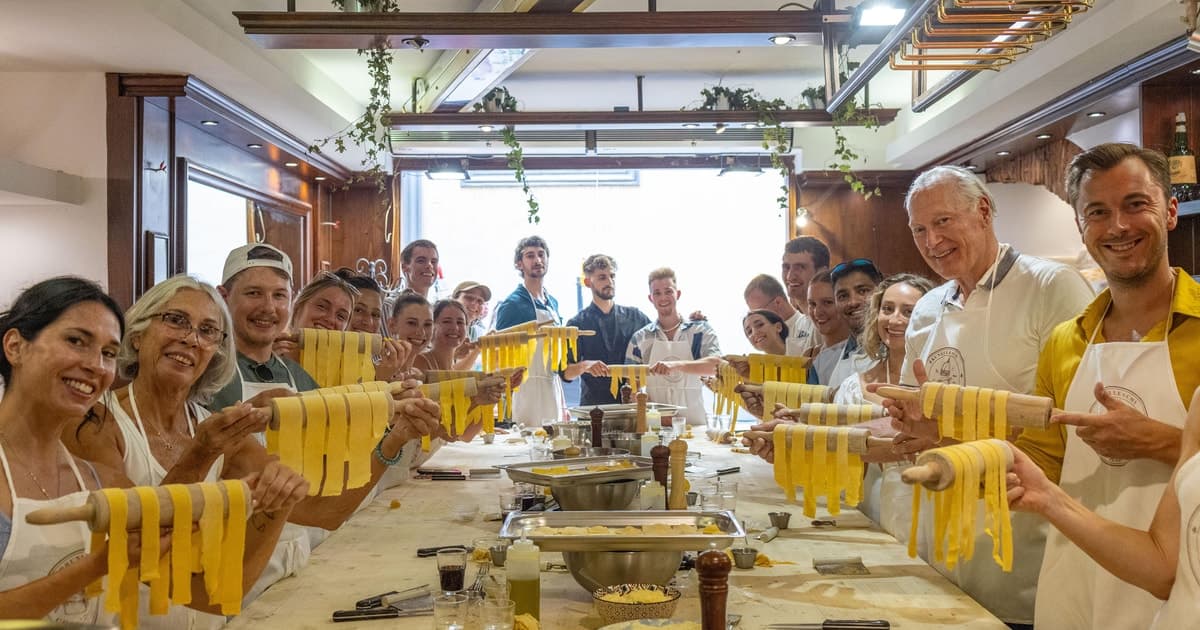
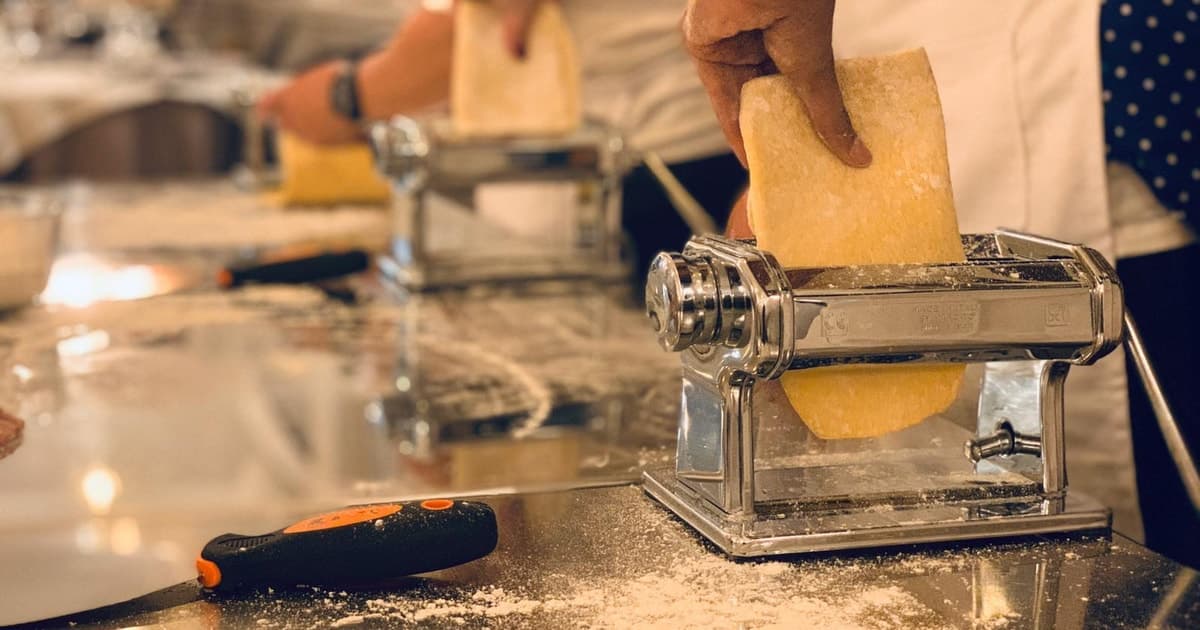
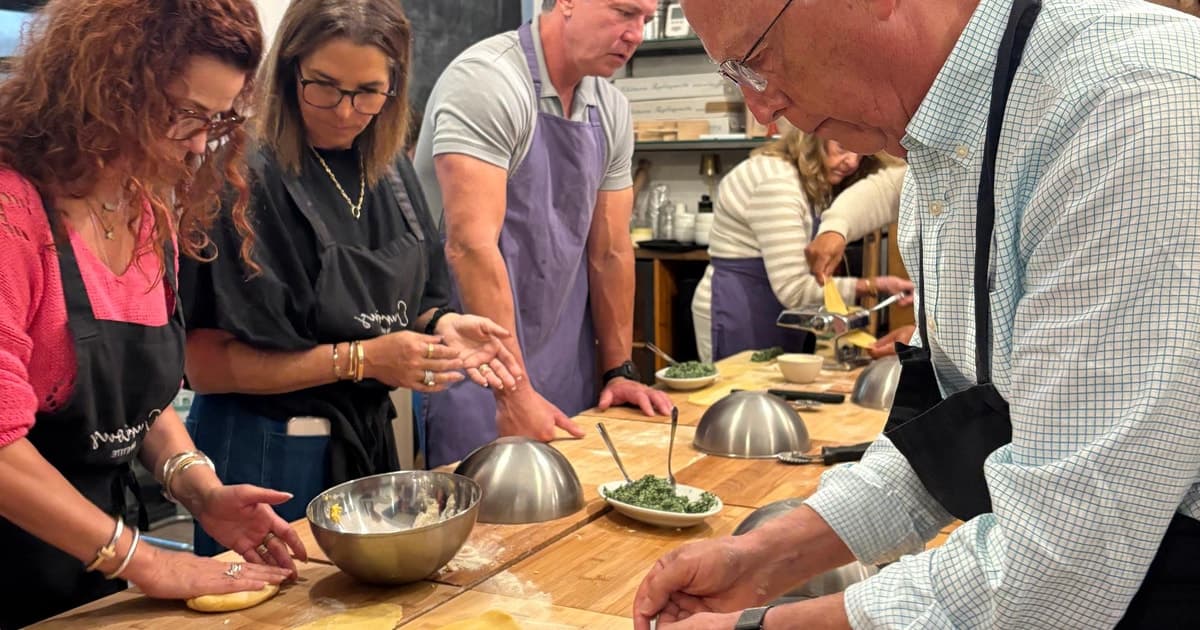
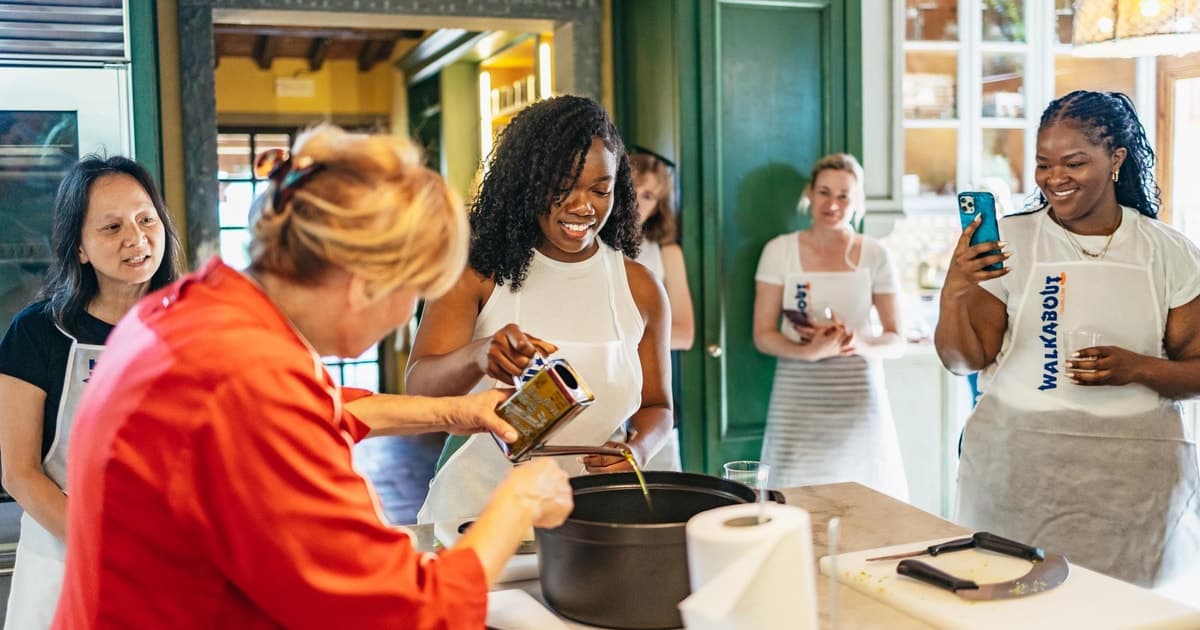
Expect a sociable pace: many sessions include unlimited wine, and the real secret ingredient is the moment everyone sits down and starts comparing sauces, travel plans, and childhood food memories. In our offer, some pasta-and-dessert sessions are among the most reviewed experiences in Florence, which usually means the logistics are smooth and the rhythm works for first-timers. For beginners, this is often the style people describe as the best pasta making class in Florence, because it explains the “why” behind each step without turning dinner into homework.
If you want to balance kitchen time with fresh air, treat this as your anchor evening and borrow the next day for a related product guide on day trips from Florence, where the countryside pace makes the city feel even sharper when you return.
⚖️ Quick comparison
- Classic studio: central, social, easy logistics.
- Small group: more guidance per movement.
- Unlimited wine: louder room, longer meal.
- Optional dessert: ends sweet, feels complete.
🧭 Practical tips
- Wear layers, kitchens often run surprisingly warm.
- Tie hair back, flour travels fast.
- Arrive hungry, tastings can be generous.
- Flag allergies early, menus shift with season.
Pasta and gelato: a lighter Florence cooking class pasta making
A pasta making class in Florence, Italy that ends with gelato changes the mood: you still knead and roll, however the finale is cold, bright, and instantly shareable. It suits travelers who want hands-on cooking without the full dinner atmosphere, and it is an easy fit for families or anyone pacing themselves between churches and galleries.
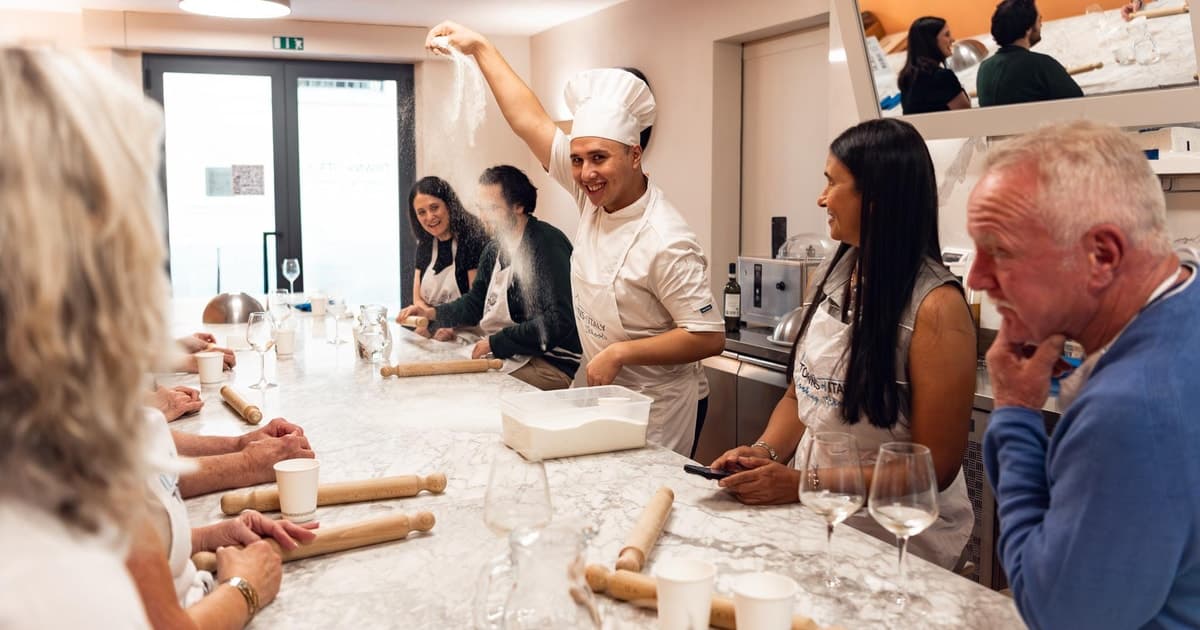

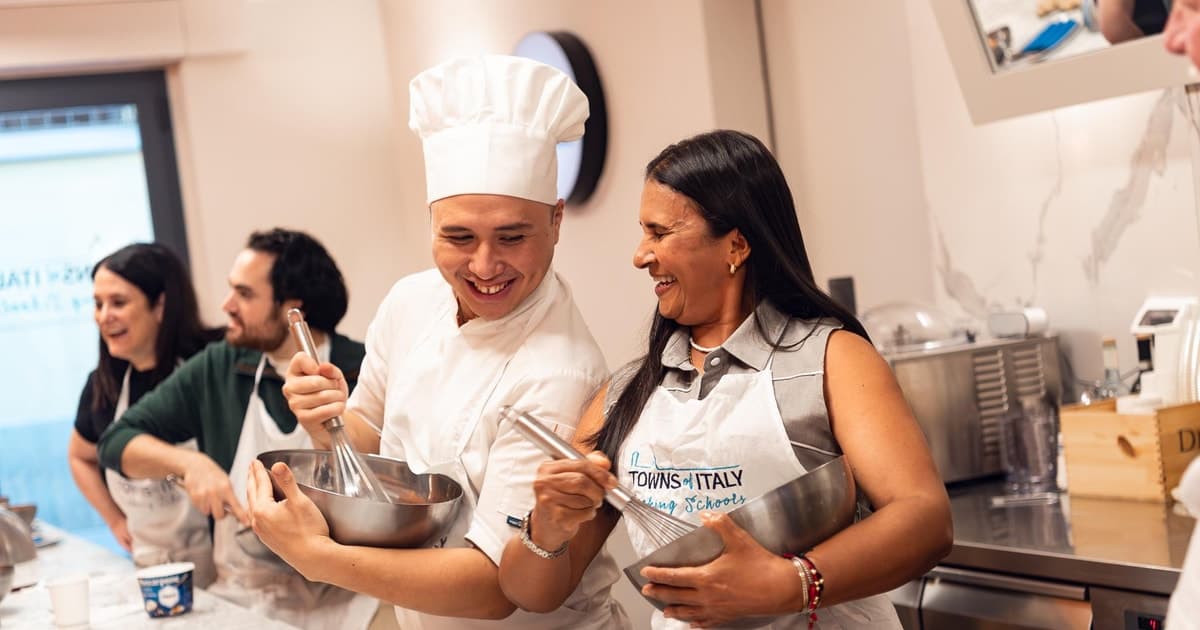
The gelato portion is not just a treat, it is technique: you learn how texture depends on balance and temperature, then taste the difference immediately. It is the kind of class where you leave with one reliable pasta method and one dessert method that actually survives your home freezer.
Gelato is a lighter ending, therefore this format is a calmer alternative if you prefer an earlier night and less wine. If you have dietary needs, check the activity details in our catalog, because some sessions are designed for gluten-free cooking.
Market tour and pasta: seasonal choices, better sauce instincts
The market-led pasta making class Florence version starts before the flour appears: you walk past stands of fruit, herbs, and cheeses, learning how locals read seasonality with a glance. It is practical travel knowledge disguised as a stroll, and it sharpens your sense of what to cook once you are back in the kitchen.
Because the ingredients lead the menu, these classes tend to feel less scripted: the sauce choices follow what looks good, and the pasta shapes match the fillings and textures you just saw. For travelers who like context as much as cooking, this is the most complete way to understand why Tuscan food stays simple without being bland.
After a market morning, a landmark excursion can slot in neatly; our related product page for the Pisa day trip from Florence is an easy next step when you want to keep exploring without adding another museum line.
🧺 What this format adds
- Shopping confidence for the rest of your stay.
- Seasonal sauce logic you can repeat.
- Local product cues, not tourist menus.
- Better timing for crowded food spots.
Tuscan pasta: countryside kitchens, castles, and calm
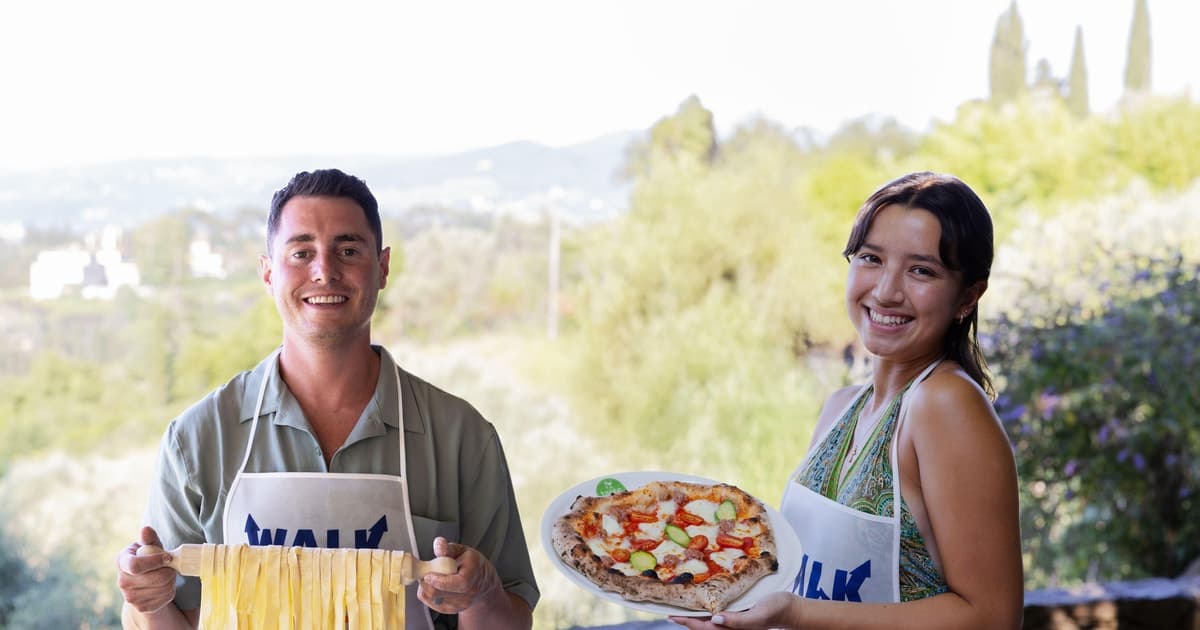
When you leave the historic center for a Florence Italy pasta making class in the hills, the pace changes before the first egg is cracked: vineyards, stone farmhouses, and kitchens that feel lived-in rather than staged. These experiences often focus on Tuscan pasta traditions, with more time for stories, slower shaping, and the kind of meal that lingers without anyone checking a watch.
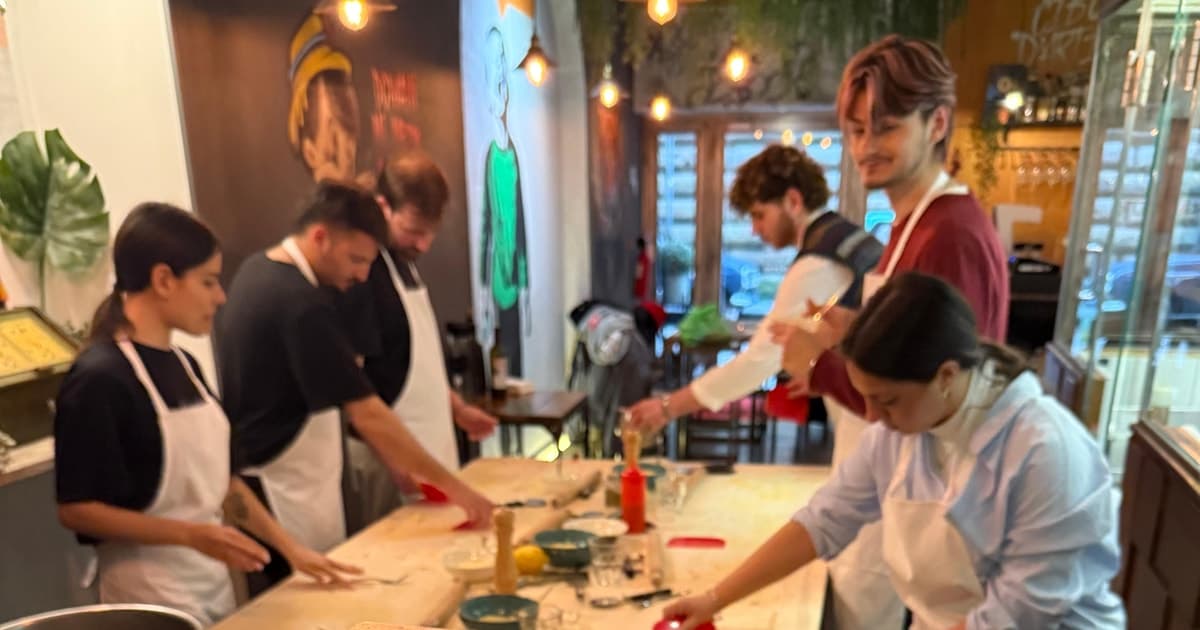
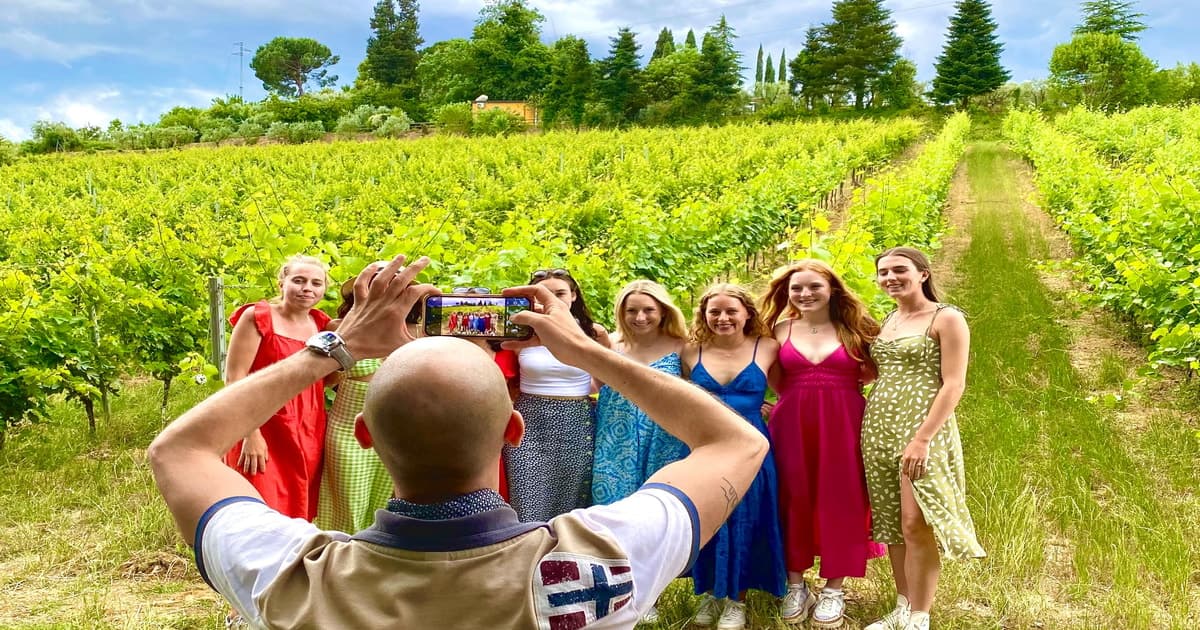
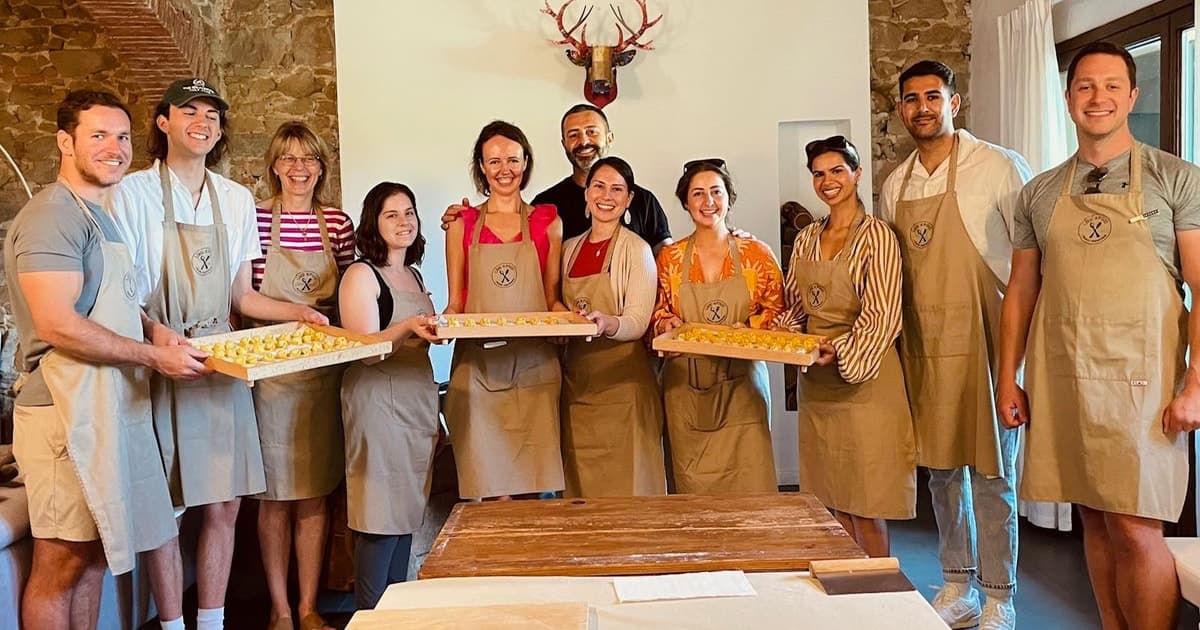
Some sessions lean into pairings, with wine poured alongside the food and conversation stretching across the table, which makes them ideal for couples, friends, and celebrations that want atmosphere as much as instruction. On the other hand, if your trip is packed with sights, a countryside class can be the most efficient way to feel you actually lived a day in Tuscany.
Practical detail matters here: confirm the meeting point, allow extra travel time, and choose this option when you can give it a whole unhurried block instead of squeezing it between timed entries.
Frequently asked questions
Are pasta making classes in Italy worth it?
Yes when you want more than a meal: the value is the muscle memory of dough, the confidence to fix mistakes, and the cultural context that explains why Italians keep recipes simple. A Florence class also gives you a social evening that breaks up sightseeing.
Is it worth doing a cooking class in Italy?
It is worth it if you want a travel memory you can repeat at home, not just photograph. Pick a class that matches your energy, then let the rest of the day stay lighter so the experience feels like a reward, not another stop.
How much does a cooking class in Italy cost?
In our offer of experiences, many group pasta classes in Florence start around 30–50 €, while market-led, countryside, and more private formats often sit around 120–200 € or above. Check GuruWalk's activity catalog to see the latest prices for your date.
Do I tip for a cooking class in Italy?
Tipping is not always expected, however it is appreciated when the host goes beyond the basics with extra help, stories, or thoughtful substitutions. When in doubt, focus on being punctual, engaged, and leaving a clear review about what made the class work.
What is the Italian cooking school in Florence?
Florence has many long-form schools aimed at serious study, however most travelers want a short, hands-on window into Italian cooking. A pasta making class is the compact option, and our catalog includes small-group, market-led, and countryside formats to match different travel styles.
What is the most famous dish in Florence?
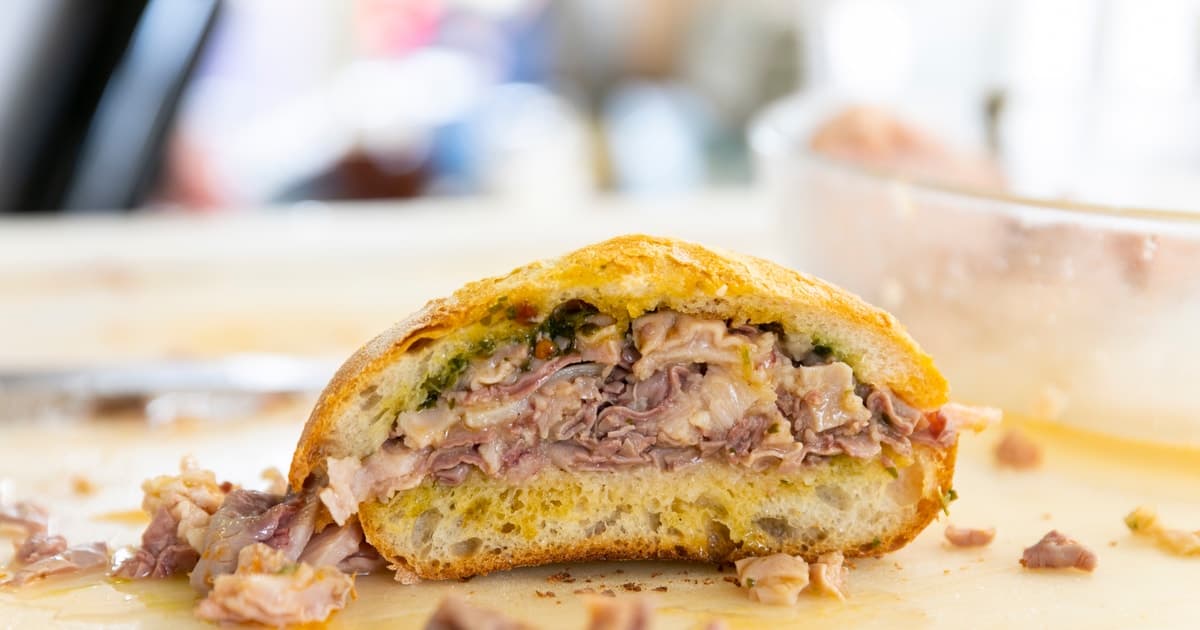
The headline dish is often bistecca alla Fiorentina, and you will also see classics like ribollita, pappa al pomodoro, and lampredotto. A pasta class complements those meals because it teaches the everyday technique behind the bowls you find in trattorie.
What are the two rules in Italian cuisine?
Rule one is to respect ingredient quality and let it lead the recipe. Rule two is to respect timing, especially for pasta, where texture changes fast and “almost done” matters more than exact minutes.
Discover related activities in Florence


