Pastel de Nata Cooking Classes in Porto





Last update:
Continue planning your trip to Porto
- Free tour
Free Tours in Porto
Six Bridges Cruises
Douro Valley River Cruises
Clerigos Tower Tickets
Tuk Tuk Tours
Portuguese Cooking Classes
Pastel de Nata Classes
Livraria Lello Tickets
Porto Cathedral Tickets
World of Wine Tickets
Bike Tours
Pub Crawls
Self-Guided Walking Tours
Fado Dinner Shows
Serralves Park Tickets
Other Experiences




Pastel de nata cooking class Porto: bake, taste and slow down
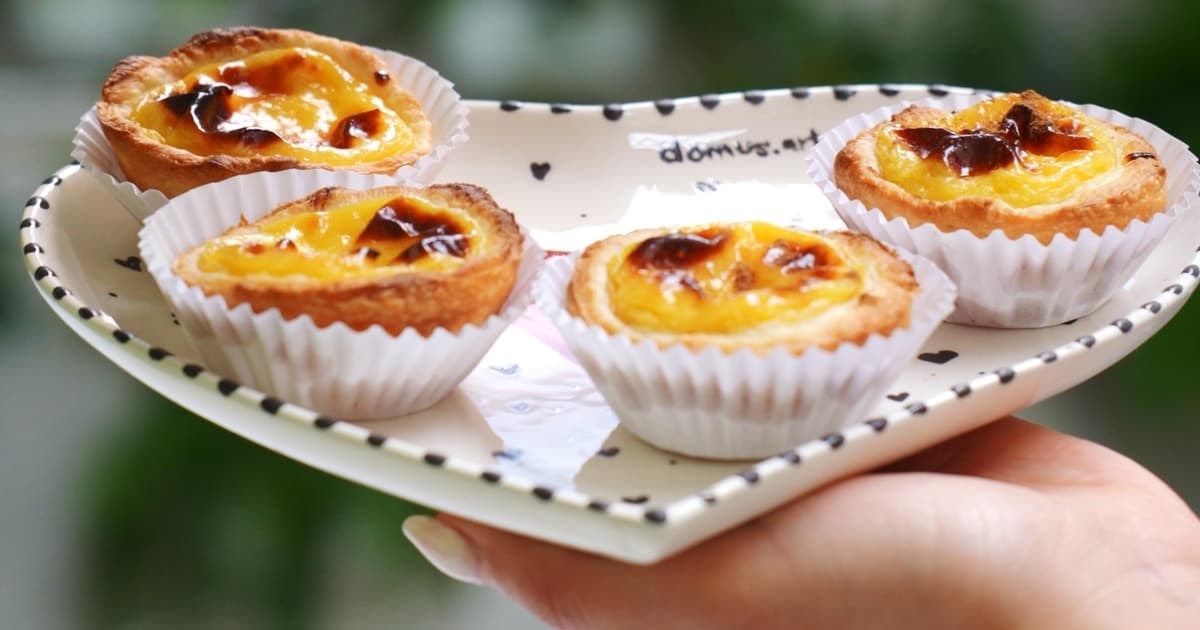
From the tiled backstreets of Porto to the warmth of a busy oven, a pastel de nata cooking class Porto experience turns a sightseeing day into time in the kitchen. You roll pastry, whisk custard and eat your tarts still warm while hosts pour wine, share family stories and keep groups small. In our offer of experiences you can choose central studio classes with snacks and wine, longer from‑scratch workshops in Porto and Gaia, relaxed terrace or home sessions and even a pastel de nata and cocktails workshop that all fit between river walks, port‑wine visits and nearby day trips.
📚 Choose your experience
Central pastel de nata class with wine
Lively studio session with snacks and drinks.
From scratch workshops in Porto and Gaia
Extra time for dough, technique and tips.
Home and terrace pastel de nata classes
Slower experiences with local hosts and views.
Pastel de nata and cocktails in Porto
Social workshop that warms up your evening.
Frequently asked questions about classes
Short answers to common doubts.
Central pastel de nata classes with snacks and wine
In downtown Porto, these porto pastel de nata cooking class sessions take place in dedicated kitchens a short walk from the river and São Bento station. The focus is on a clear, hands‑on sequence: watch the demo, roll your dough, fill the moulds and slide trays into the oven while a glass of local wine and simple snacks keep things relaxed. Because you stay right in the centre, you can book them between a morning walking tour and an evening port tasting without worrying about transport.
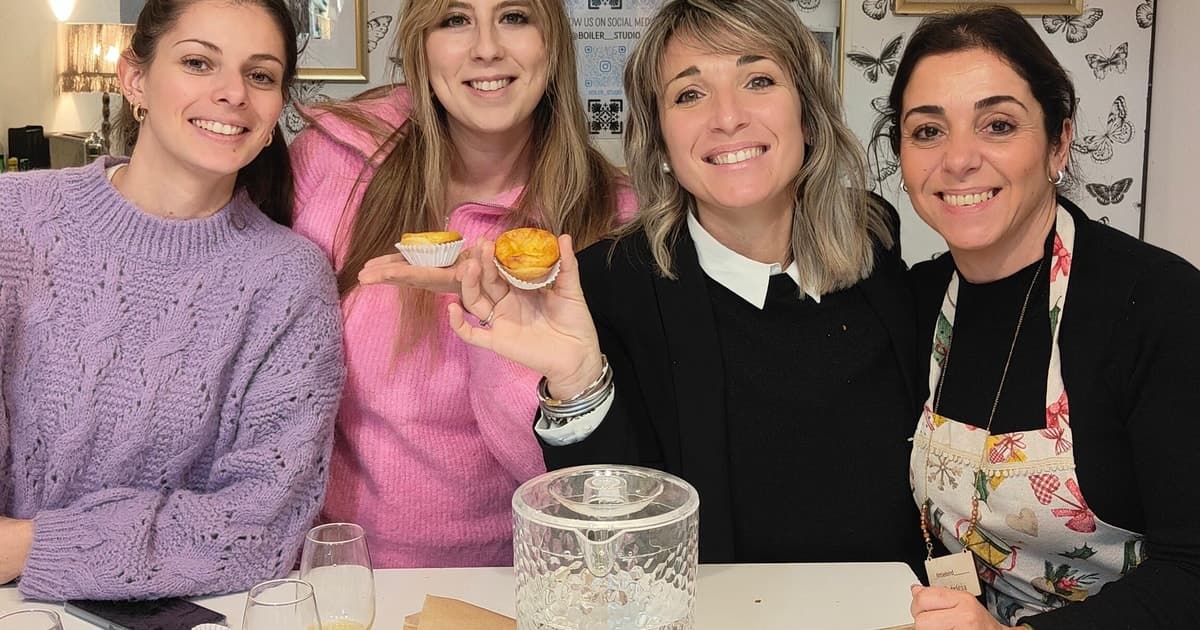
Most groups are small enough that the host can correct how you roll the layers or set the oven, yet social enough to meet other travellers and swap restaurant tips. You leave with your own tarts, a recipe you can repeat at home and the sense that you have understood why even simple custard can taste different in Portugal.
For travellers who want to go beyond dessert, it is easy to combine one of these workshops with a broader Porto cooking class focused on full menus, using the pastel de nata session as a sweet, practical introduction to Portuguese pastry before you tackle stews, soups and petiscos in more advanced kitchens.
🧁 Studio classes at a glance
- Central location, minimal commuting between visits.
- Snacks and wine create a friendly, social mood.
- Clear sequence, ideal for a first contact with baking.
Pastel de nata from scratch in Gaia and Porto city center
When a class is labelled “from scratch”, the promise is that you handle every step: mixing the dough, folding the layers, resting it properly and filling the cases instead of relying on ready‑made pastry. These Porto and Gaia workshops move at a slightly slower pace, with more time to ask why the custard splits, how hot the oven should feel and what makes a good cinnamon finish.
Because technique is the star, these sessions suit travellers who already enjoy cooking at home or want to return from Portugal with more than photos. Hosts usually share extra tips you will not find in recipe cards, such as how to read the colour of the crust or how to adapt the recipe to the oven you have at home, turning the pastel de nata porto cooking class into a long‑term skill.
If you plan to explore the Douro or the coast, scheduling a from‑scratch workshop on a quieter day in the city creates balance with time outdoors; you can learn in the morning, then review your notes on a train or bus. For wider inspiration on escapes beyond the centre, you can look at day trips from Porto that pair well with food‑focused days and build an itinerary that alternates ovens, vineyards and viewpoints in a natural rhythm.
🥐 For travellers who enjoy technique
- More time devoted to dough and lamination.
- Detailed answers to “why” questions about baking.
- Good choice before hosting your own Portuguese dinners.
Pastel de nata in local homes and on a terrace
In some activities the pastel de nata lesson happens not in a studio but in a real Porto home or on a terrace with a view over the roofs. You share the counter with your host’s utensils, listen to neighbourhood stories while the dough rests and sit around a family table when the tarts come out, which makes the experience feel closer to visiting friends than attending a class.
These sessions often run at a gentler pace, which can be ideal if you are travelling with children, a partner who prefers conversation to technique or relatives who tire easily. The focus is less on perfection and more on enjoying the ritual: mixing, pouring, smelling the custard caramelise and taking plenty of photos as the city lights up outside.
If wine culture is high on your list, a home or terrace workshop combines well with a later visit to the World of Wine district on the Gaia hillside, where museums and tasting rooms expand what you learned about pairing sweets and fortified wines, turning a simple afternoon in the kitchen into a full day built around flavour.
🏙 Home and terrace classes in context
- Stronger focus on local life and conversation.
- Scenery adds a Porto‑only backdrop to your photos.
- Good match for slow travel and longer stays.
Pastel de nata and cocktails in Porto
For a livelier twist, one workshop pairs the pastel de nata lesson with a cocktail segment in the same space, turning the kitchen into something closer to a private bar. You learn the baking basics, then shake or stir drinks that match the tarts, which makes this format popular with groups of friends and couples looking for an evening plan that is more original than another round of bar‑hopping.
The atmosphere usually feels closer to a small party than a class, so it helps to arrive having eaten something beforehand and ready to participate. Because the host manages both the oven and the drinks, you still receive clear guidance on the recipe while enjoying tastings that highlight local spirits and liqueurs.
🍸 When this format fits best
This style works particularly well at the start of a night in the city: you finish baking and tasting early enough to continue along the riverfront, yet you have already learned a dessert and a drink you can recreate for friends back home. Check GuruWalk's activity catalog to see the latest prices and schedules for this experience and choose the slot that best matches your plans.
- Ideal for friends celebrating a trip together.
- Compact format that warms up a night out.
- Memorable mix of technique, tasting and fun.
Frequently asked questions about pastel de nata classes in Porto
What is the difference between Pastéis de Nata and pastel de nata?
In Portuguese, pastel de nata is the singular form and pastéis de nata is the plural, but they describe the same custard tart. In class you will usually hear hosts switch between both forms as you bake a tray of tarts and then choose one pastel to taste first.
What is the difference between egg custard tarts and pastel de nata?
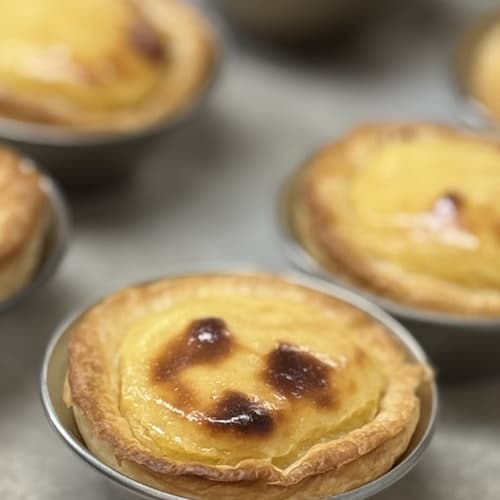
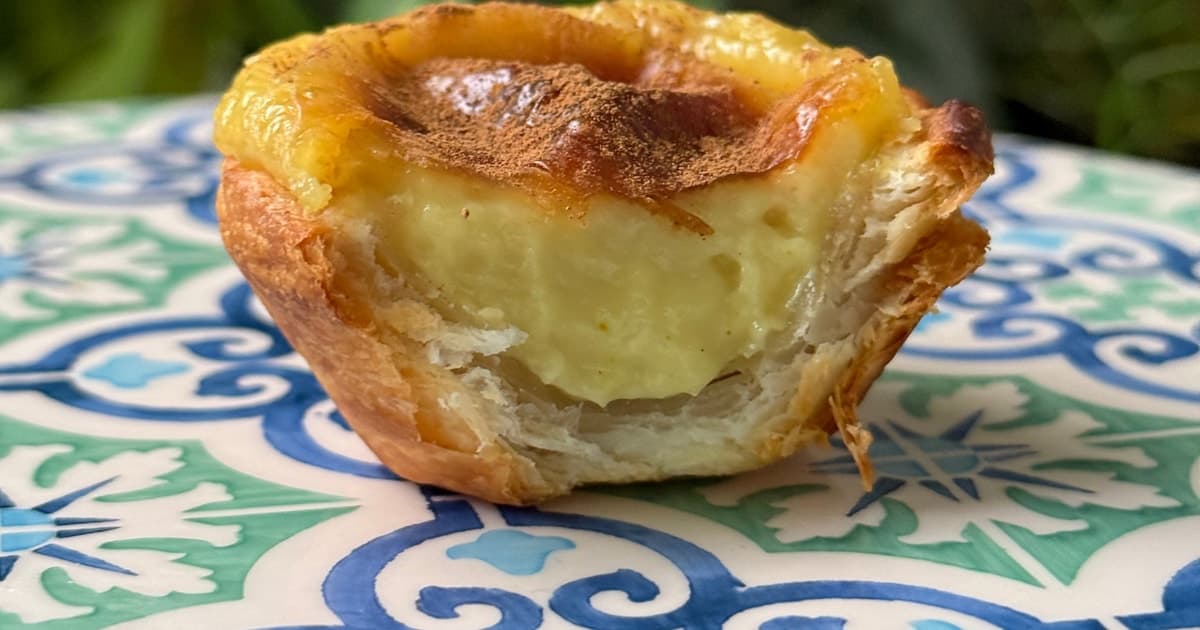
Classic egg custard tarts in other countries often use a shortcrust base and a pale filling, while a Portuguese pastel de nata relies on thin puff pastry and a custard baked until the top has dark, caramelised spots. Spices such as cinnamon and sometimes lemon peel also give Portuguese versions a more layered flavour, which you will notice clearly when you try the tarts you have just made.
Are Portuguese tarts actually Portuguese?
Yes, pastel de nata is firmly rooted in Portuguese history, created originally by monks who needed to use surplus egg yolks. Over time the recipe travelled from monasteries to city bakeries, and today your cooking class continues that line by teaching you a home‑friendly version of the same idea.
What is the most famous dessert in Portugal?
Many locals see pastel de nata as the national dessert, even though Portugal has countless regional sweets. During your stay you will see them in almost every café window, and a cooking class lets you move from simply buying them to understanding how they are built.
What time of day do Portuguese eat pastel de nata?
Pastel de nata works at almost any time: locals often eat one with a short coffee in the morning, again as a mid‑morning break and sometimes in the late afternoon. After a class you will probably taste at least one tart still warm, then save others for a snack later in the day or breakfast the next morning.
Do you eat pastel de nata hot or cold?
The tart is at its best when the pastry is crisp and the centre is warm or at room temperature. In class you normally try the first batch soon after it leaves the oven, then learn how to cool and store the rest so they stay safe to eat later without losing too much texture.
What are common mistakes when making pastel de nata?
Beginners often press the dough too hard, skip resting time, underfill the tins or bake at a temperature that gives a pale crust but overcooked custard. A structured class helps you avoid these mistakes by guiding you through each step, correcting your technique in real time and giving clear instructions you can follow again at home.
What pastries to try in Porto?
In Porto you can also try jesuítas, bolos de arroz or bolas de Berlim alongside pastel de nata. A cooking class focused on custard tarts is a good anchor, and you can then use recommendations from your host to track down these other pastries in neighbourhood cafés.
What is worth bringing back from Portugal?
From a cooking class you will bring back a tested recipe, confidence and stories, which do not take space in your luggage. If you have room, small metal moulds, good local cinnamon and a bottle of port wine pair beautifully with your new skill; for current prices and options, check GuruWalk's activity catalog when choosing your experience.
Discover related activities in Porto


