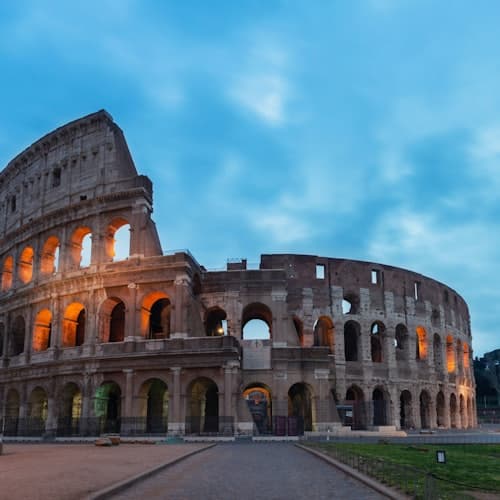
Rome Guided Tours
Discover Rome


Last update:
Continue planning your trip to Rome
Guided tours of Rome: Vatican art, catacombs and day trips
From the Vatican Museums to the Appian Way, guided tours of Rome split the city into clear rhythms: essential Vatican art with the Sistine Chapel, quiet catacombs and basilicas below street level, and full–day escapes to Florence and Pisa that start and finish in the capital. In our catalog of activities you can move between classic Rome guided tours, underground routes and long day trips, choosing language, group style and pace according to how much time and energy you want to spend between frescoes, cobblestones and train rides.
📚 Choose your experience
Vatican Museums and Sistine Chapel
The classic Rome guided tour of art.
Vatican Museums with St. Peter's
One route that ends on the square.
Basilicas and great churches
Focused visits with guides or audio.
Rome catacombs
Cool tunnels, early Christian stories.
Underground Rome and villas
Hidden layers, ghosts and gardens.
Florence and Pisa from Rome
Full–day guided escape from the city.
Frequently asked questions
Quick answers before you book.
Vatican Museums and Sistine Chapel guided tours
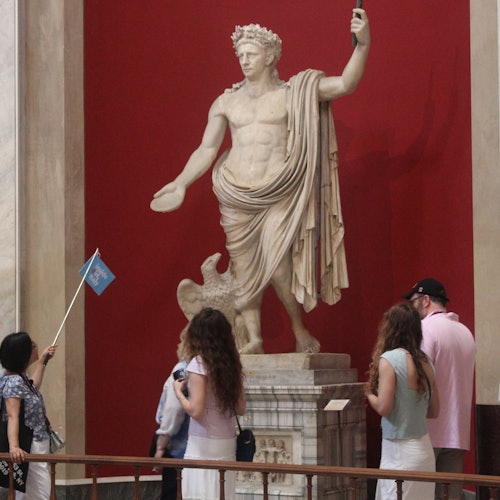
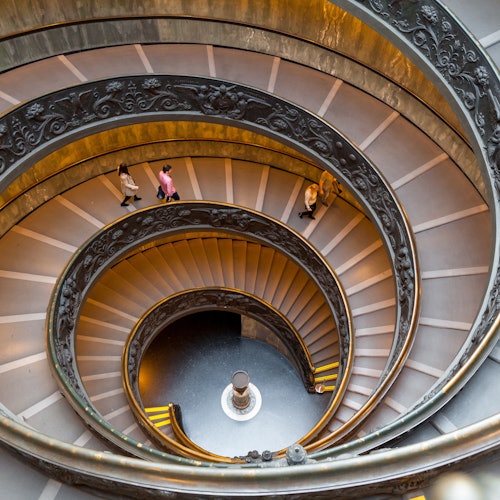
Inside the Vatican Museums and the Sistine Chapel, Rome guided tours turn a dense collection into a clear storyline: early entries along quieter corridors, focused routes through the highlights and a final pause under Michelangelo’s ceiling with the guide setting the pace instead of the crowd.
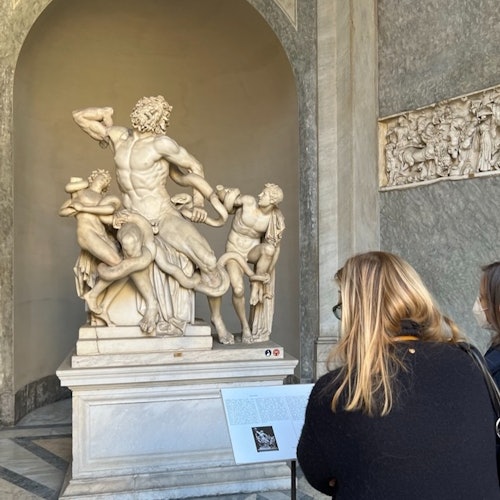

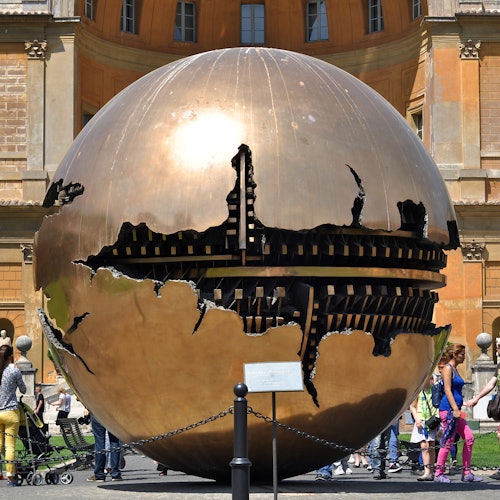

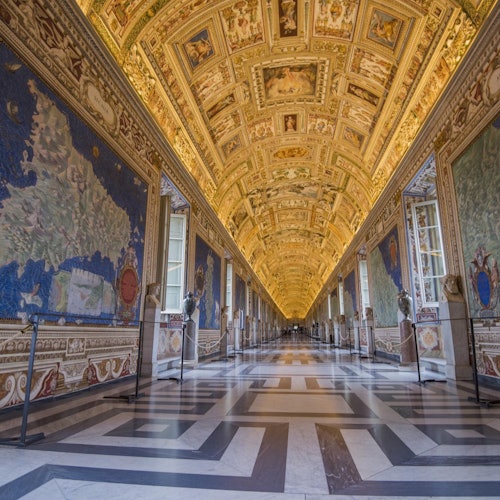
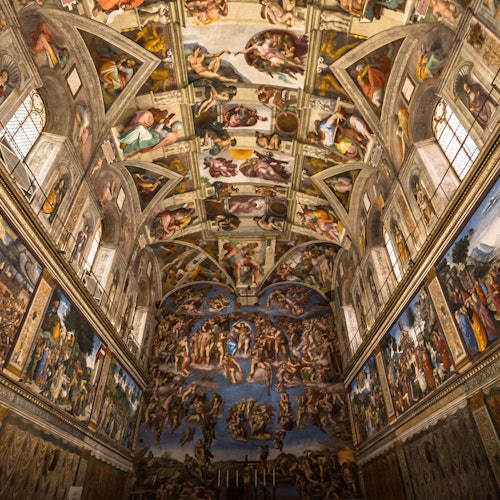
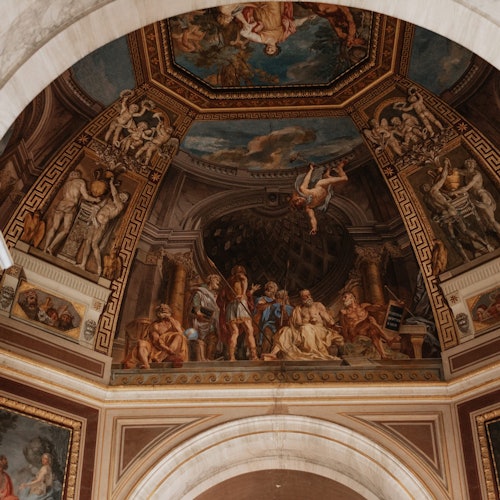
Some experiences follow the long classic path with Raphael Rooms and major galleries, while others offer a tighter circuit that still keeps skip–the–line access and a well–planned sequence of rooms so you spend more time looking up and less time negotiating doorways.
You can choose departures in English only or multilingual options, but in every case a licensed guide connects art history, papal politics and small details such as floor mosaics, hidden initials and restoration traces that are easy to miss when you walk alone.
🧭 How to pick a Vatican Museums tour
- For first timers, choose a route that includes both museums and Sistine Chapel.
- If you dislike crowds, look for very early or late entries instead of mid‑morning slots.
- Travellers who ask many questions often prefer smaller or semi–private groups.
Our offer of experiences also includes skip–the–line private Vatican tours, useful for families, small groups of friends or travellers who want a slower rhythm before returning to the streets around the Tiber.
Vatican Museums and St. Peter's Basilica in one route
When museums and basilica are combined, your guided tour of Rome’s Vatican area becomes one continuous story, starting among statues and tapestries and ending under the dome with the square opening in front of you.
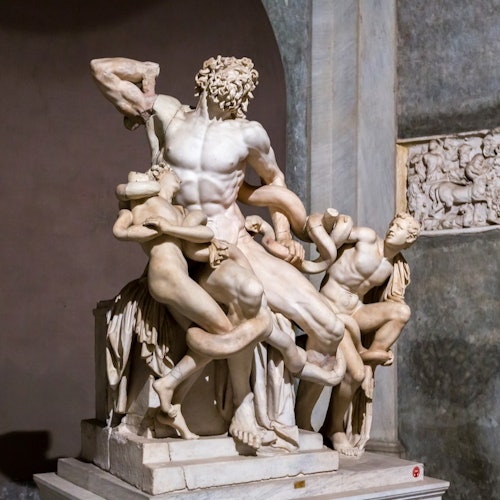

These routes are designed to manage security checks and crossings for you, using priority access and clear meeting points so you do not have to guess which queue belongs to the basilica and which to the museum entrance.
Inside St. Peter’s, the guide usually focuses on the main nave, the baldachin and key chapels, while leaving time for photos; after the tour you are often free to stay longer, visit side spaces or climb the dome independently if the schedule and your energy allow.
⏱️ When this combo works best
- If you have limited days, use it as your main Vatican visit.
- For children or seniors, favour medium‑length tours with rests over very long walks.
- Travelers staying nearby can book earlier slots without worrying about long commutes.
For many visitors this combination becomes the anchor around which the rest of their Rome guided tours are planned, leaving afternoons free for the historic center, the river area or a relaxed dinner in Trastevere.
St. Peter's Basilica and Rome's great churches
Not every day needs the full museum circuit; basilica‑only guided tours and self‑guided audio options at St. Peter’s focus on the nave, altars and sculptures, fitting into a tighter window between other visits.

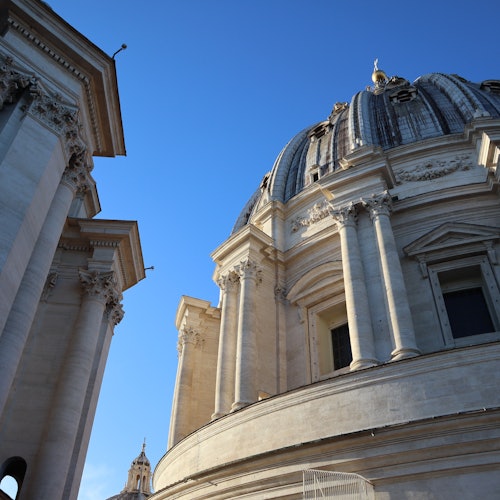
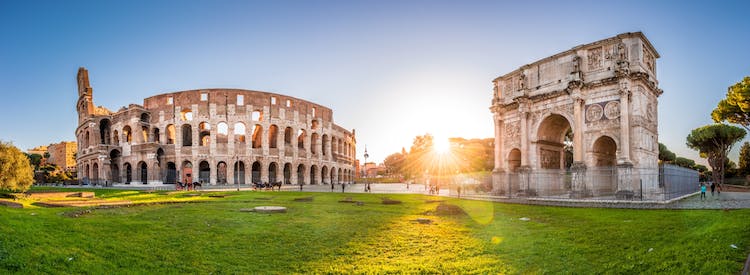
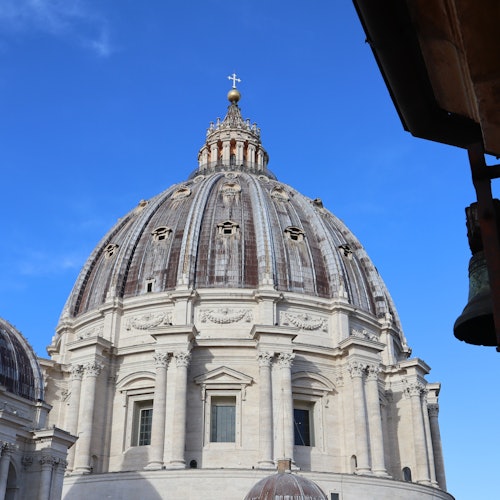
Audio tours give you freedom to pause, sit and choose your pace, while small guided groups help decode details such as inscriptions, side chapels and the way light moves through the basilica over the day.
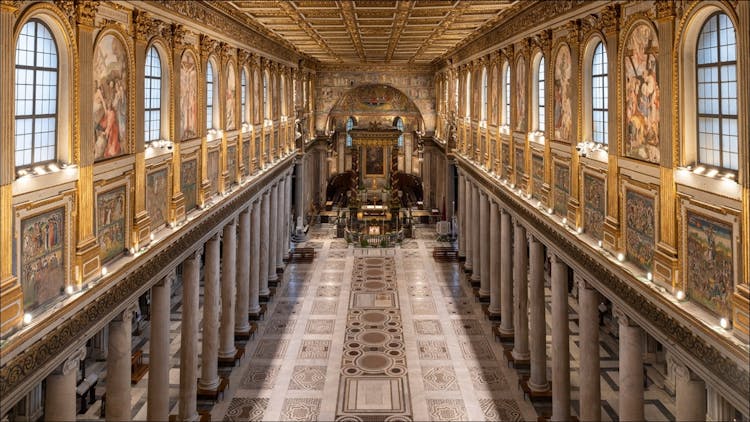
Beyond the Vatican, places like the Basilica of Santa Maria Maggiore add mosaics, relics and even underground areas, ideal if you already know the main postcard sites and want to understand how Rome’s churches evolved over centuries.
🙏 Basilica etiquette in practice
- Dress with shoulders and knees covered, especially in summer.
- Keep voices low; guides use headsets instead of raised tones.
- Flash photography can be restricted; follow on‑site instructions.
- Plan short breaks outside to avoid museum fatigue on long days.
Evening visits to churches can feel particularly calm, and many travellers like to continue with a later Rome night tour around the illuminated center, choosing from the options gathered in the Rome night tours collection.
Rome catacombs and early Christian tunnels
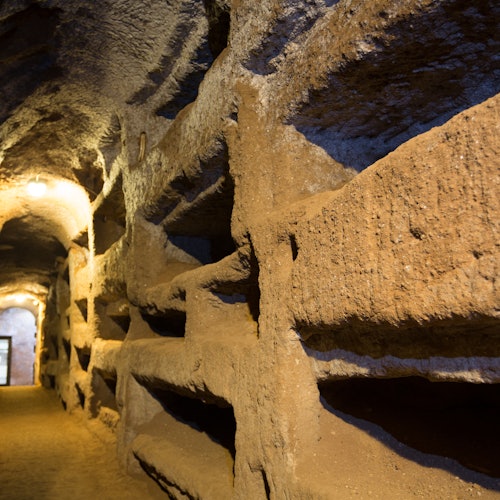
Under villas and pine trees on the edge of the city, Rome’s catacombs offer cool, low‑lit galleries carved by early Christians, visited in small guided groups where silence and conservation rules are taken seriously.
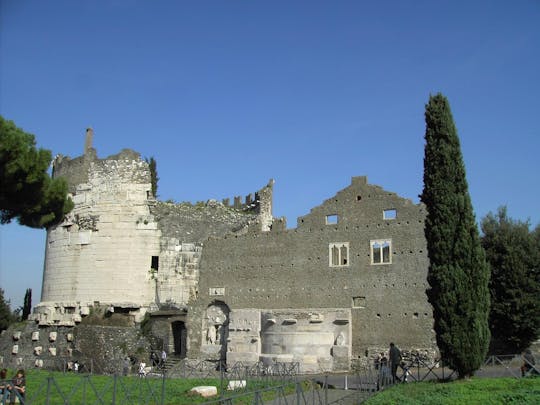
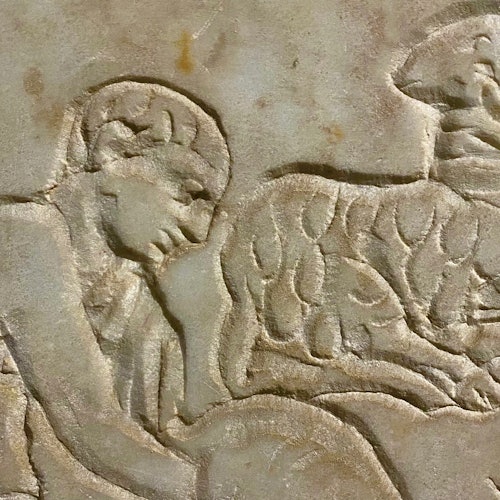
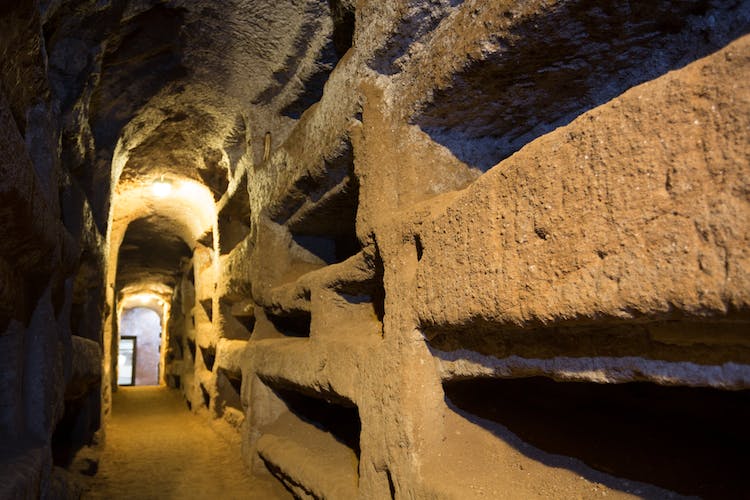
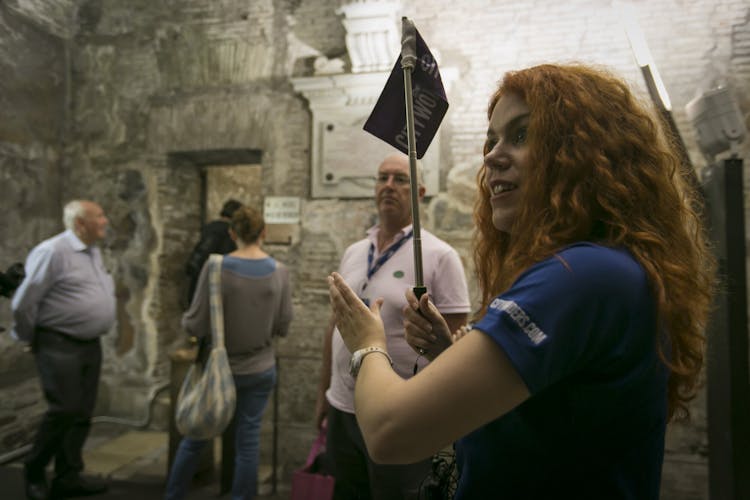
Each complex has its own character: some emphasize painted chambers and early frescoes, others long tunnels, sarcophagi and chapels; a guide helps you follow the story without wandering into restricted or fragile areas.
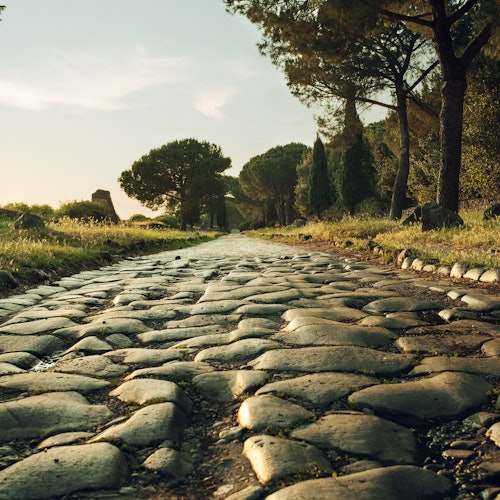
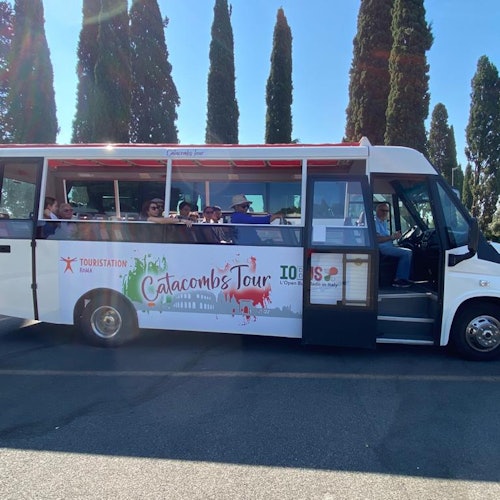
Certain tours include transport along the Appian Way so you step straight from the vehicle into the site, while others expect you to arrive independently, better if you are comfortable with buses, taxis or ride‑hailing on the outskirts.
🕯️ Choosing the right catacombs visit
- Claustrophobic travellers usually prefer shorter routes with wider tunnels.
- Families often choose tours that include transport and clear meeting points.
- History fans may enjoy combining more than one catacomb complex in the same area.
After time underground, many visitors like to stay outdoors along the Appian Way or join an e‑bike tour of the Appia Antica and aqueducts, and some continue the story of ancient life on a larger scale with Pompeii tours from Rome.

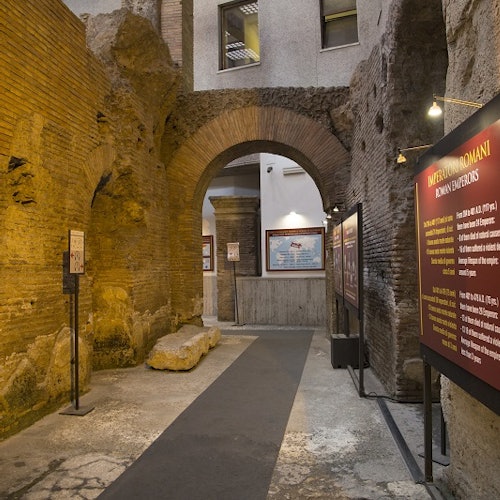
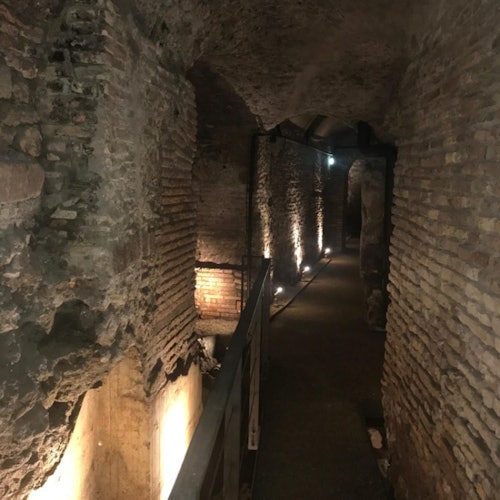
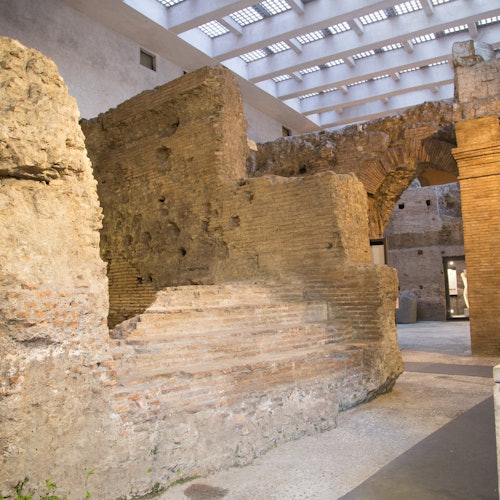
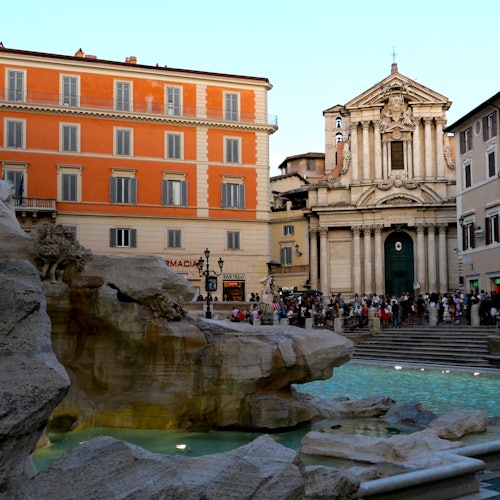
A self‑guided Ghosts of Rome exploration game turns the historic center into a puzzle of legends, executions and apparitions, perfect if you like to walk with friends following clues on your phone instead of standing in one place.
Above ground, guided tours of Villa Medici and e‑bike routes among the Appian Way and aqueducts bring you to terraces, gardens and long straight roads where you can breathe and look back at the city from a distance.
🕵️ Practical notes for alternative Rome
- For underground sites, bring a light layer; temperatures drop noticeably.
- Self‑guided games work best with charged phones and small groups.
- Villa visits and e‑bike tours reward travellers who prefer quieter, scenic corners over crowds.
These experiences suit travellers who have already seen the main classics and now want a different angle on Rome guided tours, focusing on how the city feels to live in rather than only on its most famous monuments.
Guided tours from Rome to Florence and Pisa
Leaving the capital for a day in Tuscany, a guided tour from Rome to Florence and Pisa lets you wake up in one city and dine remembering two others, without juggling train timetables or museum bookings yourself.
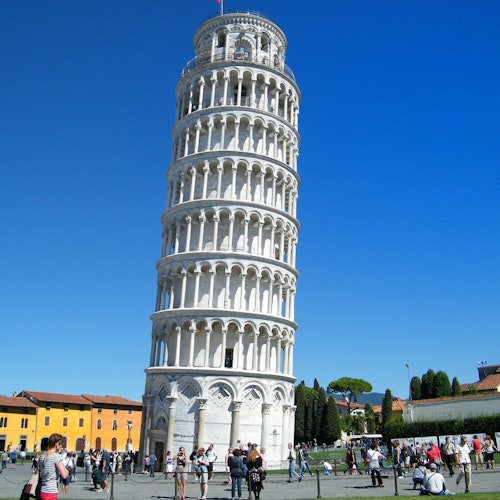
The rhythm tends to be clear: structured walks through Florence with its squares and churches, time for lunch and wandering, and a final stop in Pisa where access to the famous tower and main monuments is organised in advance so you are not left queuing at sunset.
If this feels like your style, our offer of experiences extends to broader day trips that start and finish in Rome and specialised routes focused on Pompeii and the Bay of Naples, helping you use the capital as a base for several very different landscapes.
🚆 When a guided day trip makes sense
- Ideal for first‑time visitors who want maximum sights with minimal logistics.
- Good for solo travellers who prefer company and fixed meeting points.
- Useful when you have only one spare day and cannot risk transport delays.
Independent travel will always be there for a future trip, but for tight schedules these guided tours from Rome deliver a clear timetable, reserved entrances and a professional guide so you can simply follow the day.
Frequently asked questions about guided tours of Rome
Is it worth doing guided tours in Rome?
For most visitors, one or two guided tours in Rome change the whole trip: you skip long lines at complex sites, understand what you are seeing instead of just ticking boxes and get practical tips for the rest of your stay. You can still explore many neighborhoods on your own, but a guide is especially valuable in places like the Vatican Museums or the catacombs where access and context are not obvious.
What is the best tour to take in Rome, Italy?
The most popular starting point is usually a Vatican Museums and Sistine Chapel guided tour in English, often combined with St. Peter’s Basilica on the same route. After that, many travellers choose one underground experience such as the catacombs and, if time allows, a full‑day escape to Florence, Pisa or Pompeii. The “best” tour is the one that matches your energy, interests and available days, so it is worth browsing GuruWalk’s activity catalog to compare formats.
How many days are enough for Rome?
With three full days you can usually fit a Vatican tour, a classic city walk and one catacombs or underground visit, leaving time to wander neighborhoods on your own. If you also want a guided day trip to Florence, Pisa or Pompeii, adding at least one extra day keeps the schedule comfortable. Shorter stays are possible, but you will need to prioritize one major guided tour and accept that some areas will remain for a future visit.
What is the best month to travel to Rome?
Many travellers prefer the shoulder seasons of spring and autumn, when temperatures are milder and light is softer for walking tours. Summer brings longer days but also more heat and crowds, so early starts or late‑day guided tours become more comfortable. Winter can be atmospheric in churches and museums, with quieter guided visits and easier access to popular sites.
What are the do and don'ts in Rome?
As a rule, do treat churches and catacombs as places of worship, even when you enter with a tour: dress modestly, keep your voice low and follow photography rules. Do keep an eye on your belongings in crowded areas and respect local meal times if you book food‑related activities. On the other hand, avoid touching frescoes, leaning on ancient walls or sitting where it is clearly restricted, and do not rely on drinking fountains and public toilets without a backup plan when you join long guided routes.
What are the disadvantages of escorted tours?
Escorted or guided tours come with a fixed schedule, so you cannot linger forever in one room or side street, and you have to be comfortable following group timings. They can feel intense for travellers who prefer to wander without structure. However, at complex sites like the Vatican Museums or during day trips, the advantages of reserved entrances, curated routes and a guide who solves logistics usually outweigh these limits for most people.
Is it cheaper to book guided tours through a travel agent or by yourself?
Booking by yourself online often gives you more choice of languages, time slots and group sizes, and it is easier to compare what each guided tour actually includes. Some travellers still prefer travel agents for complex multi‑city trips, but for single tours in Rome you usually gain flexibility by reserving directly. For costs, think in terms of budget‑friendly group tours, mid‑range small groups and higher‑priced private options; check GuruWalk’s activity catalog to see the latest prices and inclusions.
What is the number one must see when in Rome?
Opinions differ, but many travellers rate the Vatican area with its museums, Sistine Chapel and St. Peter’s Basilica as their most memorable guided experience in Rome, especially on a well‑timed tour that avoids the heaviest crowds. Others will choose the Colosseum and Roman Forum as their top priority. If you can, plan at least one major guided tour that covers either the Vatican or ancient Rome in depth so you leave with a strong sense of one side of the city’s history.
About the author

Author: Belén Rivas, GuruWalk
Publication date: 2025-12-11
Data updated as of December 2025