Haunted Shibuya: Urban Legends, Yokai, Ghost Stories & Hidden Spiritual Spots Night Walking Tour
Step into the shadows of Shibuya. The Haunted Shibuya Night Walk: Urban Legends, Yokai & Ghost Stories of Tokyo’s Dark Heart is a guided tour through the city’s most haunted corners. This isn’t the Shibuya you see on postcards. Beneath the LED glow and thundering foot traffic lies a city of restless spirits, buried rivers, and echoes of a Japan long forgotten.
We’ll visit and uncover:
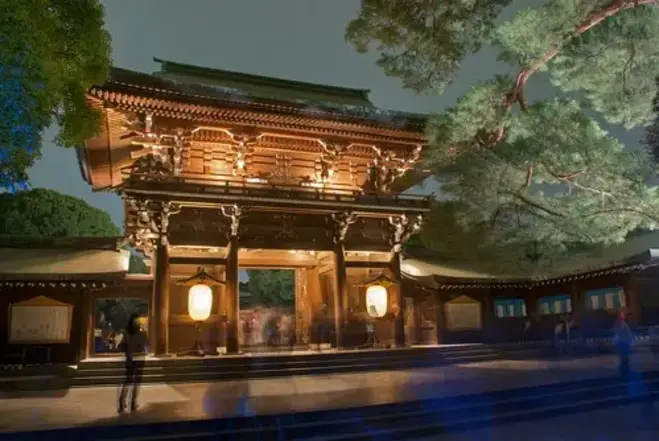
Yoyogi Park & Meiji Jingū Grounds — The Ghost Bride & The Faceless One
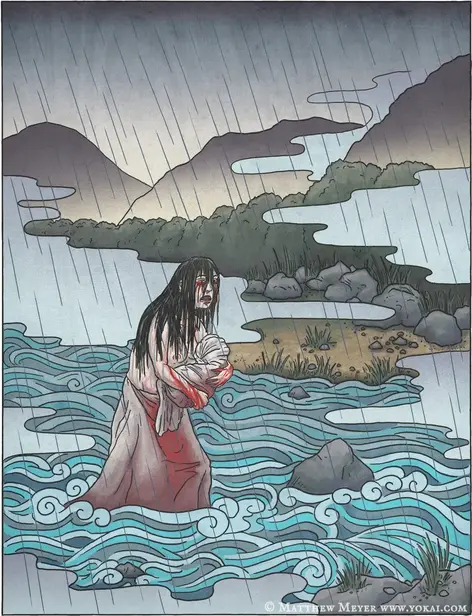
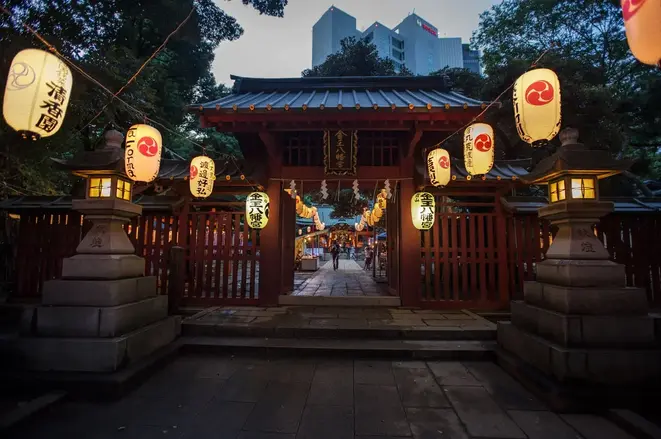
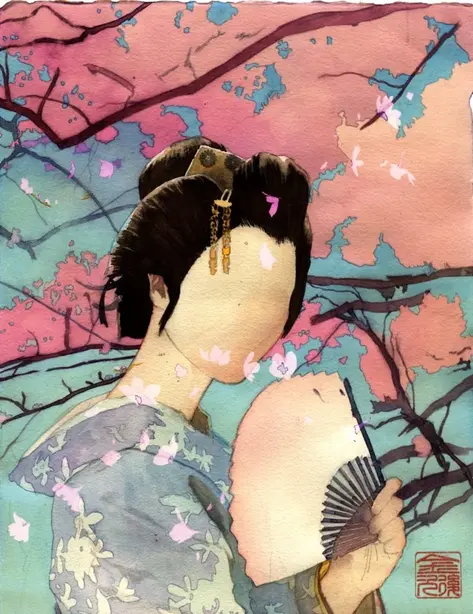
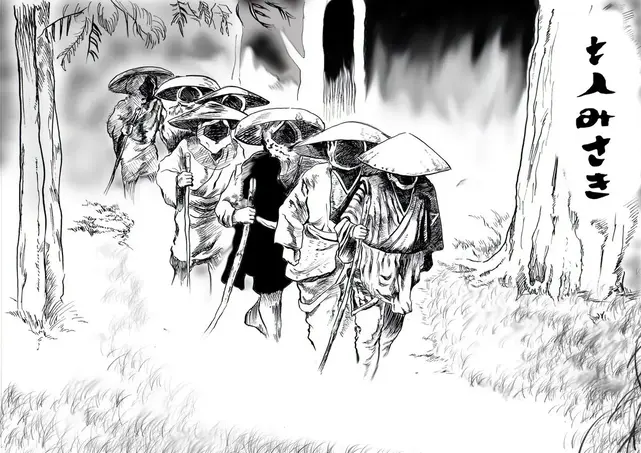
. The white kimono a Shinto bride wears on her wedding day is identical — fabric, cut, color — to the shroud her body will be wrapped in when she dies. In Shinto cosmology, marriage and death are the same kind of crossing. The torii marks that boundary. Which means a woman who died before her wedding didn't just lose a husband, she lost her crossing. She is permanently here, at this threshold, neither in nor out. As we move deeper into Yoyogi and the city falls away, pay attention to that quiet. The Noppera-bō has been documented in spaces exactly like this since 1663. Its method relies on one thing: that when you run from it, the next person you find is the only person around.
Shibuya Stream & Cat Street — The Water Dragon & The Monster Cat
In 1964, the city paved over the Onden River to build what is now Cat Street. No ceremony. No acknowledgment. What the city planners didn't account for: in Shinto belief, the sovereign spirit of a body of water does not relocate when you cover its home. They're asking what sixty years of being buried and ignored does to something that old and that powerful. Then there are the cats. The Bakeneko transforms after thirteen years of absorbing energy.
Shibuya Station & The Tunnel by Nonbei Yokocho — Kamikakushi & Teke Teke
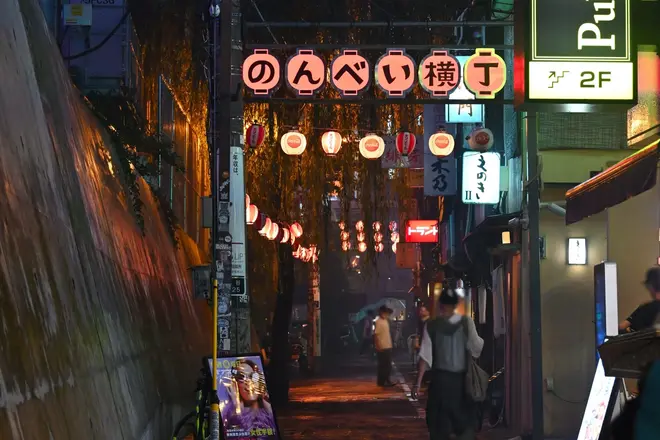
Three million people pass through Shibuya Station every day. Most don't know it sits above a buried river, or that its tunnels extend in directions that don't appear on public maps. Folklorist Kunio Yanagita spent years documenting kamikakushi, being spirited away, and found one consistent pattern: it almost always happens in transitional spaces. Tunnels. Train carriages between stations,the brief interval of darkness between one world and another. The tunnel beside Nonbei Yokocho is exactly that kind of space. And then there is Teke Teke, born on train tracks, in the specific anguish of dying while people watched and did nothing.
Miyashita Park Rooftop — The Spirit of Hachikō, Kuchisake-onna & Jinmenken
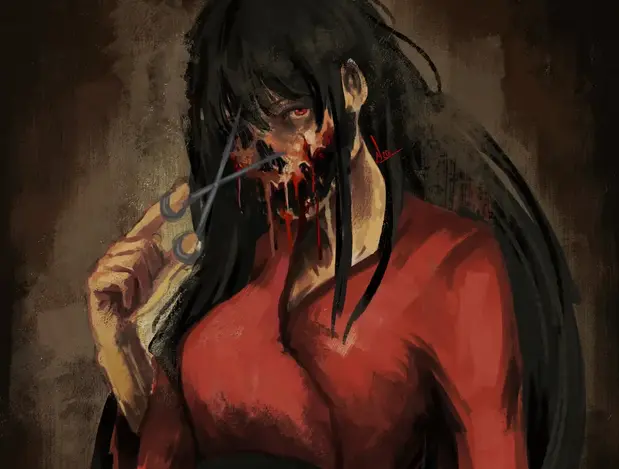
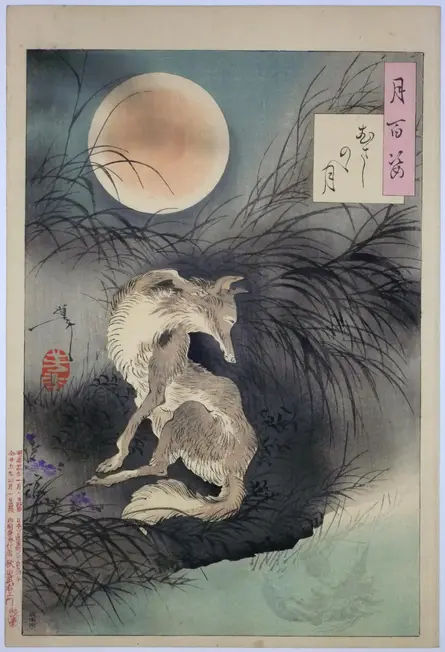
Up here sits a smaller, quieter Hachikō, less famous than the one at the station. Hachikō waited every day for nine years after his owner died because he didn't have the framework to accept that someone he loved was not coming back. The Kuchisake-onna approaches alone. She asks one question. There are two documented safe responses, three if you're carrying the right kind of candy. And somewhere in those streets, the Jinmenken is running, a dog whose face is unmistakably, disturbingly human.
Throughout the tour, you’ll discover:
- How Tokyo’s urban development buried rivers, shrines, and graves — and why Shinto geomancy warns against it.
- The folklore roots of Japan’s urban horror icons.
- How wartime trauma, modernization, and youth culture merged into Shibuya’s unique brand of ghost story.
By the end, you’ll see Shibuya differently, not as a playground of youth and lights, but as a living palimpsest of spirits, stories, and the unseen forces that move beneath Tokyo’s surface.

Explore Beyond with Walking Tour Tokyo & Nearby Cities
How does a free tour work?
Choose and book
Select a tour, date and time. Booking is free.
Enjoy the tour
Go to the meeting point and live the experience with your guide.
Pay what you want
At the end, you decide how much to pay based on your satisfaction.
