Pasta Making Class Rome
Discover Rome
Last update:
Continue planning your trip to Rome
Pasta making class in Rome: cook, taste and slow the city down
In Rome, a pasta making class turns sightseeing into something you can taste: long dinners in historic-center kitchens with gelato or tiramisù, spritz-fuelled evening sessions, compact workshops that fit between monuments, family classes on Gianicolo Hill and even a full cooking day in the countryside, all woven into our catalog of activities so your Rome pasta cooking class feels like part of the trip rather than a break from it.
📚 Choose your experience
Classic pasta and dessert
Enjoy a full Italian-style meal in the center.
Pasta, spritz and evening vibes
Start the night with drinks and fresh dough.
Express pasta workshops
Short classes that fit busy Rome itineraries.
Family and kids pasta fun
Hands-on cooking with views from Gianicolo Hill.
Cooking day in the countryside
Escape the city for a rural Roman kitchen.
Frequently asked questions
Clear answers on costs, clothes and tipping.
Classic pasta and dessert classes in central Rome
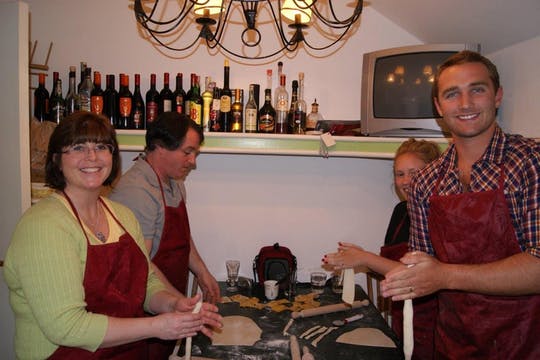
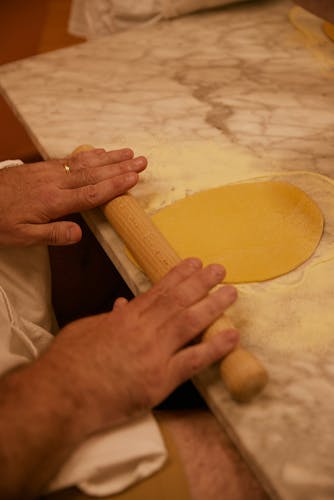
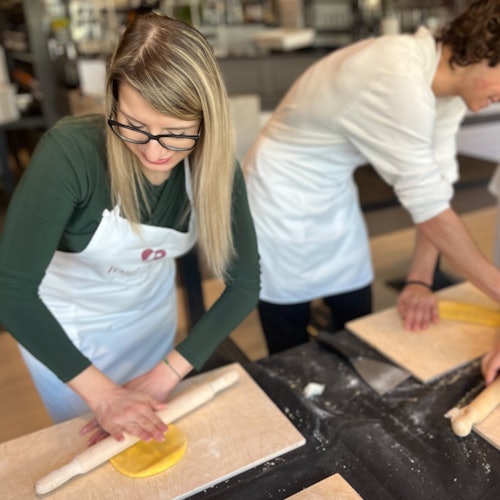
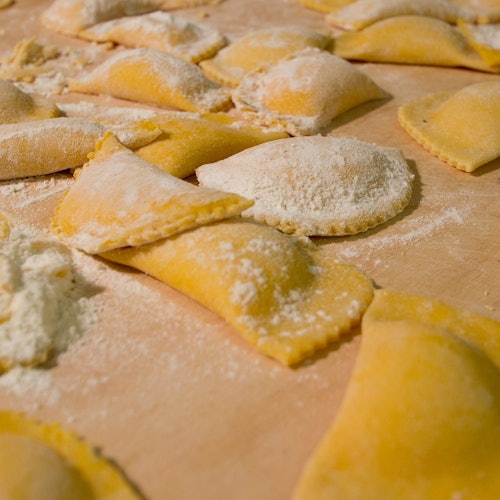
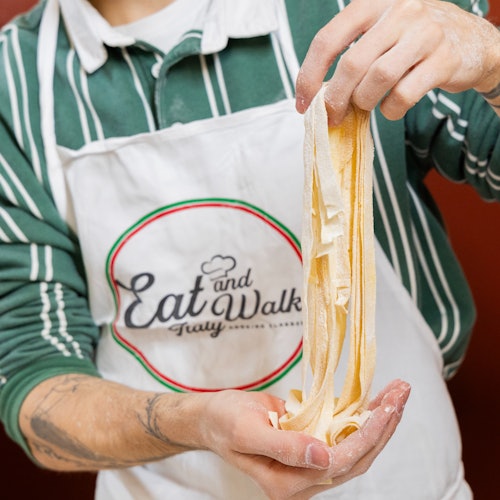
In the historic center, our catalog of activities features pasta making classes that feel like an informal dinner party: you meet the chef near lively streets, tie on an apron, roll fettuccine or ravioli and finish with gelato or tiramisù around a shared table. The mood is social but relaxed, so a Rome pasta making class becomes the evening’s main event rather than just a quick tasting.
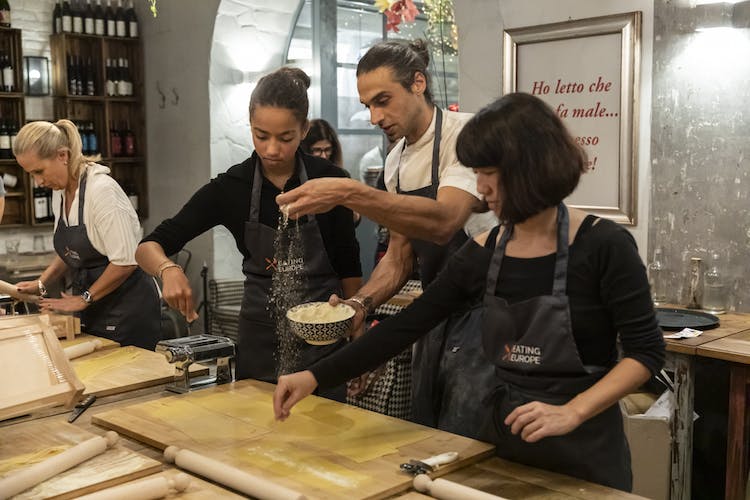
Some departures lean toward lunch with plenty of daylight, others extend into the night with longer conversations and refilled glasses, which helps you decide which feels like the best pasta making class in Rome for your rhythm and energy levels. Because these classes often include dessert and drinks, they easily replace a restaurant booking and keep plans simple.
Travellers staying several days in the city often match a pasta class in Rome with a morning at the Colosseum or the Vatican, then dedicate another day to archaeology with a Pompeii tour from Rome, keeping one day focused on food and another on ruins without overloading either.
⚖️ Classic versus dessert-focused classes
- Choose dessert-inclusive classes for a full dinner experience.
- Pick simpler menus if you prefer room for extra gelato.
- Smaller groups usually mean more attention from the chef.
🧭 Practical tips for central kitchens
- Arrive a little early to locate discreet doorways.
- Expect stairs and cobblestones, so wear comfortable shoes.
- Share allergies when booking for smooth ingredient swaps.
Pasta with drinks: spritz, wine and long Roman evenings
Some experiences add another layer to the ritual, turning your lesson into a pasta cooking class in Rome with spritz, wine or limoncello served alongside the dough. You might start with an aperitivo, chat with other travellers and then move to the counter, so the night flows naturally from glass to rolling pin to plate.
These classes suit travellers who want a Rome pasta cooking class that also explains Italian drinks without becoming a bar hop: tastings are guided, pairings are explained and there is enough food to keep everything balanced. Timings often sit between late afternoon and evening, leaving space for a stroll through illuminated piazzas afterwards.
If you like this slow, celebratory pace, you can mirror it in the rest of your itinerary by combining a drink-focused pasta making class in Rome with a coastal escape such as an Amalfi Coast day trip from Rome, keeping one day anchored in the kitchen and another in sea views and cliff-side towns.
🍸 Who will enjoy pasta classes with drinks
- Couples seeking a social but not rowdy evening.
- Solo travellers hoping to meet others over food.
- Groups of friends wanting one special night in Rome.
🧭 Tips for drink-focused experiences
- Have a small snack so you do not start on an empty stomach.
- Mention non-alcoholic preferences to ensure suitable pairings.
- Plan your route back in advance for a stress-free late finish.
Express pasta classes in Rome for tight schedules
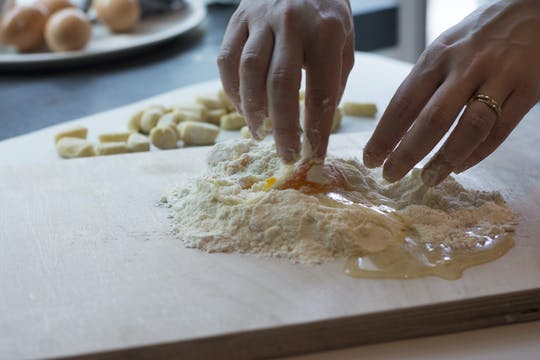
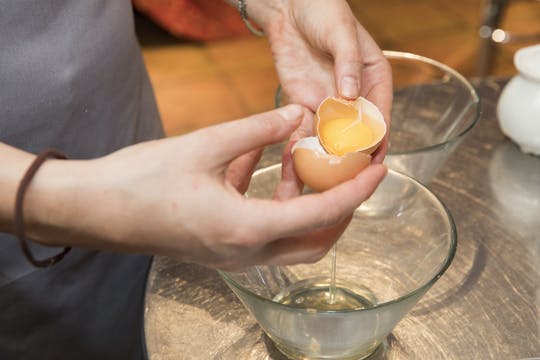
When your itinerary is dense with ruins and museums, an express pasta class in Rome gives you the essence of the experience in a compact window of time. You move quickly from cracking eggs into flour to cutting your own strands or shapes, guided step by step so you still leave with confidence for cooking back home.
These sessions work well on arrival day, between sightseeing blocks or on the final afternoon, when you want a pasta making class Rome visitors can fit around other plans. For travellers who also want to leave the city, for example on one of the day trips from Rome, express formats free space in the calendar without sacrificing flavour.
The teaching style usually focuses on one dough and one sauce, which makes it easier to remember, so even in a short session you gain solid foundations for homemade pasta instead of an overwhelming list of recipes.
⏱️ Express versus longer pasta classes
- Express formats highlight one key shape and sauce.
- Longer classes allow more recipes and stories.
- Choose express if your stay in Rome is short.
🧭 How to choose the right time slot
- Check start times against existing tour bookings.
- Avoid scheduling straight after a very heavy lunch.
- Look for small groups if you prefer close-up guidance.
Family-friendly pasta classes on Gianicolo Hill
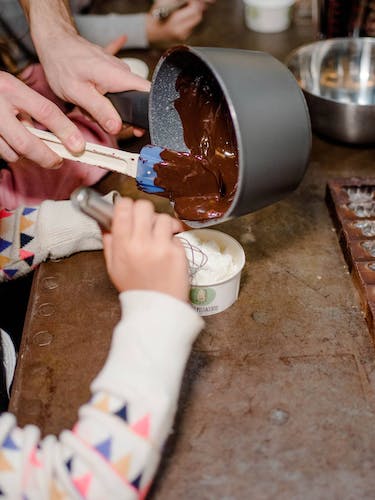
For families, a kids pasta class in Rome turns the city into something children can touch and taste, not just photograph. On Gianicolo Hill, youngsters whisk eggs, mix mascarpone for tiramisu and shape simple pasta while adults enjoy views over rooftops and domes.

These experiences are designed so that school-age children can follow clear instructions and feel proud of their plates, while younger siblings often join at the table with some help, making the pasta making class in Rome double as dinner for the whole group. It is an easy way to balance “grown-up” sightseeing days with one memory firmly built around them.
👨👩👧 Why choose a family pasta class
- Everyone gets a role in preparing the meal.
- Children discover Italian flavours in a fun setting.
- You leave with photos and recipes to revisit together.
🧭 Practical tips for families
- Pack a spare top so flour is not a problem.
- Tell hosts about picky eaters for small adjustments.
- Plan some quiet time afterwards in a nearby park.
Cooking day in the Roman countryside
Leaving the center for a cooking day in the Roman countryside changes the tempo completely: you trade traffic noise for birds, gardens and old stone houses. With more time available, you can work through several stages of the meal, from fresh pasta to sauces and side dishes, and then sit down for an unhurried lunch.

This format fits travellers who have already covered the main sights and now want a deeper glimpse of daily life beyond central Rome, or those marking a birthday or anniversary with a shared experience. Because travel time is longer, it makes sense to reserve an entire day for this countryside pasta cooking class near Rome and keep other visits for different days.
🌿 City classroom versus countryside kitchen
- Countryside days offer more space and slower pacing.
- City classes are easier to fit around other visits.
- Pick countryside if you enjoy quiet rural settings.
🧭 Practicalities for rural experiences
- Check if transfers are included for stress-free logistics.
- Dress in layers to handle changing countryside weather.
- Bring a camera; views often match film-set expectations.
Frequently asked questions about pasta making classes in Rome
Is it worth doing a cooking class in Rome?
For many travellers a pasta making class in Rome becomes one of the standout memories, because you share a table with locals and visitors while learning skills you can reuse at home. It adds texture to the trip in a way photos alone cannot, especially if you enjoy food as much as monuments.
Are pasta making classes in Italy worth it?
Whether you book in Rome or another region, a pasta making class in Italy gives you context for the dishes you love, from choice of flour to the point where pasta is truly al dente. You come home with techniques and recipes that extend the holiday feeling long after the return flight.
What's included in a pasta making class in Rome?
Most experiences include ingredients, equipment, step-by-step guidance and the meal you cook, often rounded off with dessert or drinks such as wine, spritz or limoncello. Some hosts share digital recipes, photos or small certificates, so always check the specific inclusions listed for the class you choose.
How much do cooking classes cost in Rome?
In general, group pasta cooking classes in Rome fall into a moderate price range, with many city-center options comparable to a sit-down dinner and countryside days in a higher bracket. Check GuruWalk's activity catalog to see the latest prices, languages available and any seasonal promotions.
Do I tip for a cooking class in Italy?
Tipping is not obligatory, but it is common to leave a small gratuity if you felt the chef or team made the experience special. A modest cash tip at the end of your pasta class is a kind gesture, never a requirement, and you should only give what feels comfortable.
What to wear to a pasta making class?
For a pasta cooking class in Rome choose comfortable clothes that can handle flour, closed shoes for safety and sleeves that roll up easily. Tie back long hair, keep jewellery simple and rely on the apron most hosts provide so you can focus on the food, not your outfit.
What are the 4 types of pasta in Rome?
Roman cuisine is known for four iconic pasta sauces: cacio e pepe with pecorino and black pepper, carbonara with eggs and cured pork, gricia without tomato and amatriciana with tomato added. Many classes focus on at least one of these so you can recreate a truly local plate after your trip.
What food not to miss in Rome, Italy?
Alongside your pasta making class Rome offers plenty of must-try bites: supplì rice croquettes, Roman-style artichokes, thin-crust pizza and good artisanal gelato are high on the list. A cooking class pairs well with a food walk or market visit, helping you recognise quality ingredients when you explore on your own.
About the author

Author: Belén Rivas, GuruWalk
Publication date: 2025-12-11
Data updated as of December 2025


