Free Walking Tour Brussels WW2 | An Intro to Occupied Brussels Project
Explore Brussels through the lens of World War II. Discover the stories and visit the landmarks most closely connected to the Nazi occupation of the city between 1940 and 1944. This 75-minute introductory route is part of the wider Occupied Brussels Project, created for visitors who want a first encounter with the city’s wartime history before exploring the subject in greater depth.
- How the Belgian government responded to the invasion.
- How ordinary people adapted to survive: the Belgian exodus, black markets, bombings, and resistance movements.
- How the Jewish population was discriminated against, persecuted, and targeted for deportation.
- How Brussels managed to regain its freedom and peace once more.
ITINERARY
1. Rue de Ruysbroeck 35
Now a high school, this building once housed a printing shop that became world-famous for a bold act of resistance against Nazi propaganda during the occupation.
2. Grande Synagogue de Bruxelles
At Belgium’s most important synagogue, we will reflect on the experience of Brussels’ Jewish community during the occupation: daily restrictions, persecution, arrests, deportations, and the systematic violence of the Nazi “Final Solution.”
3. Place Poelart
We will visit the monument honouring Belgian infantrymen of both World Wars, before turning to two major sites of occupation history: the Palais de Justice, occupied by the Nazis and set on fire during their retreat, and Avenue Louise, where the Gestapo headquarters became the target of a daring act of resistance by a Belgian pilot.
4. Place du Jeu de Balle
In the heart of the Marolles district, where black markets once flourished under occupation, this lively square conceals an almost forgotten wartime secret beneath its cobblestones.
5. Rue Haute 60
In April 1945, Hitler killed himself in his Berlin bunker. But in Brussels, the news gave rise to rumours, disbelief, and one of the city’s most unusual acts of public satire.
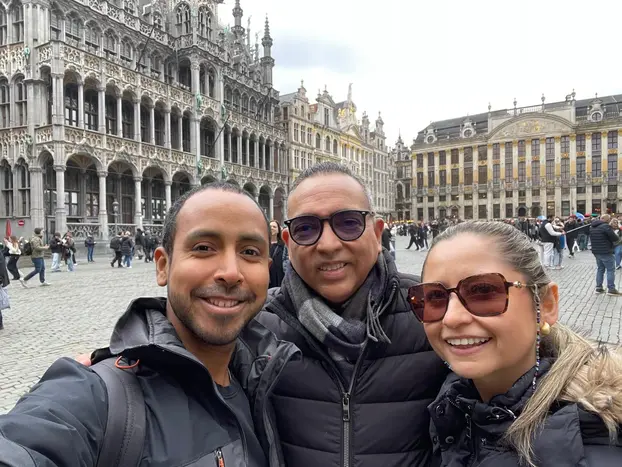
6. Grand-Place de Bruxelles
In September 1944, Brussels returned to local hands. After two German occupations in less than thirty years, the city was free once again.

Other cities after visiting Brussels
How does a free tour work?
Choose and book
Select a tour, date and time. Booking is free.
Enjoy the tour
Go to the meeting point and live the experience with your guide.
Pay what you want
At the end, you decide how much to pay based on your satisfaction.
