Pagan and Christian Rome: From the Myth of Romulus to Pope Saint Clement

Tour description
Rome is not visited. Rome is awakened.
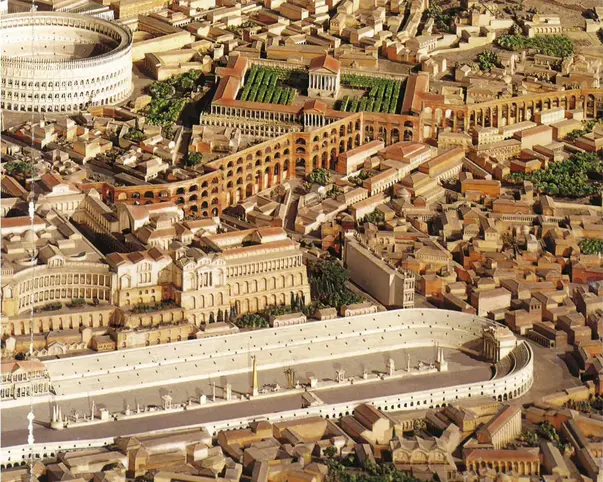
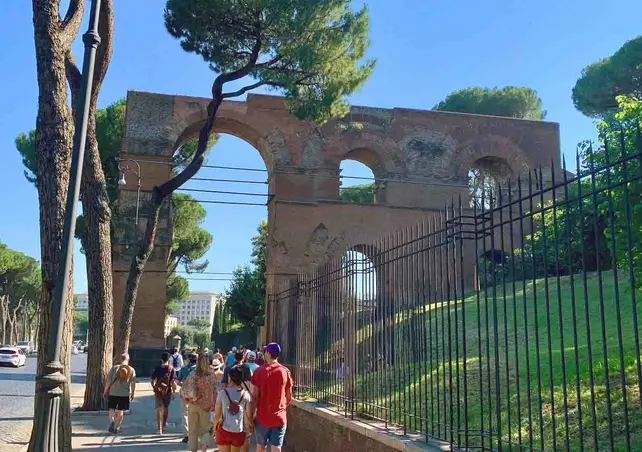
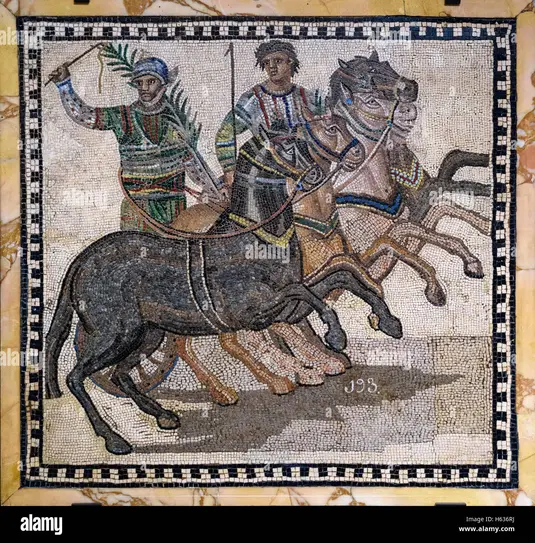
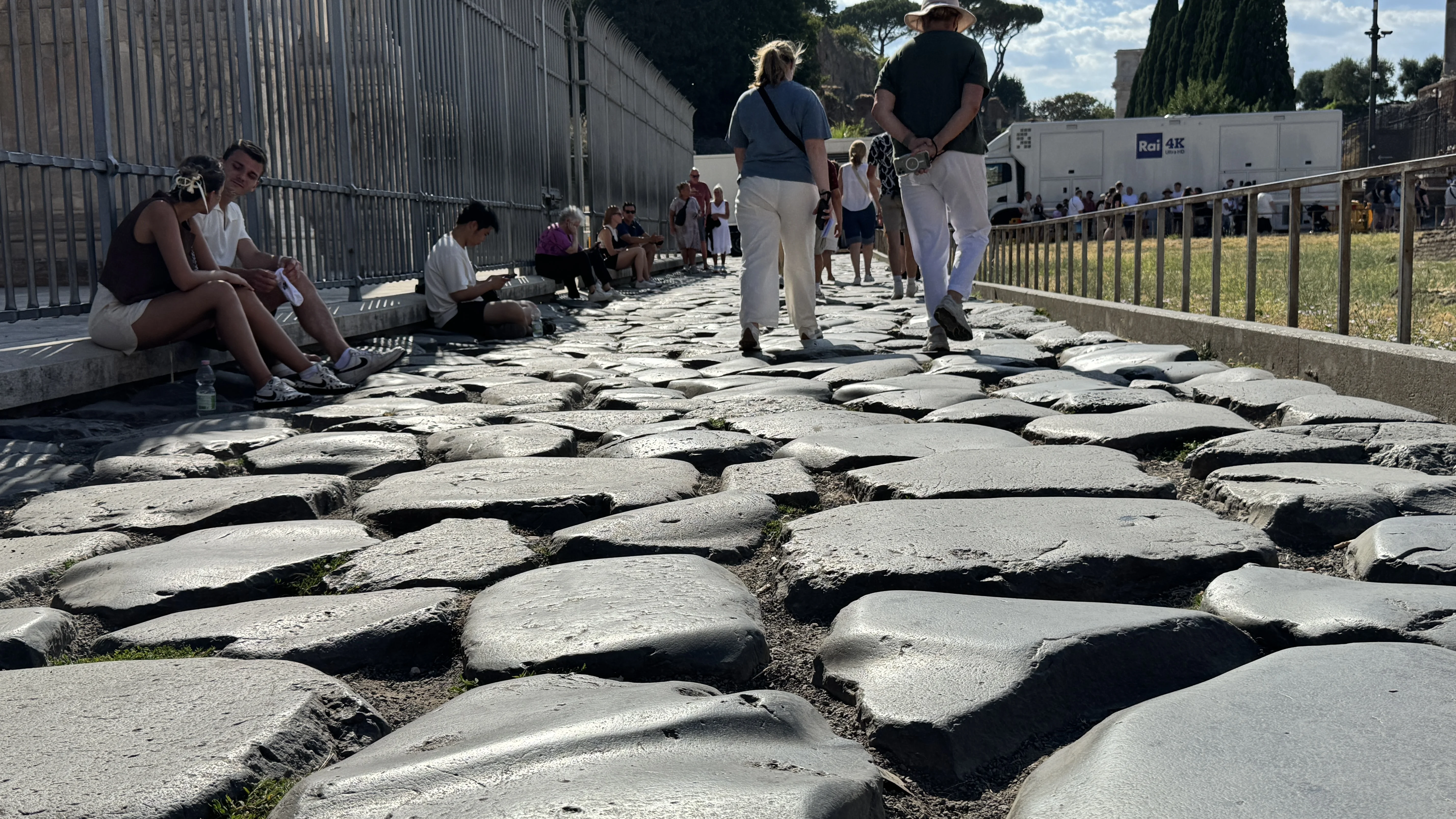
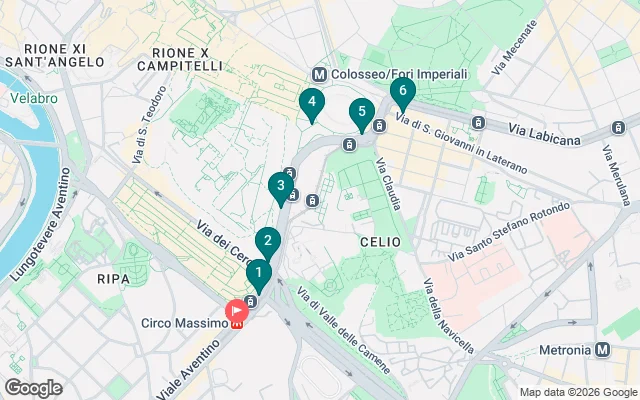
And our journey begins where it all started: at the Circus Maximus, the valley where, according to legend, the basket of Romulus and Remus emerged from the river to change the destiny of the world. Here is born the city that would dominate continents. Here is born the pagan, wild, mythical, inevitable Rome.
From this point, we ascend towards the Palatine Hill (external), the hill where Augustus built the first imperial palace. Before us rises the place where Rome ceased to be a dream and became an empire. Here, absolute power was invented. Here, the ancient world was designed.
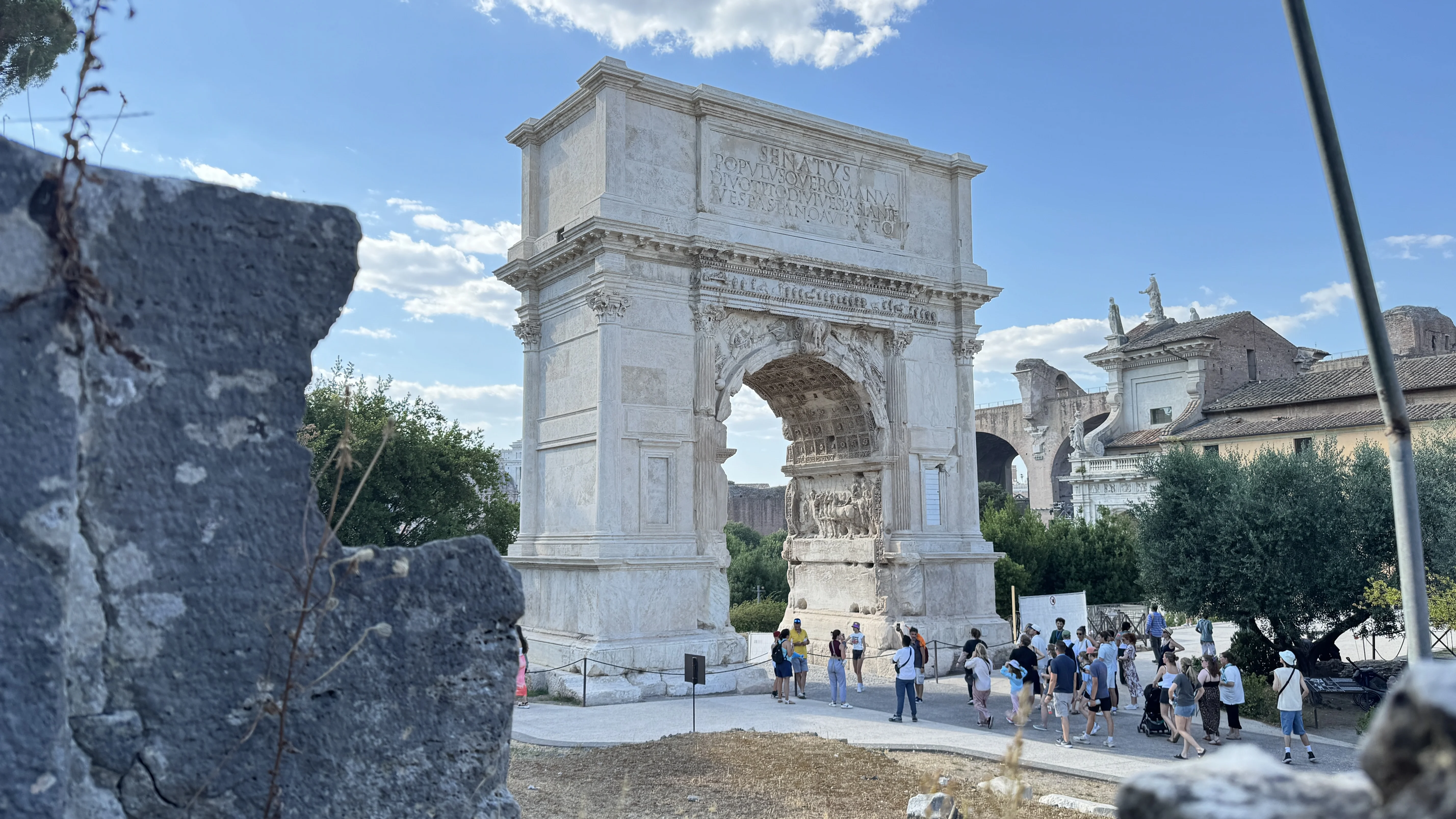
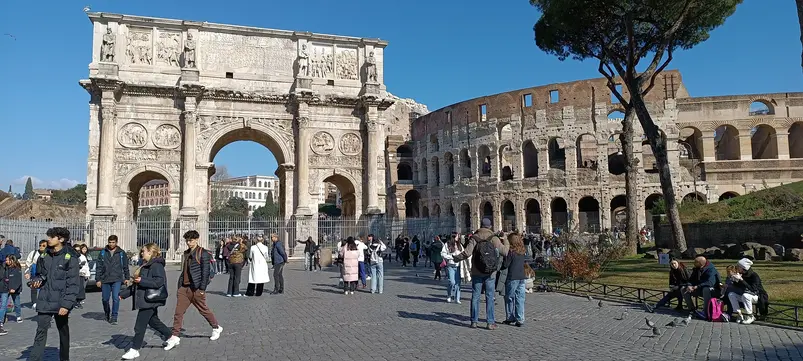
We move towards the triumphal arches, authentic marble manifestos.
The Arch of Titus narrates the conquest of Jerusalem, an episode that marked the politics, religion, and identity of the Empire.
The Arch of Constantine announces the most profound turn in history: the legalization of Christianity. At this point, Rome stops looking at its ancient gods and opens the door to a new faith that will transform the West.
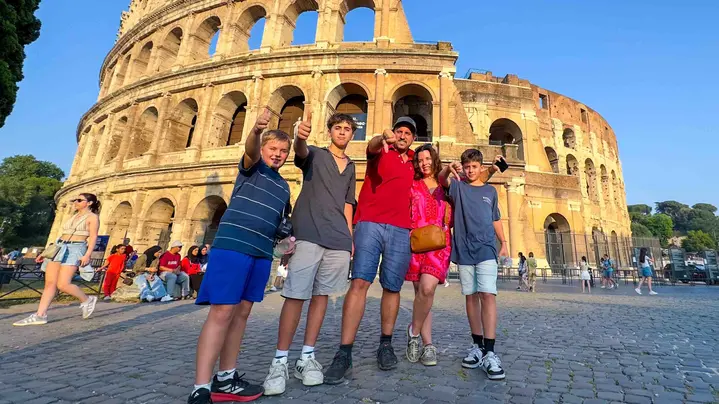
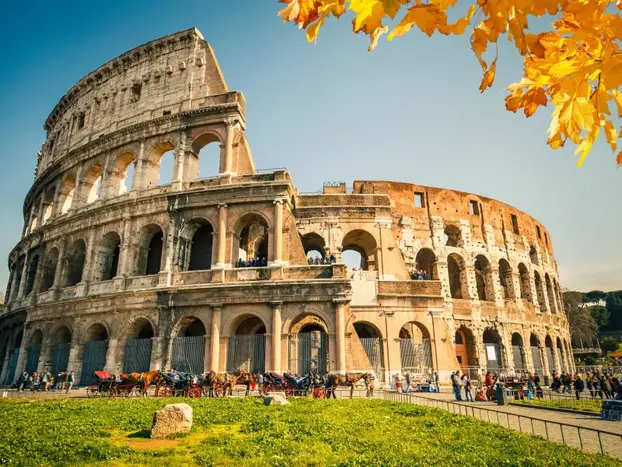
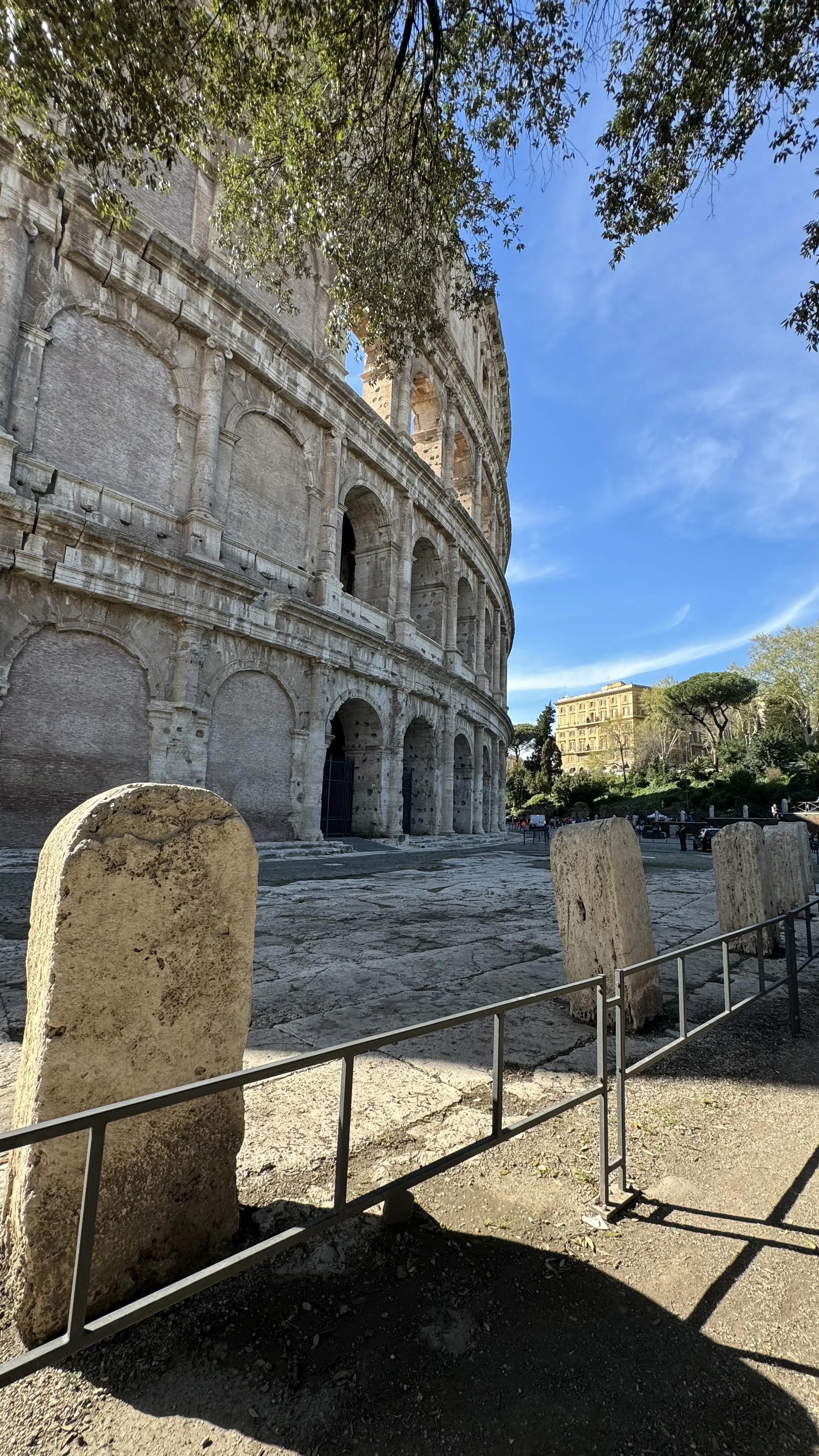
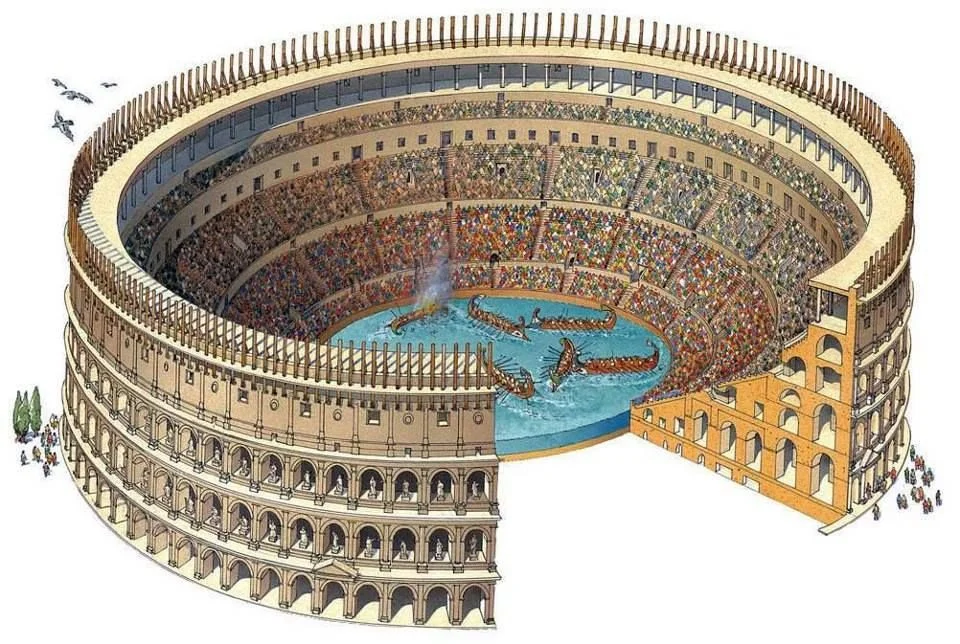
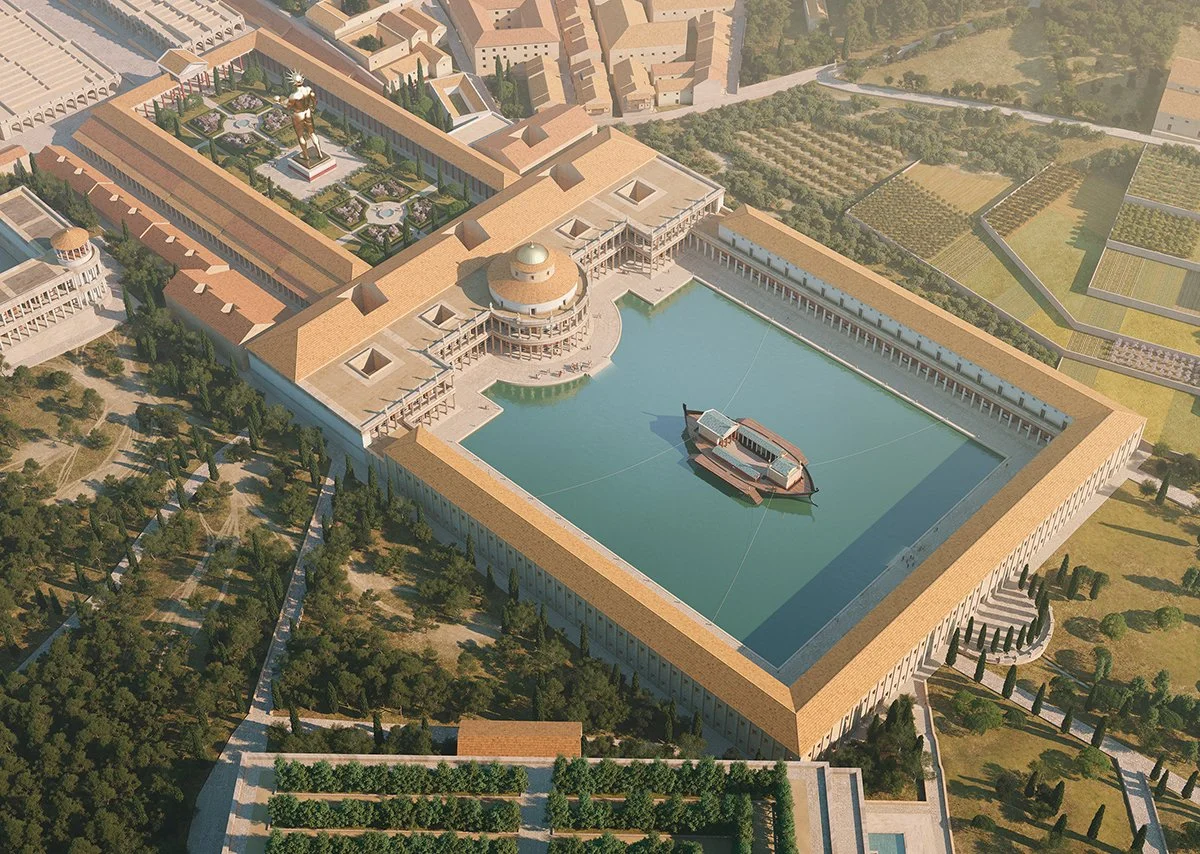
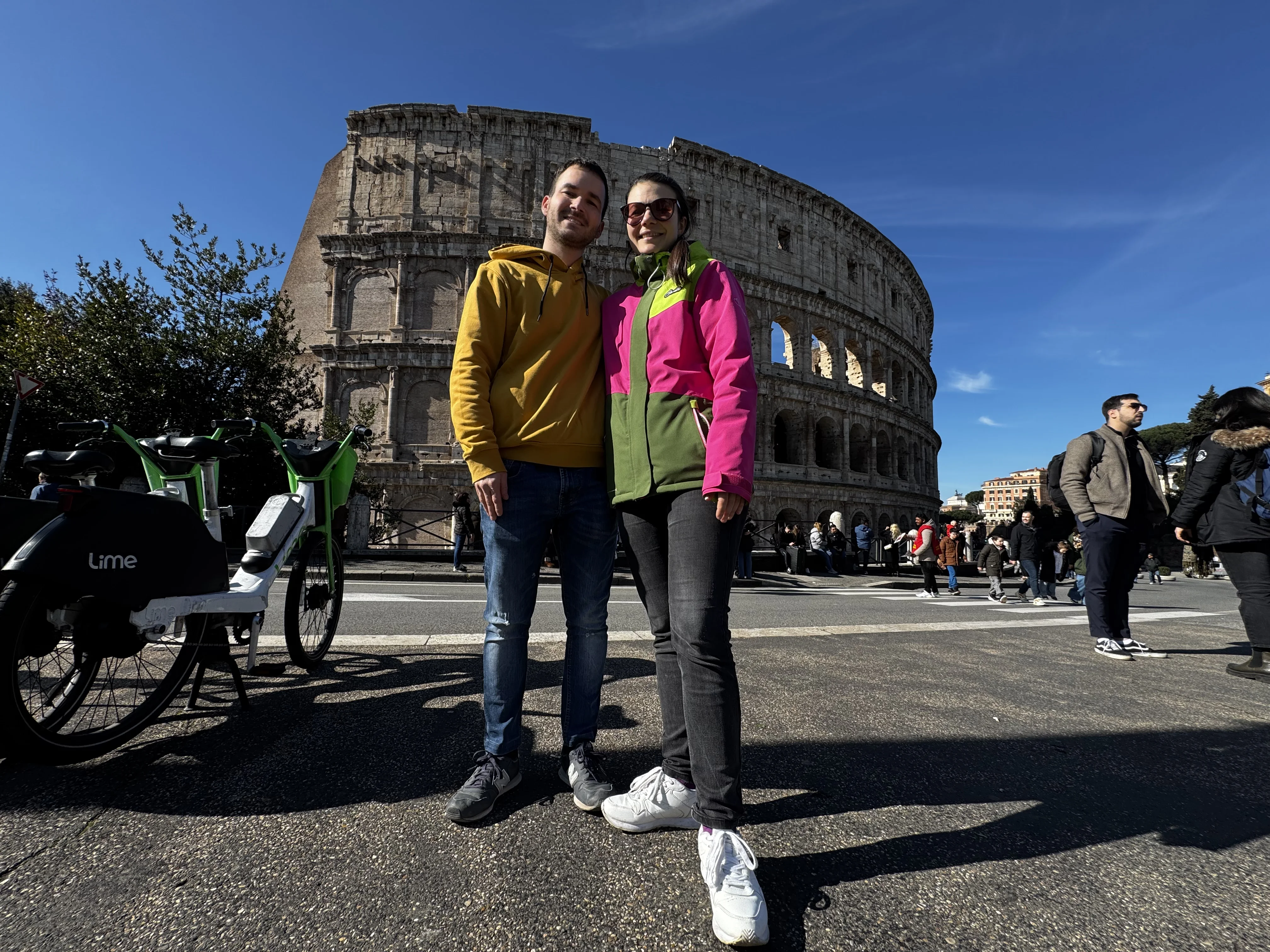
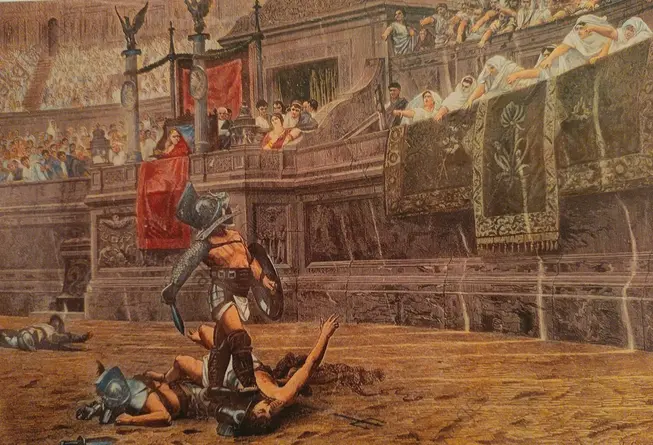
We arrive at the Colosseum (external), built over the lagoon of Nero's Domus Aurea. Here I explain how Vespasian turned an imperial whim into the most famous arena on the planet. A place where life, glory, and control of the people were at stake. A theater of blood and propaganda.
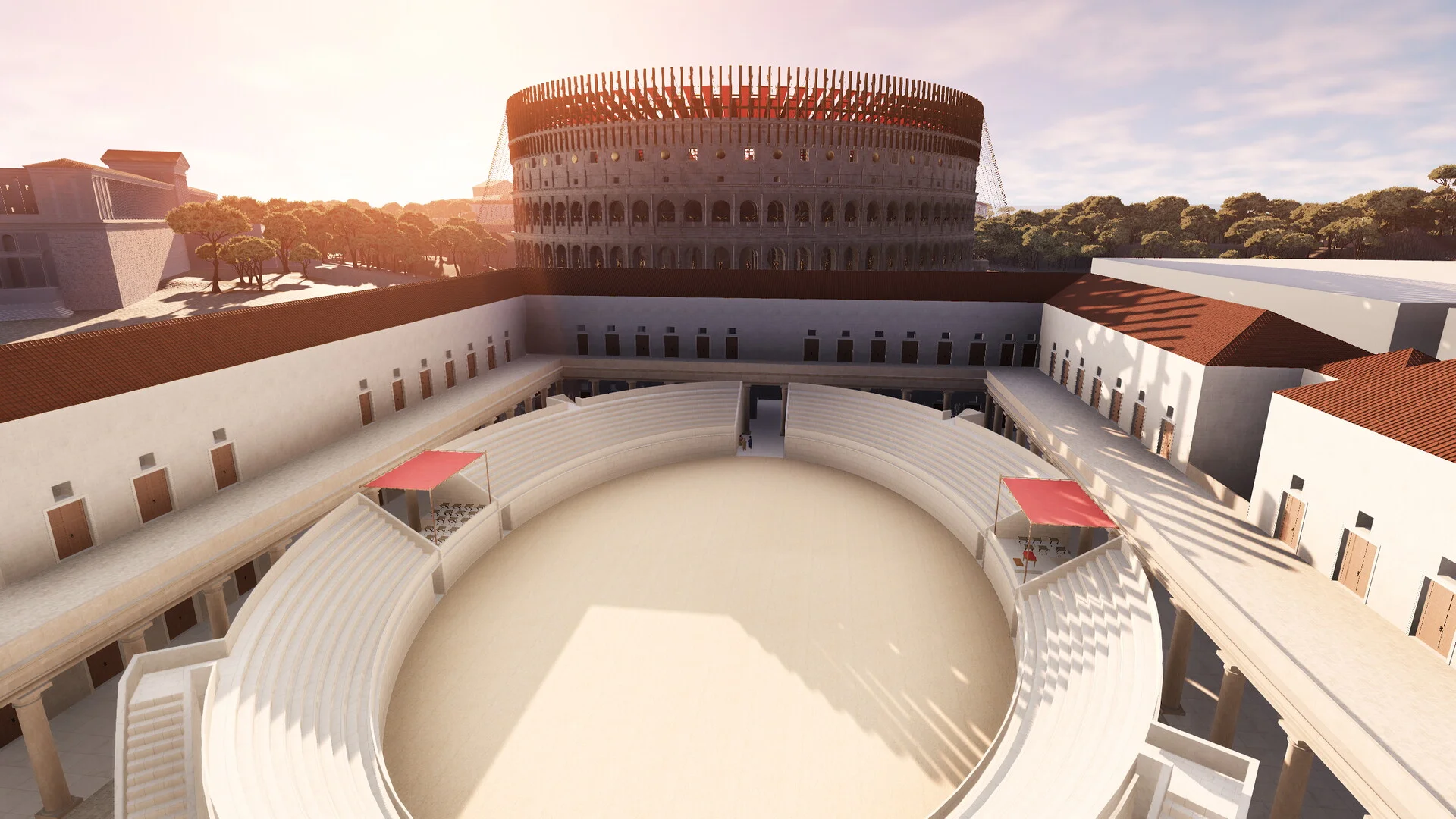
A few steps away is the Ludus Magnus (external), the main school of gladiators. Here trained the men who fed the most brutal and beloved spectacle of antiquity. Here heroes, slaves, legends were forged.
And we close at the Basilica of San Clemente (external), dedicated to the fourth pope in history. Beneath its foundations lie pagan temples, Roman houses, secret cults, and the first steps of Christianity. It is the perfect point to end: where Rome leaves behind its gods and becomes the spiritual capital of the world.
This journey not only tells the story.
It traverses it.
It breathes it.
It revives it.
And at the end…
A few steps away you can explore:
• Gastronomic area
• Domus Aurea, Nero's underground palace
• Caelian Hill, one of the seven most tranquil hills
• Villa Celimontana, ideal for resting after the tour
• Basilica of San Giovanni in Laterano, the cathedral of Rome
• Scala Santa, the stairs that, according to tradition, Jesus climbed
• San Stefano Rotondo, one of the oldest churches
• Santi Quattro Coronati, a fortified medieval monastery
• Arch of Dolabella, one of the oldest arches on the Caelian
What will we see on this tour?
How much does this tour cost?
Tour reviews
Who is this tour for?
What should I know?
Other tours by this guru


Explore Beyond Rome: Free Walking Tours in Nearby Cities
Find similar tours in Rome
Other highlighted activities in Rome