
Xauen culturale : storia e arquitectura
- 2 ore
- Catalano, Inglese, Spagnolo, Francese e Italiano
Descrizione
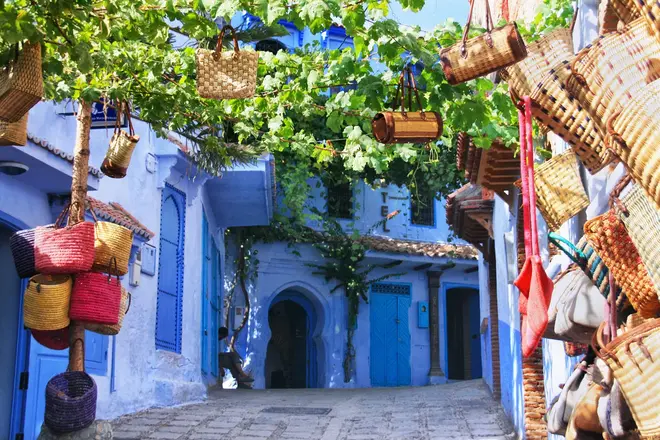
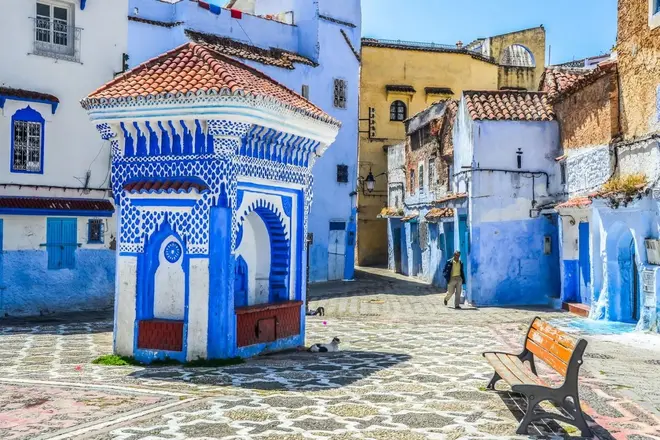
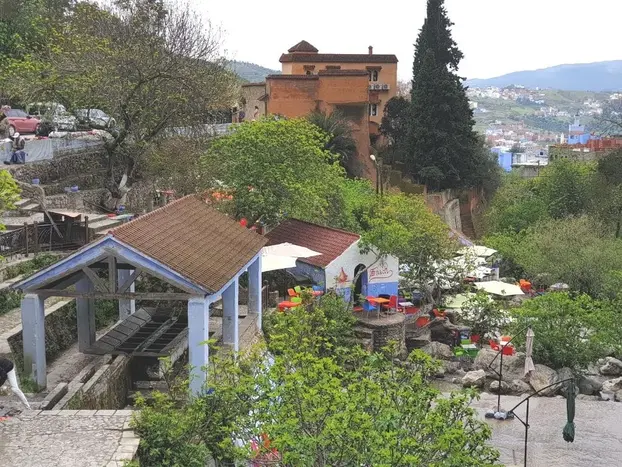
Tour della Medina cominciando dalla antica strada principale, percorrendola da un capo all'altro, seguendo i punti architettonici e storici più importanti.
Durante il tour verranno affrontati i seguenti temi:
La fondazione di Chefchaouen: Moulay Ali Ben Rashid.Descrizione della costruzione di un nuovo quartiere e città nella cultura islamica, quali furono le prime strutture pubbliche costruite
Il ruolo della città come bastione della resistenza contro i portoghesi
Alla fine del XV secolo e all'inizio del XVI, Chefchaouen fu la destinazione preferita dai mori, moriscos ed ebrei espulsi dalla Spagna. Queste persone portarono nuovi elementi architettonici e artigianali, case con tegole di argilla e imbiancate, e artigianato tradizionale in ceramica, pelle e telai.
Il significato del nome della città.
Lo stile di vita delle famiglie "Chaouni", che è rimasto praticamente inalterato dalla sua fondazione fino agli anni '90.
Il ruolo di Chefchaouen come centro di apprendimento per l'Islam
La lotta di Abdel Karim Al Khattabi per l'indipendenza.
L'eredità del protettorato spagnolo e un confronto con quello francese in altre zone del Marocco.
L'espansione della città oltre le mura della Medina con nuovi edifici pubblici come il Municipio, la stazione di polizia, ecc.
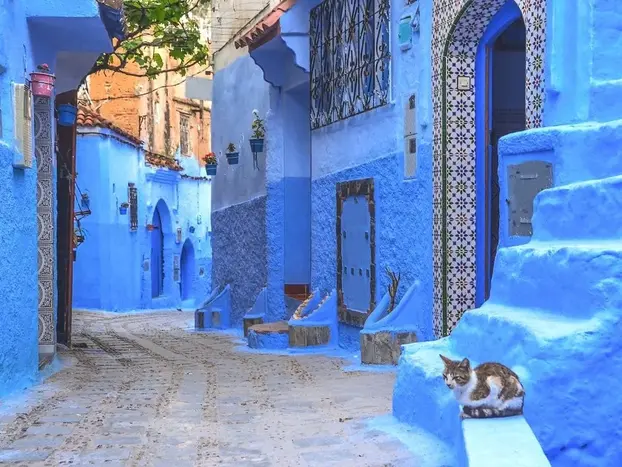
Il motivo del colore blu, sconosciuto fino agli anni '30.
L'economia di Chefchaouen prima del boom turistico: falegnameria, artigianato in pelle e articoli di telaio come coperte e djellaba

Guida: Franco
Guido dal 2026Sono 25 anni che vivo a Chefchaouen e parlo italiano, spagnolo, francese, inglese e catalano
Altre città da visitare dopo Chefchaouen
Come funziona un free tour?
1
Scegli e prenota
Seleziona un tour, data e ora. La prenotazione è gratuita.
2
Goditi il tour
Vai al punto di incontro e vivi l'esperienza con la tua guida.
3
Paga quello che vuoi
Alla fine, decidi quanto pagare in base alla tua soddisfazione.
Prenotazione e cancellazione gratuite

© GuruWalk SL