Free Walking Tours at Belgrade
Best walking tours in Belgrade with local guides:
 Guru:
Guru:
 Guru:
Guru:
 Guru:
Guru:
 Guru:
Guru: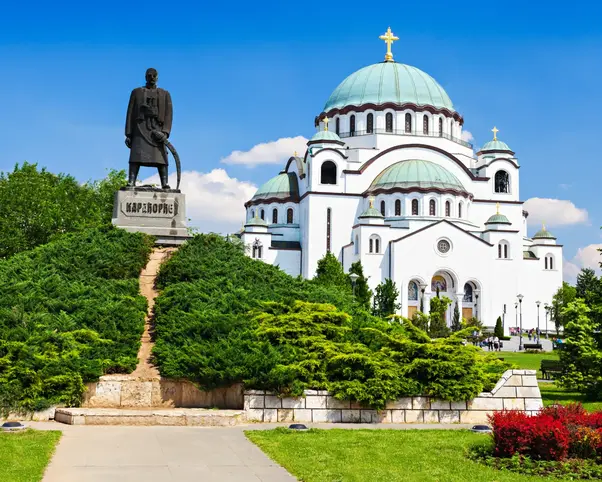
 Guru:
Guru:
 Guru:
Guru: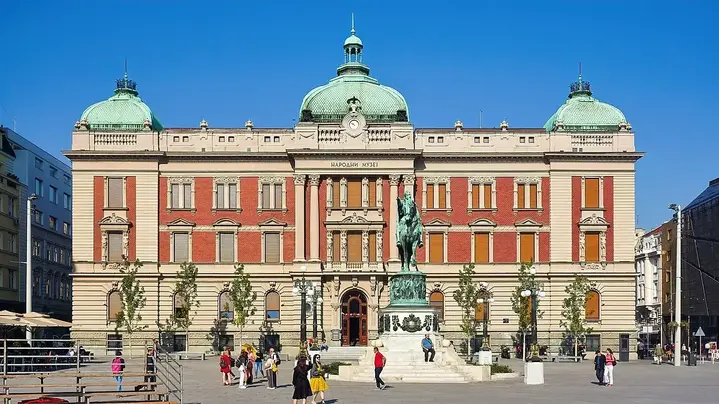
 Guru:
Guru: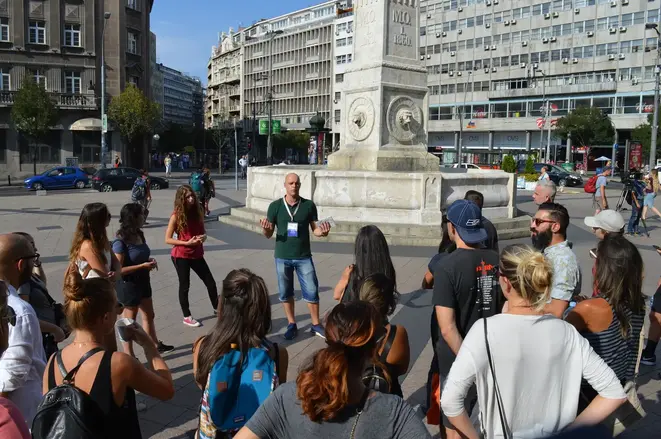
 Guru:
Guru:
 Guru:
Guru:Last update:
Other cities after visiting Belgrade
- Dubrovnik walking tour
- Budapest walking tour
- Split walking tour
- Vienna walking tour
- Kraków walking tour
- Free walking tour in Venice
- Free walking tour in Rome
- Free walking tour in Florence
- Free walking tour in Prague
- Sarajevo walking tour free
- Kotor walking tour free
- Budva walking tour free
- Free walking tour in Skopje
- Free walking tour in Sofia
- Zagreb free tour
- Free walking tour in Tirana
- Free walking tour in Brașov
- Zadar walking tour
- Free walking tour in Bucharest
- Walking tour Bratislava
Where empires collided: walking Belgrade on foot
Few European capitals compress Roman, Ottoman, Habsburg and socialist chapters into one walkable centre. A free walking tour in Belgrade on GuruWalk covers a variety of themed routes in English and Spanish, ranging from just under two hours to around three hours.
Routes trace the fortress walls and bohemian lanes of old Belgrade around Kalemegdan, the 20th-century political landmarks from Yugoslavia's rise to the 1999 NATO bombing, and the craft-brewery districts across the Sava reachable by e-scooter.
Fortress walls, Yugoslav chapters and bohemian lanes: walking routes through Belgrade
Old Belgrade: Republic Square, Kalemegdan Fortress and Skadarlija
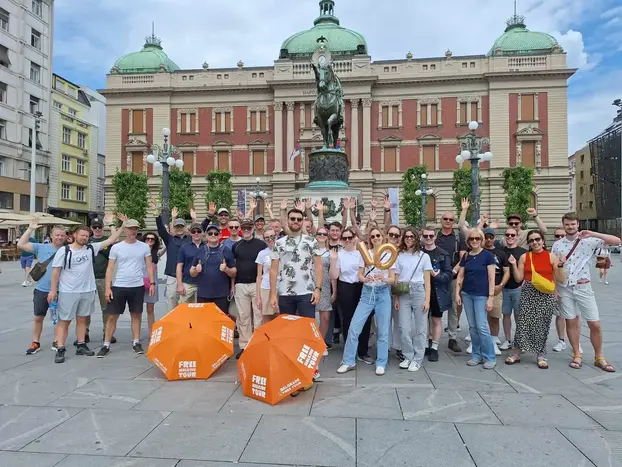
The city-centre belgrade walking tour starts at Republic Square near the Prince Mihailo Monument and follows Knez Mihailova Street to Kalemegdan Fortress, where the Sava and Danube rivers meet below the ramparts. Along the way it threads through Kosancic'ev Venac, passes the Bajrakli Mosque and finishes in the cobblestoned bohemian quarter of Skadarlija. The route runs around two to two and a half hours.
Ideal as a first-day orientation -- guides layer Roman, Ottoman, Habsburg and Serbian history into a single coherent narrative. Some guides offer tastings of Serbian snacks and rakija during or after the walk, turning the tour into a culinary preview as well.
20th-century Belgrade: Yugoslavia, the NATO bombing and Saint Sava Temple
The former Yugoslav Ministry of Defence still stands in ruins in central Belgrade -- one of the most recognisable NATO bombing sites in Europe. A free tour Belgrade route focused on 20th-century history covers this landmark alongside Hotel Moskva, the National Parliament, St. Mark's Church, Slavija Square and the monumental Saint Sava Temple. It lasts around two hours.
Guides present the rise and fall of Yugoslavia, Tito's legacy and the 1999 bombardment with balanced perspectives on politically charged topics -- a recurring point of praise in reviews. Best for history-minded visitors curious about the layers beneath modern Serbia.
Belgrade by e-scooter: covering more ground beyond the pedestrian zone
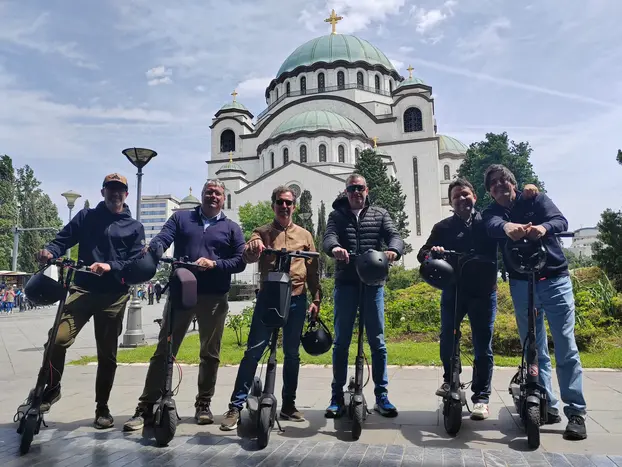
Key Belgrade sites span both sides of the Sava, and a walking tour belgrade by e-scooter covers distances that are too spread out on foot. The route reaches Belgrade Fortress, the Sava riverfront, New Belgrade's brutalist blocks and a craft-brewery district in around two and a half hours. Suited for active travellers who want a broad overview that goes well beyond the pedestrian core.
Combining routes: medieval fortress to Cold War capital in a single day
A historic centre walk in the morning pairs well with the Yugoslav history route in the afternoon -- together they trace Belgrade from medieval fortress to Cold War capital. The e-scooter option slots into a free morning when you want to reach spots beyond the pedestrian core. For those curious about Belgrade's famously late nightlife, a nightly pub crawl fills an evening. Spanish-language routes are also available for Latin American and Spanish travellers.
What makes these routes different in Belgrade
Across hundreds of verified reviews, several patterns stand out about the belgrade free walking tour experience.
- More than half of reviewers highlight how guides weave Belgrade's extraordinarily layered history -- Ottoman, Habsburg, Yugoslav and post-war -- into a coherent narrative that makes centuries of conflict understandable in a single walk.
- More than half of reviewers describe the experience as feeling like exploring with a local friend rather than a formal tour -- guides demonstrate personal pride and emotional connection to Belgrade that shapes the entire atmosphere.
- Roughly one in three reviewers mention guides sharing local food recommendations, traditional restaurant tips and sometimes offering tastings of Serbian snacks and rakija during the walk itself.
- Roughly one in five reviewers praise guides for explaining Belgrade's current political and social situation alongside historical context, including recent protests and Balkan geopolitics -- a depth that goes beyond monuments.
- More than half of reviewers note the breadth of topics covered -- architecture, cuisine, history, culture, art and politics -- within a single walk of around two hours, reflecting the density of Belgrade's compact centre.
Common questions about free walking tours in Belgrade
How much should you tip on a free walking tour in Belgrade?
Between 10 and 20 EUR per person is the standard range. If the experience exceeds your expectations, some walkers leave up to 50 EUR.
Where do free walking tours in Belgrade usually start?
Almost all routes start at or near Republic Square (Trg Republike), typically behind the Prince Mihailo Monument. This is the most central and recognisable meeting point in the city, easy to reach on foot from most accommodation.
How long does a free walking tour in Belgrade last?
Most routes last from just under two hours to around two and a half hours. Some guides extend to nearly three hours when the group is engaged. The e-scooter option covers more ground in a similar timeframe.
Do Belgrade free walking tours cover the NATO bombing sites?
Yes. Routes focused on 20th-century and Yugoslav history include the former Ministry of Defence ruins, one of the most recognisable NATO bombing sites in Europe. Guides cover the 1999 bombardment within the broader context of Yugoslavia's rise and fall, from the Kingdom through Tito's era to the wars of the 1990s.
Is a free walking tour a good first activity in Belgrade?
Reviewers consistently describe it as the ideal first-day activity. The routes provide orientation around the compact centre -- from Republic Square through Knez Mihailova to Kalemegdan Fortress -- and guides share restaurant tips, local customs and neighbourhood suggestions that help visitors plan the rest of their stay.
Are there free walking tours in Belgrade available in languages other than English?
English is the primary language across most routes, but there are also options in Spanish. Spanish-language walking tours are uncommon in the Balkans, making Belgrade an exception for Latin American and Spanish travellers.
Our tour guides in Belgrade




Find other guruwalks in Belgrade
