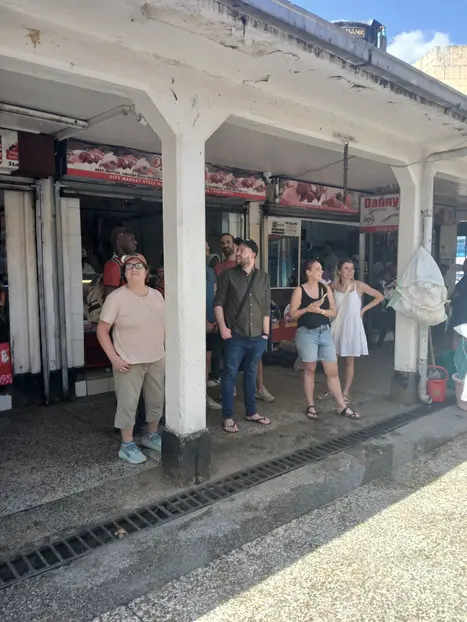
Free walking tours in Nairobi
The best guruwalks in Nairobi
Last update:
Other cities after visiting Nairobi
Why Nairobi works best with a local guide beside you
Nairobi is one of the few capitals where a walking tour doubles as a navigation tool. A free walking tour in Nairobi on GuruWalk covers a variety of themed routes in English, Spanish, French, German and Italian, ranging from about an hour and three quarters to around three hours.
Routes span the downtown CBD around KICC and the Kenya National Archives, the community lanes of Kibera, and the ingredient markets where Kenyans eat lunch on weekdays. Nature walks through Karura Forest add caves, waterfalls and wildlife just outside the centre.
CBD landmarks, Kibera stories and Kenyan street food: walking routes through Nairobi
Downtown Nairobi: KICC, Kenya National Archives and the old CBD
The CBD walking tour connects Kenyatta International Convention Centre, Kenya National Archives, Jamia Mosque, Kencom Plaza, the Sarova Stanley Hotel and Uhuru Park in around two and a half hours. Ideal for first-time visitors who want an overview of Nairobi's post-independence history and daily city life.
Guides cover the Kipande system, tribal cultures and modern Kenyan politics -- topics reviewers say they cannot find in any guidebook. The KICC rooftop offers a 360-degree panorama that maps out the city and surrounding hills.
Kibera: community life inside East Africa's largest informal settlement
Kibera is home to roughly one million people and has its own schools, workshops and community foundations. A walking tour through Kibera lasts between two and a half and three hours and is led by guides who were born and raised in the neighbourhood -- making the experience personal rather than voyeuristic.
Visitors meet families, enter local workshops and learn about grassroots projects like the Okolea Mtaa Foundation. Best for travellers who want an unfiltered, respectful look at daily life beyond the tourist circuit.
Nairobi's food scene: markets, matatus and Kenyan street dishes
The food-focused route runs about an hour and three quarters through City Market and downtown lunch stalls where working Kenyans eat -- plastic chairs, home cooking and no tourist markup. Guides steer you toward authentic dishes and ingredient markets that most visitors walk past entirely. Browse all gastronomic Nairobi tours to find available dates.
Combining routes: how to plan two days of walking in Nairobi
A CBD historical walk in the morning pairs well with the food tour over lunch on day one. Kibera fits into a full afternoon on day two. If you have a spare morning, the Karura Forest nature walk offers caves, waterfalls and wildlife just outside the city centre.
What stands out about free walking tours in Nairobi
Across hundreds of verified reviews, several patterns emerge about the free walking tour Nairobi experience.
- More than half of reviewers say they felt safe exploring the CBD specifically because they had a local beside them -- several admit they would not have walked those streets alone.
- Roughly one in three reviewers highlight learning about post-independence Kenyan politics, tribal cultures and the Kipande system -- topics they describe as impossible to find on Google.
- Across most Kibera route reviews, walkers note that guides born and raised in the settlement make the experience feel personal rather than voyeuristic, with some inviting visitors into family homes.
- A recurring theme on food tours is being taken to actual working-class lunch spots and ingredient markets where only locals eat -- not tourist restaurants with inflated prices.
- A notable number of reviewers mention riding matatus -- Nairobi's decorated minibus taxis -- during the tour as a unique cultural layer on top of the walk.
- More than half of reviewers value learning how Kenyans actually live today, describing the tours as living-culture experiences rather than monument-ticking exercises.
Practical questions about free walking tours in Nairobi
How much should you tip on a free walking tour in Nairobi?
Between 10 and 20 EUR per person is the standard range. If the guide exceeds your expectations -- extending the route, introducing you to families in Kibera or helping negotiate prices at the market -- some walkers leave up to 50 EUR.
Is it safe to walk around Nairobi's CBD on a free tour?
Yes. More than half of reviewers specifically mention feeling safe because their guide navigated busy streets and knew which areas to avoid. Guides act as both narrators and navigators, making the CBD accessible to visitors who would not walk those streets alone.
How long do free walking tours in Nairobi last?
Most routes last between about an hour and three quarters and three hours. Food tours run closer to the shorter end, CBD walks average around two and a half hours, and Kibera routes can reach three hours depending on the depth of community visits.
Can you visit Kibera on a free walking tour?
Yes. Kibera routes are led by guides who were born and raised in the settlement. These are community-led experiences lasting between two and a half and three hours, during which you visit local schools, workshops and projects like the Okolea Mtaa Foundation. Reviewers consistently describe feeling welcome and safe.
What languages are free walking tours in Nairobi available in?
Most routes run in English, which is natural given Nairobi's status as an anglophone capital. Several guides also offer tours in Spanish and French, with German and Italian available on select routes.
Is a walking tour a good first activity when arriving in Nairobi before a safari?
Many reviewers describe it as the ideal first-day activity. Guides share practical tips about Kenyan culture and city navigation that prove useful for the rest of the trip. A significant number of walkers say the knowledge gained served them throughout their entire Kenya stay.
Find other guruwalks in Nairobi